
Quick report
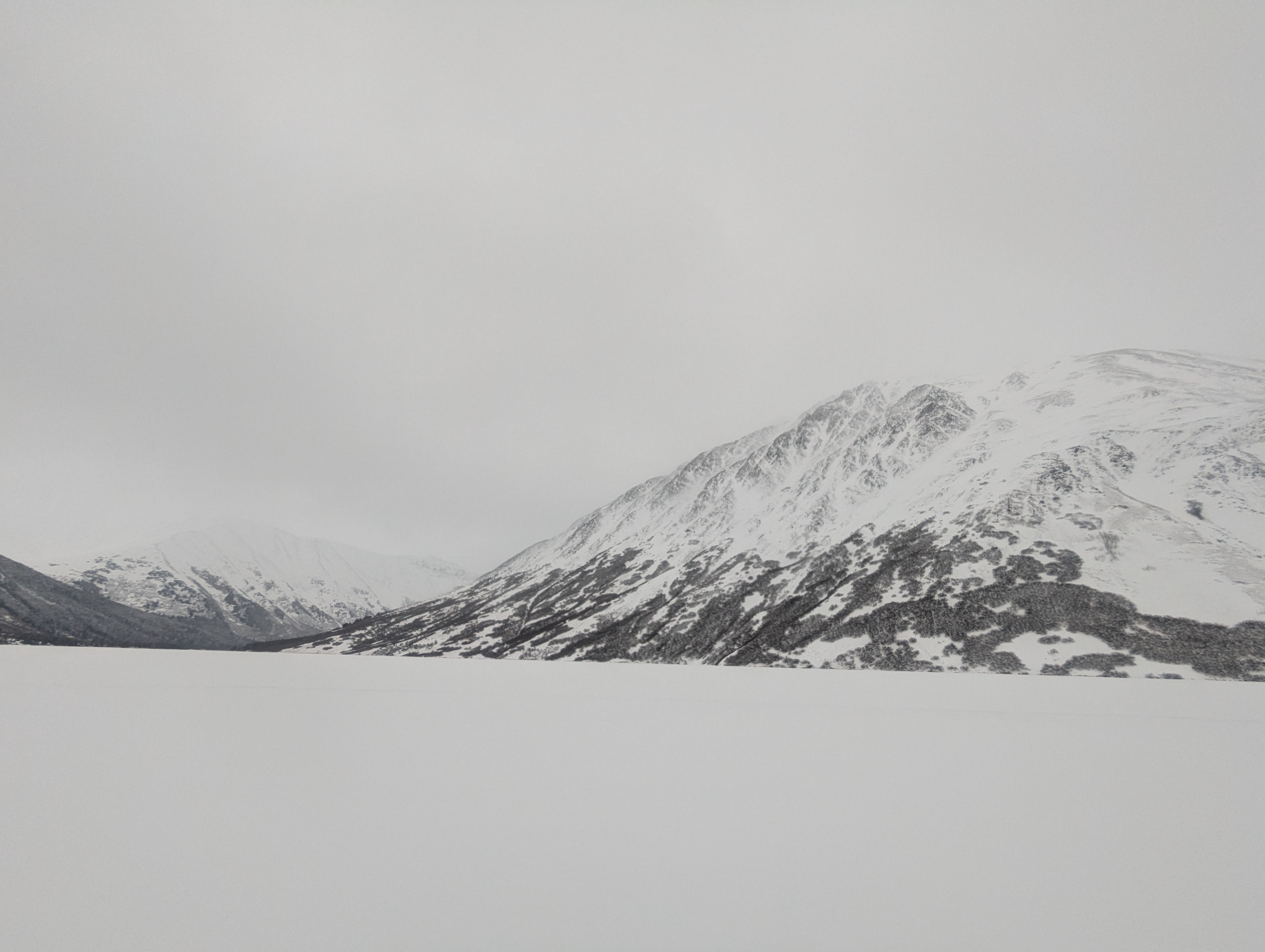
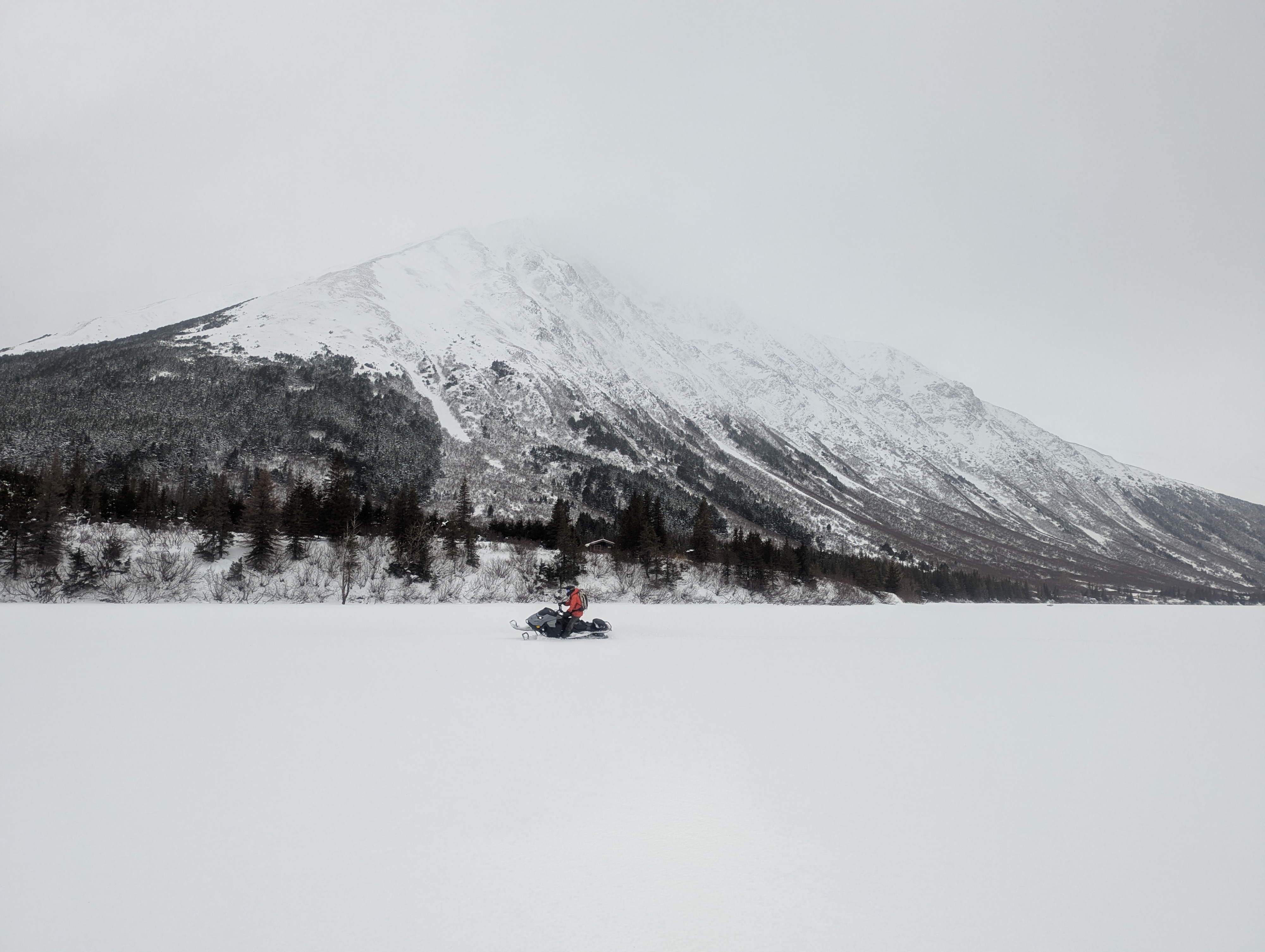
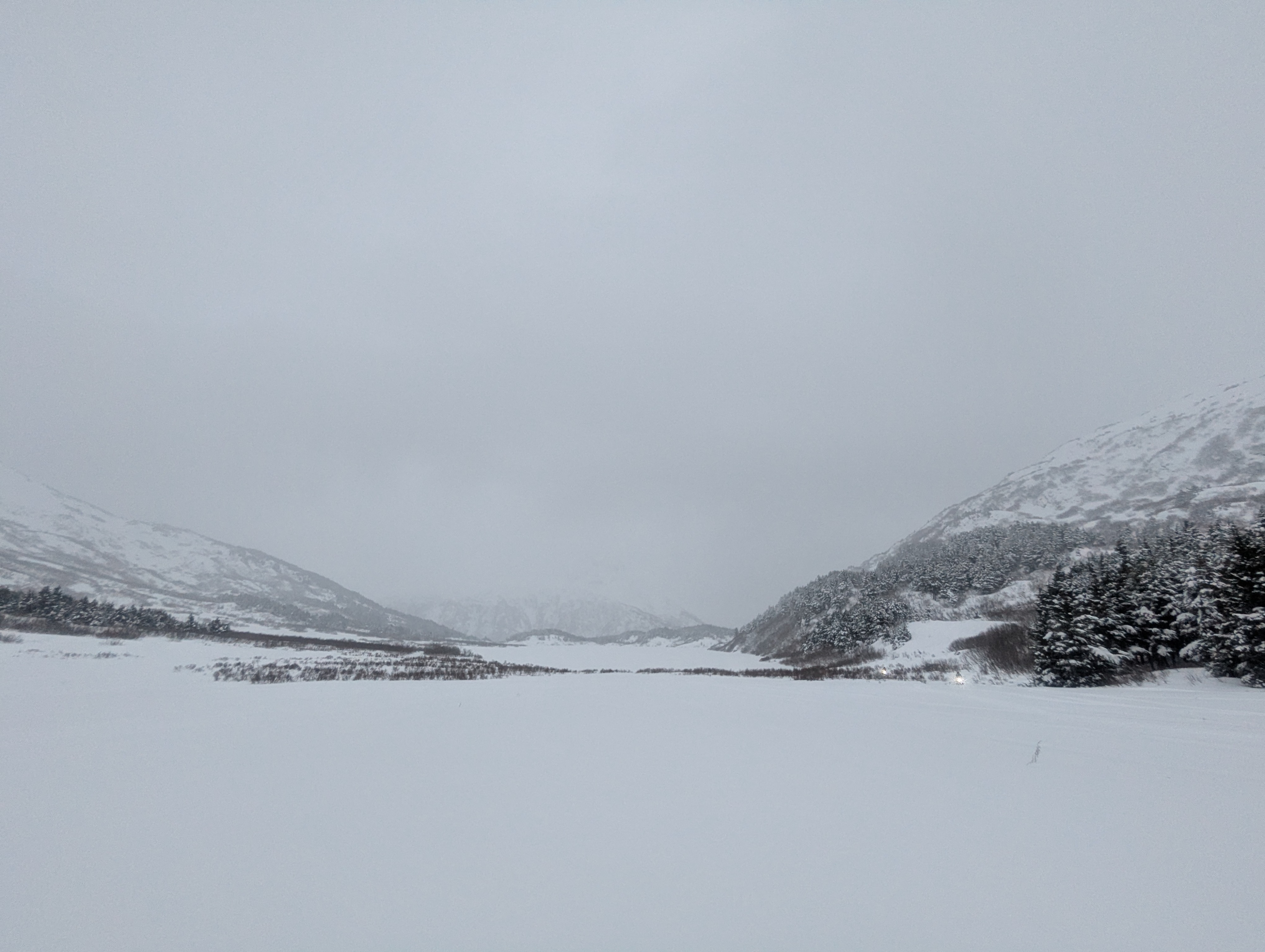
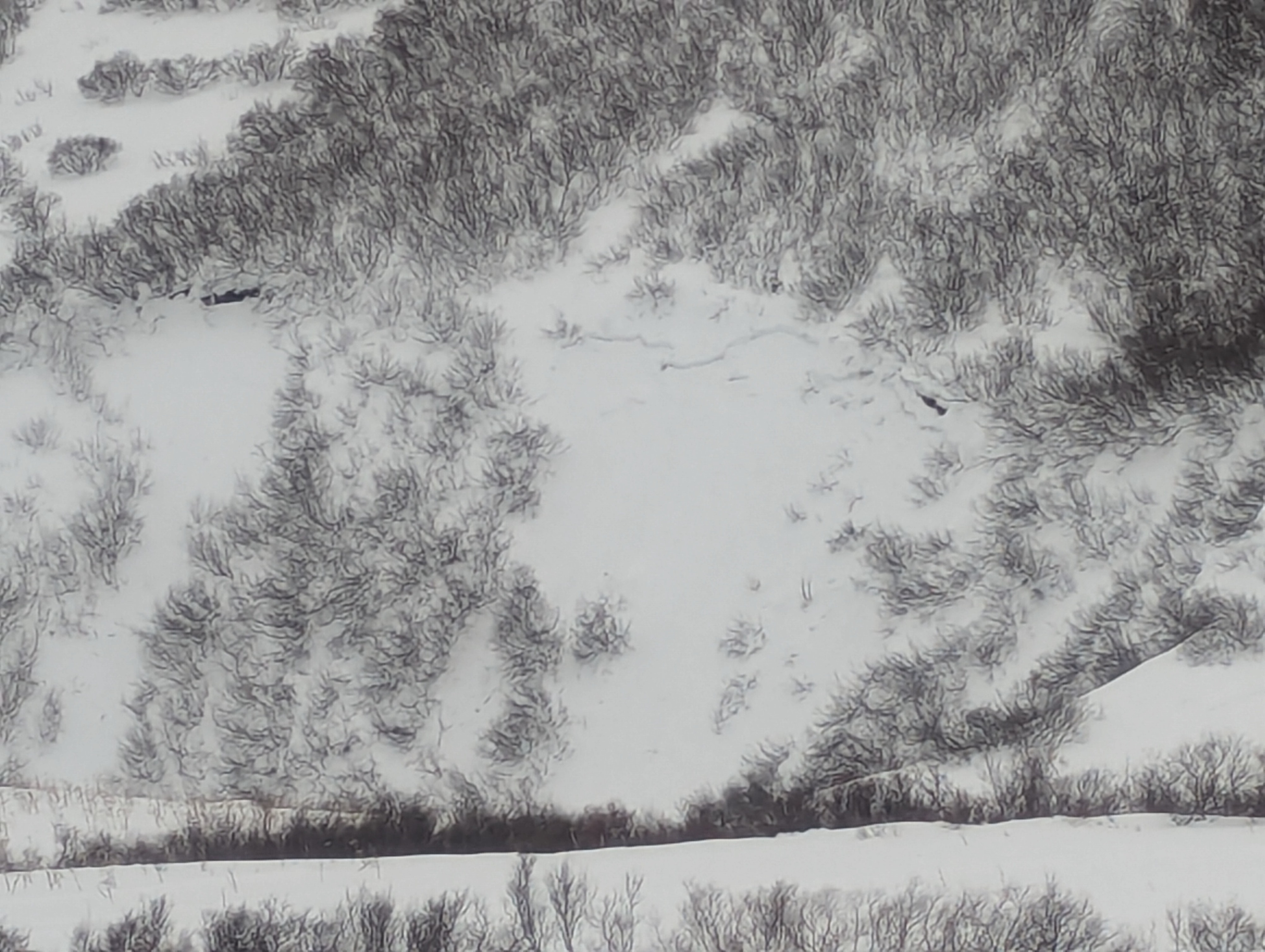
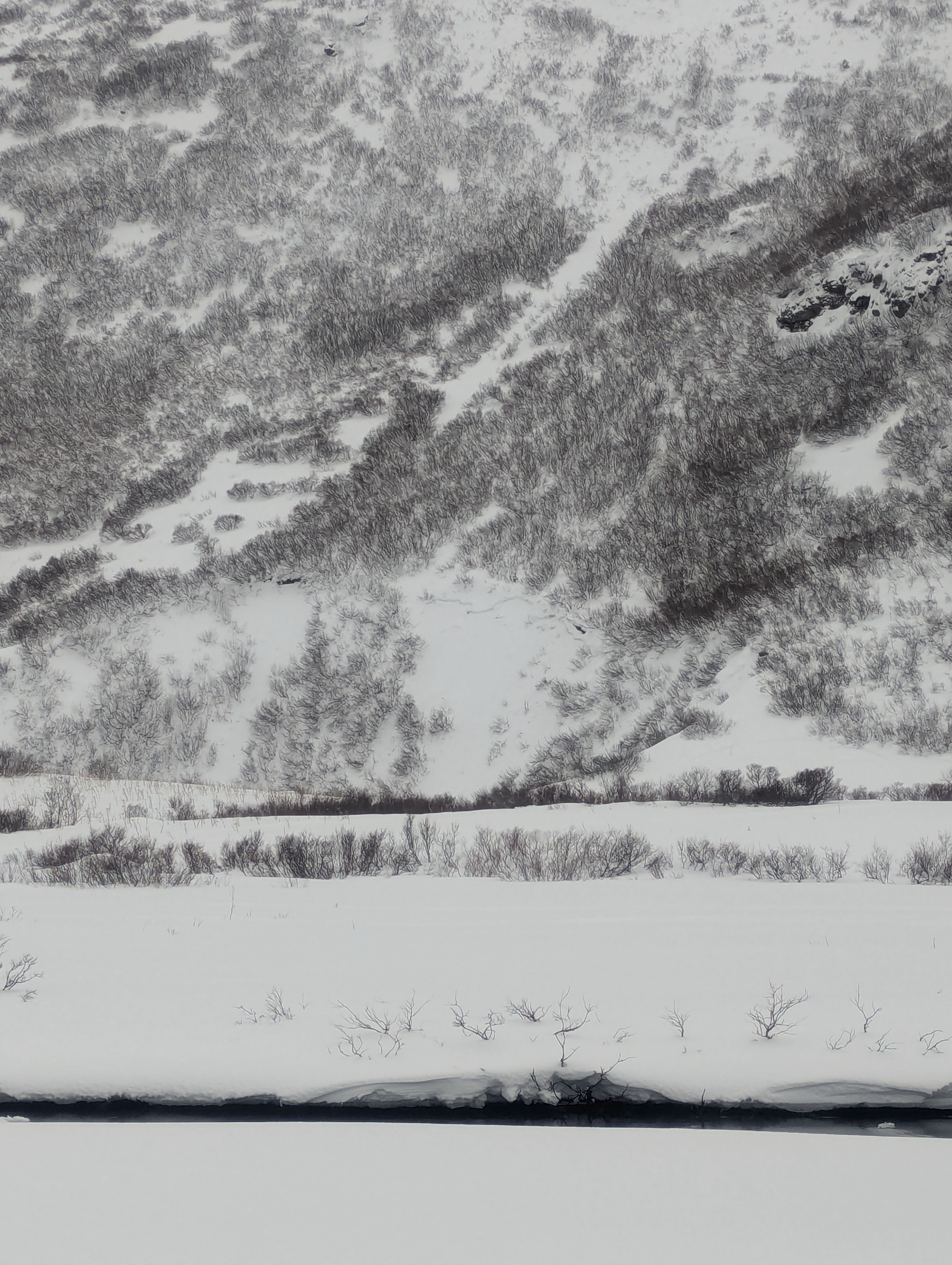
We rode up the Carter Lake trail to Crescent Saddle Cabin to check out the snowpack conditions in the area and get a sense of how the incoming storm was impacting avalanche conditions. The wind was the biggest factor in this area, with tons of snow being transported onto leeward slopes and wind averaging 20-30 mph with gusts of 50+ mph. We were nearly blown off our sleds riding across Crescent Lake. As we were riding to the cabin, we saw a large natural avalanche running out onto Crescent Lake from a start zone on the NW aspect of Saddle Horn Mountain (Peak 5030' on USGS topo). We stuck to the flats in the valley bottom and checked out the snowpack at 1500' on a NW aspect. We found a weak layer of facets around a melt freeze crust buried about 1.5', which failed in our stability test. This is very similar to the snowpack structure throughout the forecast area, and natural or human-triggered avalanches on this layer during this very powerful storm are very likely.
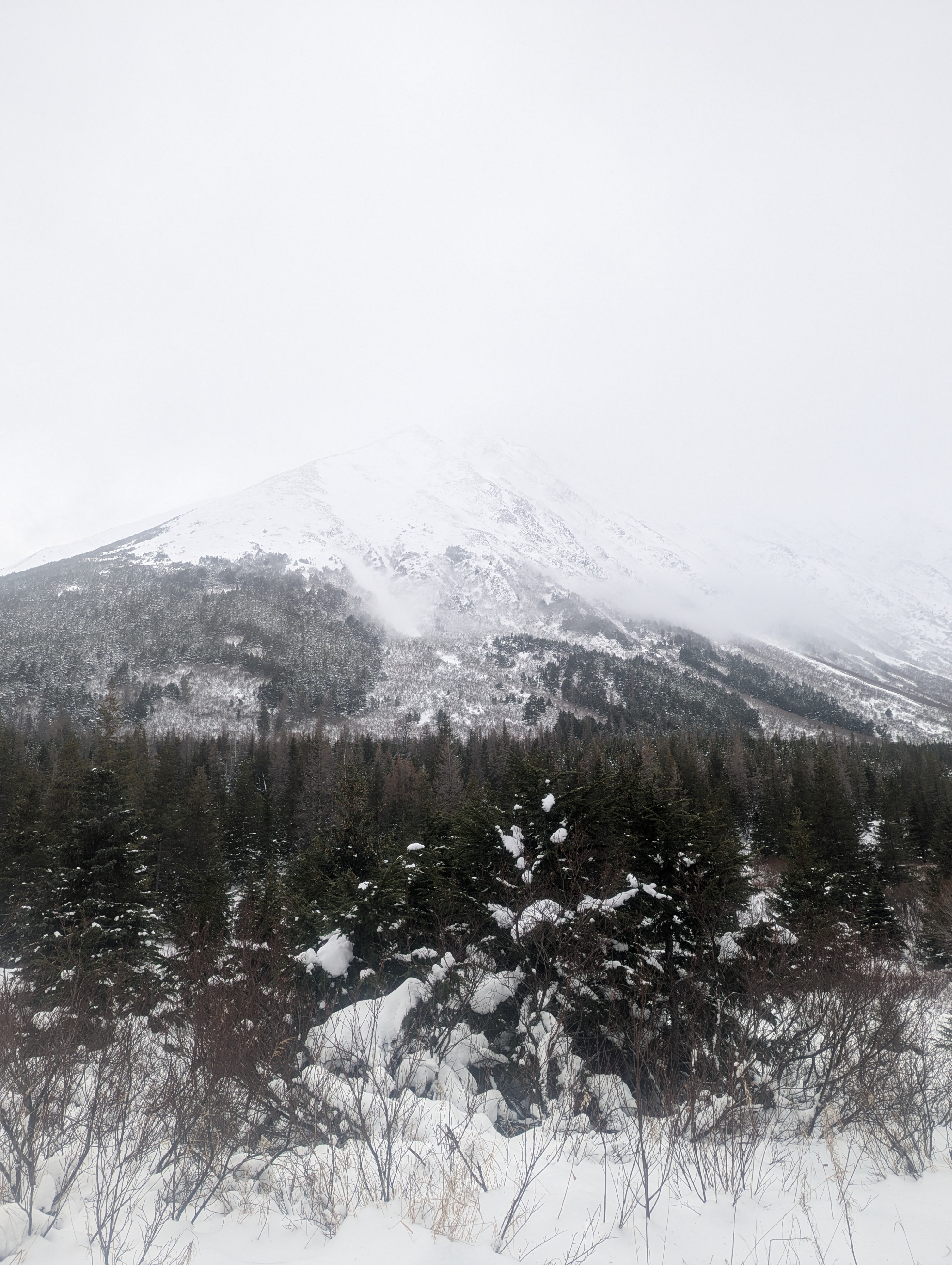
We saw a natural avalanche in motion off of Saddle Horn mountain (Peak 5030' on USGS topo) on a NW aspect.Weather
- Air Temp
- 30s
- Cloud Cover
- obscured
- Wind Loading
- intense
- Rain Elevation
- 1500
- Snow Avail For Transport
- large amounts
An atmospheric river event was starting to impact the area during this tour, with temps rapidly climbing into the 30s F and very strong winds. In open areas, the winds were probably averaging 20 to 30 mph with gusts of 50+ mph on Crescent Lake. It was almost blowing us off our sleds. There was light rain below 1500' and light to moderate snowfall above 1500' from about 9 to 11 am. Then the snow and rain tapered off in that area until we left around 1 pm.
Snowpack
We found poor snowpack structure with facets above and below a crust buried about 1.5' deep. In our statbity test this layer failed and propagated across the column (ETCP 11). This is consistent with what we have found throughout the region in the past week and is very concerning for the potential to cause large natural and human-triggered avalanches.
Avalanche
- Size
- D2.5
- Type
- U
- Aspect
- NW
- Trigger
- N
- Elevation
- 4500 ft
We witnessed a natural avalanche running out onto Crescent Lake while we were riding to the Crescent Saddle Cabin. We couldn't see the start zone due to visibility, but assumed it was a D2 to D3 due to the long runout and approximate size of the debris. We did not approach the debris due to the ongoing wind loading and overhead hazard.