
Quick report
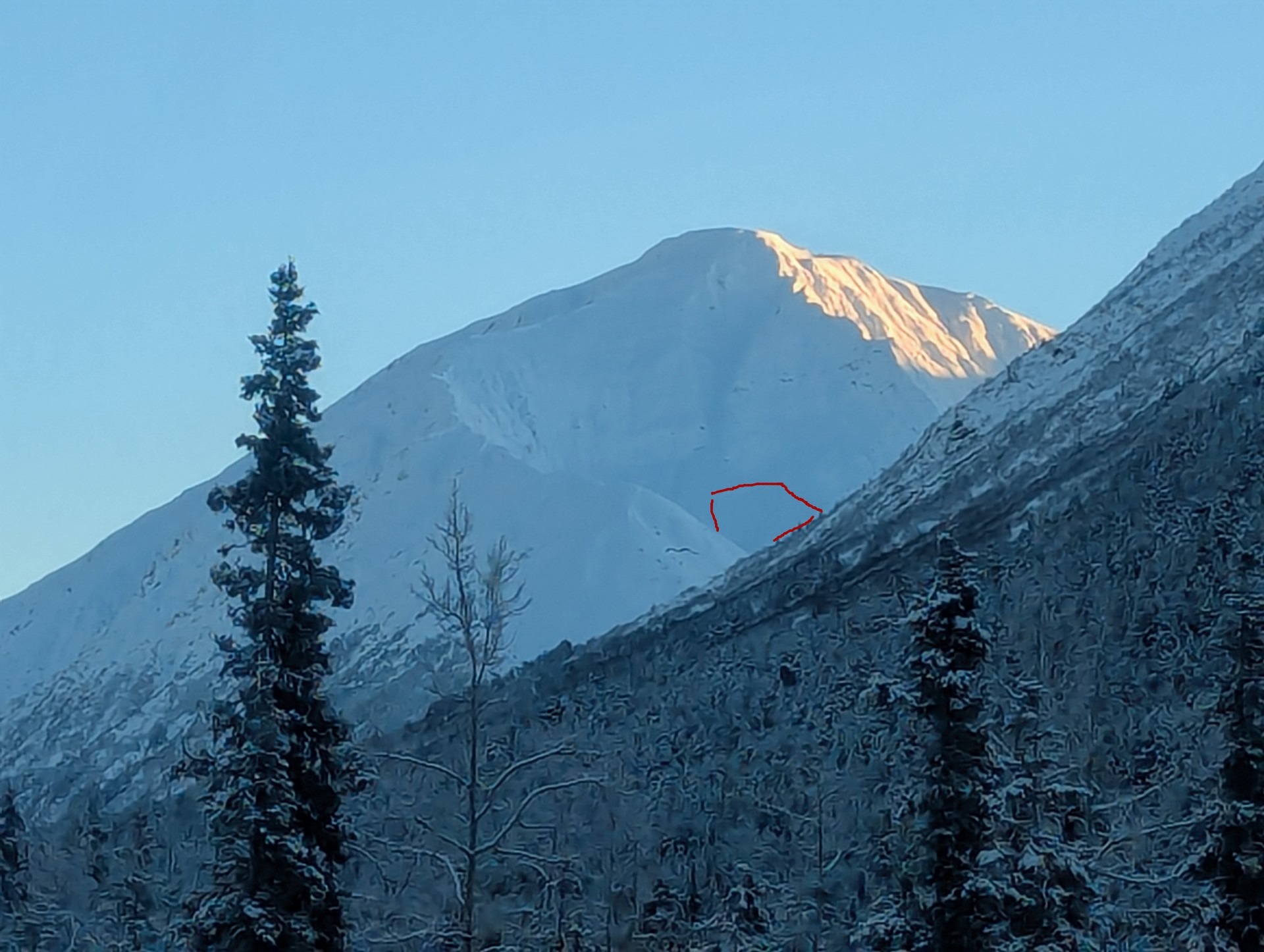
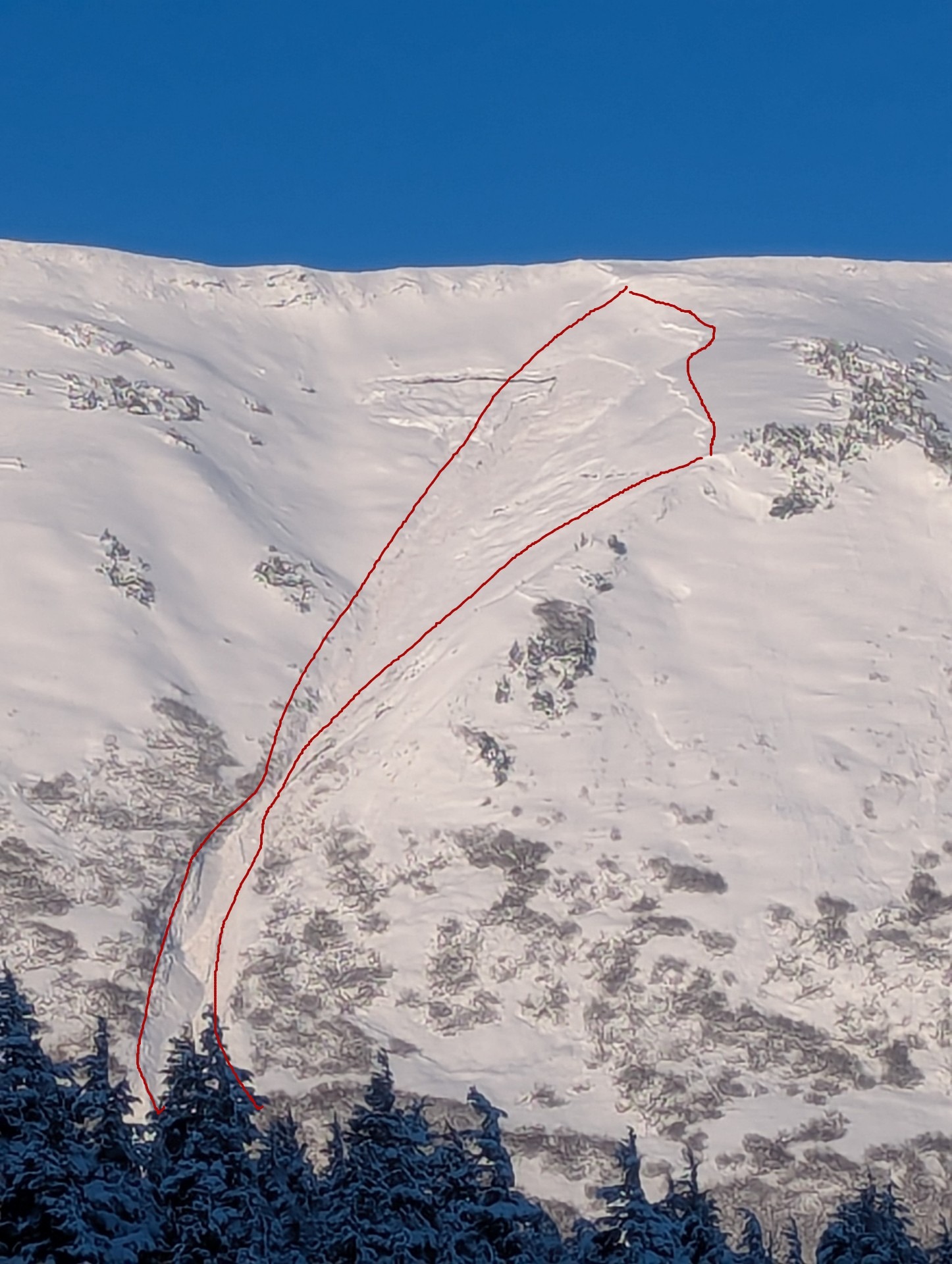
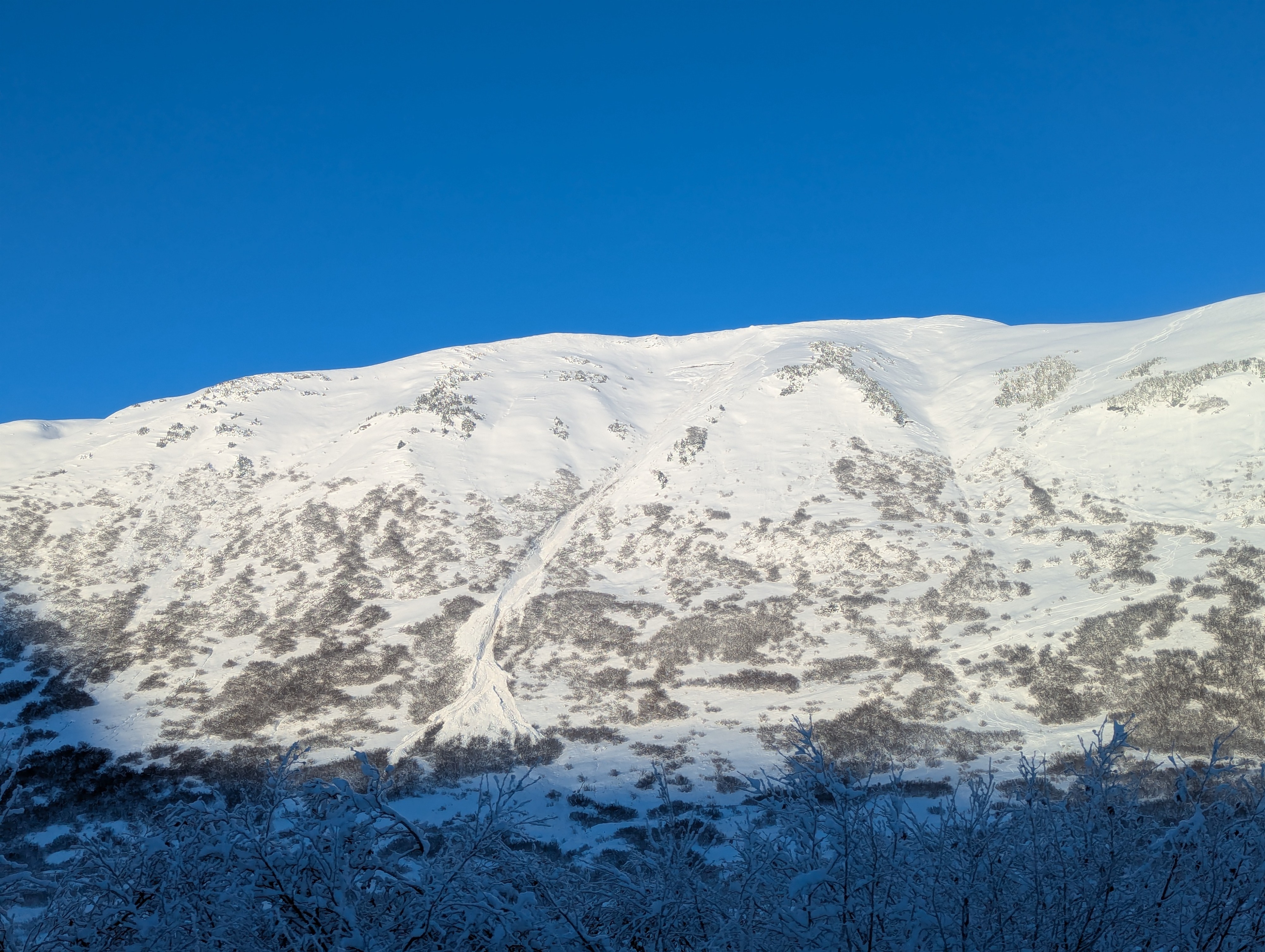
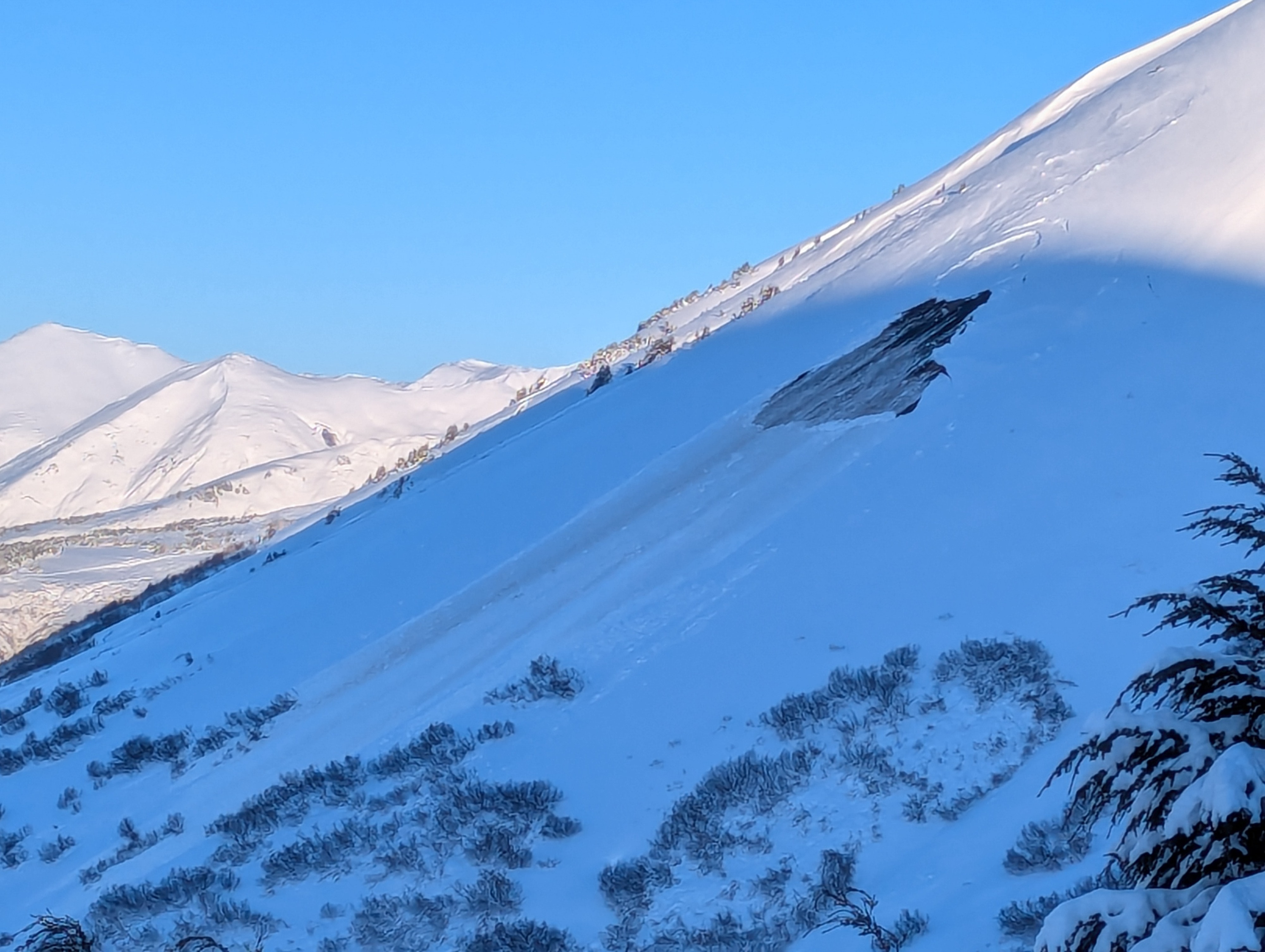
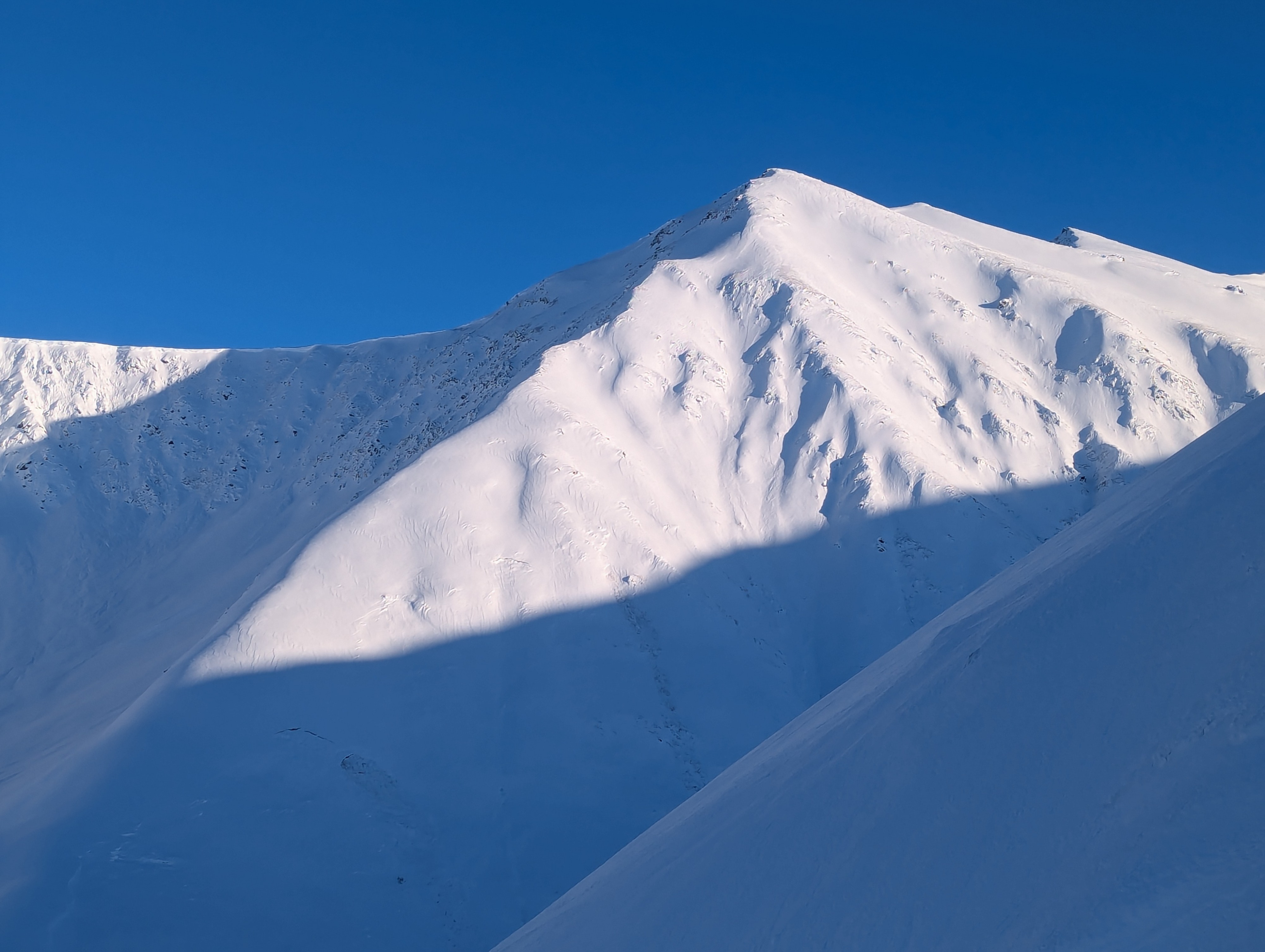
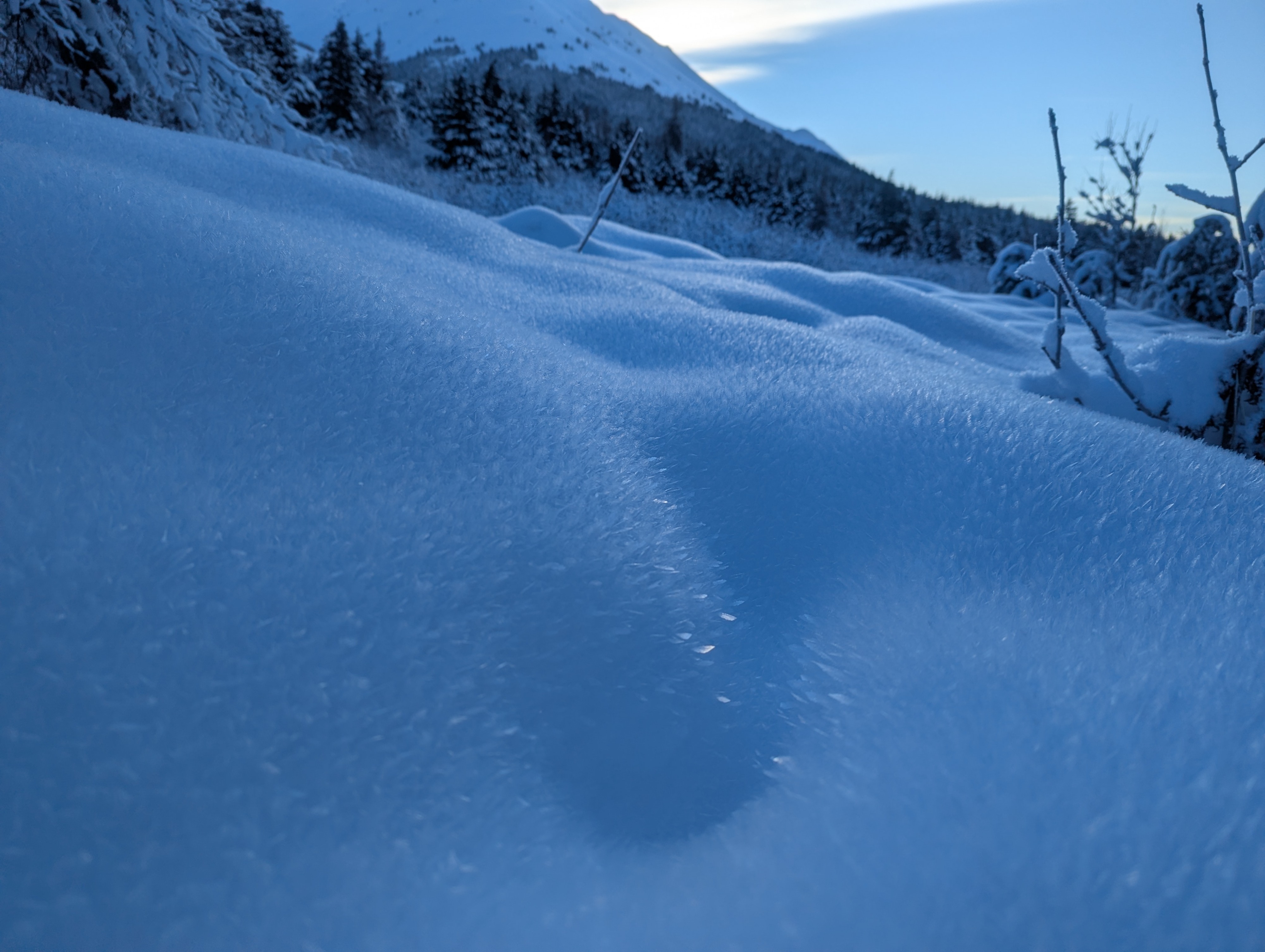
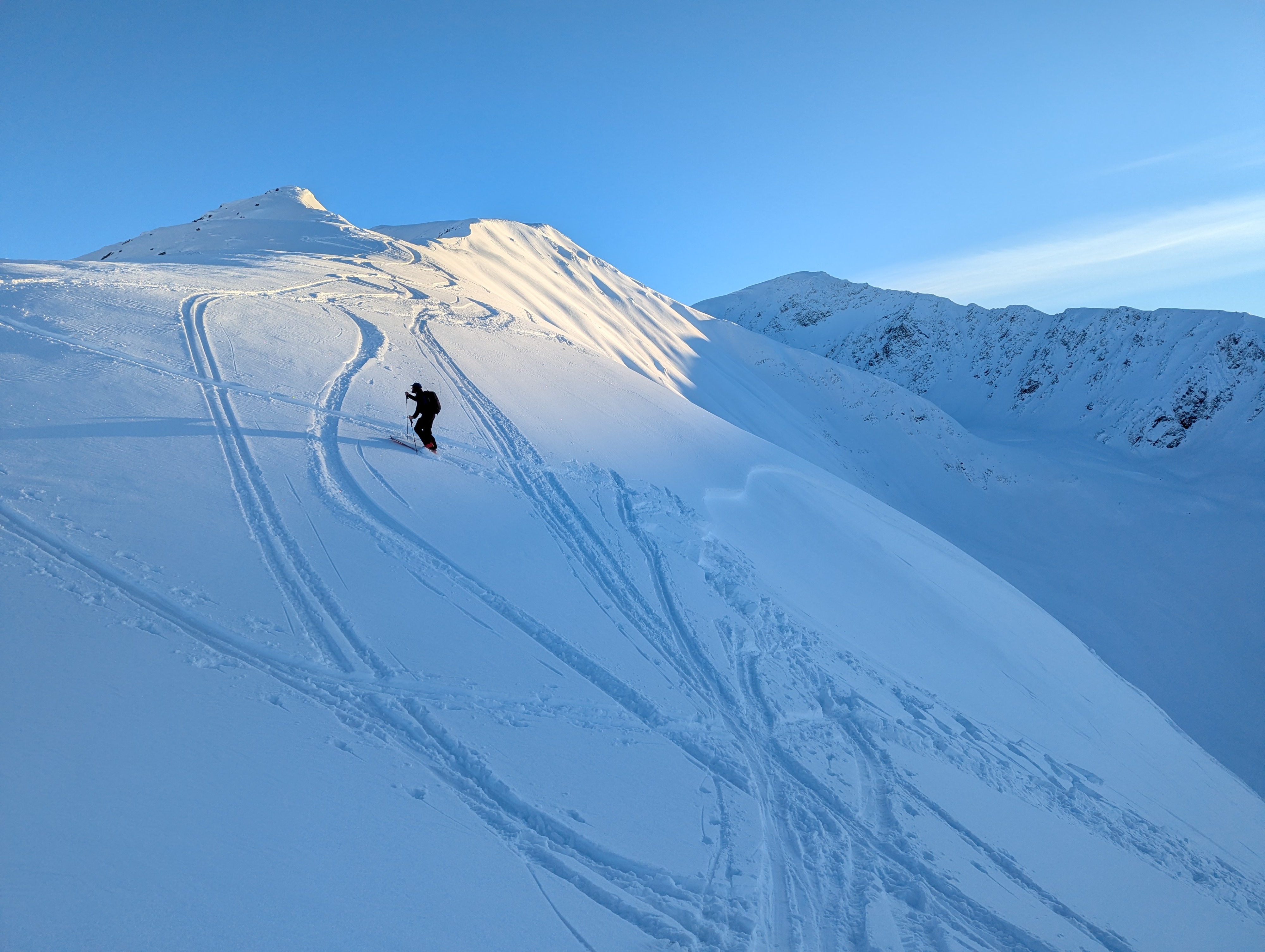
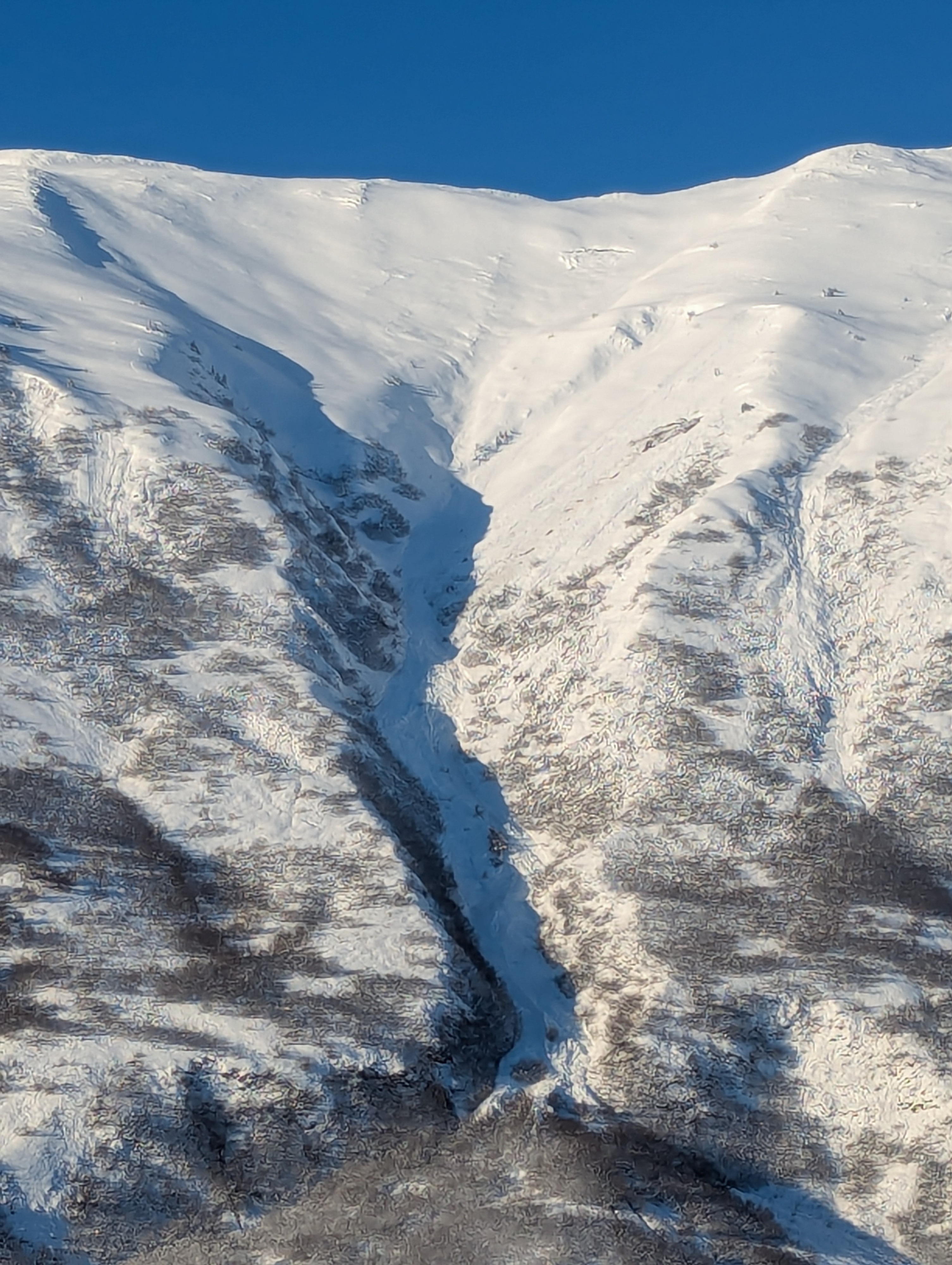
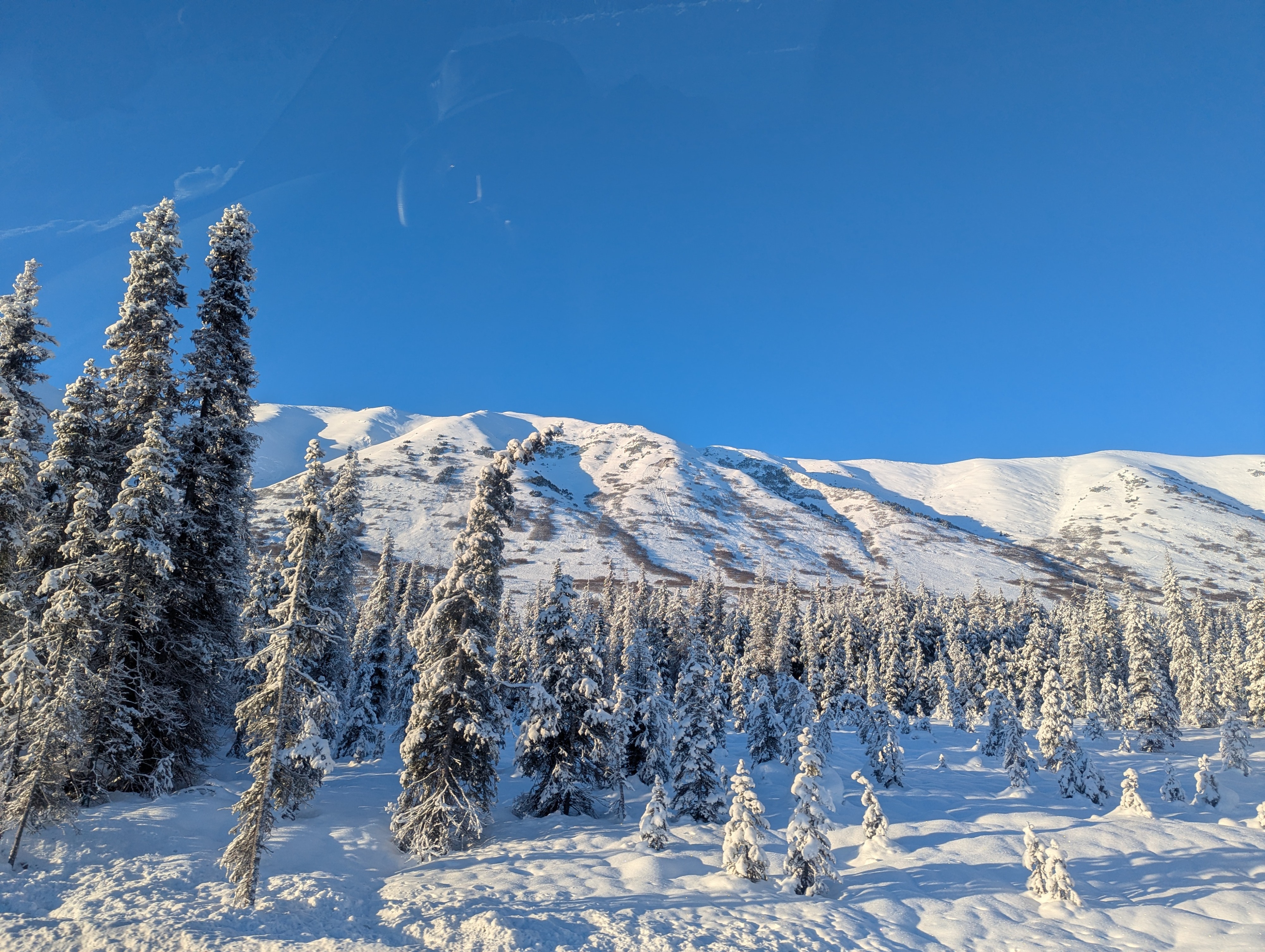
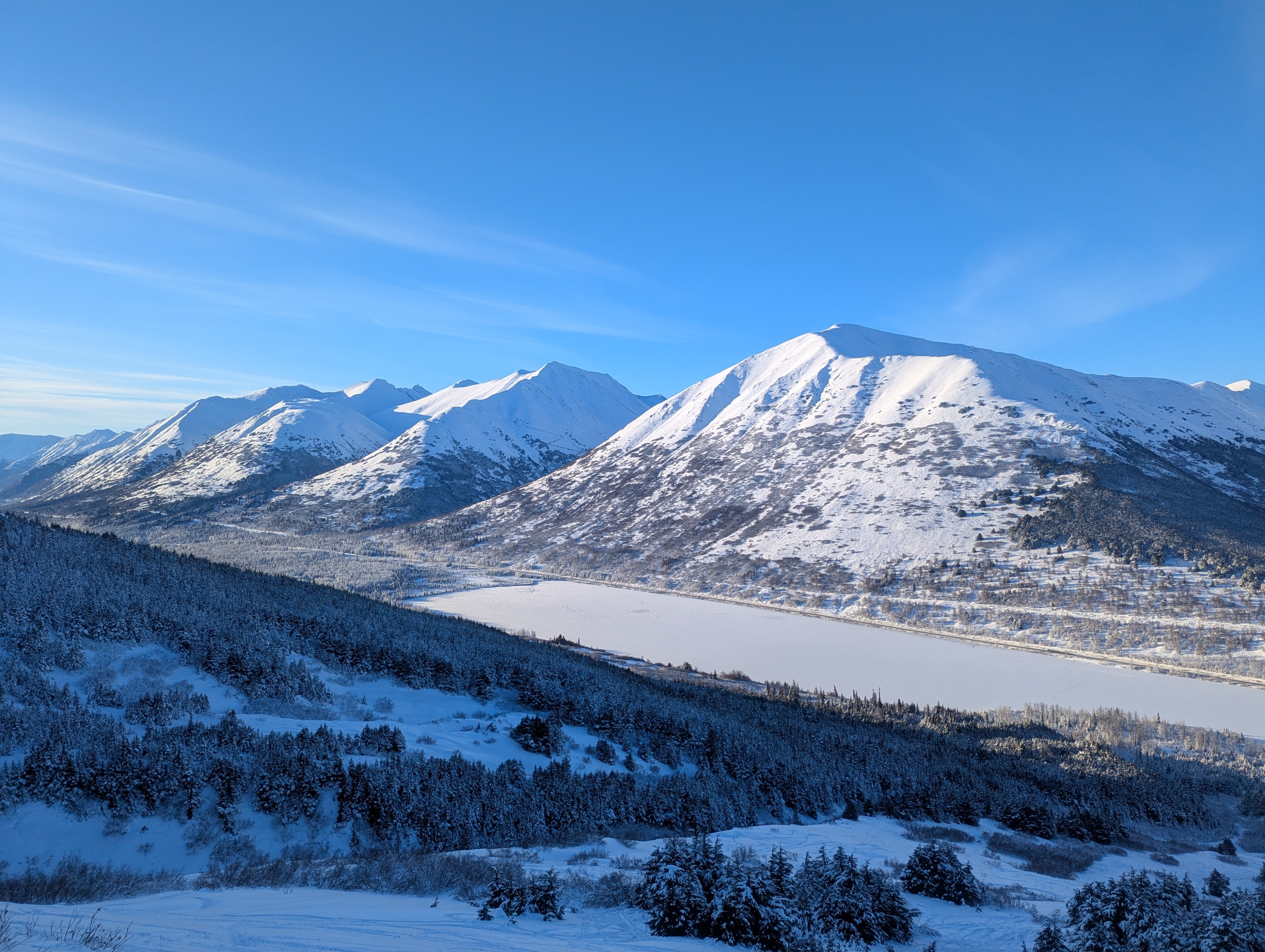
We toured up to Tenderfoot to check out a recent remotely triggered avalanche, and found several concerning layers of buried surface hoar 18" to 36" deep. We stuck to low angle terrain to avoid the potential for triggering an avalanche on one of these weak layers. The snow conditions were very soft and dry with a large layer of suface hoar on the snow surface. Coverage is improving but still not a ton of snow at lower elevations. On the drive we saw lots of recent glide avalanches in Turnagain Pass and Summit Lake.
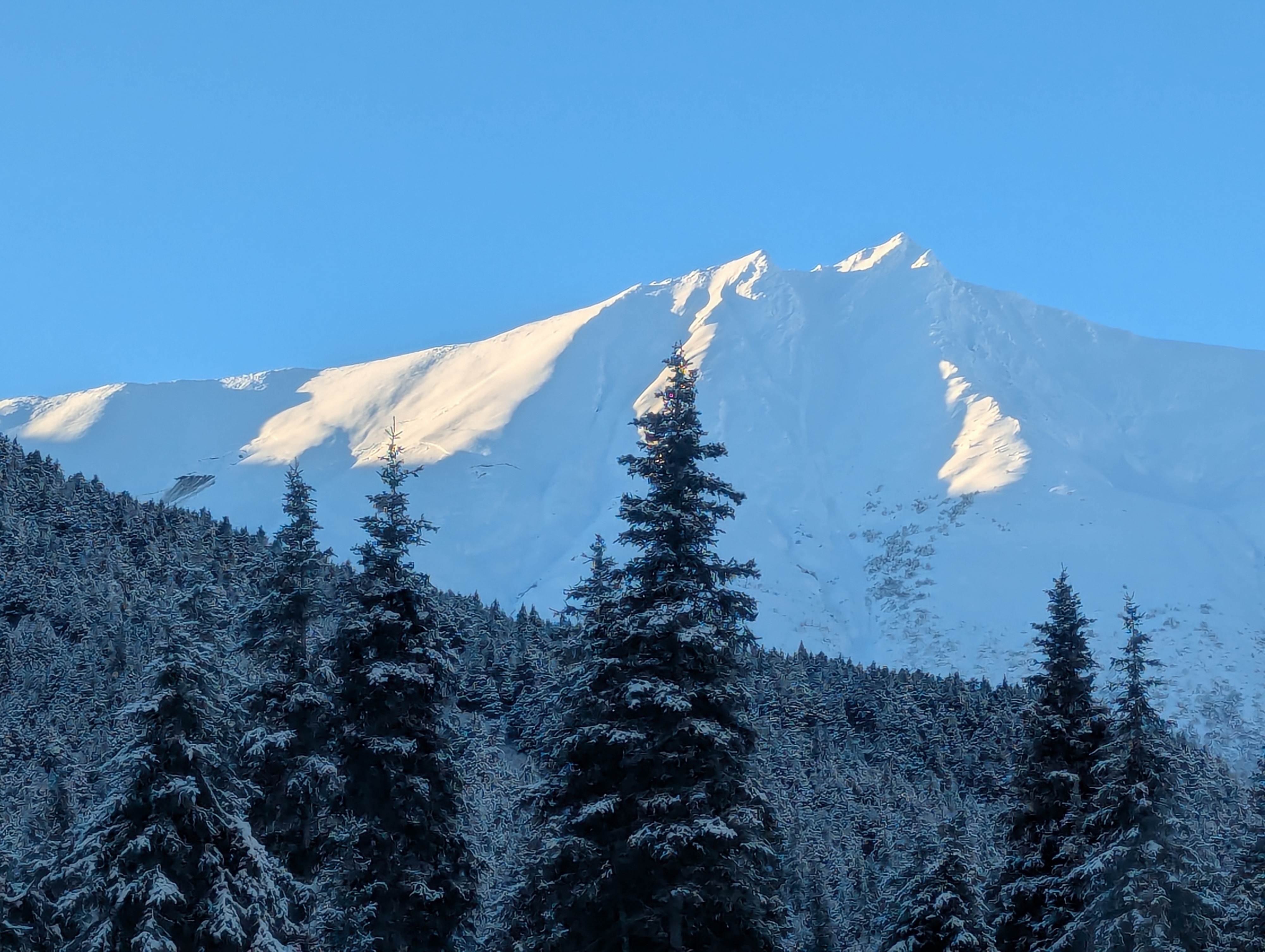
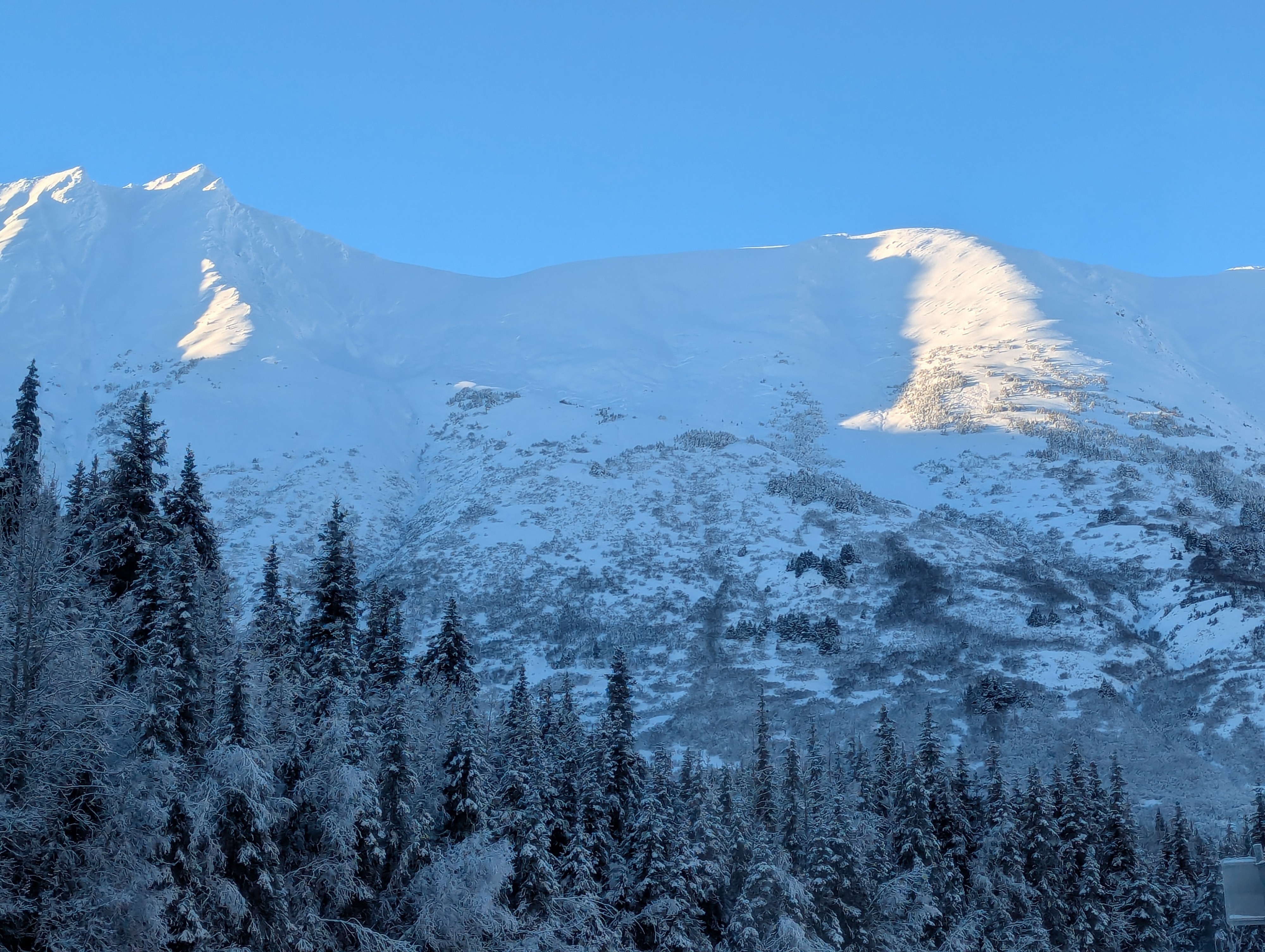
We saw quite a bit of recent avalanche activity. Lots of recent glide avalanches in Turnagain Pass and Summit Lake. Also, several large storm slab or persistent slab avalanches released during or after the last storm, which ended on Friday. We got a close look at one remote trigger and could see some other avalanches further up the valley that looked similar.Weather
- Air Temp
- 20s
- Cloud Cover
- clear
- Snow Avail For Transport
- moderate amounts
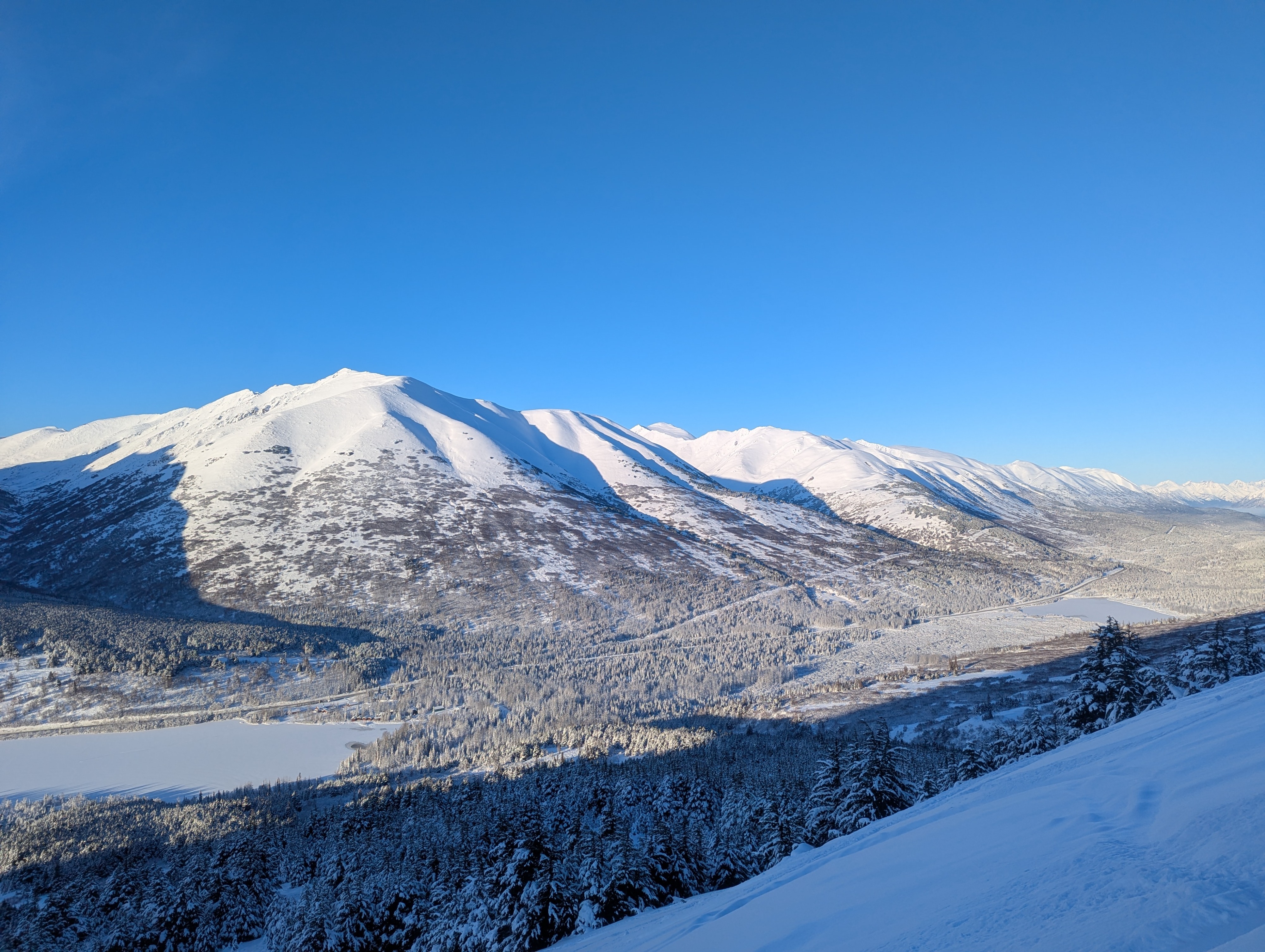
Clear weather with calm winds. There was some valley fog on the drive in, but the Summit Lake area was clear. Temps felt cold in the valley bottom but warmer on the ridge.
Snowpack
At the site of the recent remote-triggered avalanche, we dug a pit and found several concerning buried weak layers of surface hoar. Surprisingly, we did not get very concerning results on the layer of surface hoar that caused the remotely triggered avalanche (CT N 14, ECT N 12, 45 cm deep), but it is likely that it had already collapsed when the avalanche was triggered. This same layer could be concerning in other locations. We also found 2-3 other layers of buried surface hoar between 24" and 36" deep (60 to 90 cm). Those layers did not fail within the normal 30 taps in our compression test or extended column test, but when we did several harder taps afterwards, the layer collapsed and slid out into the pit. This is concerning behavior that could indicate a potential deep persistent weak layer. We will keep an eye on how the snowpack develops and track whether avalanches release on these deeply buried weak layers with future storms.