
Quick report
- Cracking
- specific
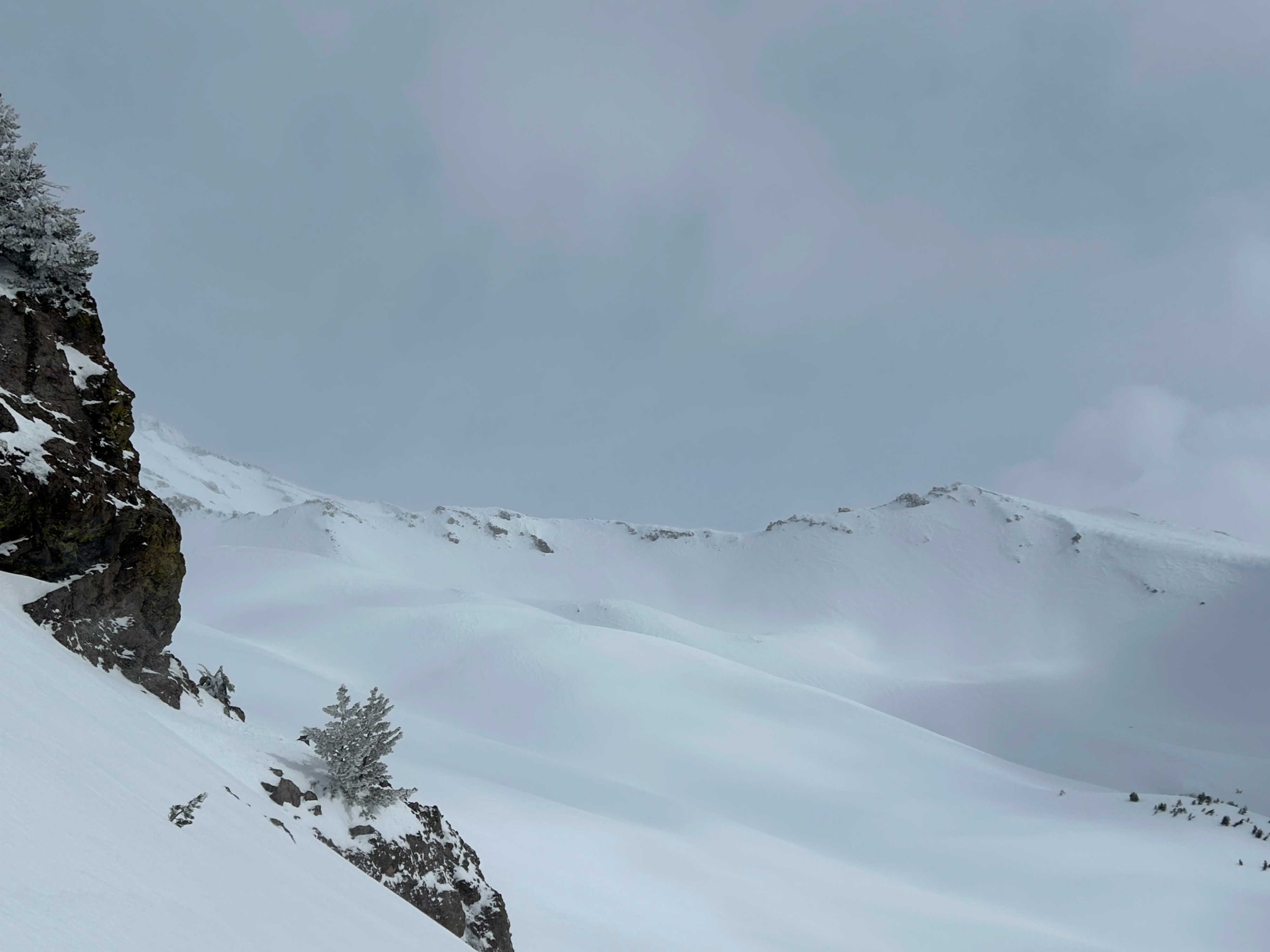
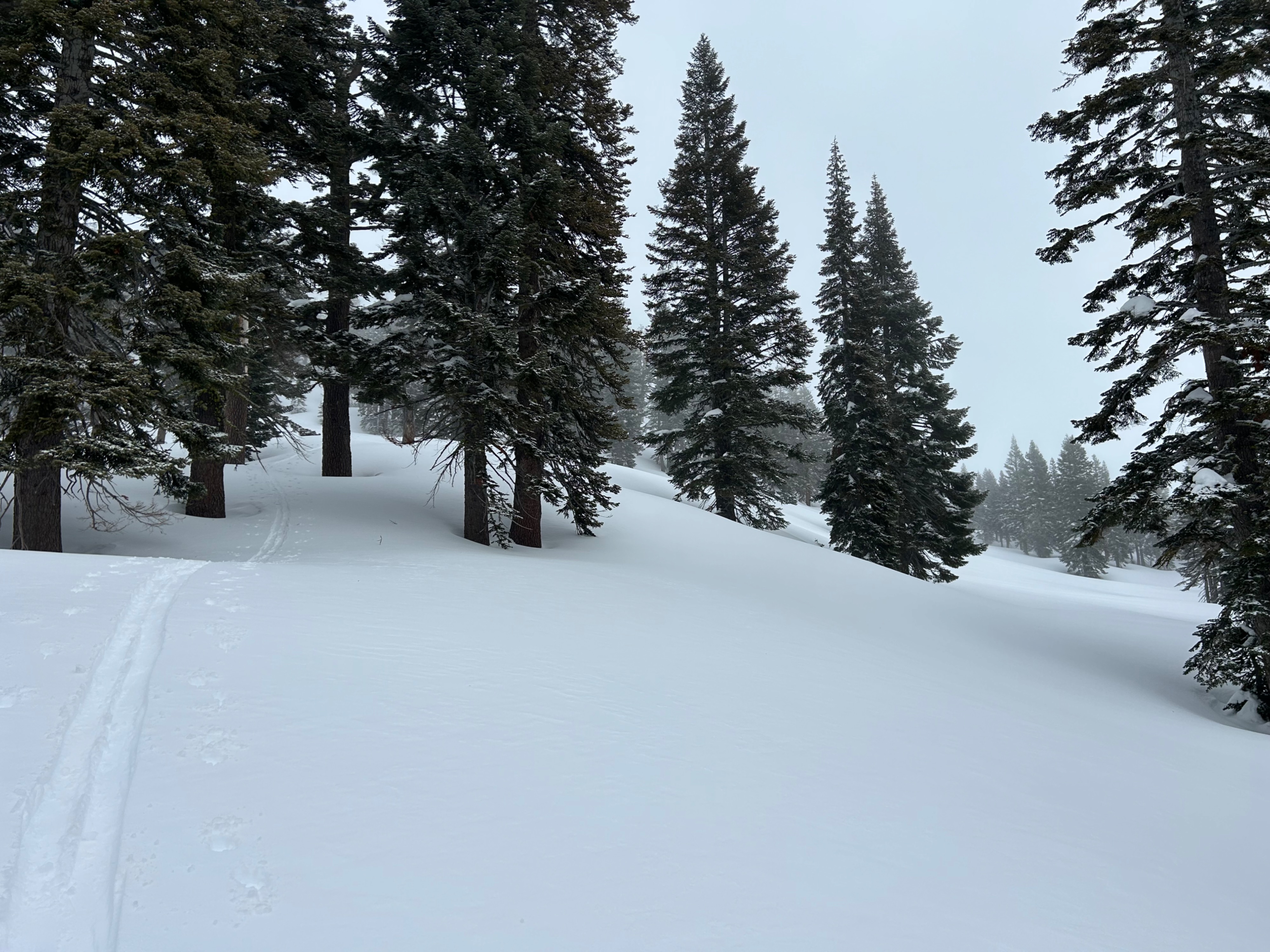
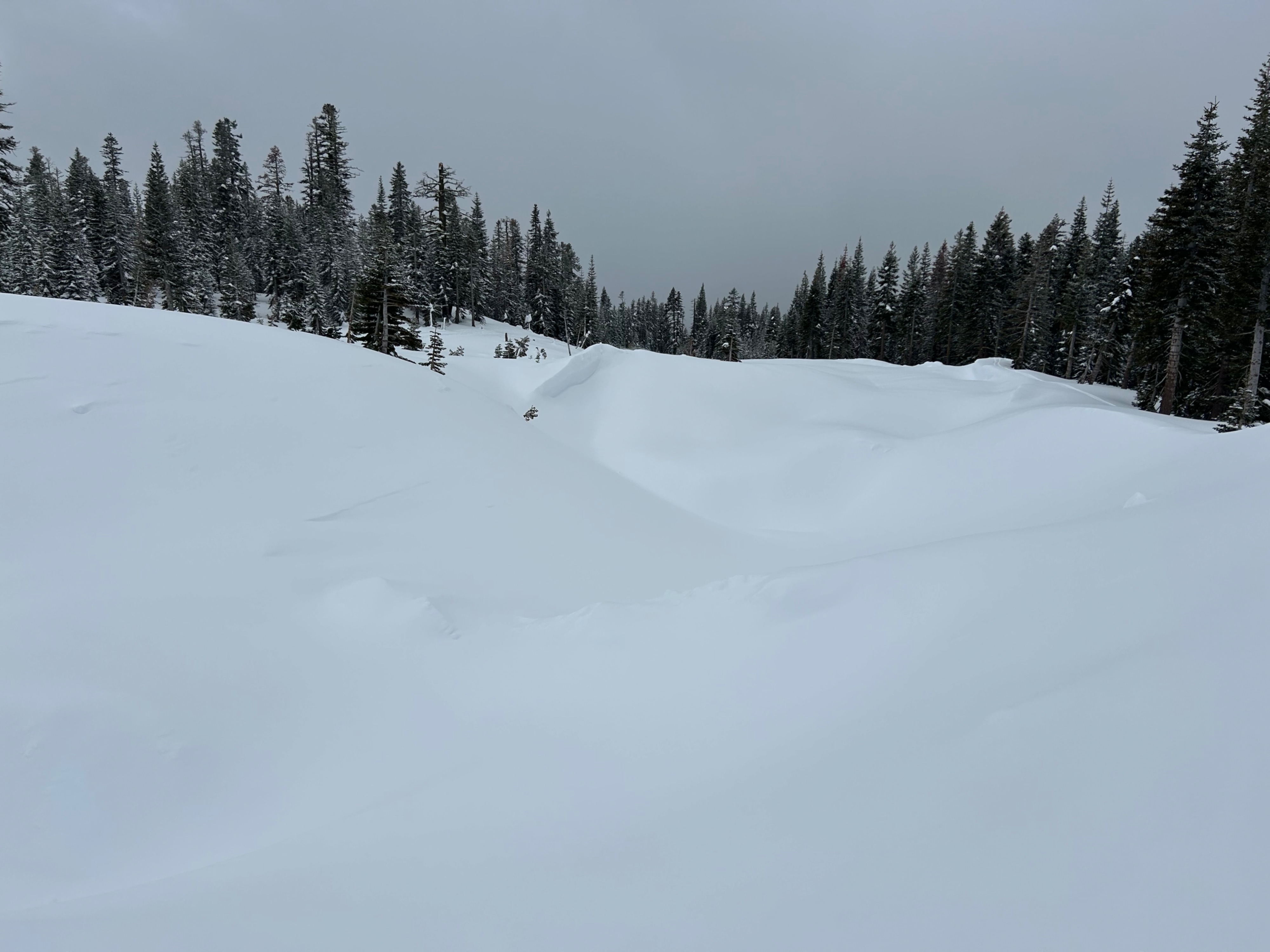
Today, I set out to investigate general conditions on the south side of Mount Shasta and evaluate the development of wind slabs on south and east aspects near treeline. Dust-on-crust conditions exist below treeline with no wind effected snow. The crust is thin enough that it does not inhibit riding ability. As you near treeline, conditions become more variable, with the majority of terrain wind effected surfaces, wind effected dust-on-crust, and scoured surfaces in windward areas.
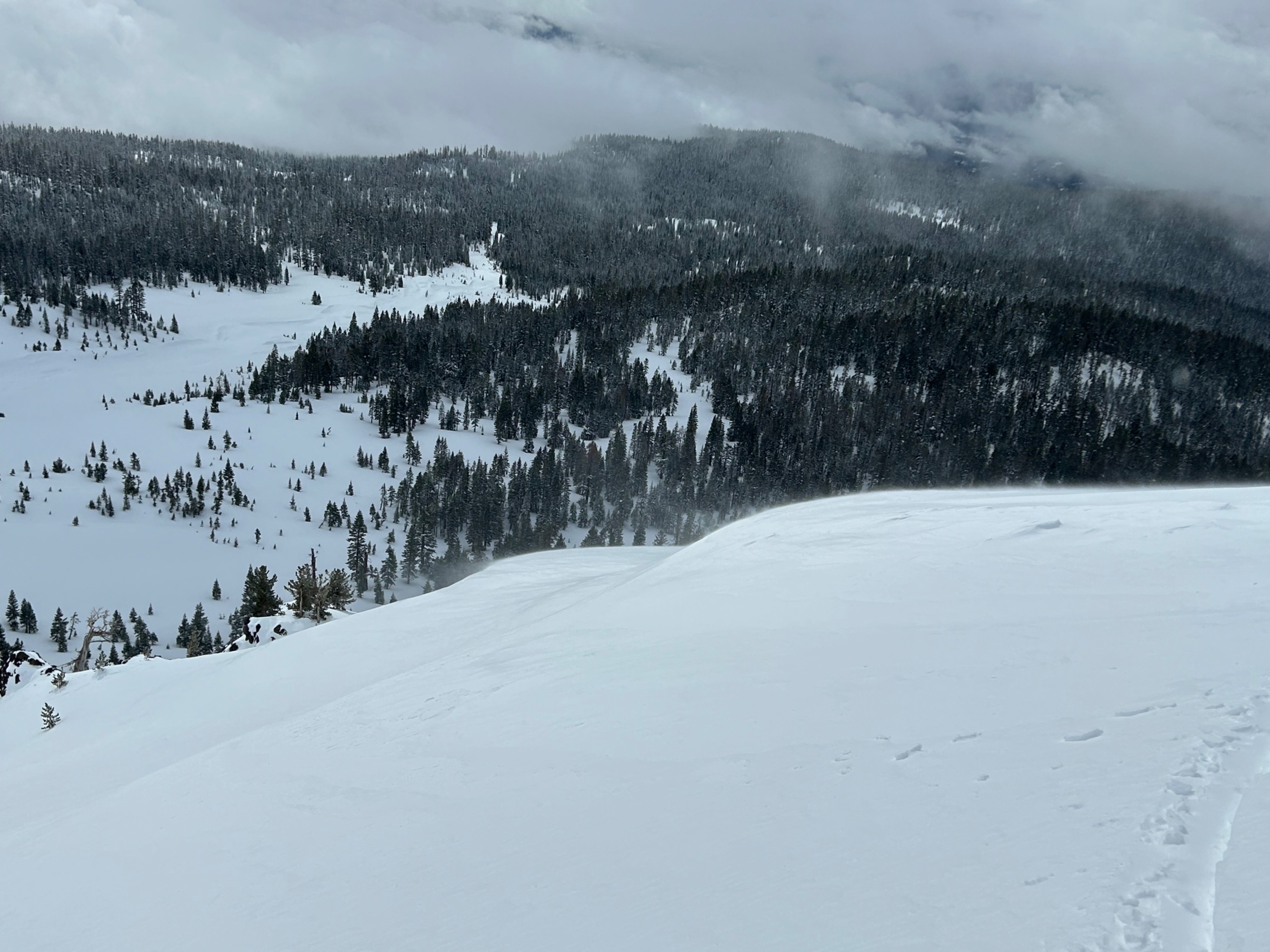
With the predominant west-to-east wind direction, surfaces on leeward east and south aspects consist mostly of wind slab or wind-packed snow. The snow is still soft and purchasable, but dense. Winds were actively transporting a light amount of snow onto leeward aspects throughout the day.
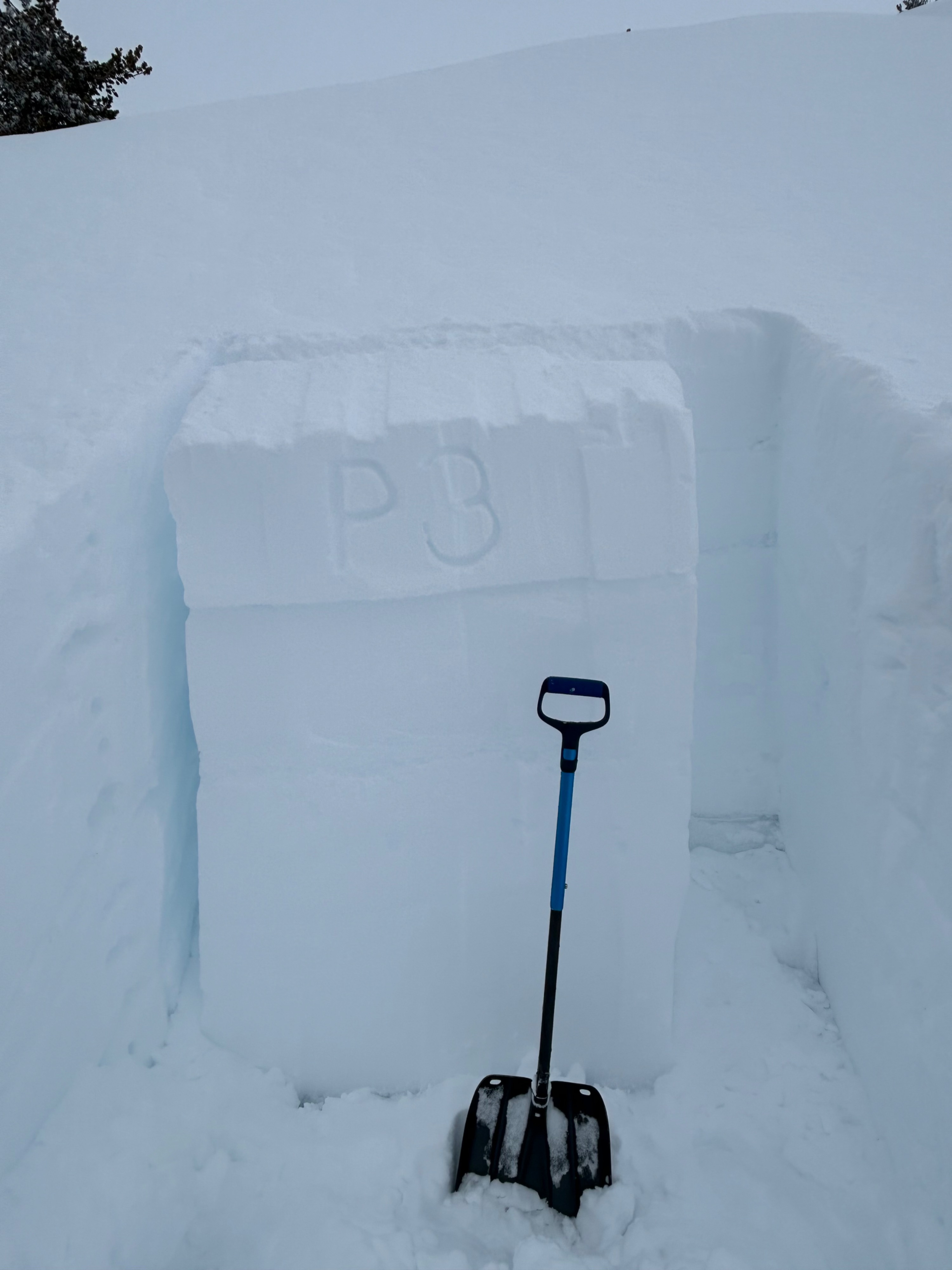
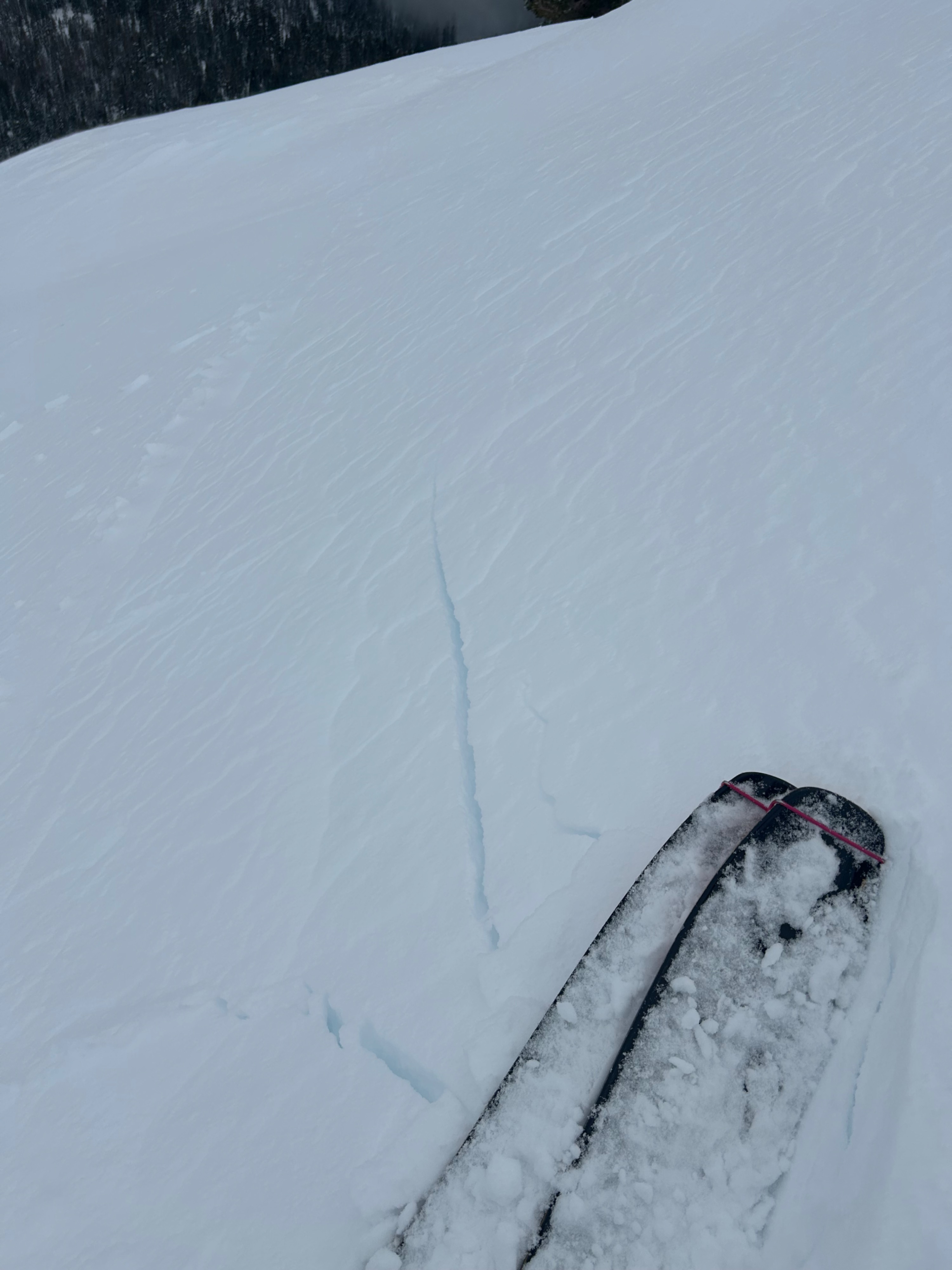
A ECT yielded unstable results (ECTP-3, ECTP-1), illustrating the potential for an avalanche. One shooting crack was initiated on an unsupported slope above my skin track.Weather
- Air Temp
- 26
- Cloud Cover
- overcast
- Wind Loading
- light
- Recent Snowfall
- 0
- Snow Avail For Transport
- small smounts
The weather was variable, with overall poor visibility, light to moderate west-northwest winds, and below freezing temperatures.
Snowpack
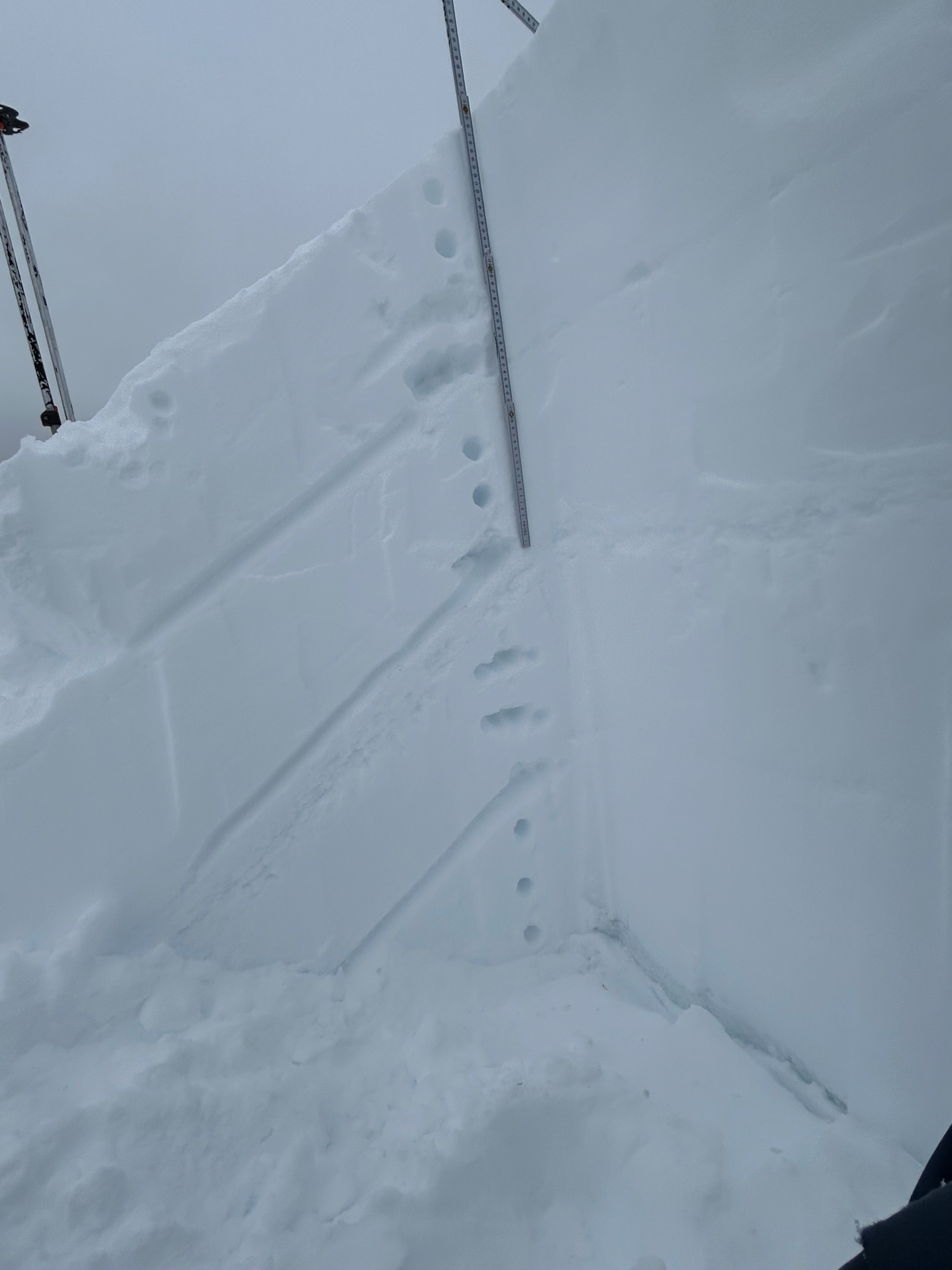
On a southeast aspect in a wind-deposited zone, I found recently formed wind slabs a foot deep with a density of 1F, sitting on the buried crust layer from last weekend. A new snow/old snow density interface exists beneath the surface slab and produced unstable test results. While this may be the case, the thickness of the slab is so dense that penetrating the interface is unlikely and proved extremely challenging for me. I was only able to initiate one shooting crack above my skin track. Otherwise, no major red flags were observed.