
Quick report
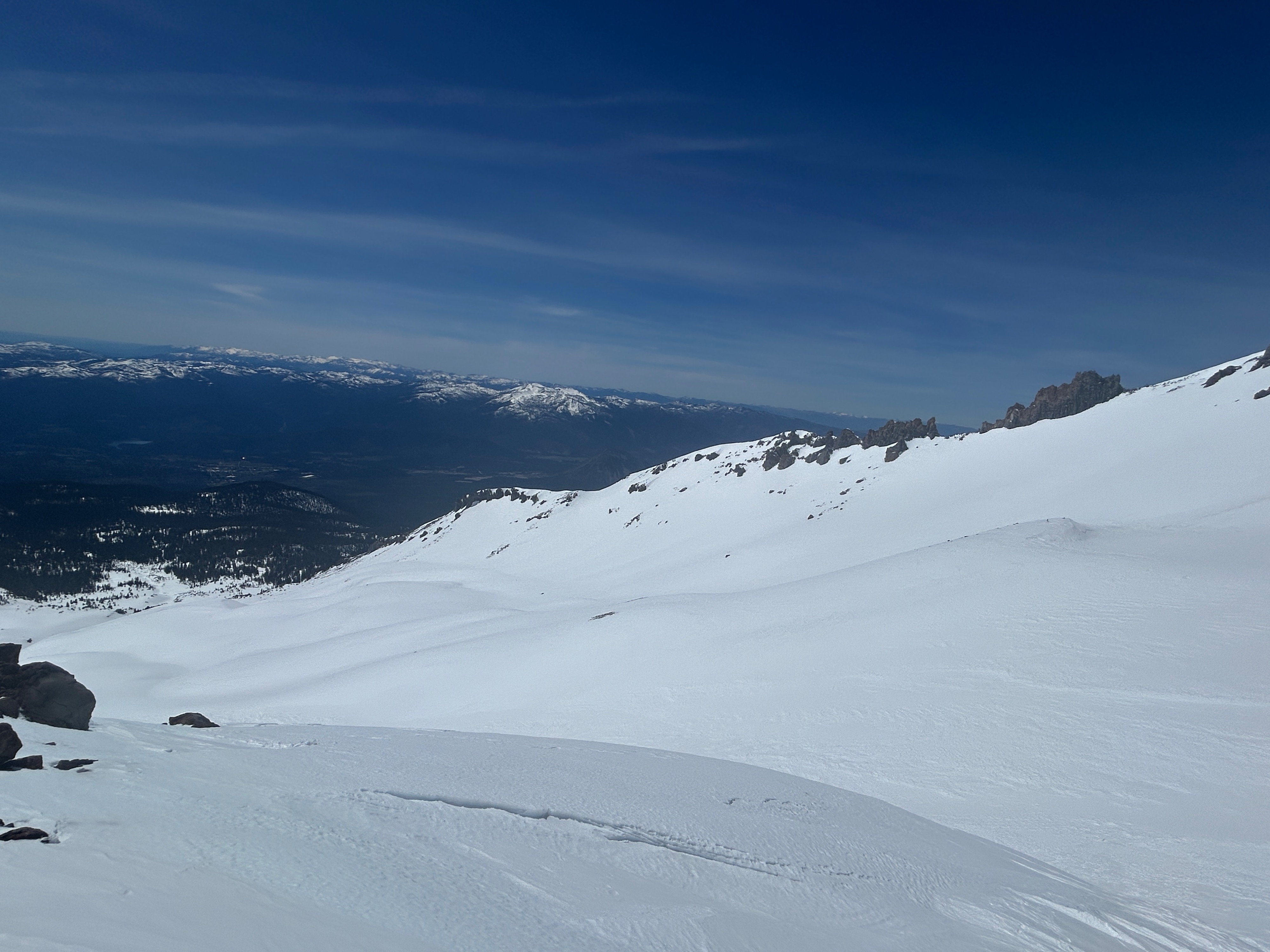
Last weekend’s storm provided a full reset for snow conditions and terrain above 7,000 feet on Mount Shasta. The snowpack has adjusted well to the new load, with minimal signs of avalanche danger observed. Nevertheless, remain vigilant for small wind slabs and wet loose instabilities on steep, complex alpine slopes where recent wind activity or solar impact is present.
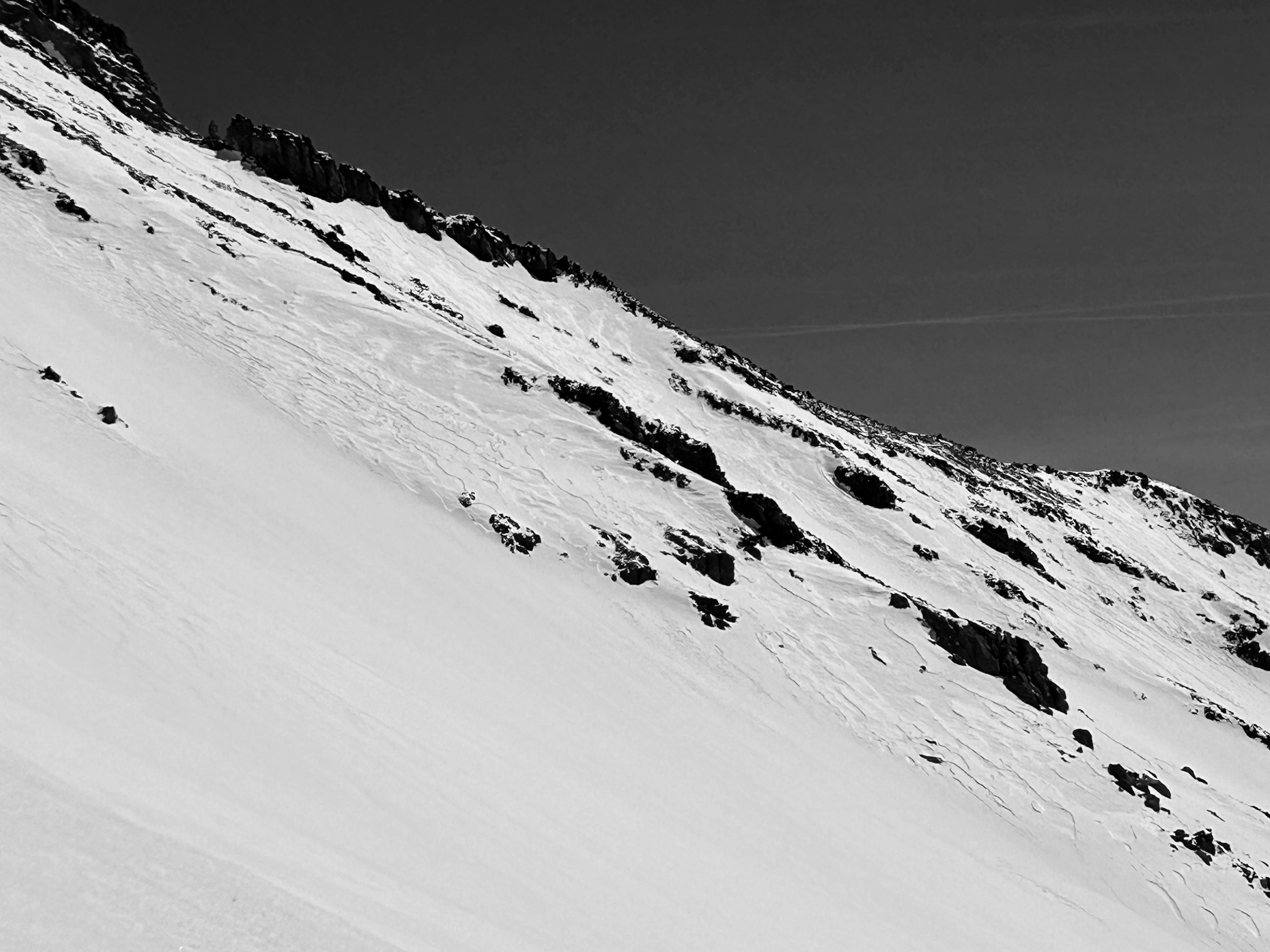
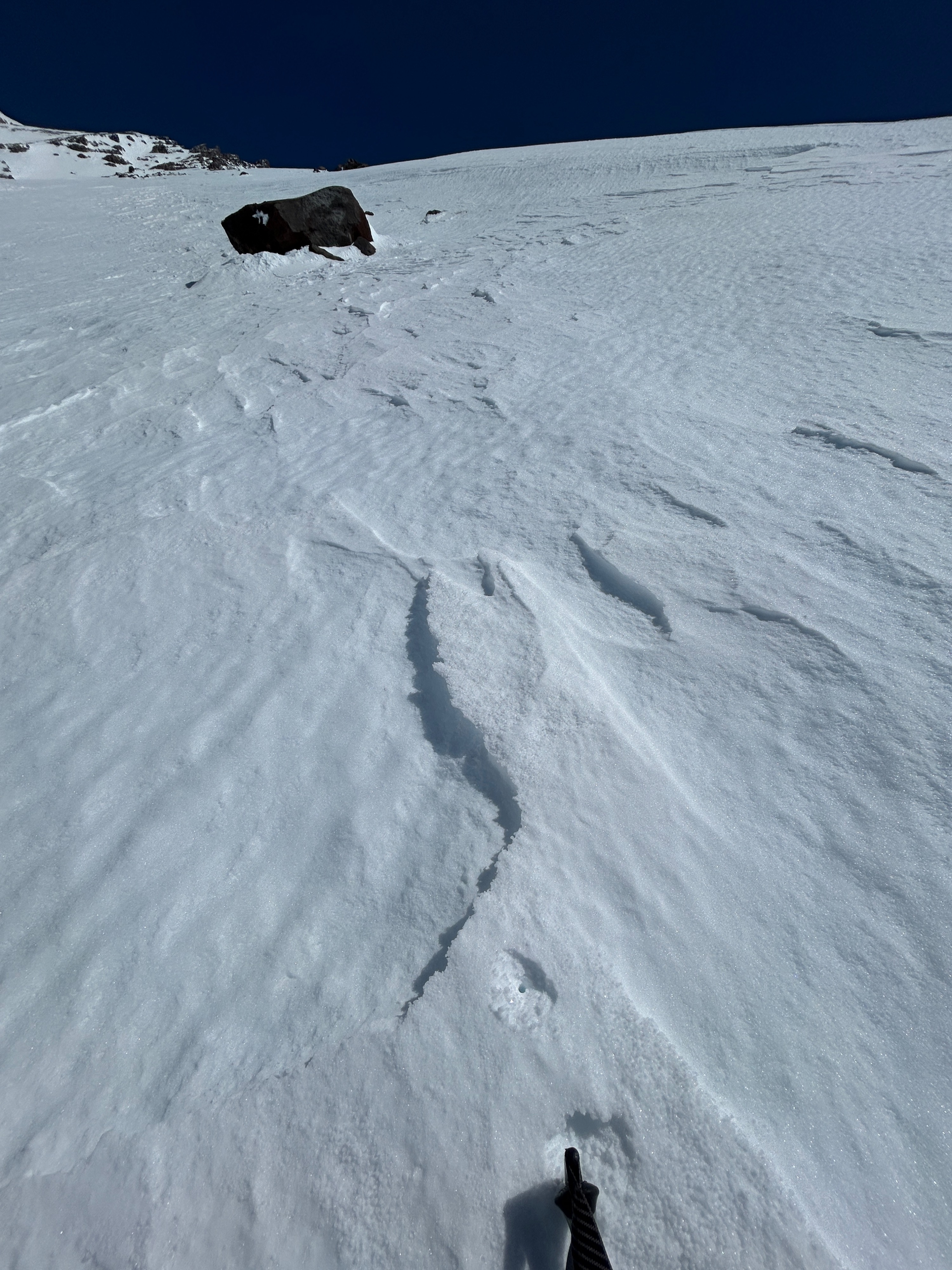
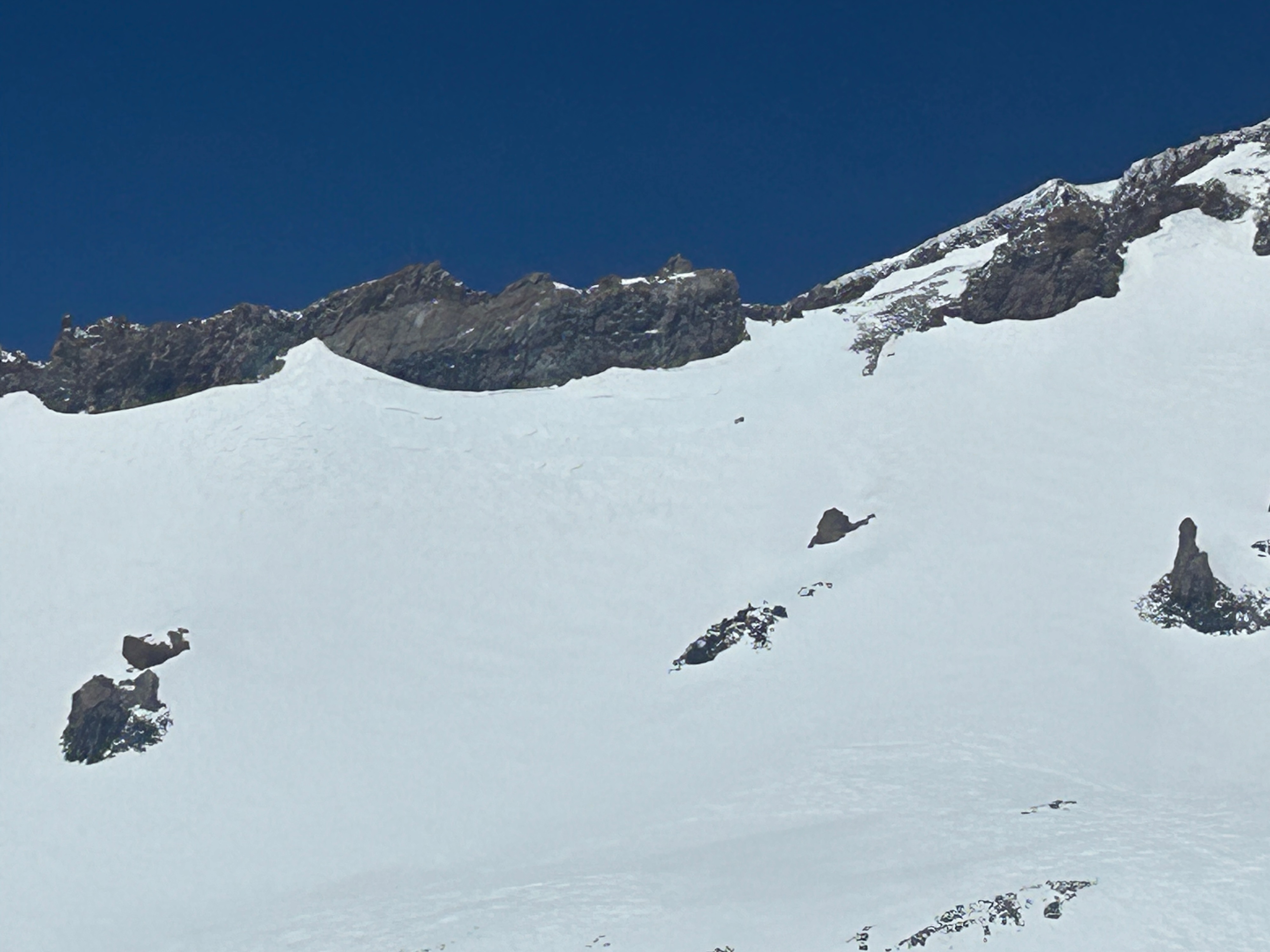
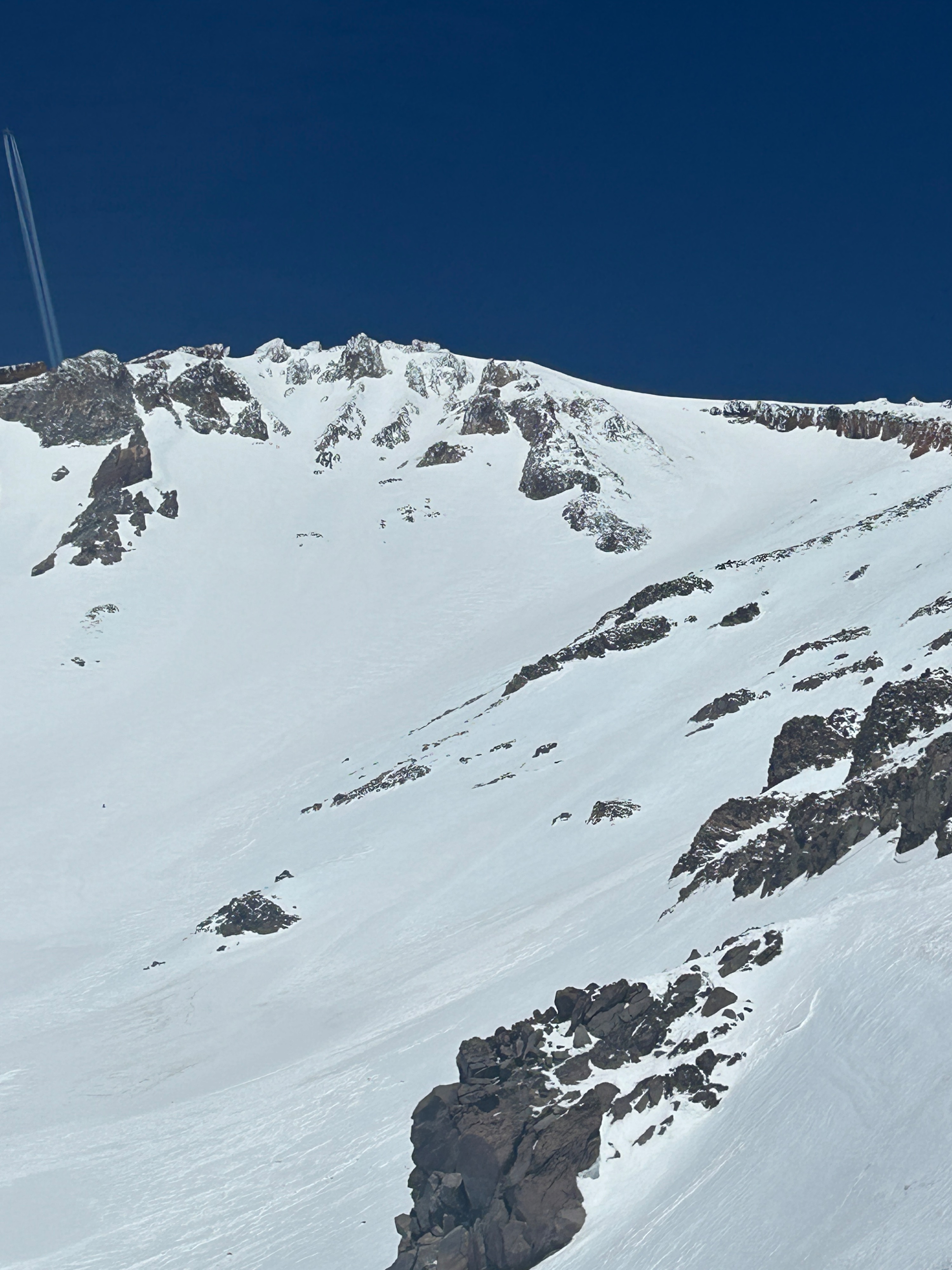
A north wind event that occurred on April 16th has left many of Mount Shasta's lofty and exposed ridgelines in a scoured patchwork. Rock-hard sections of ice are present, and mountaineering tools are essential for safe travel. In large protected alpine bowls and gulches (the Old Ski Bowl and Avalanche Gulch, for example), the old snow remains highly soft and supportable once thin surface crusts break down or at higher elevations. Scabs of wind-drifted snow exist in low-lying depressions and pockets throughout the terrain.
Weather
- Air Temp
- 41
- Cloud Cover
- few
- Wind Loading
- previous
- Recent Snowfall
- 0
- Snow Avail For Transport
- small smounts
Today was beautiful: clear skies, calm winds, and temperatures in the low 40s.
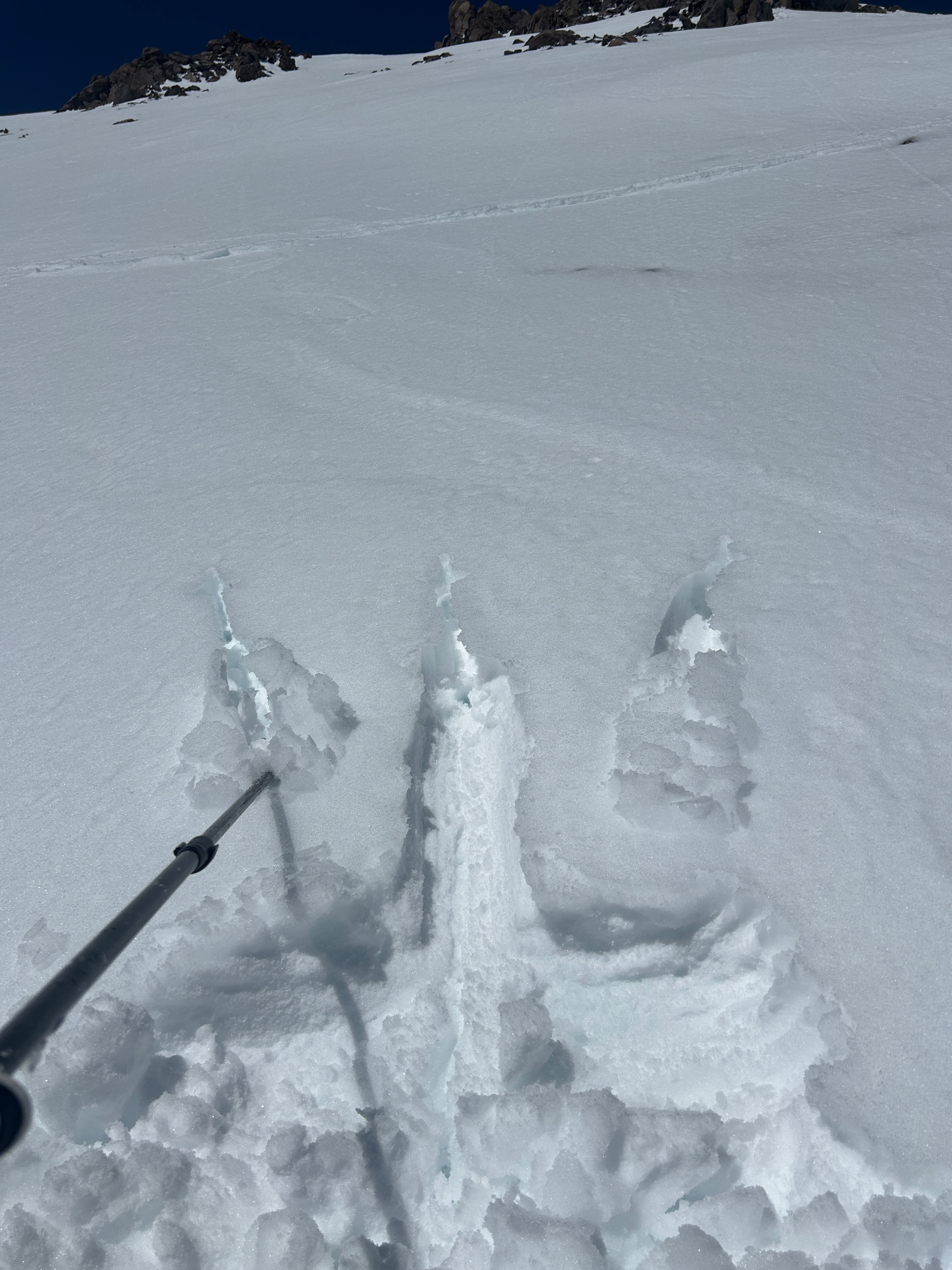
Snowpack
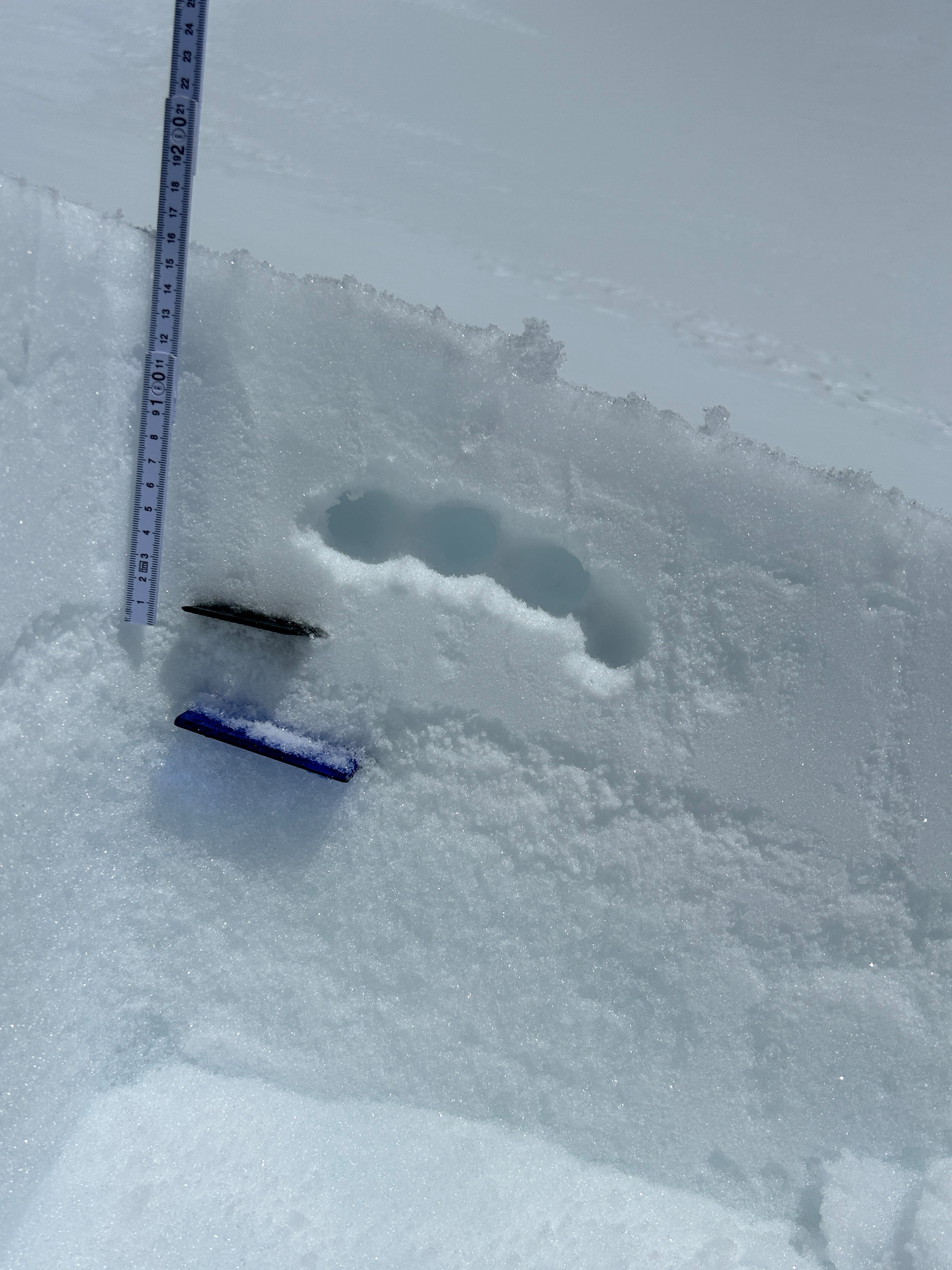
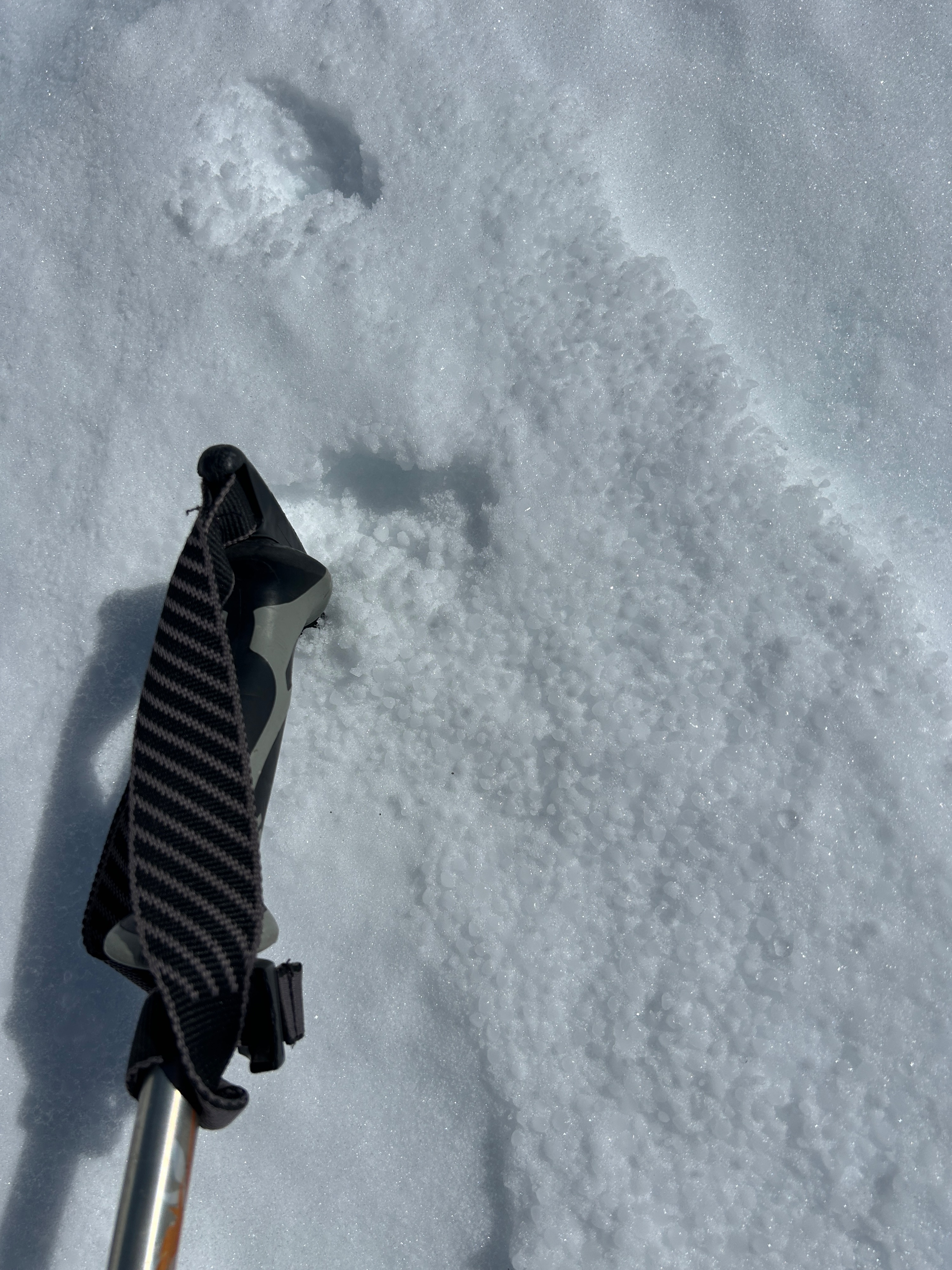
The top two or more inches of surface snow have begun a melt/freeze cycle, with the most “corn-like” conditions where surfaces are most consolidated. By and large, anywhere from five to 12 inches of old snow exists over most of the terrain near and above treeline, with a solid bed surface underneath. Buried beneath the old snow is a layer of graupel responsible for the large natural avalanche that occurred off Green Butte Ridge on April 12th. This layer was observed on east, south, and west aspects near and above treeline. Stability tests have shown this layer to be unreactive and there’s a low likelihood of triggering it. No other avalanches have been reported or observed on this layer.
The more immediate threat is wet loose snow avalanches. Various amounts of old snow sit above a firm bed surface that has been widely observed throughout the terrain. Dependent on aspect and elevation, this bed surface may be buried at various depths. Where surfaces are more shallow, snowmelt will cause water to pool on the bed surfaces and make for easy snow sliding. Exercise caution in or around steep, complex terrain punctuated by rock outcrops, as these are likely trigger points.