
Quick report
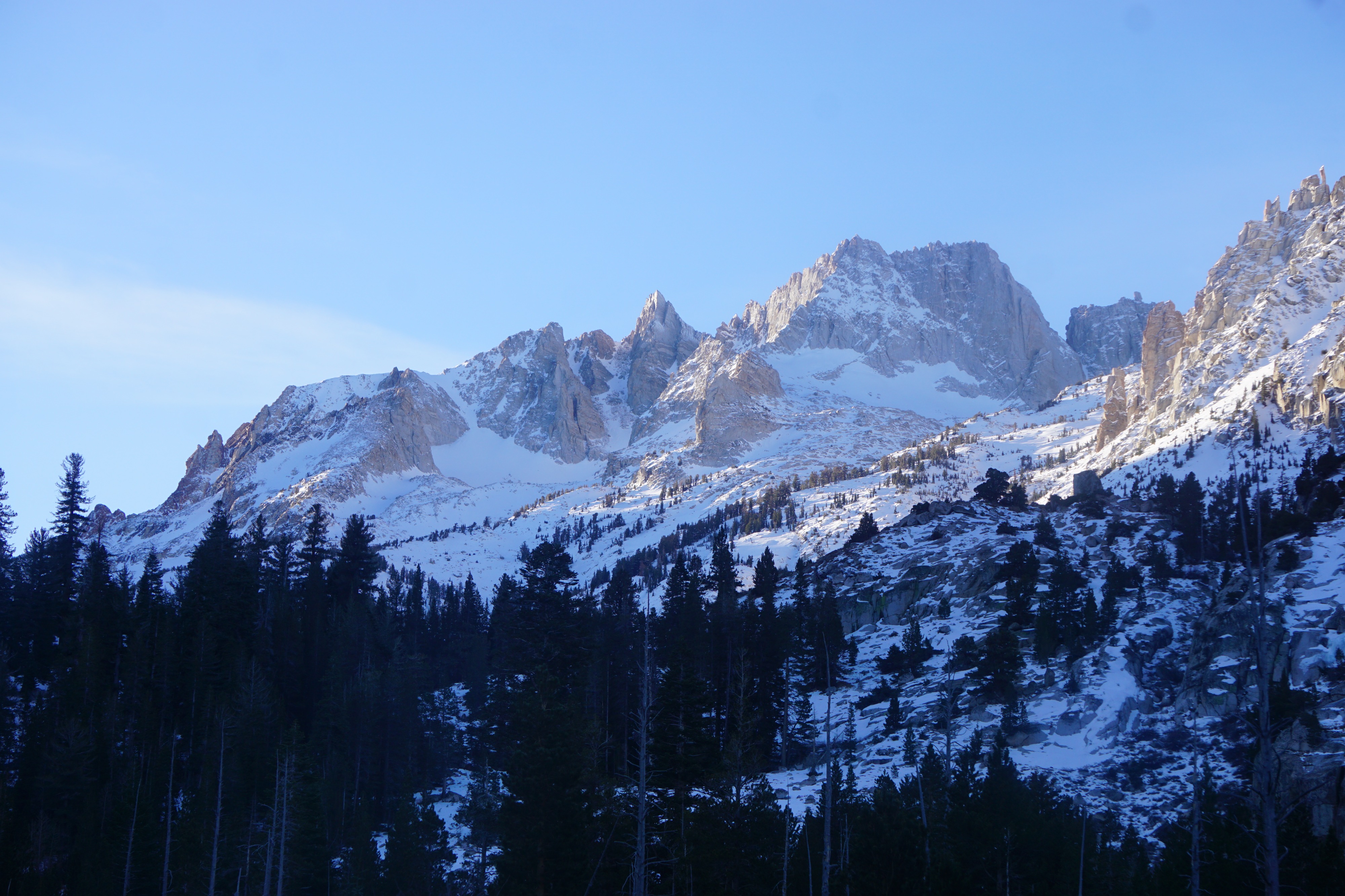
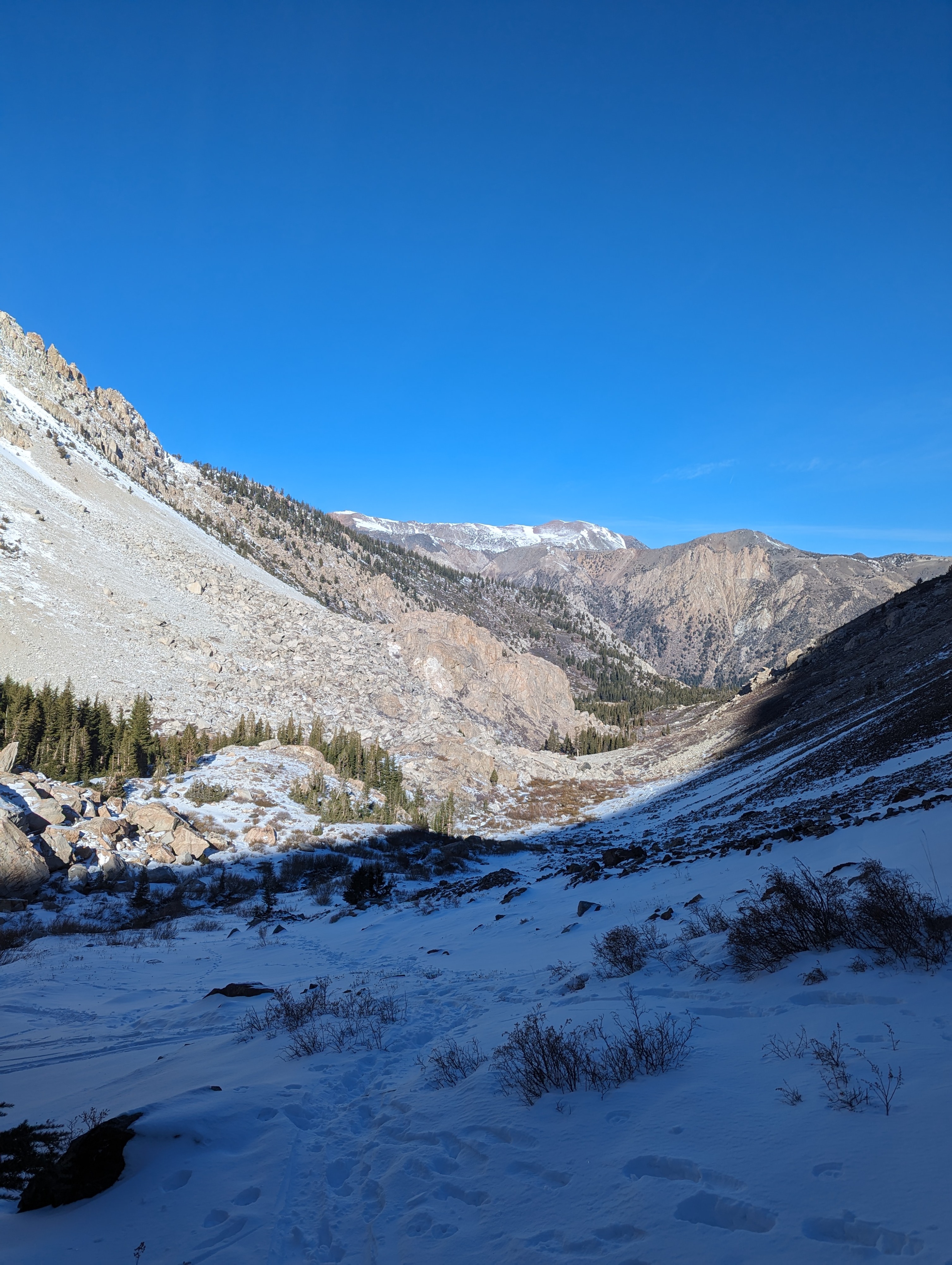
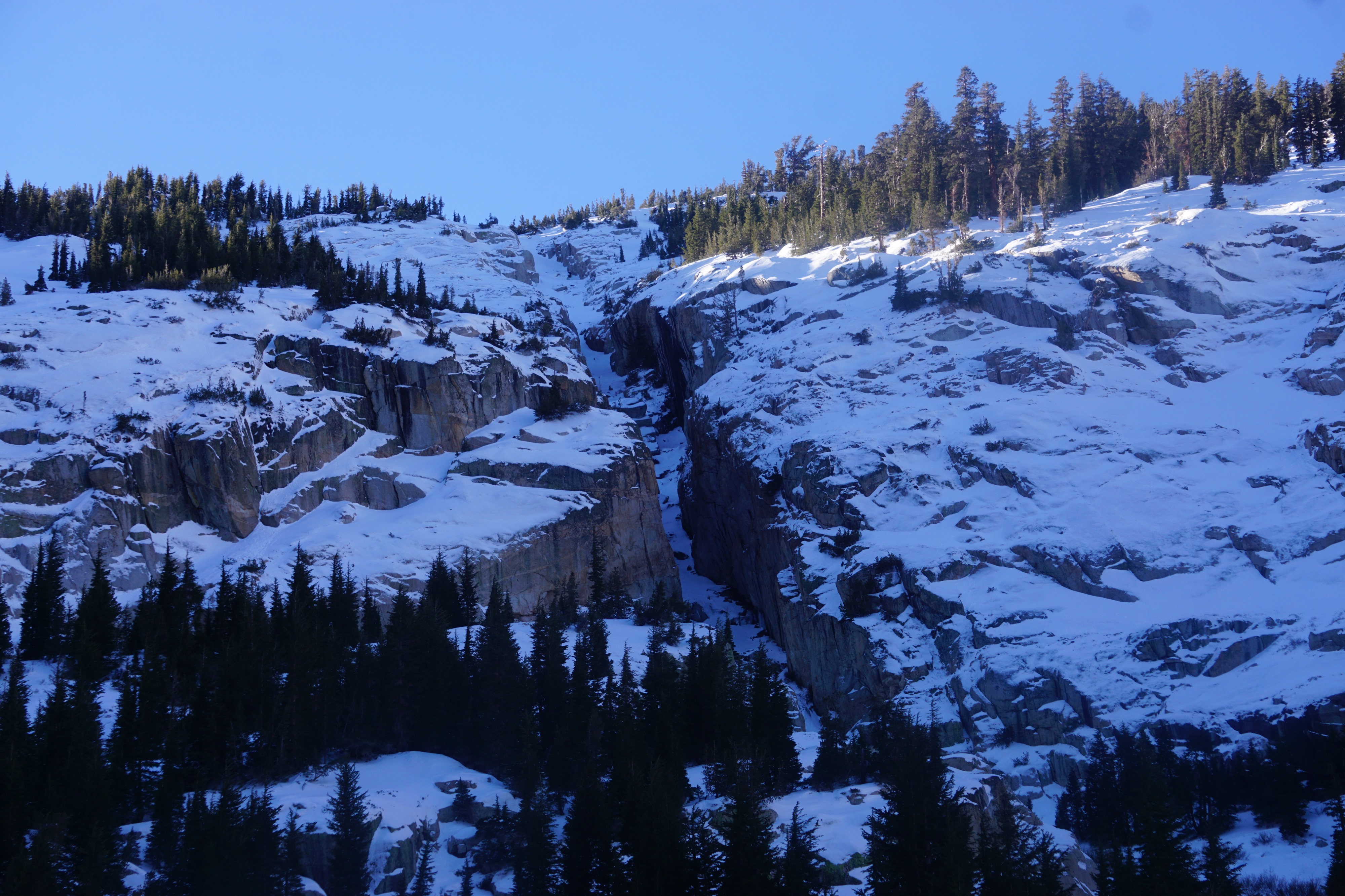
Today I took a hike up the Horse Creek trail for two reasons 1) to see the overall snow coverage in this zone and 2) to investigate the snowpack structure and see how the persistent weak layer is distributed. I chose to hike in since snow is nonexistent in most locations below 8,500 ft. That was a good choice until I started to post holes in the talus fields around the snow line. I made it just below the Horse Creek saddle and dug a pit. Probing to find a proper location was difficult as snow depth ranged between a few inches to a few feet, not because of wind drifts but because of pockets within the talus field. I found multiple rain crusts from last week's rain/ snow event. The rain crust didn't support my weight. As the sun hit the canyon on my way out, temperatures changed dramatically, while shedding layers I could hear ice fall echo within the canyon, Upper elevations have more snow coverage, but we also had a lingering snowpack from last winter that lasted through the summer into this winter. Conditions remain low tide, and a poor snowpack structure continues to show instability in snowpit tests. Any locations that have enough snow to ride/ ski or climb are likely to have the persistent slab problem present. Hopefully, Santa can bring some new snow, or at least 2024.
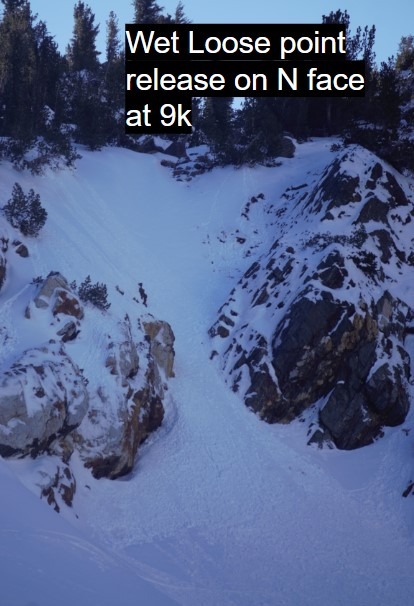
Point release avalanches on all aspects near tree lineWeather
- Air Temp
- 31
- Cloud Cover
- clear
- Wind Loading
- none
- Recent Snowfall
- 8
- Snow Avail For Transport
- small smounts
Snowpack
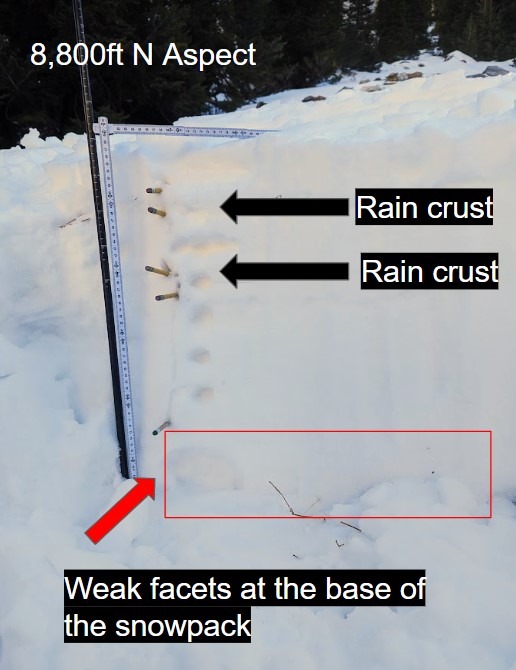
Looking at the structure of the snowpack at 8,800 ft we can see a few rain crusts in the upper snowpack from last week's series of small storms. Rain snow lines fluctuated and changed precipitation from rain to snow multiple times resulting in the rain crust formation. Stability tests within the snowpack were difficult to conduct in shallow snow as the talus field didn't provide an uninterrupted pit. The same poor structure at the base of the snowpack is present in this zone as well. November snow has faceted creating weak unconsolidated snow at the base while new snow has created a strong slab on top of it. Creating the current persistent slab problem.
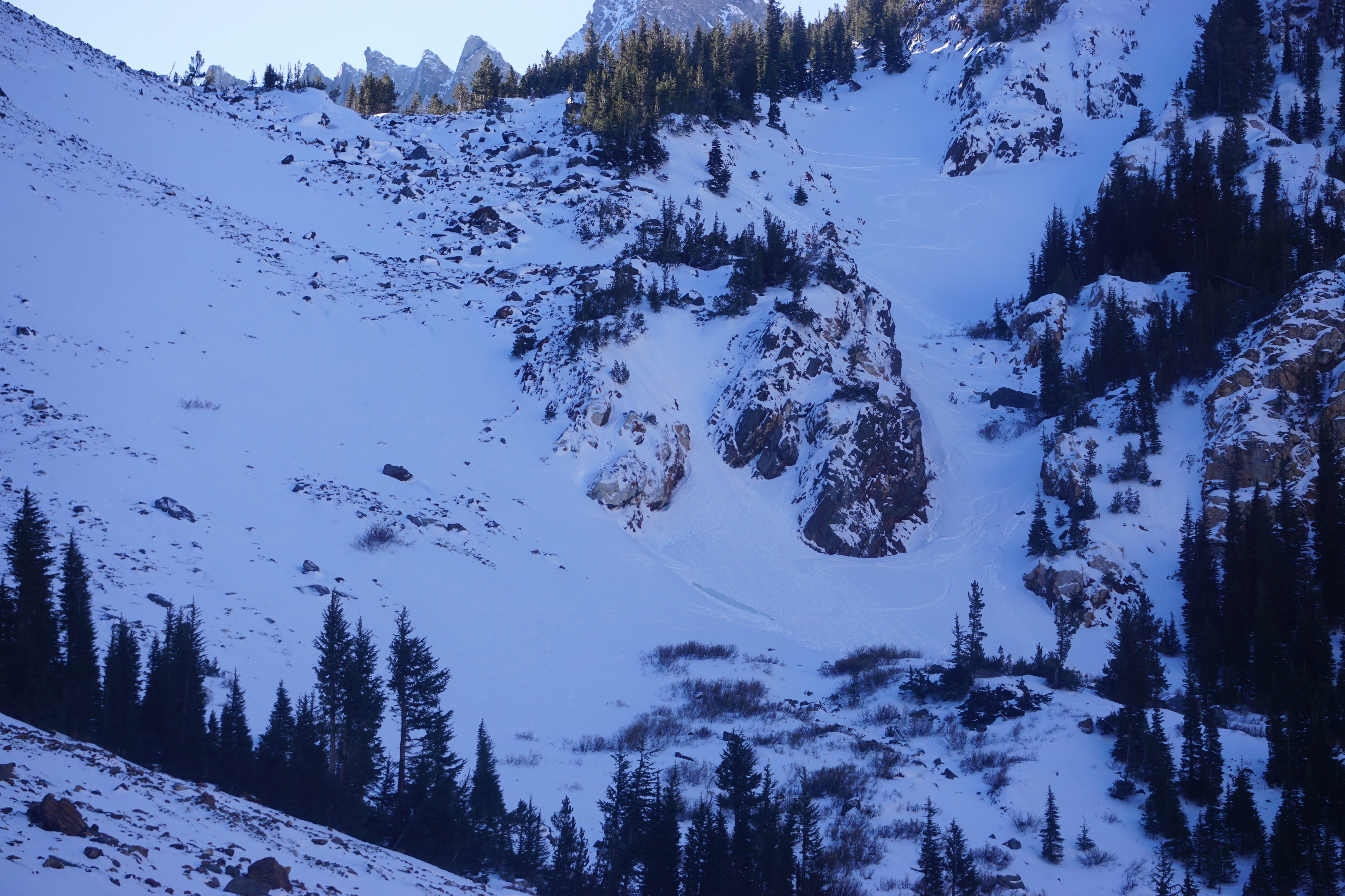
Wet loose avalanches were small but present on all aspects near the treeline. Roller balls and point release avalanches were easily visible