
Quick report
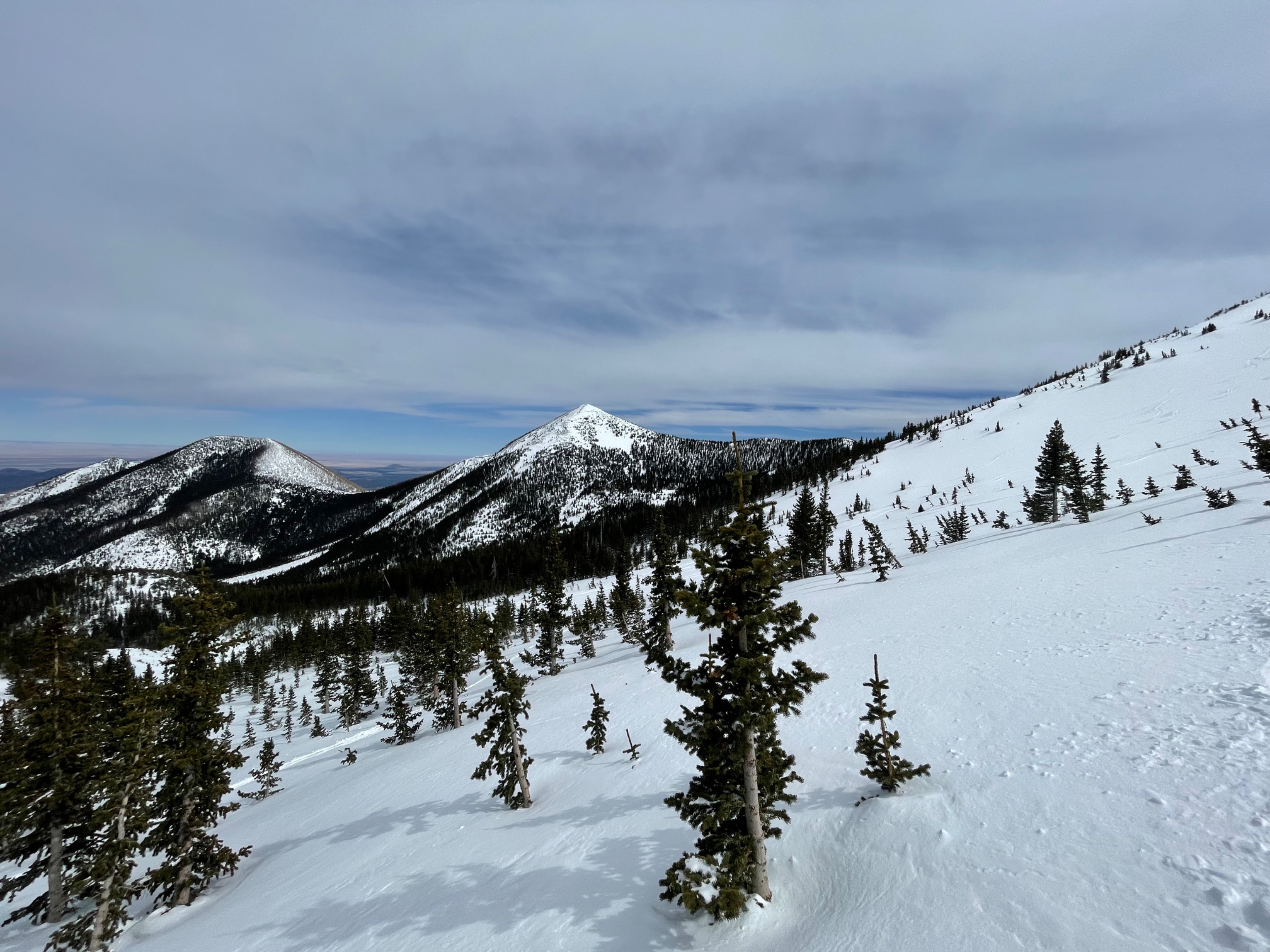
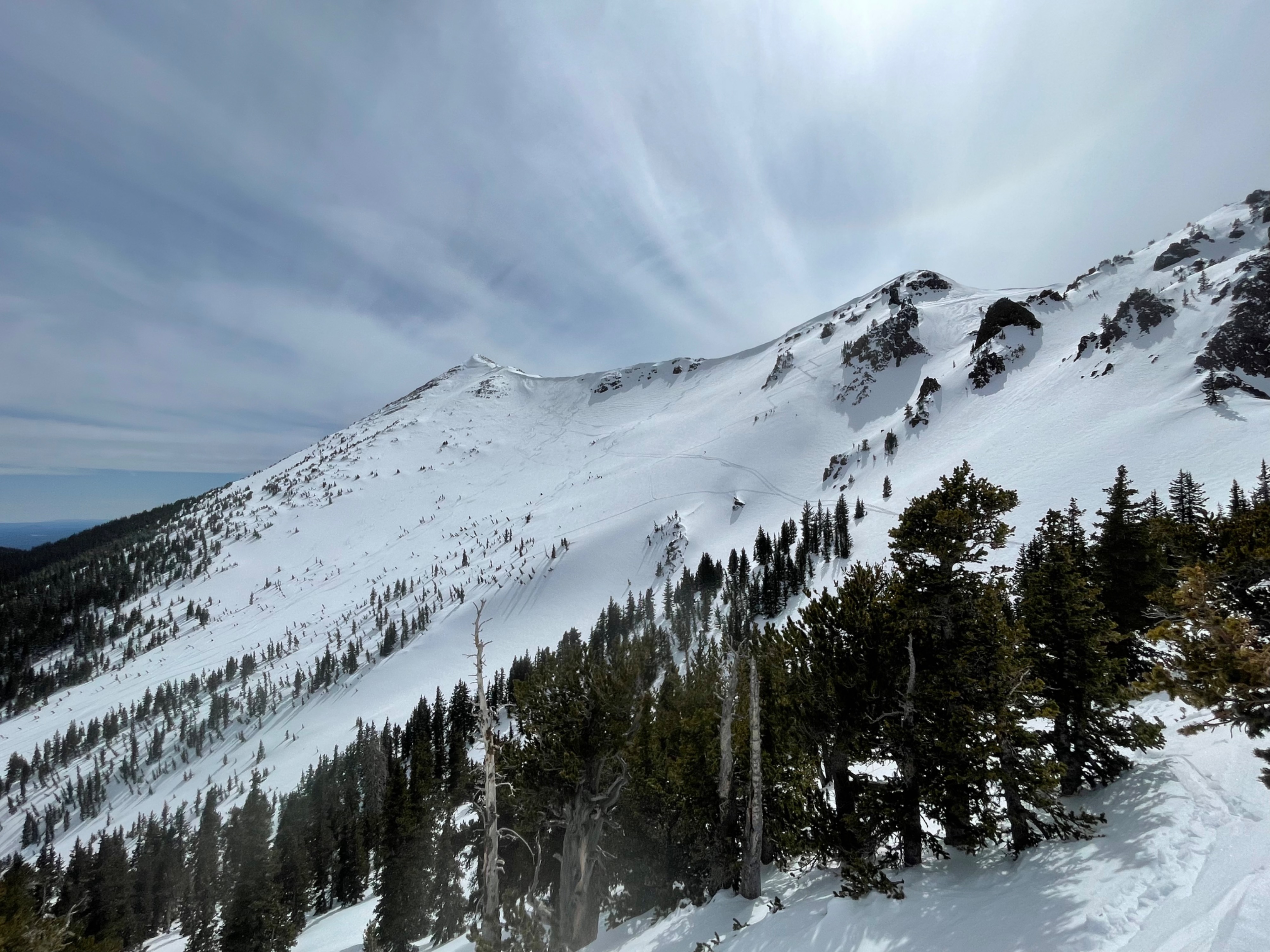
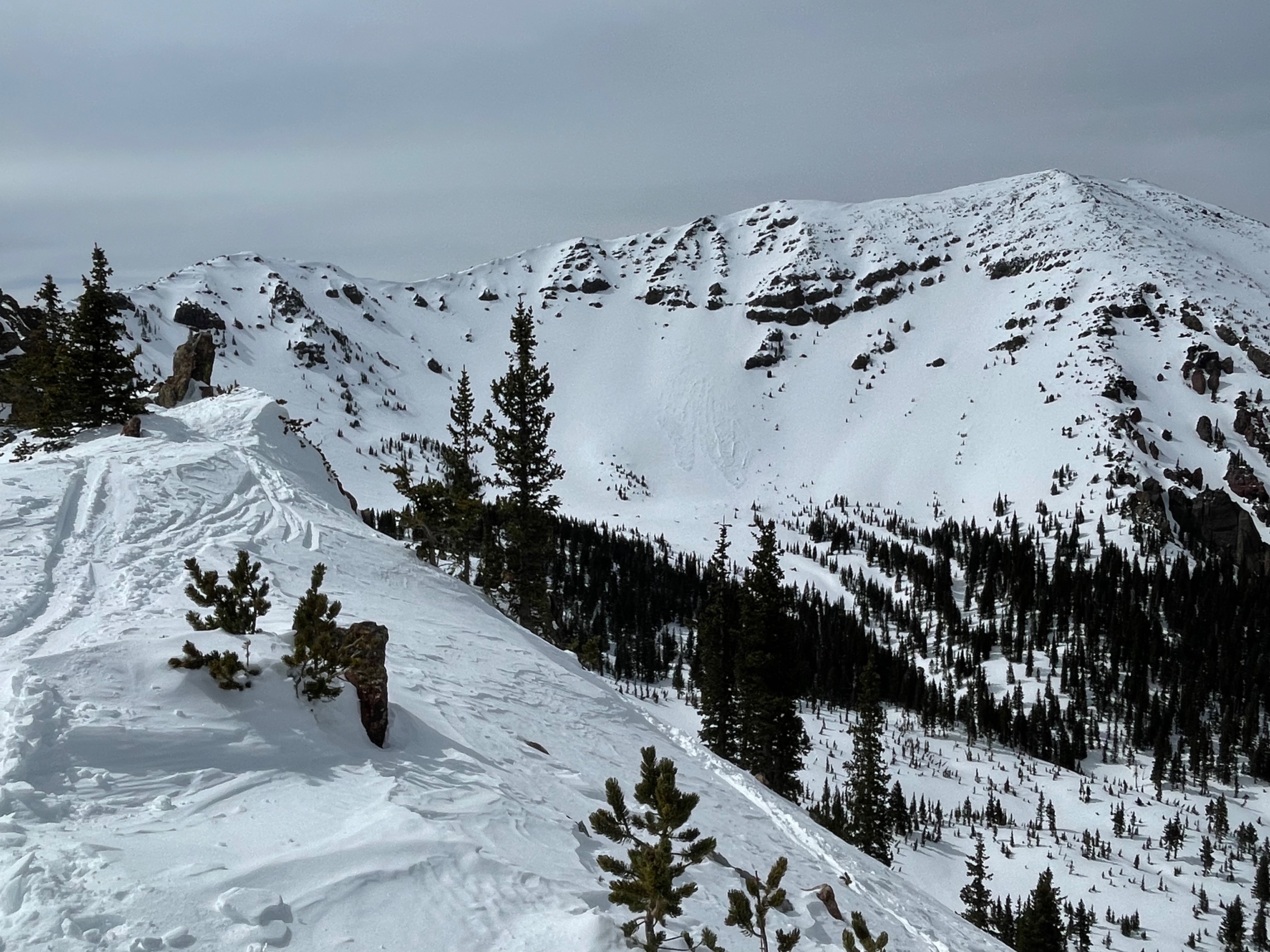
Minor signs of instability were detected on this tour with wind slab found in isolated terrain features. Wind slab was most common on north and east facing slopes at NTL and ATL elevations. These slabs were stubborn, especially on sun sheltered locations. Isolated drifts could be reactive with enough weight and the right trigger point. South and west facing slopes had minor sun crusts or melting surfaces. The skiing remains quite excellent due to the cold temperatures and right-side-up snowpack.
Weather
- Air Temp
- 29
- Cloud Cover
- broken
- Wind Loading
- previous
- Snow Avail For Transport
- moderate amounts
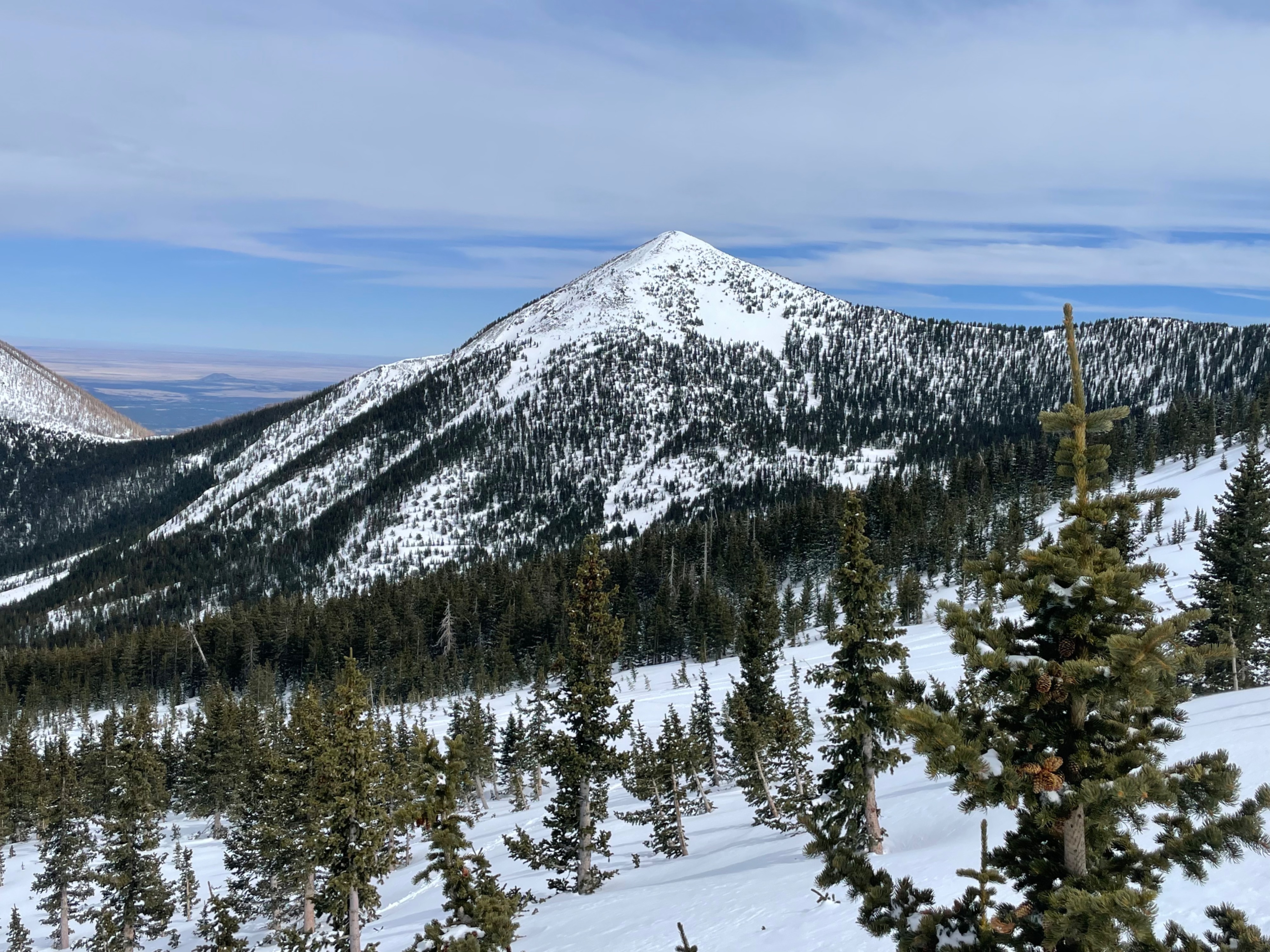
High thin clouds covered much of the sky with occasional direct sun shining through. Winds were gusting to approximately 25 mph on the ridgelines out of the west. Temperatures ranged from 25 - 33.
Snowpack
The purpose of this tour was to observe the distribution and reactivity of wind slab and the effect of the underlying bed surface on snow and wind slab reactivity. Minor cracking (1'-2') was observed on wind slabs in starting zones and on the leeward side of ridgetop terrain features. In most locations at near treeline and above treeline on east and north slopes there was still 2-8" of cold snow from Friday's storm. Wind slabs were found in isolated locations across the terrain, such as on the leeward side of ridgelines and near rock outcrops. Large open slopes and avalanche paths had soft wind affected snow with only a few inches of ski penetration. These slopes had wind affected anti-track surfaces but there was minimal wind compaction/slab formation. South facing slopes showed the most reactivity due to solar affect, and in places wind blown snow was shearing in 3-6" layers off the old snow surface. A couple of wind loaded convexities cracked upon body weight assessments, but no wind slab releases occurred. Ski cuts were unreactive on west facing snow loaded slopes. Surface conditions in upper temptations varied widely with gladed trees holding the most new snow and open areas being subject to surface melting.