
Quick report
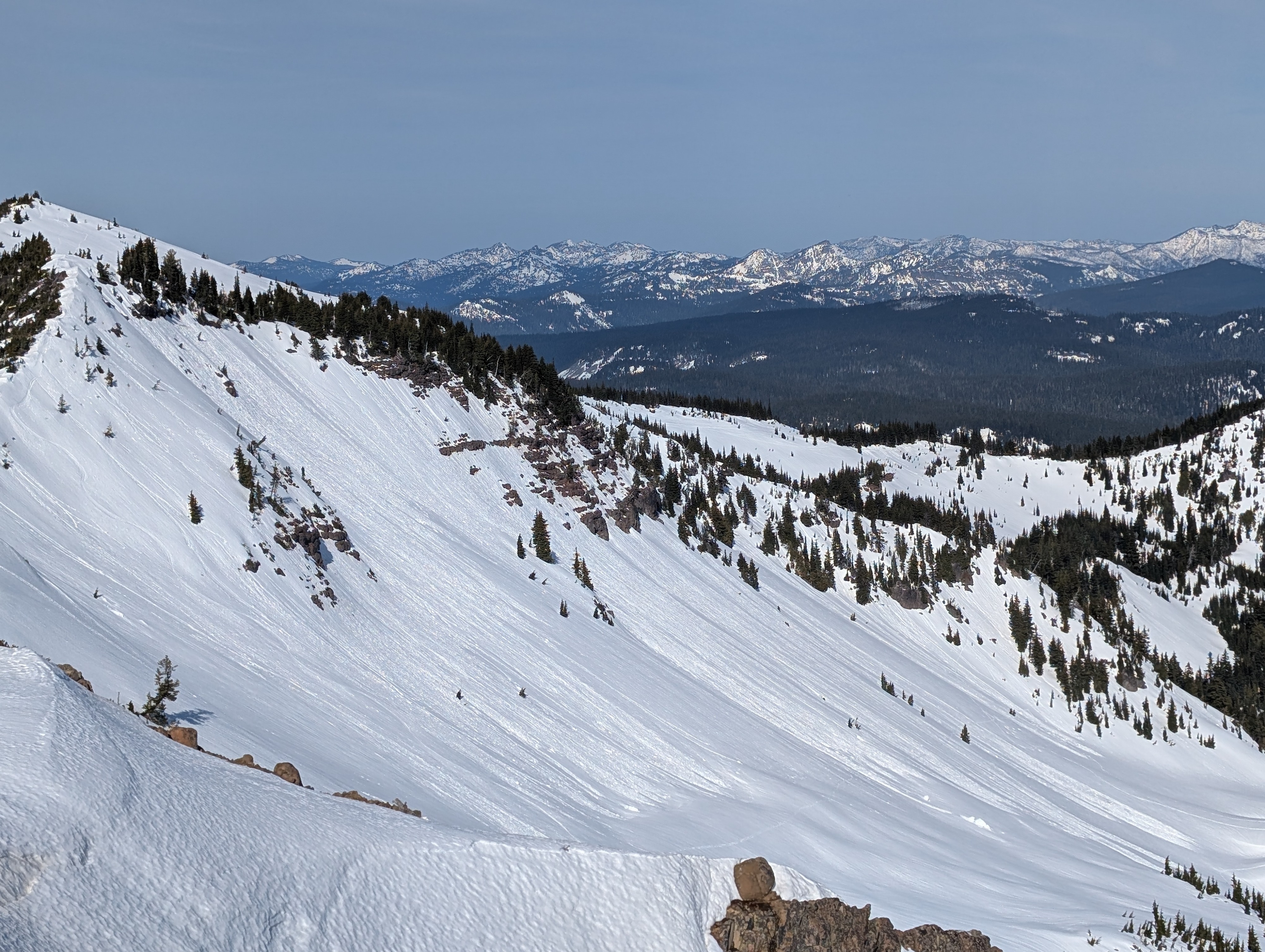
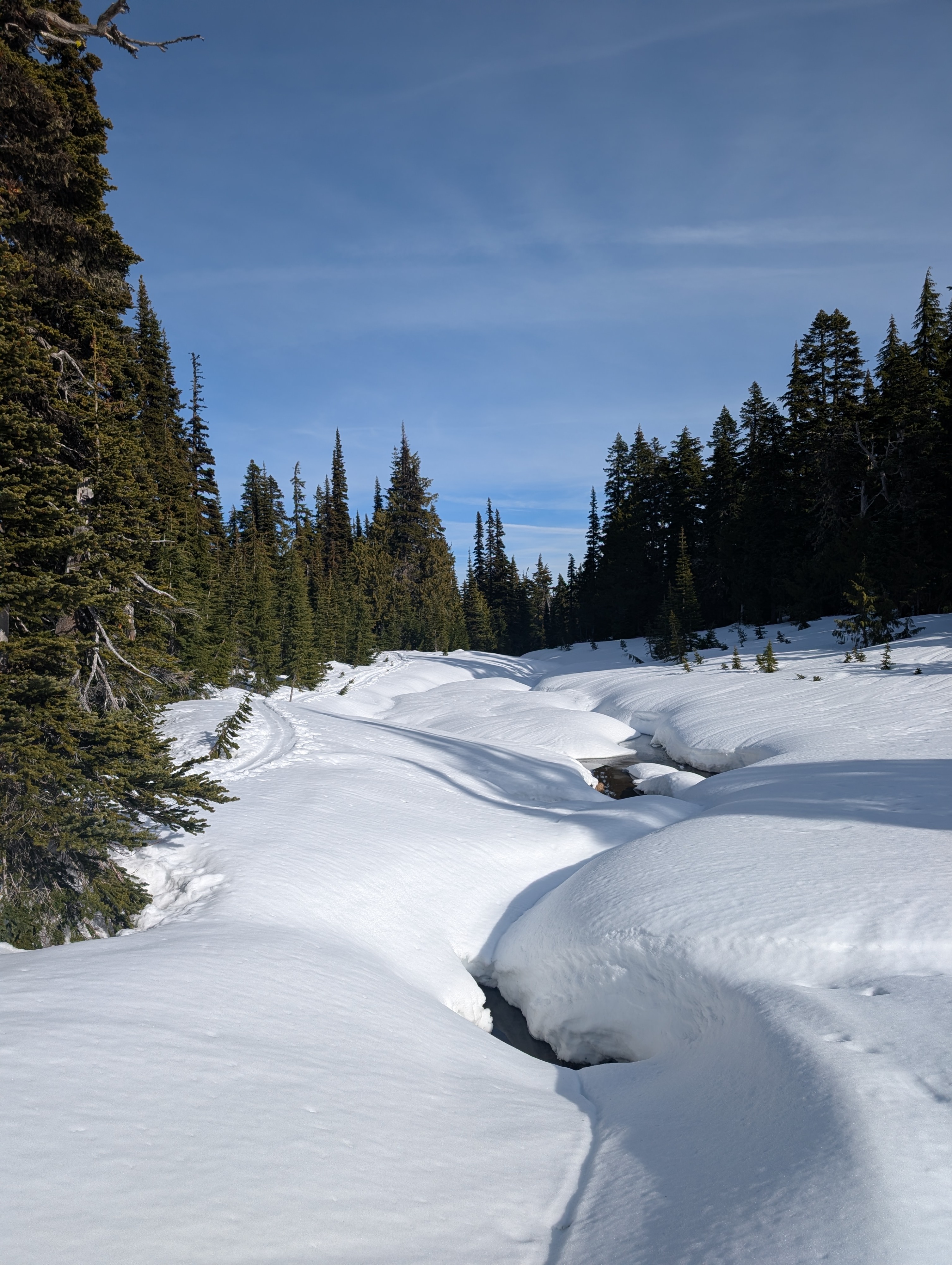
I took a walk in the White Pass backcountry to get a feel for how this area compares to Paradise and Crystal, both of which I visited this week. My first impression was that coverage was better than I expected. Particularly in the ski area.
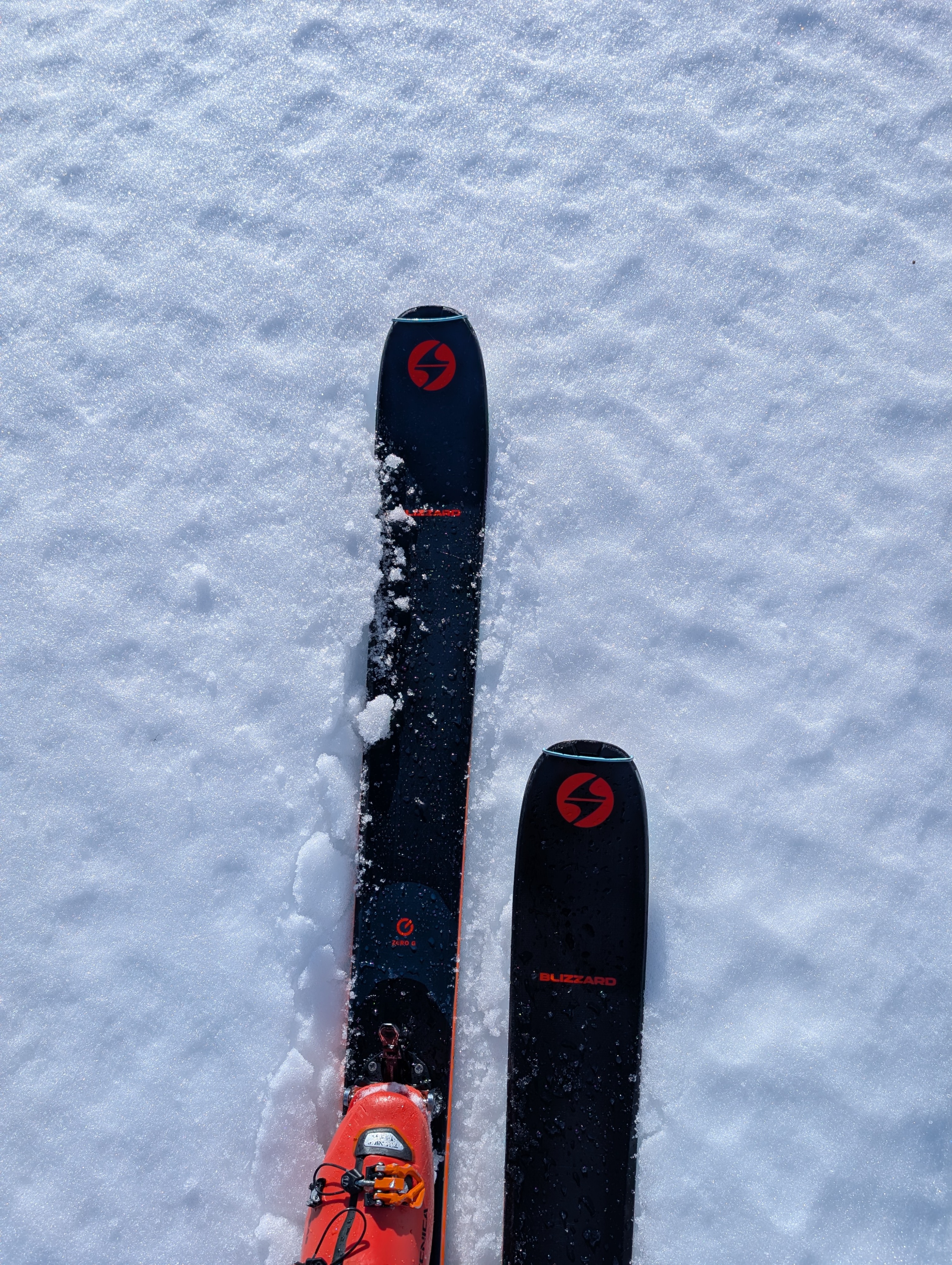
I also noted that the overnight refreeze wasn't as strong as it had been at Paradise on Thursday. However, the surface was still crusty in the morning hours. Ski penetration was minimal, maybe a cm or two. But you could stomp your ski or foot, and this surface would crack.
Slopes that receive direct sunshine softened mid-morning, resulting in pleasant skiing on easterly aspects as I worked my way out Hogsback. As the day progressed, most slopes softened except for true shaded northerlies, which maintained a scratchy surface crust.
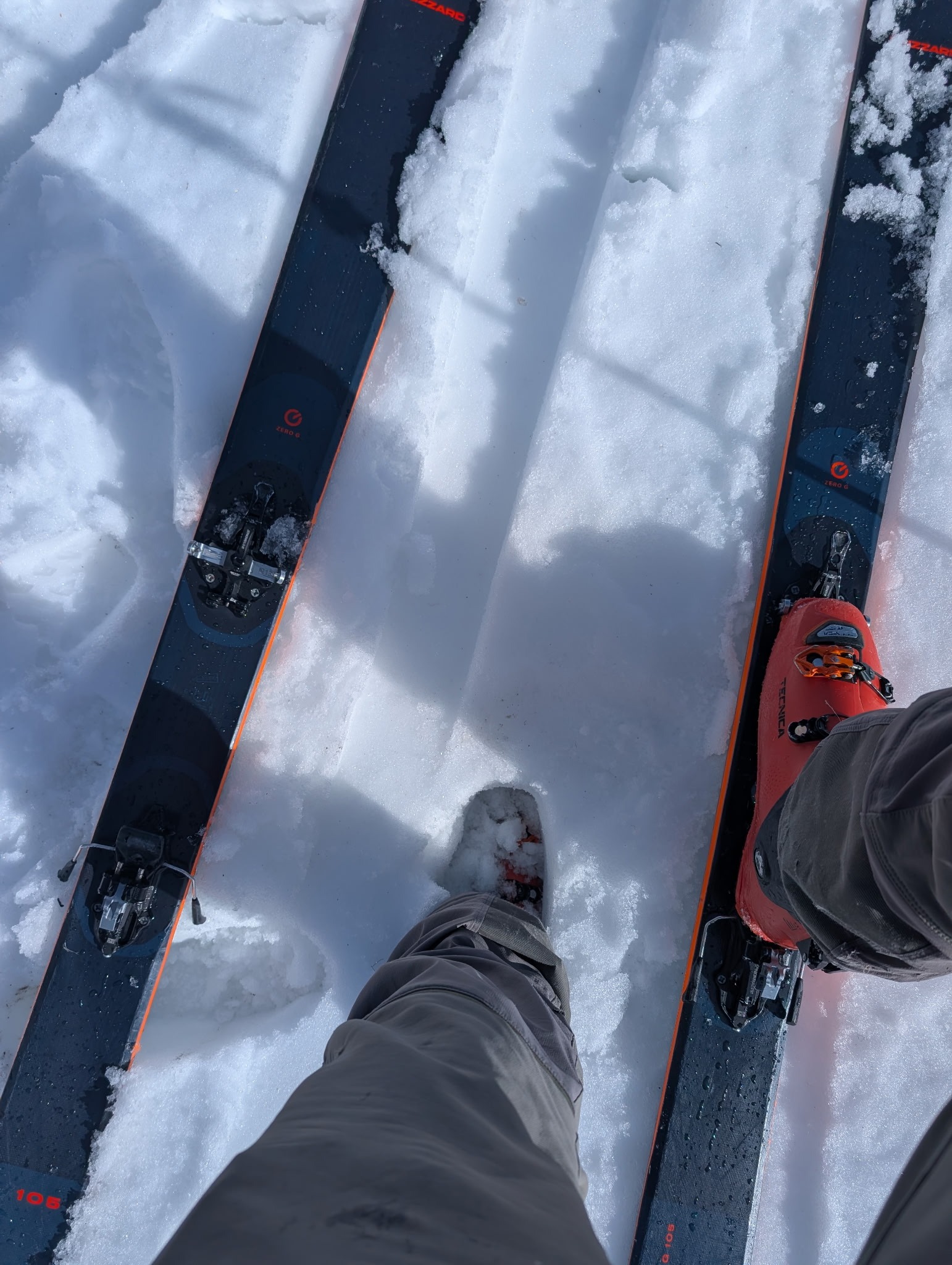
Once the surface loosened up, both boot and ski pen increased significantly. I maxed out at boot pen around 20cm and ski pen around 10.
It was a beautiful day in the mountains, and there was plenty of good skiing to be had despite the generally shallow snowpack.
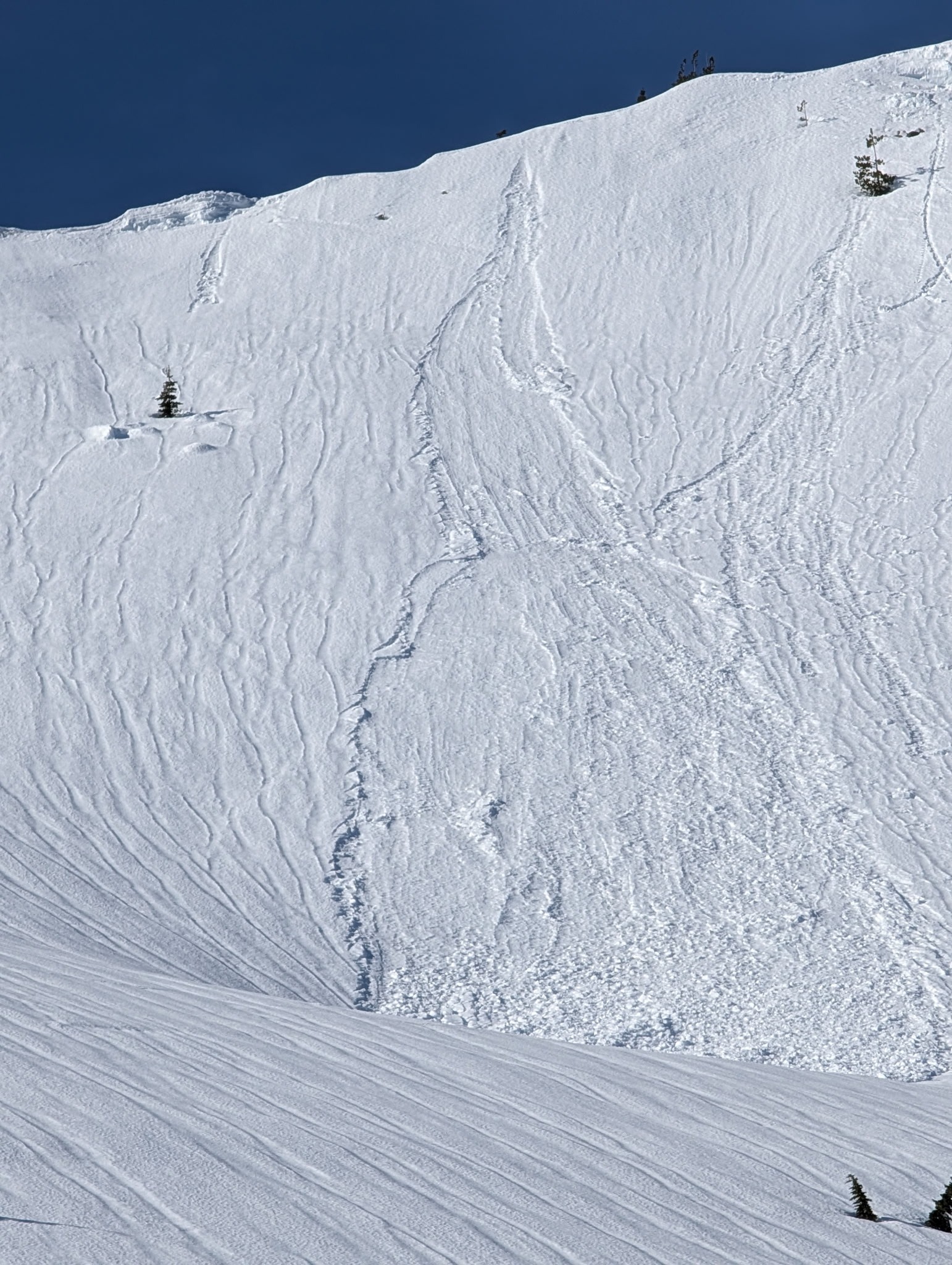
Lots of wet activity, but maybe only one or two from within the past day. All avalanche activity was loose, no slabs spotted.Weather
Mostly sunny with a light breeze on ridgelines. Unseasonably warm.
Snowpack
The snowpack around White Pass is aspect and elevation dependent. Not a shocker considering the weather we've been having.
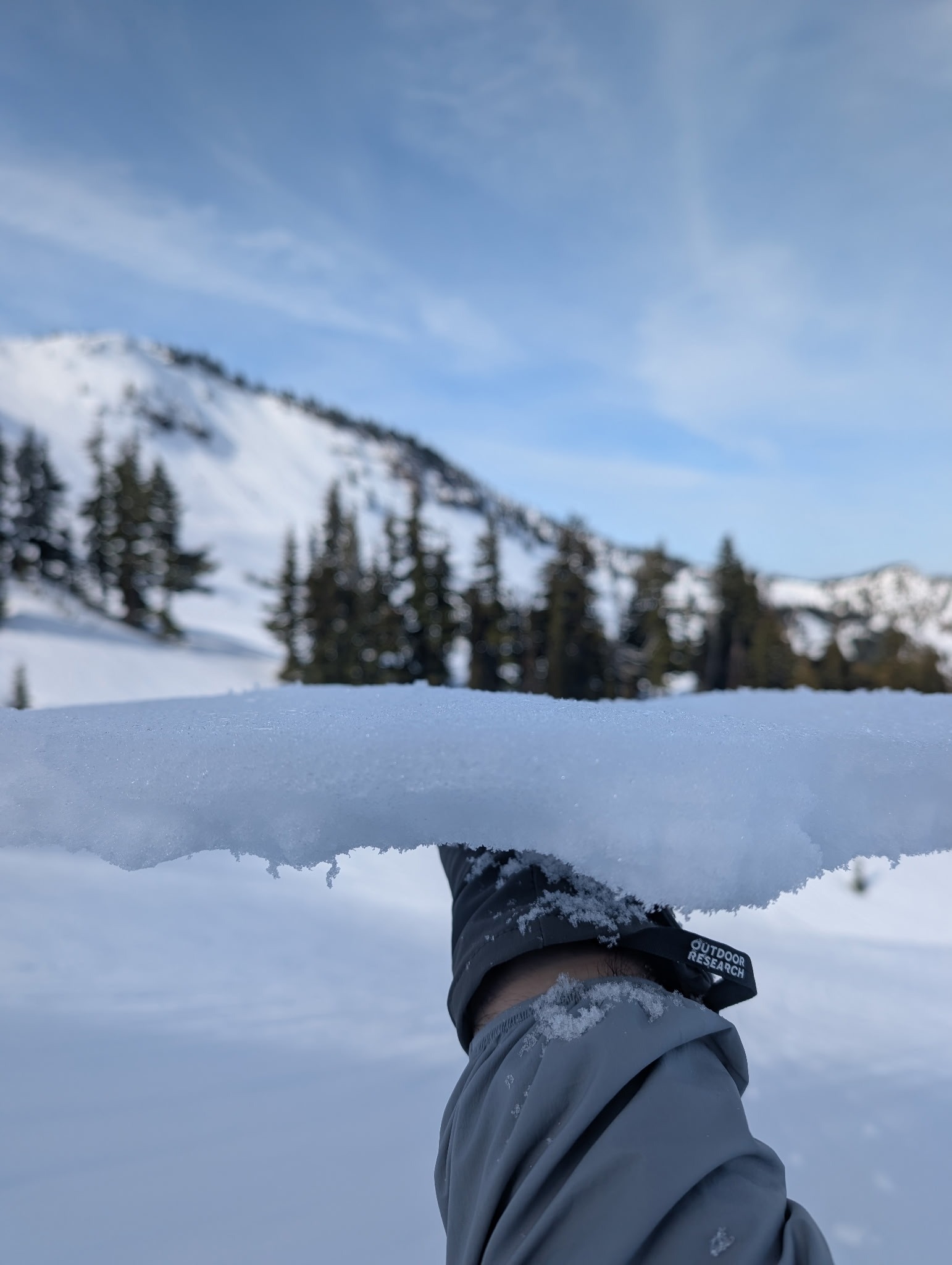
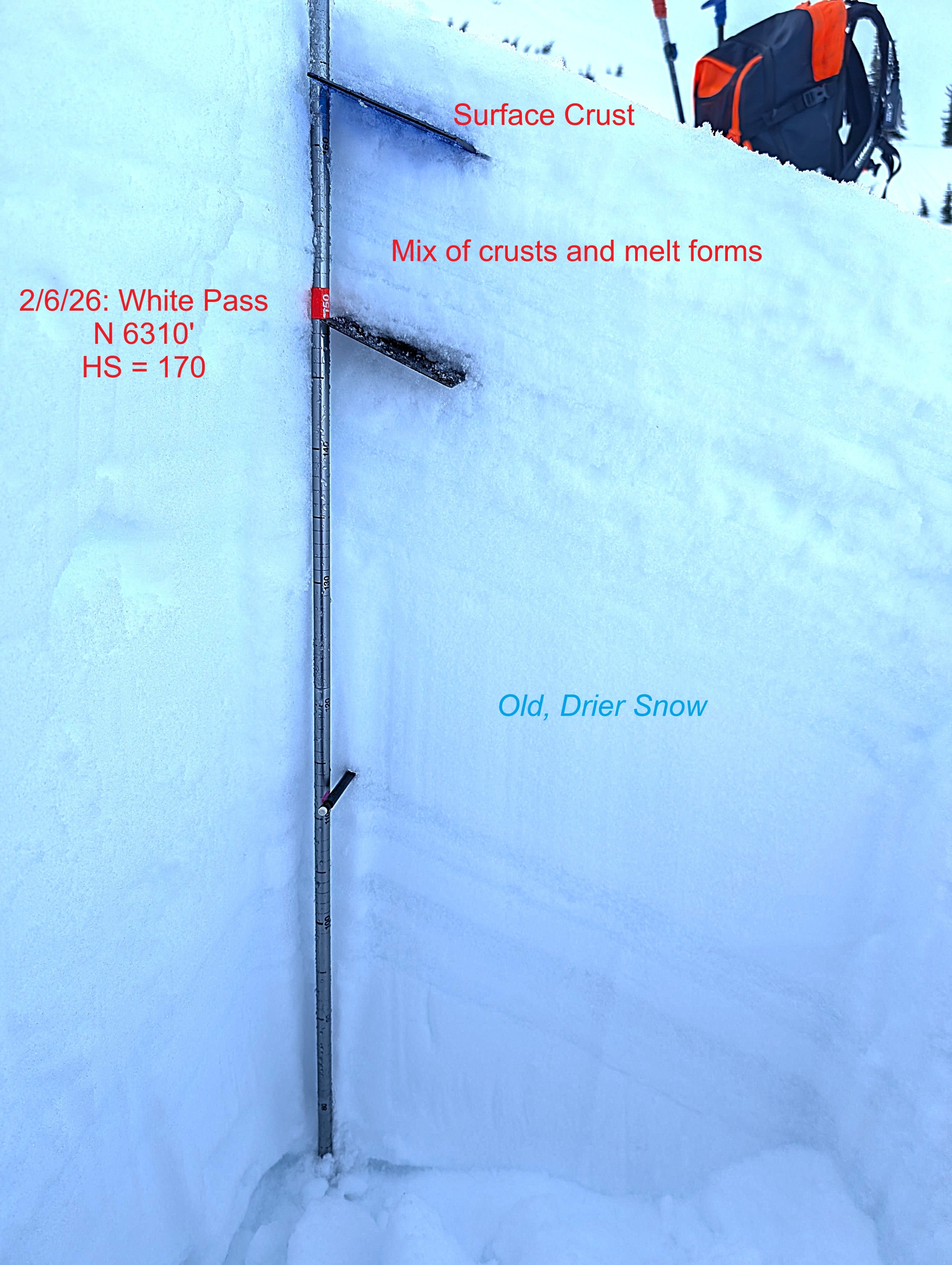
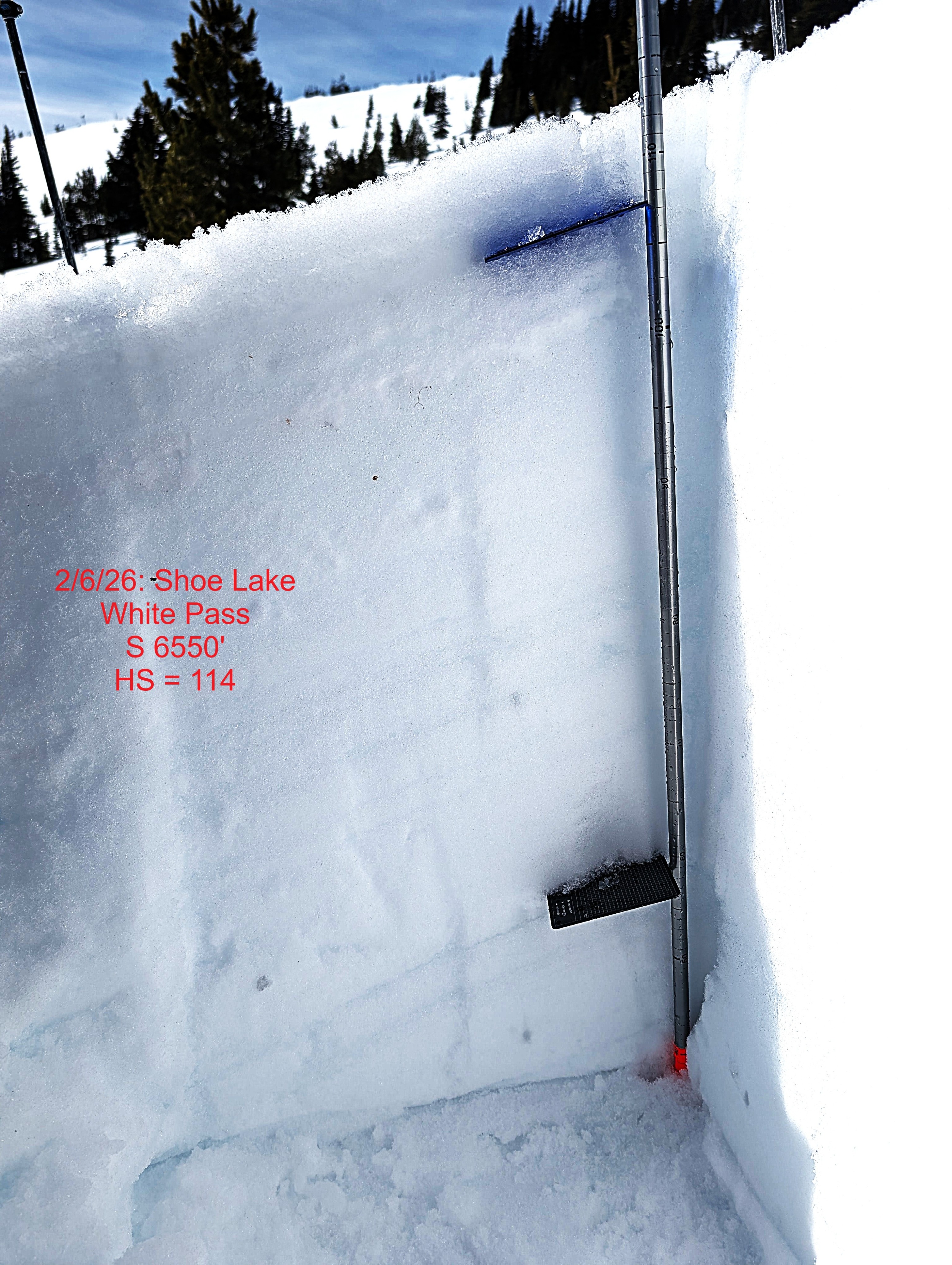
The interesting thing is that for the first time in my 3 consecutive days in the West South zone, I found dry snow in the upper snowpack. On North and East aspects, it was drier around a foot below the surface. But overall, the snowpack is largely comprised of various degrees of meltforms. Either crusts, breaking down crusts, forming crusts, or large polycrystals. It's been a wet and soggy winter.
On southerly aspects, even up high, the snowpack is much thinner and contains more crusts.