
Quick report
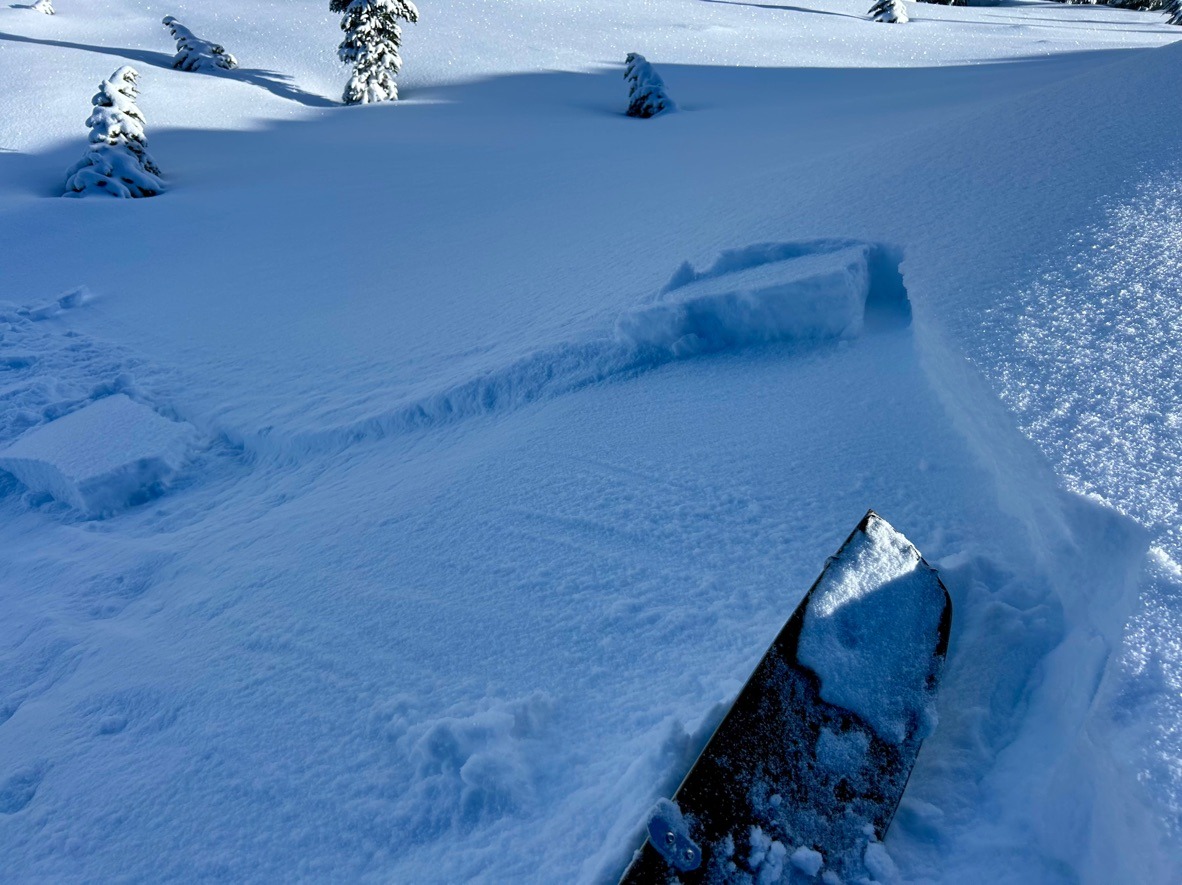
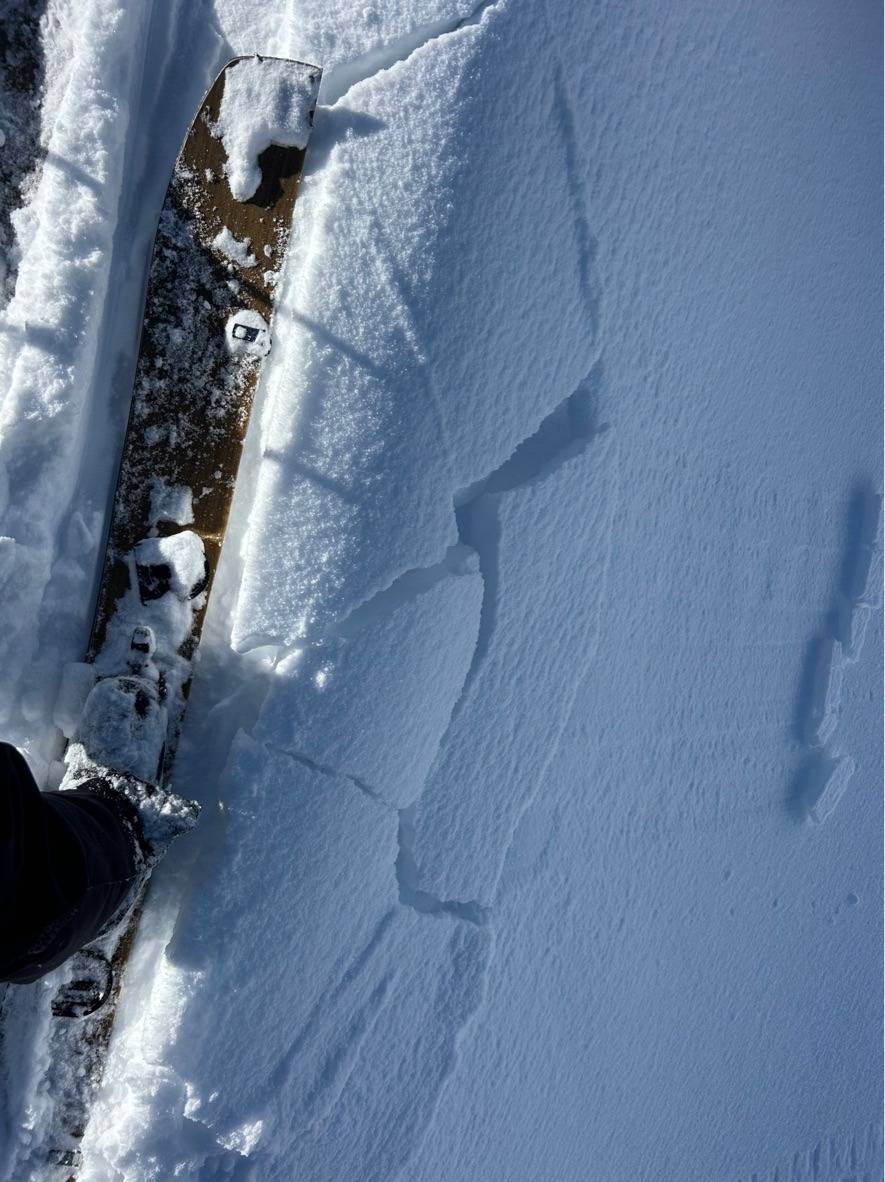
- Cracking
- isolated
- Collapsing
- isolated
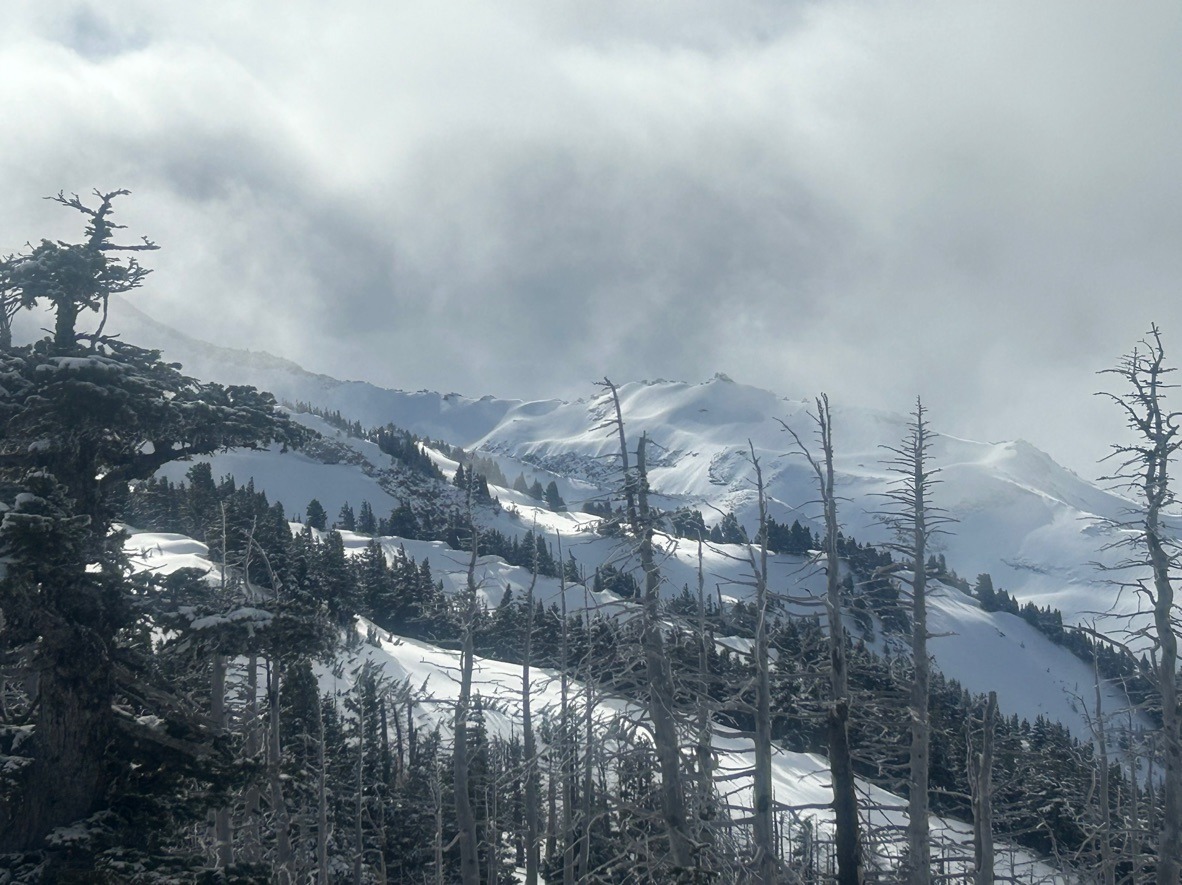
We found reactive pockets of wind-drifted snow above 5000 ft on leeward aspects. Test slopes and snowpack tests produced consistent failures on the Early February crust. Outside of wind-loaded areas, we found 6-8 inches of low-density new snow sitting on a stout, slick crust. We still felt this crust with every turn and found ski crampons to be helpful on steeper inclines.
Instability confined to wind-loaded aspects above 5000 ft. Wind slabs easily failed on the early February interface.Weather
- Air Temp
- Below freezing
- Cloud Cover
- few
- Wind Loading
- none
- Rain Elevation
- 4000 ft
- Recent Snowfall
- 17 cm
- Snow Avail For Transport
- moderate amounts
Beautiful start to the day with calm and clear conditions. As the day progressed mid-level clouds started filtering and light snow started falling around 2 pm.
Snowpack
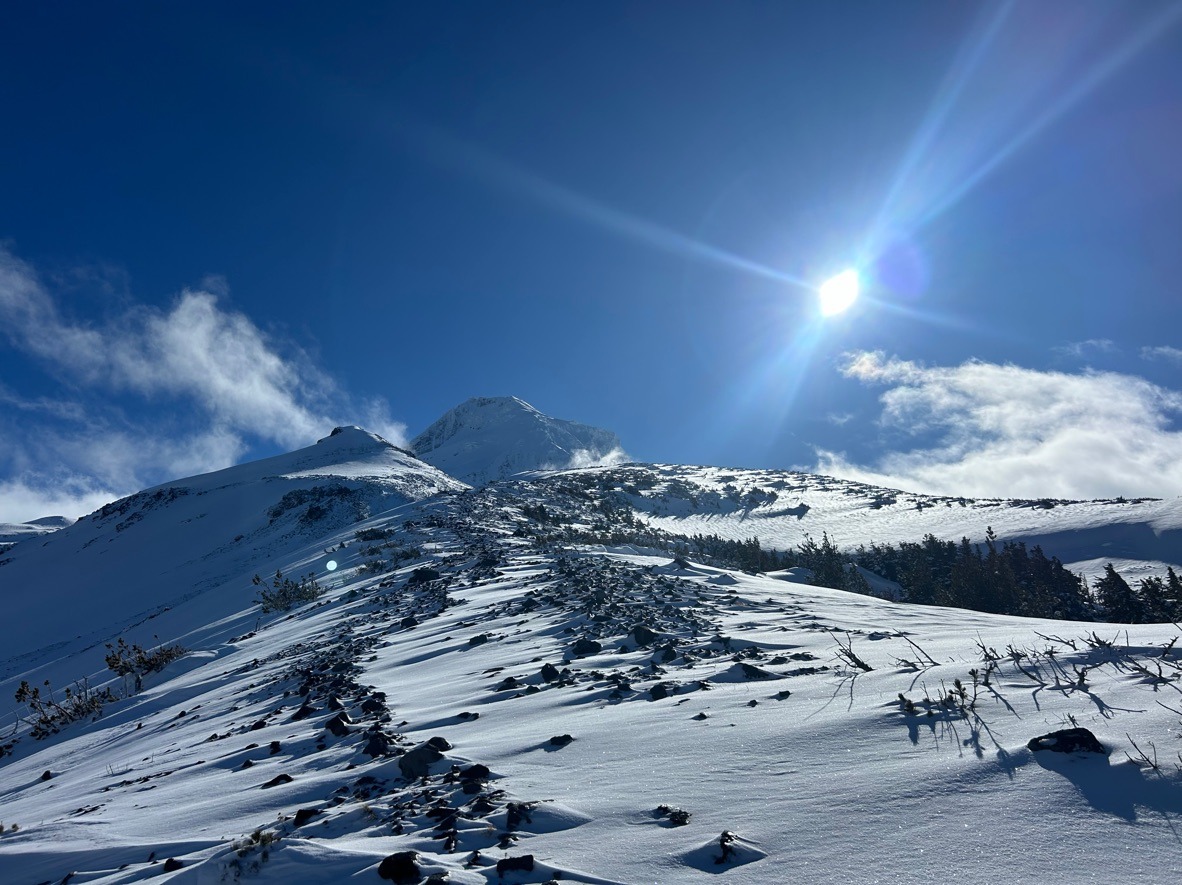
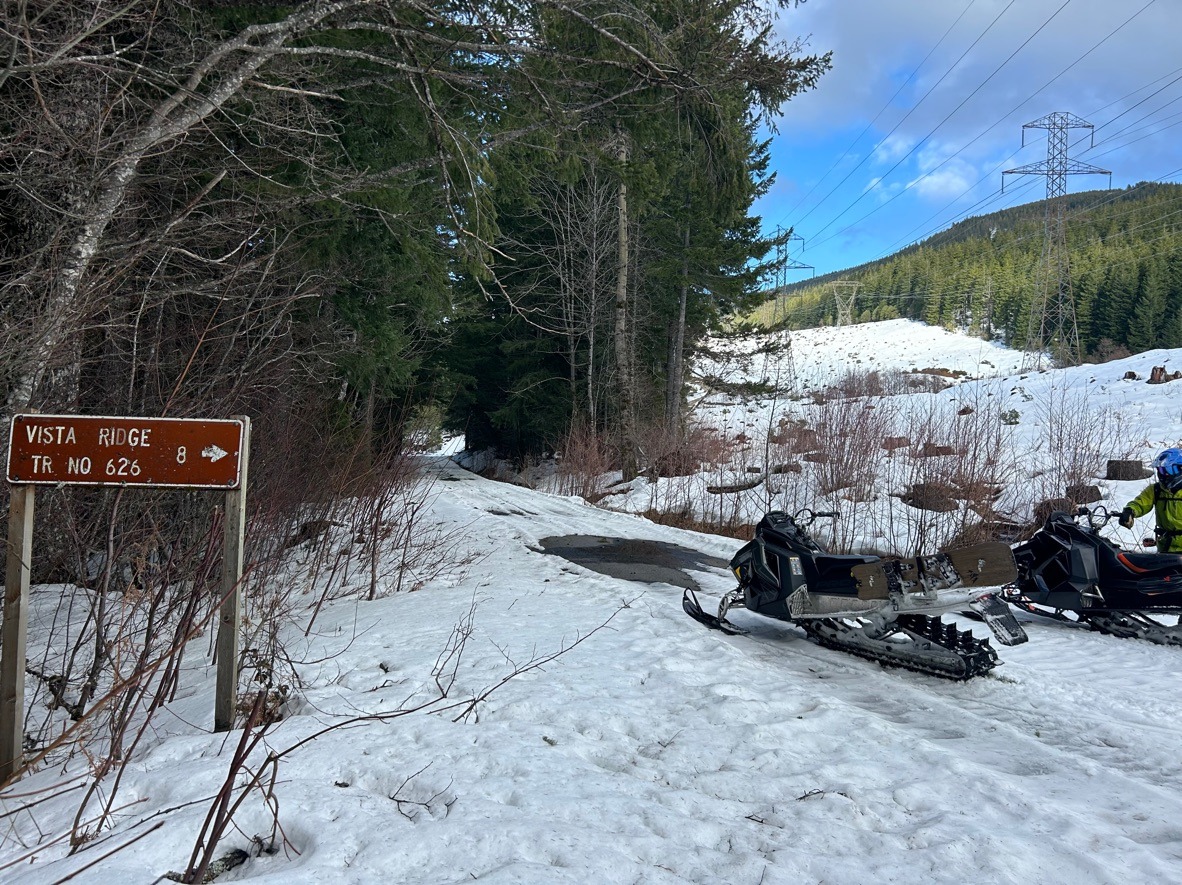
Lower elevations below 4000 ft hold a shallow and sometimes patchy snowpack on more sun-exposed slopes. However, once above this elevation, snow started stacking up every 500 ft we climbed. By our high point @ 6400 ft, we observed an average HS of 200 cm and 20 cm (8 in) of new snow sitting on the early February crust.
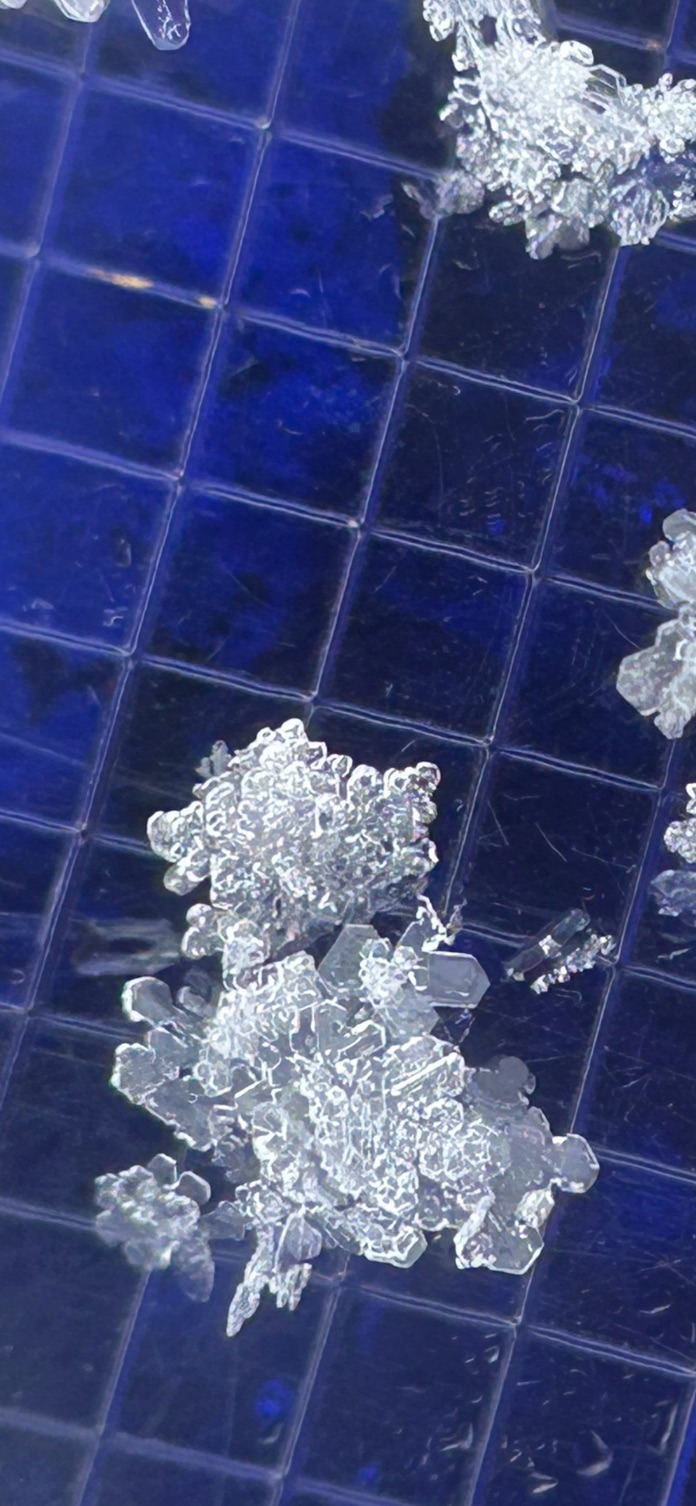
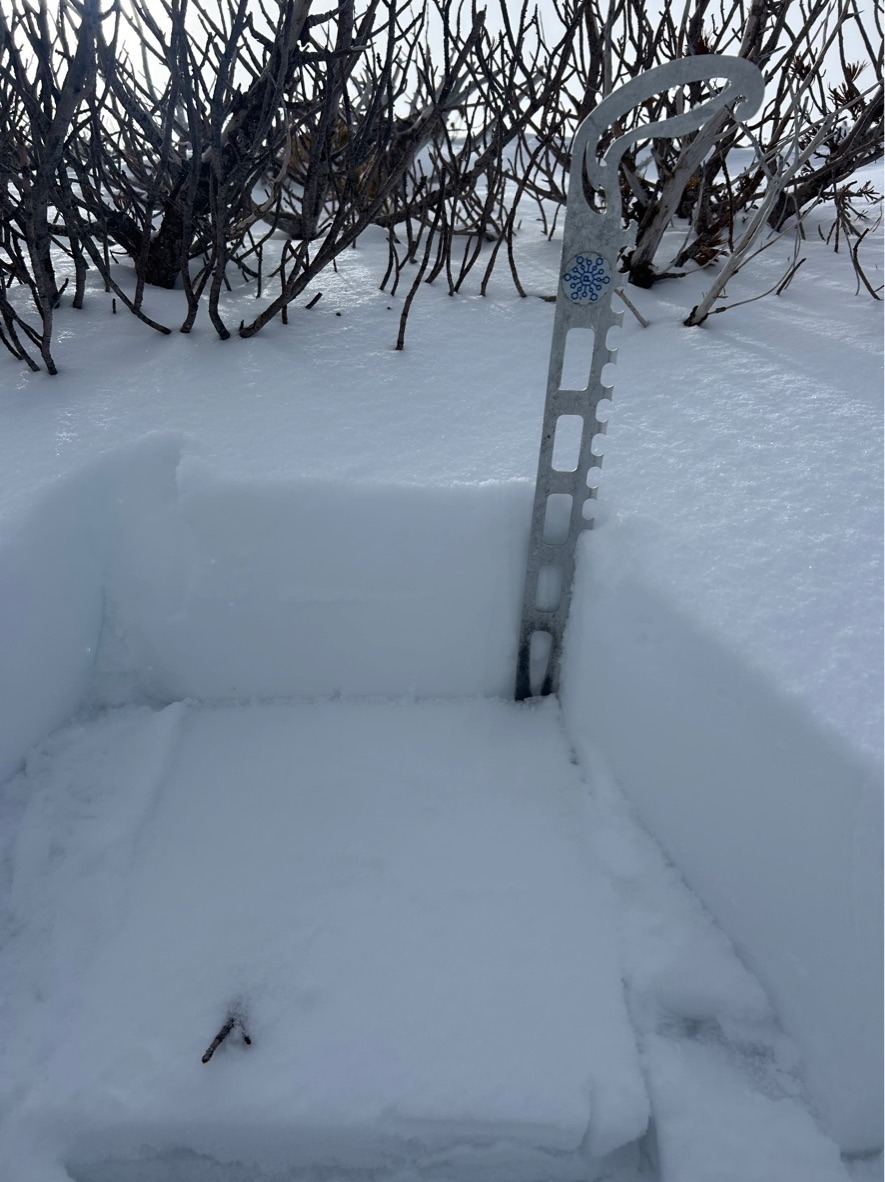
As we crested above 5000 ft, wind-affected snow became more prominent along ridgeline features. We found test slopes on wind-loaded features producing consistent failures on this early Feb crust. These slabs were shallow (4-8 inches) but quite reactive and easy to trigger. At 6400 ft, NE aspect we dug a profile to further investigate this interface. We found CTs producing consistent SC results (CT12/CT14) on this Feb interface 20 cm below the surface on a layer of small. 5 mm facets resting on the crust. ECT's didn't produce any notable results (likely due to the shallow nature of the weak layer at the moment).
In one location, on a deeper wind-loaded feature my partner and I both heard a collapse. This was isolated, but notable.
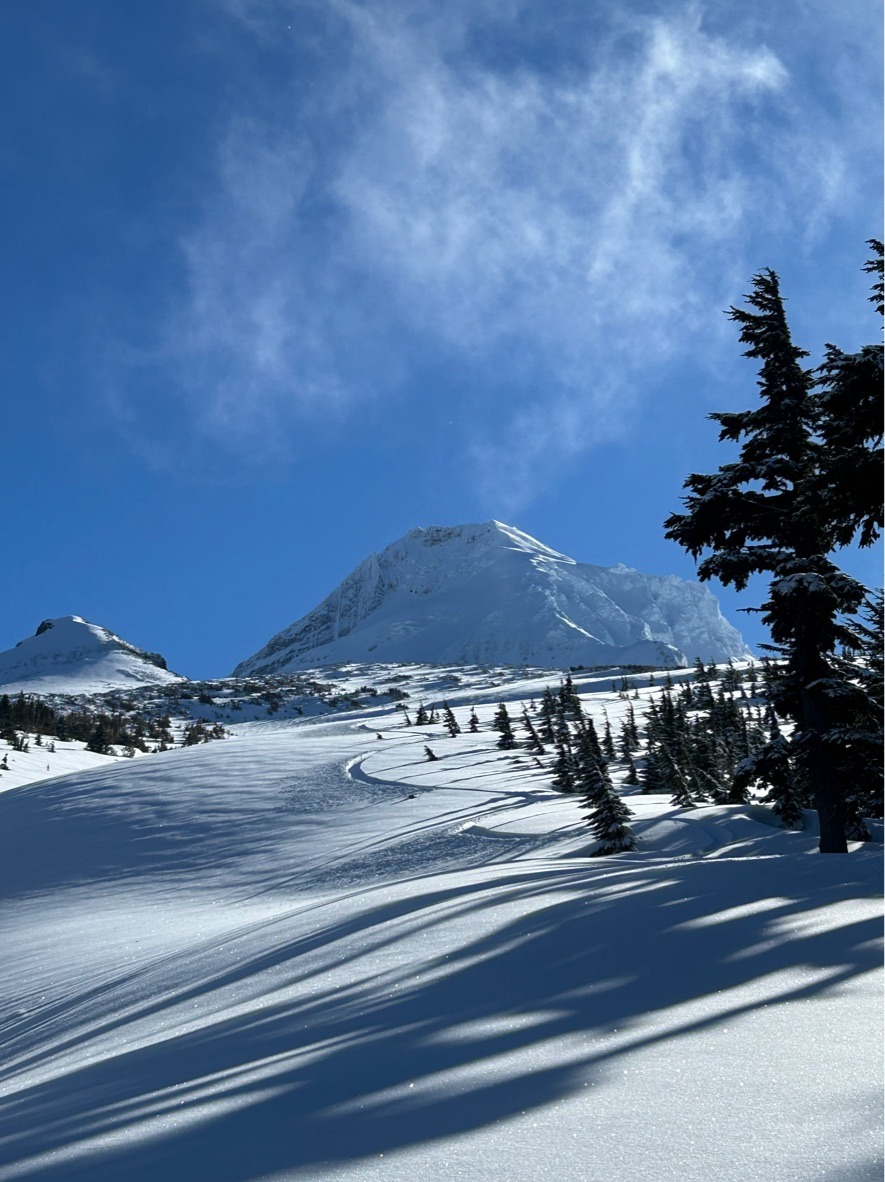
Outside of wind-loaded areas, the upper snowpack is still lacking a cohesive slab on this February crust. Most locations above 5000 ft have 5-8 inches of low-density snow sitting on the crust. We found the best ski quality on mellow slopes. On anything steer than 25 degrees you would scrape the crust with every turn. Having the sharps was still helpful on steeper, wind-exposed slopes.
While not a problem now, most surfaces are getting weak with the dry weather and diurnal fluctuations.