
Quick report
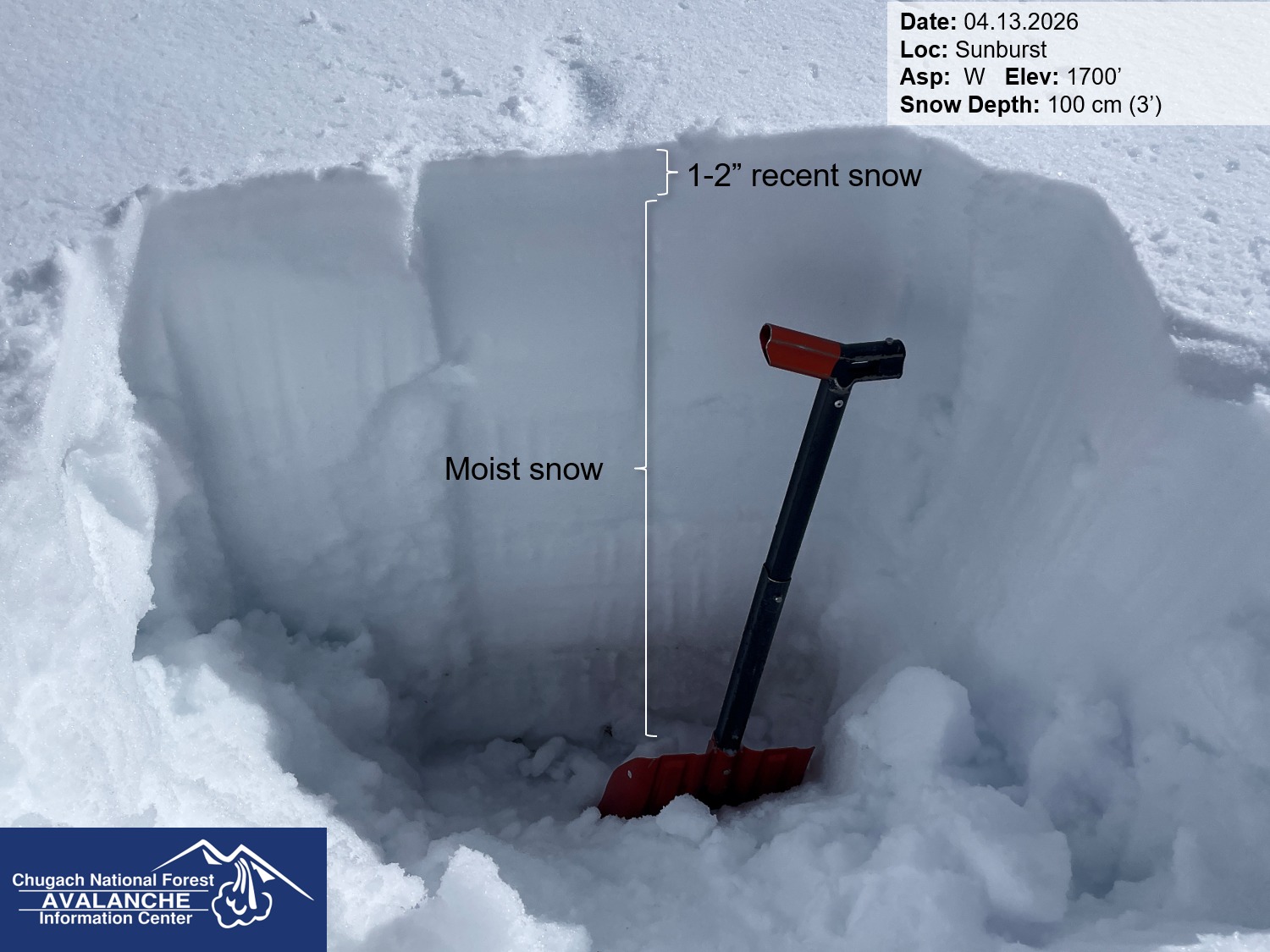
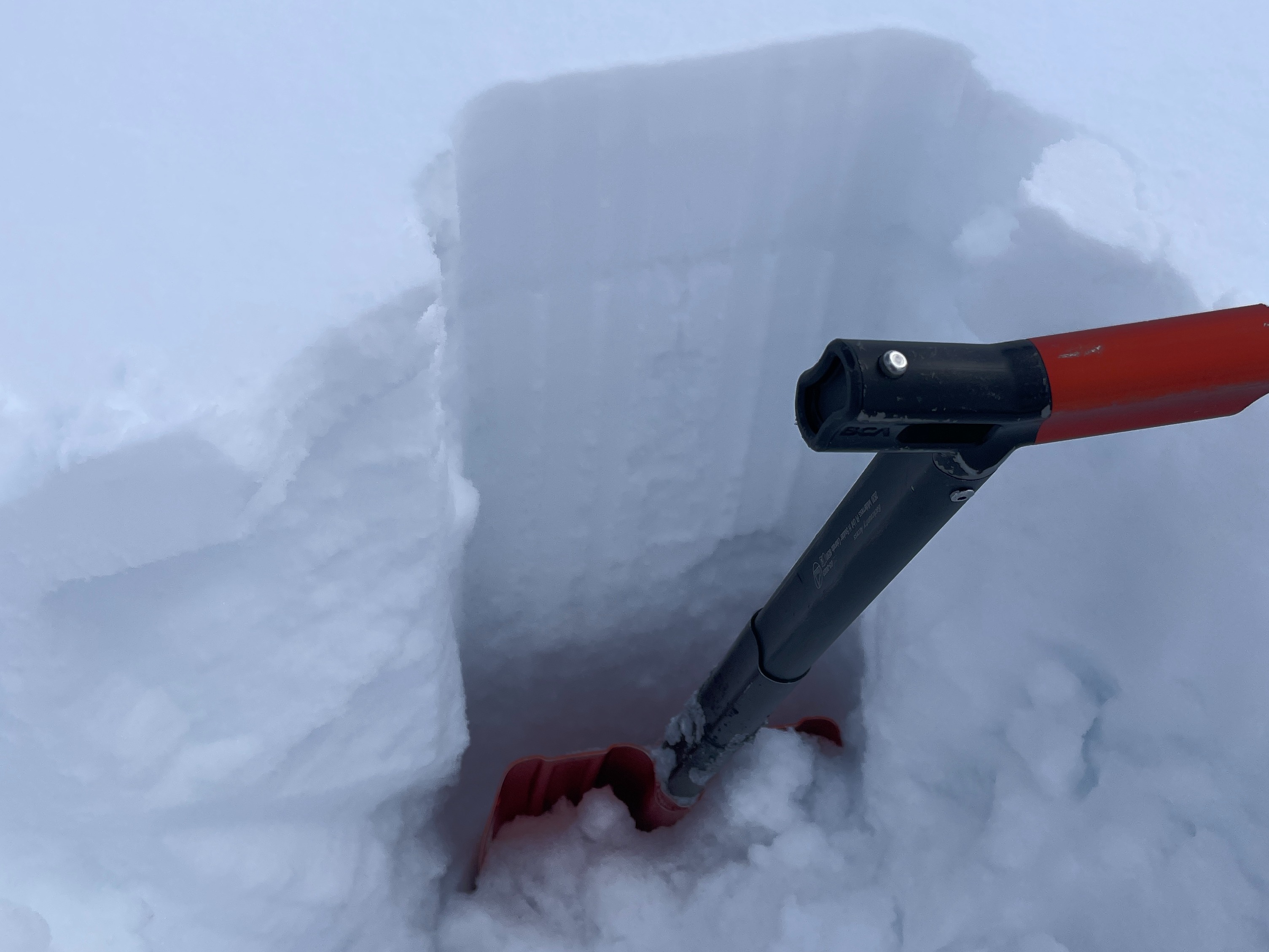
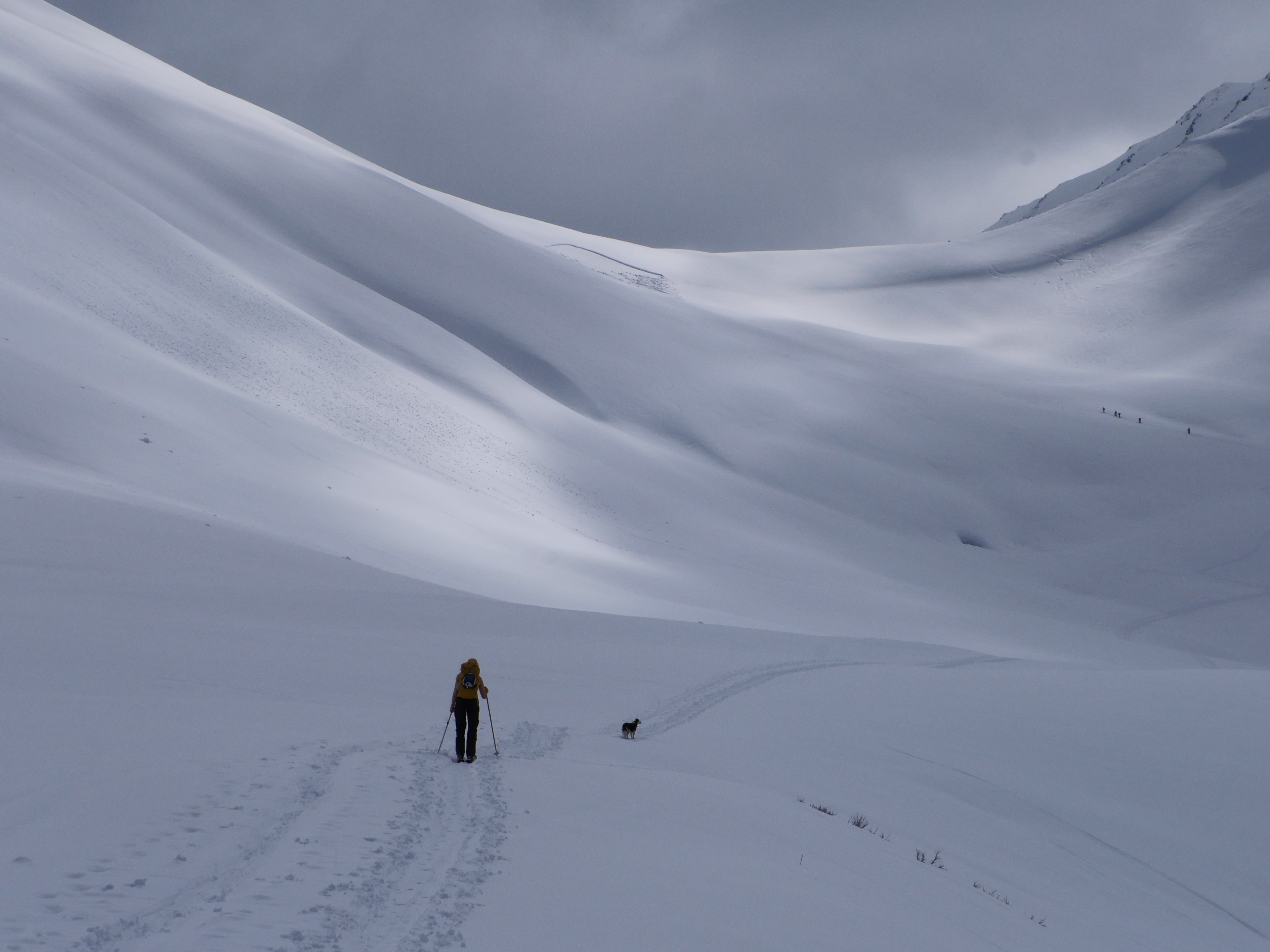
We toured up to the Sunburst weather station to troubleshoot the webcam. Unfortunately we weren't able to get it back online yet, but we're still working on it. We dug several pits along the way, tracking the moisture content of the snowpack at multiple elevations. The snowpack was generally hot and moist below around 2000', and dry above that. There are some supportable melt-freeze crusts on south-facing slopes, but even on those solar aspects the dry snow on top had not melted by the time we skied at about 4 pm. There were some roller balls on those steep southerlies, but it seems like we are still waiting for a longer stretch of warm and sunny weather before we see the onset of a major spring cycle.
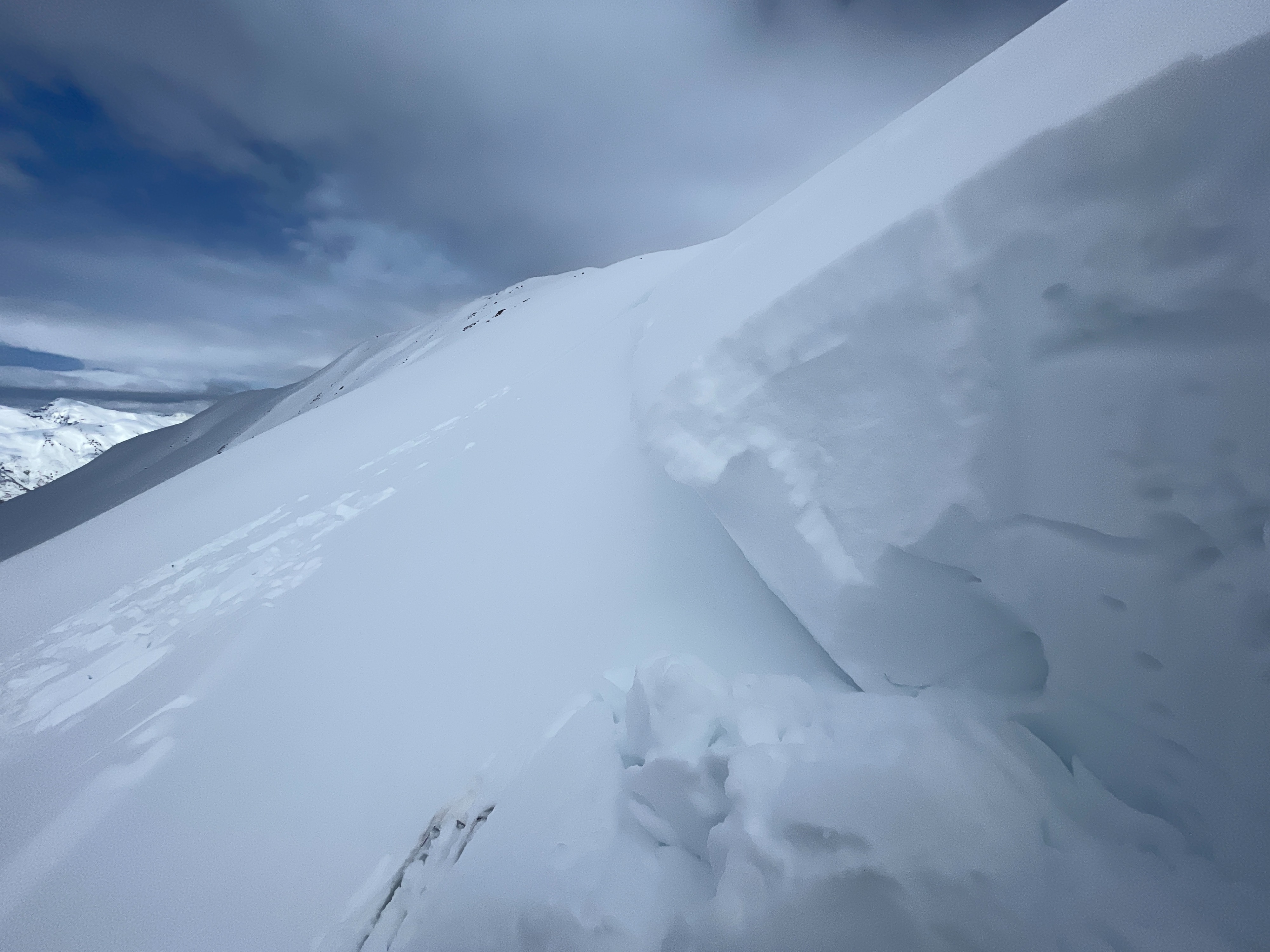
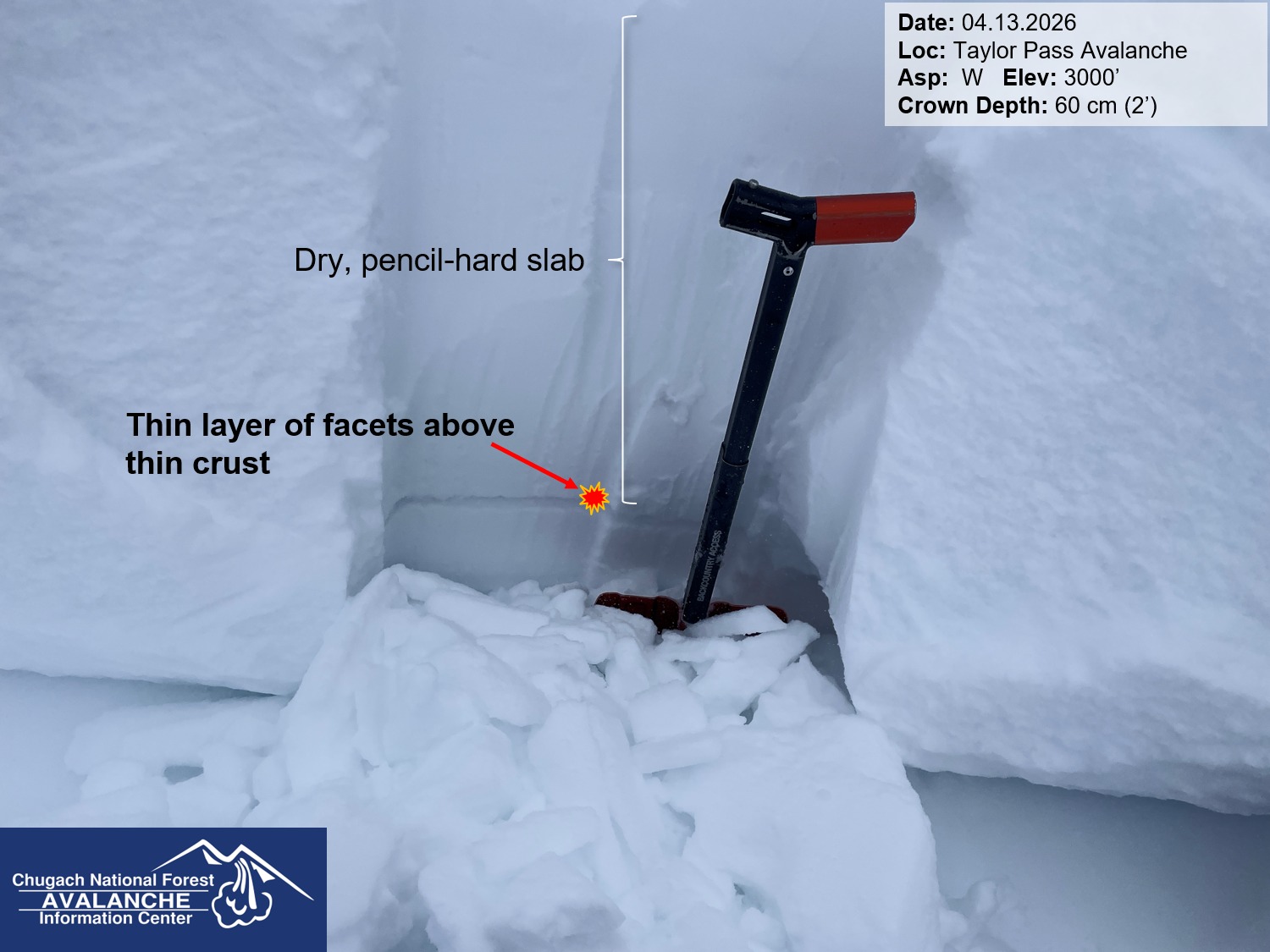
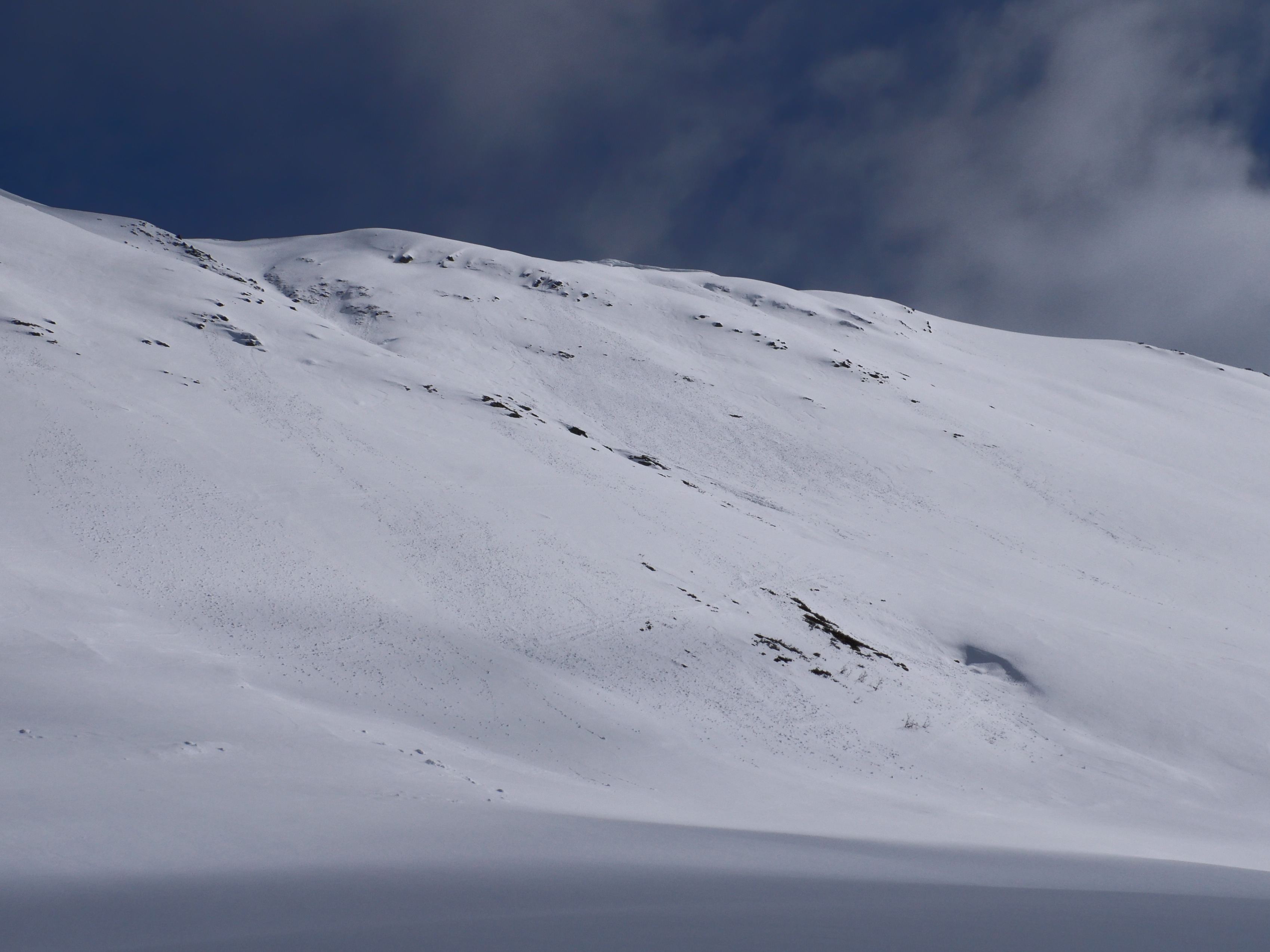
We took a close look at the crown of a recent avalanche on Taylor Pass and found it failed on a thin layer of facets sitting on top of a thin crust, buried about 2' deep.
Weather
- Cloud Cover
- scattered
- Wind Loading
- previous
- Recent Snowfall
- 2-4"
- Snow Avail For Transport
- moderate amounts
Scattered clouds with more sun in the afternoon. Light ridgetop winds were enough to keep it chilly on the ridge. It was quite warm down in the valley.
Snowpack
We dug a few hasty pits as we traveled, tracking changes in moisture as we went. At 1700' the entire snowpack was moist and loose down to the ground, just barely supportable with skis. By 2500' the entire snowpack was dry.
We also looked at the crown of the recent avalanche on Taylor Pass. This failed on a very thin layer of facets that developed above a thin crust buried about 2' deep on average. This was most likely the crust that formed during the 2/10 storm. The facet layer was really hard to identify at the crown since it was so thin, and the snow above the weak layer was almost pencil-hard. It was kind of a spooky setup to look at, since it would have been nearly impossible to identify that weak layer without digging a full pit and doing some stability tests. This setup did not really match what we've seen elsewhere with that facet layer, which has been generally thicker and easier to identify.