
Quick report
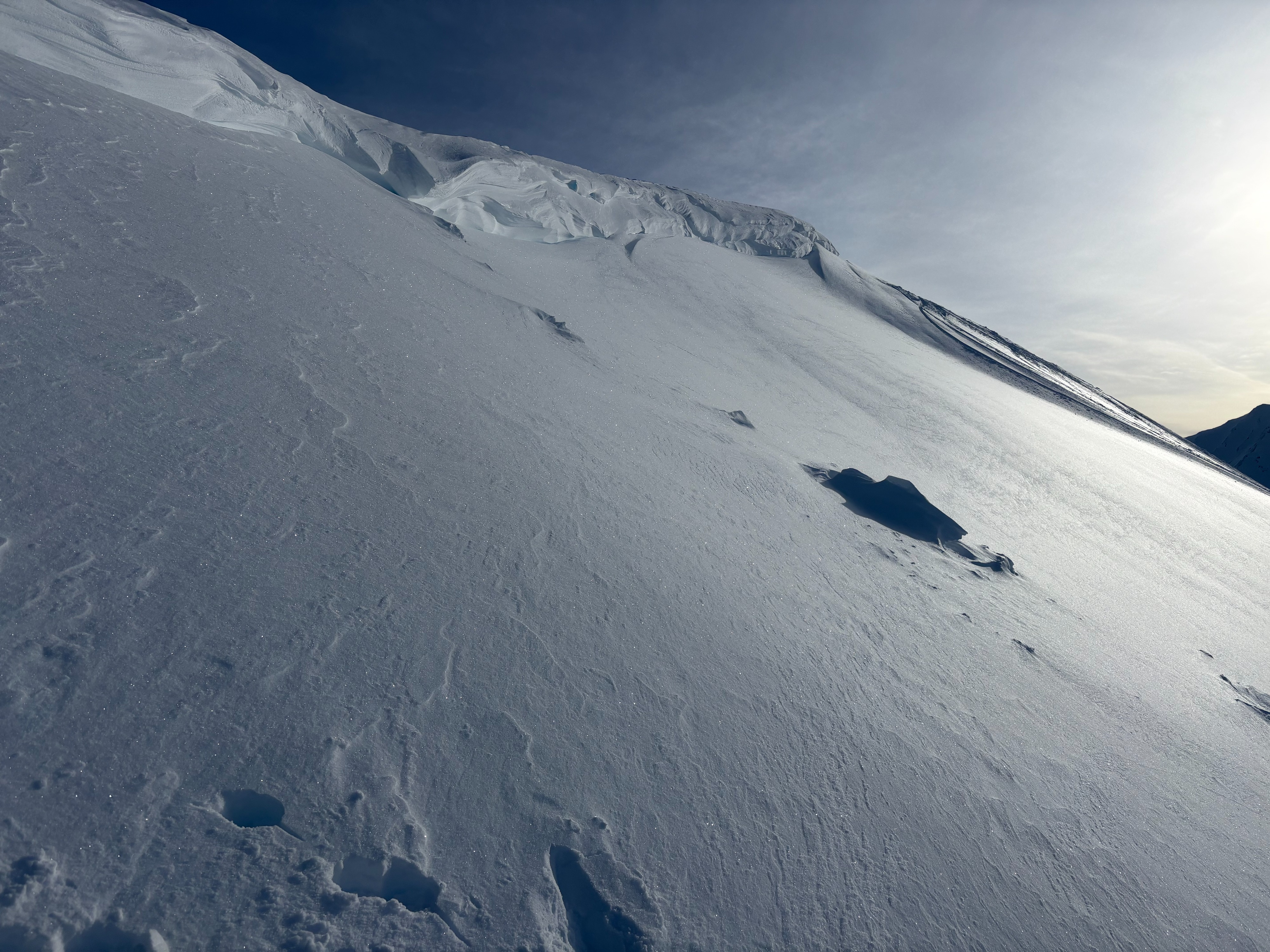
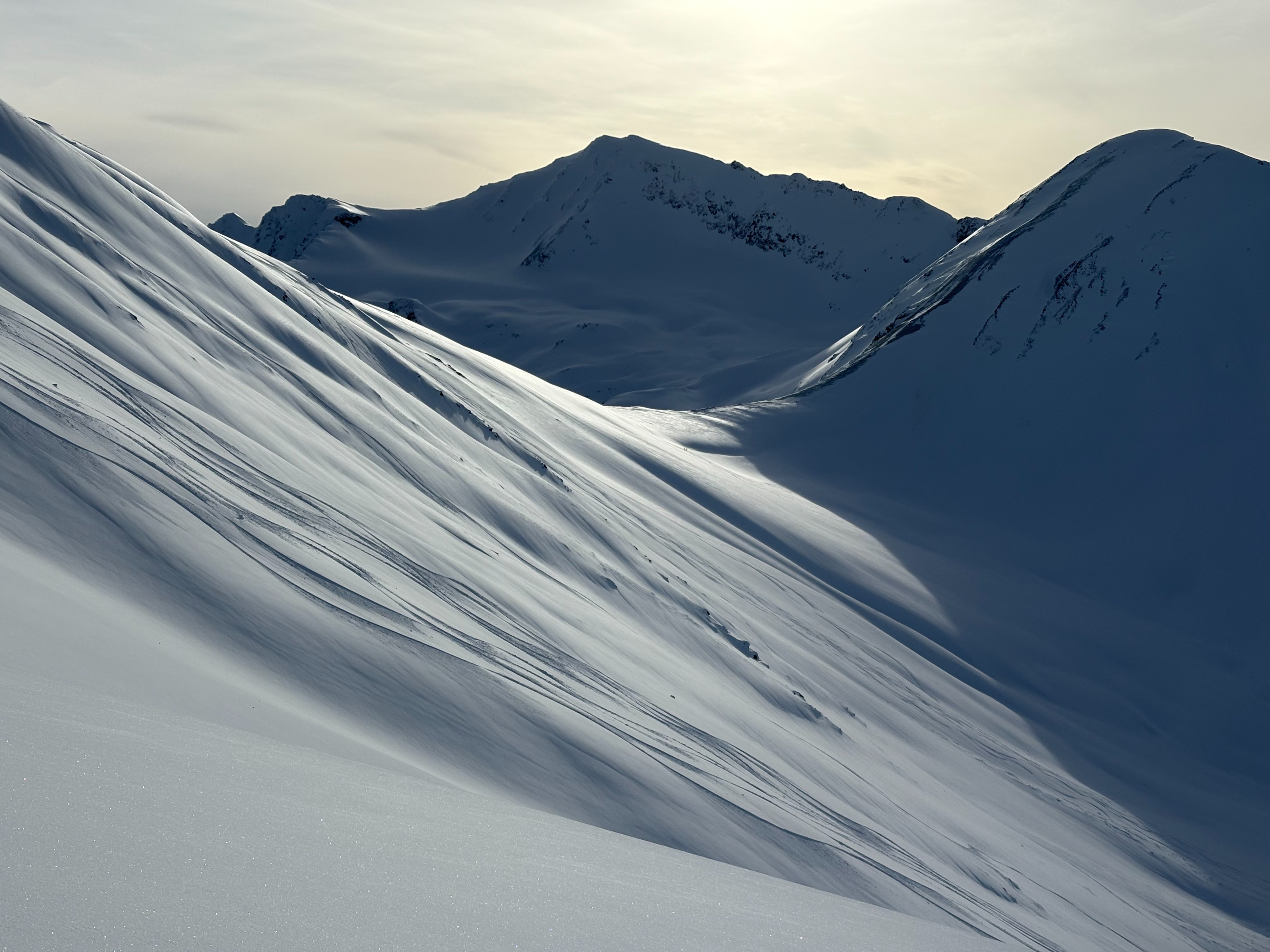
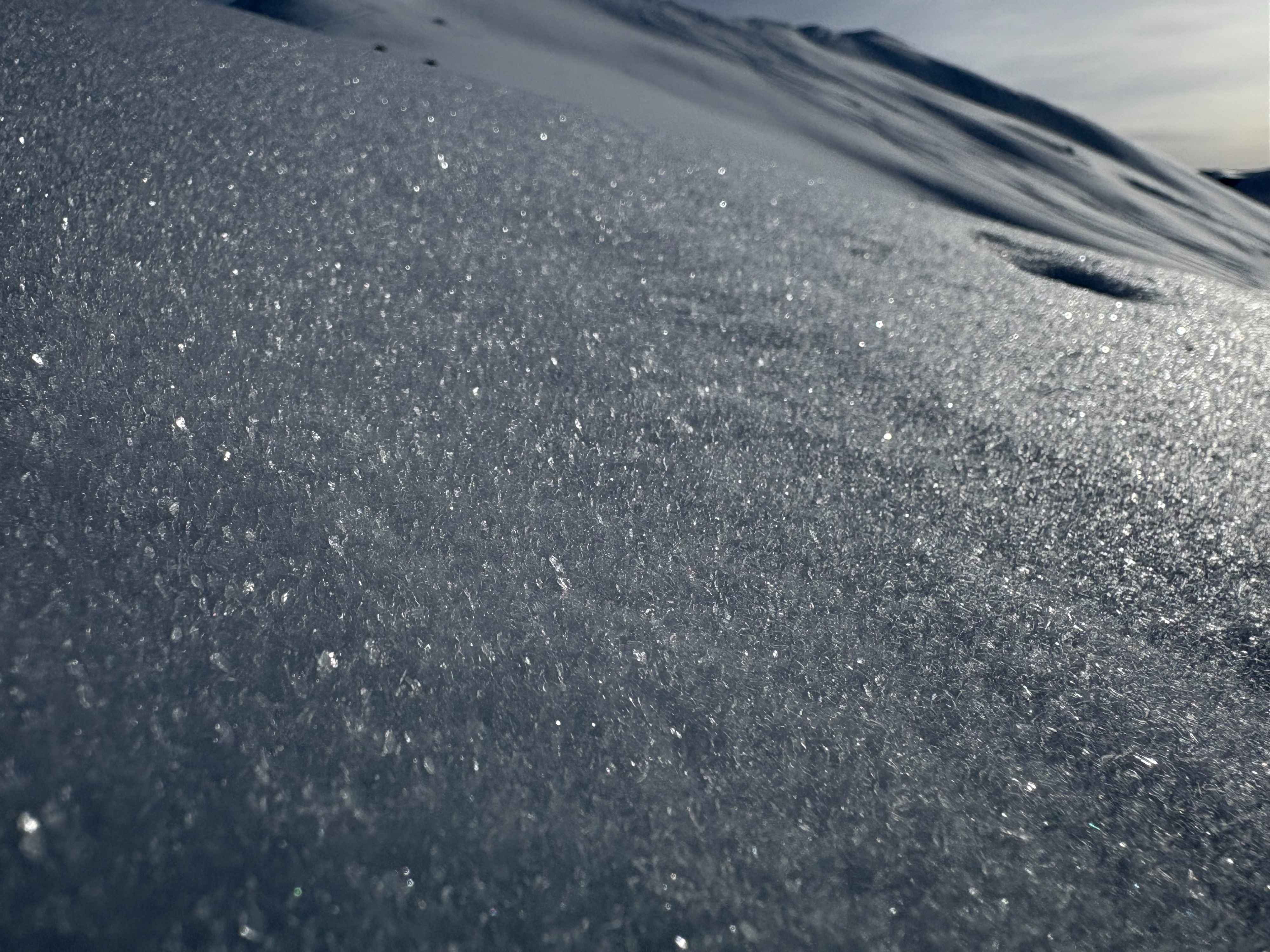
We toured up Sunburst to dig snowpits above the rain crust, which extends to approximately 2,500 ft, and to evaluate how the recent storm snow is bonding to the previous snow surface. We observed 5–6 inches of new, low-density snow from the February 9–10 storm. From the parking lot to 2,500 ft, the new snow rested on a stout crust. Between 2,500 and 3,500 ft, the new snow bonded well to the underlying surface. We found near-surface facets on most surfaces above treeline, appearing as a sparkly layer, including along the ridgeline, where calm winds kept them intact (see photos). On leeward slopes we could see small wind-deposited snow features but we did not experience any signs of instability when skiing across these areas.
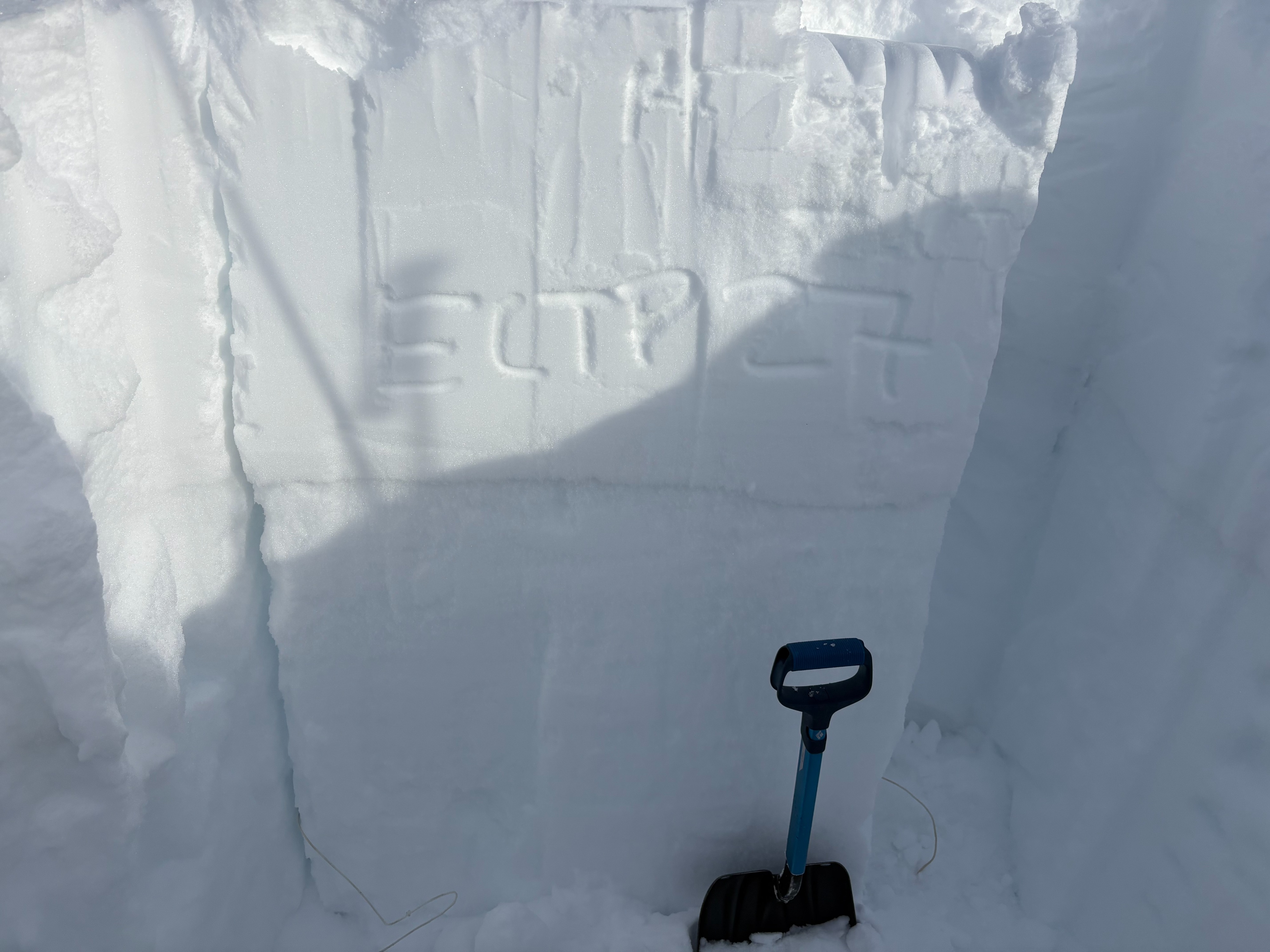
Our snowpits below the ridge at 3,400 ft indicated that the December facet layer is rounding but remains intact at upper elevations. We targeted a relatively shallow location near the ridge for our pits (HS 4.5–5 ft). In one pit, the layer was stubborn and showed no signs of instability, while an adjacent pit just 20 ft away produced an unstable result (ECTP 27). In many areas at this elevation, the layer is likely deep and will be difficult to impact; however, shallow spots like our pit location still show that this layer has the potential to be reactive.
Weather
- Cloud Cover
- scattered
- Wind Loading
- previous
- Recent Snowfall
- 13
- Snow Avail For Transport
- moderate amounts
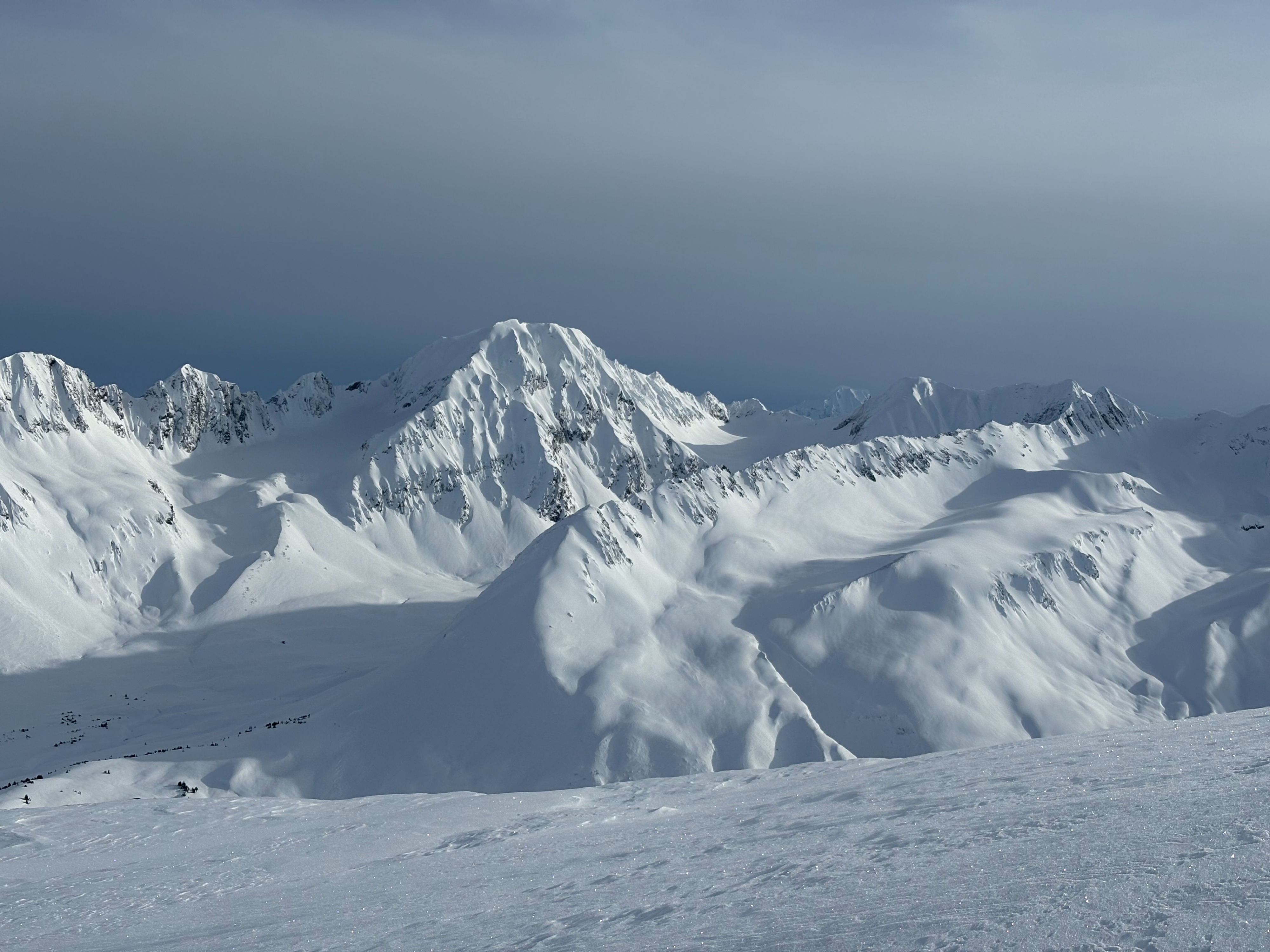
We experienced light northwesterly winds along the ridgeline with scattered clouds and intermittent valley fog throughout the day. The light breeze kept us in our jackets while hanging out on the ridge but was insufficient to transport snow at our location.
Snowpack
We dug two snowpits on a southwest aspect at 3,400 ft. We selected a relatively shallow location (HS: 4.5–5 ft) just below the ridge to target the December facet layer. The pits produced mixed results. In one pit, we found the December facet layer 2 ft deep and it produced an unstable result (ECTP 27). In the second pit, we found the the layer 2.5 ft down and showed no reactivity. The December facet layer remained very sugary with fist hardness, although the grains showed signs of healing. While it is becoming more stubborn and harder to trigger, the snowpack structure remains poor.