
Quick report
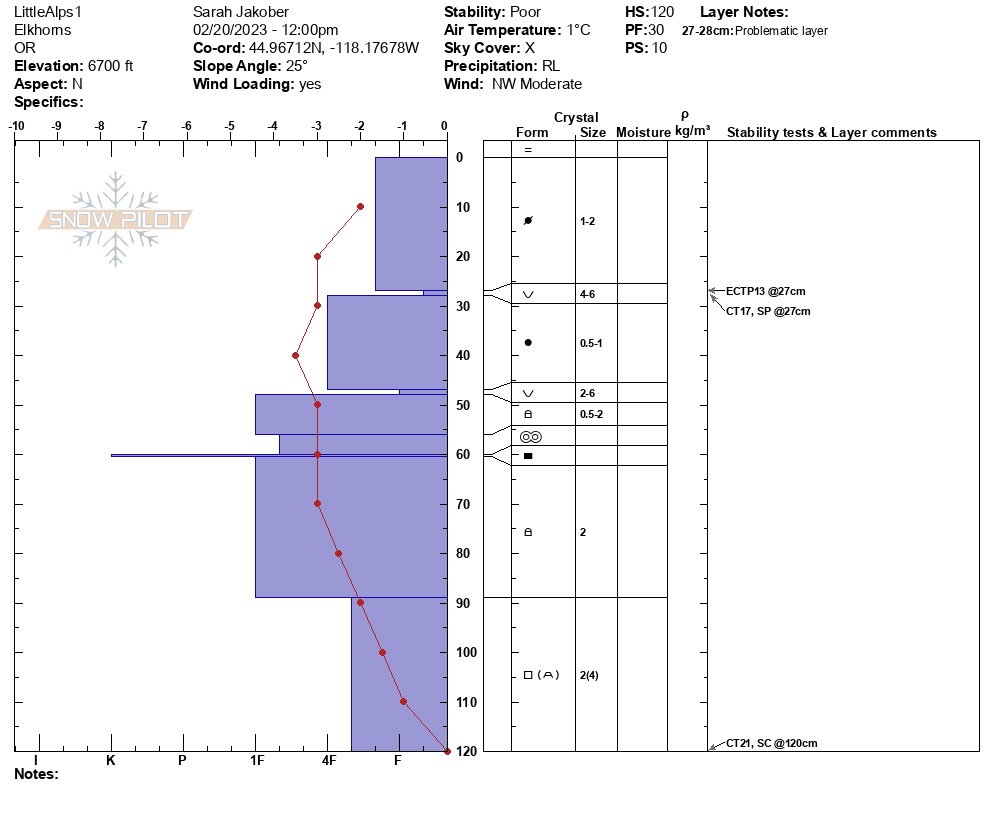
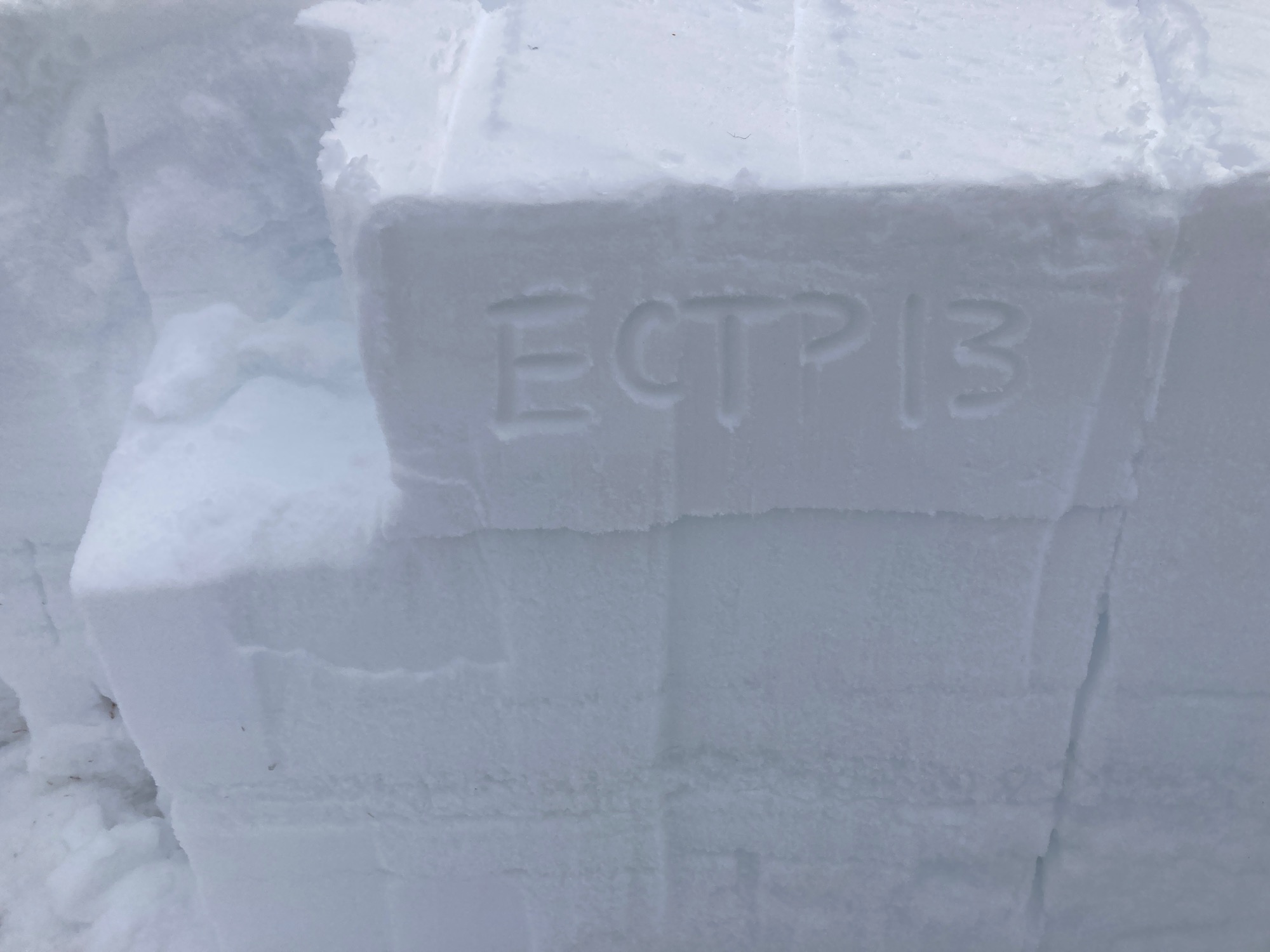
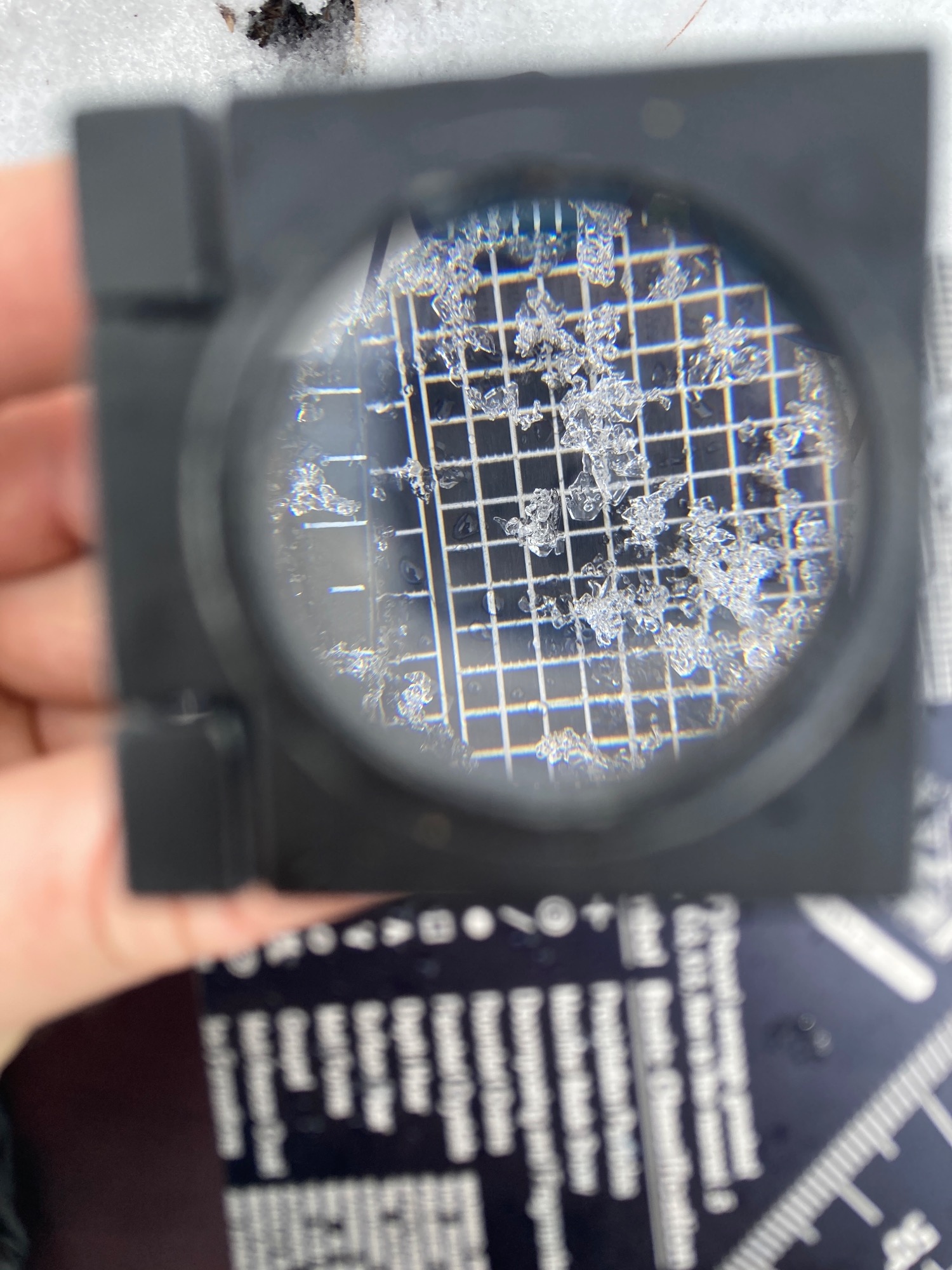
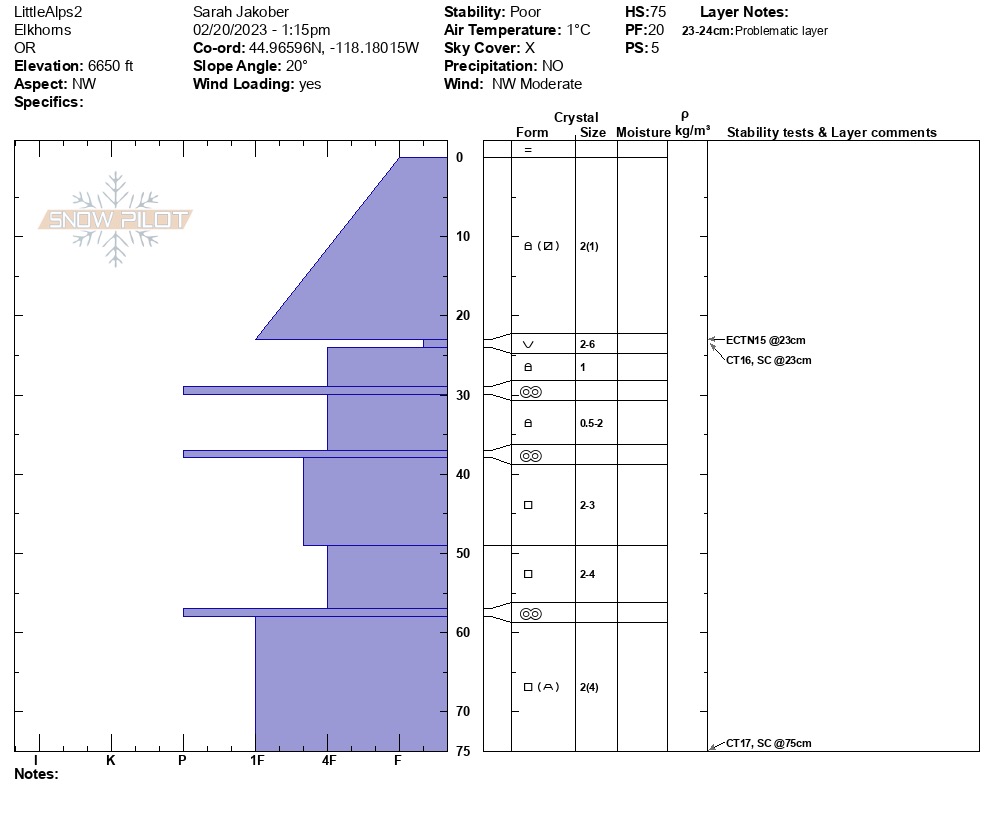
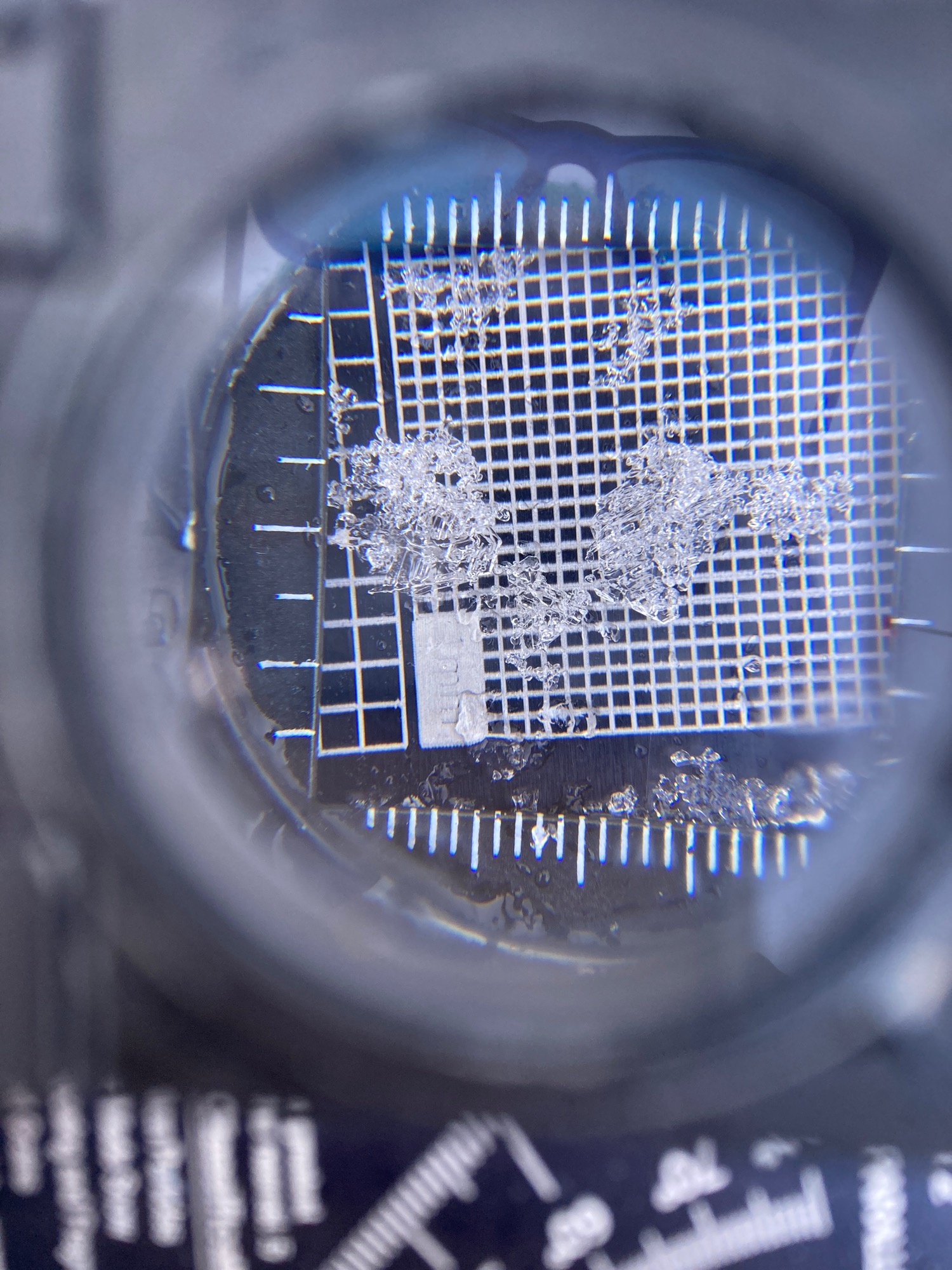
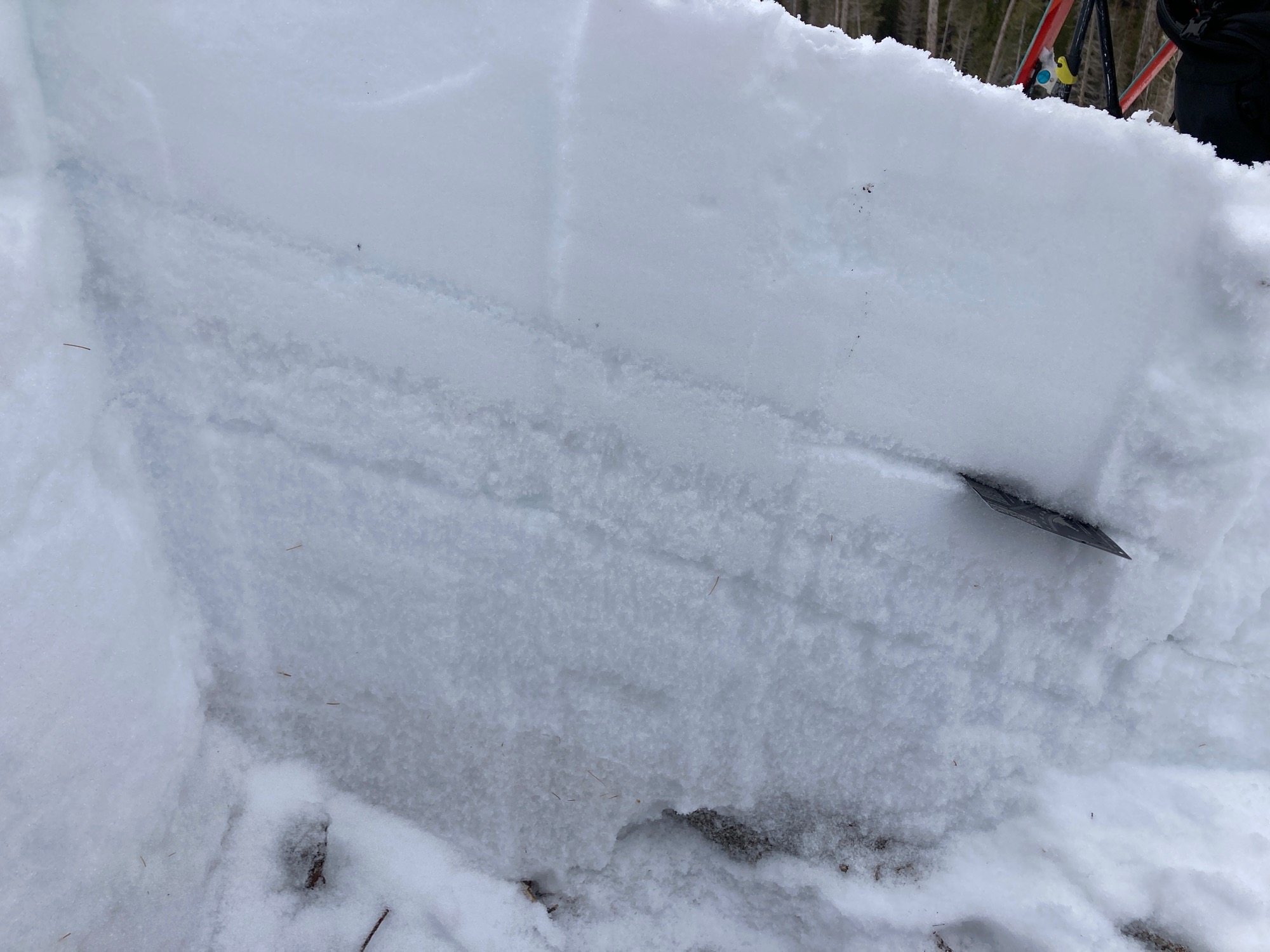
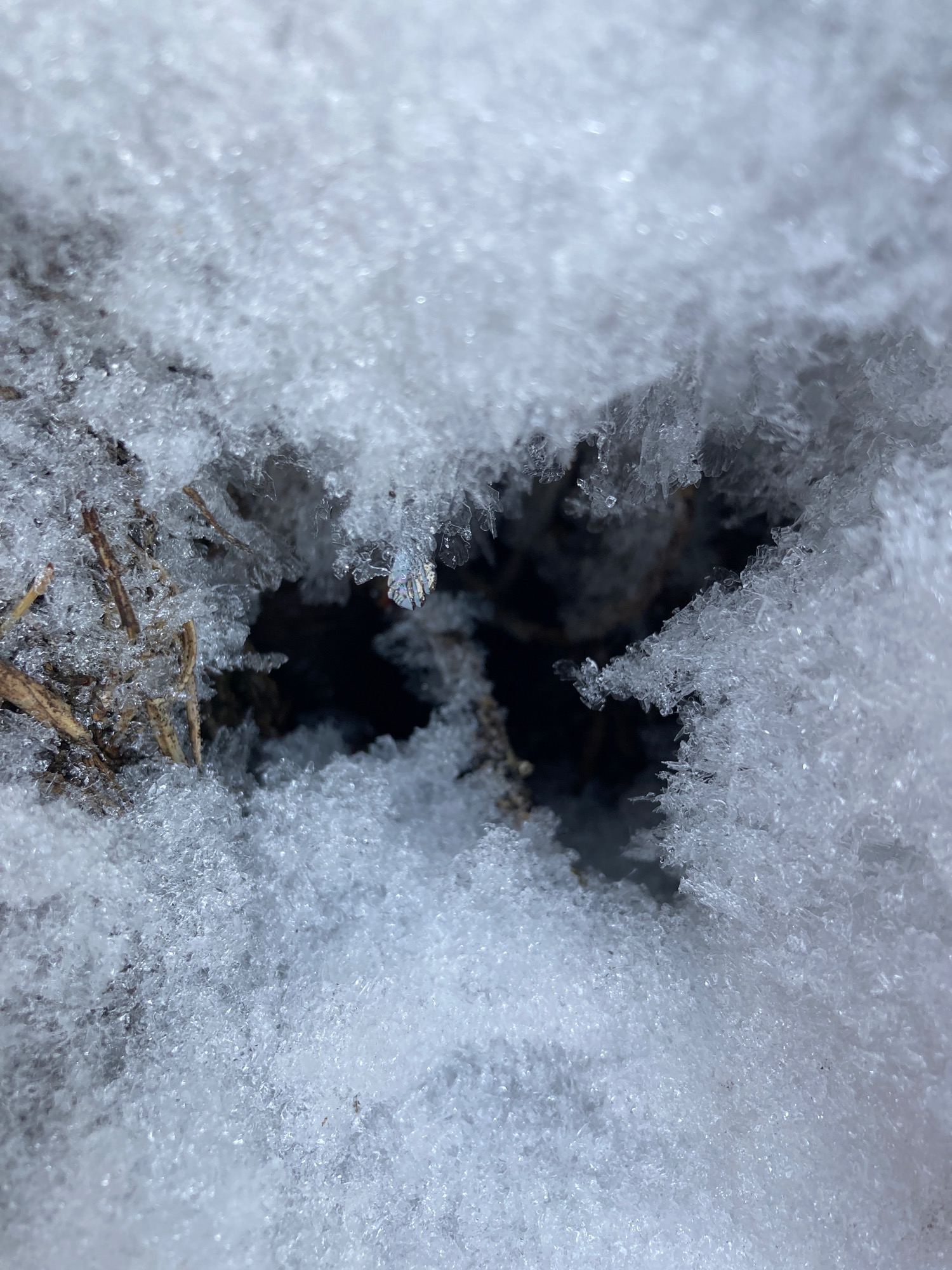
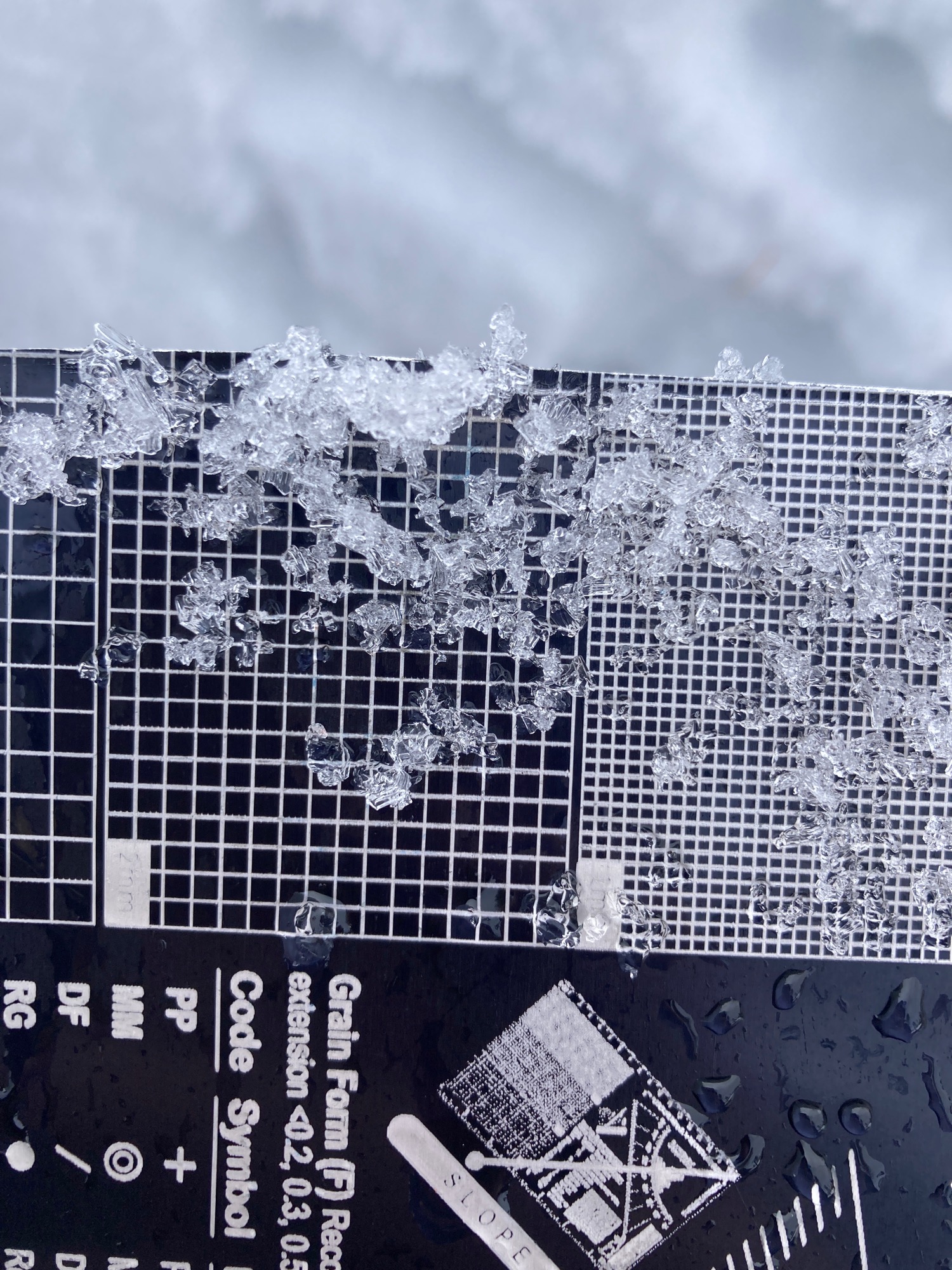
Today I wanted to observe worse-case scenario stability. I went looking for a location that was shallow, sheltered, and below/near tree-line near the Van Patten TH. When I arrived late morning the air temperature was hovering around +2C in the parking lot and it was lightly raining. The snow surface was saturated and very dense. Winds were moderate from the NW with obvious signs of wind drifted snow. I dug first on a due north aspect at 6700' and discovered two layers of buried surface hoar (one down 27cm's (1') and another down 47cm's (~2'). I was somewhat surprised to see such large intact crystals given that I had not experienced any collapsing during my travels. I also noticed very sugary snow as I dug to the ground at 120cm's. A compression test resulted in a sudden planar fracture (17 taps) on the first layer of BSH. While I waited for the second layer to fracture the basal facets collapsed at the ground on my 21st hit. During an ECT, I observed full propagation at 13 taps on the BSH 27cm's down. Given these results I became quite curious how specially variable these layers could be, so I travelled to a location significantly less sheltered, approximately 200m away from my first pit. In my second pit, the snowpack was only 75cm's (2-3') deep. I observed a single layer of BSH buried 23cm's (<1') down with very large intact crystals. I also observed the same large striated facets that I had seen in my first pit at the ground (see photo). A compression test resulted in a CT16 sudden collapse on the BSH (here the layer was noticeably thicker), followed immediately by another sudden collapse at the ground (CT17). Interestingly, my ECT in this location did not show propagation on any layer, though the BSH did break under my shovel at 15 taps. This information makes me incredibly weary of the snowpack in any locations with similar characteristics, especially shallow areas on north aspects. With warming temperatures and any new load I would anticipate stability to further deteriorate.