
Quick report
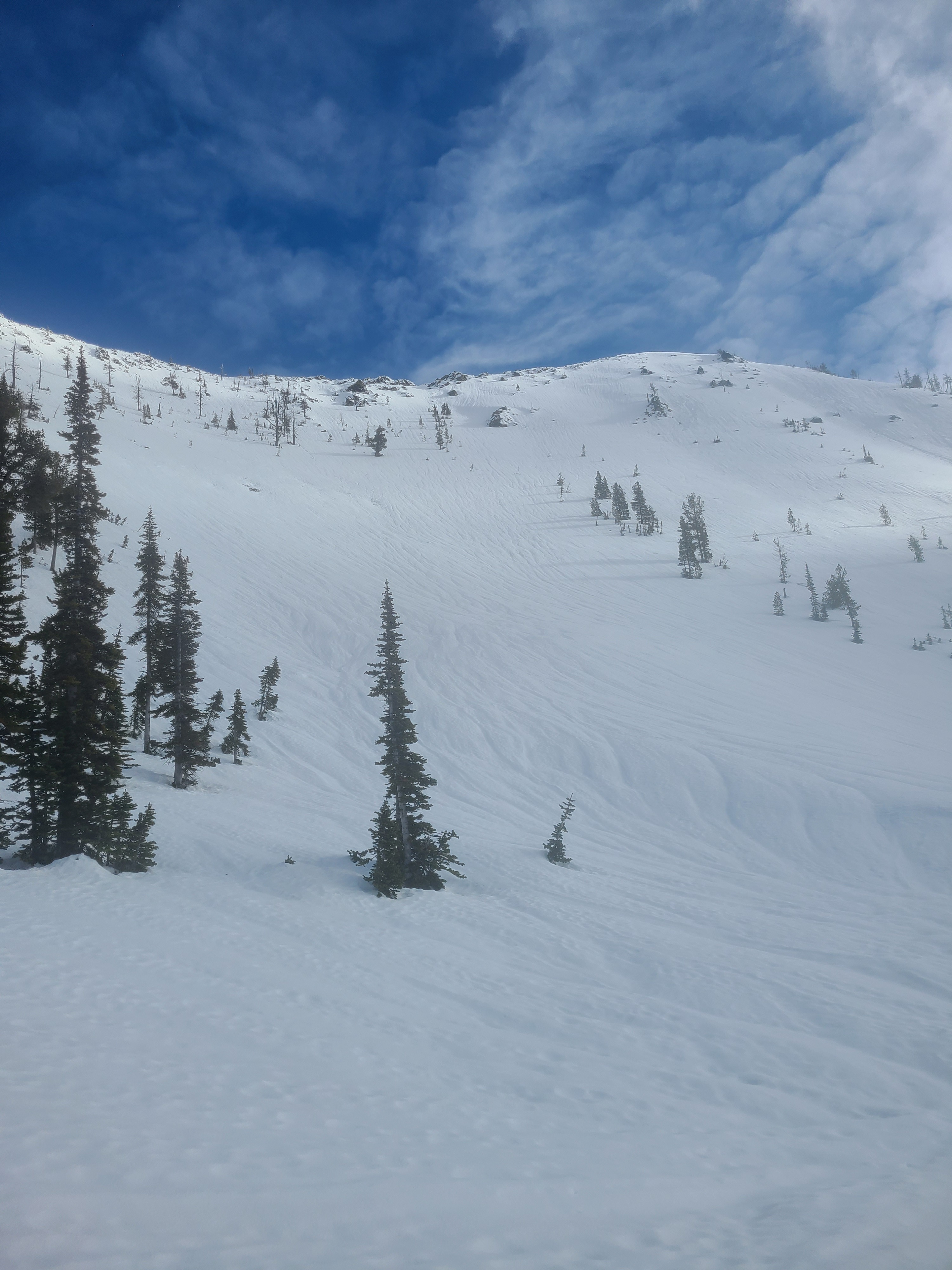
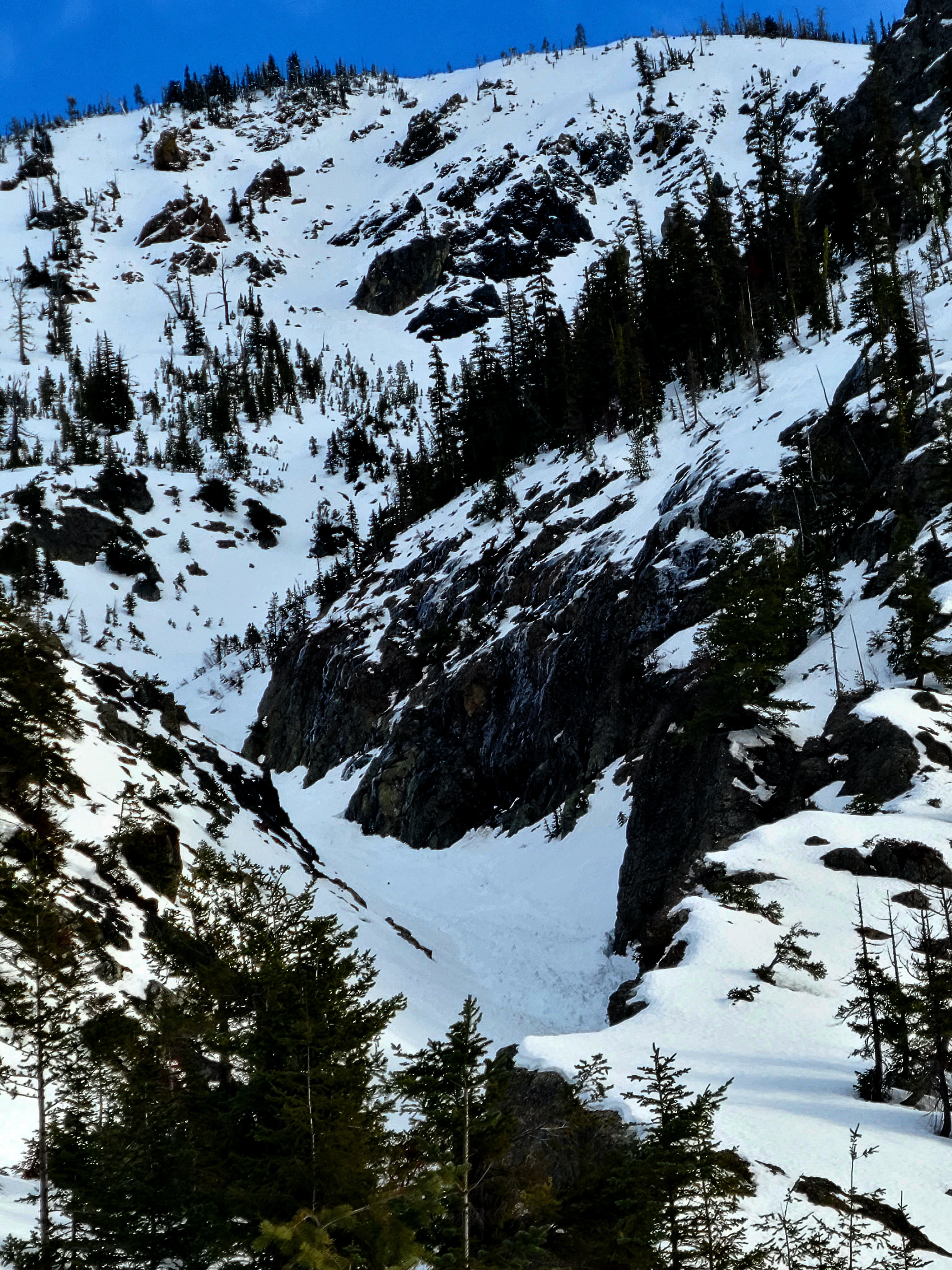
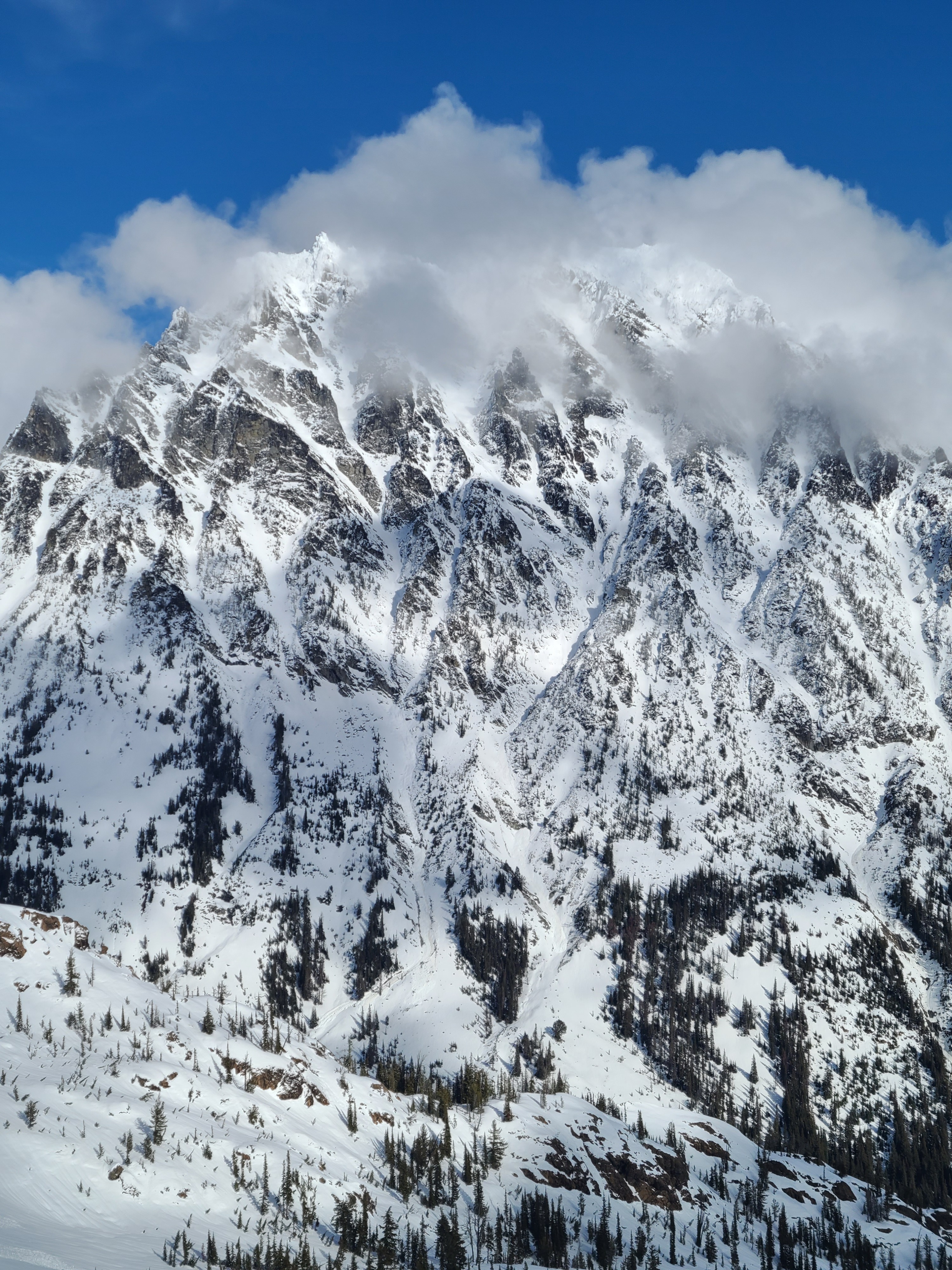
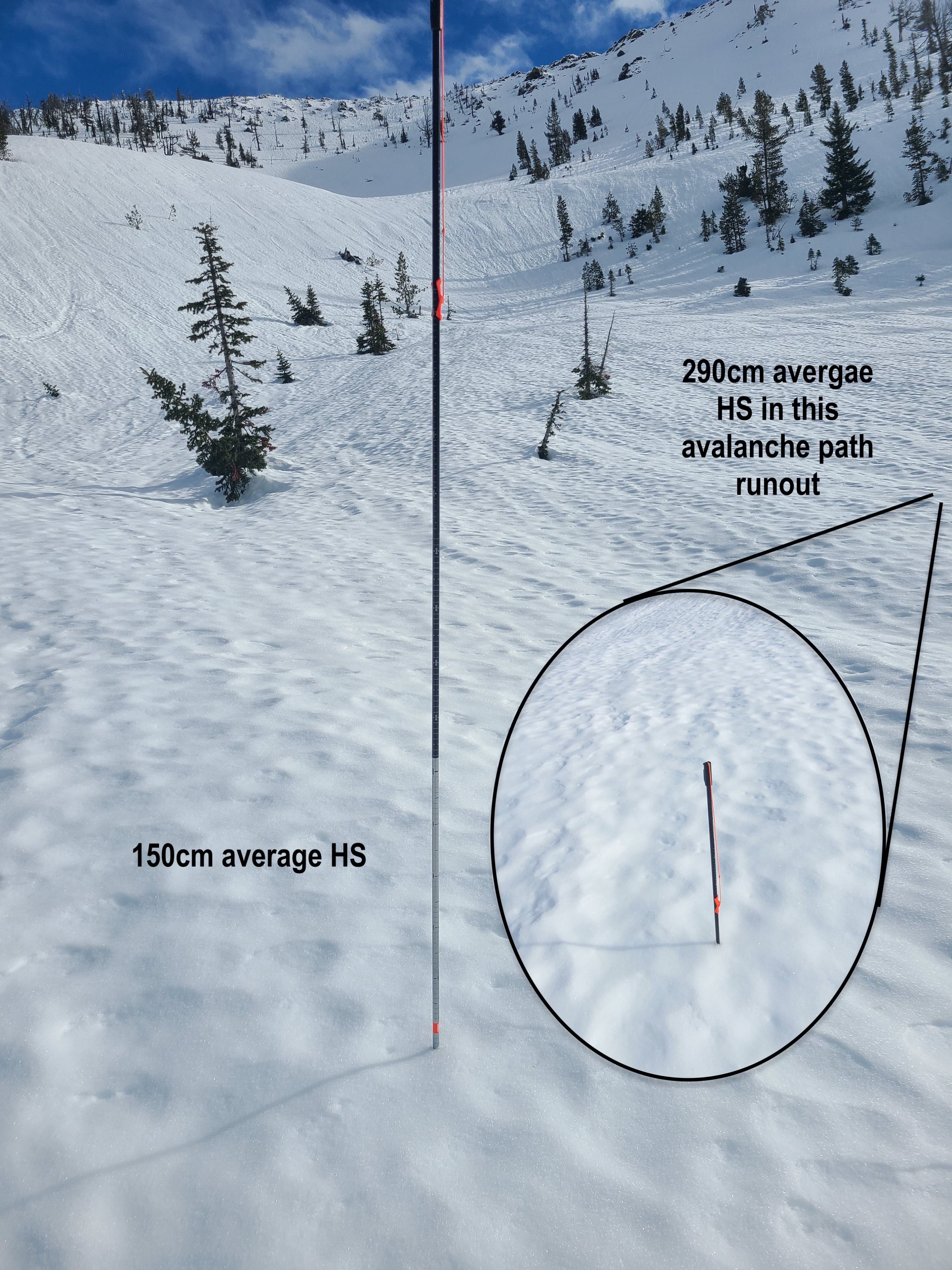
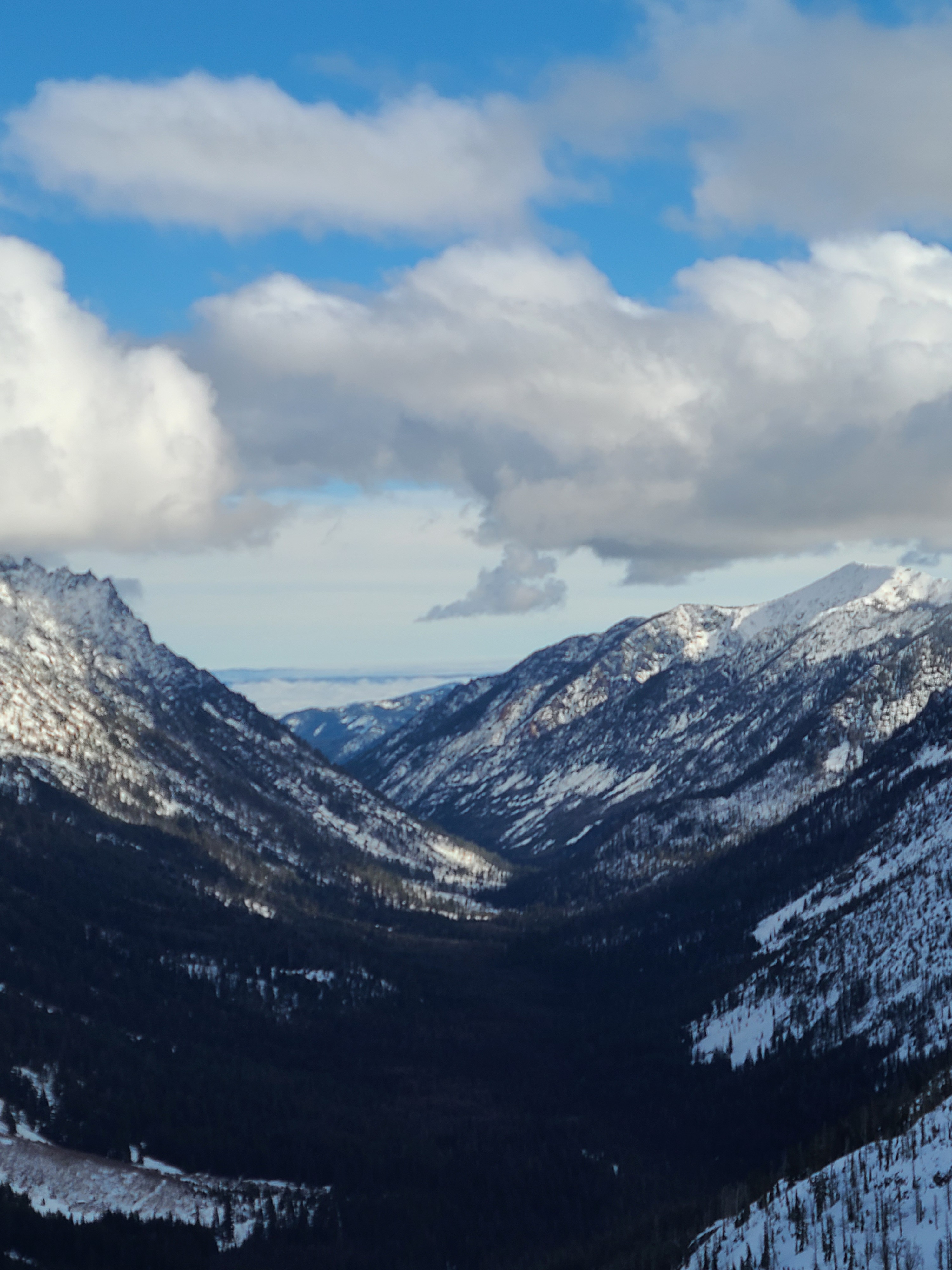
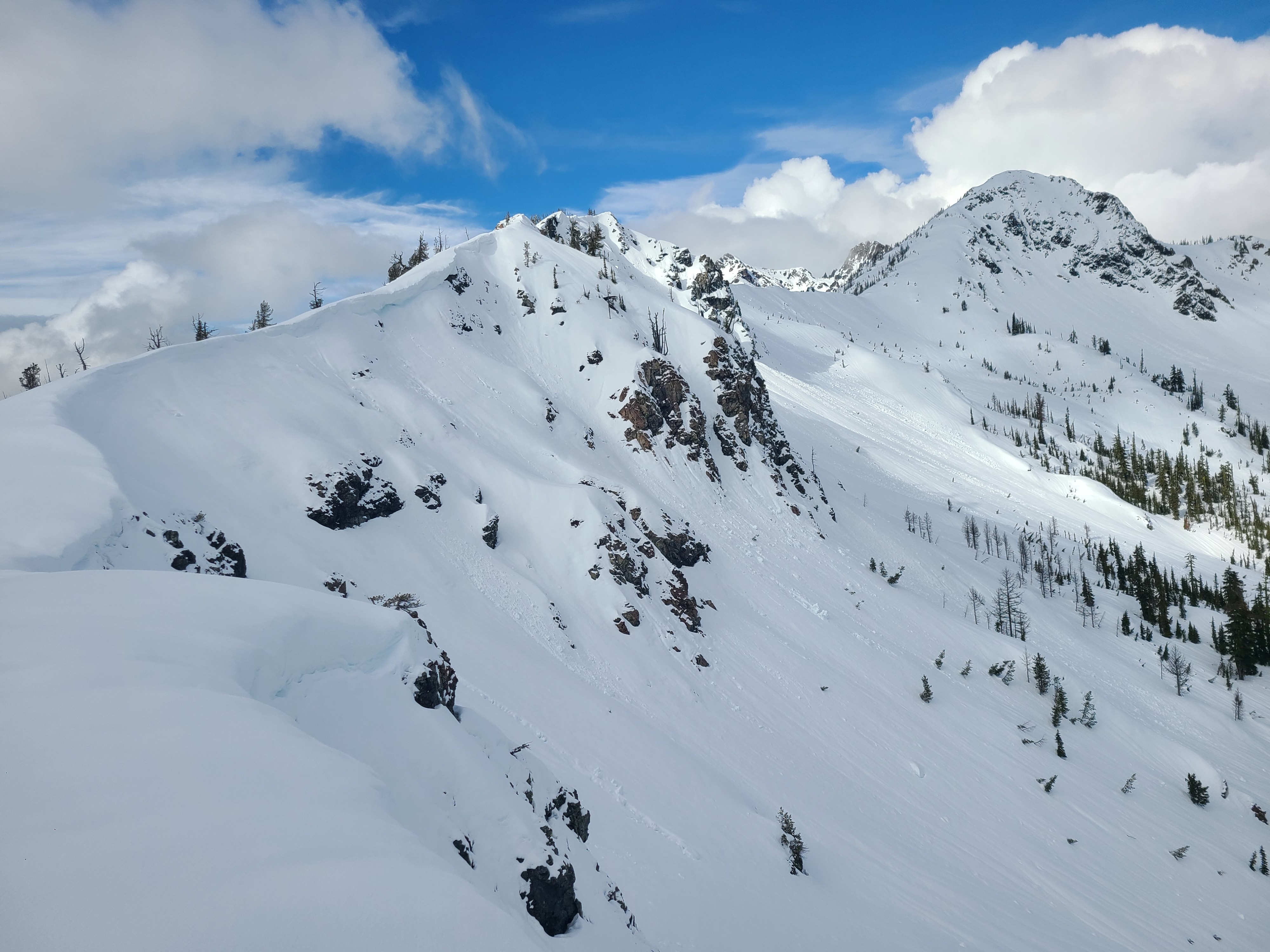
A beautiful spring day in February! Southerly aspects warmed nicely in the sun, and I enjoyed perfect corn skiing. Venturing too far off due south aspects made for loud, chattery skiing on stout but edgeable crusts. Ski crampons were necessary for easier travel on these slick surfaces. One of the more notable observations was the lack of evidence of a natural avalanche cycle from last weekend and early this week. While I could find deeper debris piles with my probe, and one avalanche path still had a pile of recognizable debris, I expected to see more widespread crowns. It seems that the prolonged warming has hidden the evidence already, or maybe the Teanaway faired better than other areas in East Central? We may never know the full extent of the natural avalanche cycle or lack thereof.
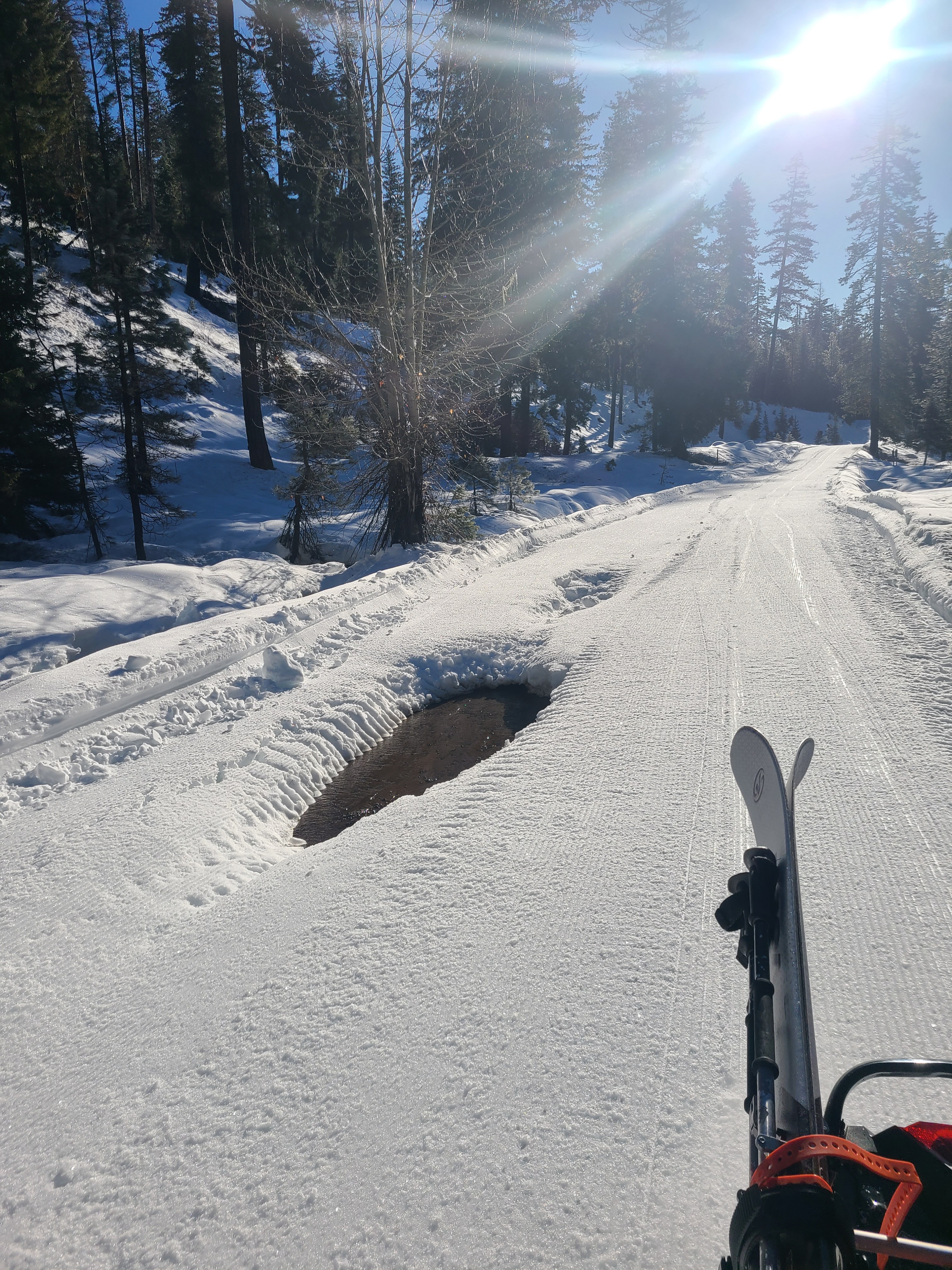
Travel on the groomed trail was easygoing, and there were no creek blowouts or piles of avalanche debris to manage on the way in. Lower elevations have also held up quite well, and there was a noticeable, but not drastic, loss of coverage at these lower elevations.
Weather
- Cloud Cover
- scattered
- Wind Loading
- none
- Recent Snowfall
- 3cm above 5600ft
- Snow Avail For Transport
- small smounts
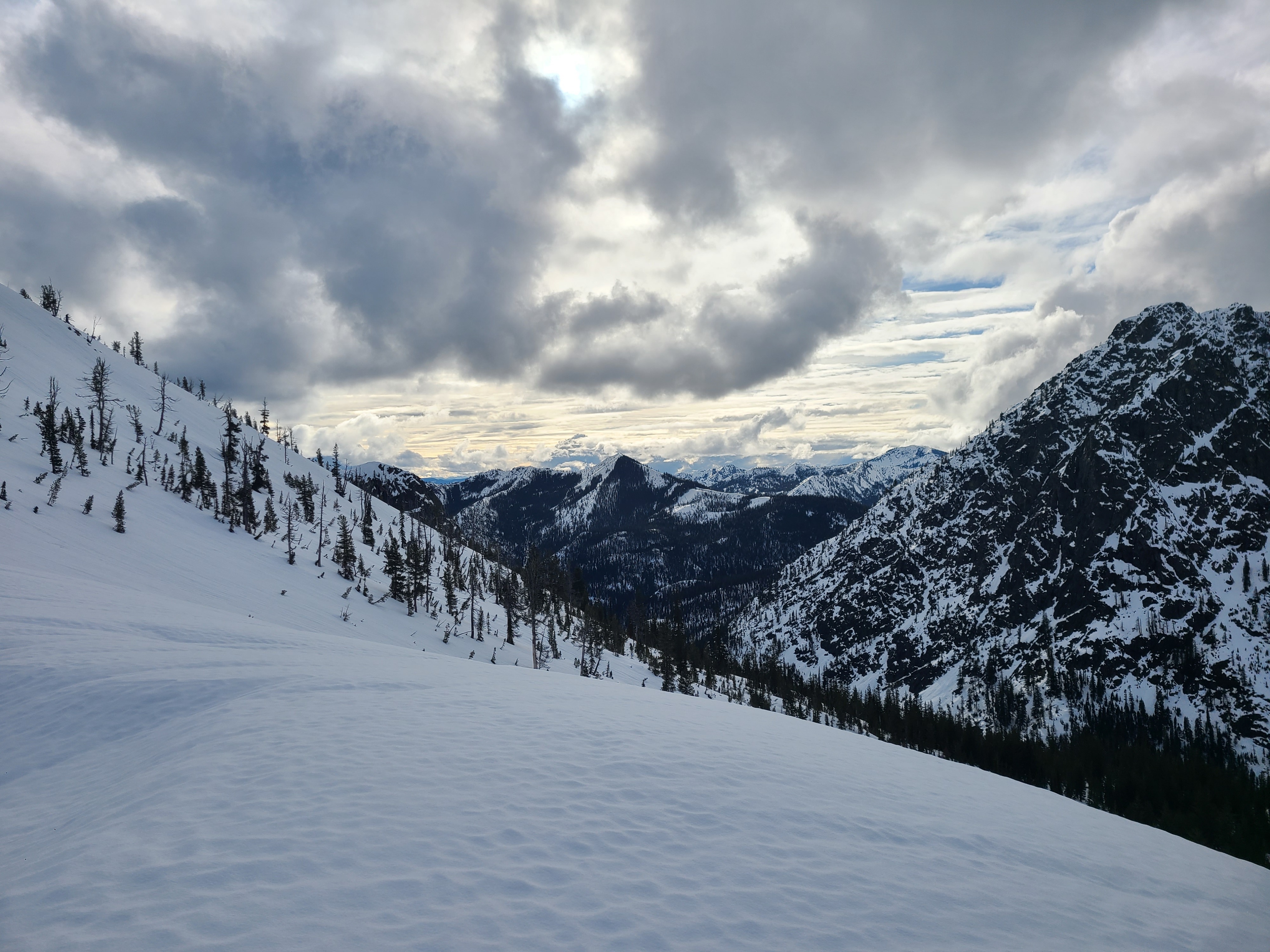
It was a beautiful springlike day. Temperatures were mild but below freezing to start the day. It warmed up as the afternoon progressed and I felt plenty warm in the sun. There were light winds at ridgelines but calm everywhere else.
Snowpack
I was pleasantly surprised to find supportable surfaces at all elevations today. At lower elevations (below 4000ft), I could find the occasional spot to sink deeply into the snow but found boot penetration averaged 5-10cm. Above 4000ft, the snow surface is supportable to both boots and skis.
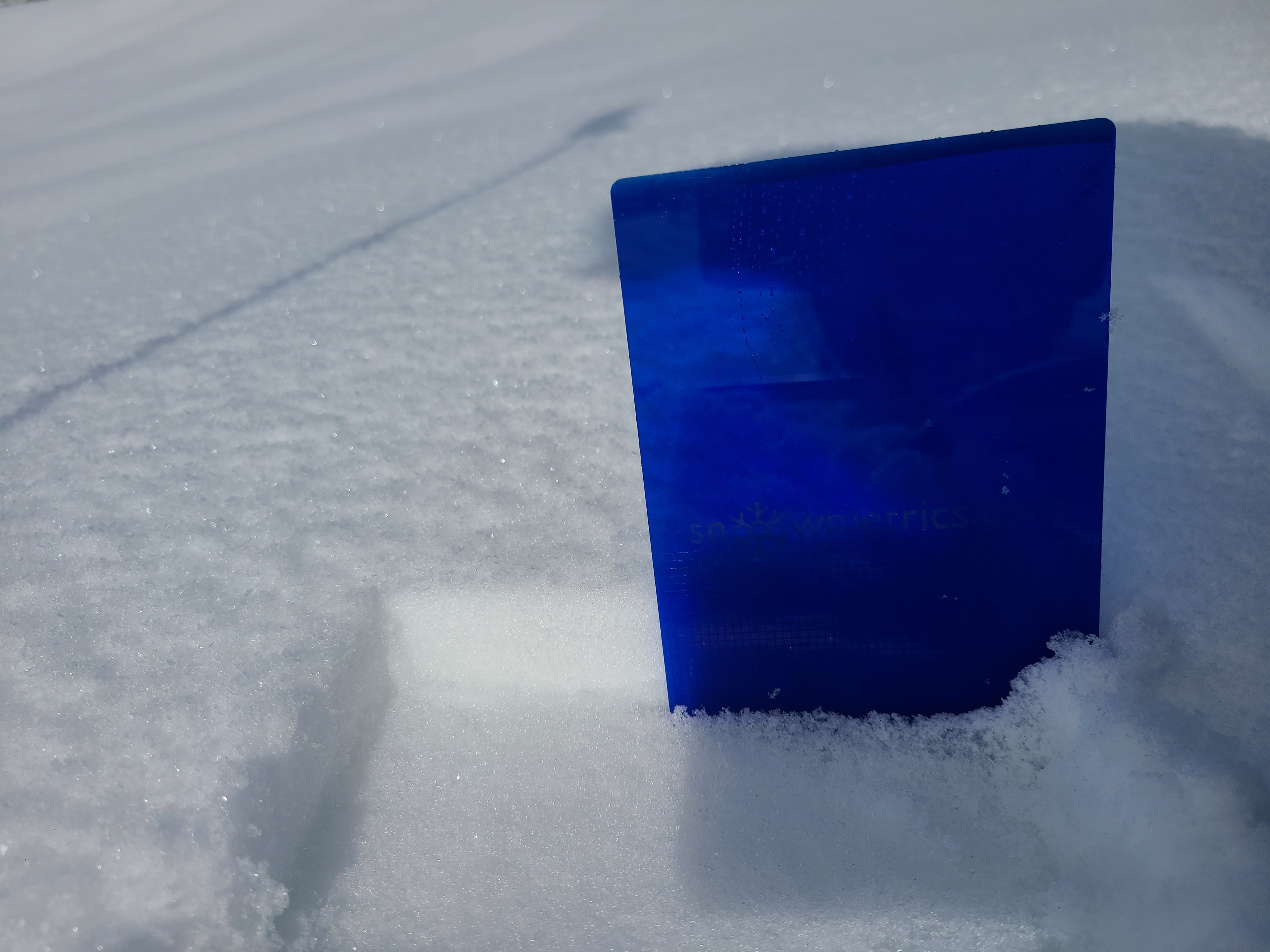
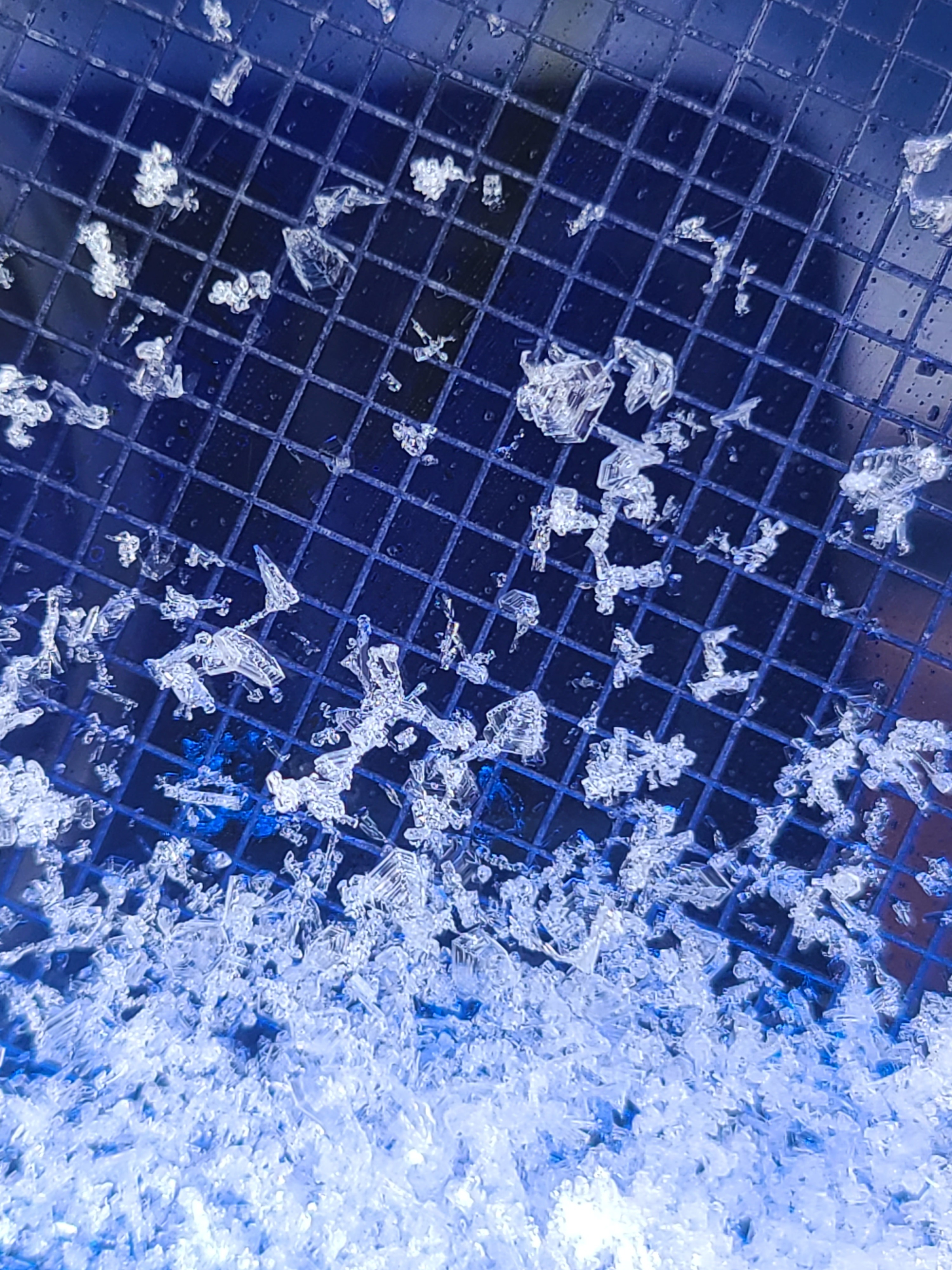
The surface crust ranged from 10-15cm thick and was pencil-hard with a knife-hard layer on the surface on more northerly aspects. On shady slopes, I found a fresh batch of widespread small surface hoar on the new crust. Above 5700ft, I found 3cm of recent snow that is faceting and mixed with surface hoar.
I dug a full profile at 5600ft on a WNW aspect.
HS 142
The snowpack was moist throughout and much stronger than before this warm, wet storm. The upper snowpack is a thick crust (K to P hardness) over pencil-hard, rounded grains. The Jan 8th crust is buried 50cm deep, and the Solstice Crust is down 77cm. There are strong rounded grains between these layers. While there is some weaker snow above and below both the Solstice Crust and the Jan 8th crust, these faceted grains are now well-rounded, moist, and gaining strength.