
Quick report
- Cracking
- specific
With challenging travel at low elevations, we enjoyed the easy up of chairlifts to access upper elevations to look at the snowpack in adjacent backcountry terrain. Overnight snow totals of 5-7cm made for decent dust on crust skiing conditions. Overnight winds had drifted recent snow into wind slabs 15-30cm deep that were reactive to ski cuts and produced clean shears in hand pits. Overall, we found a weak snowpack structure with buried layers of surface hoar and depth hoar that produced unstable test results.
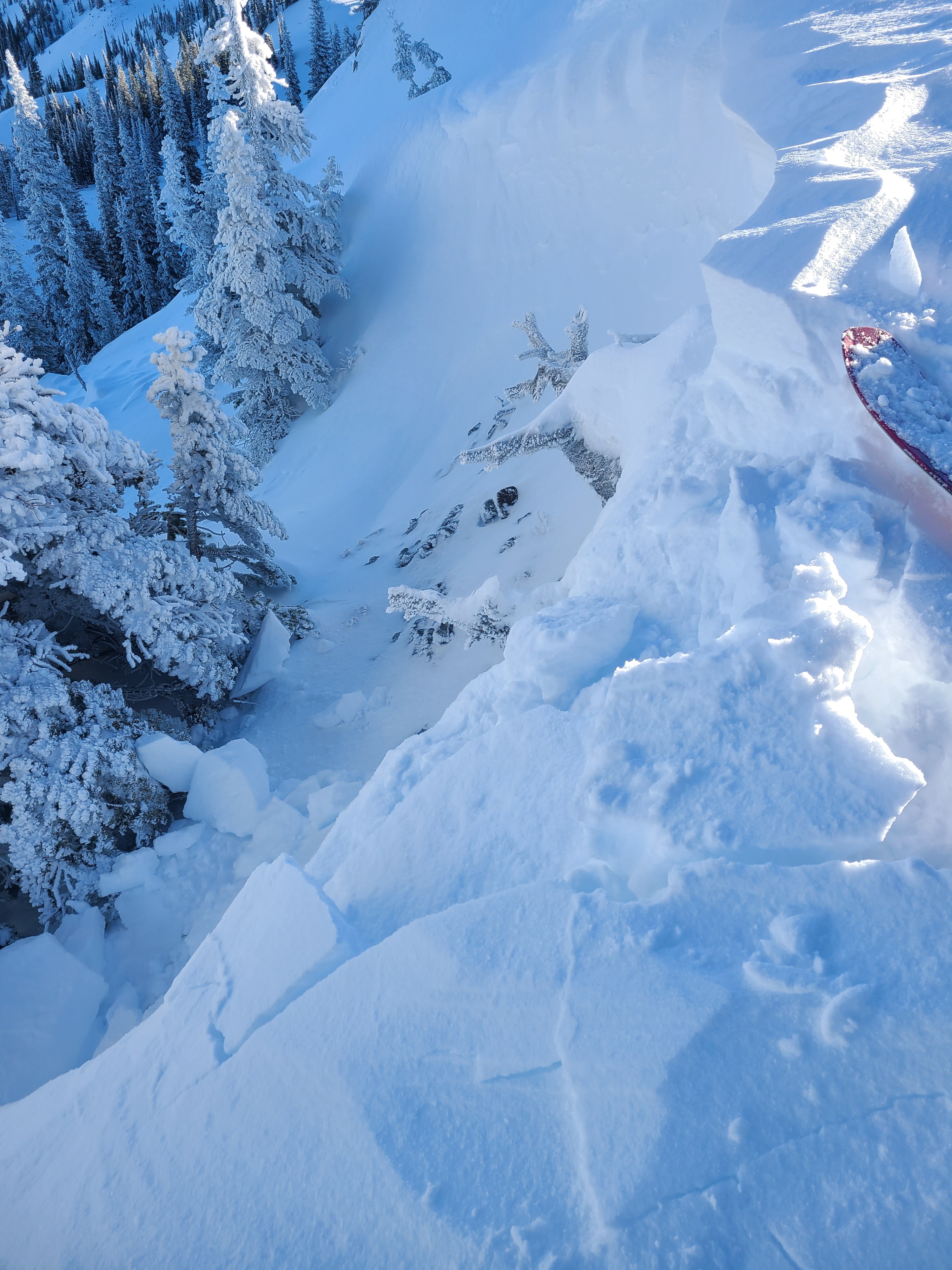
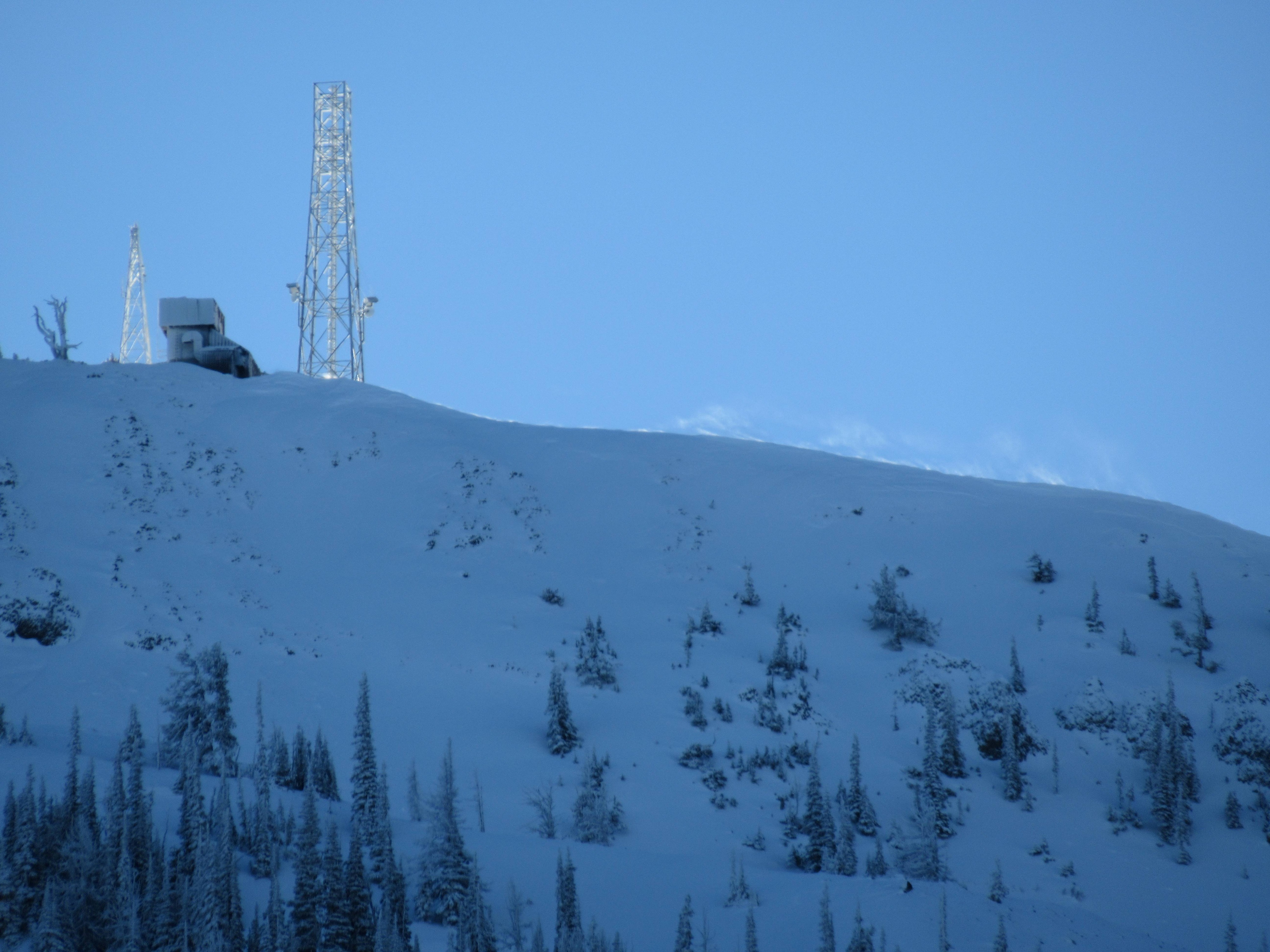
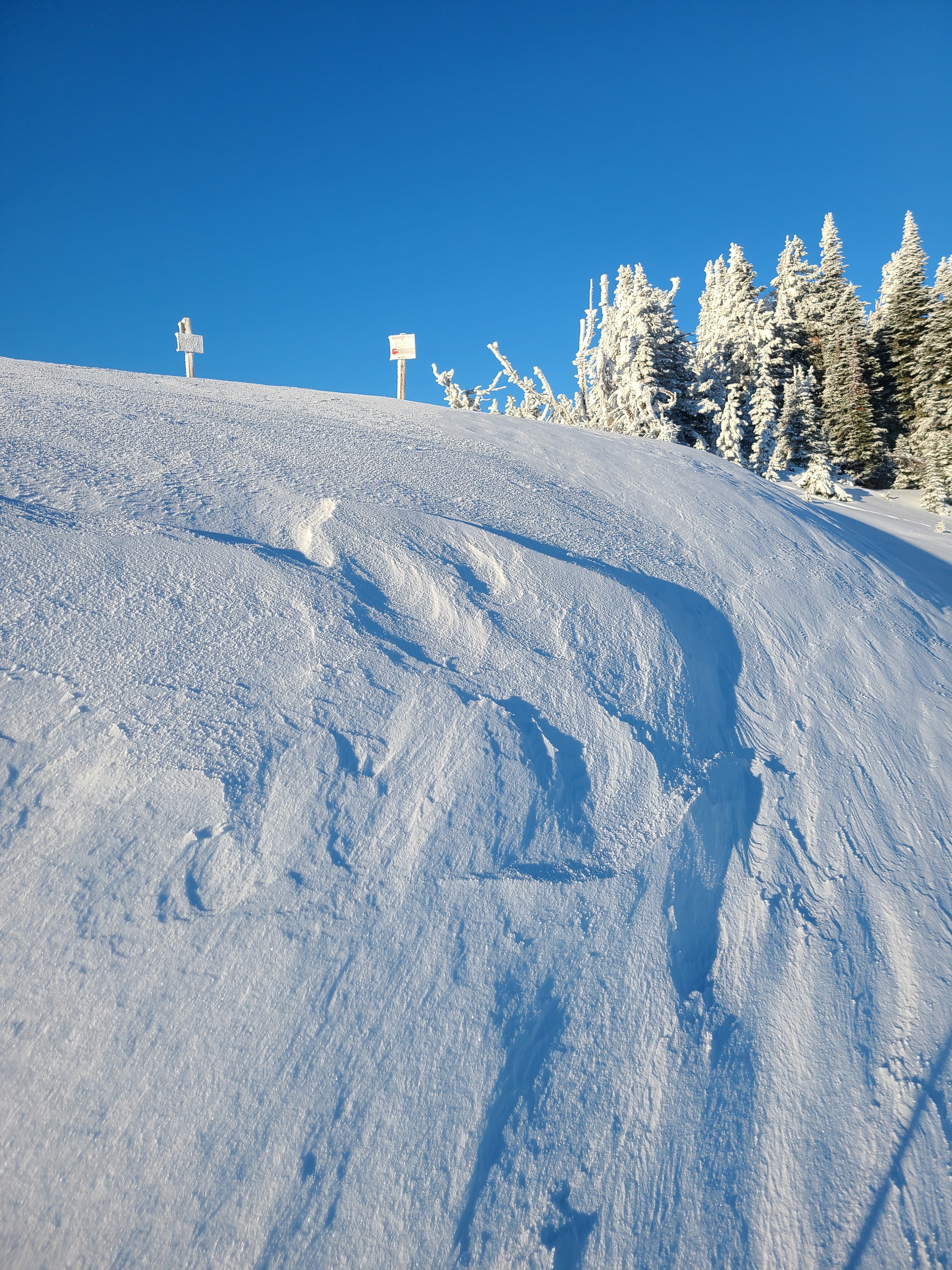
Wind slabs just below the ridge were reactive to ski cuts.Weather
- Cloud Cover
- clear
- Wind Loading
- previous
- Recent Snowfall
- 5-7
- Snow Avail For Transport
- small smounts
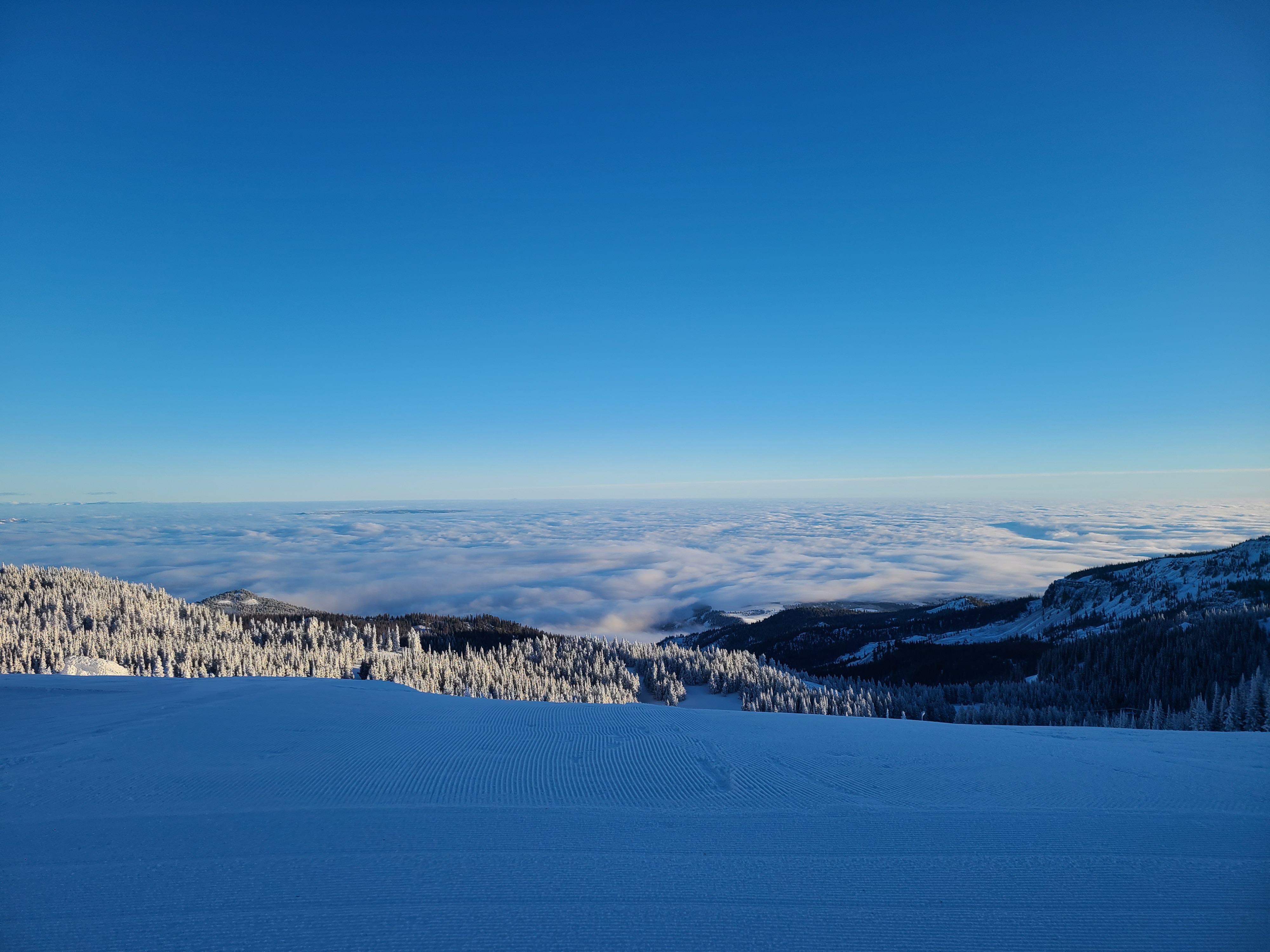
Above the valley fog, we enjoyed clear skies with chilly temperatures. Winds were moderate in the early morning but tapered as the day progressed.
Snowpack
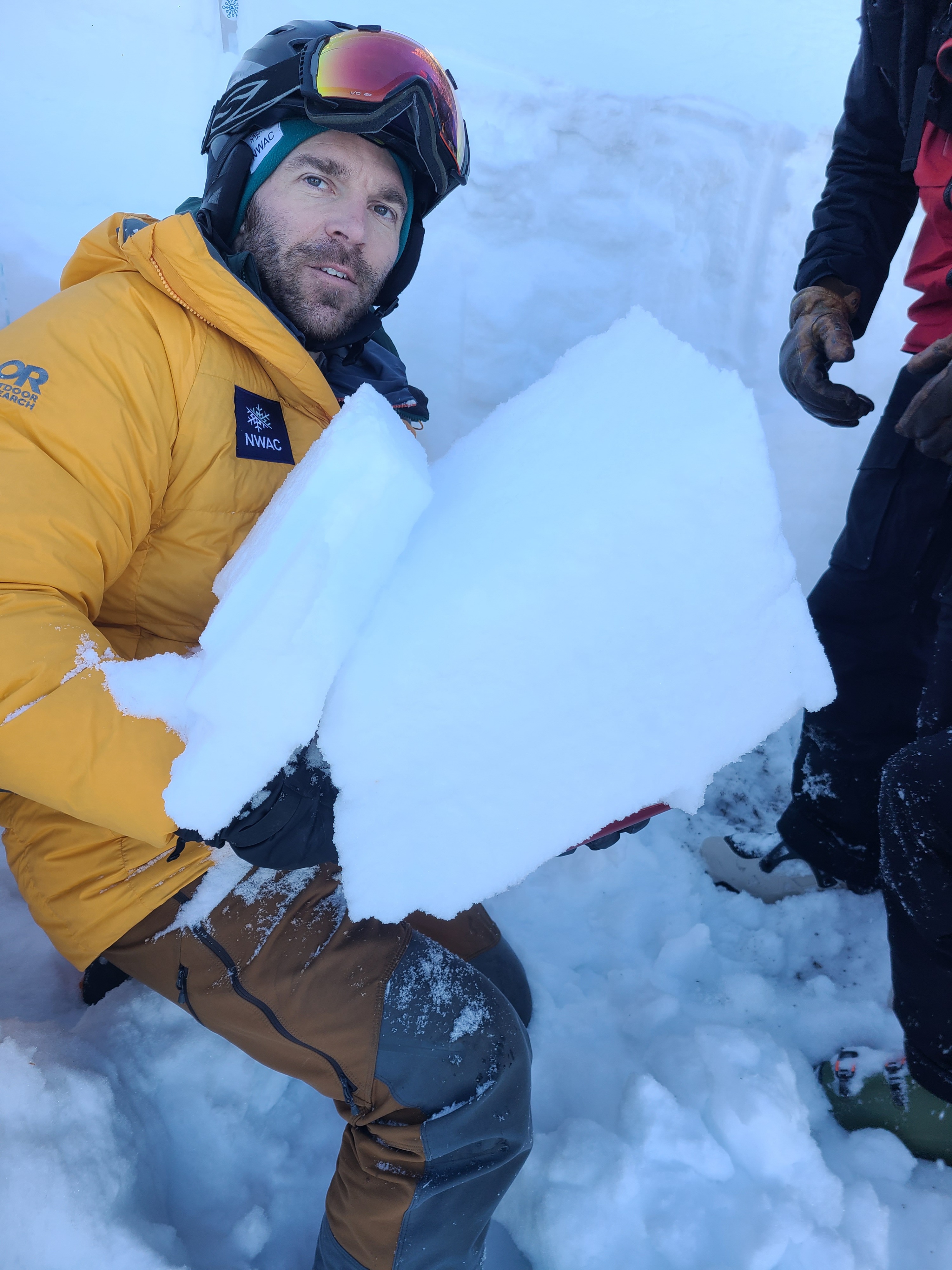
Wind slabs along the ridge were generally shallow but up to 30cm in pockets directly below the ridge. They were reactive to ski cuts and produced clean planer shears in hand pits, running on weak faceted snow over a crust.
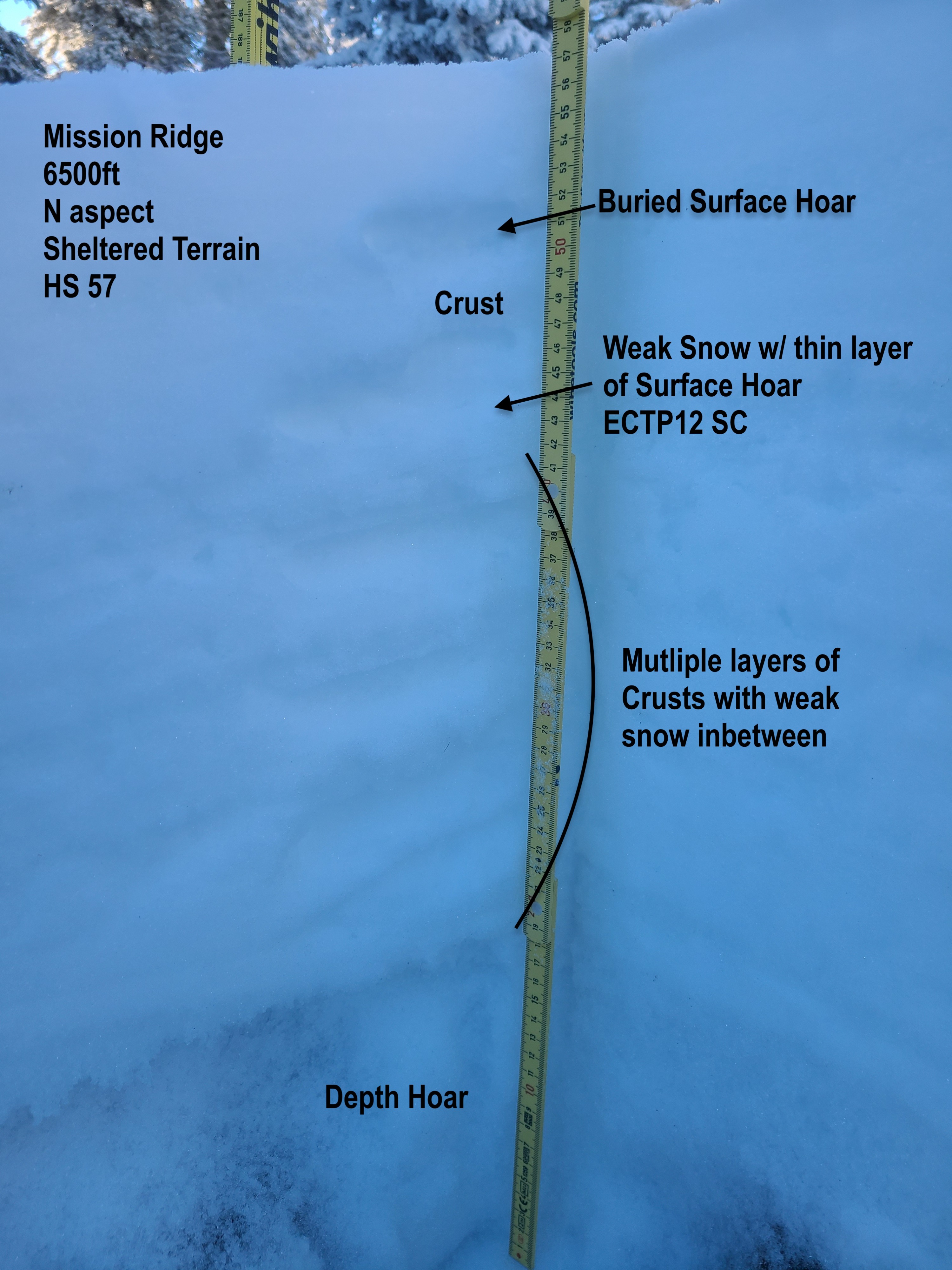
We dug two snow profiles, one in a sheltered location and one on a lee slope below the ridge, and both showed poor snowpack structure.
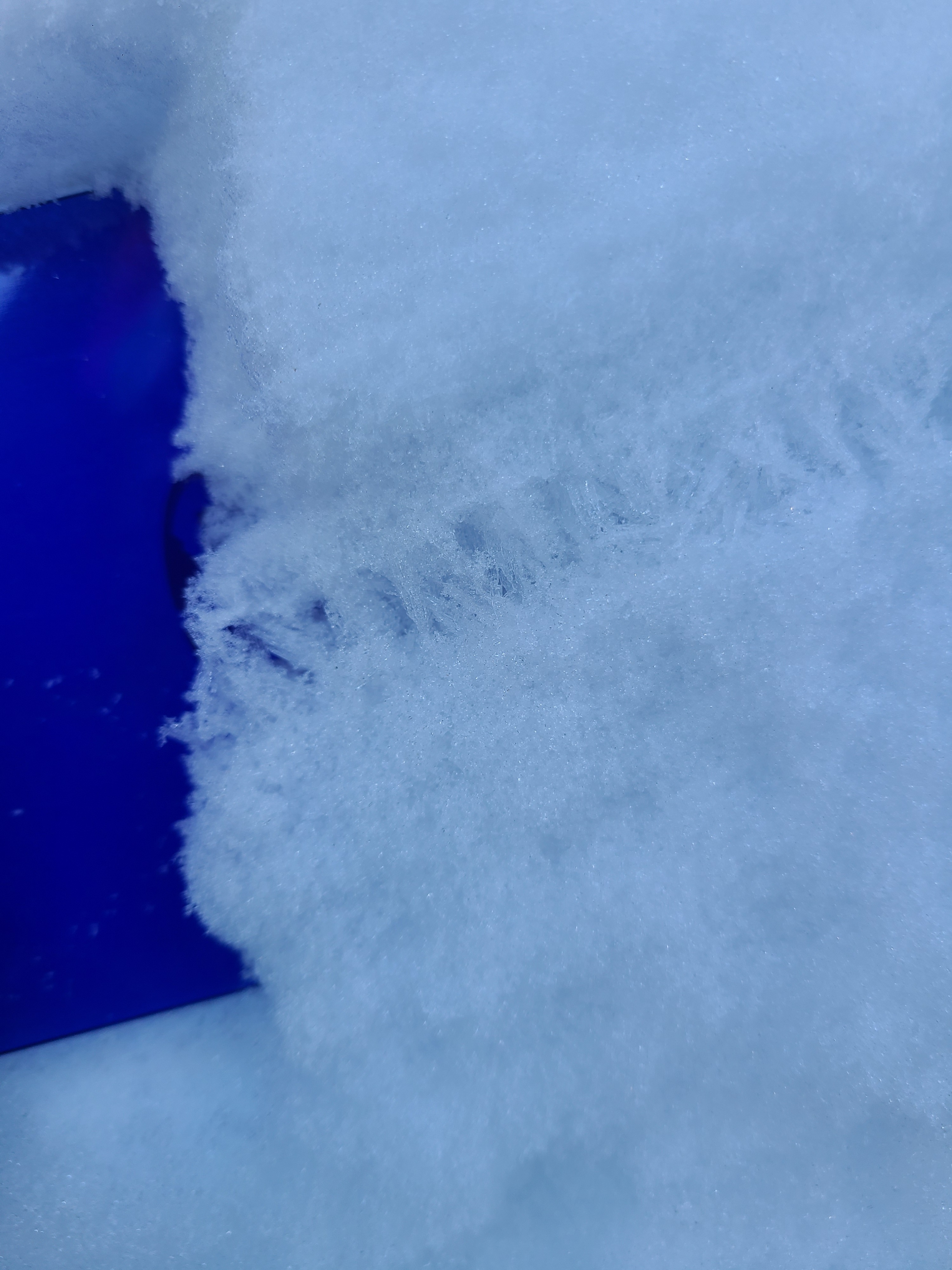
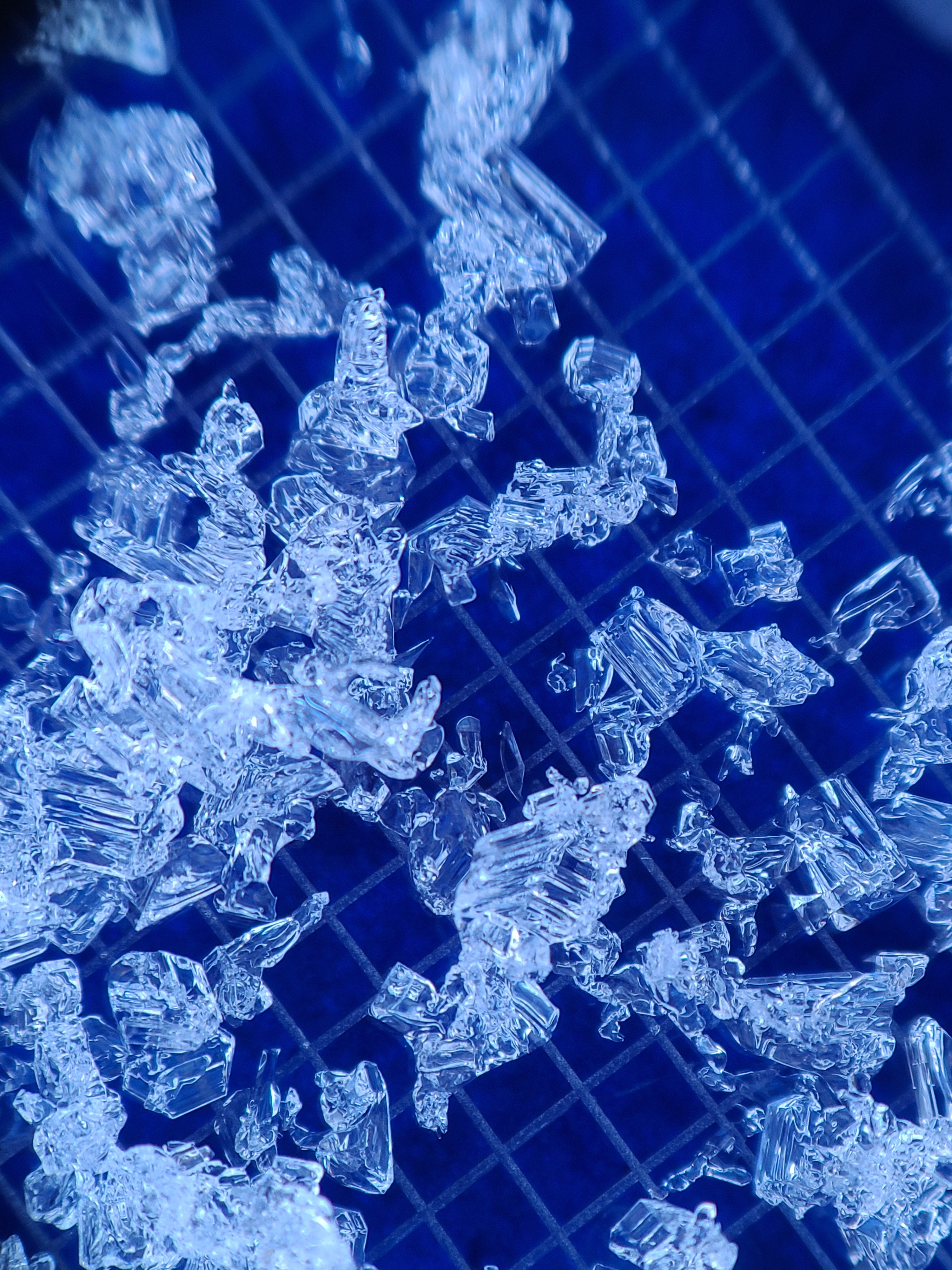
A sheltered, northern location at 6500ft had a snow height of 57cm. The surface was 7cm of new snow over a thin zipper crust with buried surface hoar. The midpack is a layer cake of weak snow and fragile melt freeze crusts with surface hoar mixed into some layers. Large-grained depth hoar exists at the bottom of the pack. A layer of surface hoar buried 21cm deep produced unstable, propagating test results (ECTP12 SC). The depth hoar produced sudden collapse results in compression tests (CT21 SC, CT29 SC)
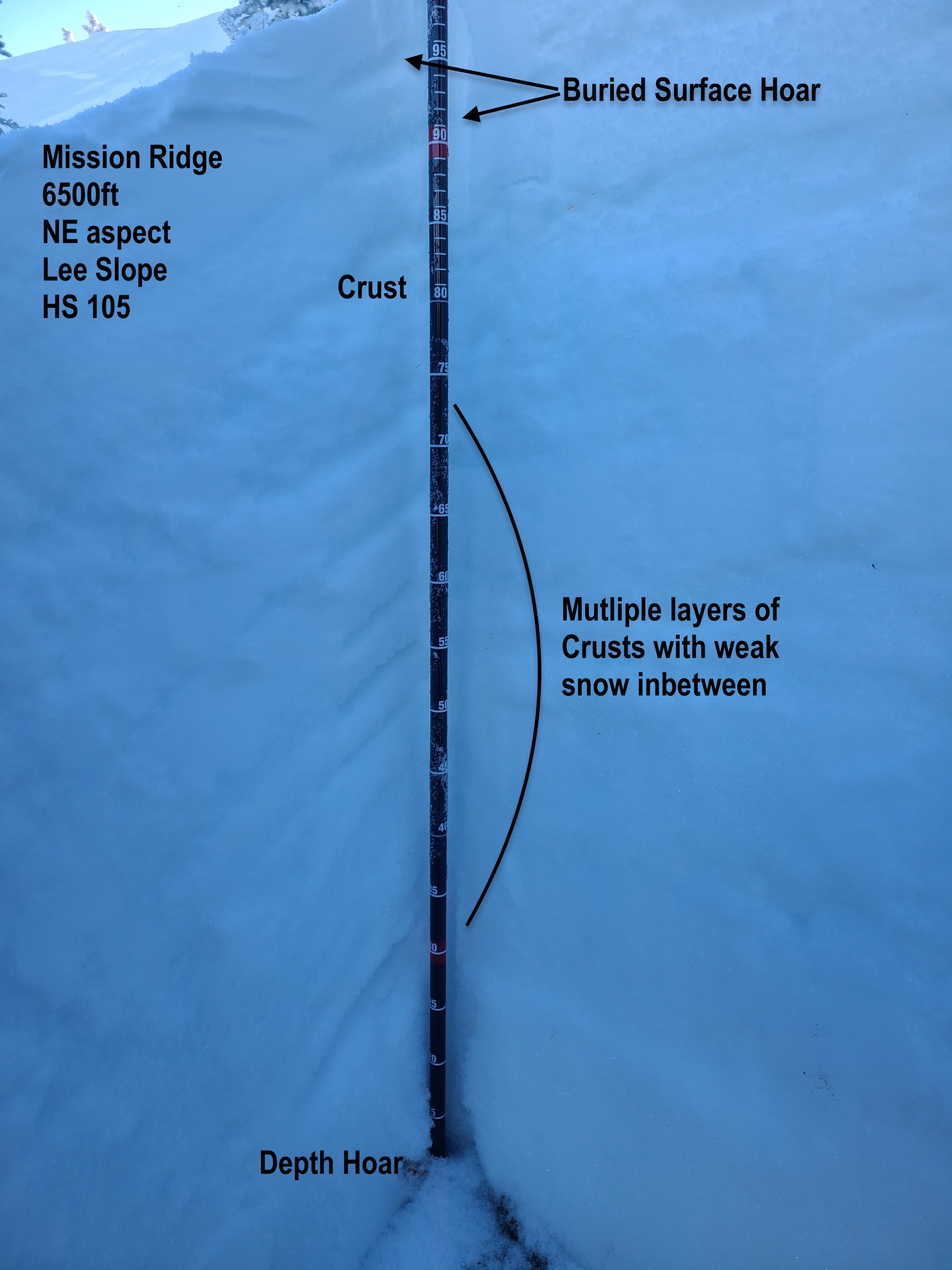
As expected, we found a significantly deeper snowpack with a snow height of 105cm on a NE lee slope near the ridge. A similarly poor structure exists in this location. The upper snowpack had two buried surface hoar layers down 7 and 15cm. While the slab isn't very thick, these layers would still fracture with clean shears in tilt tests and ski cuts. The midpack in this location is just a thicker layer cake of weak snow and crusts. However, we found the crusts in this location harder and more supportable. A 10cm thick layer of frozen melt forms overlays the base of depth hoar in this location.