
Quick report
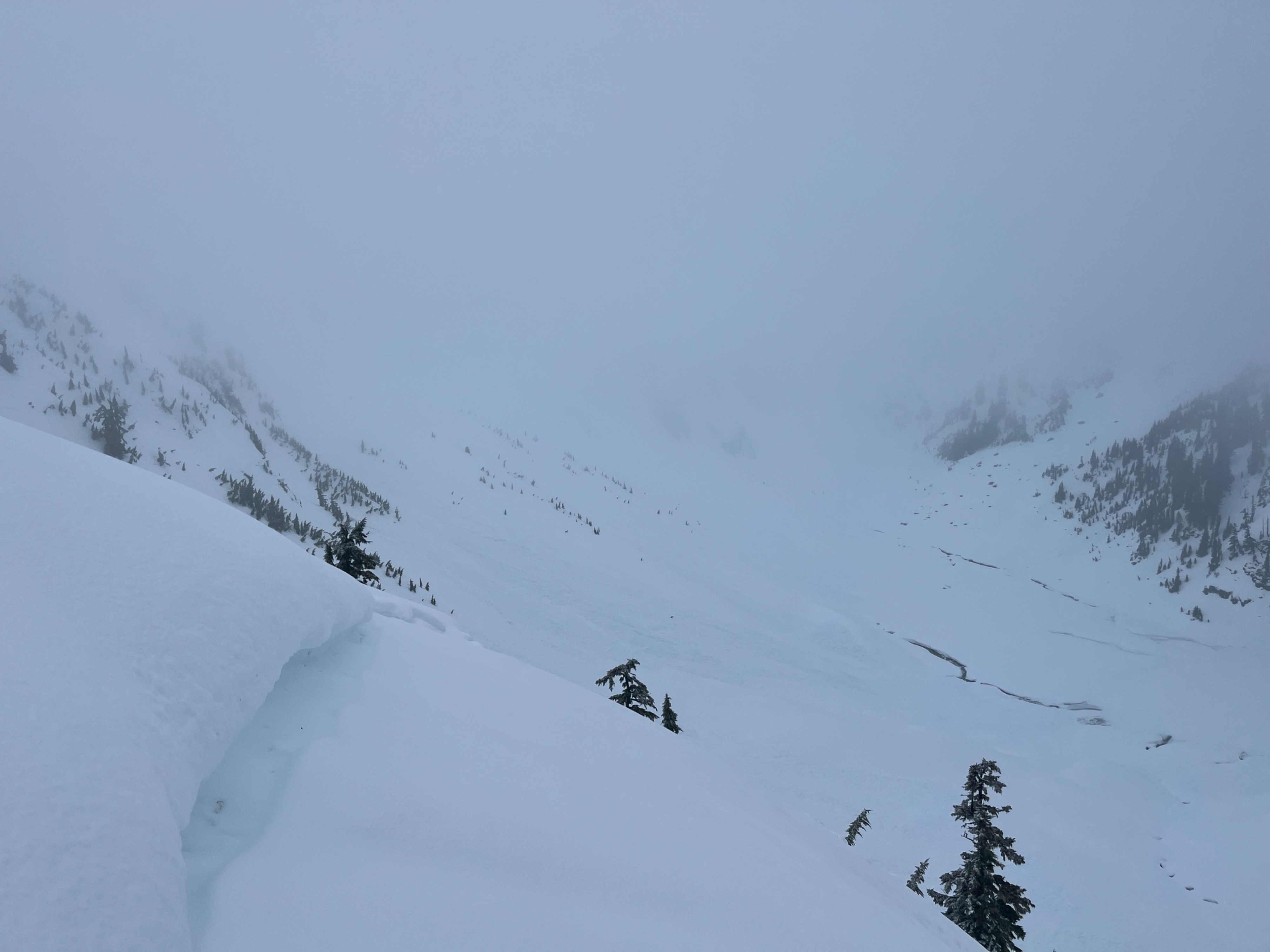
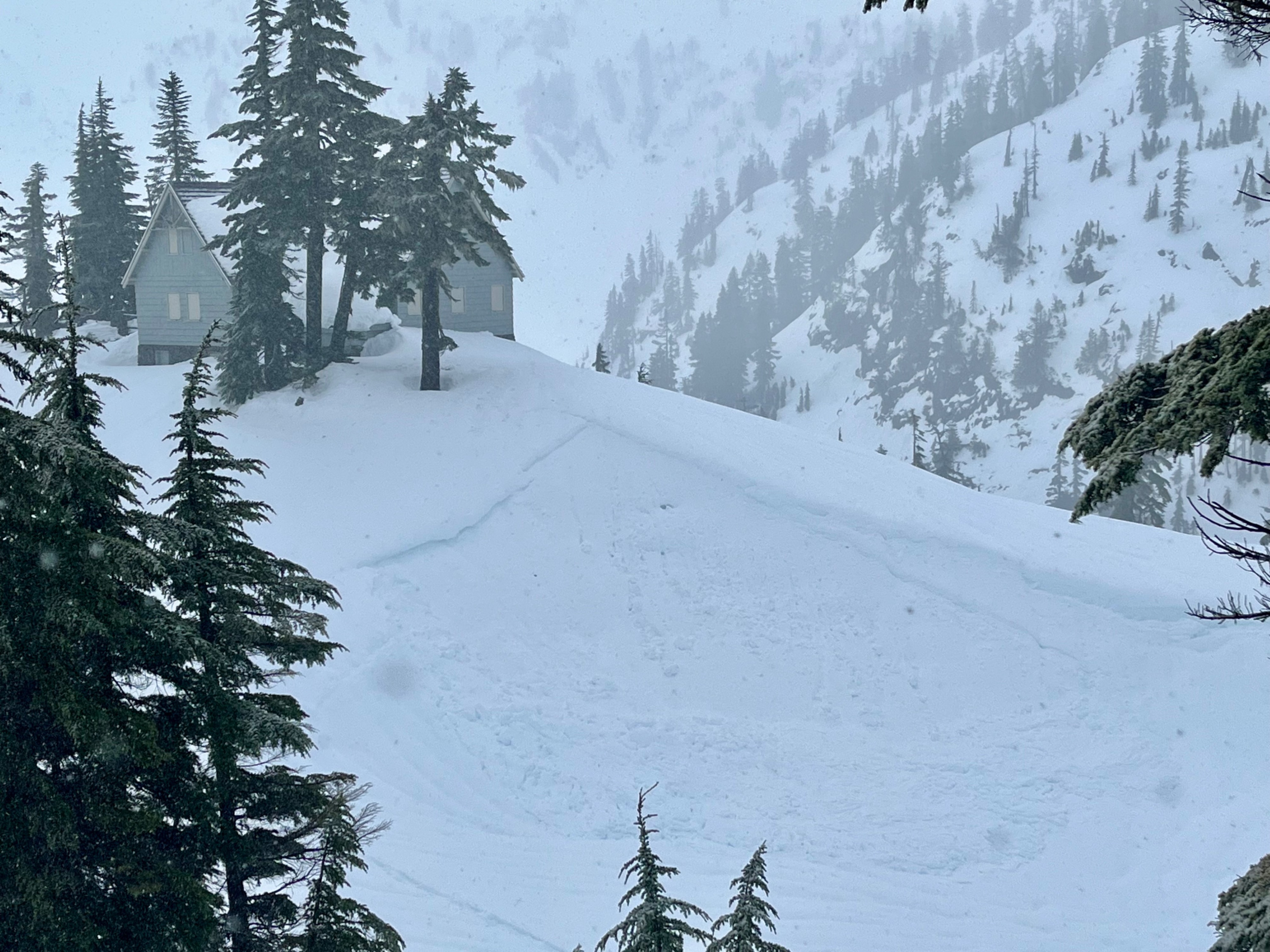
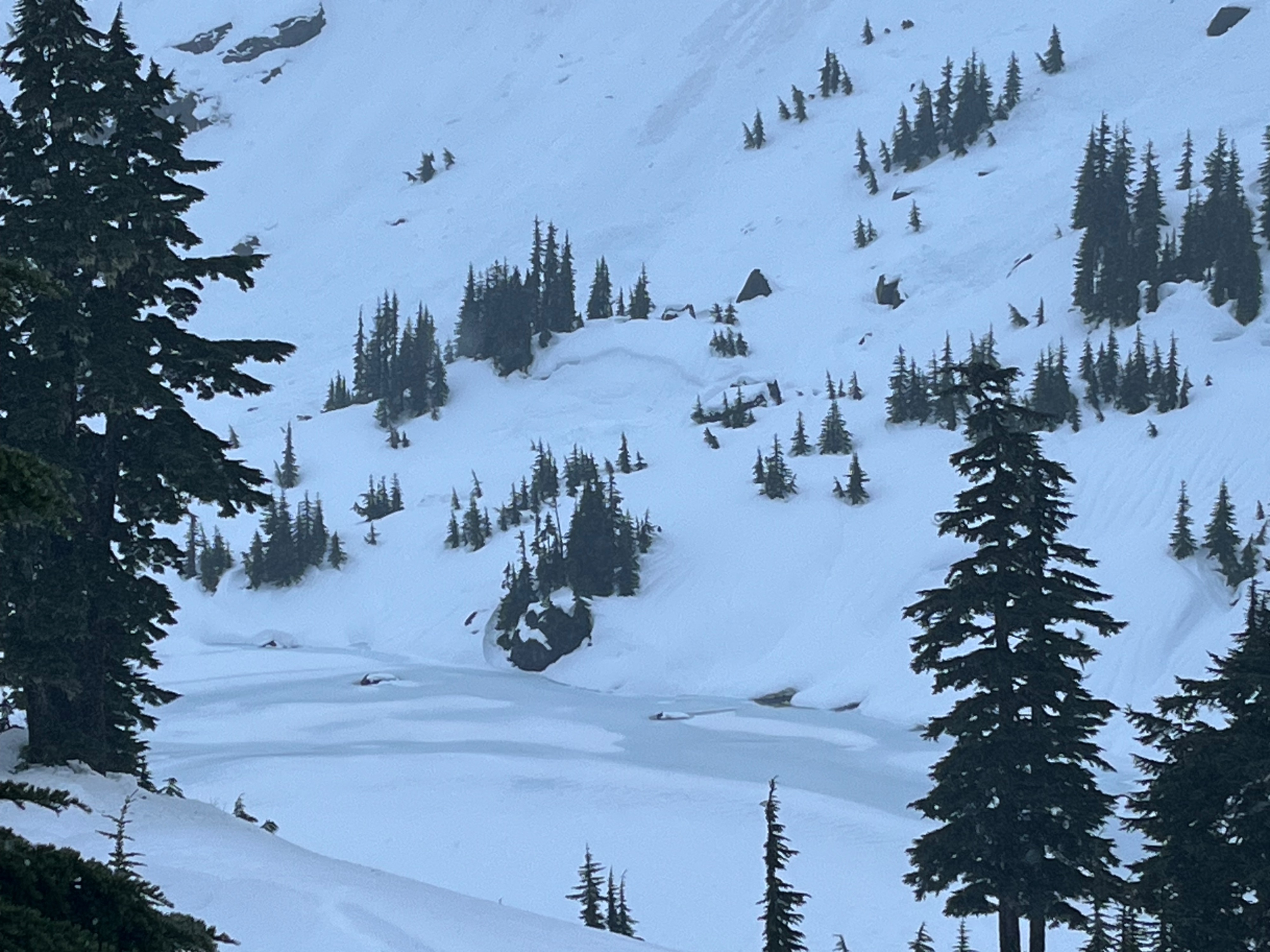
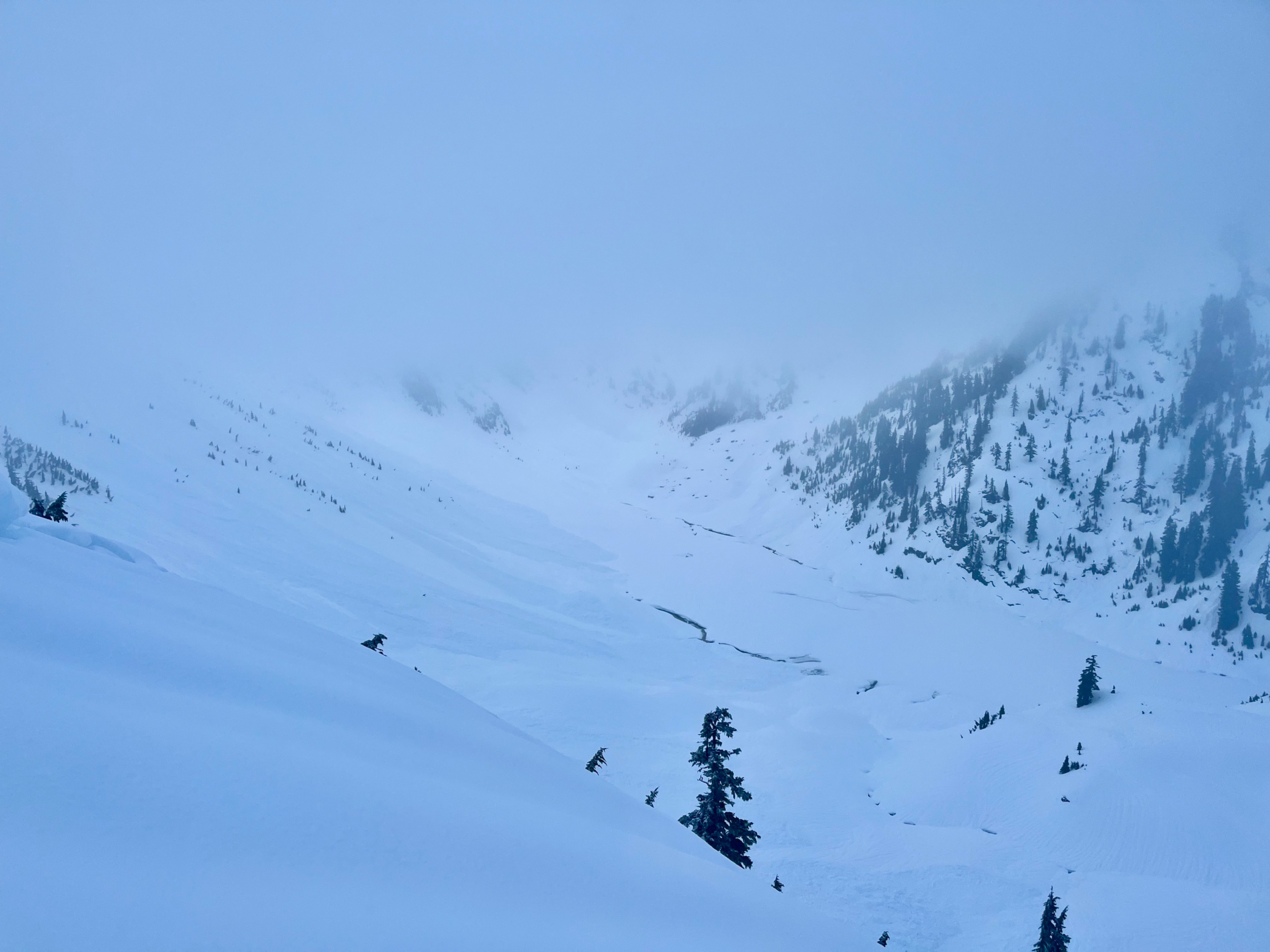
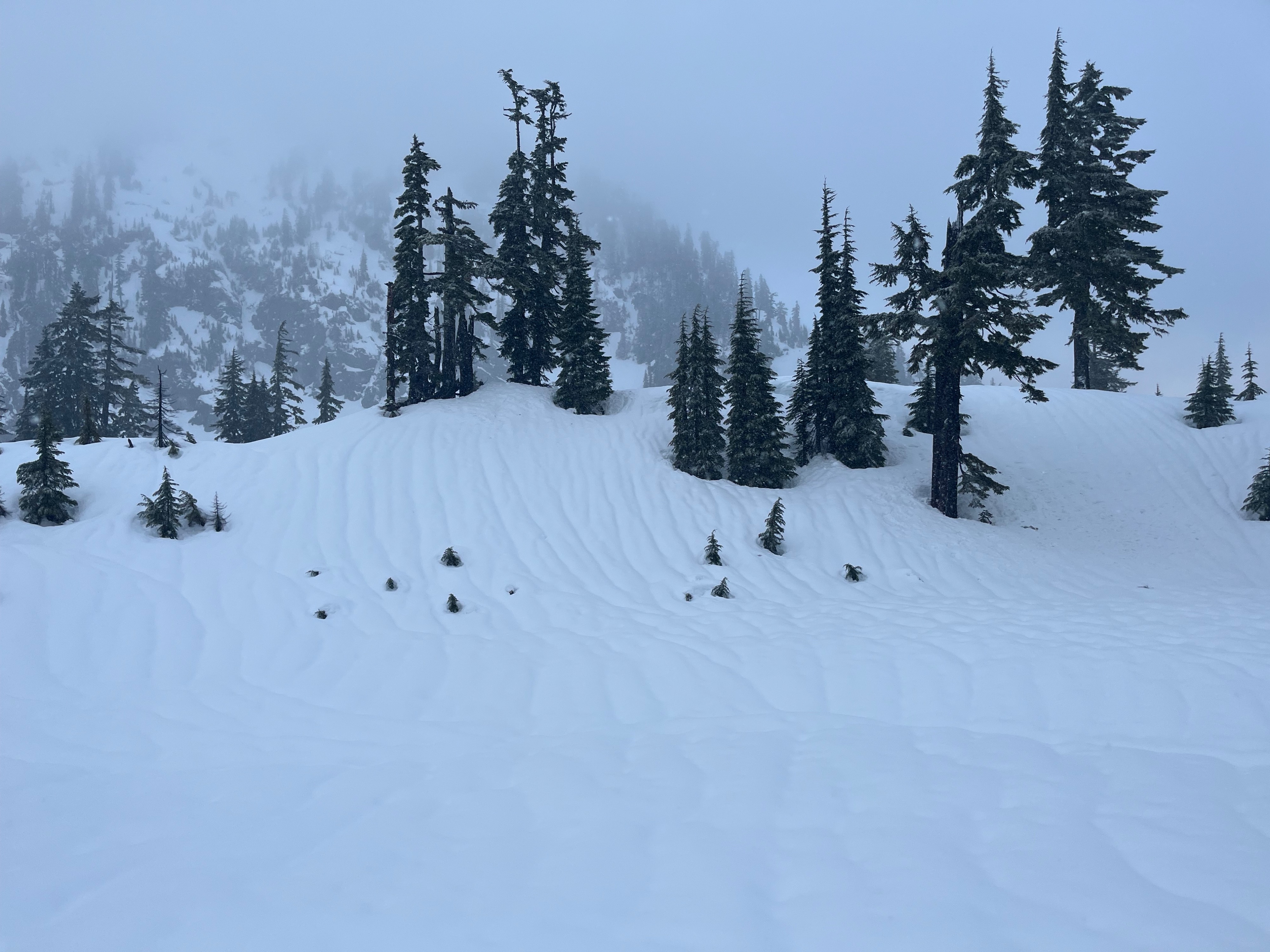
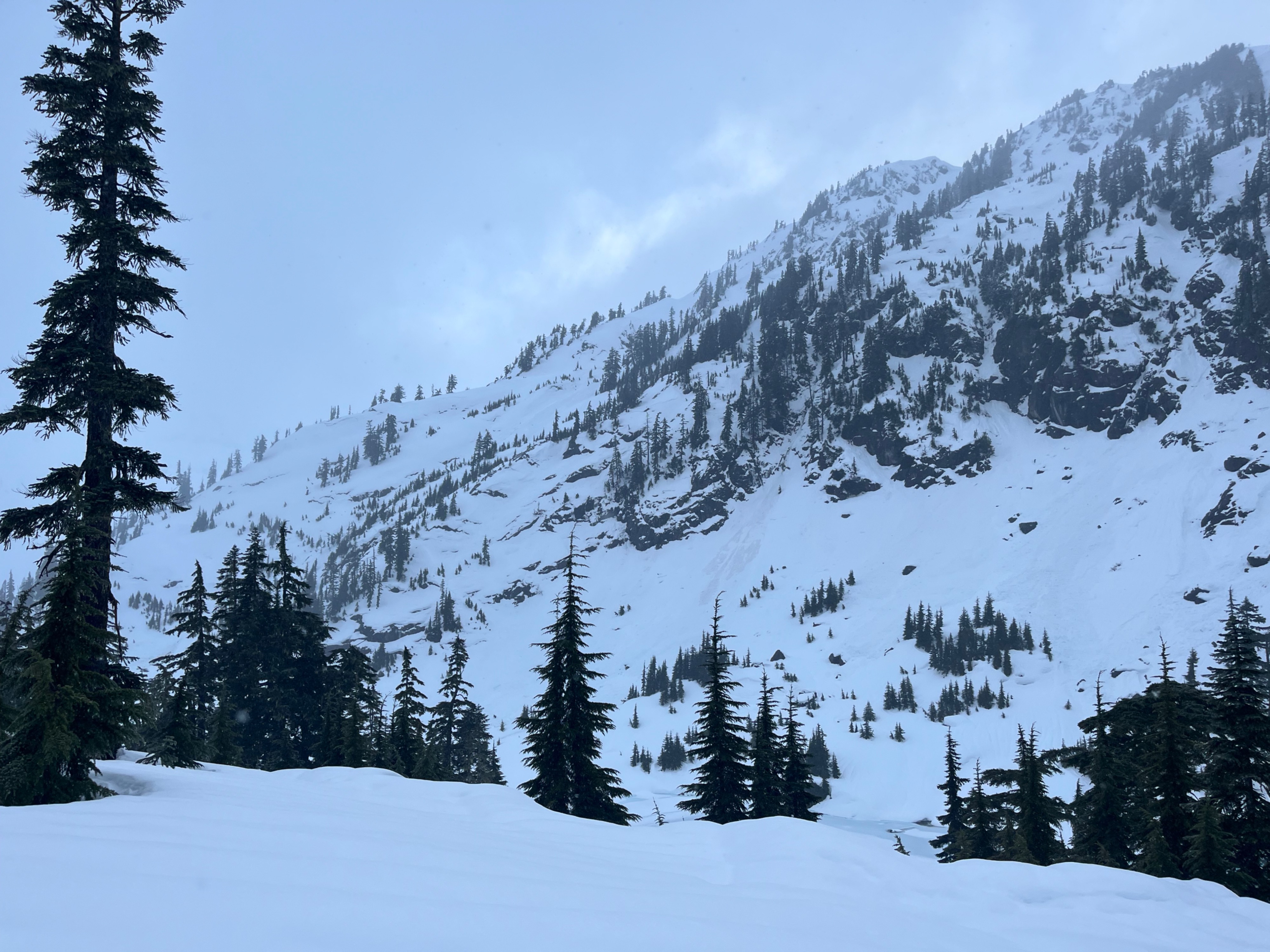
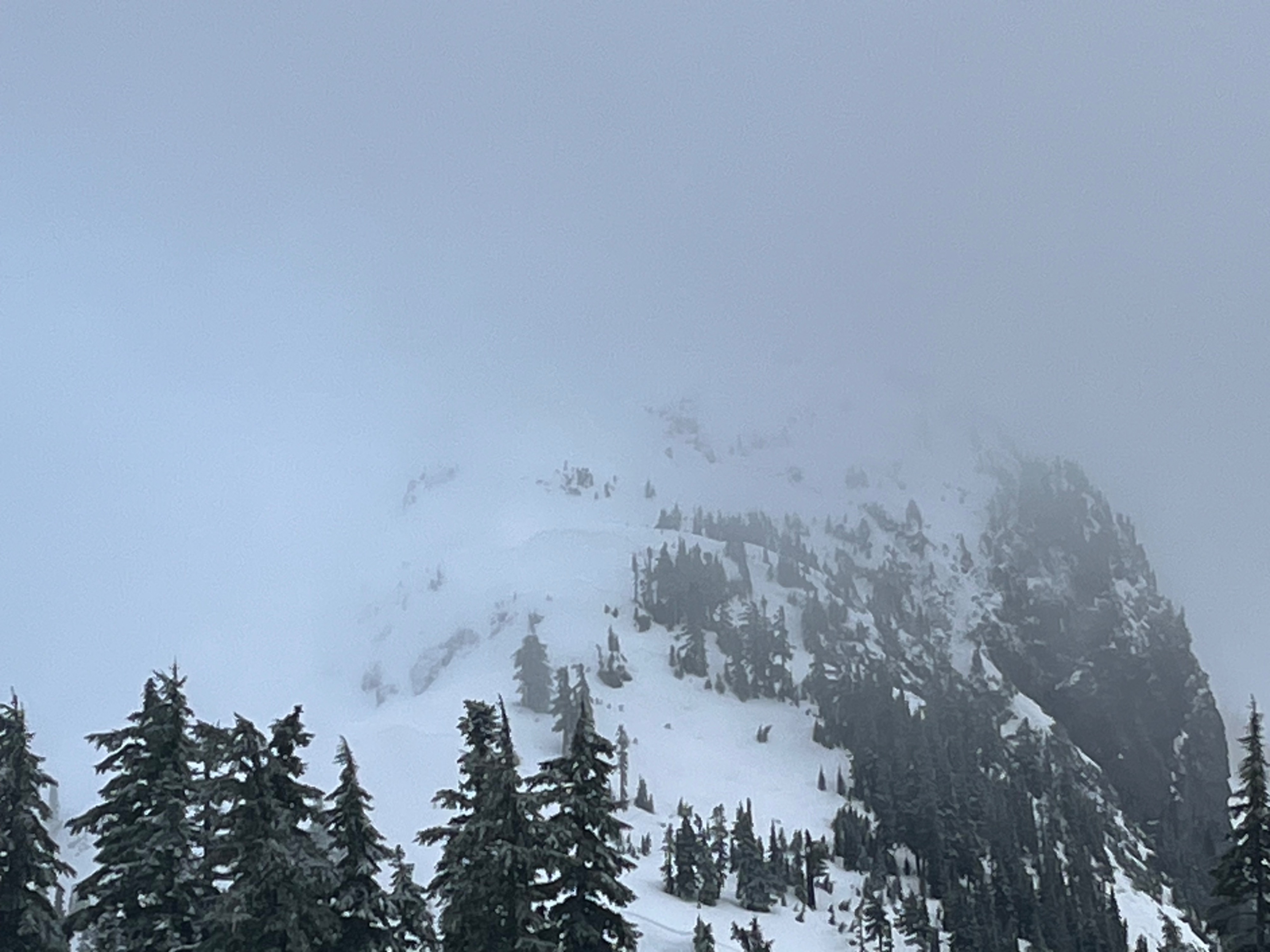
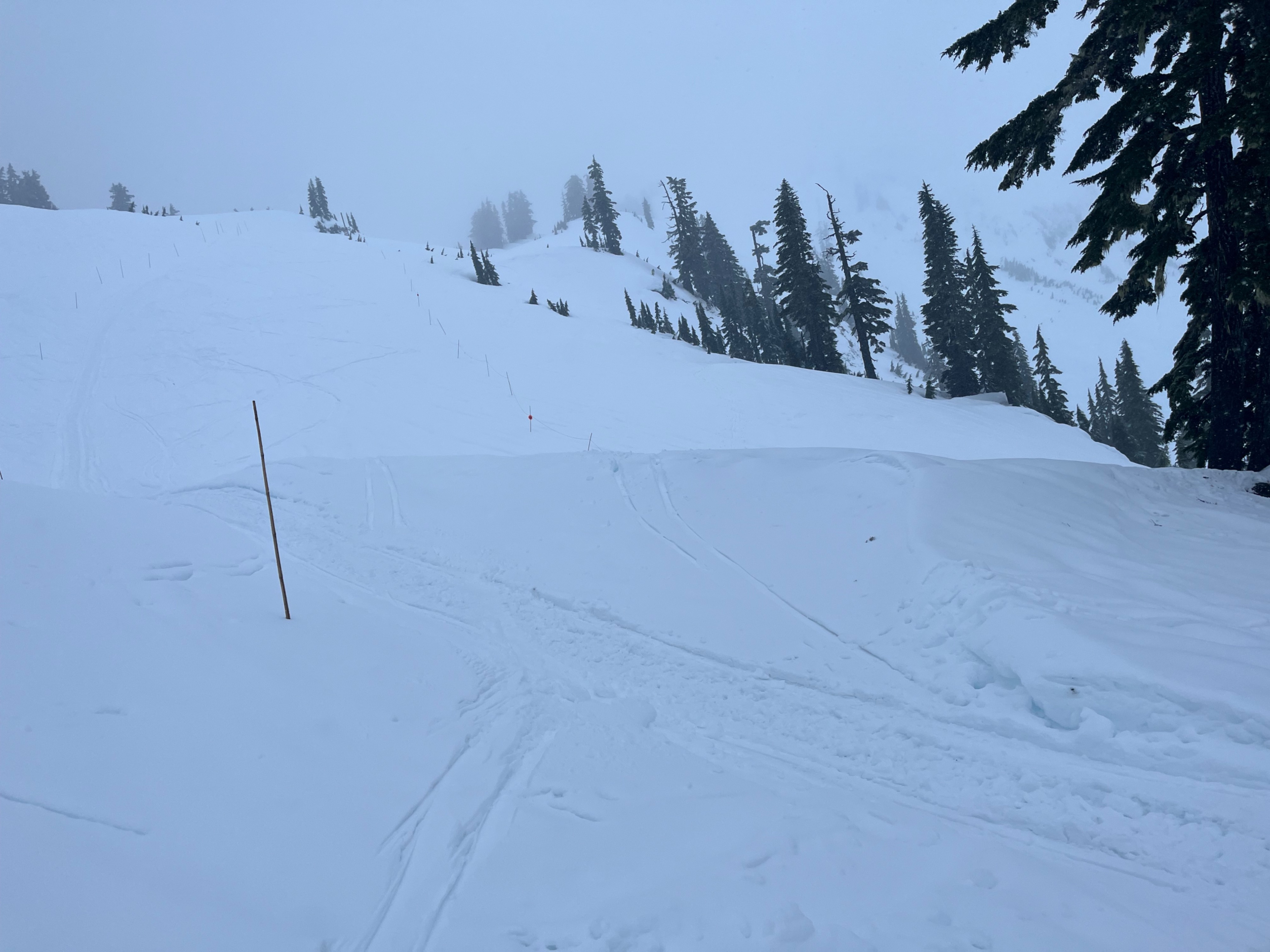
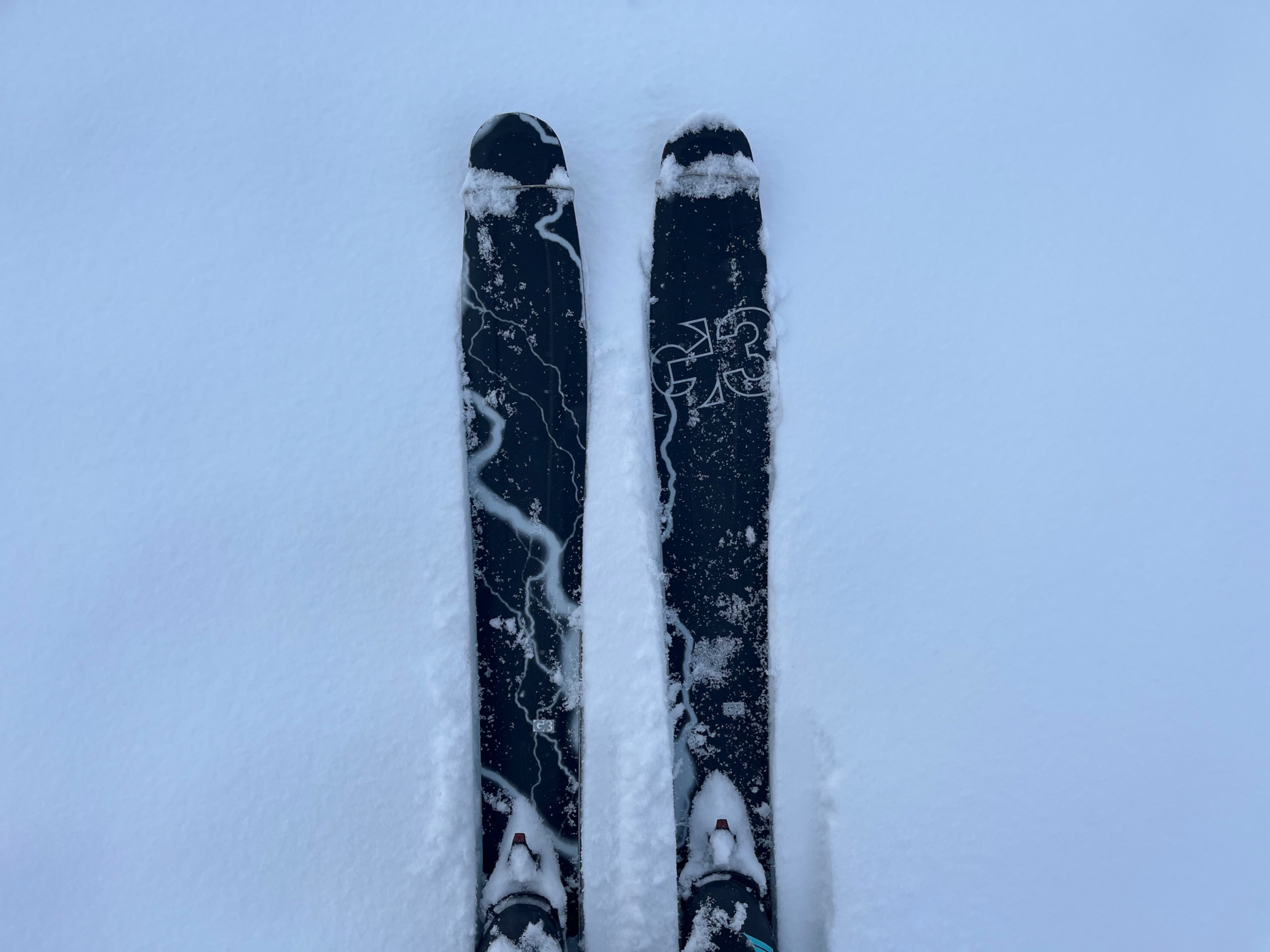
After an active night, avalanche activity has subsided, but I wasn't about to step out onto steep slopes just yet. Predominant overnight avalanche activity was wet slabs, failing on the smallest to largest slopes everywhere I could see. Most avalanche paths had run. Some failed midway down the slope, others failed at the steep rollover, and some had pulled back to lower angle terrain just above. They all appeared to have failed in the snow from the last couple weeks. A few large glide cracks were present, but little glide avalanche activity was seen. Uphill travel was surprisingly easy, with the draining snowpack being supportable and skis only sinking in a few inches. Downhill travel, on the other hand, was a challenge, with sticky snow and varying punchiness underfoot.
Peak instability occurred during the overnight period with intense weather.Weather
- Air Temp
- 32
- Cloud Cover
- obscured
- Wind Loading
- previous
- Recent Snowfall
- 3cm
- Snow Avail For Transport
- small smounts
3" of rain overnight and wind gusts peaked in the early morning at 80mph. Light winds and variable light snow during my outing.
Snowpack
A couple inches of new dry-moist snow from today sat over a moist, previously rain-soaked snowpack. The snow is draining well, but remains heavy. The most discernible layer above the 12/7 crust is the new/old interface from the previous 2 weekend's storms. This is likely where the avalanche in 5 minute trees that I investigated failed, but due to wind extensively filling it back in, it was hard to tell.
Avalanche
Many D.5-D2.5 slab avalanches occurred overnight during peak instability. Avalanches happened on small and large slopes, some breaking far downslope and others right at the rollover at the top. Most steep slide paths ran. Crown depths were hard to tell, but likely in the 1-2ft range.