
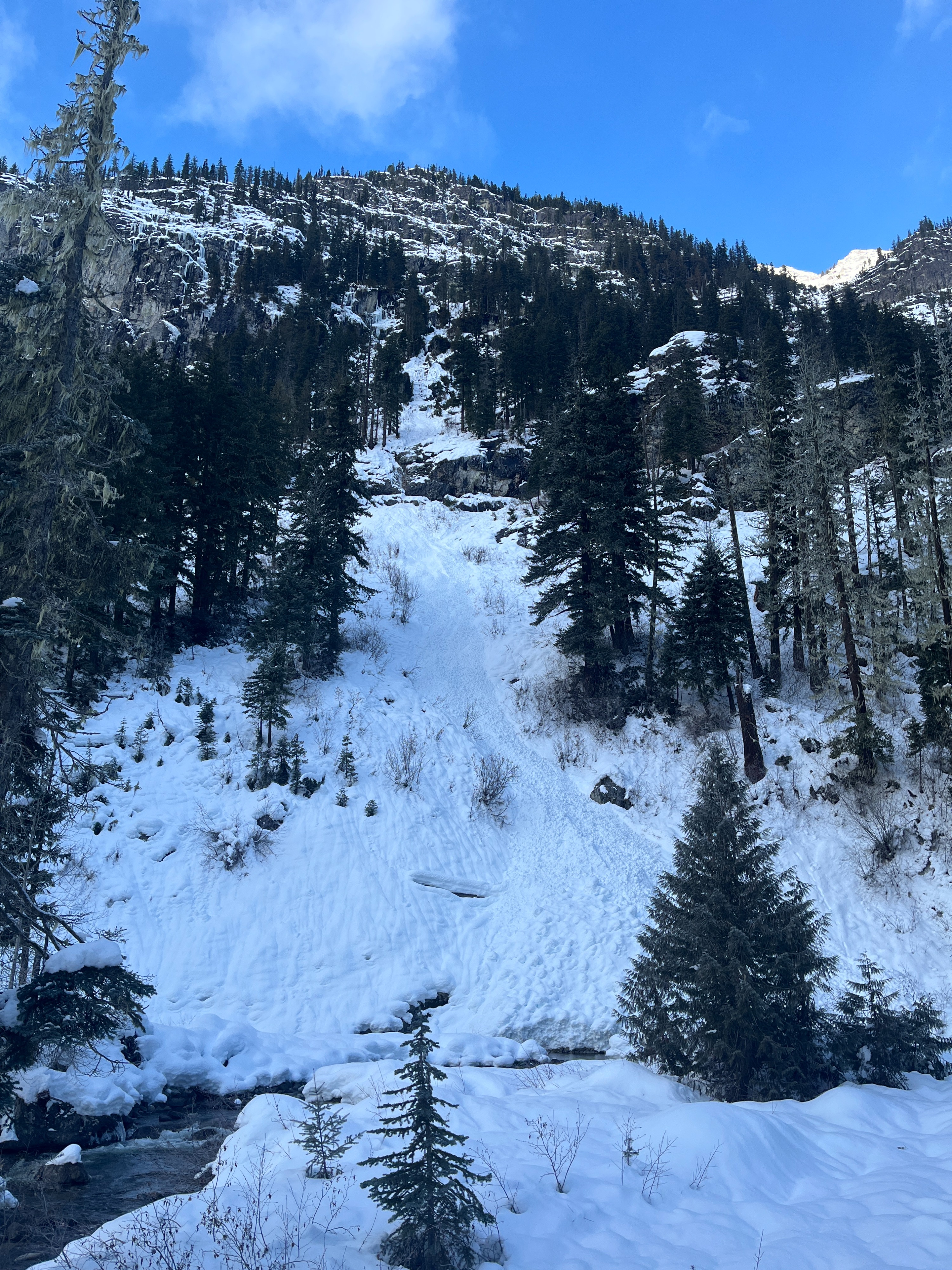
Quick report
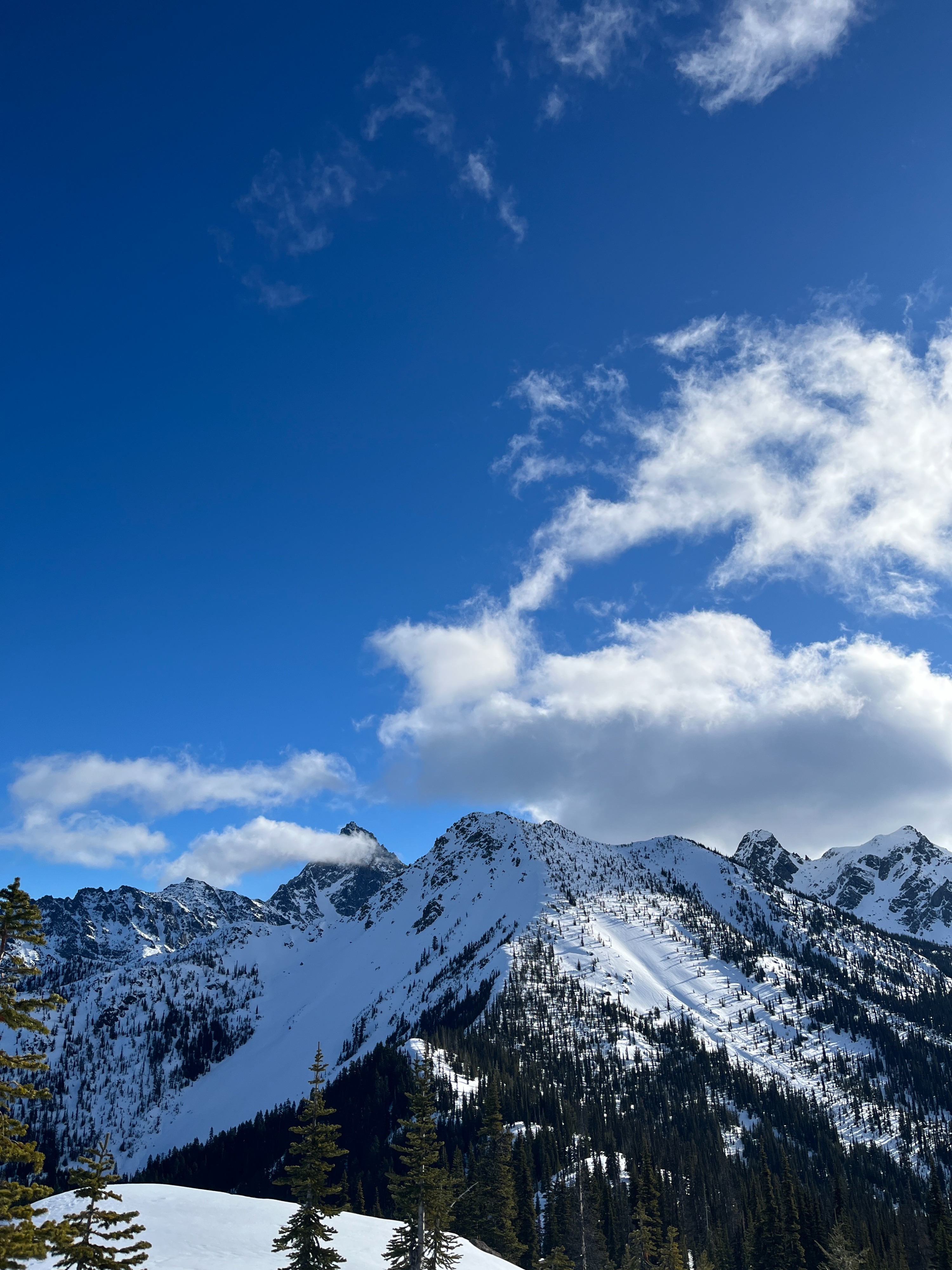
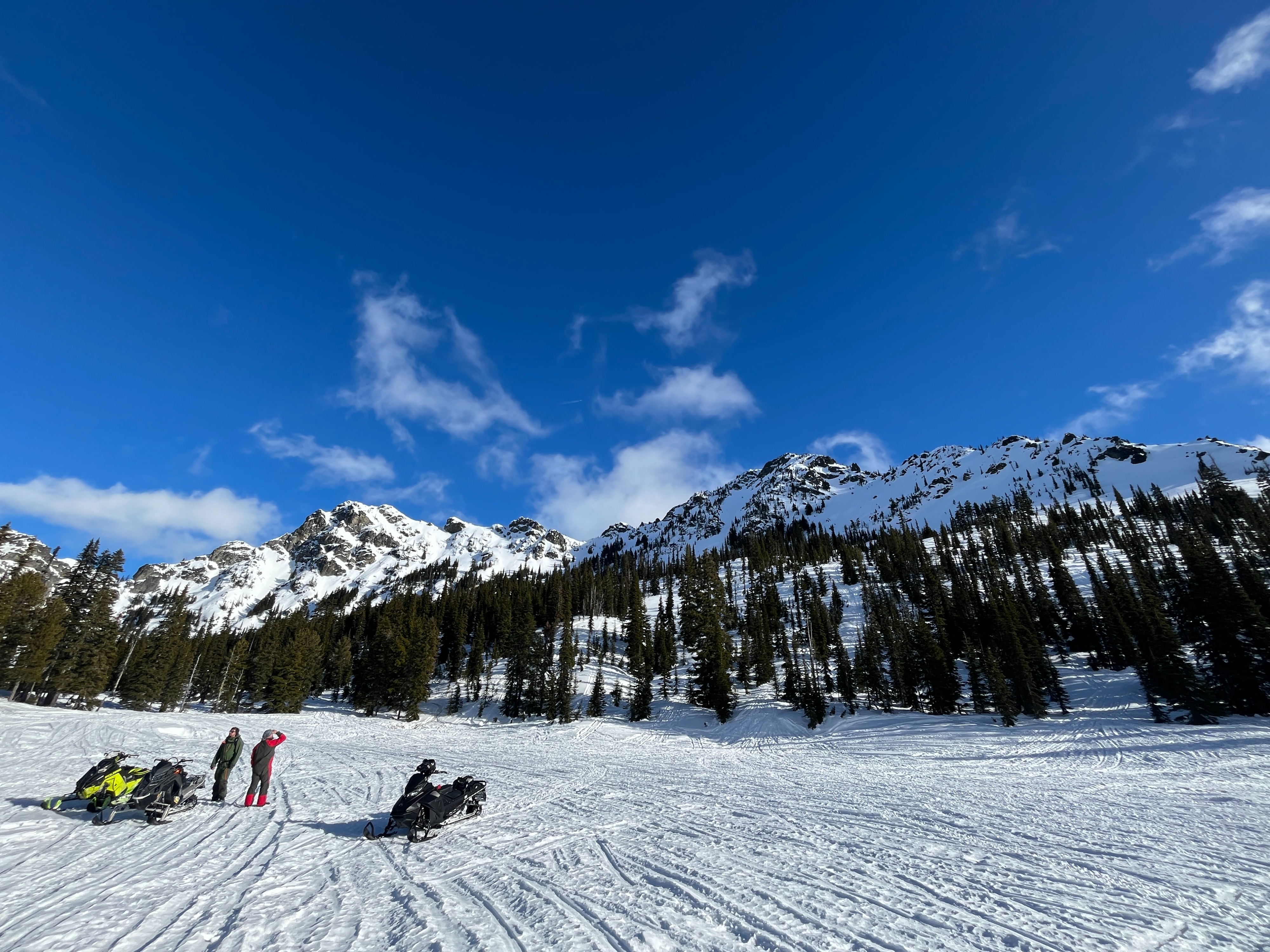
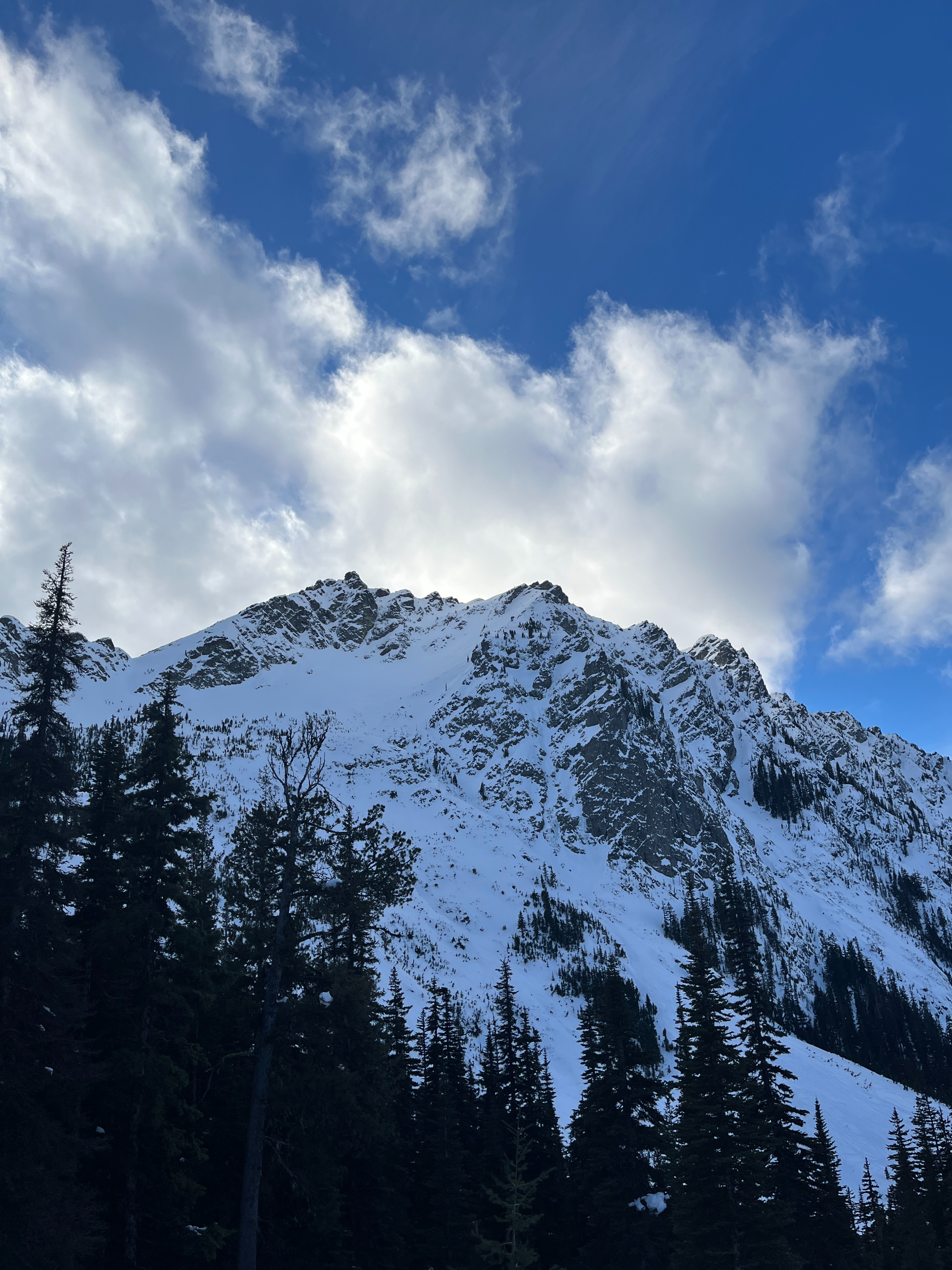
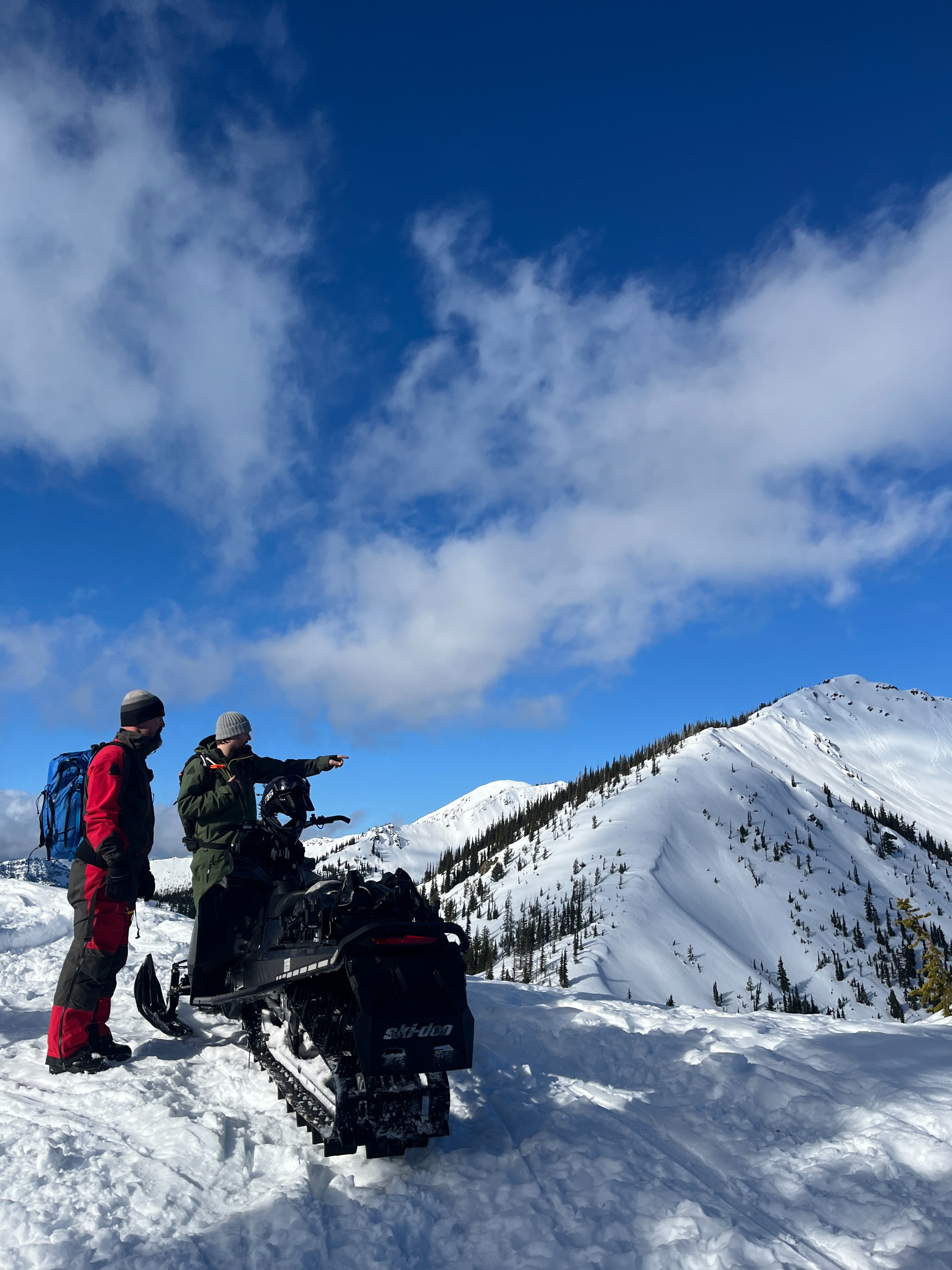
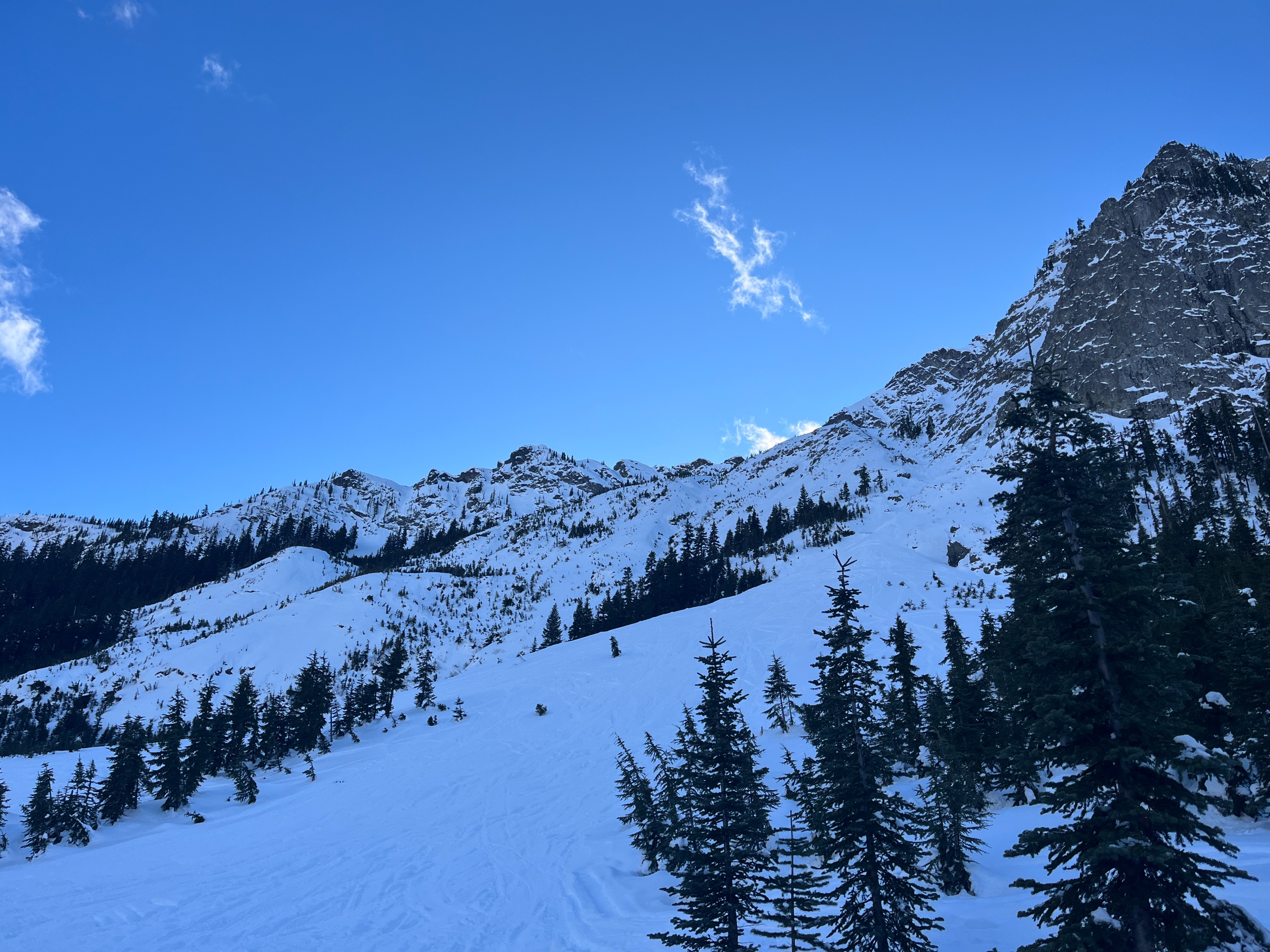
The day's biggest objective was to familiarize myself with new terrain. It was the perfect day to do so due to great visibility and pleasant weather. Of course, we still dug pits though, and were pleased to see that at the moment, we have good snowpack structure and almost no signs of lingering avalanche problems in this area. The current surface conditions of widespread melt freeze crusts and surface hoar will be layers to watch when new snow falls. If you can get yourself onto a northerly slope above about 5000 ft, you'll find dry powder and decent riding/skiing conditions as confirmed by Ross who exclaimed "There's actually powder up there!" after high marking a slope above Gallagher Head Lake.
Weather
- Air Temp
- 23
- Cloud Cover
- few
- Recent Snowfall
- 0
- Snow Avail For Transport
- small smounts
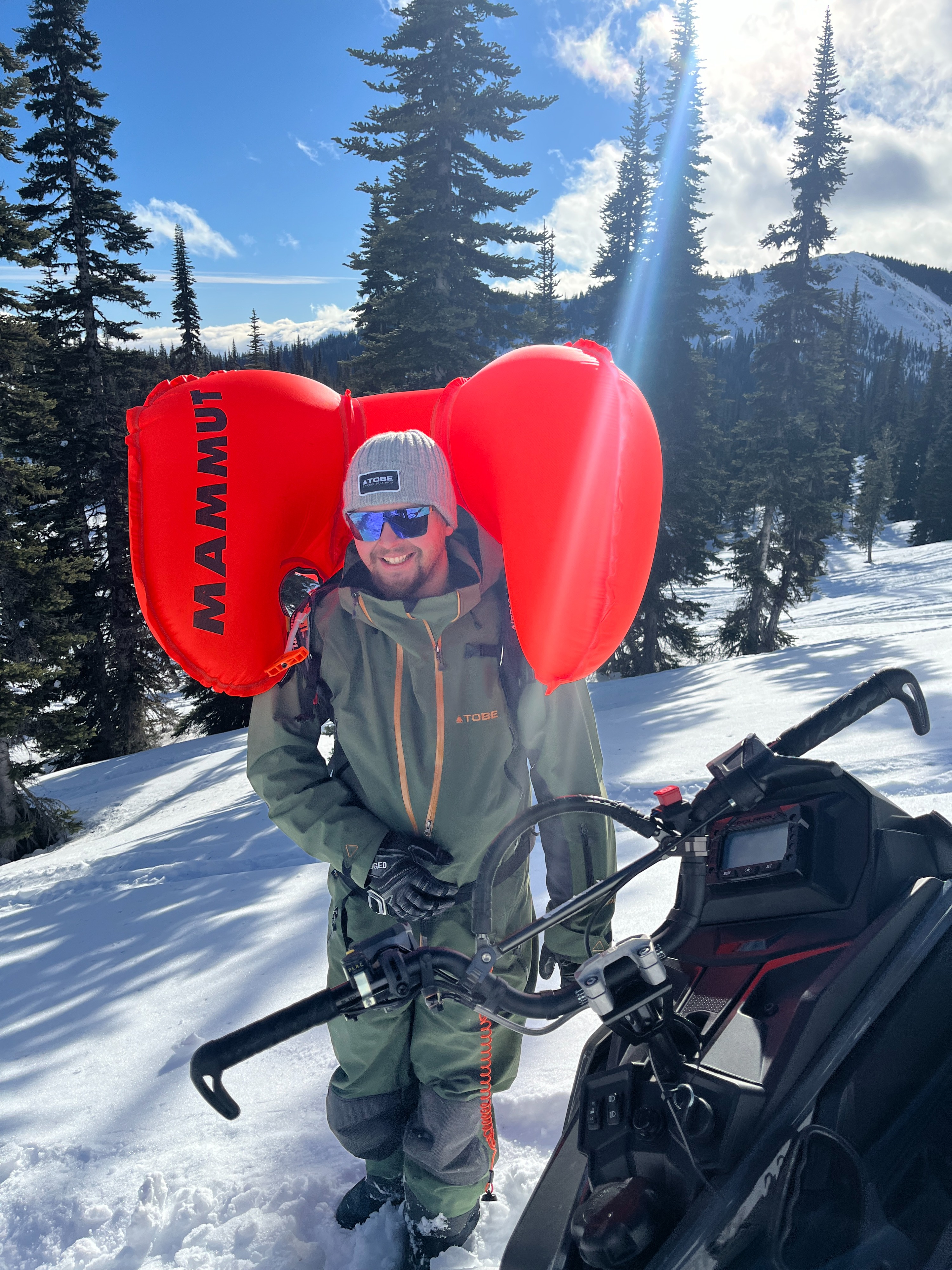
We spent a splendid day in the sun. There was a slight increase in cloud coverage near the end of the day. Temperatures remained cool but it felt warm in the sun. The wind was generally calm to light with a few moderate gusts at ridgeline.
Snowpack
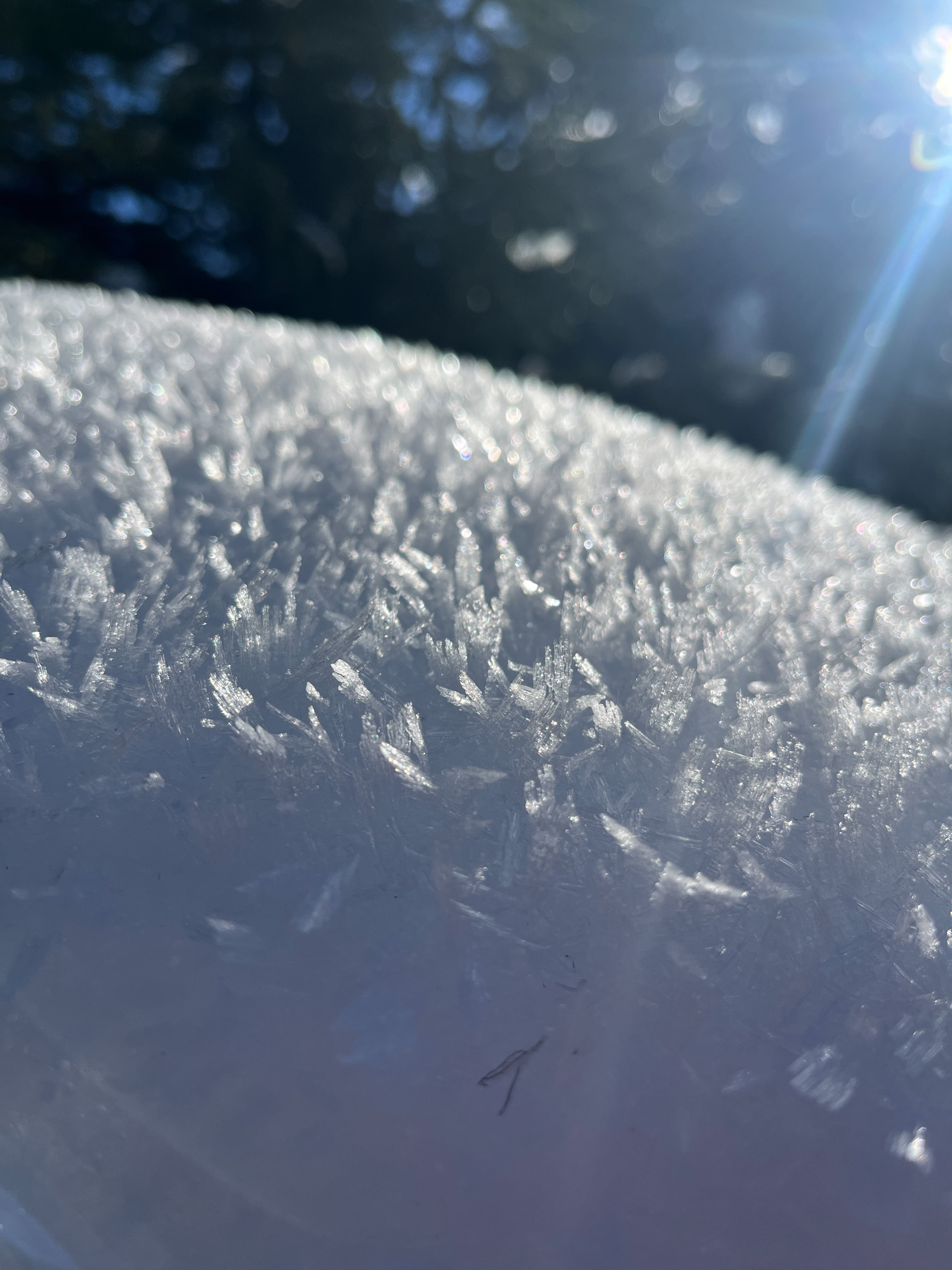
As observed in many other places throughout the zone and neighboring zones, travel is tricky and often unpleasant due to icey and breakable crusty conditions. These conditions are widespread at lower elevations. As you move to middle elevations, you can start to find dry snow on northerly aspects above around 5000 ft. Old rollerballs and small wet loose avalanches indicated that the snowpack on SE-S-W aspects has gotten warm up to upper elevations. We also observed small-large surface hoar development on most aspects and elevations.
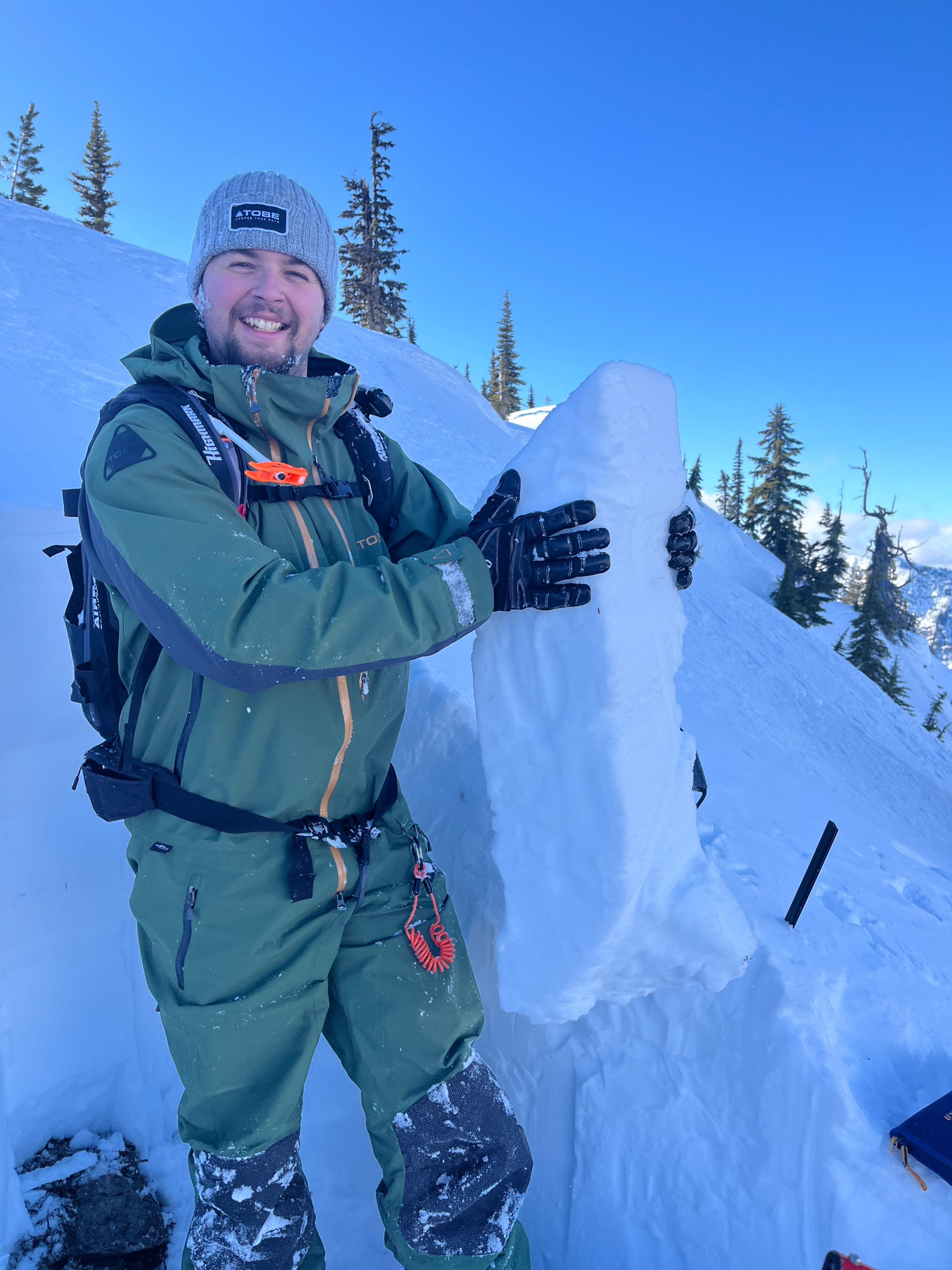
We dug a pit on a north aspect at 6100 ft. The depth of this pit was 56in/141cm. The location of this pit has seen previous wind scouring and the surface was icey and wind blown. We did not find buried surface hoar at this location. We found 36in/91cm of decomposing fragments and rounded grains to make up the upper half of the snowpack. This layer went from fist hard at the top to one finger at the bottom. Beneath the slab was a four finger hard layer of near crust facets overlaying the Solstice crust. Below the crust was another one finger hard slab of rounded grains. We performed a compression test and got easy-moderate resistant planar results in the top 8in/20cm of the snowpack. When pulled away from the pit wall, the block separated easily and in a planar fashion in the near crust facets. We performed an extended column test and got moderate non-propagating results in the same interfaces (ECTN15).
We dug another pit on a southeast aspect at 5700 ft. The depth of the snowpack was 80in/204cm and the depth of our pit was 41in/103cm. We found two melt freeze crusts, one at the surface, and one 3in/8cm down with rounded grains between. Below this was a one finger hard slab of rounded grains down to the bottom of the pit. We did not find buried surface hoar at this location either. We performed a shovel shear test that yielded hard results within the slab (STH). We performed an extended column test and did not get notable results (ECTX).
Avalanche
We observed lots of evidence of previous warming; small wet loose avalanches and extensive roller balls on numerous aspects. We don't know when these all released but we suspect at least within the last 72 hours.