
Quick report
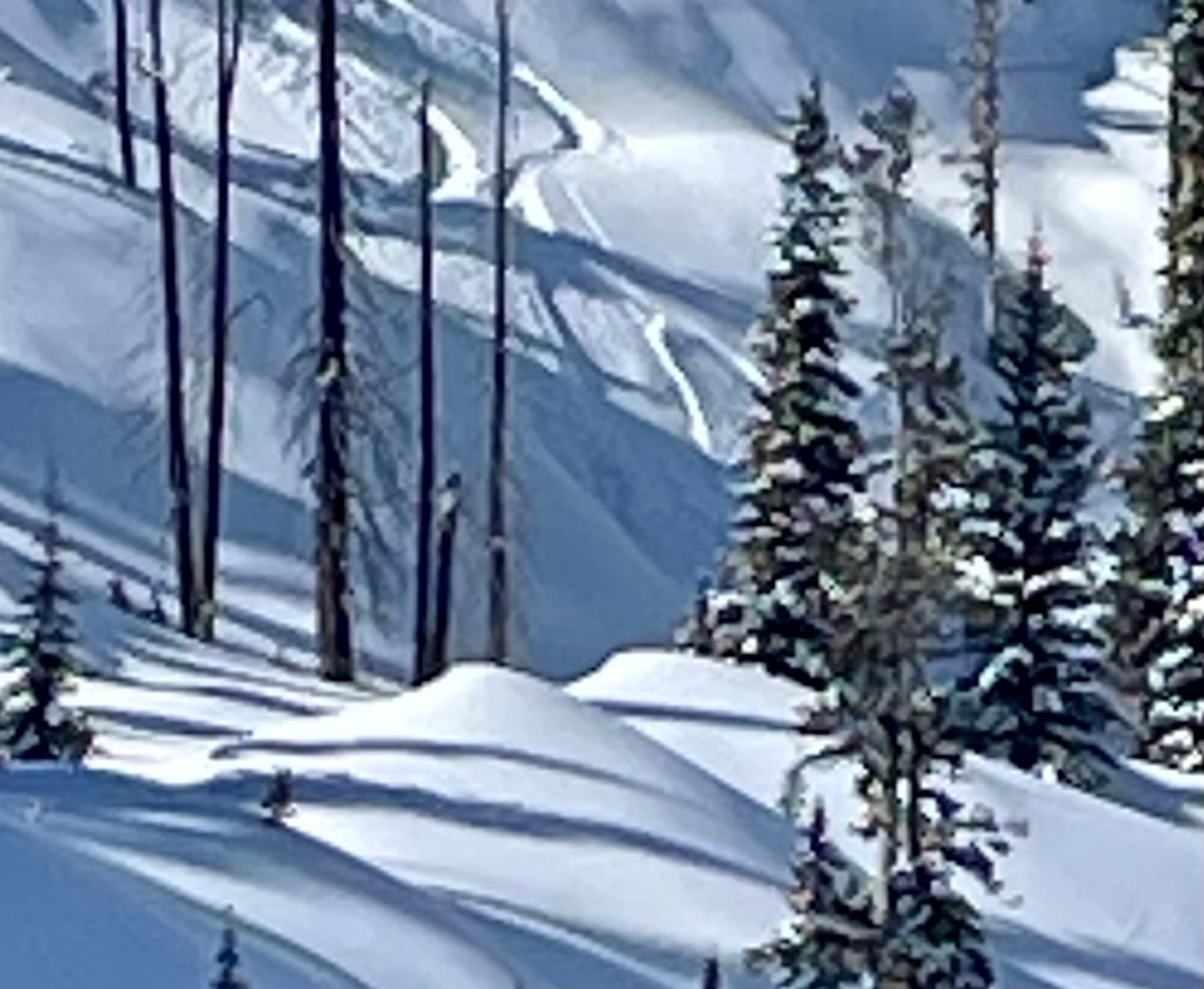
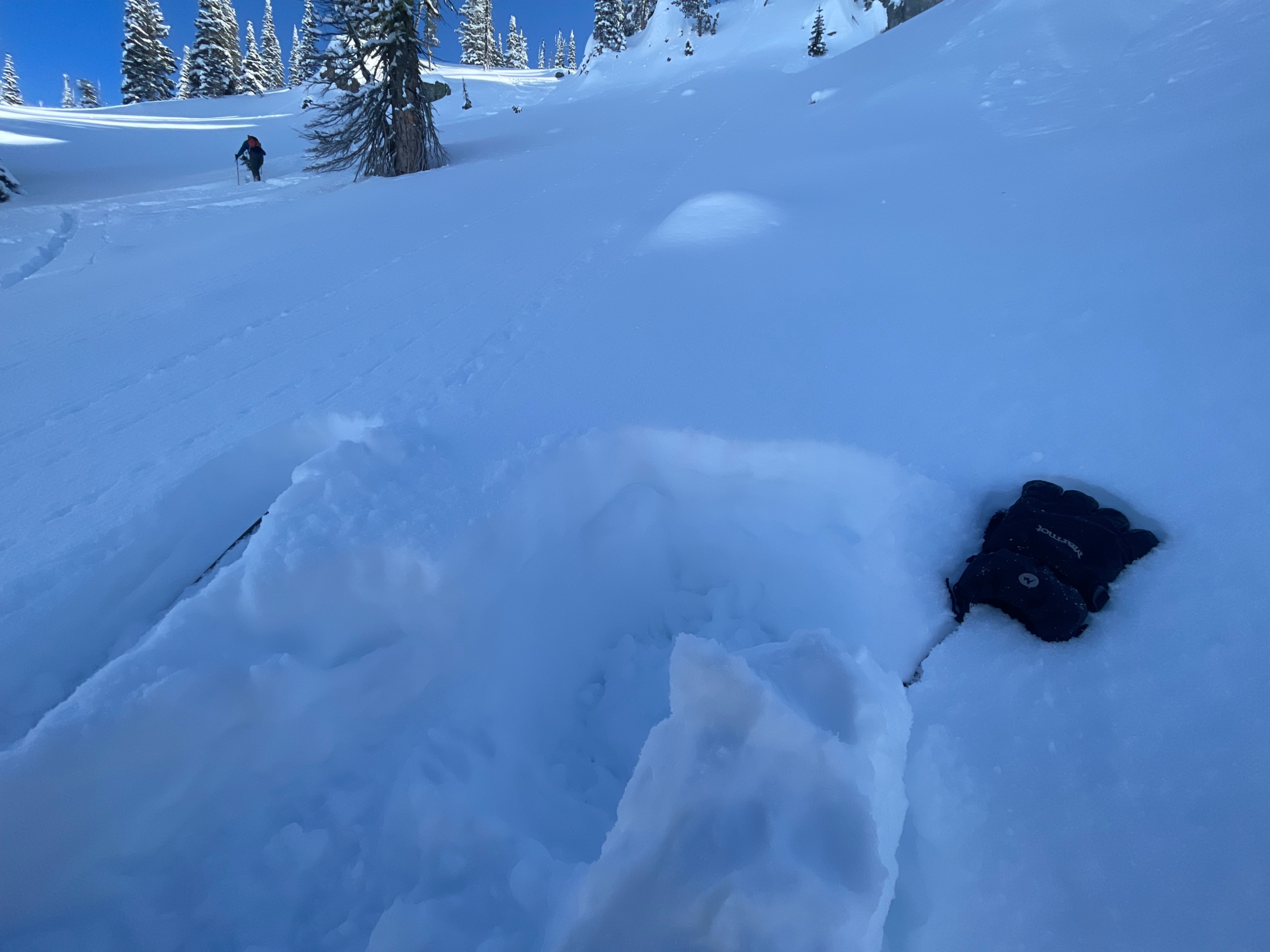
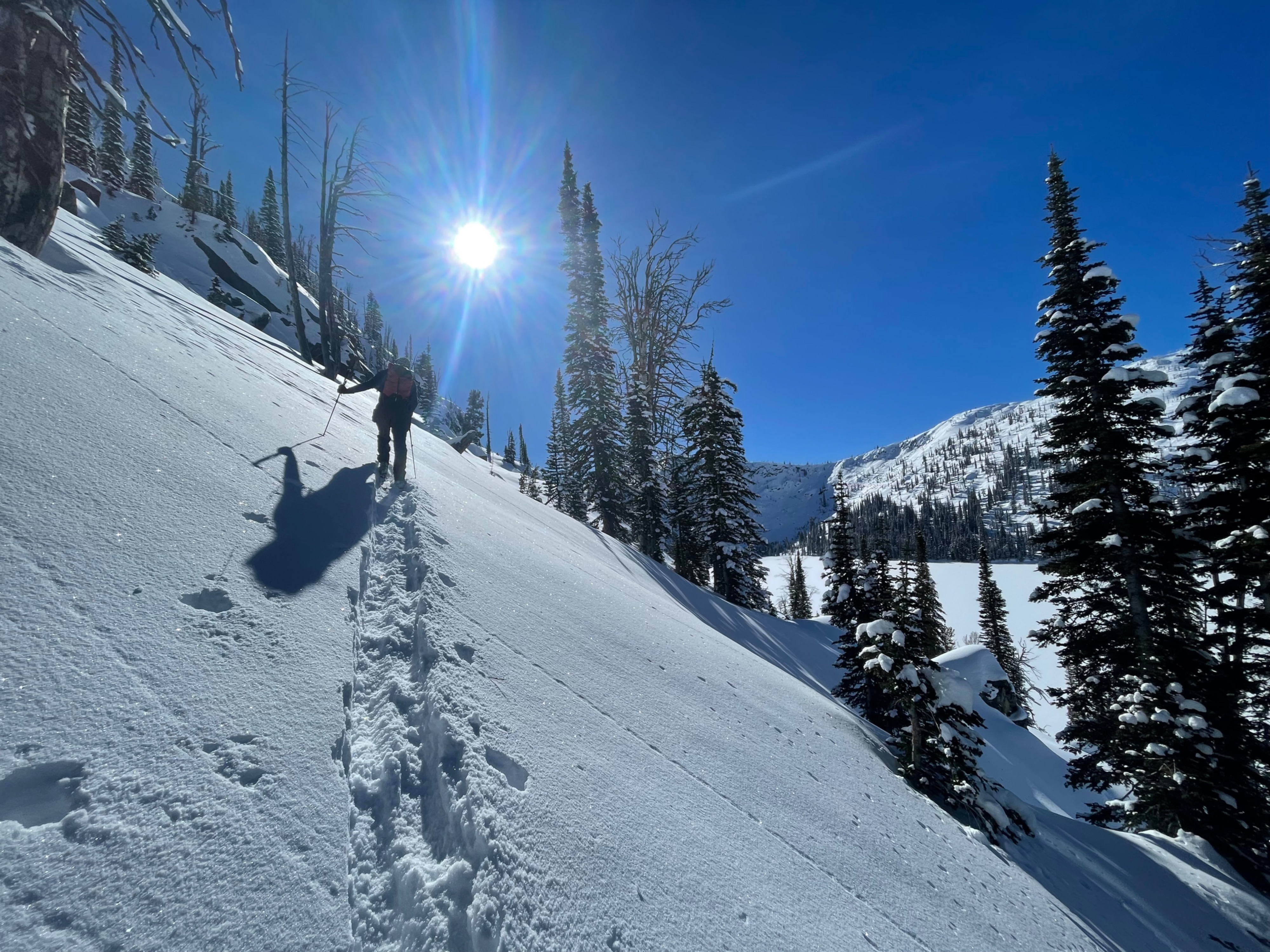
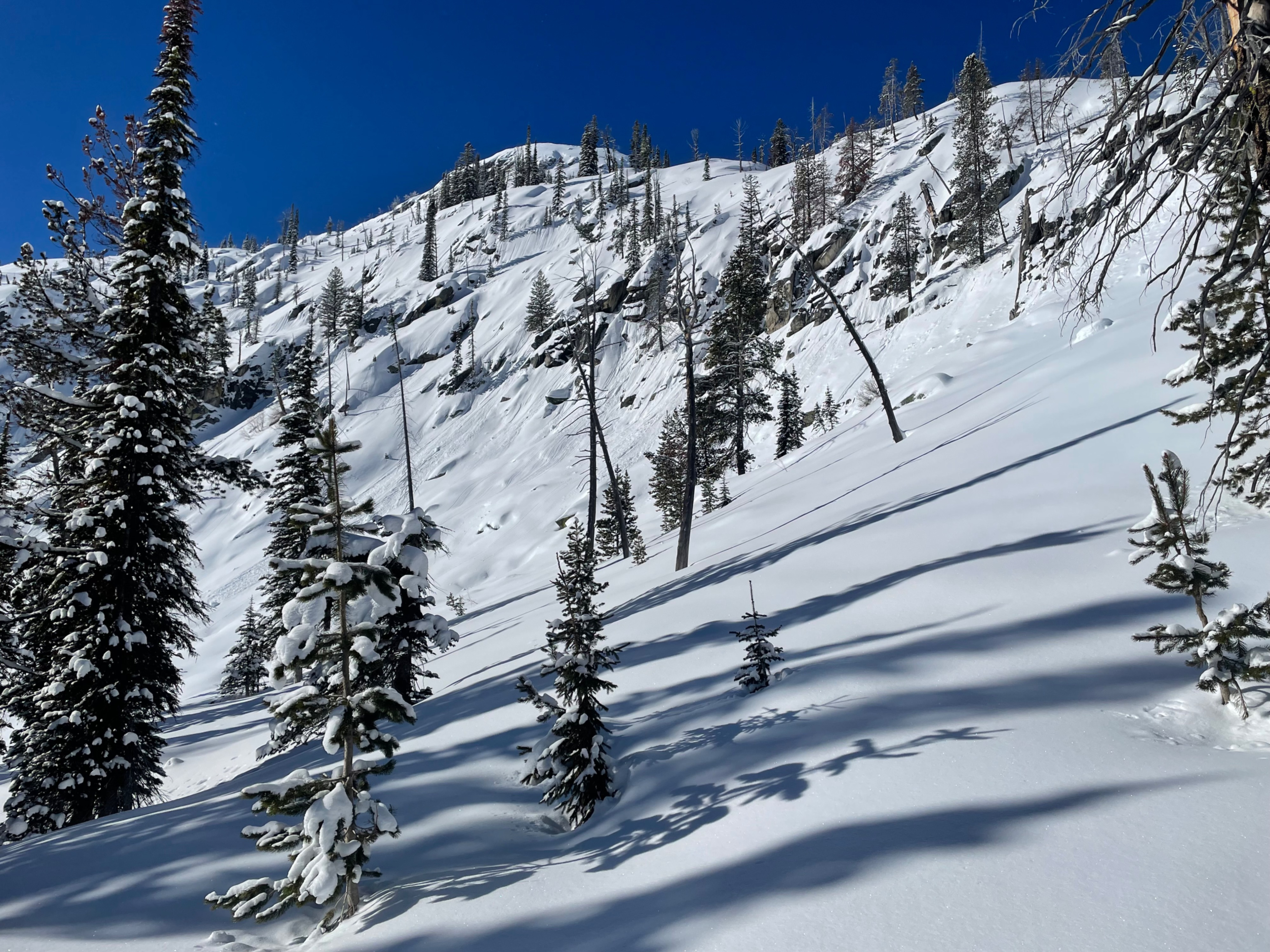
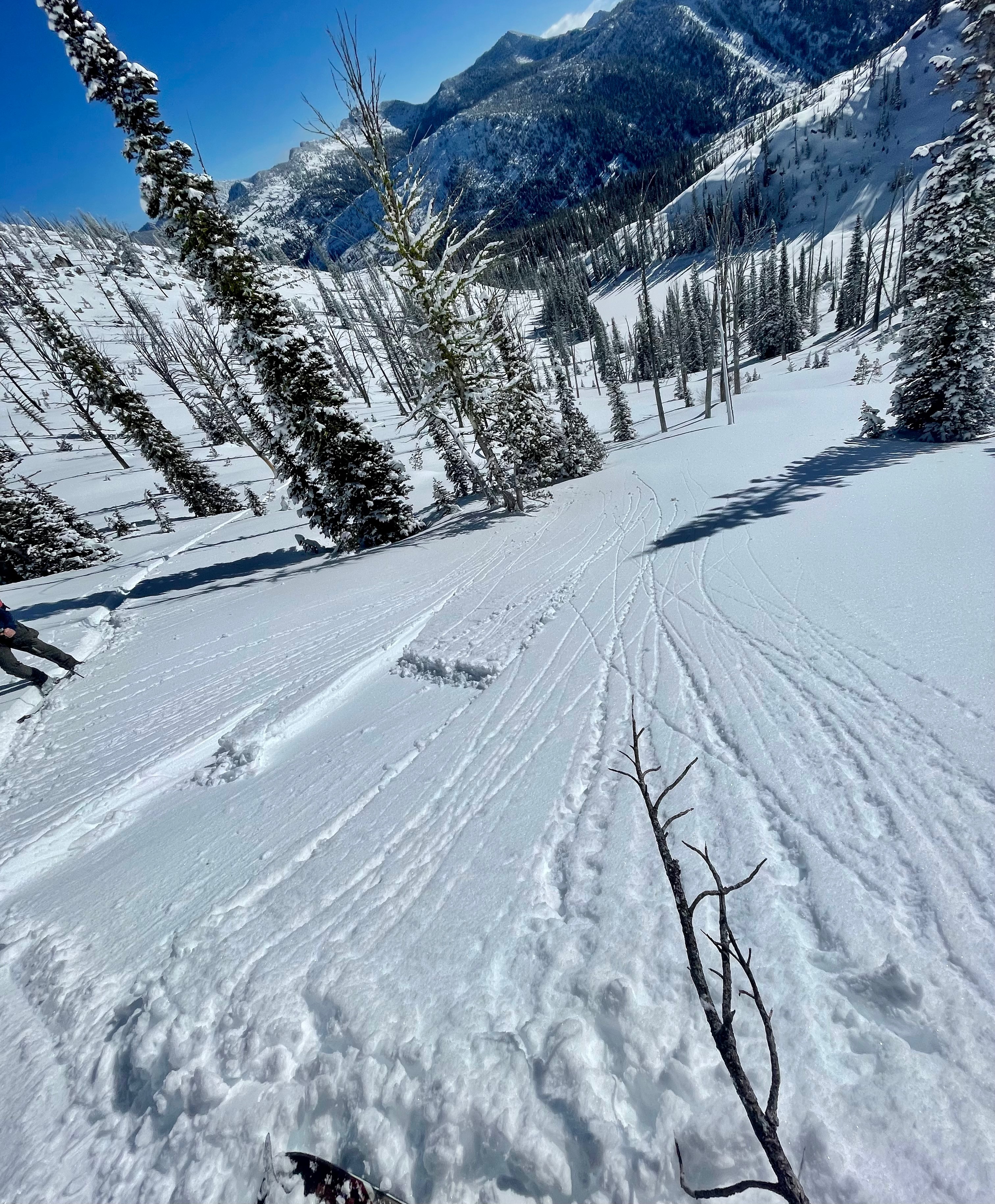
Other than the small D1 natural avalanches on steep solar and shady aspects, We observed a mostly stable snowpack with the upper 12 to 18 inches being soft and a denser lower portion of the 12 to 18 inches that is fairly well bonded to the snow below except around solar aspects where a crust 6 inches down was slick enough to produce wet loose avalanches just below our skin track on steep east and southeast aspects that we’re picking up heat from the sun. We observed wind effect on the surface of the snow above 8000 feet, obvious recent cornice development and pillows were observed in leeward terrain just below ridge lines. We stayed out of upper elevation wind-loaded terrain as the snow surface just didn’t look as good as the wind, sheltered terrain.
Weather
- Cloud Cover
- clear
- Wind Loading
- previous
- Snow Avail For Transport
- small smounts
Gradual warming with ample sunshine, heated up to snow surface during the day on slopes tipped to the sun.
Snowpack
We observed an overall stable snow pack below the recent storm snow where the upper 6 inches was very dry, and loose with a weak bond of facets and graupel. Below the upper 18 inches of the snowpack on shaded slopes and solar slopes, the snowpack is very dense and hard.
Avalanche
We observed many natural wet, loose, small D1 avalanches in the upper 6 inches of the snow pack from gradual heating and sun. We were able to easily get dry, loose avalanches to run in Steep terrain with Ski Cuts. All of these avalanches were small and manageable but would be a concern in Step and or Sustained exposed train.