
Quick report
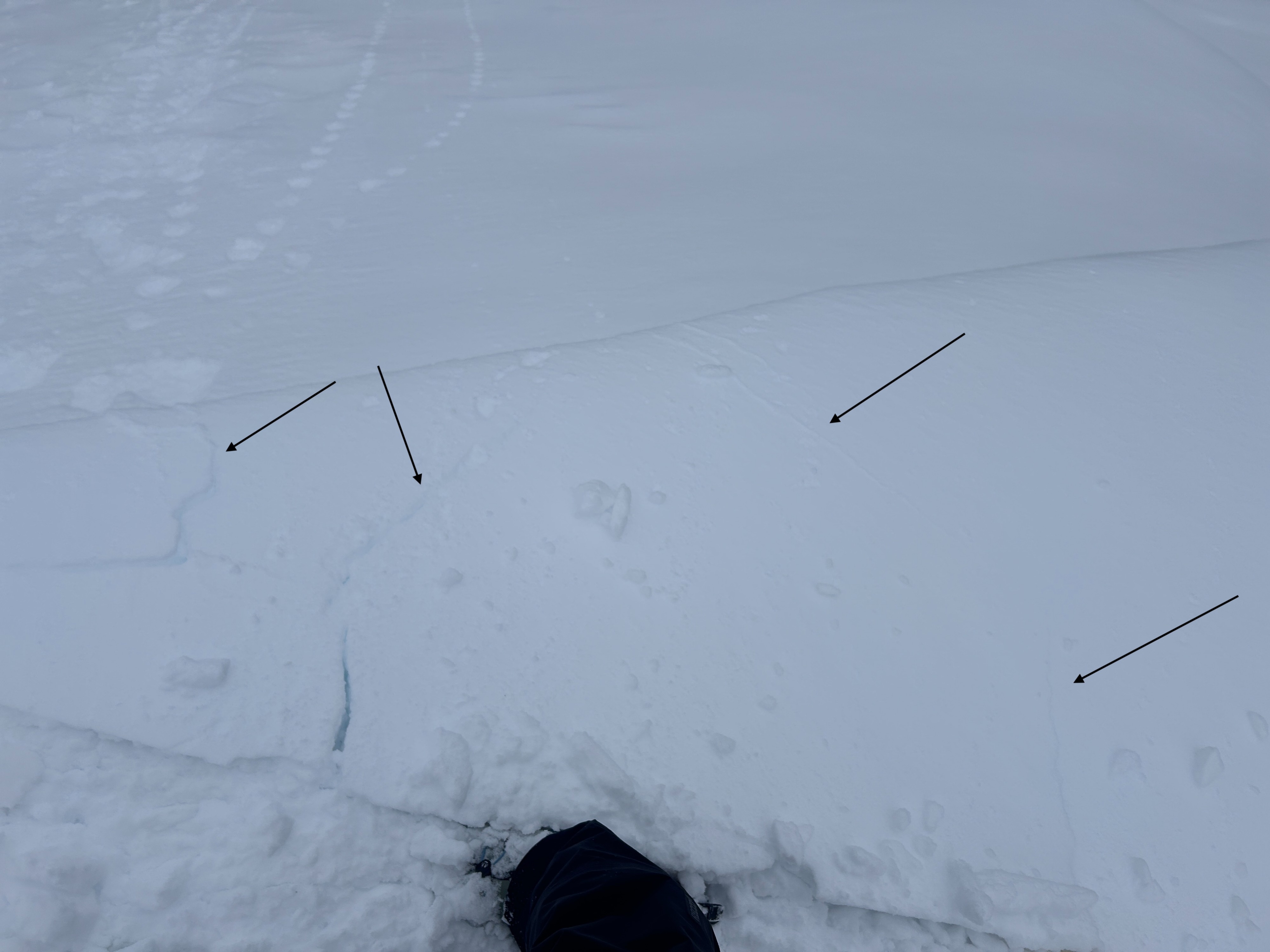
- Cracking
- isolated
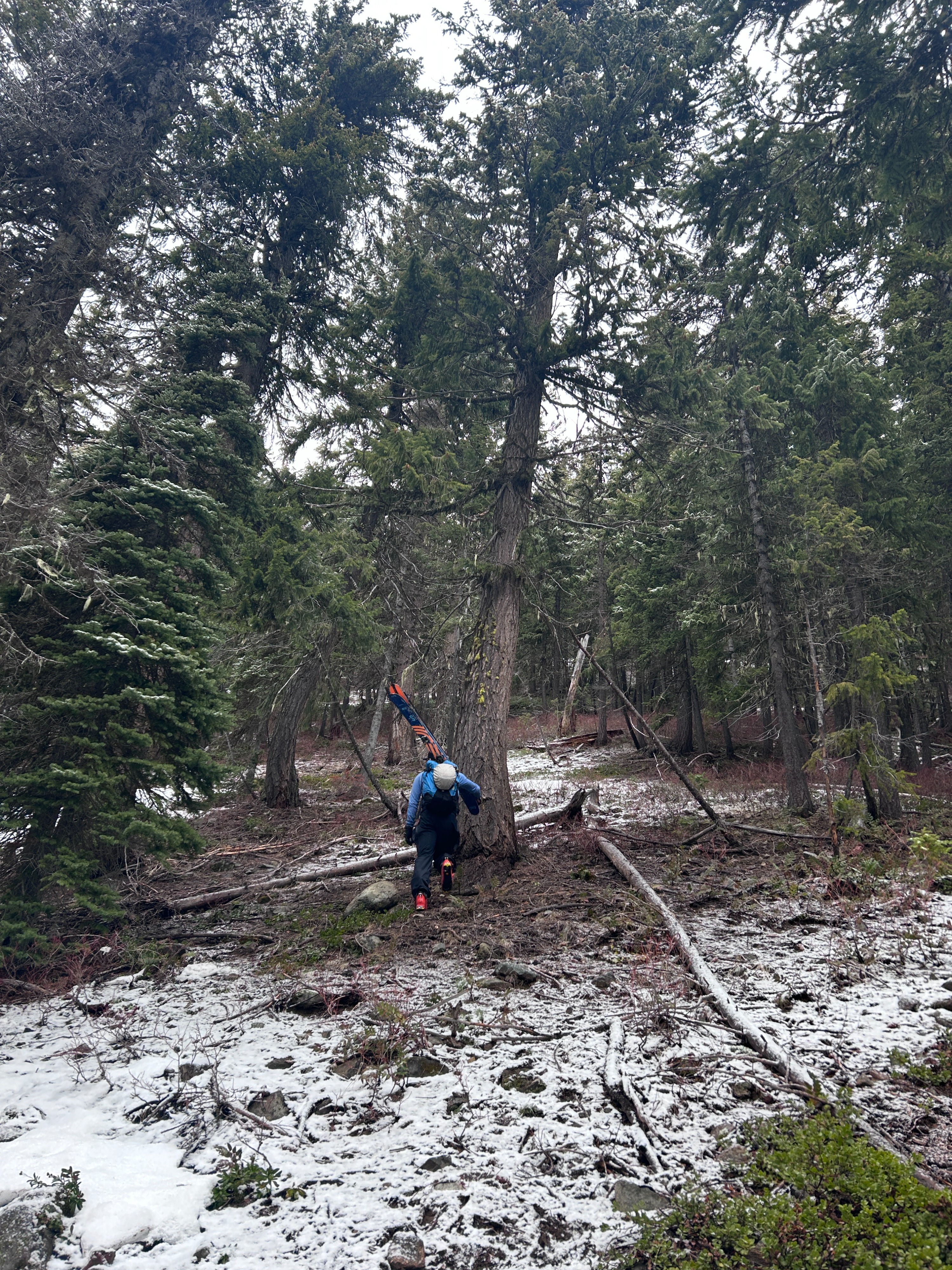
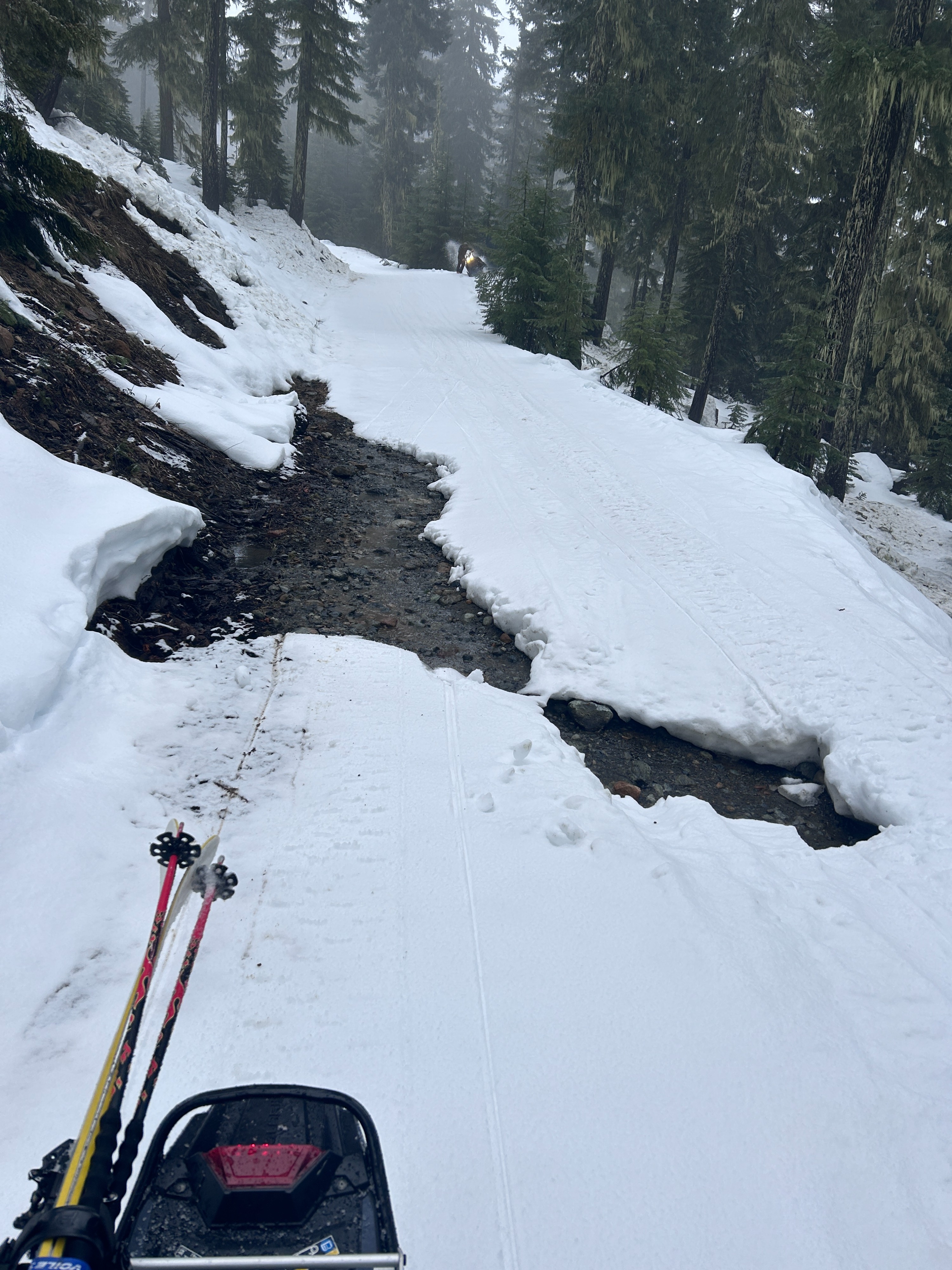
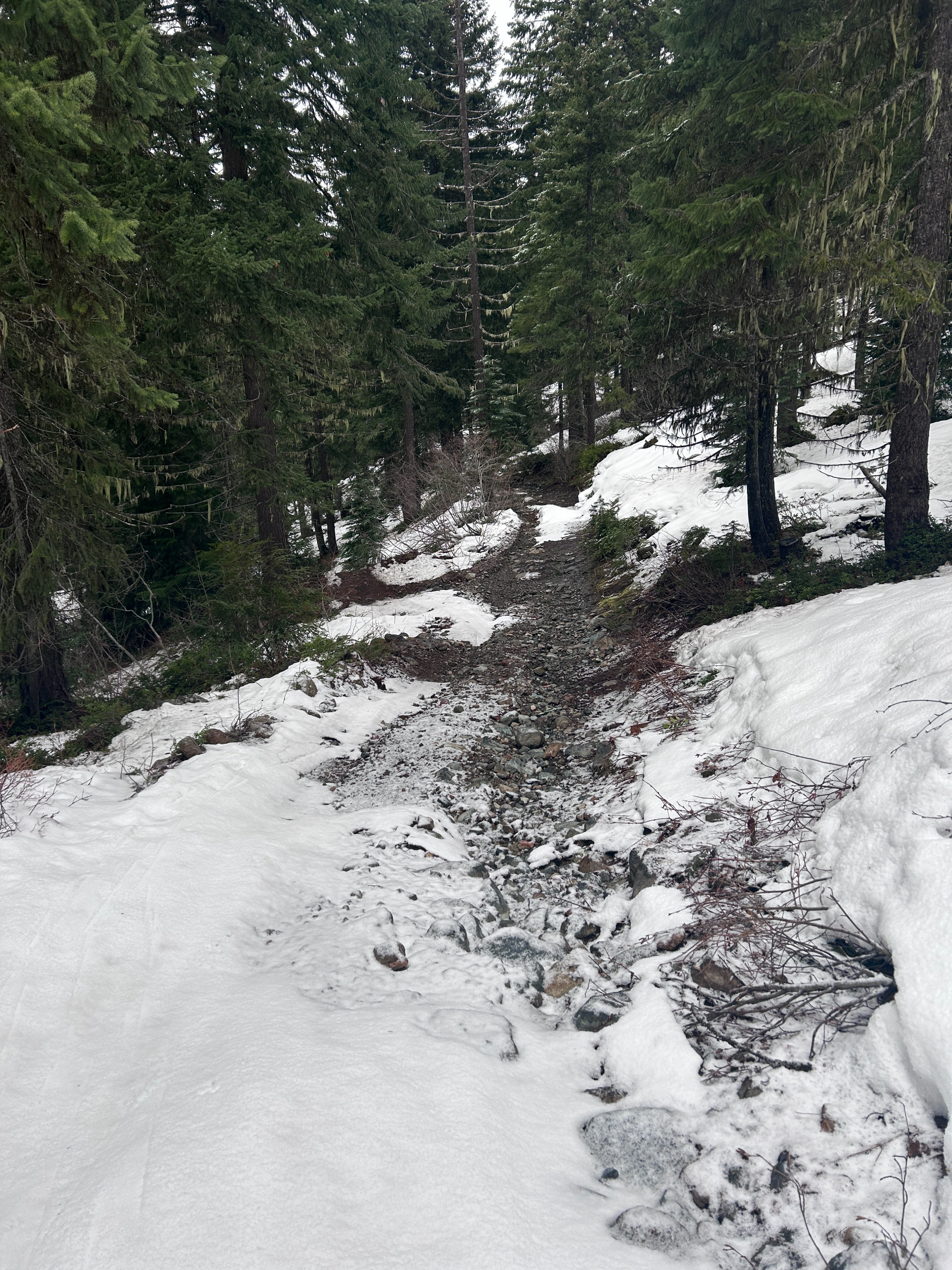
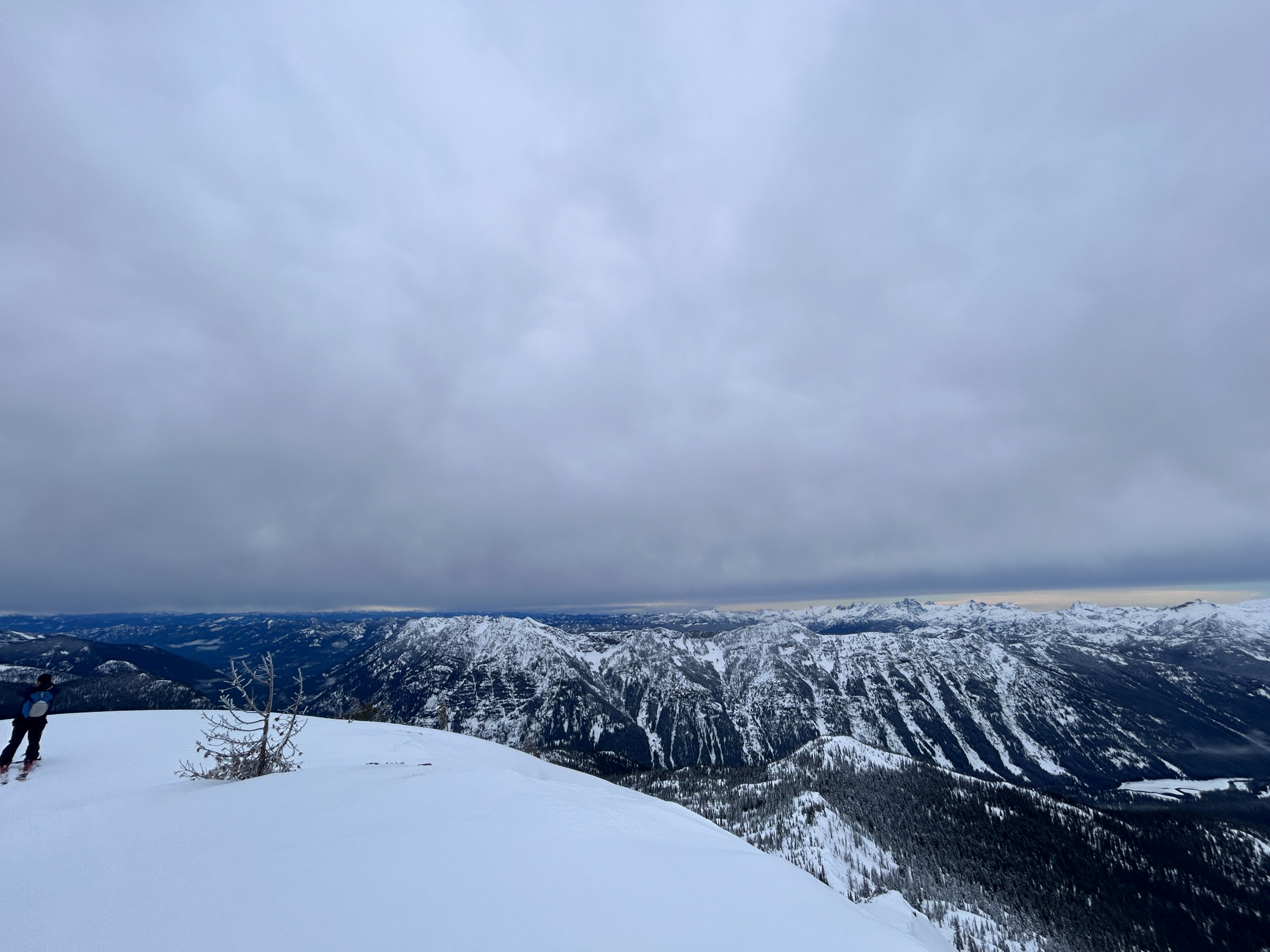
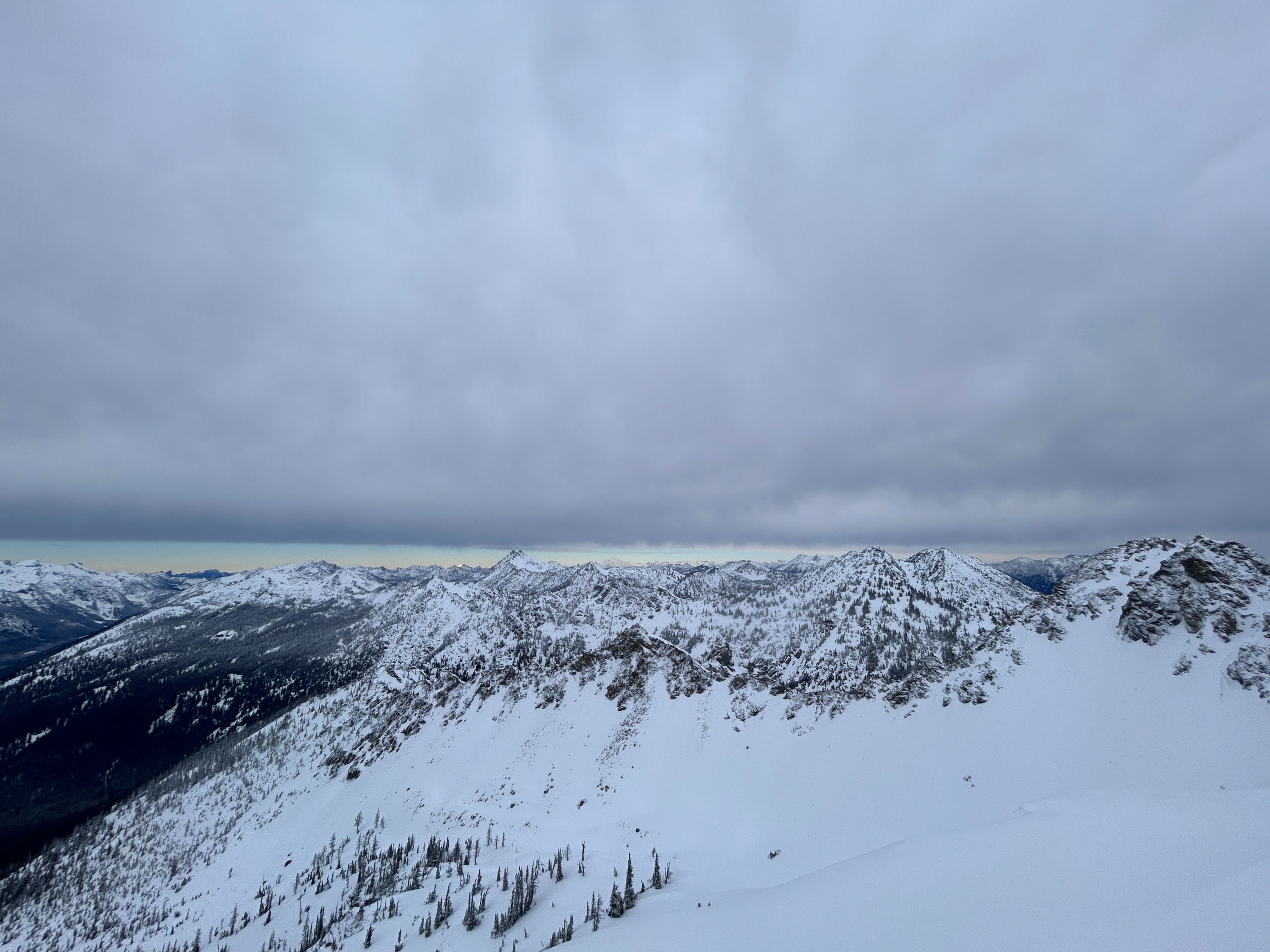
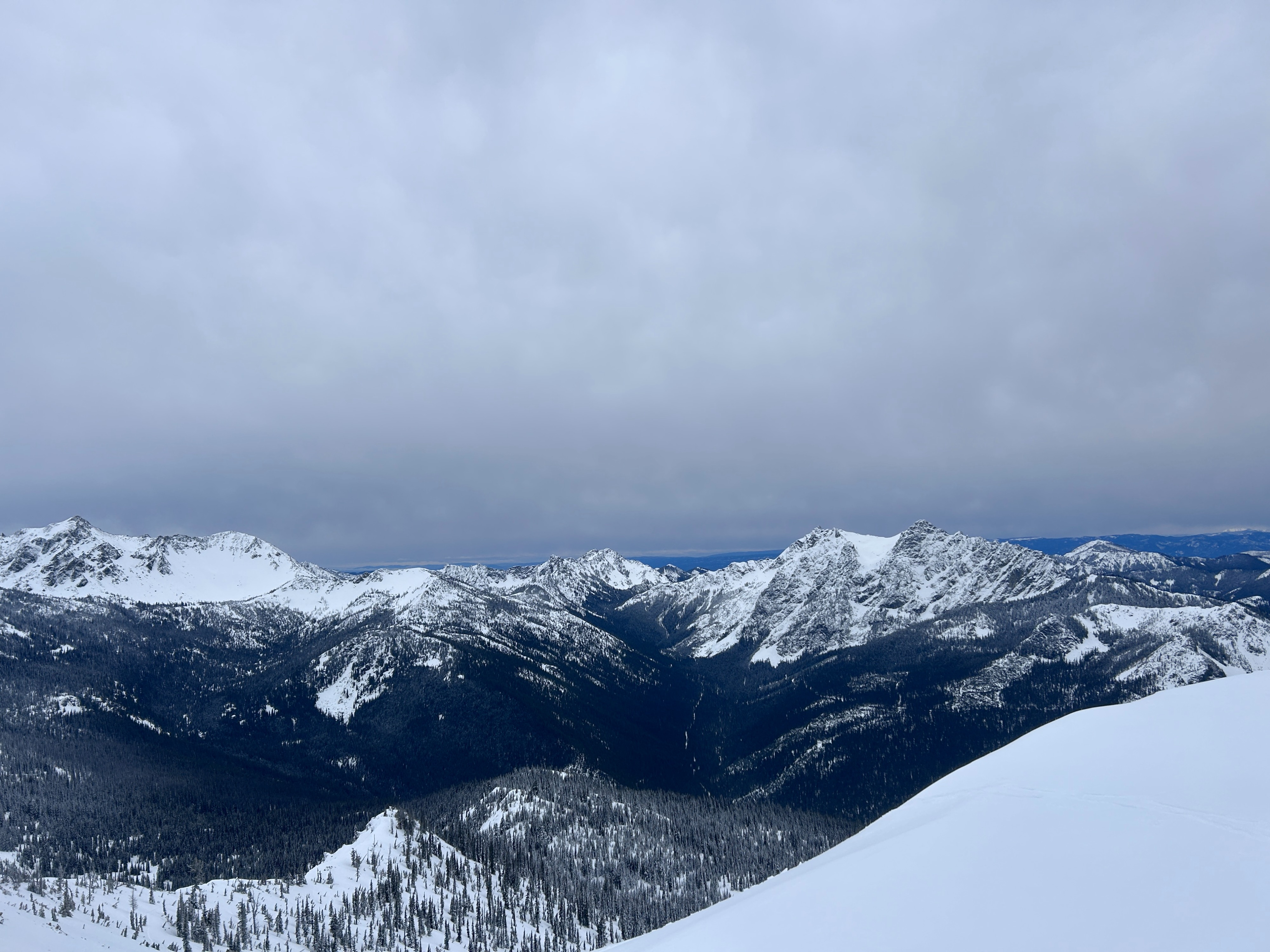
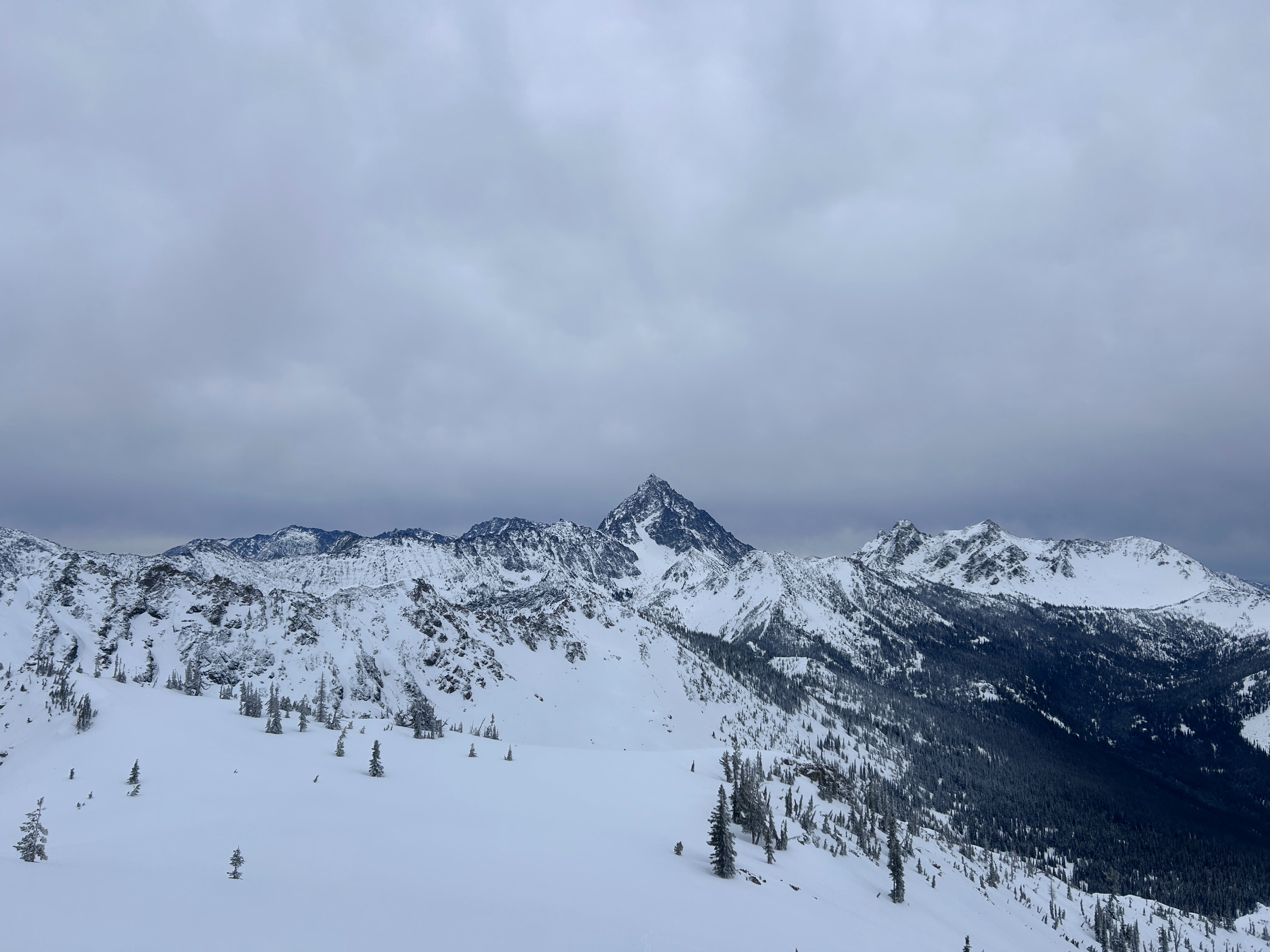
There is a stark difference between where you start your day and where you top out in the Salmon La Sac (and likely most other areas). We dealt with overheating sleds, patchy groundcover, open creeks, and walking with skis on our packs for the first half of the day. Once we got above 5000 ft, conditions completely changed to relatively pleasant winter travel. We even managed to get some rather decent ski turns in on our descent. Any new snow overlays crusts than grow in thickness and supportability as you gain elevation. They can be slick, and both humans and snow show some tendency to slide on them but for the most part, we didn't observe flashing red flags for wind loaded snow (and no humans were harmed in the making of this observation).
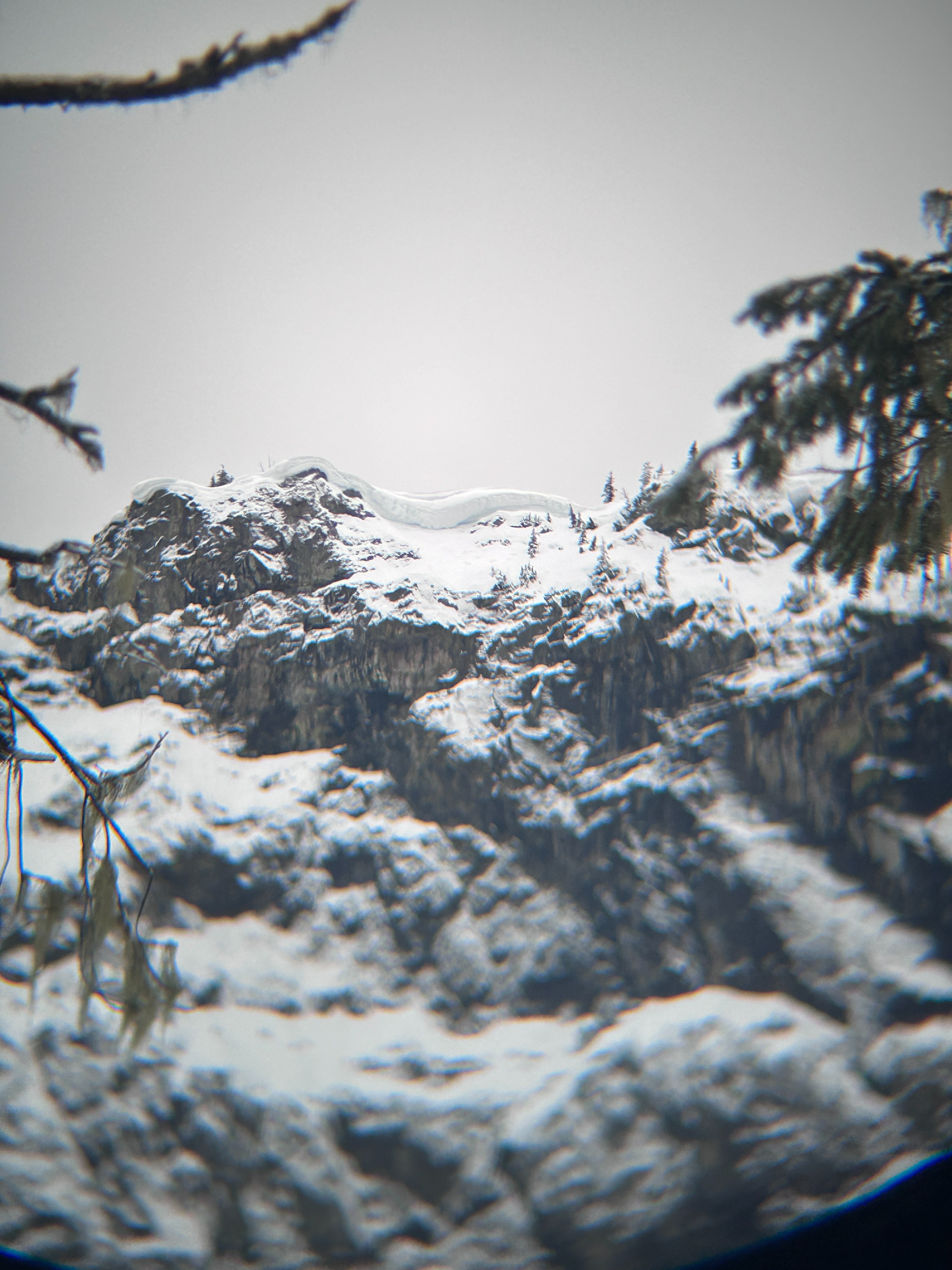
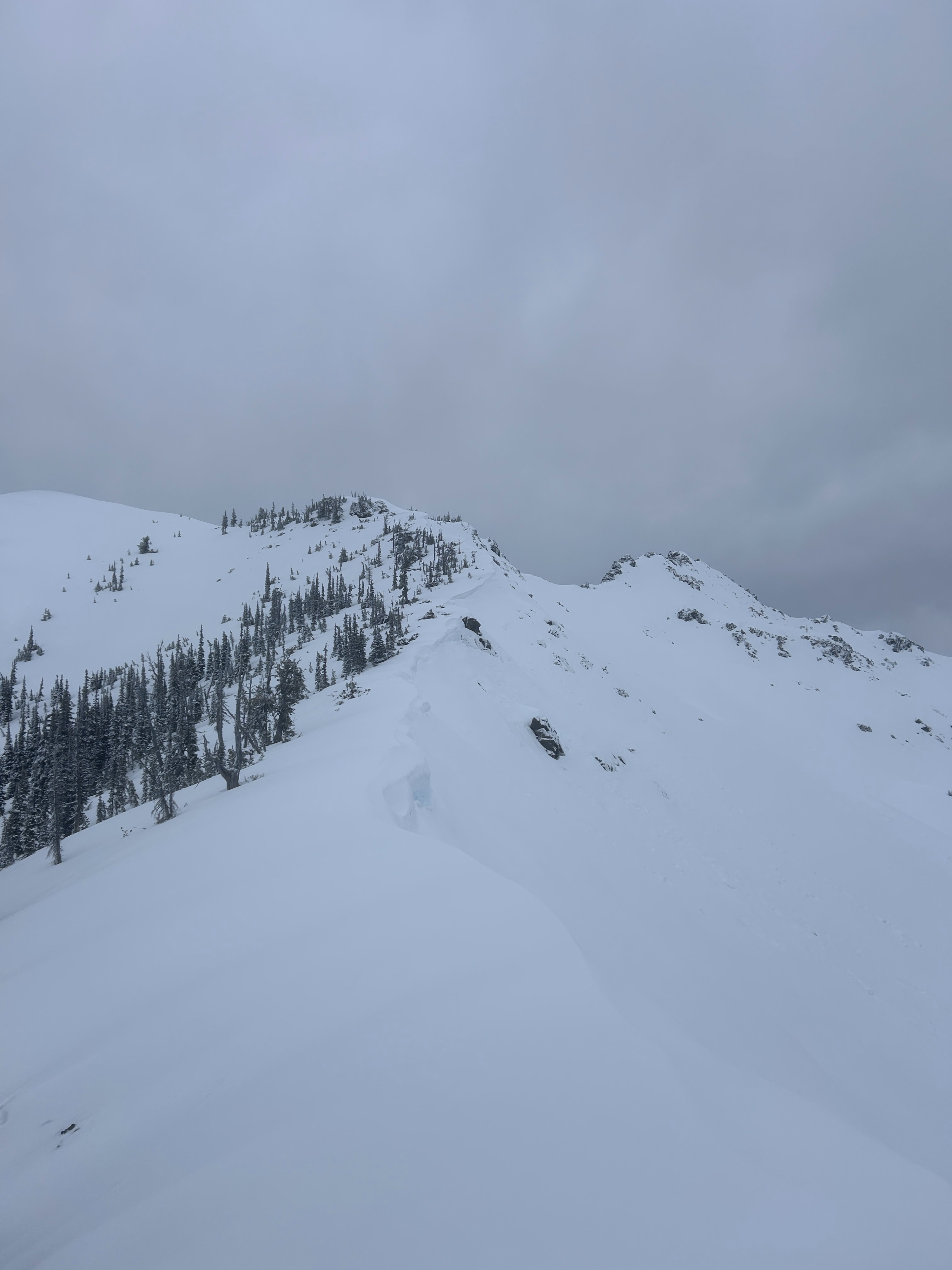
We got some stubborn cracking in unsupported, wind transported cornice development along the eastern side of an upper elevation ridgeline.Weather
- Air Temp
- 33
- Cloud Cover
- overcast
- Wind Loading
- previous
- Rain Elevation
- 4800
- Recent Snowfall
- 15
- Snow Avail For Transport
- small smounts
The truck read 33 degrees at the trailhead in the morning. Despite above freezing temperatures, the road was very slick with ice. Temps felt like they dropped a small amount as we gained elevation. The wind was calm and from the south, with a few light gusts. The truck read 37 degrees in the afternoon upon our return.
Snowpack
Lower elevations generally lack consistent snow coverage for on snow recreation. Especially south facing terrain, which unfortunately was the aspect we traveled on to get to our destination. Where there is snow, depths vary widely within a short distance, from a few inches to 80cm (31in). There is a thick and semi supportalbe crust in most places, and the snow below is moist.
Once we got above 5000 ft, conditions began to completely change from questioning whether or not winter really exists anymore to winter definitely exists, and it exists here. Surface crust supportability was variable. Most of the snow underneath was still moist. I dug a very quick hole in the snow on an east aspect at 5600 ft and didn't find any layers of concern.
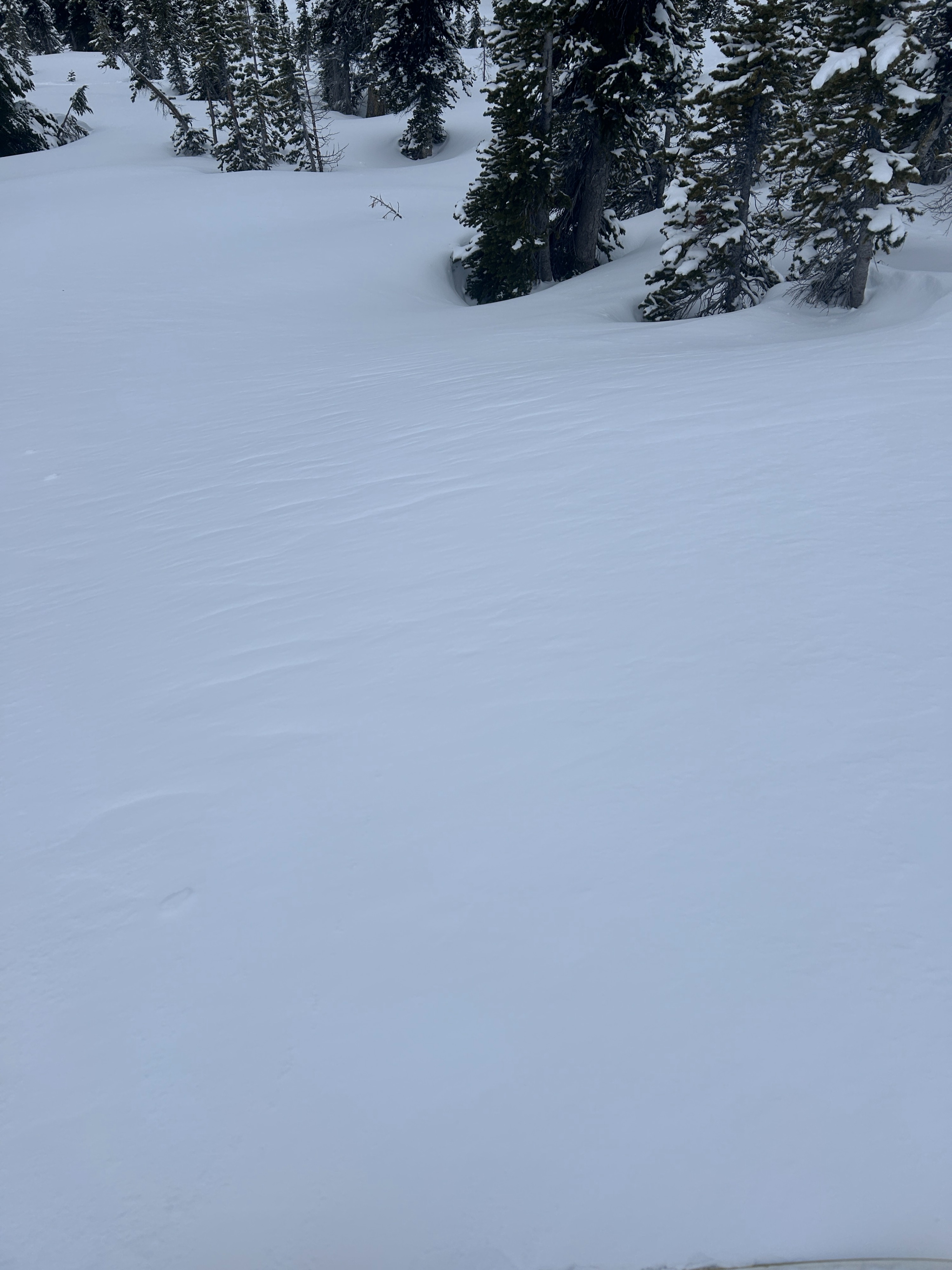
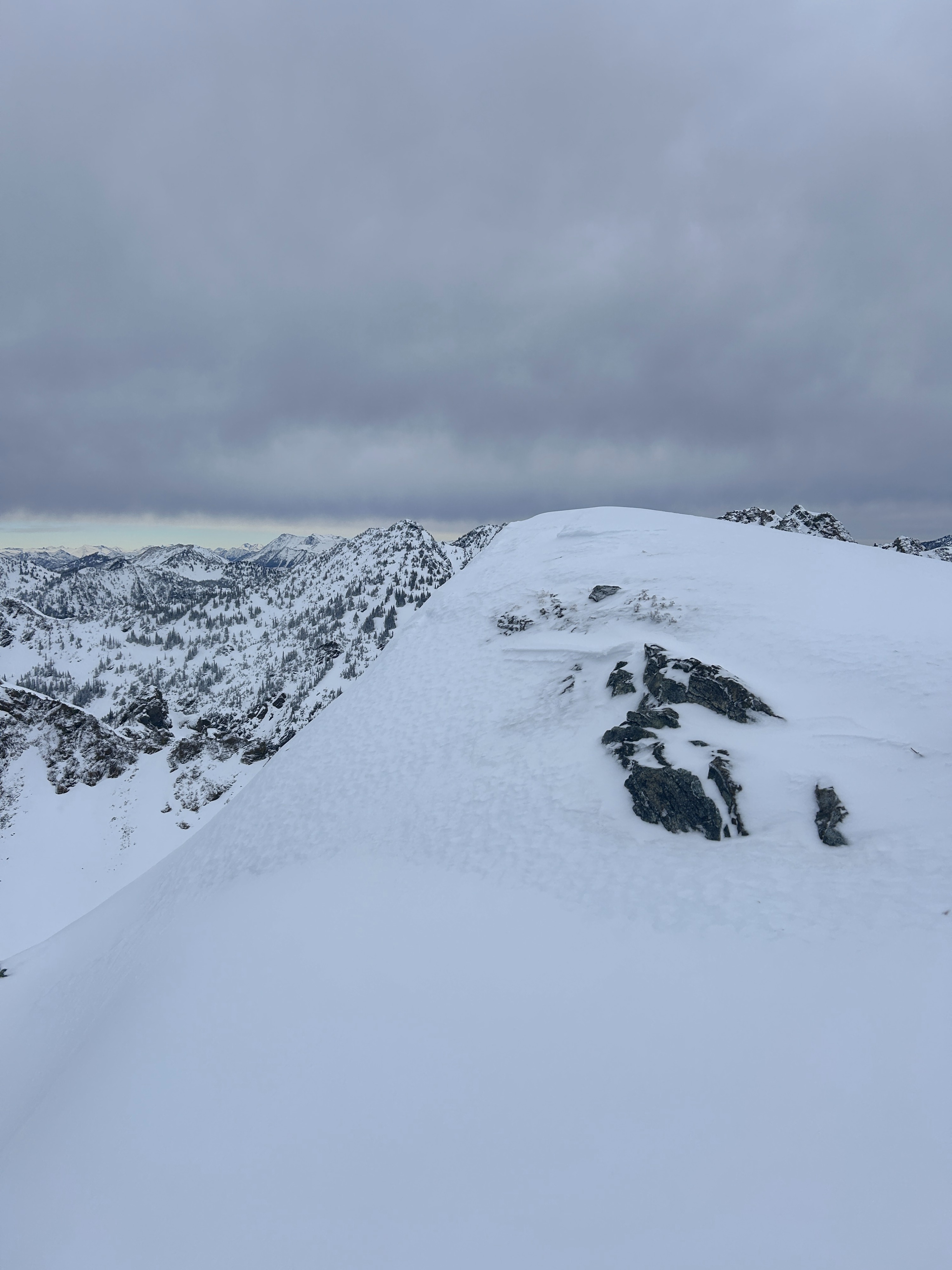
Once we gained a ridgeline around 5800 ft, the previous surface crust was very supportable and even slick. It made for trickier travel, oftentimes, and presented as more ice than crust in many locations. Any new snow had some obvious wind effect in exposed terrain, however it wasn't extensive. Only small indications, like slight density changes, slightly textured surfaces here and there, and small cornice development clued us in.
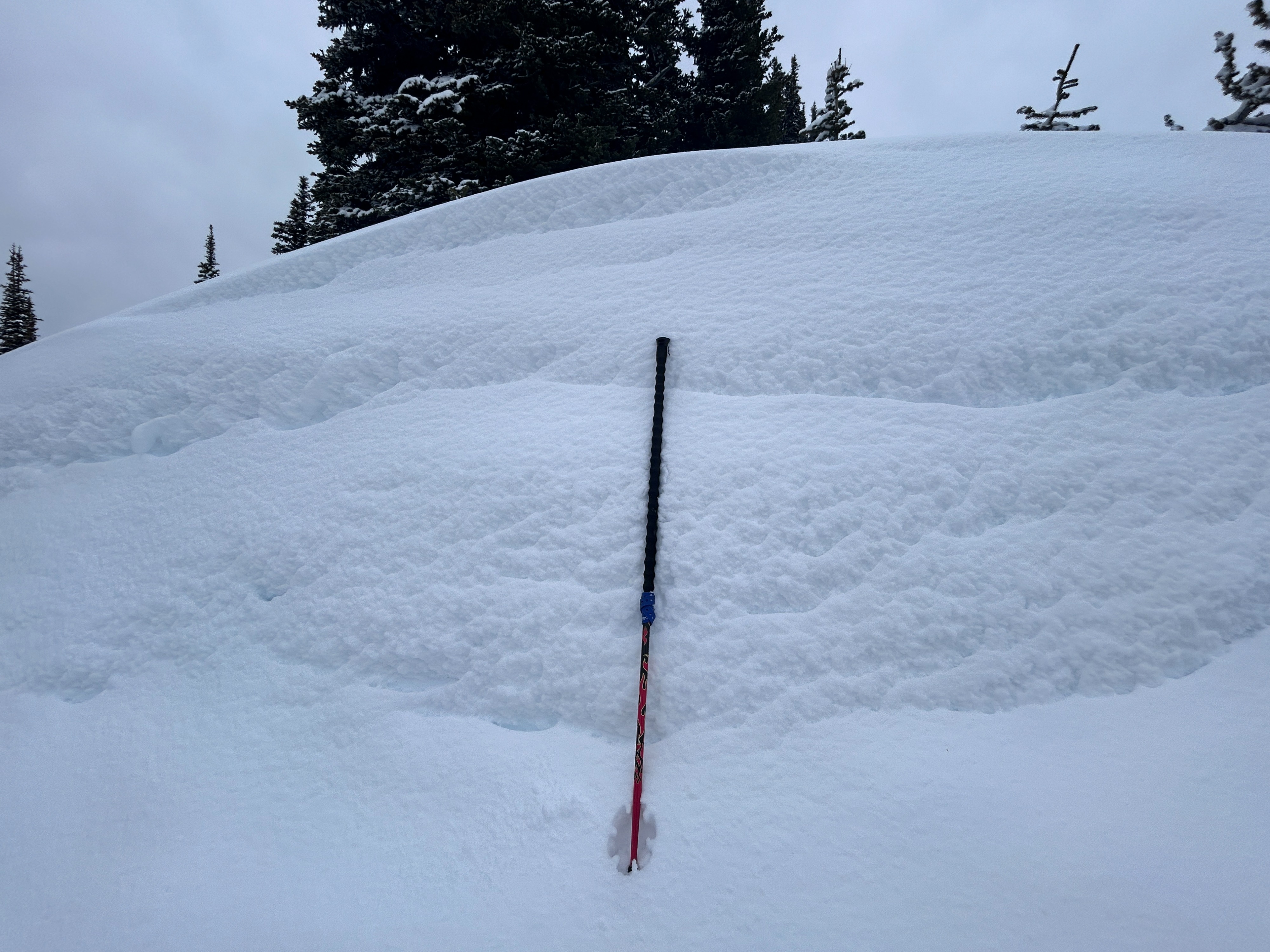
I dug a pit on a southeast aspect at 6890 ft. The depth of this pit was 212cm (83in). This area likely sees a lot of transport, and I don't believe this depth is necessarily representative of more sheltered slopes. I found 15cm of new snow overlaying a thick and supportable crust. Near the bottom of the crust, I found some snow that looked to be faceting, however it didn't make up a well defined layer. Further below was a good set up of pencil hard rounded grains and crust. I performed a compression test and got a resistant moderate result within the new snow (CT12PC down 10cm). All of the snow in this pit was dry.
Avalanche
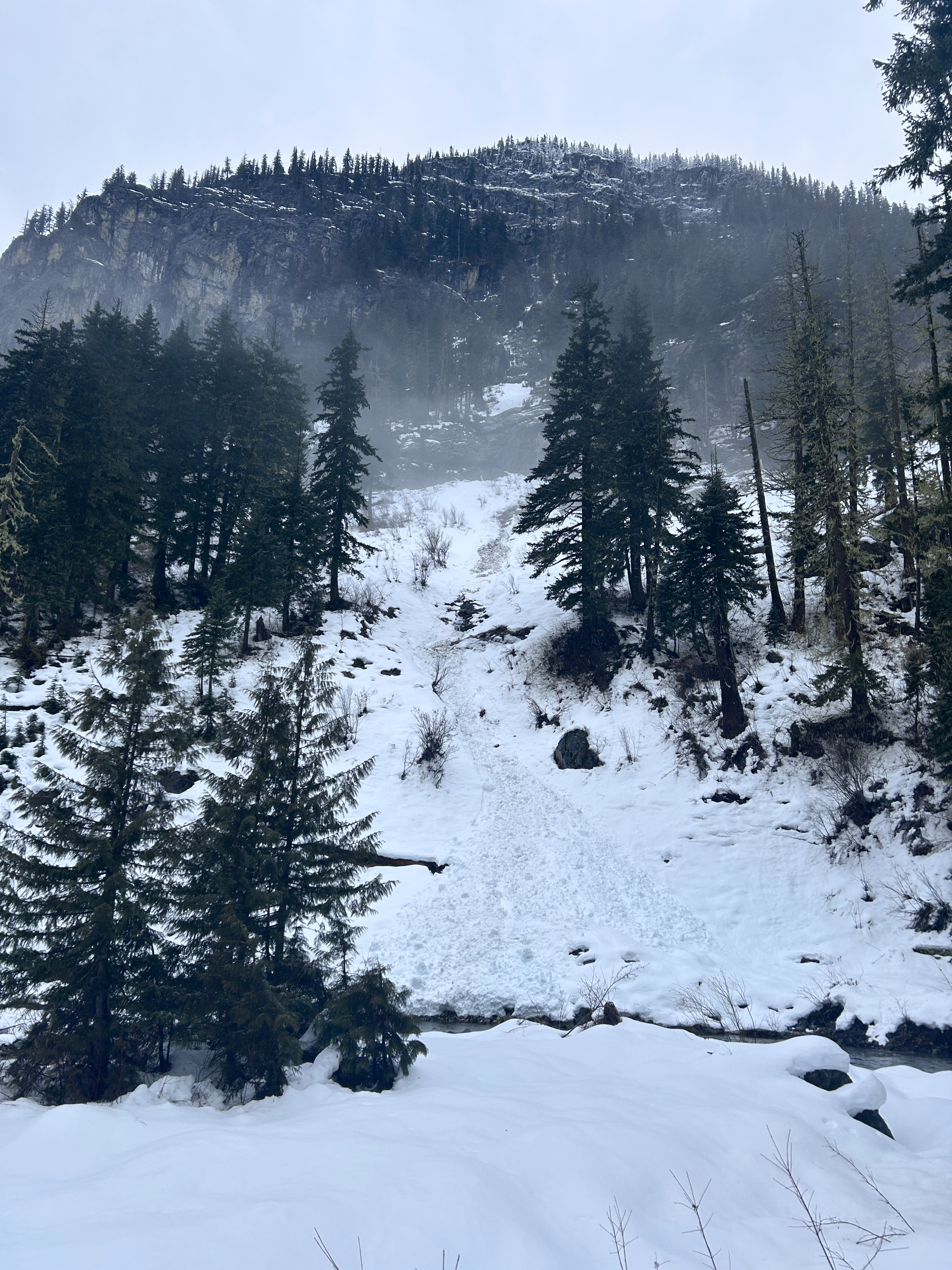
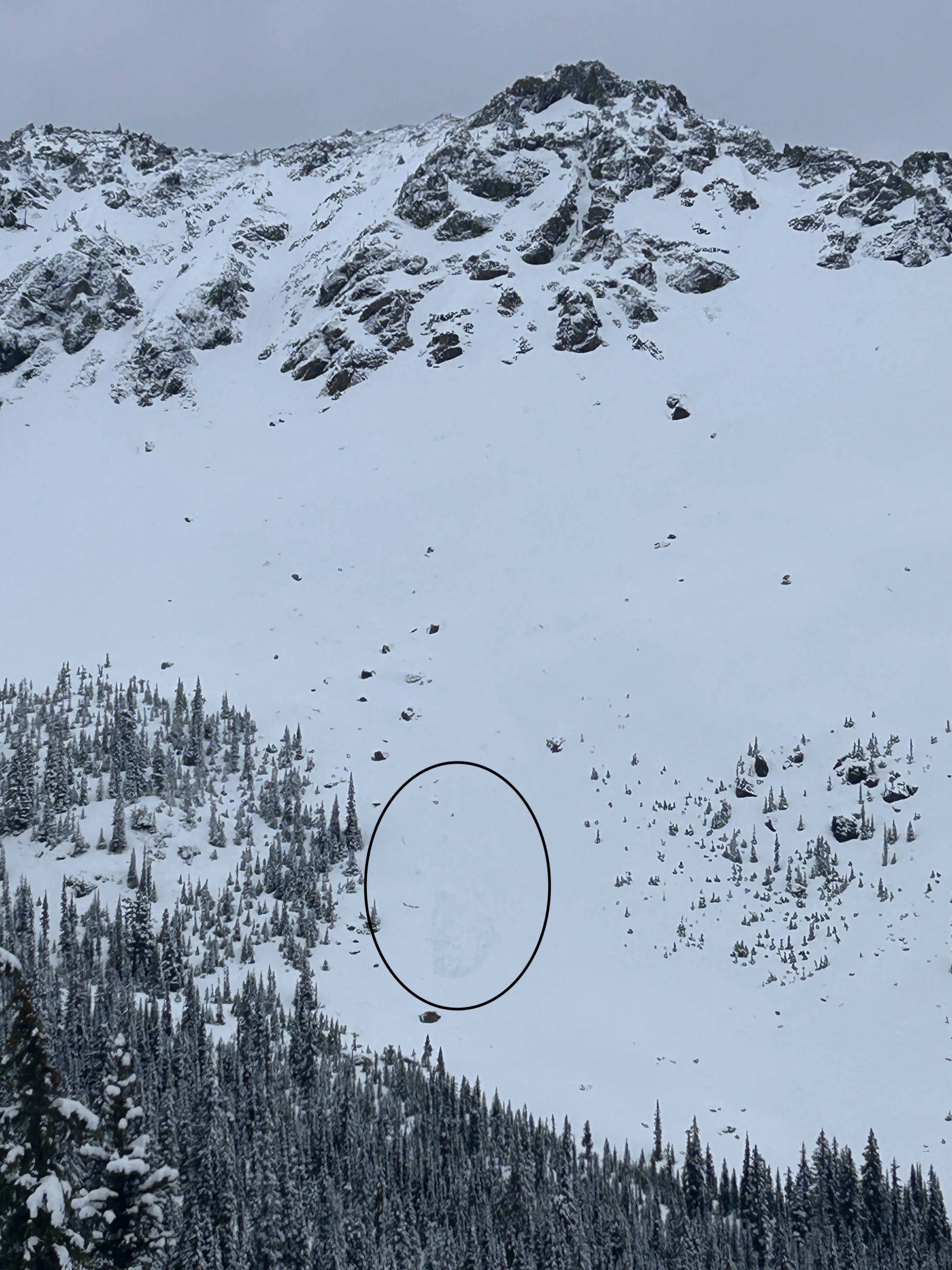
We observed a couple wet loose avalanches, but it is unknown when they released. One was on an east aspect at lower elevations in a frequent flyer gully, and the other was at upper/middle elevations on a west aspect.