
Quick report
- Cracking
- specific
- Collapsing
- specific
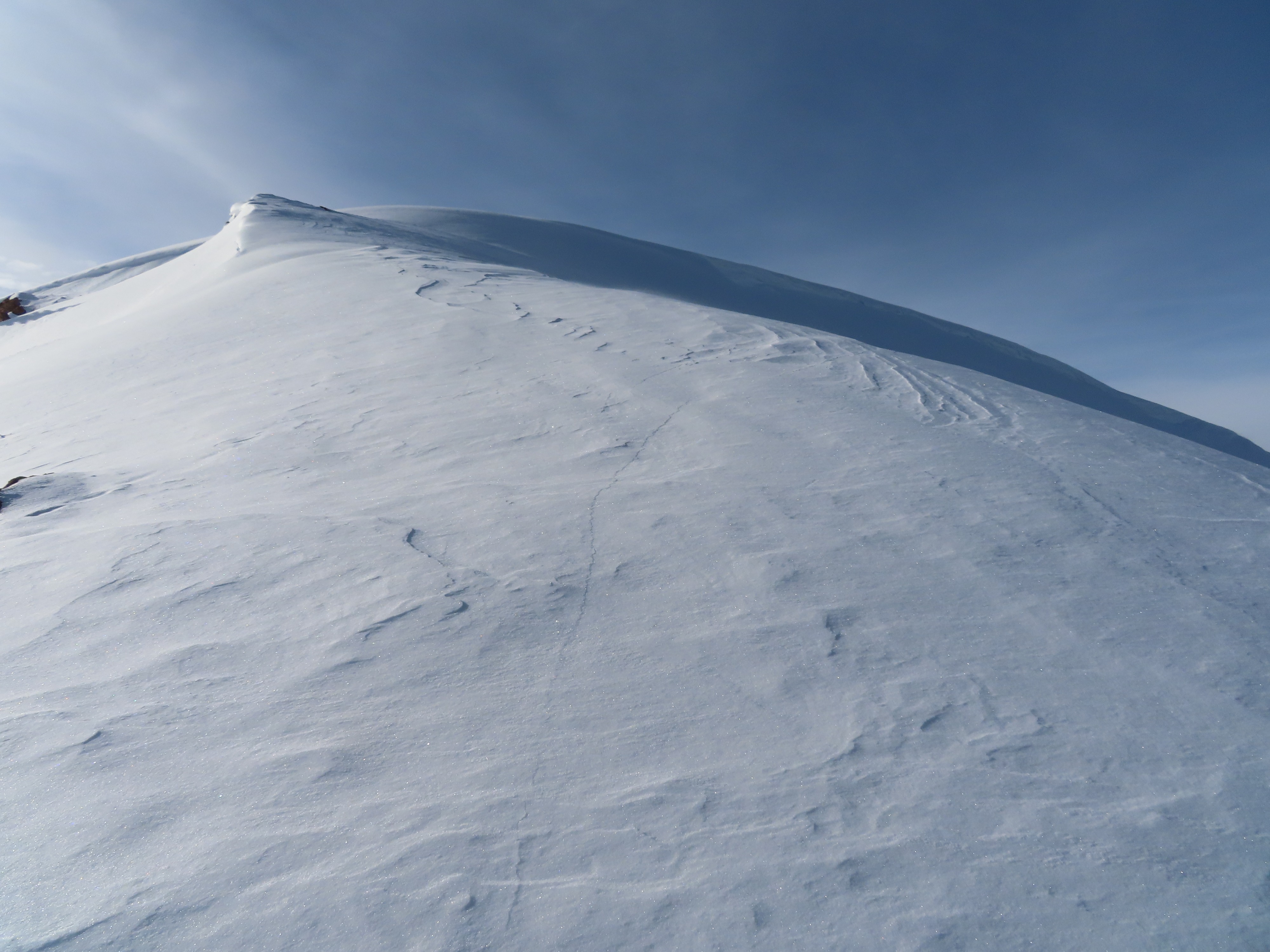
Frequent collapsing and propagating test results suggest that dangerous avalanche conditions exist in this part of the Southeast Mountains forecast area. Southeast slopes might produce an avalanche at upper elevations in well drifted areas but are less likely than east or northerly slopes where weak layers are large and well developed. We kept to simple terrain today and did not enter avalanche terrain on north or east aspects.
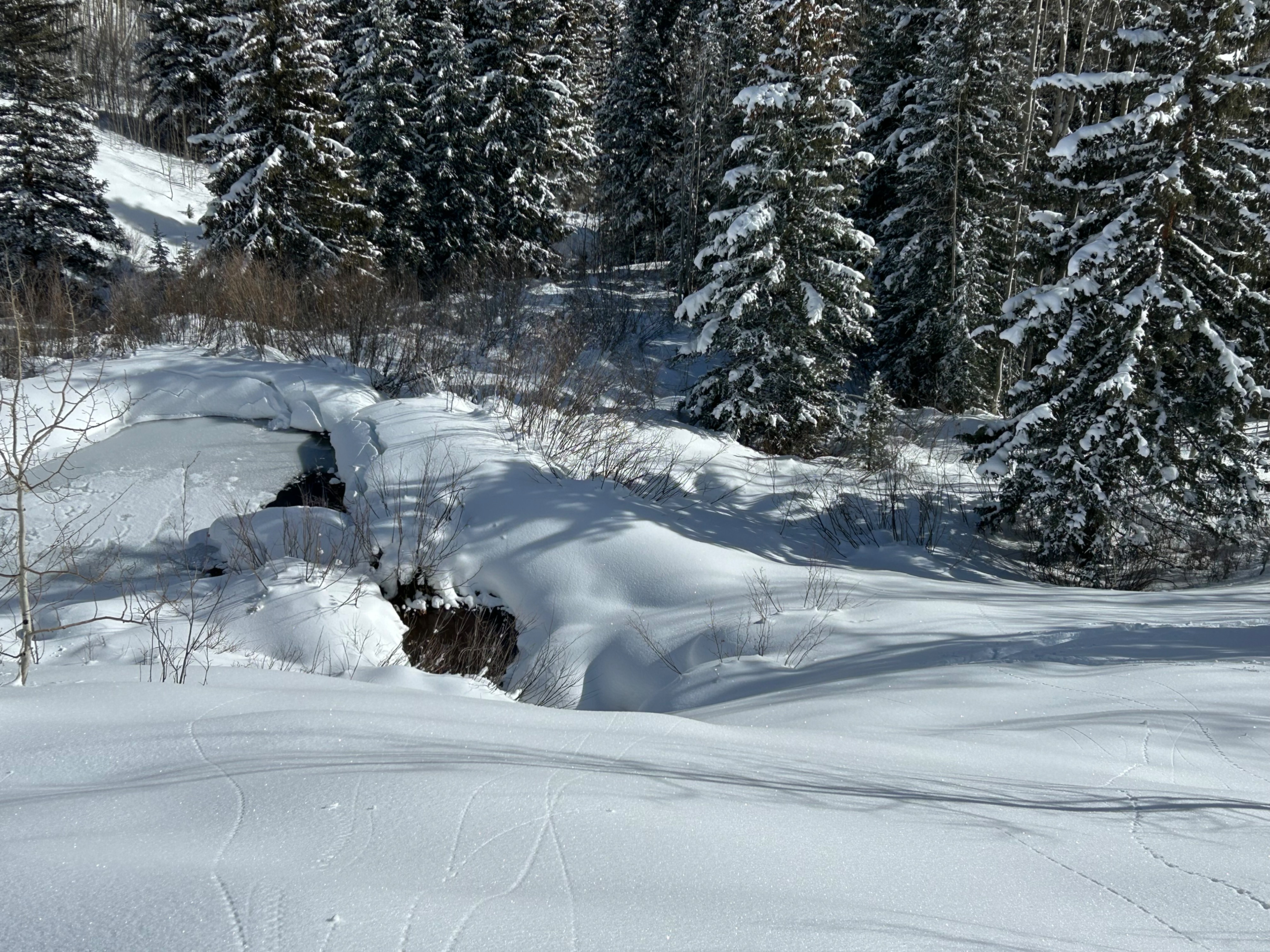
Collapsing was frequent on the tour. Low-angled south slopes collapsed, and east-facing terrain collapsed and cracked near and below the treeline. Several large collapses along shady east terrain just below the summit. Collapses would radiate across terrain features, from 30 feet to several hundred feet. Similar conditions to previous days.Weather
- Cloud Cover
- few
- Wind Loading
- previous
- Snow Avail For Transport
- small smounts
High, thin clouds moved in around midday. Temperatures were warm in the morning and cooled as high clouds limited radiation. Light westerly winds at summit.
Snowpack
Outside of the frequent collapsing, we dug test profiles on southeast and a northeast slope near treeline. On the southeast slope, we found 1 of 3 ECT to propagate on a thin layer of small facets above a stout crust. The facets were likely larger than other observations over the past week due to a shallower snowpack. On the northeast slope, we observed an ECTP 16 below the Holiday slab; this site was low-angled and contained the entire season's snowpack. The weak layer had large 2mm facets, yet smaller grains than the weak layer on most steep slopes where previous avalanche activity left the snowpack shallower.
Snow surfaces became moist on steep, sunny terrain today. Small surface hoar is present on shadier aspects to mid elevations.
Avalanche
- Size
- D2
- Type
- SS
- Count
- 13
- Aspect
- E
- Trigger
- N
- Elevation
- 12200 ft
A handful of large natural avalanches that appeared to fail with yesterday's snow/wind, along with some older avalanches that ran during the weekend or Monday's wind event. These were mostly on wind drifted slopes, the Cement Creek area saw fewer natural avalanches below treeline. Avalanche activity continues to fit the patterns that we have been observing, with a slight uptick in southeast aspects above treeline where we suspect these recent avalanches broke from wind drifting onto the small-grained facets above the stout Christmas crust.