
Quick report
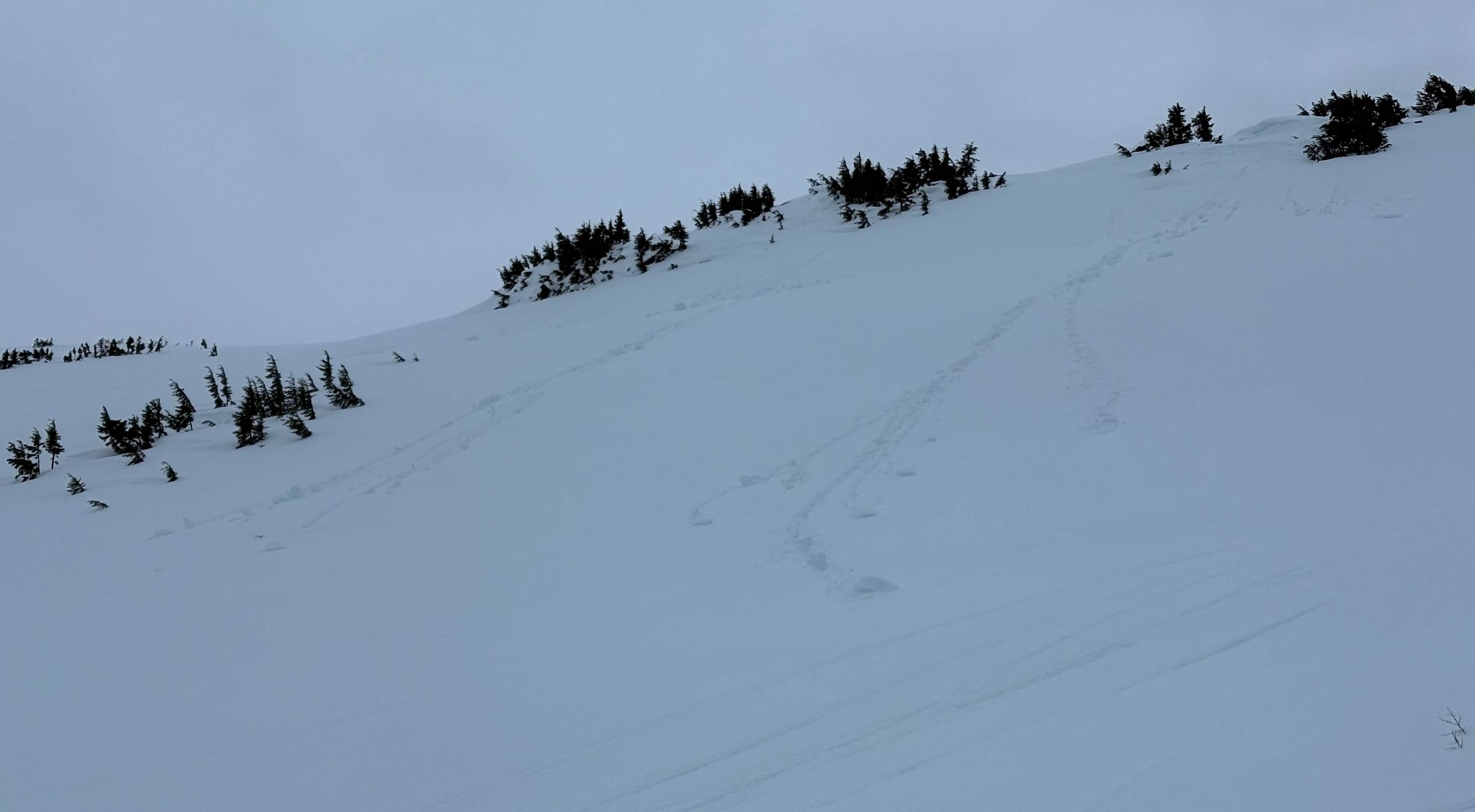
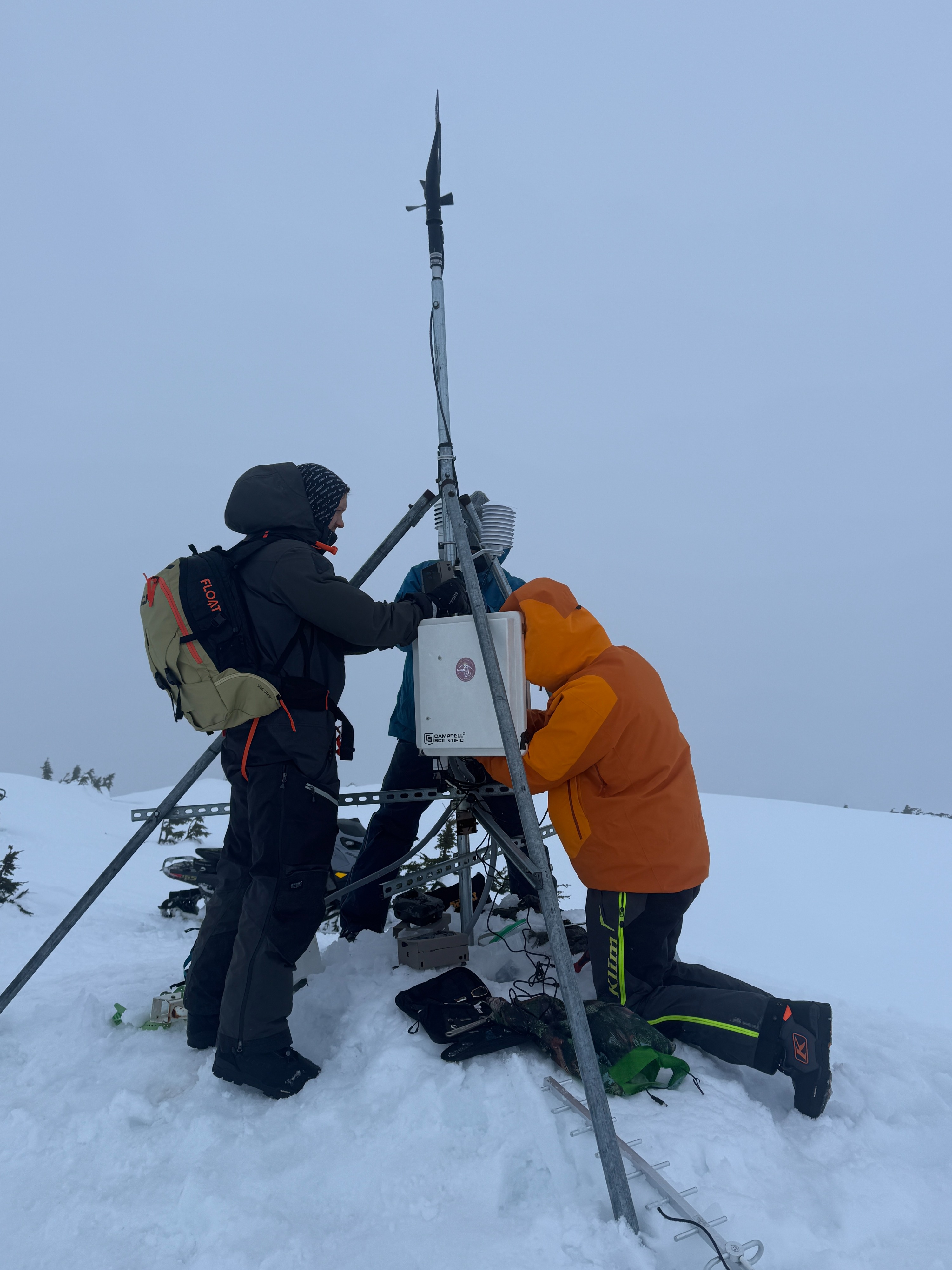
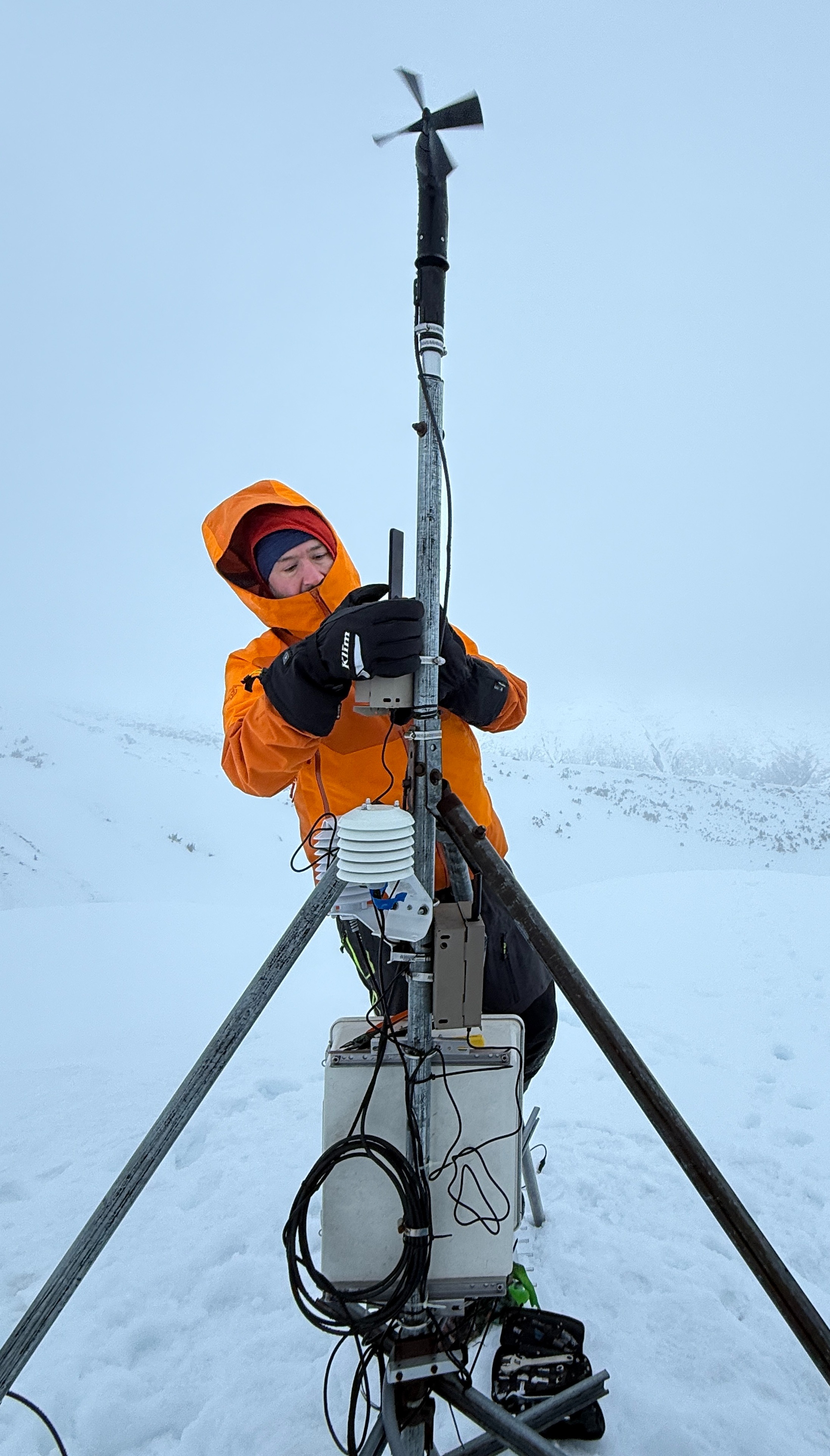
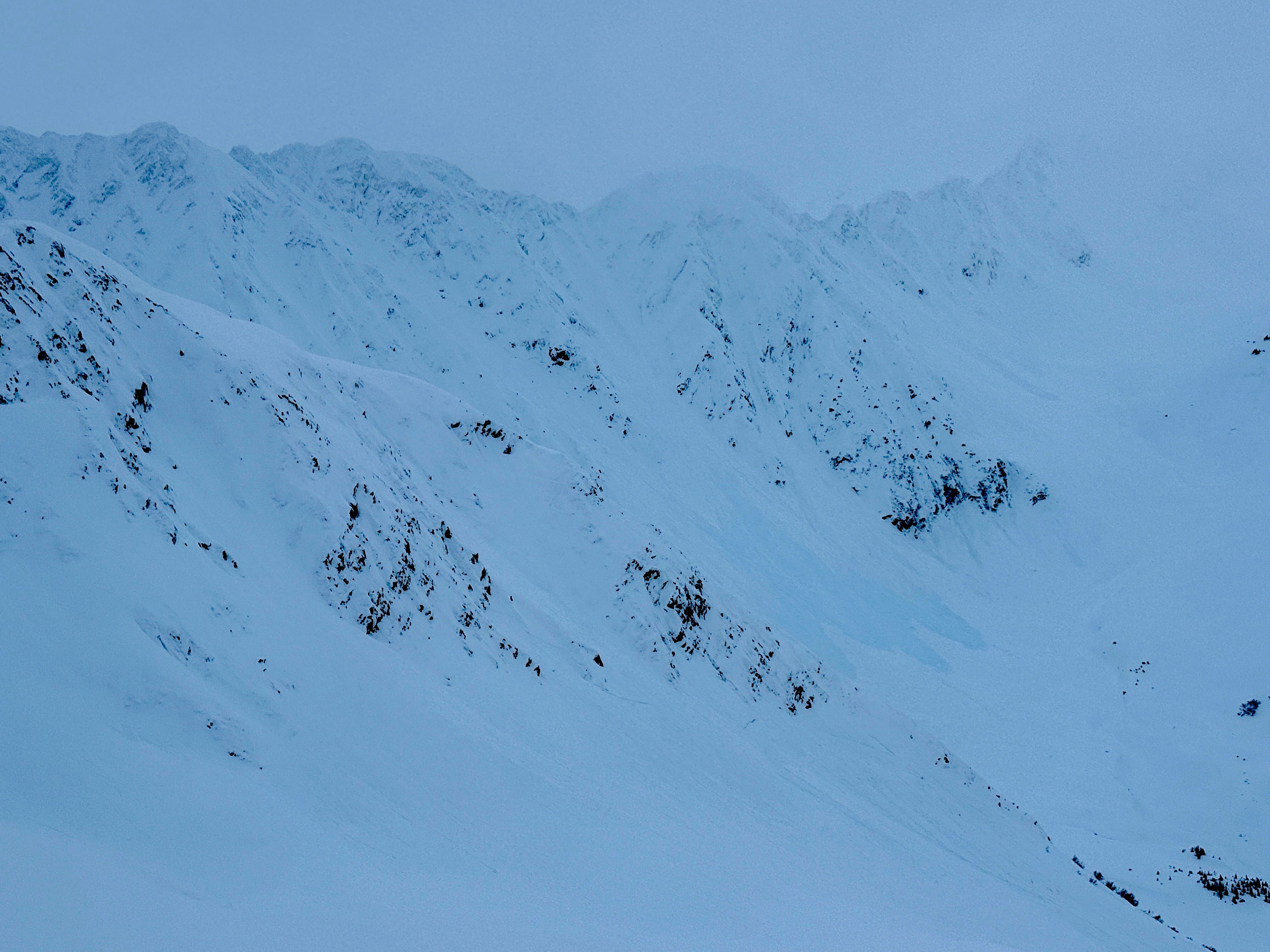
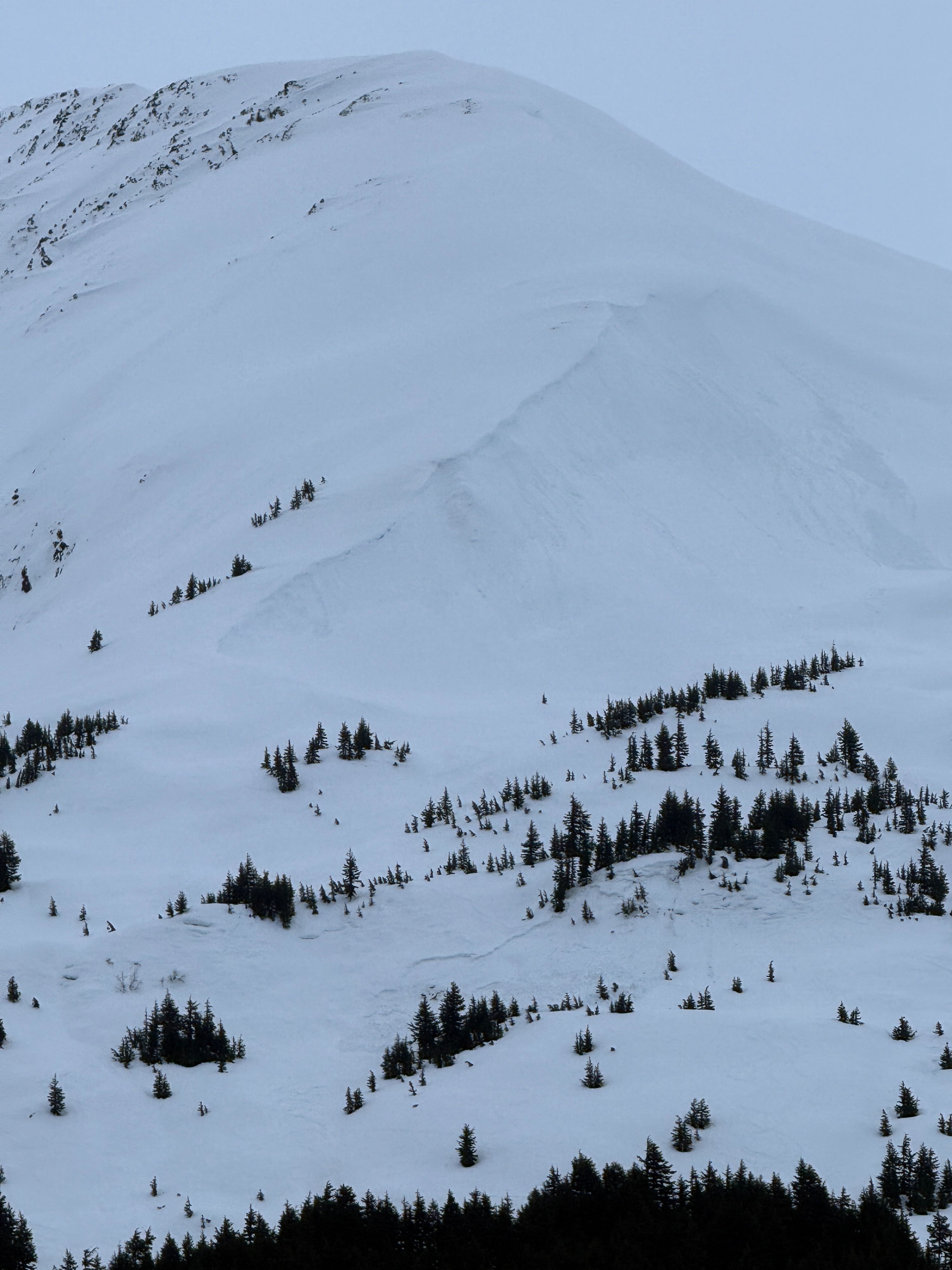
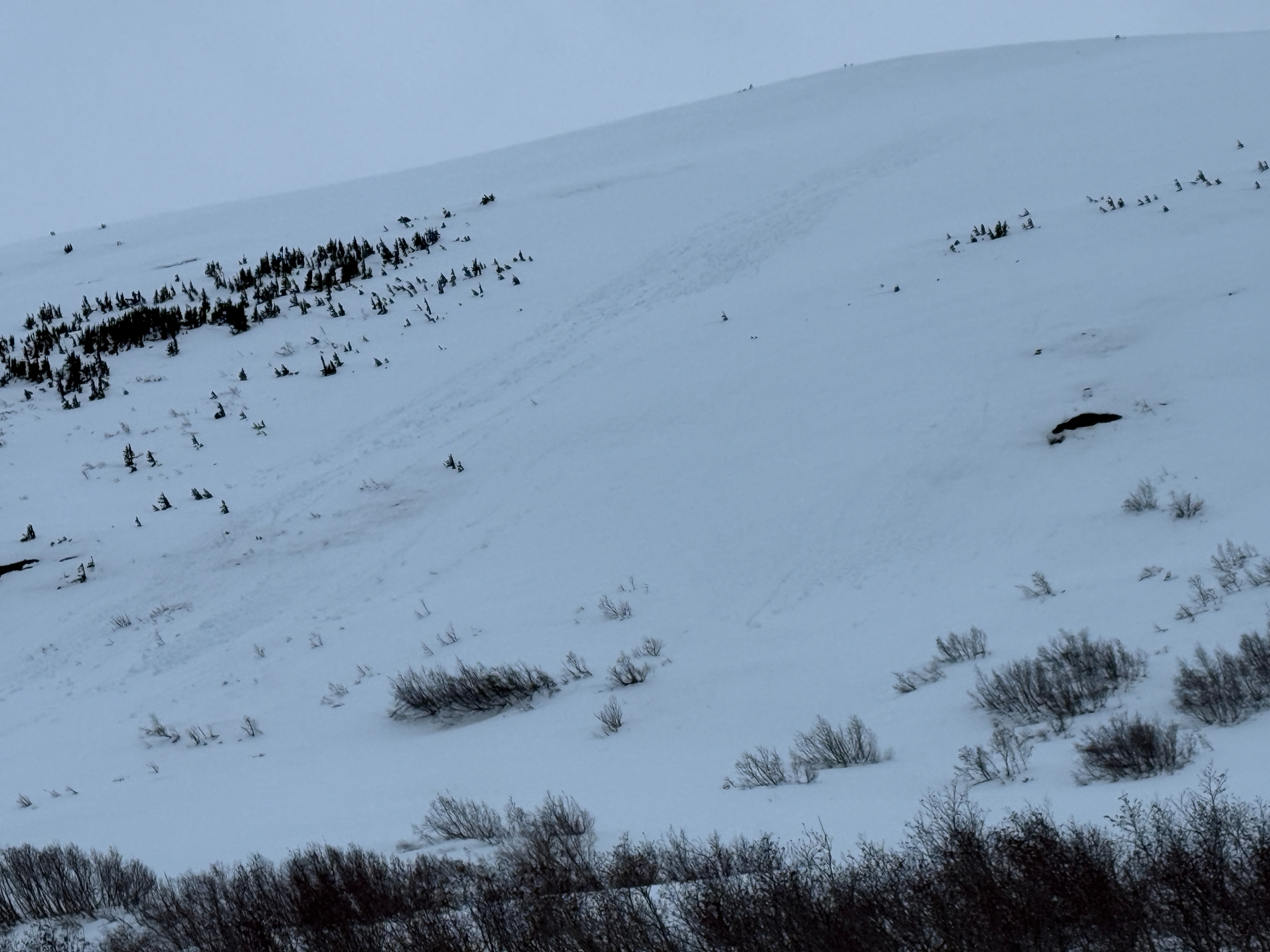
We started the day by riding to the Seattle Ridge weather station to complete repairs before continuing to Triangle Bowl to dig snowpits. During our travel, we observed debris from natural avalanches in Tincan Trees, and Todd's Run across the valley and in Warm-Up Bowl, Seattle Headwall and Pyramid on our side of the highway. We also observed widespread loose wet avalanche debris at both mid and upper elevations. In addition, we saw debris piles in many surrounding valleys, although it was difficult to determine what was from January 29 versus what may have slid in the past 24 hours.
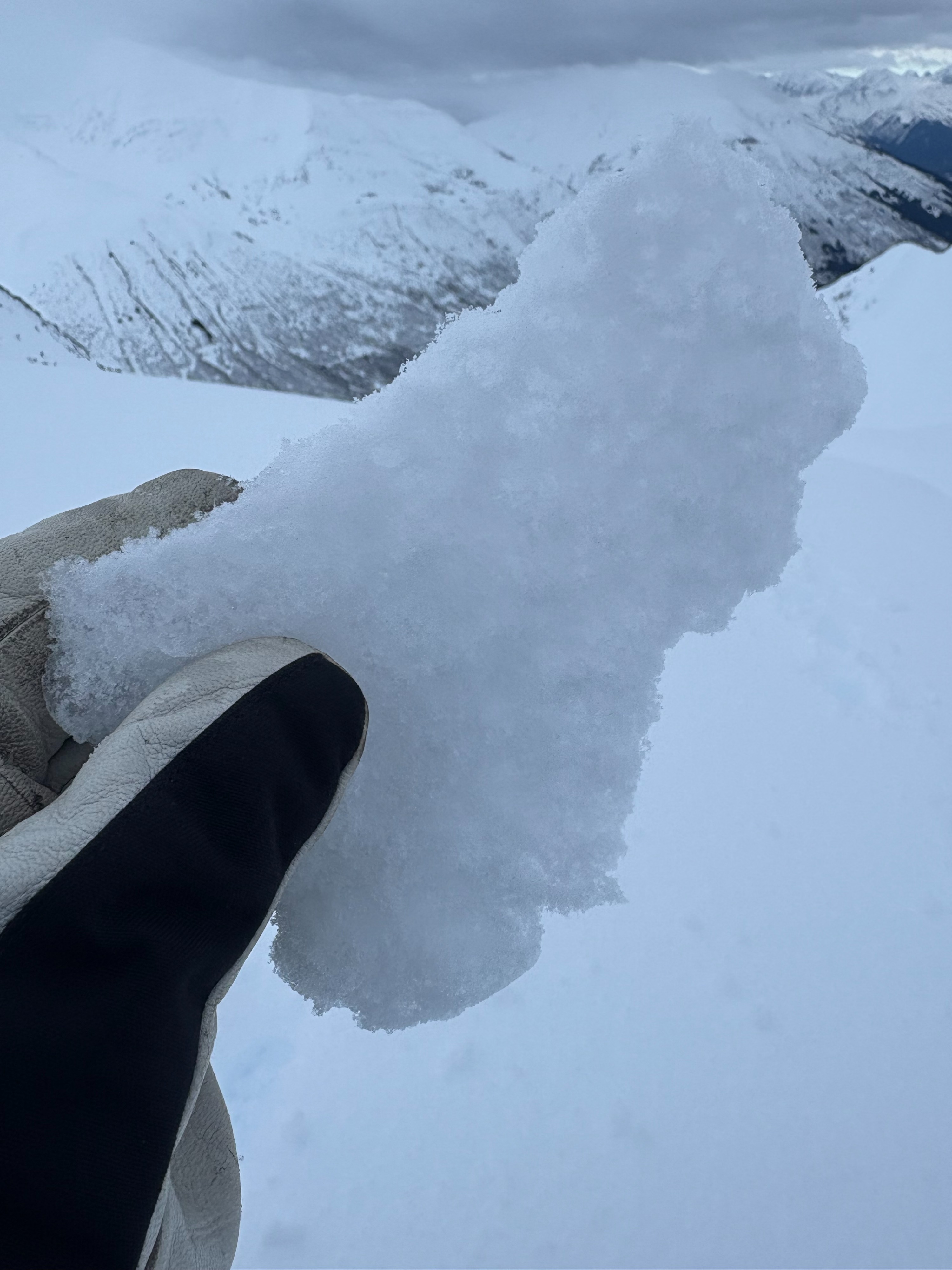
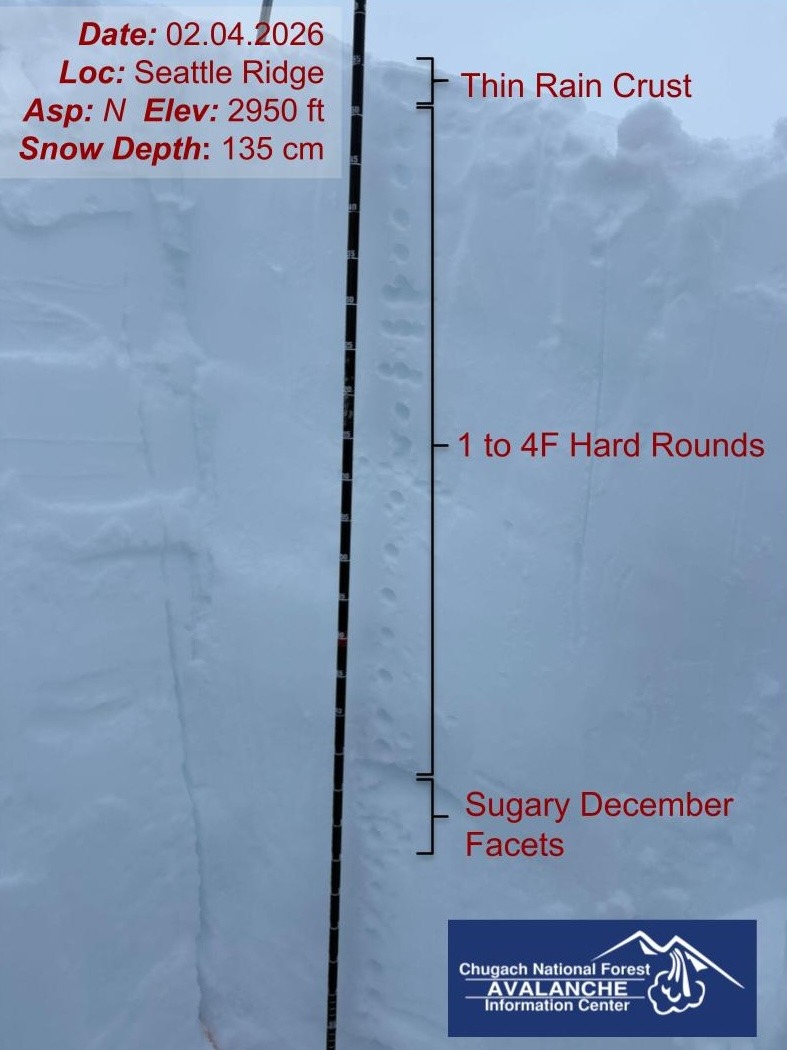
Around 2,600 ft, we encountered a breakable 1–3 cm rain crust. Below this elevation, the snow was soft and moist and had not yet refrozen. This rain crust persisted up to our highest observed elevation near 3,200 ft. While this recent warming and rain have not produced great riding conditions at these elevations, they are beginning to noticeably affect the snowpack structure.
We dug a snowpit on a north aspect at 2,950 ft near Triangle Bowl and found the December facets were 80–100 cm deep and showed signs of rounding and healing. Our snowpack tests indicated this layer is becoming more stubborn, as it did not propagate during Extended Column Tests and only failed after repeated stomps on the shovel well beyond the energy of the standard test. While this layer remains a concern and still shows some weakness, it appears to be trending in a more stable direction.
Weather
- Cloud Cover
- overcast
- Wind Loading
- none
- Rain Elevation
- 3000 ft +
- Snow Avail For Transport
- small smounts
Conditions at elevation were warm and windy. Clouds began lifting in the late afternoon and we could see many of the surrouding peaks.
Snowpack
We dug two snowpits on a north aspect at 2,950 ft near Triangle Bowl. Total snow depth varied from 220 cm to 135 cm. In both pits, we found our weak, but slowly healing December facets 80–100 cm down. The facets are trending in the right direction, showing signs of rounding, although they remain sugary and easily identifiable in the pit wall. We did not record any unstable ECT results in either pit, although propagation on this weak layer occurred after the standardized ECT test when we stomped down on the shovel a few times.
Avalanche
We observed widespread loose wet avalanches at both mid and upper elevations. We also saw numerous slab avalanches, although many crowns were difficult to distinguish in today's lighting. Avalanches ranged from D1 to D2 in size. Most of these slides likely occurred within the last 24 hours due to warm temperatures and wet snow or rain.