
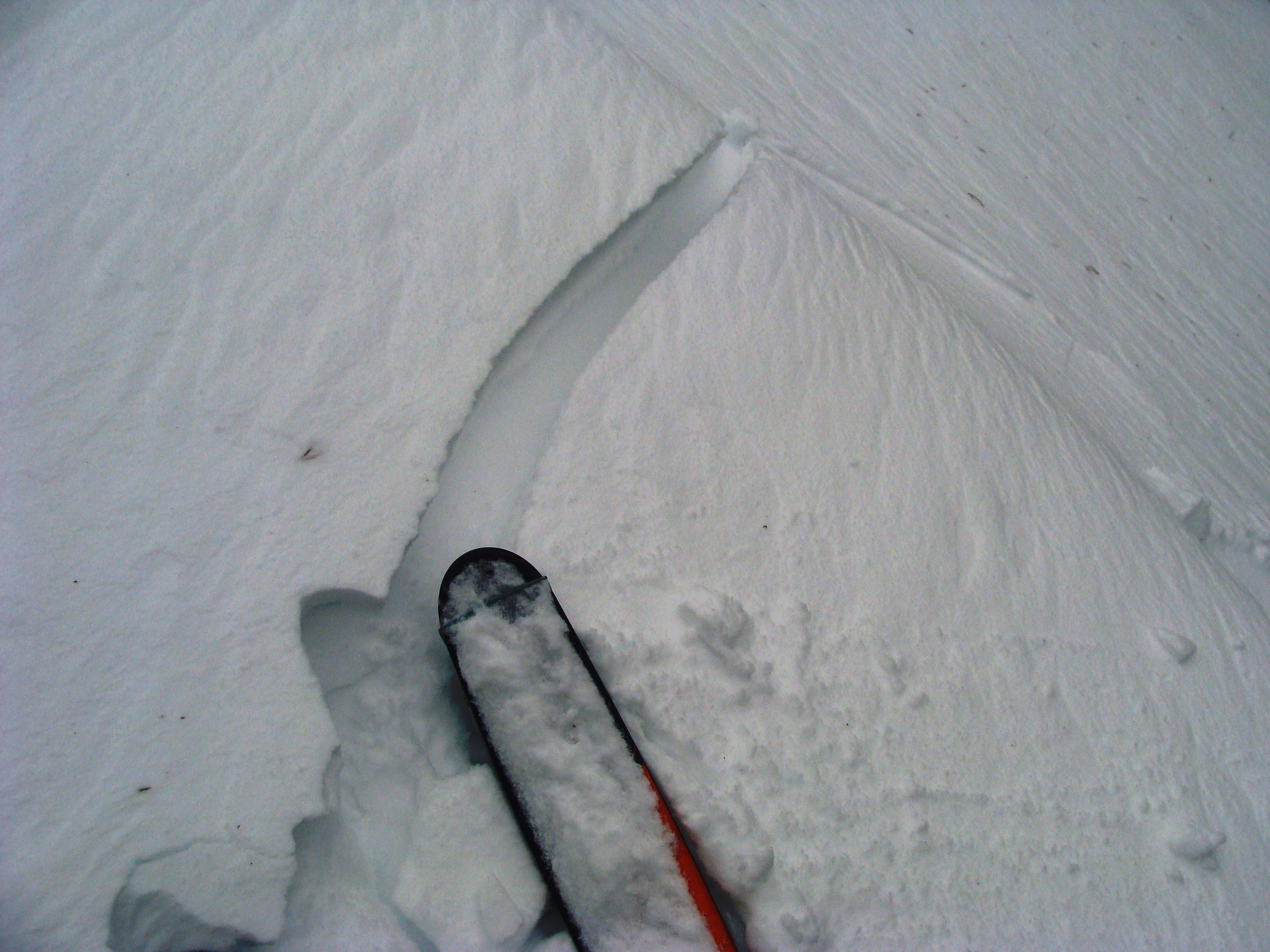
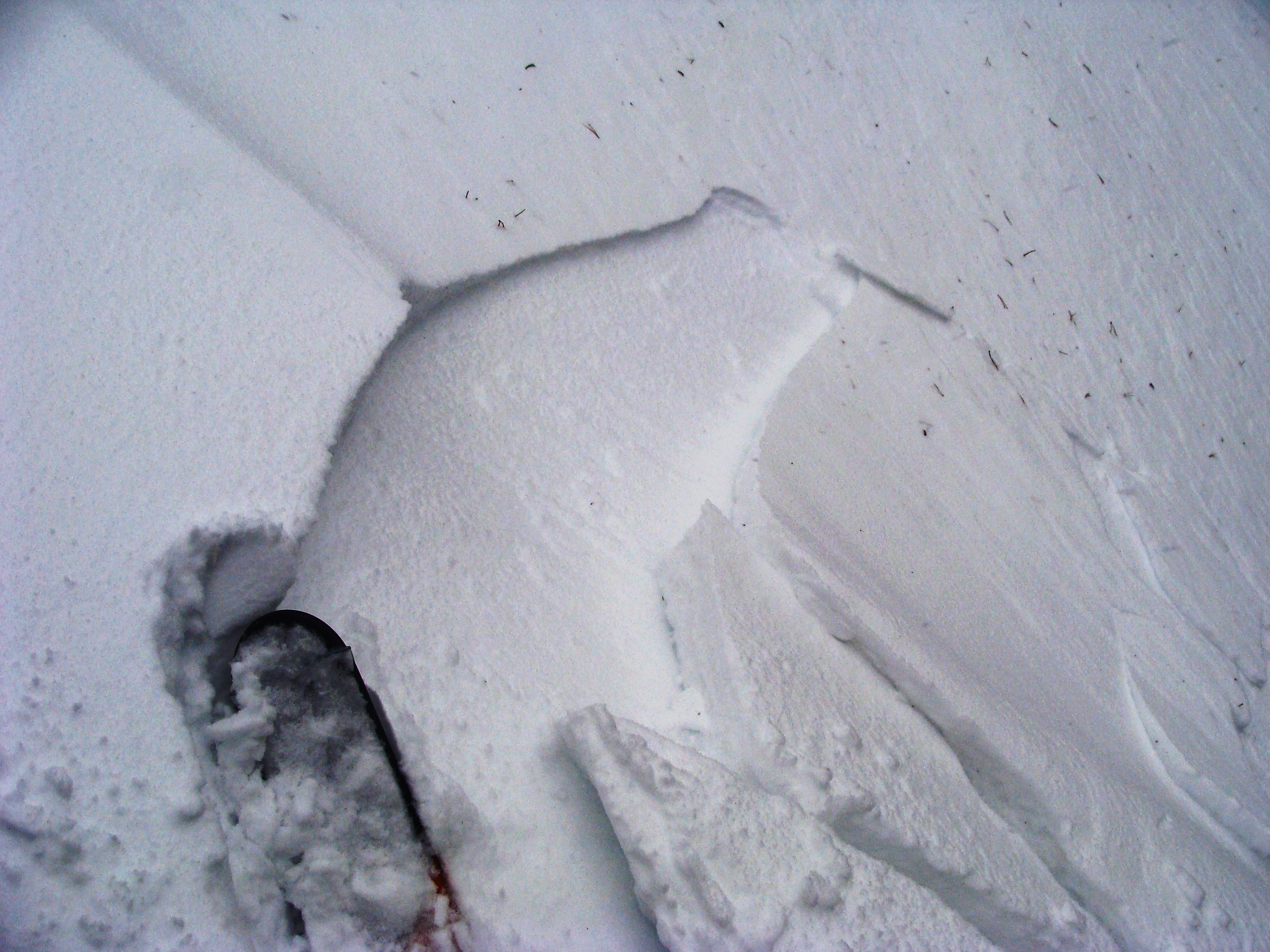
Quick report
- Cracking
- specific
- Collapsing
- isolated
I wanted to monitor wind slab and cornice development, so I chose the east end of John F Stevens Canyon, which often delivers.
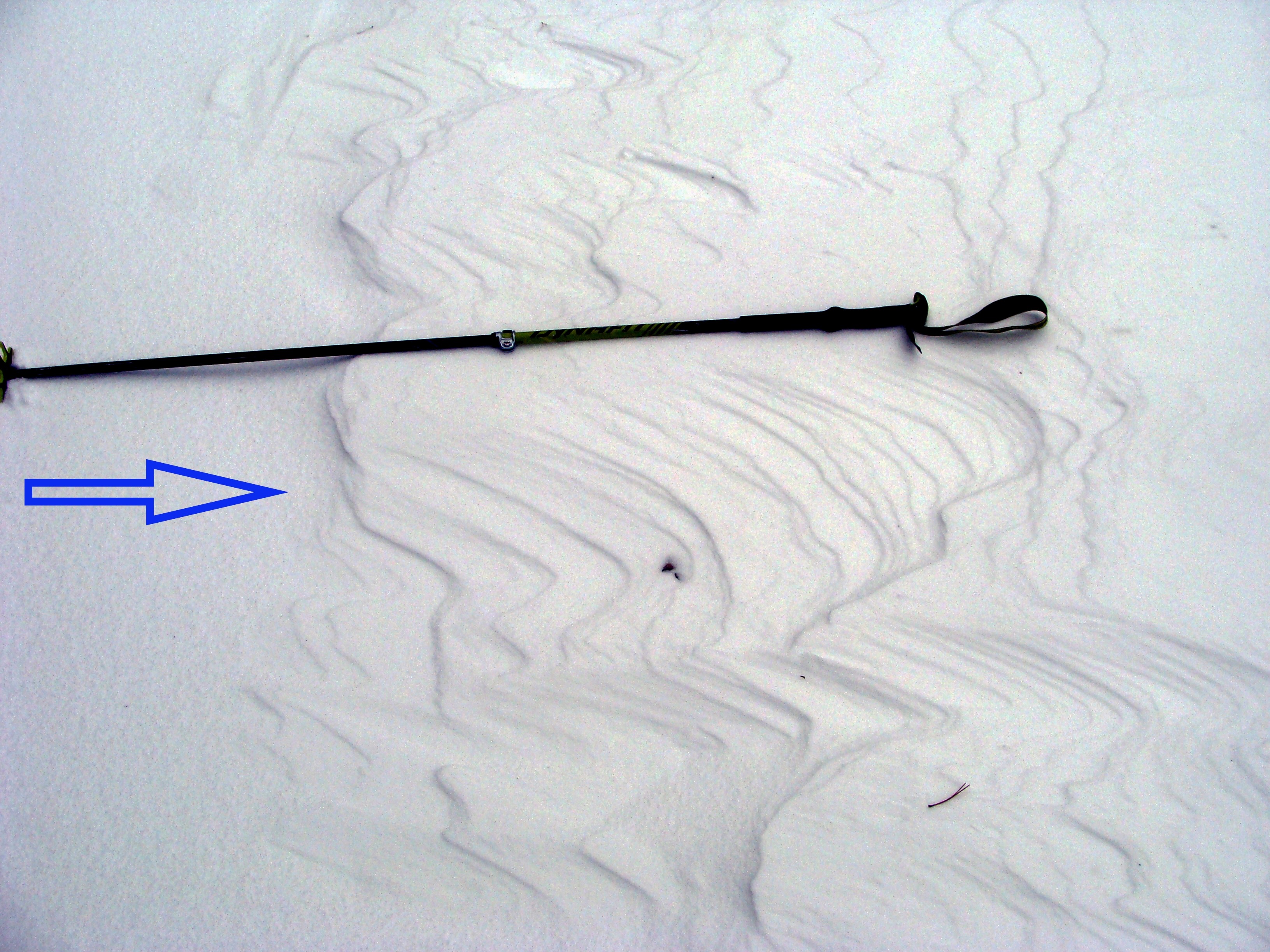
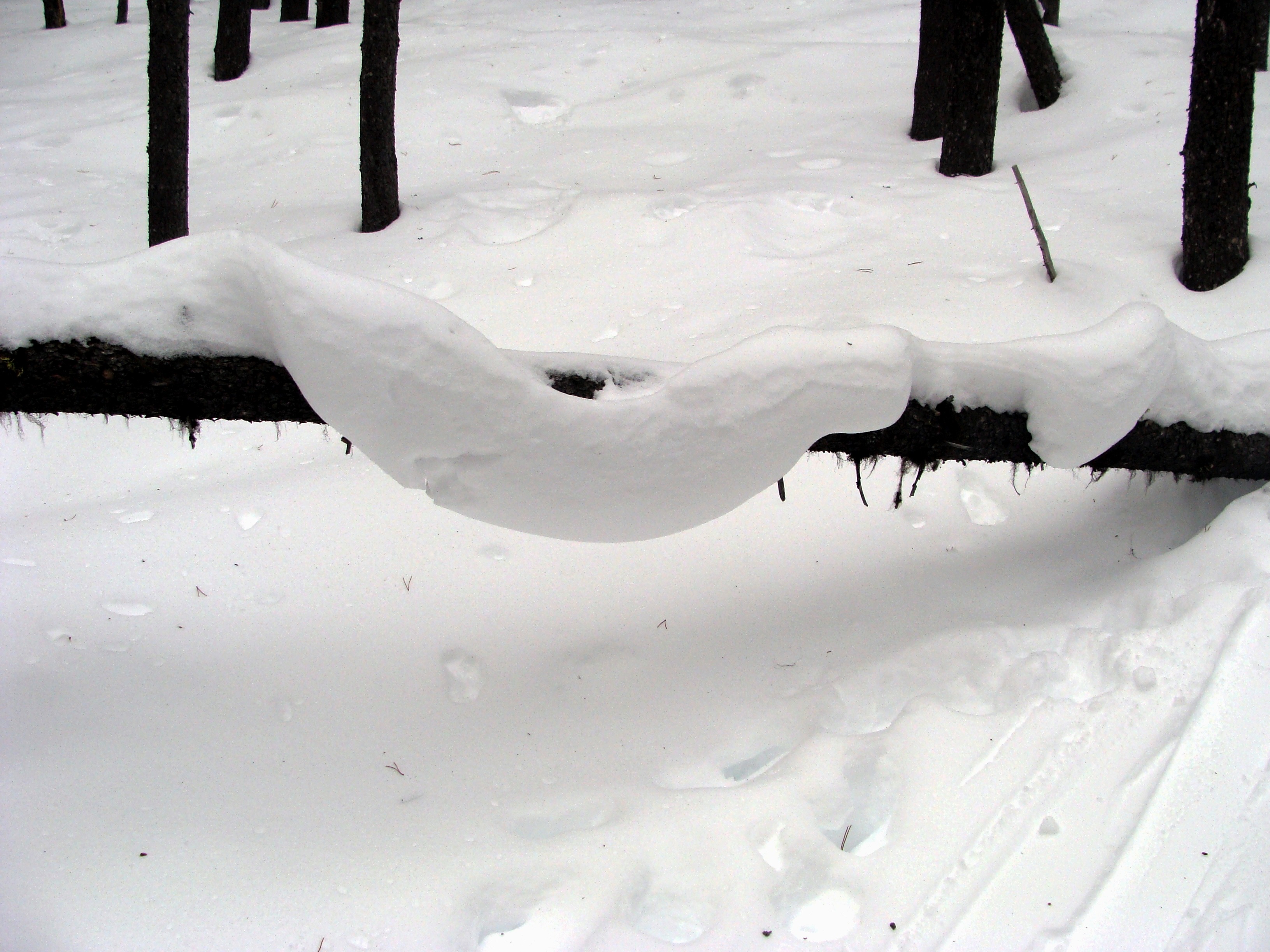
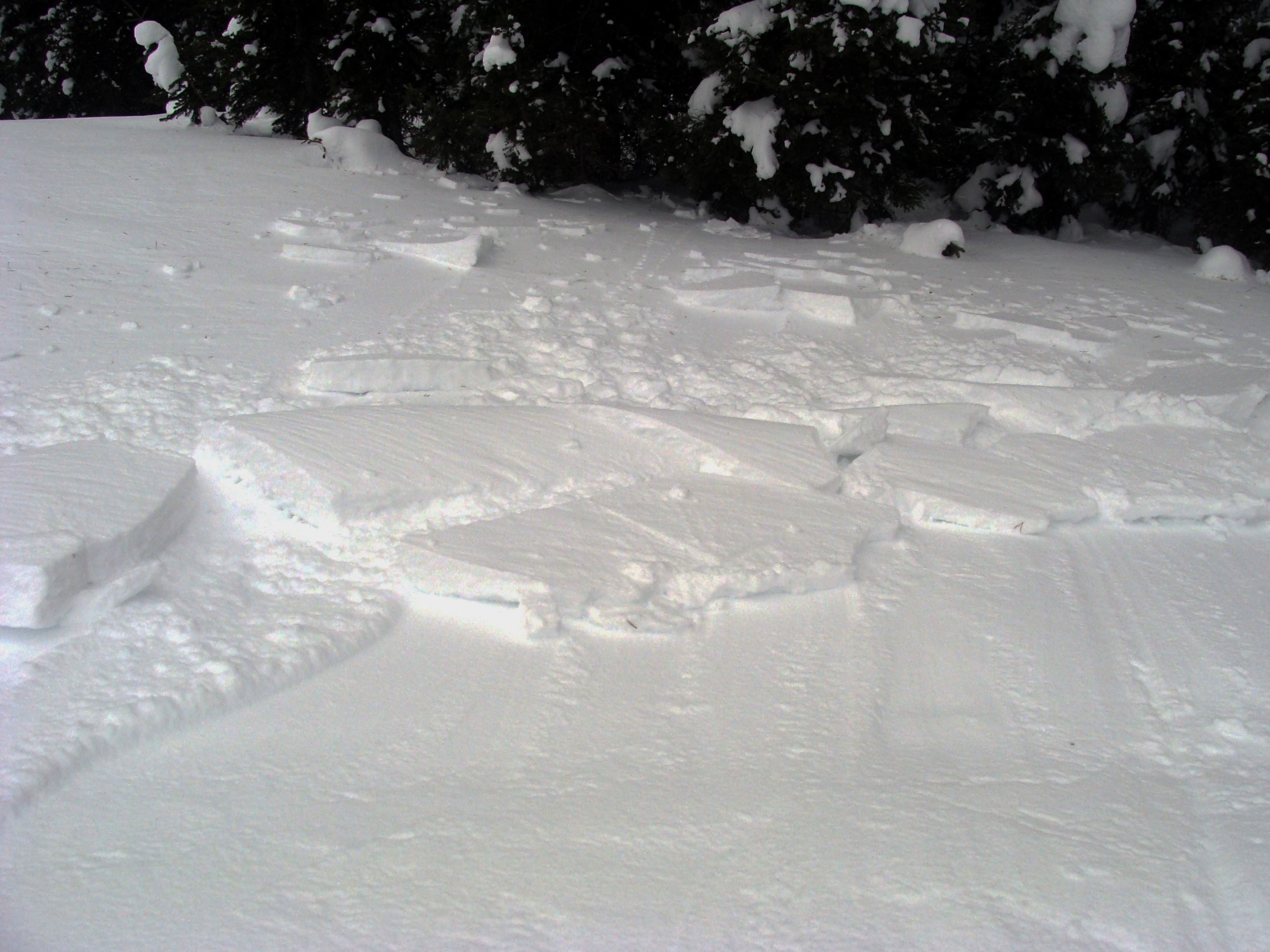
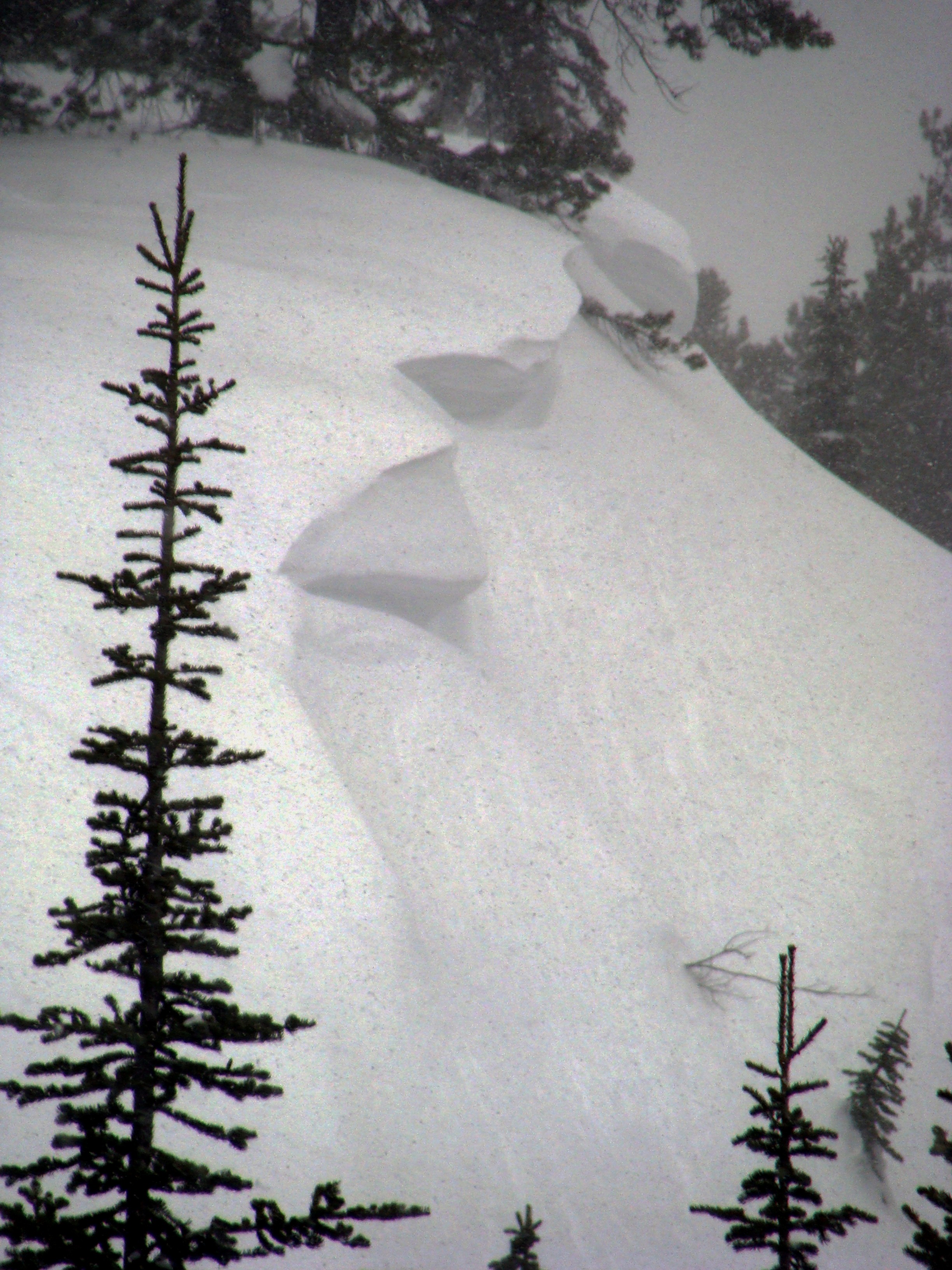
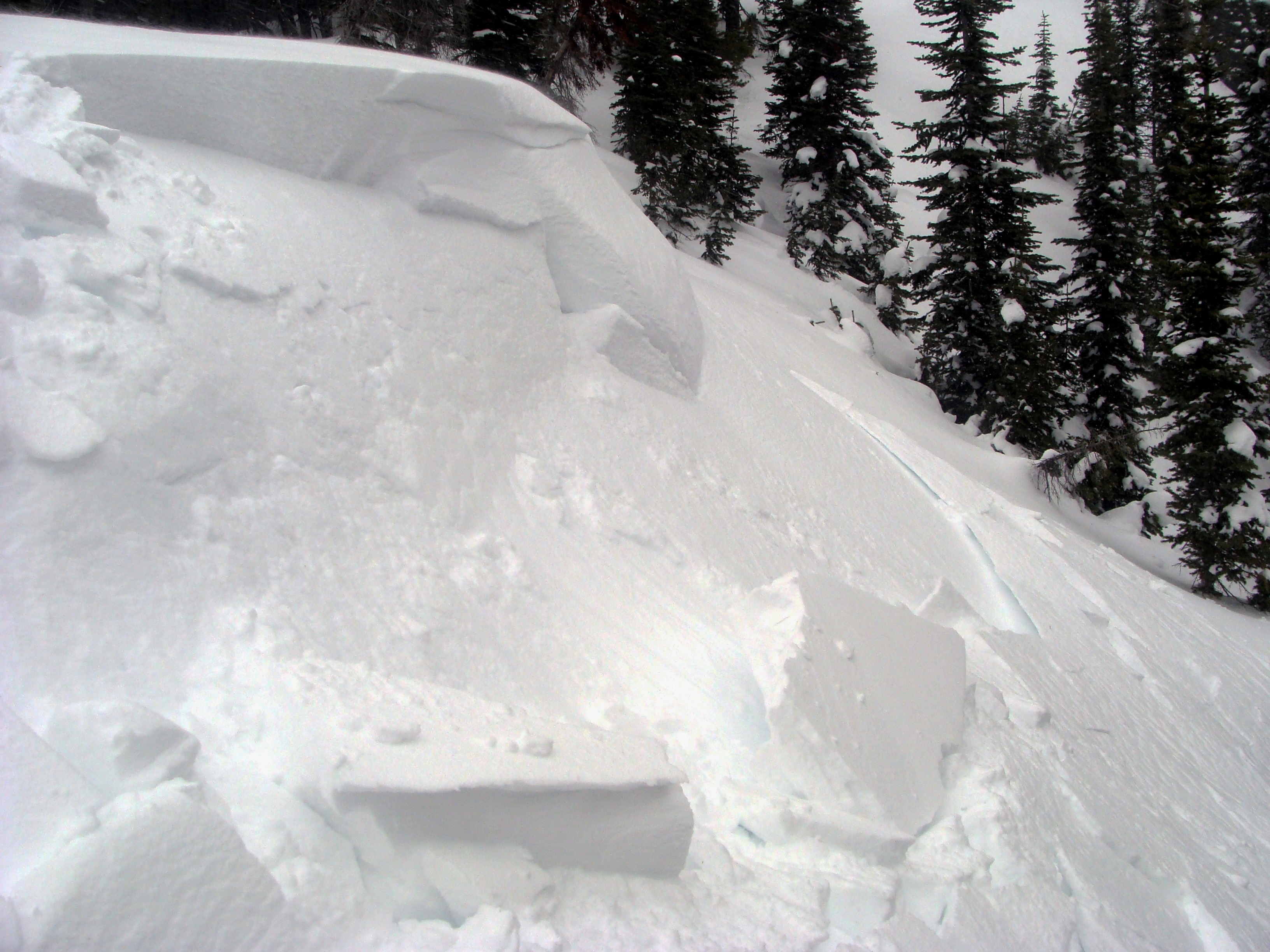
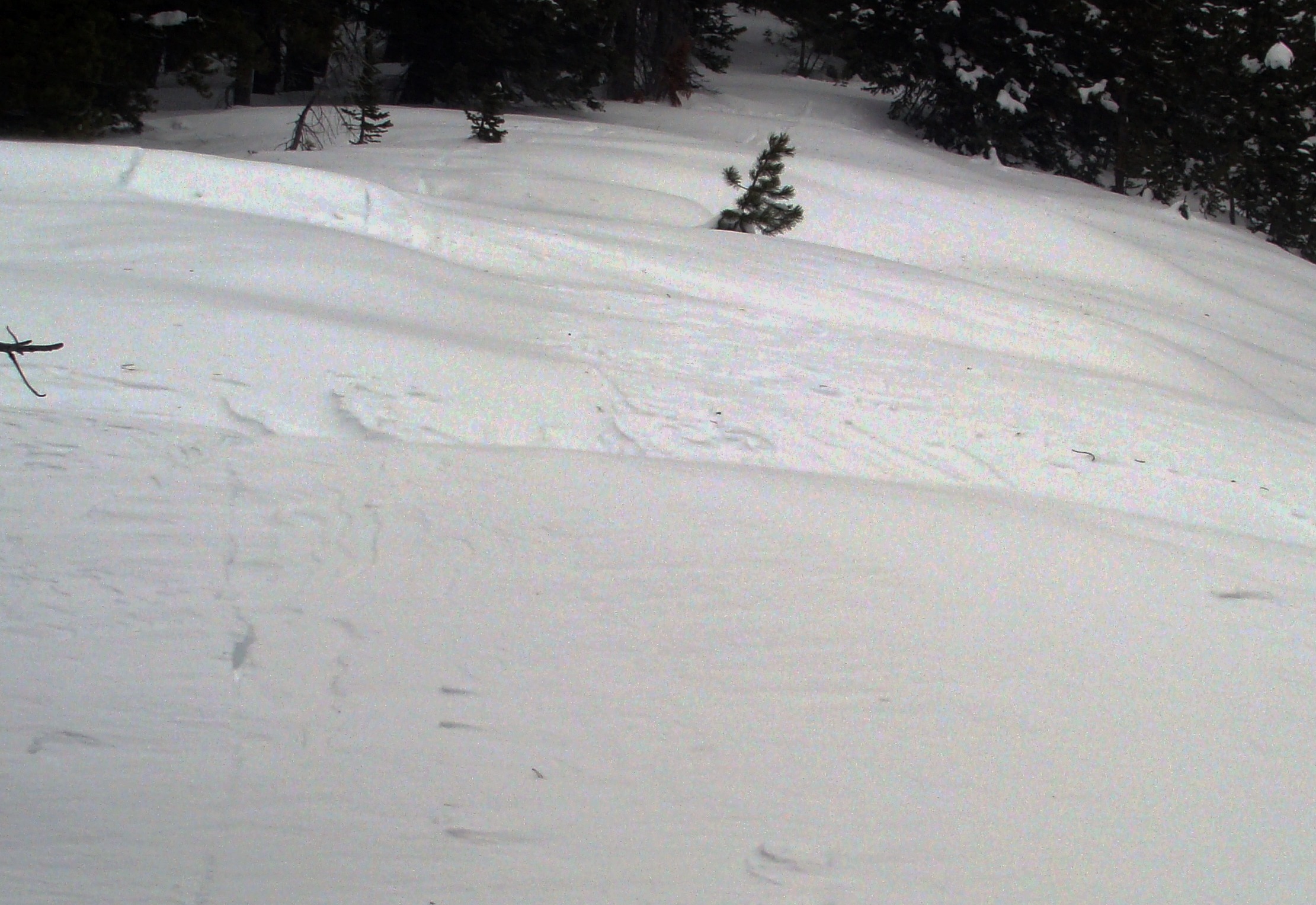
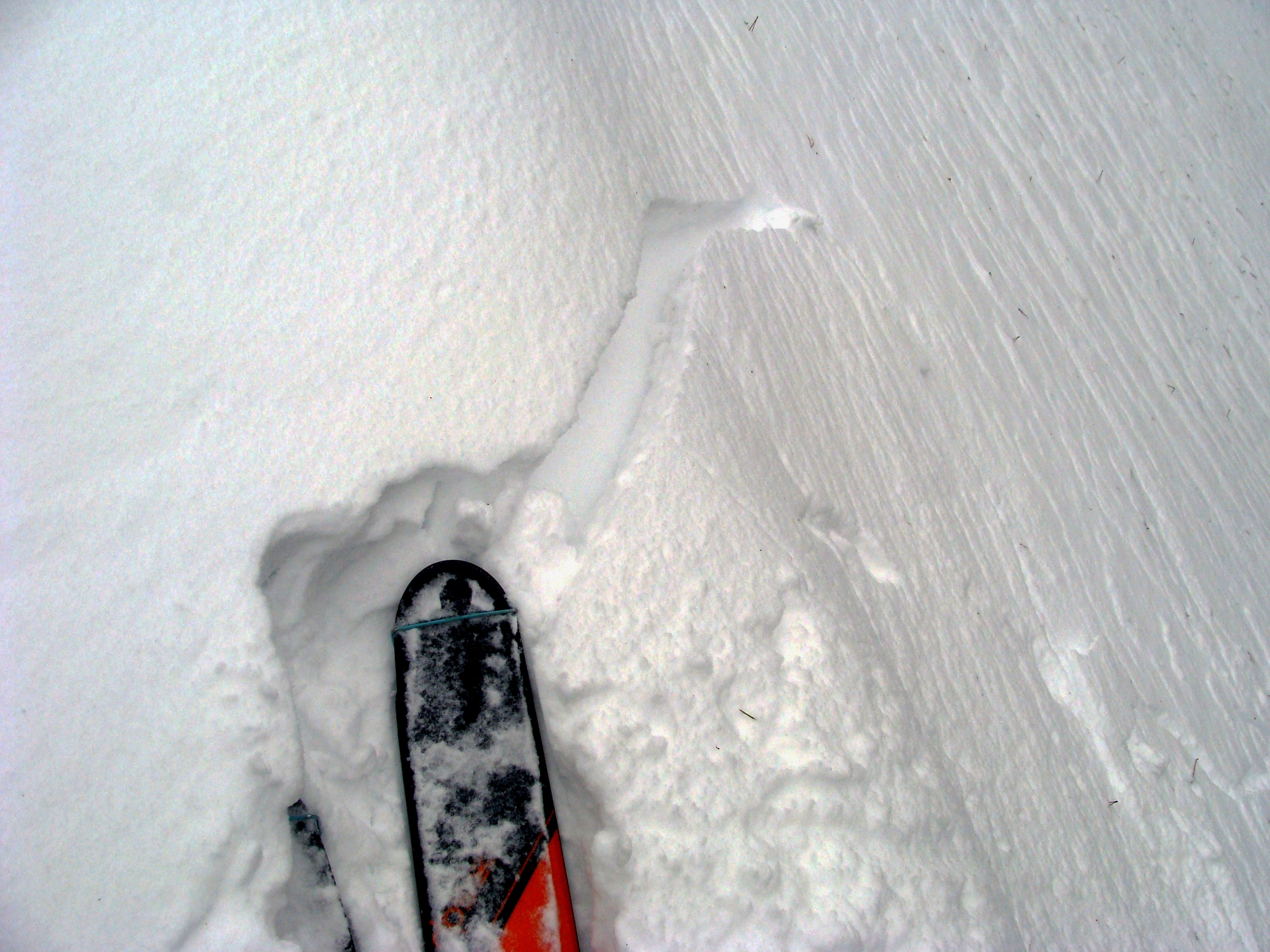
- Nearly constant moderate winds with occasional strong gusts transported snow and formed thin, small slabs and fresh cornice growth along ridgelines. Slabs and cornices were generally inconsequential in the terrain we traveled. However, they grew in size throughout the day and could be much more significant by morning.
- These newly formed features were confined to ridgelines or immediately downhill of them.
- Sheltered terrain harbored soft, dry snow with no discernable crust. Riding conditions in these locations were excellent.
- This location generally has a thin snowpack, and this year is no different. There are plenty of obstacles to avoid at mid and lower elevations.
Weather
- Air Temp
- 25
- Cloud Cover
- overcast
- Wind Loading
- moderate
- Rain Elevation
- 2500
- Recent Snowfall
- 3 during the day
- Snow Avail For Transport
- moderate amounts
We noticed blowing snow on Highway 2 in John F Stevens Canyon this morning. Calm conditions were found in low-elevation sheltered trees throughout the day. Moderate winds with occasional strong gusts were responsible for nearly constant blowing snow on a mid-elevation ridgeline. Upper elevations were calmer than the mid-elevation ridge line.
Snowpack
A snowpit at 5800 feet revealed a thin snowpack of 75 cm or 30 inches. The snow structure was generally weak, with one 5cm thick pencil hard crust capped with small-grained faceted crystals. Snowpit tests showed no propagation (ECTN 15), but compression tests failed in the facets above the crust with moderate force (CT14).
A snowpit at 6850 feet had a depth of 115 cm. In this location, the snowpack was right-side-up and surprisingly strong and stable. No weak layers or crusts were noted.