
Quick report
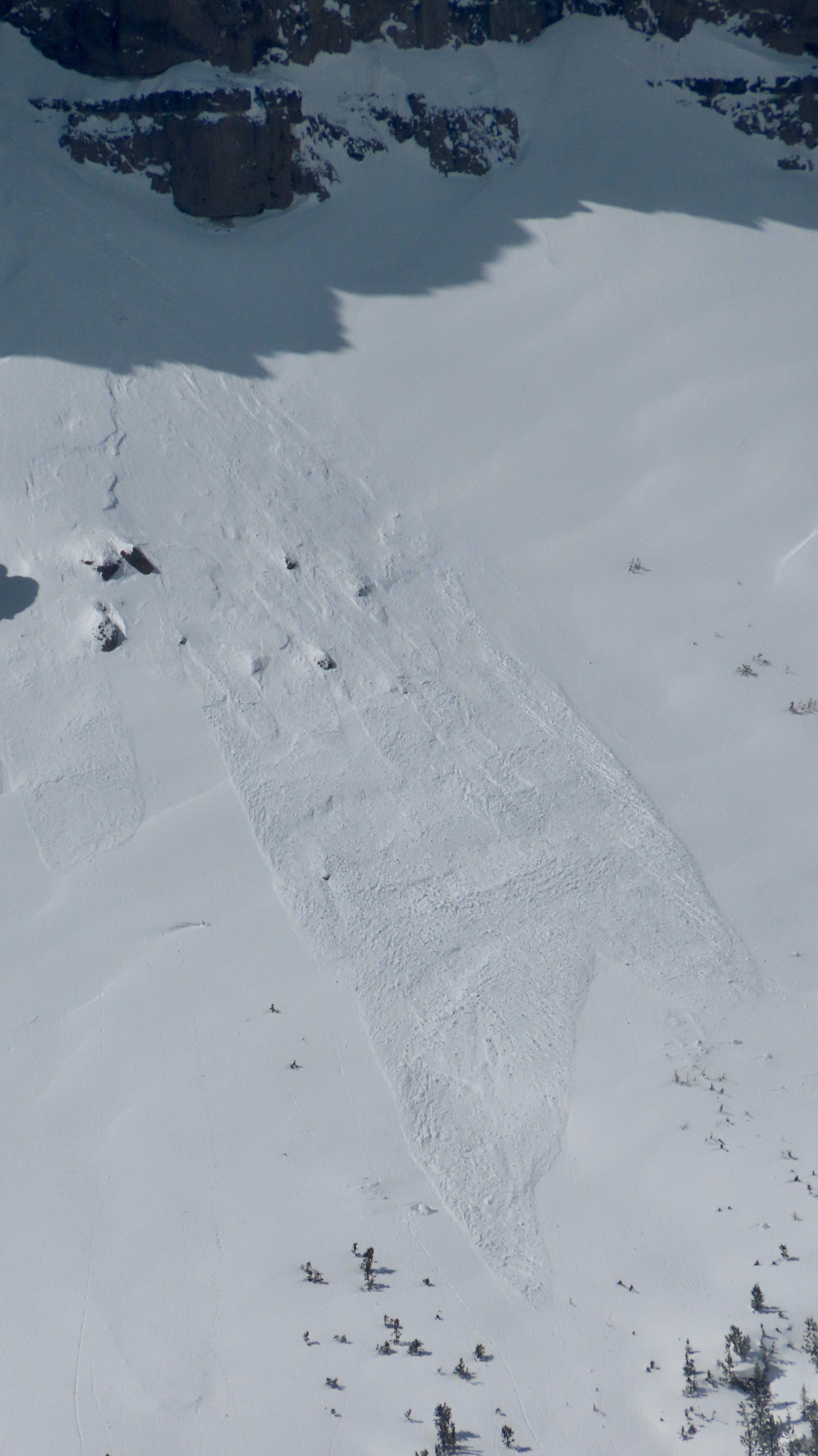
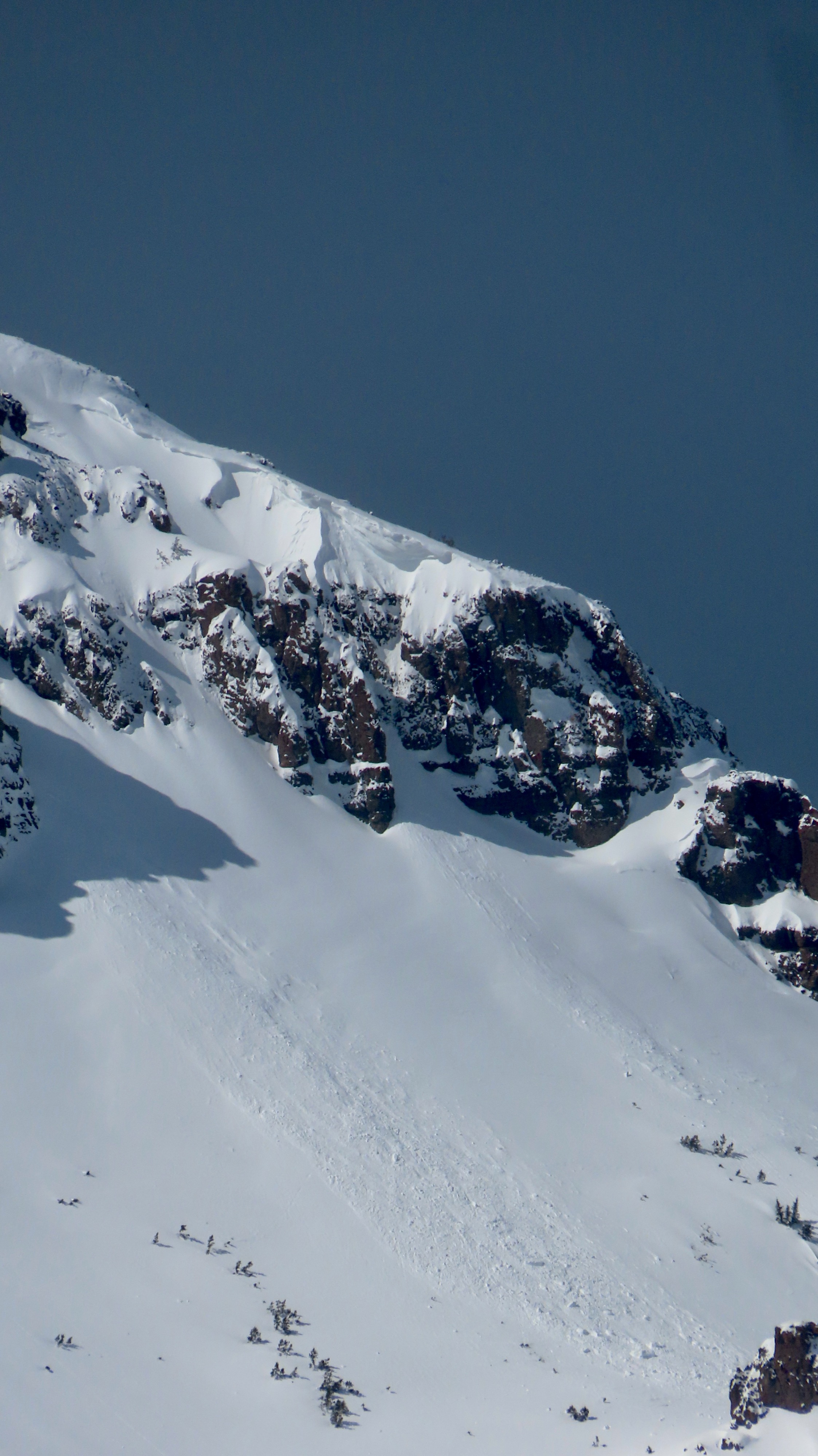
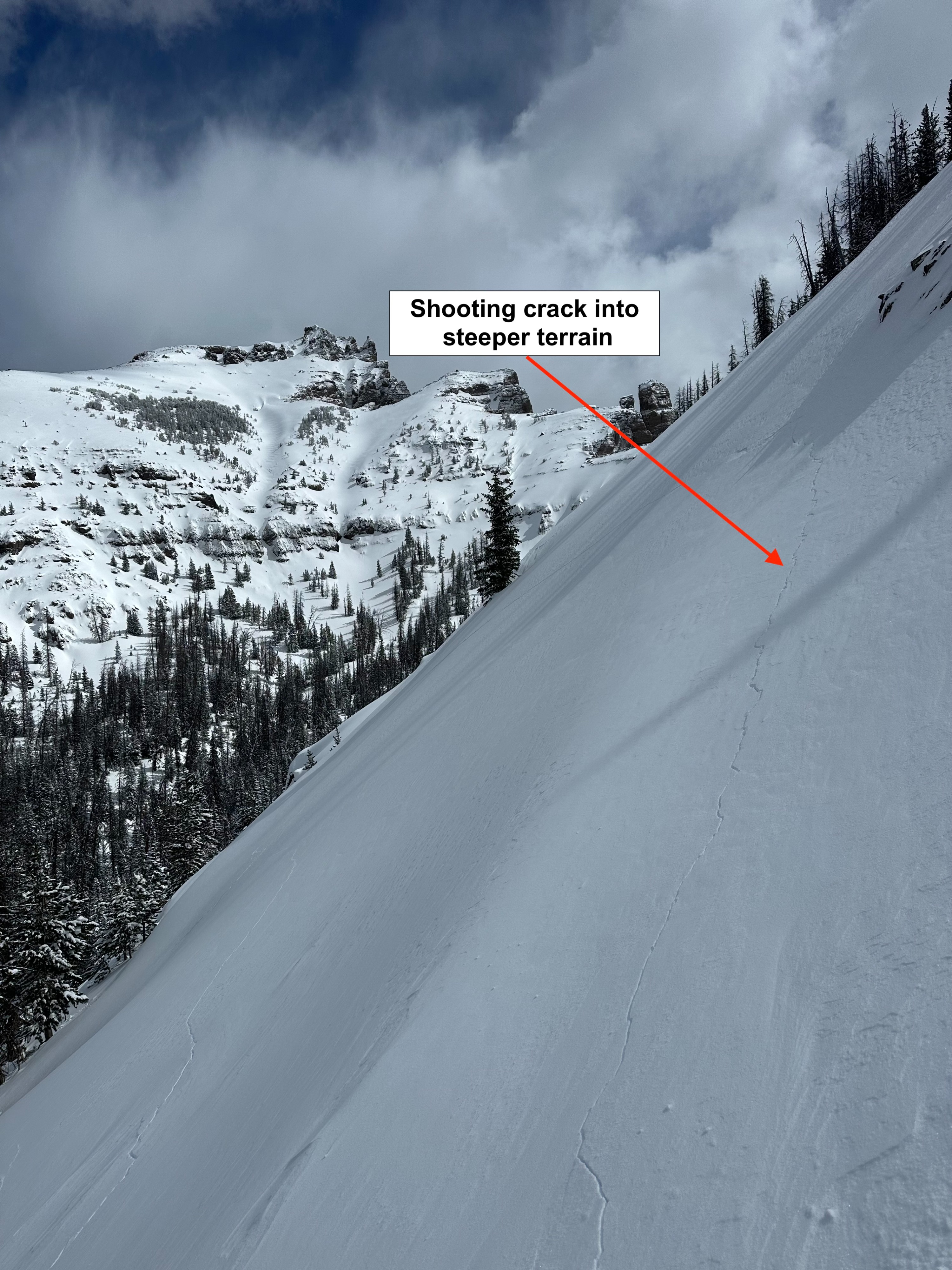
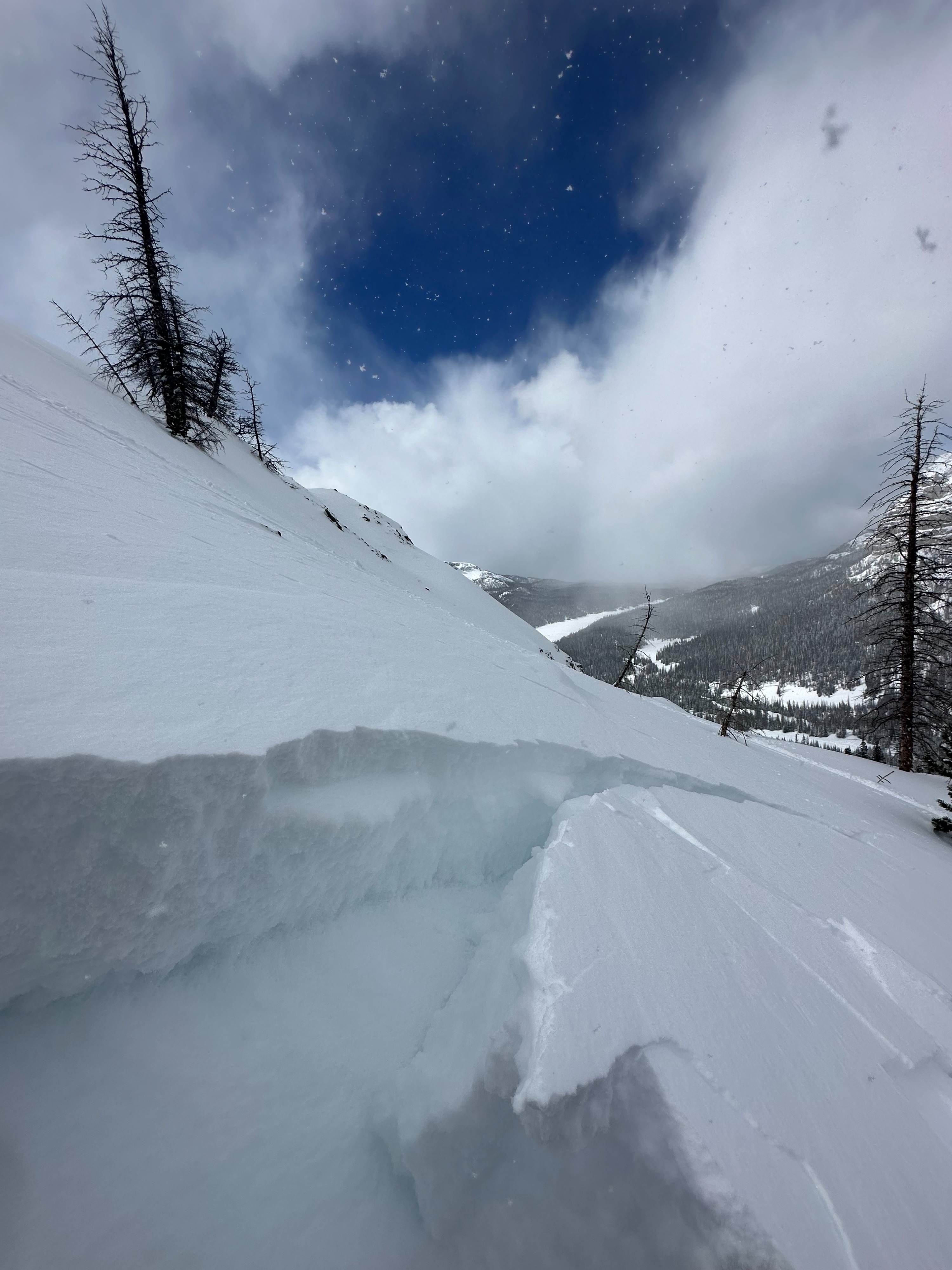
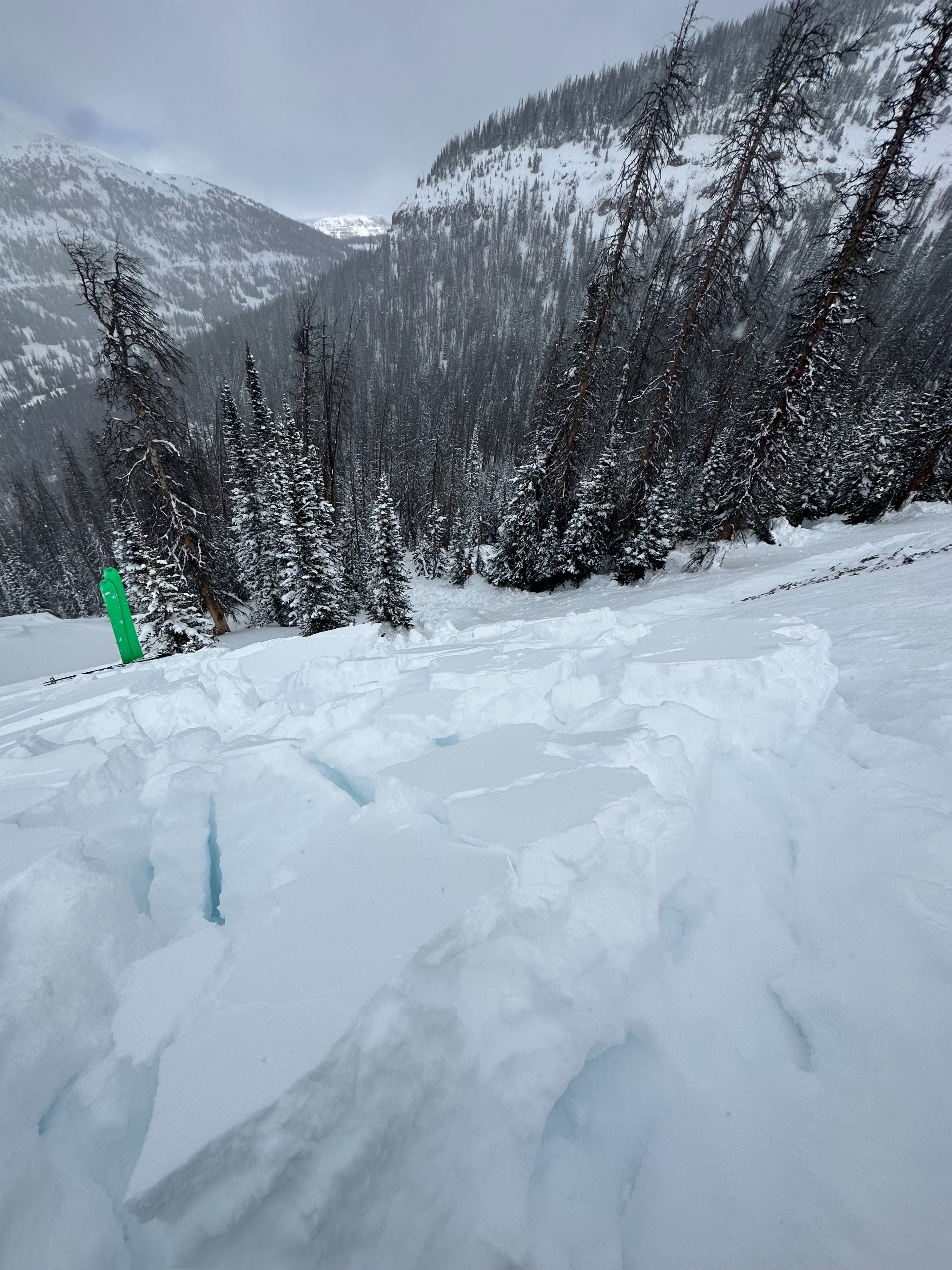
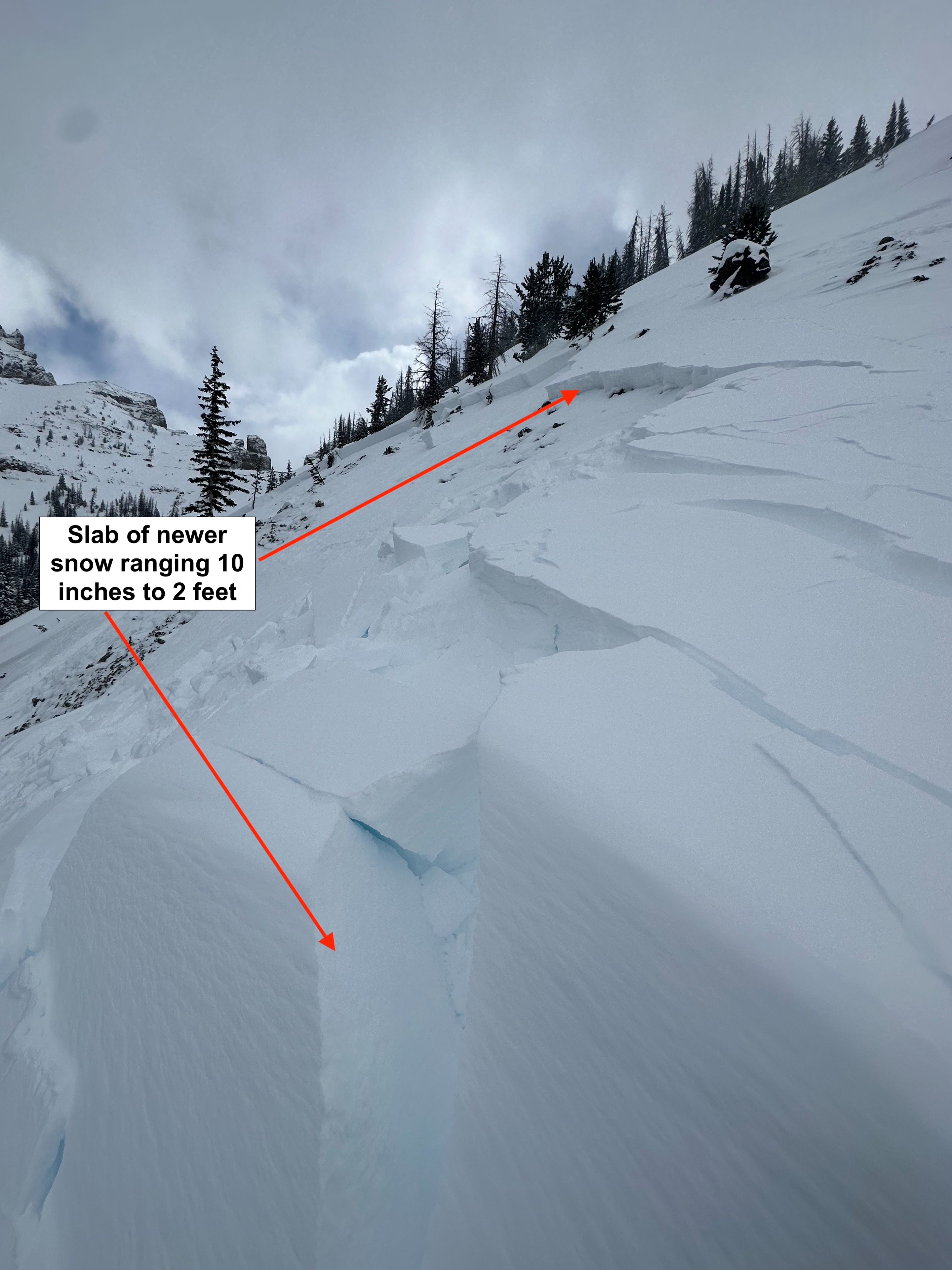
On average, about 8-10 inches of new snow above 9,000'. Numerous new snow avalanches from ridgelines and below cliffs at the upper elevations. Everything I observed is running on 3/20 interface but holds high probability of breaking deeper here, particularly as temperature swings start to make a greater impact here and or/more snow falls. Any time this area receives snowfall, approach all steep slopes with a skeptical eye as to what they are harboring. Despite a lack of observations of more widespread or frequent avalanche activity here, the very structure of the snow raises my hackles. Make no mistake that I'm sure plenty of avalanches occur that go unreported, unseen, or swept away by the wind, creating a deficit in our knowledge as riders. While skiing up a lower-angle ridge that was primarily scoured rock, the third person in our party ascending the track triggered a mid-sized but deep and wide avalanche that would've carried someone into nasty treed terrain. Above that point, myself and my other partner had discussed crossing a steeper slope above, but due to the weak snowpack, high uncertainty, and steepness of the slope-- had opted out of progressing further. Avalanches are very low probability occurrences, and it is rare to get the feedback of a) think that the slope will avalanche b) it avalanches safely without injuring anyone. Utilize time as a tool whether sledding or skiing and stop and reassess frequently with your group. Any steeper slopes, especially open, well-connected, convex, and rocky terrain features should be guilty until proven innocent and almost certainly hold some spectrum of the avalanche recipe.
Weather
- Cloud Cover
- clear
- Wind Loading
- moderate
- Snow Avail For Transport
- moderate amounts
Avalanche
- Size
- D1.5 R2
- Type
- SS
- Aspect
- NE
- Trigger
- AR
- Elevation
- 10000 ft