
Quick report
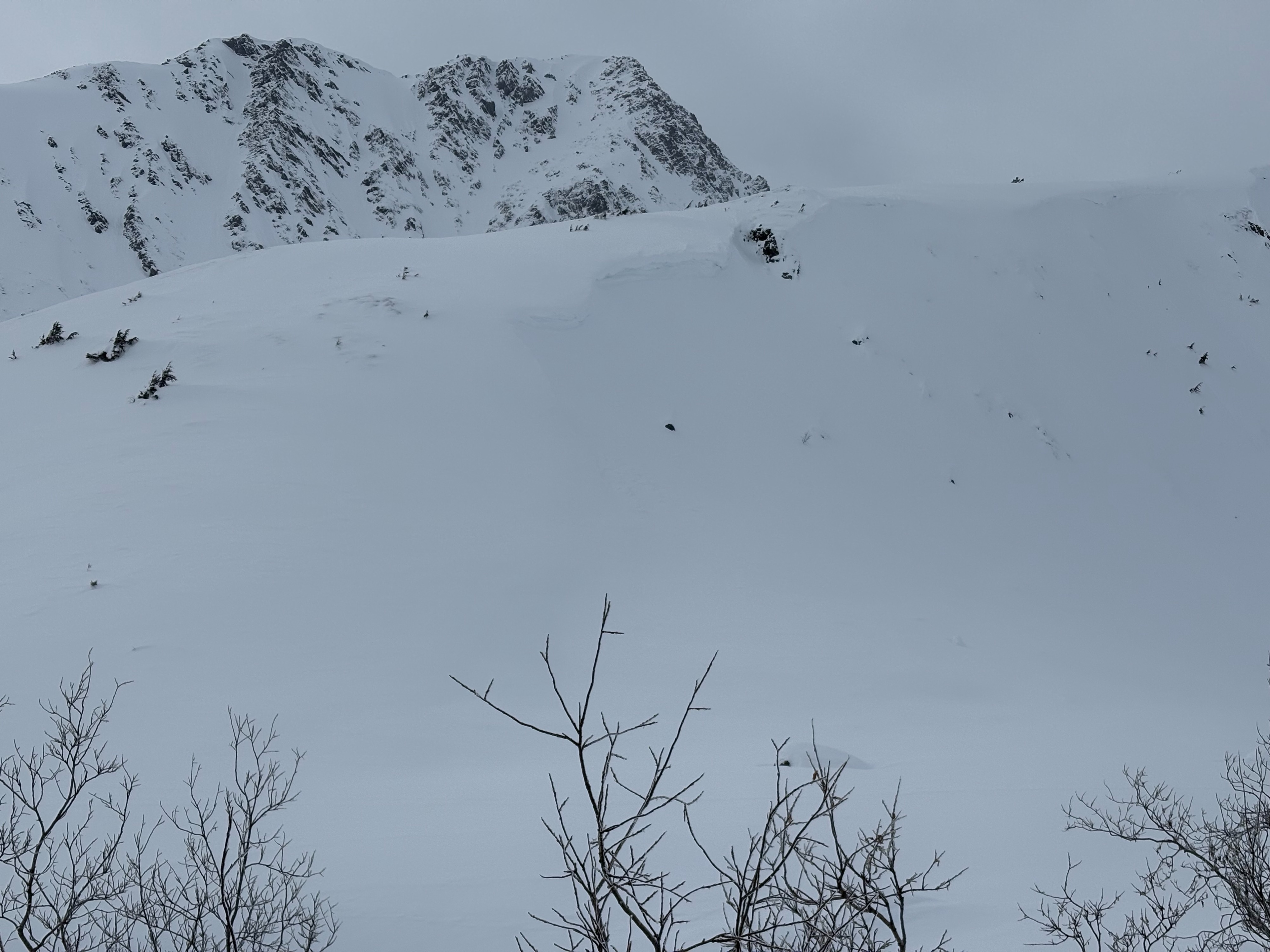
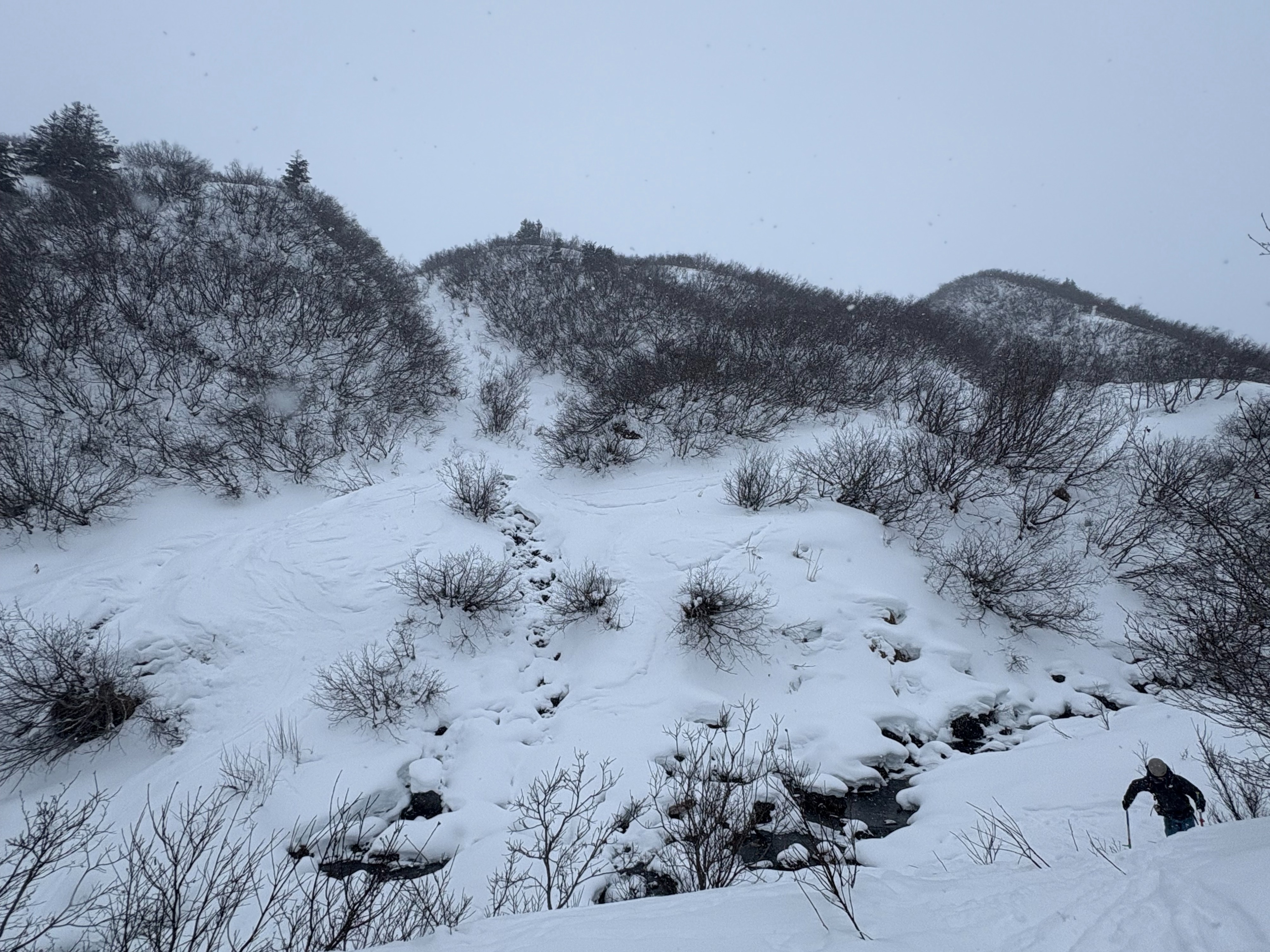
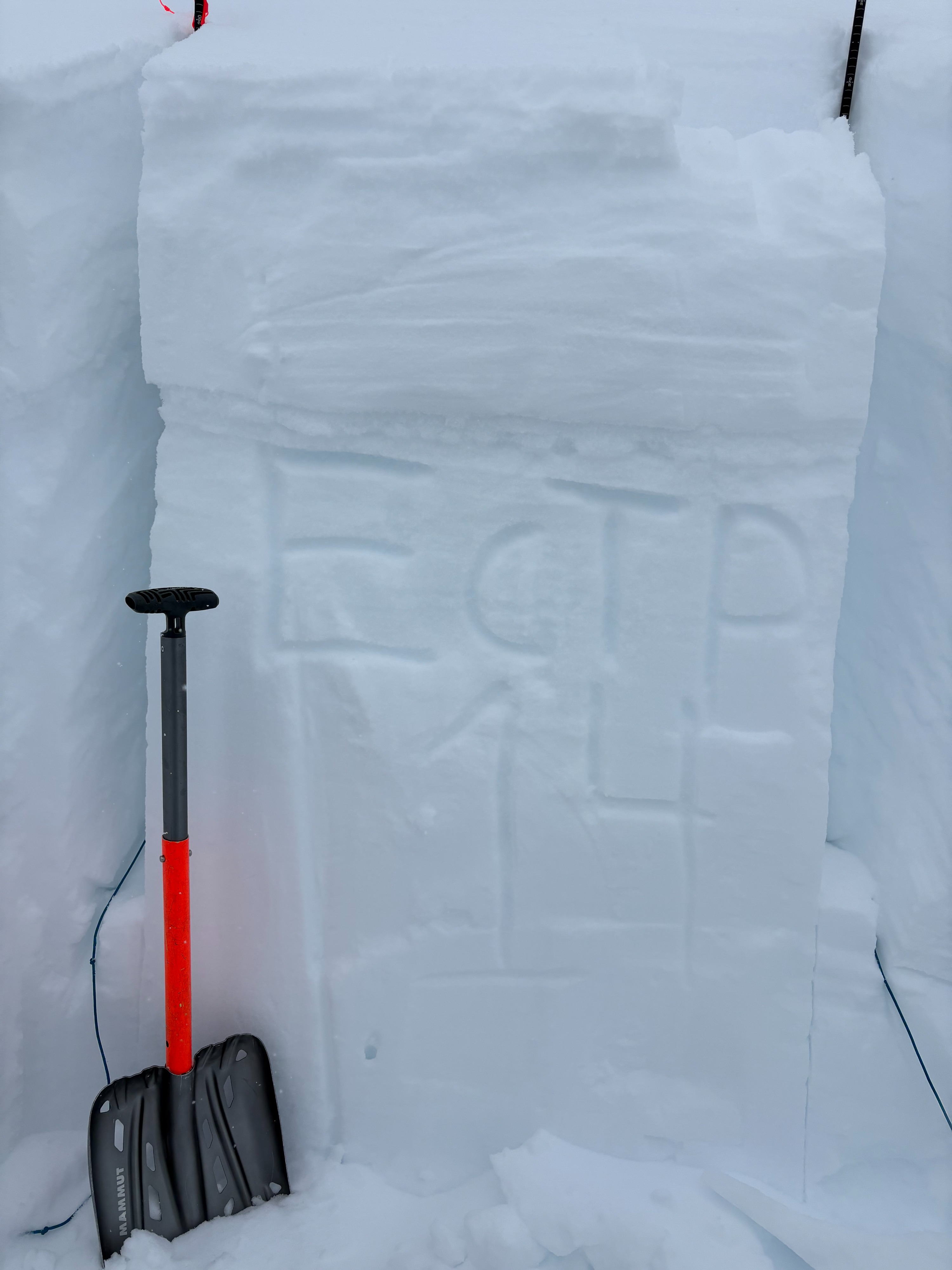
We toured up the standard uptrack to 4,000 ft, where we turned around due to deteriorating visibility. We dug a couple of pits along the way and used hand pits and pole probes to assess the upper snowpack structure across the zone. We did not observe any signs of instability during our travels. The snowpack in the Girdwood Valley differs from much of the forecast zone, as others have noted in recent observations. In thinner areas where we probed less than 3 ft of snow, such as scoured patches, we found soft recent snow over advanced facets and depth hoar. In areas with a deeper snowpack, we measured up to 8.5 ft of total snow. In these locations, the upper snowpack and the March 6 near-surface facet layer were our main concerns. In one pit, at 3,500 ft on a northwest aspect, the snow above the March 6 facet layer lacked cohesion and did not produce unstable test results. In a second pit at 4,000 ft on a southeast aspect, we observed unstable results (ECTP 14 x2, 16 inches down). About 14 inches of recent soft snow had enough cohesion to act as a slab and propagate in the March 6 facet layer. We did not observe avalanches or other signs of instability on this layer. However, this poor snowpack structure appears to be widespread at upper elevations in this valley.
Weather
- Cloud Cover
- overcast
- Wind Loading
- none
- Rain Elevation
- Sea Level
- Recent Snowfall
- 4-5 cm covering up old tracks likely from last weekend
- Snow Avail For Transport
- large amounts
Clouds rolled in early today, quickly reducing visibility. Light snowfall followed but only produced trace accumulations.
Snowpack
We dug two snowpits during our travels, targeting different elevations and aspects. In both pits, we found 1 to 2 ft of low-density, faceting snow atop the March 6 facet layer, with basal facets near the ground. Our pit on a northwest aspect at 3,500 ft did not produce unstable results. The higher-elevation pit at 4,000 ft on a southeast aspect produced unstable results on the March 6 facet layer (ECTP 14, 16 inches down). Both locations had poor structure, but the higher pit had a more pronounced boundary between the recent snow and the March 6 facet layer, along with a slightly more cohesive slab atop this layer, which likely contributed to the unstable results.