
Quick report
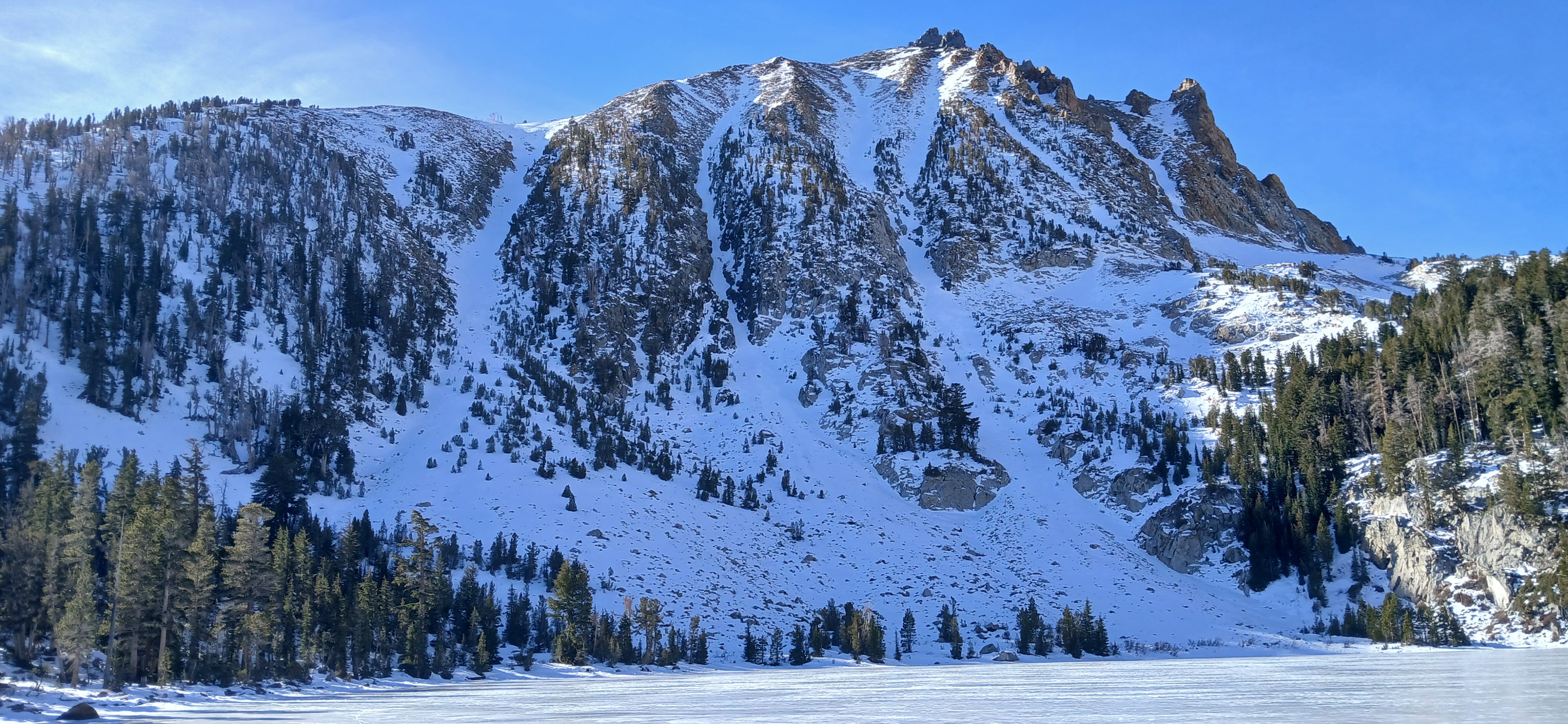
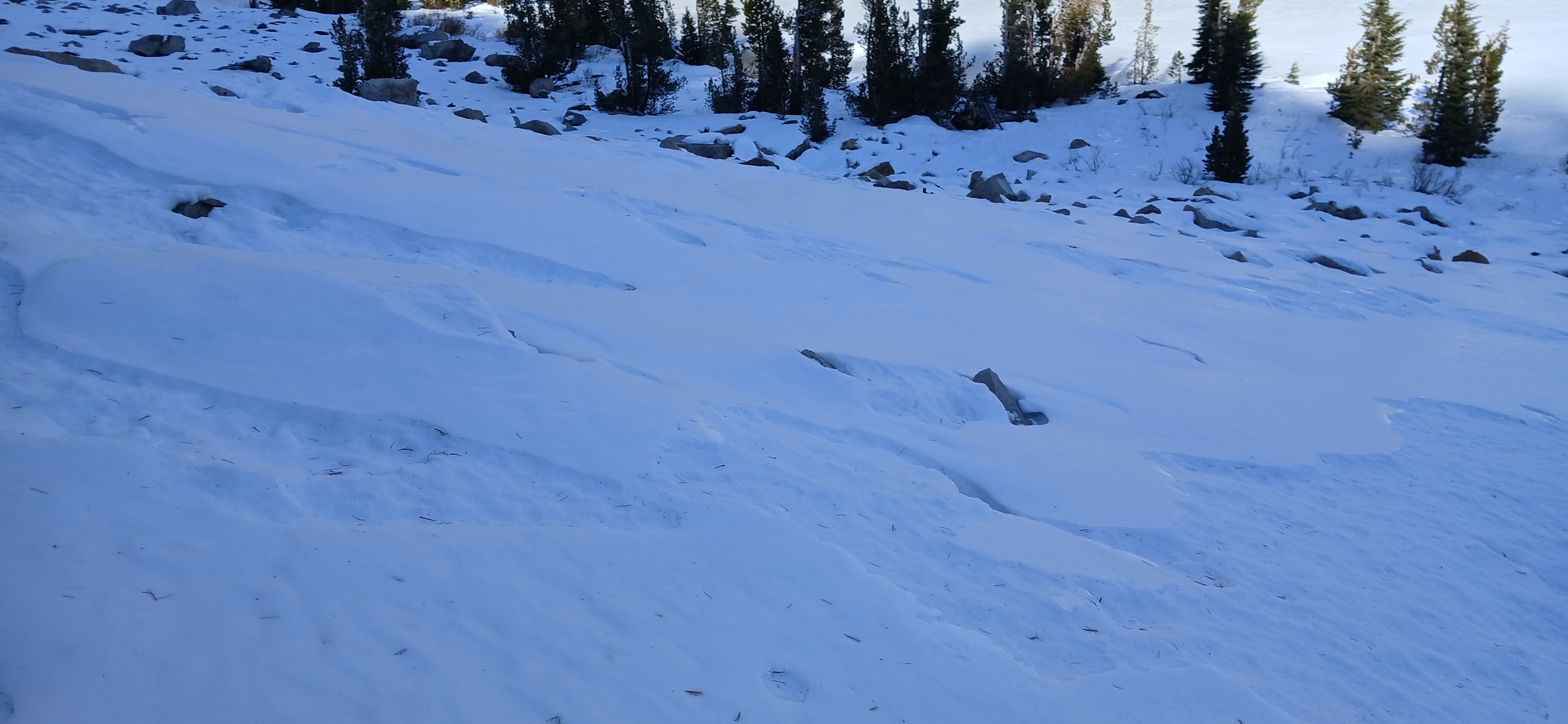
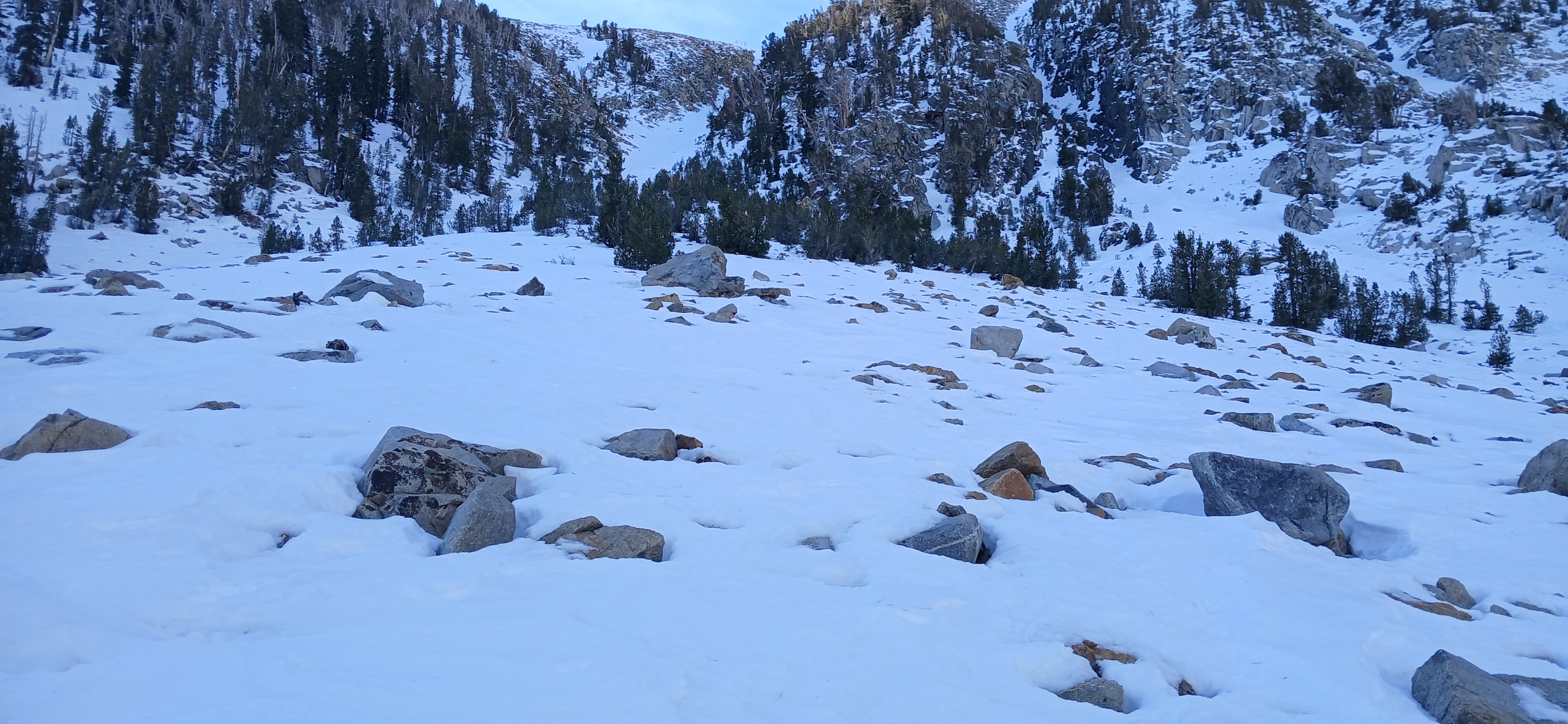
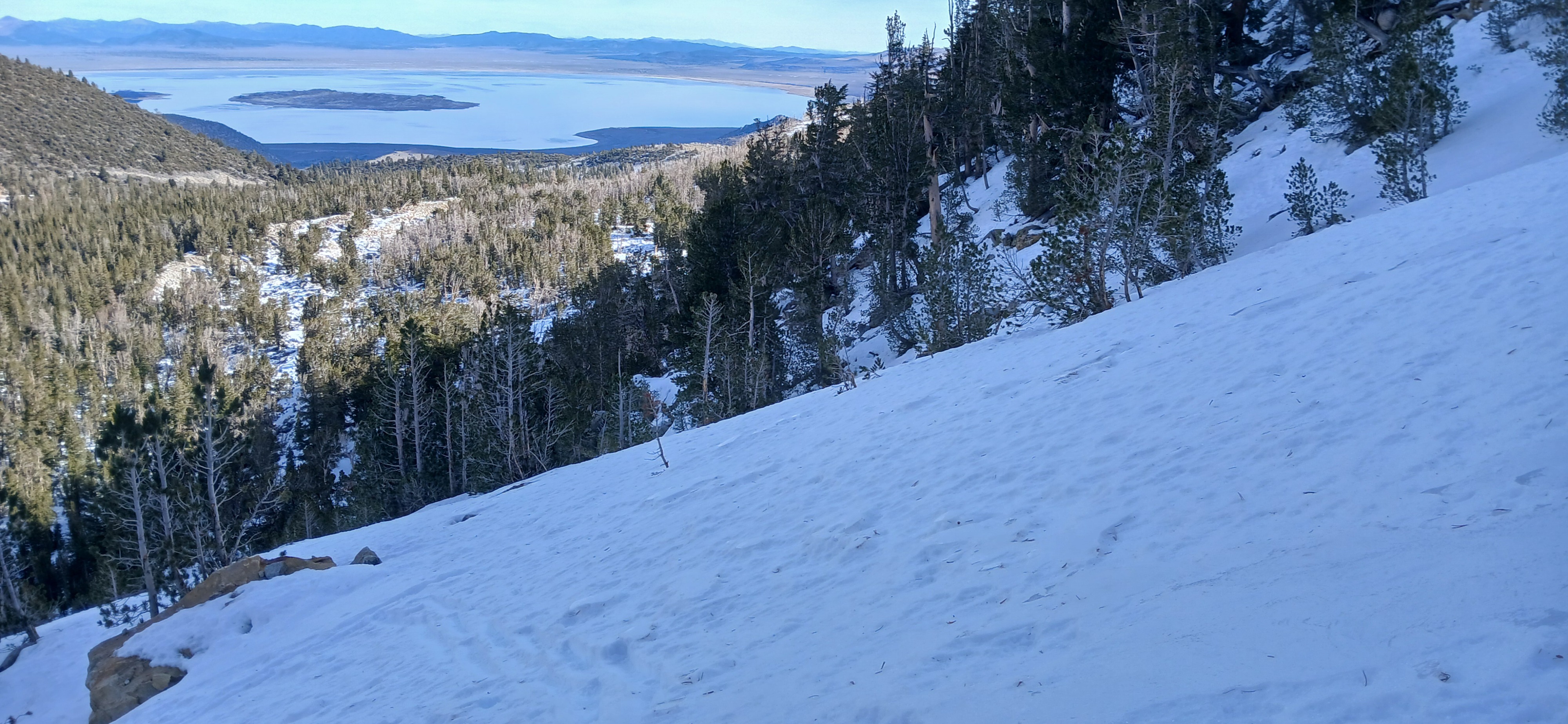
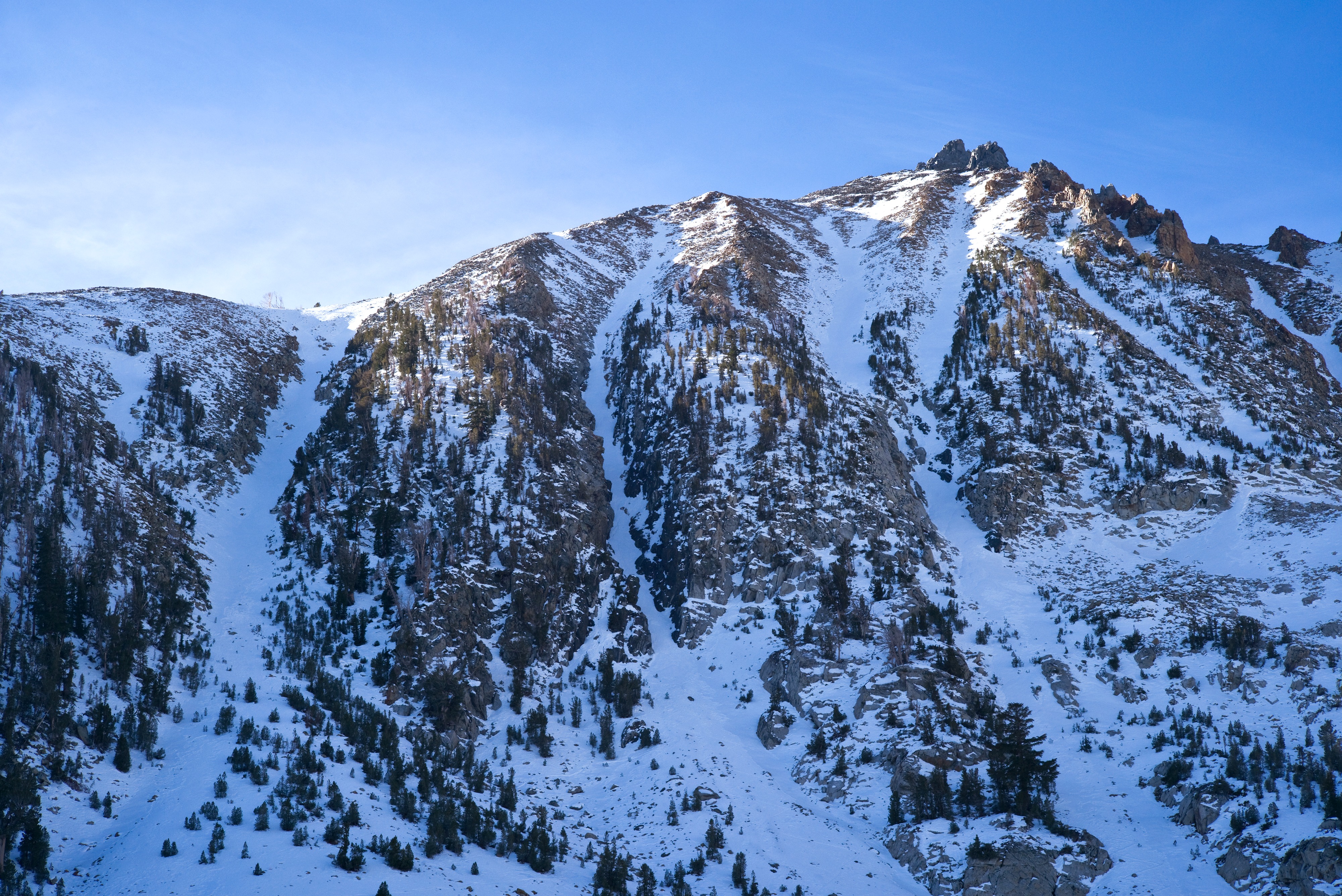
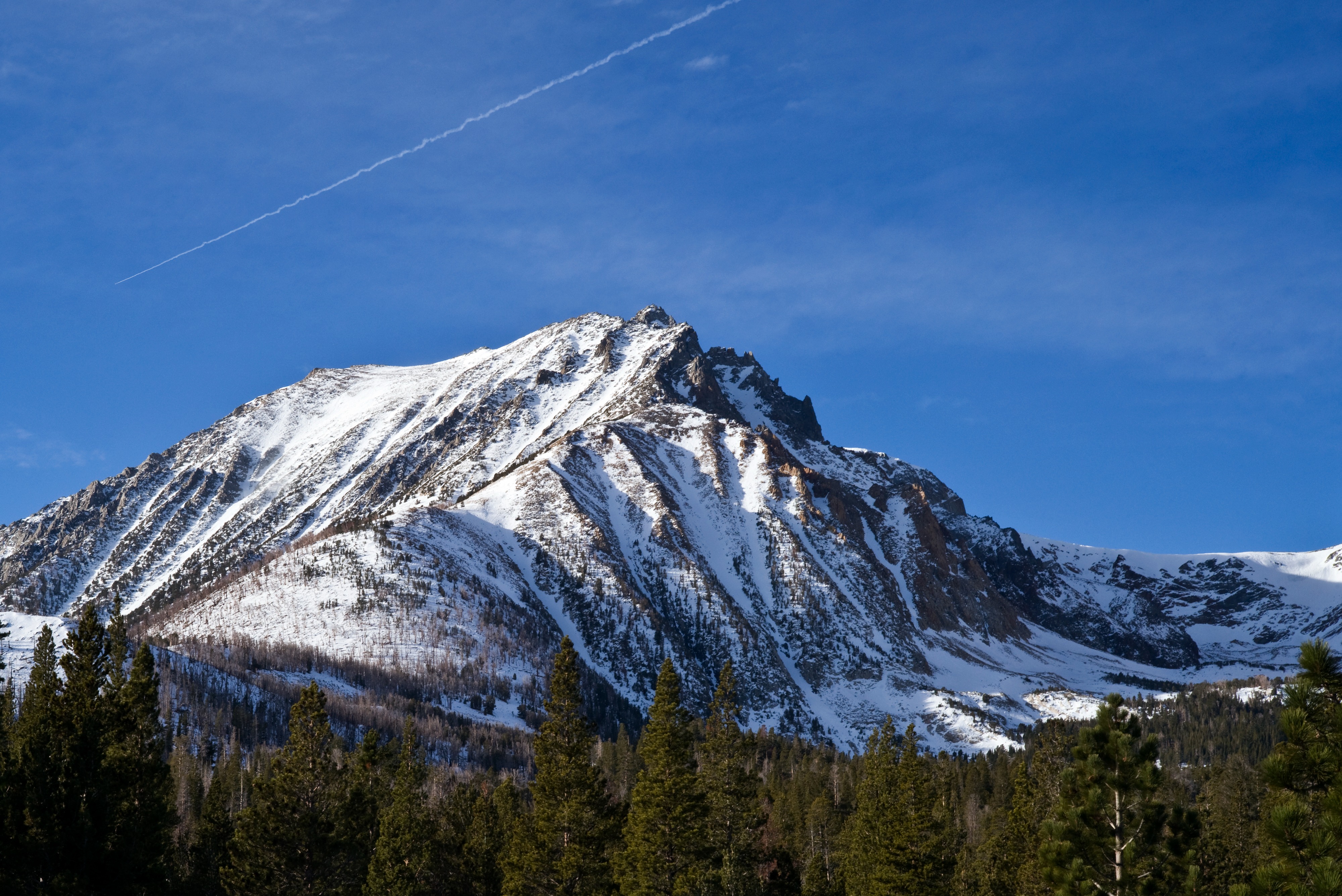
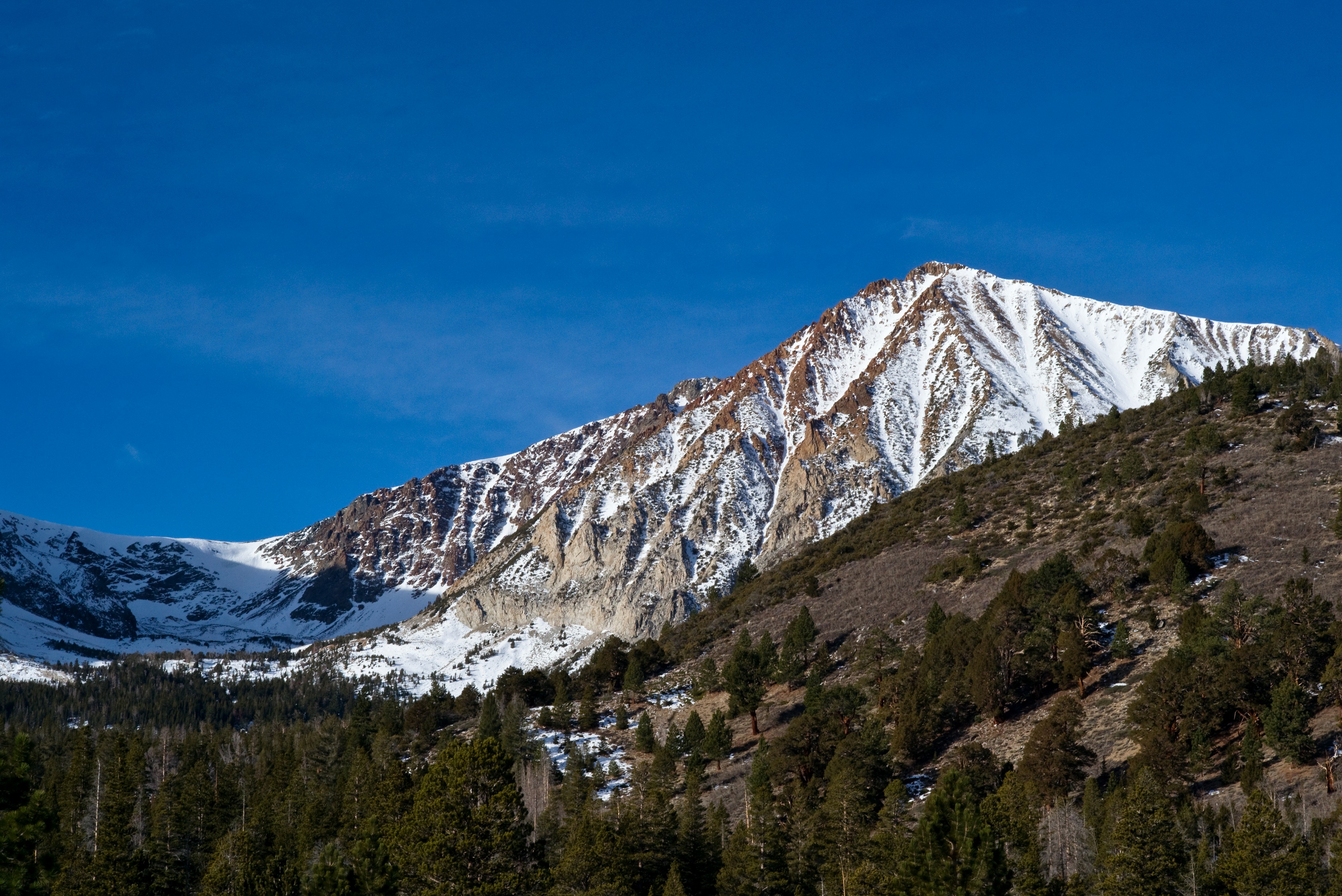
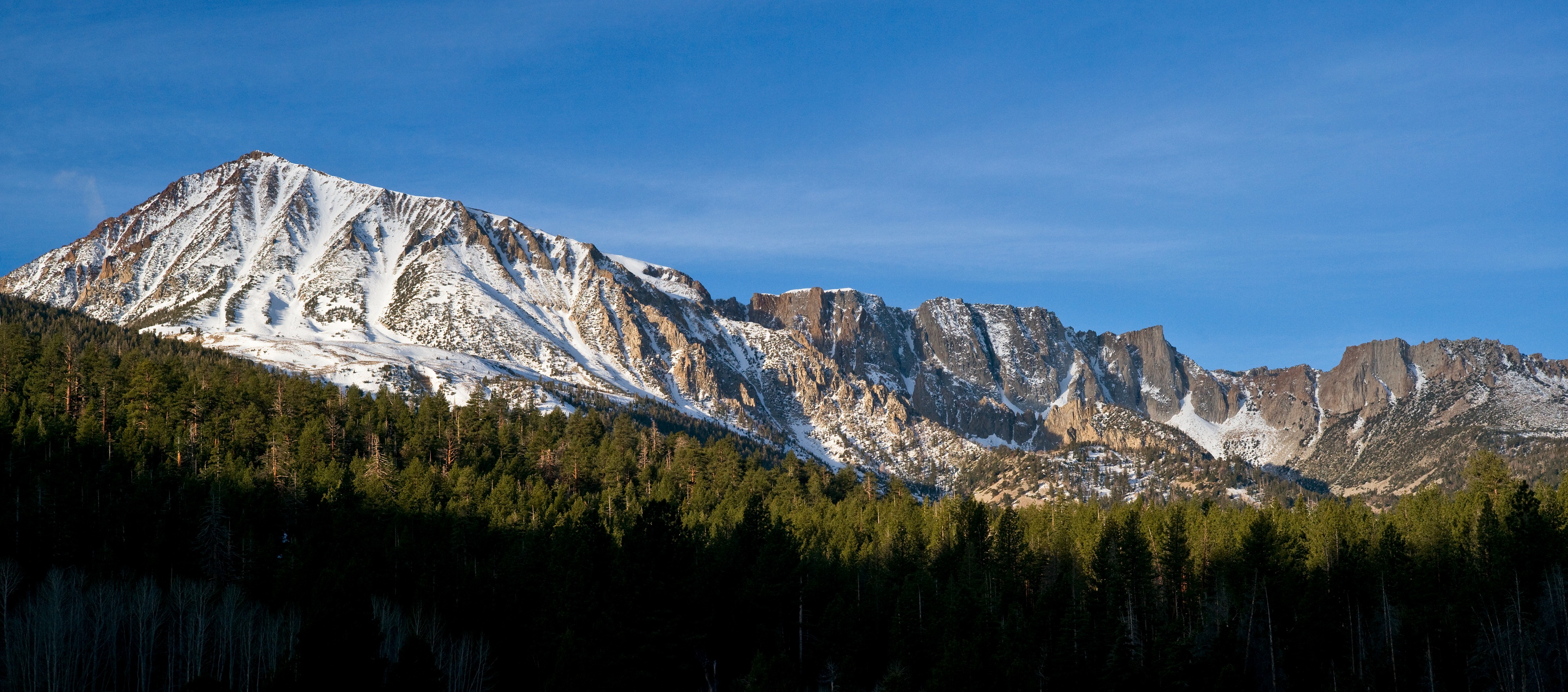
WEATHER: Weather was very warm. When I left Mammoth at 5am, the car said 48F. The lowest temperature I saw on the drive was 33 or 31F (I would have expected something in the teens!). Where I parked around 7000’ was 37F. Winds sounded like they were roaring up high, and it was windy at the lake (W-SW). Below that, gusts occasionally broke down but it was more calm. There was some light snow transport at ridgeline and higher up in the gullies. The day was mostly sunny with some thin clouds. By the time I got back to the car it was very warm (63F!). SNOW This morning was exceedingly warm despite mostly clear skies. Long wave radiation helped, and there was a superficial refreeze of the snow surface even though the snow was moist below. Despite the warm temperatures yesterday and overnight, snow held together well and was not punchy or unconsolidated. Spring-like but also not spring-like. Travel was quick and pretty easy. I found skiable snow on protected north-facing terrain above Gibbs Lake and sporty snow in the trees/meadows following the trail above about 9000'. The north couloirs had smooth panels of wind-blown snow. Talus slopes still showed rocks, navigable with attention. Sunny slopes were quite bare, but it looked like some large south-facing features (Kidney Chute) held onto some continuous snow. E-facing start zones looked especially thin even though gullies below looked like they may hold some skiable snow. Snow was well-faceted, but also supportable everywhere I traveled. Continuous snow cover started around 9000’. Coming up the trail (9300’ in low-angle treed terrain), height of snow was around 10” with a soft surface crust that blended into a 4” cohesive block of melt-freeze/facet mix (1F). Below that was loose facets at the ground (F). Despite a thin surface refreeze, snow was moist but not sloppy. Leaving the lake, I transitioned to shaded North-facing terrain with a true slope angle, surface snow got softer (variable between 4F-F). I ascended the apron of the first North couloir coming off Mt Gibbs to 9800’. There was a patchy surface crust that was very smooth and slick. It was very thin and had dinner-plated off much of the snow exposing soft, facets (F) that had picked up a very slight wind texture. It appeared to me that wind had eroded much of the crust, breaking it off the soft snow underneath. Skiing was not bad! Hand pit was a bit different here (9800’ N): height of snow was about 2.5’ with the slick surface zipper crust over soft (F) facets. Down 8” there was a 1/2" P-hard crust (rain?) over stiff 1F snow with another thinner crust. The bottom 2-4” was loose facets (F) at the ground. The upper facet layer is concerning, but I doubt the basal layer overcomes ground roughness in many areas.