
N Fork Soldier Creek, Miller Fenceline, and Salt Bowns Road
Quick report
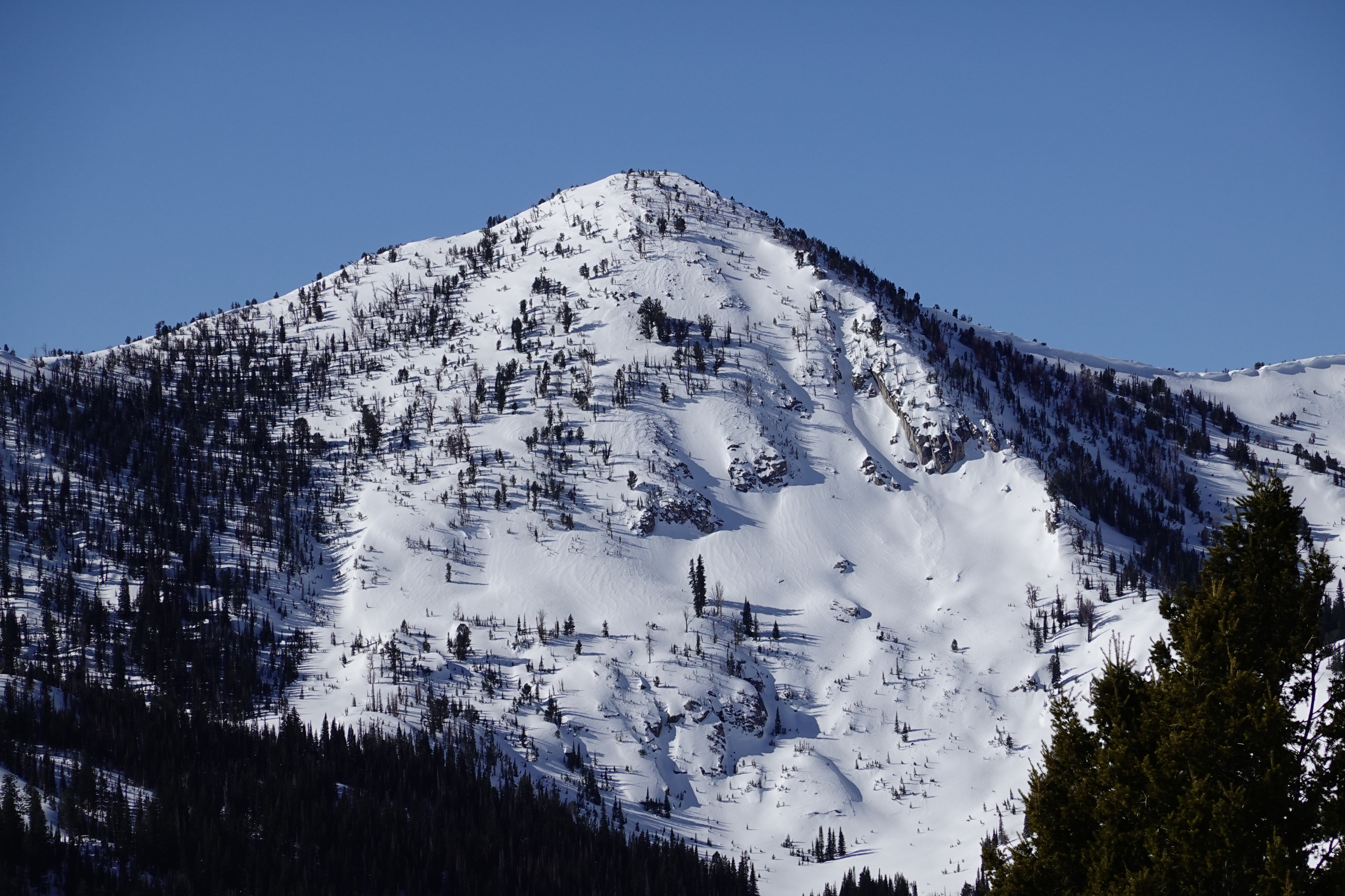
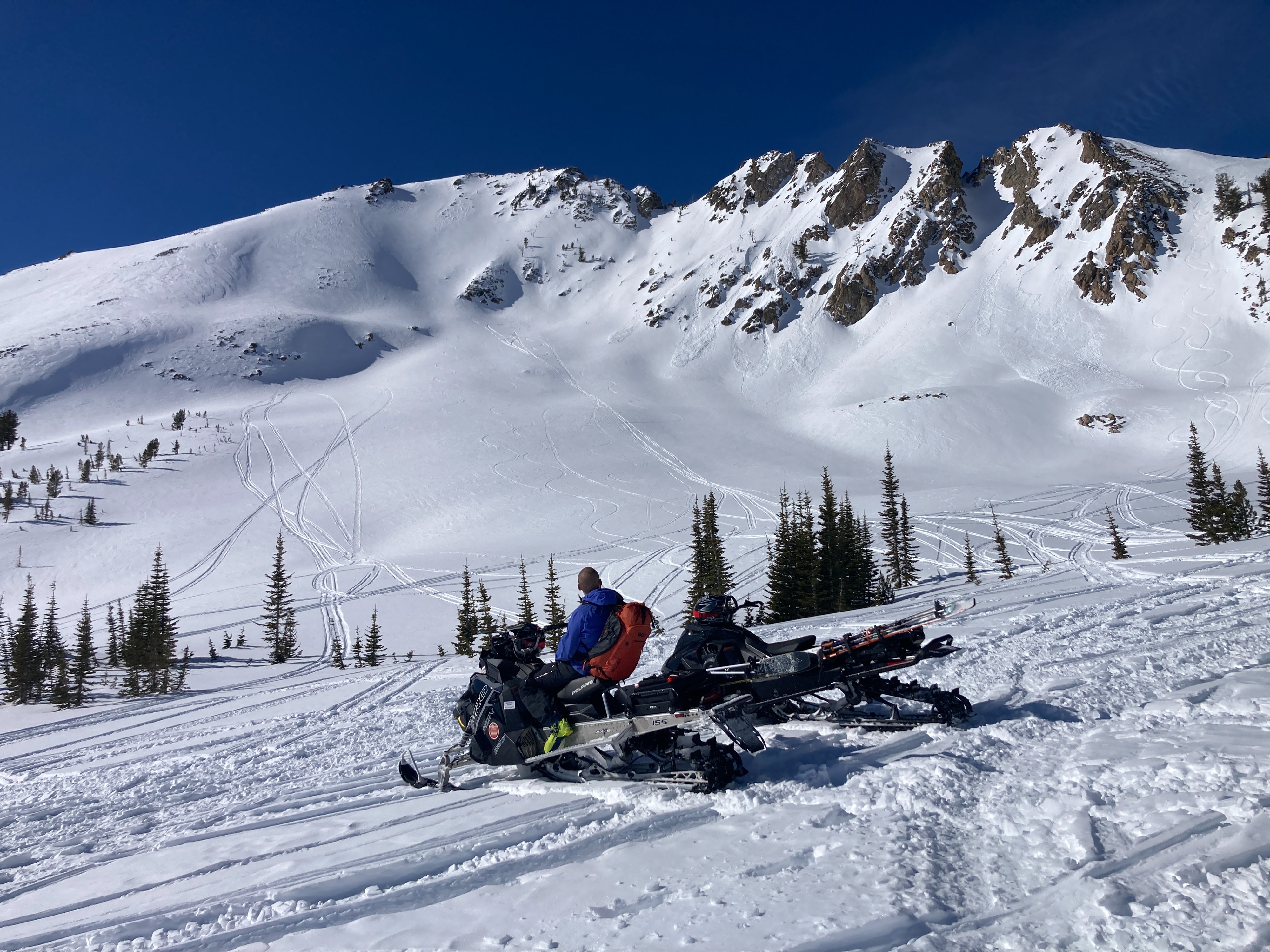
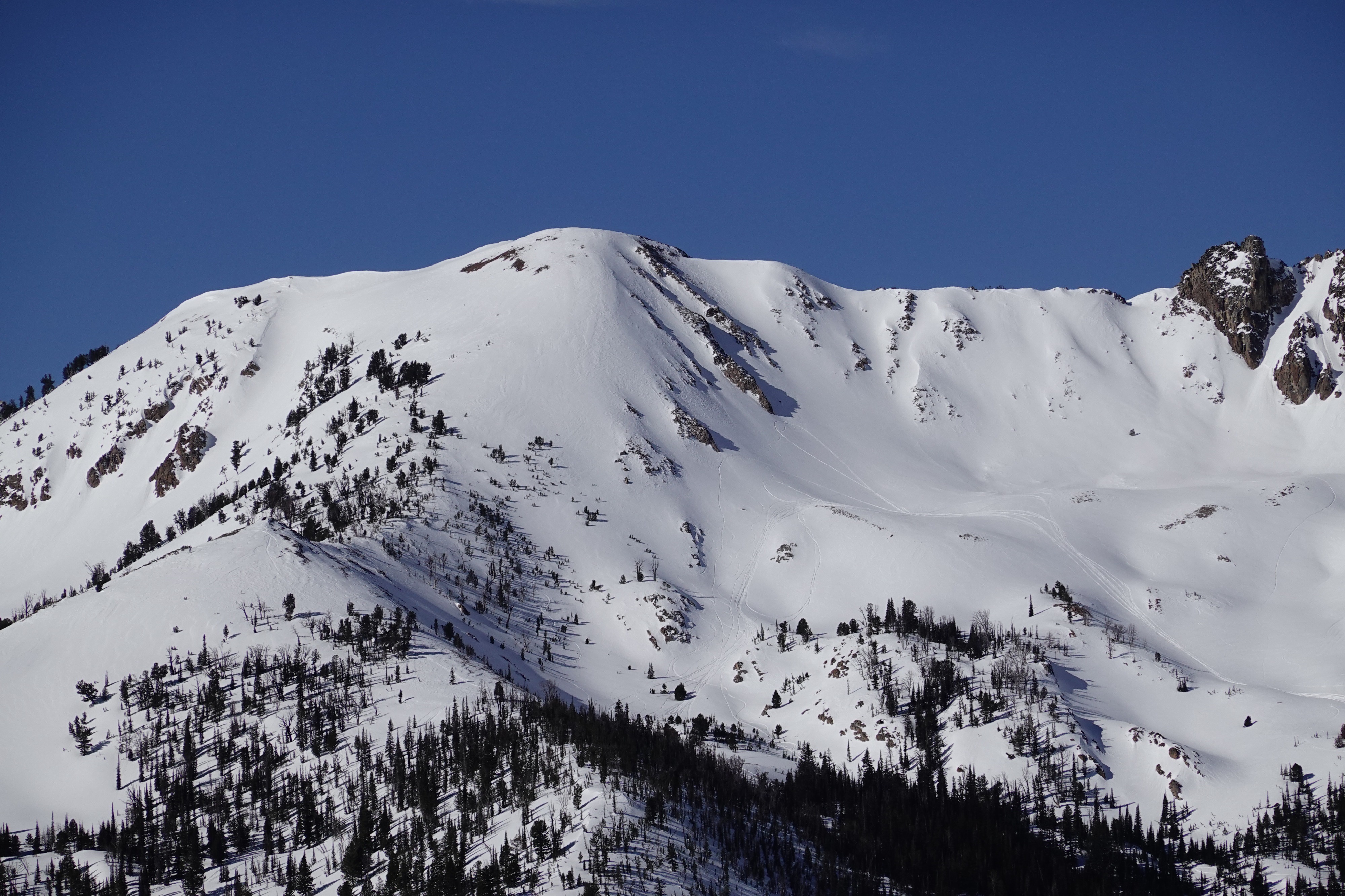
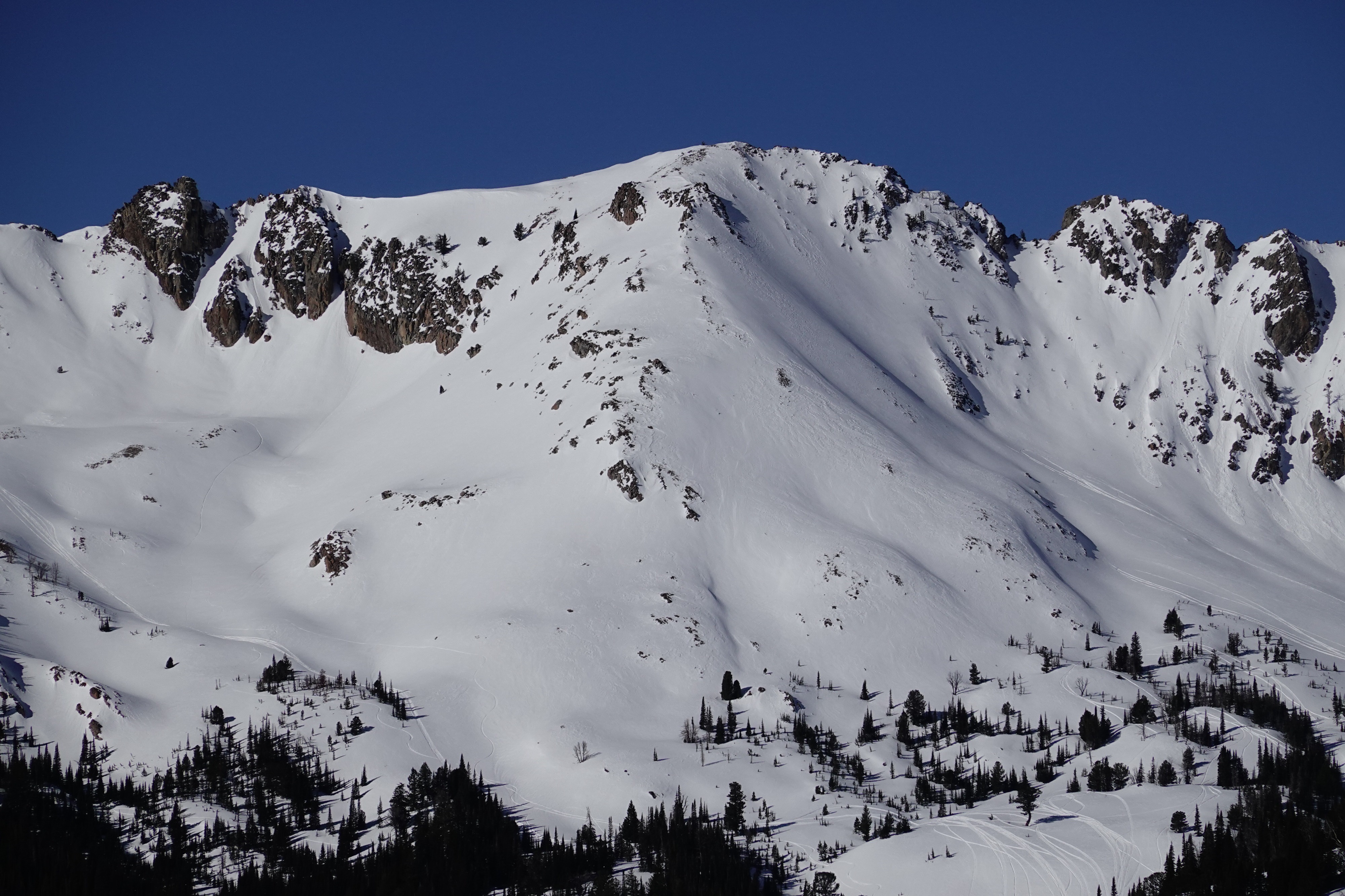
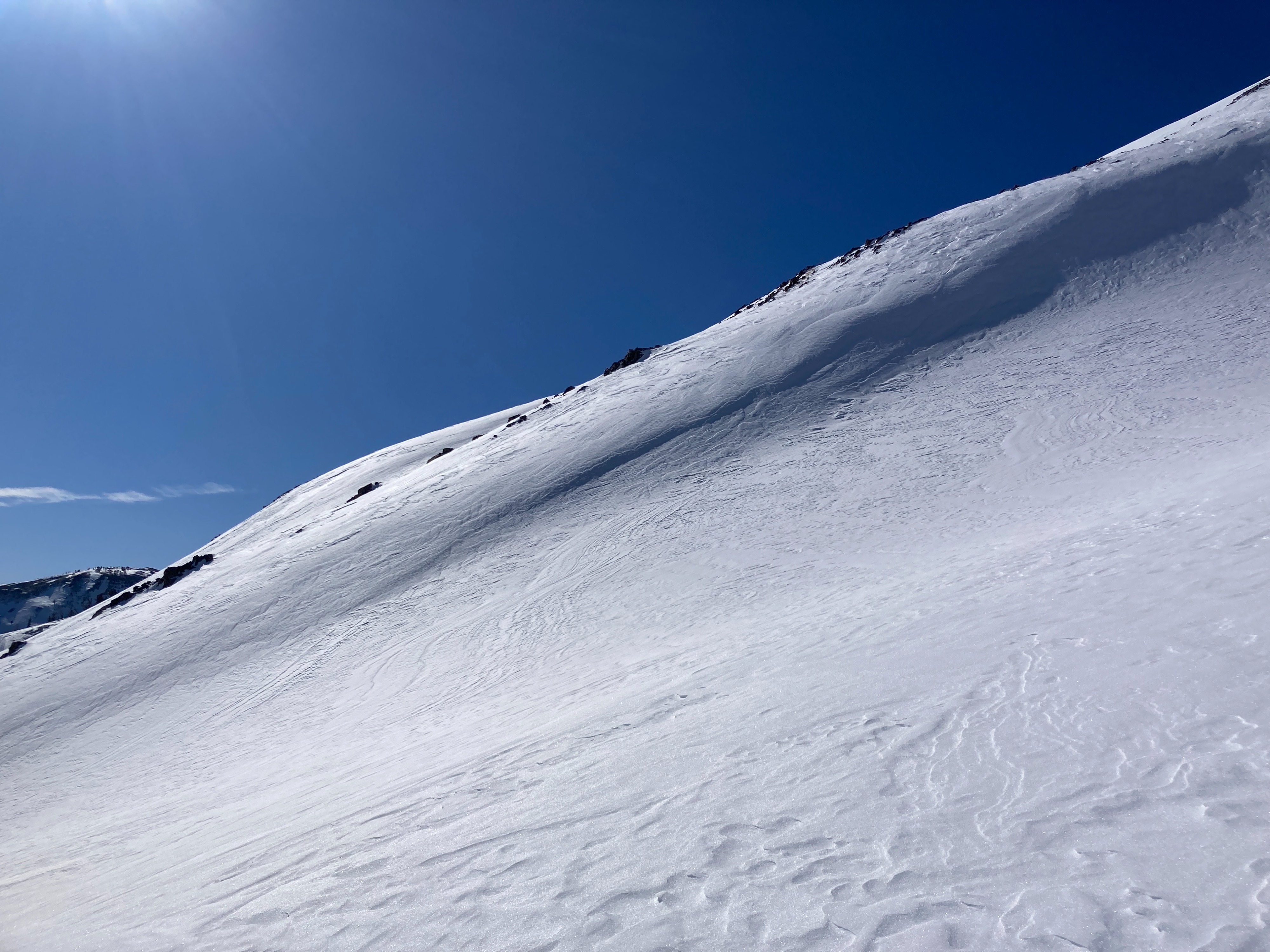
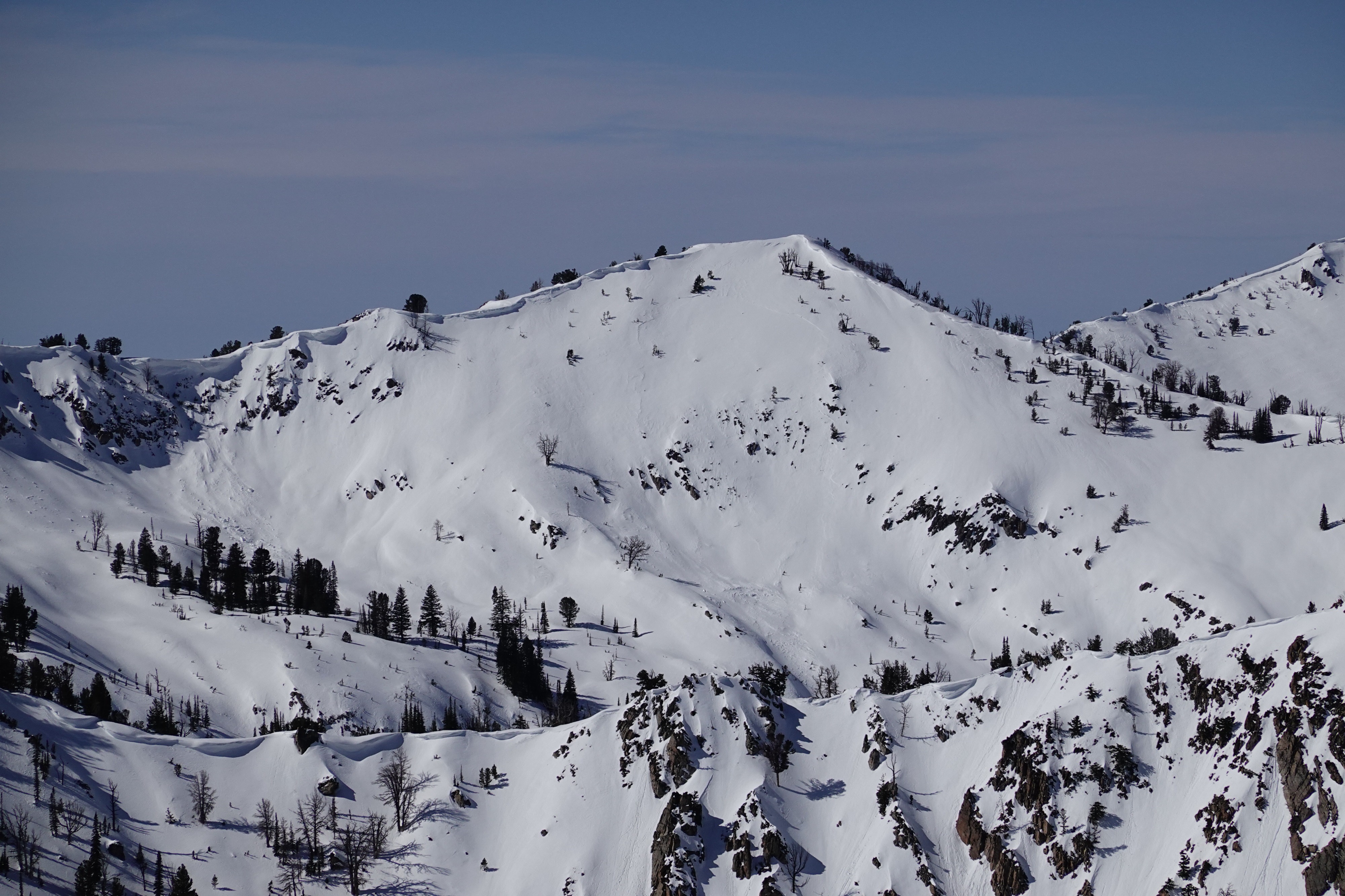
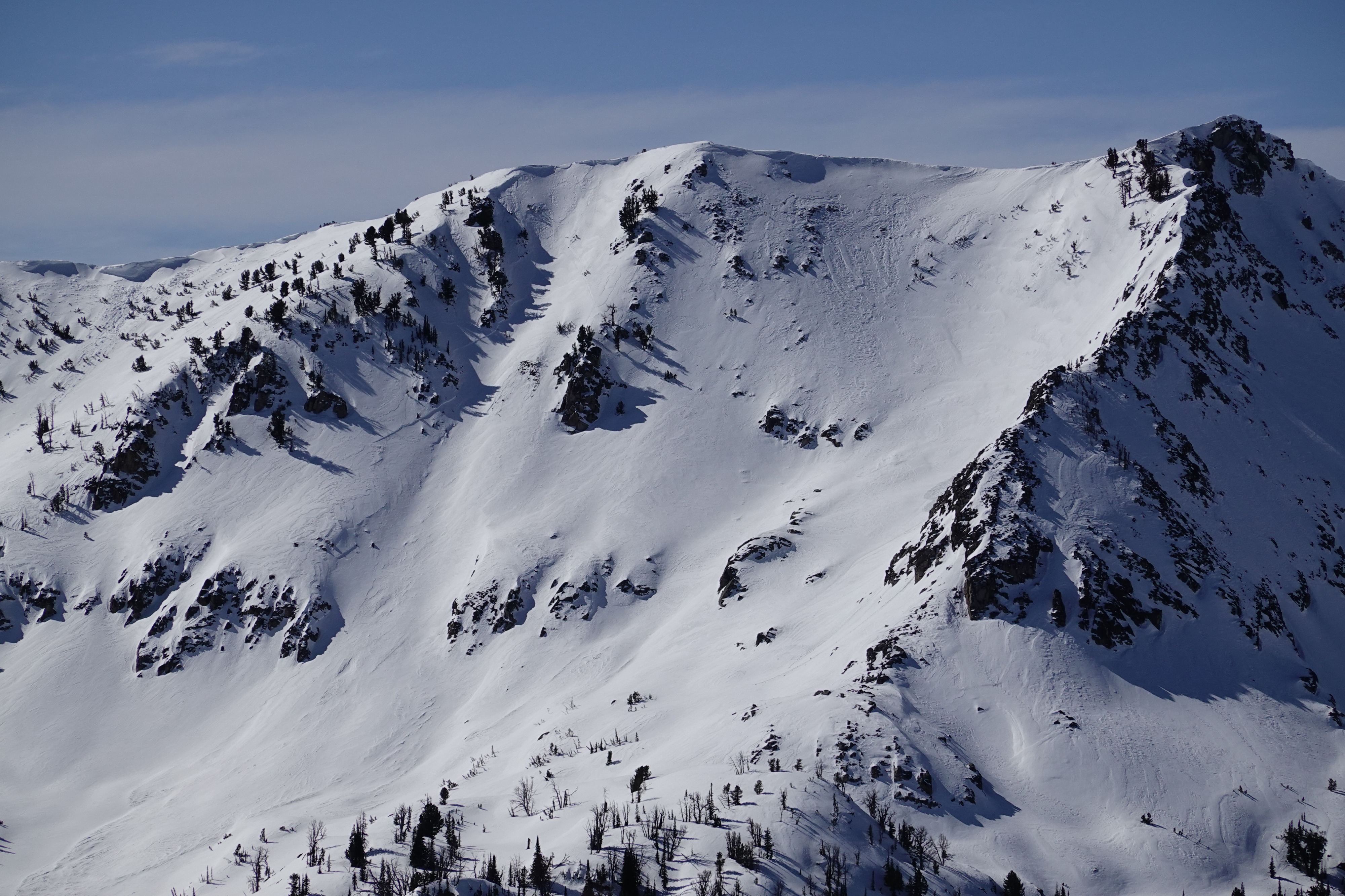
We covered a lot of ground today to see how the snow around the Soldiers was reacting to the recent warm temperatures. The big player here, no surprise, is wind. Where the wind doesn't reach, unconsolidated snow remains that is actively wetting out and relatively unstable. Wind-stiffened surfaces are much more resistant to warming and consistent wind along ridgelines and in the alpine have kept the snow surface cool despite the temperatures.
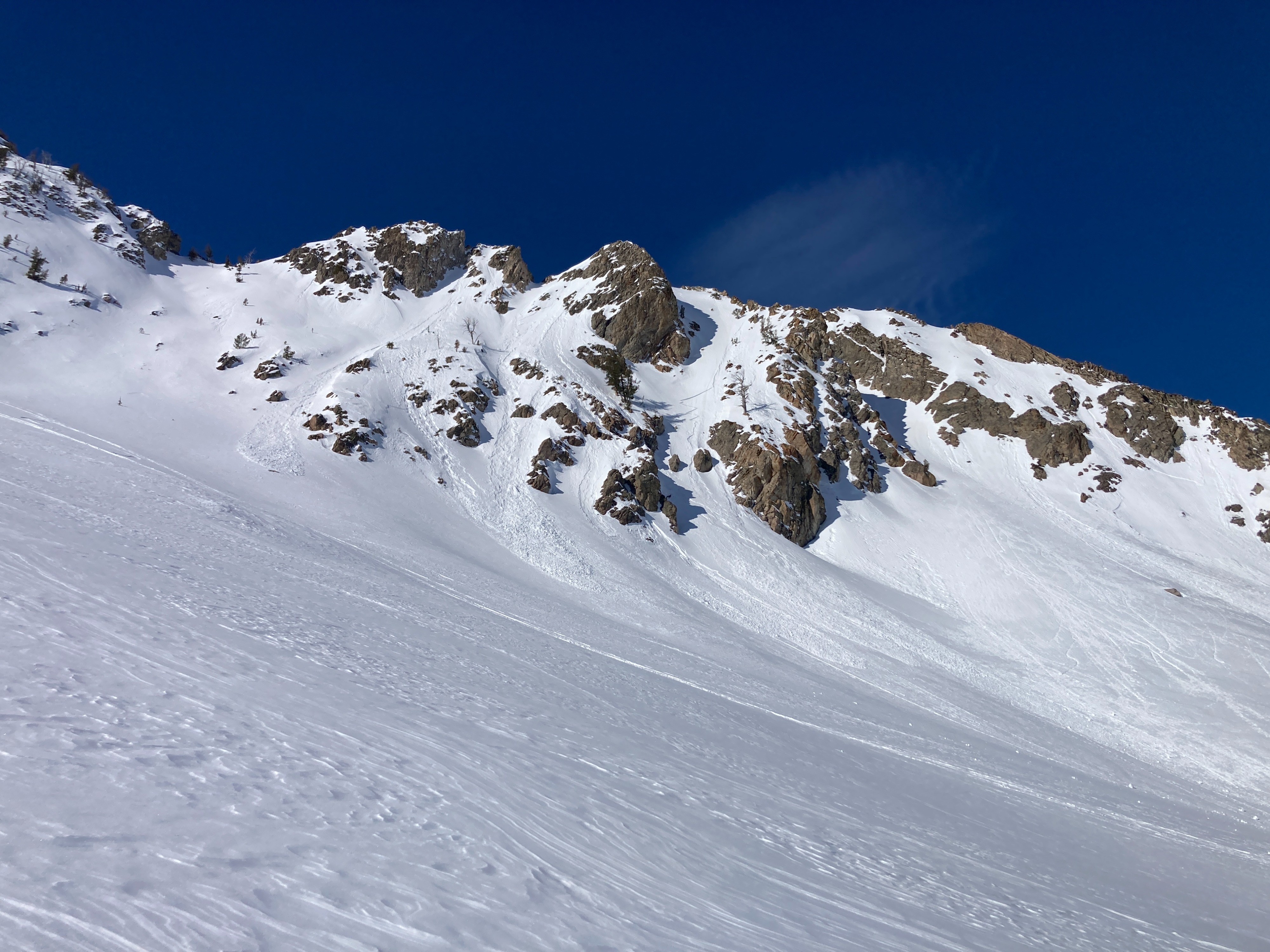
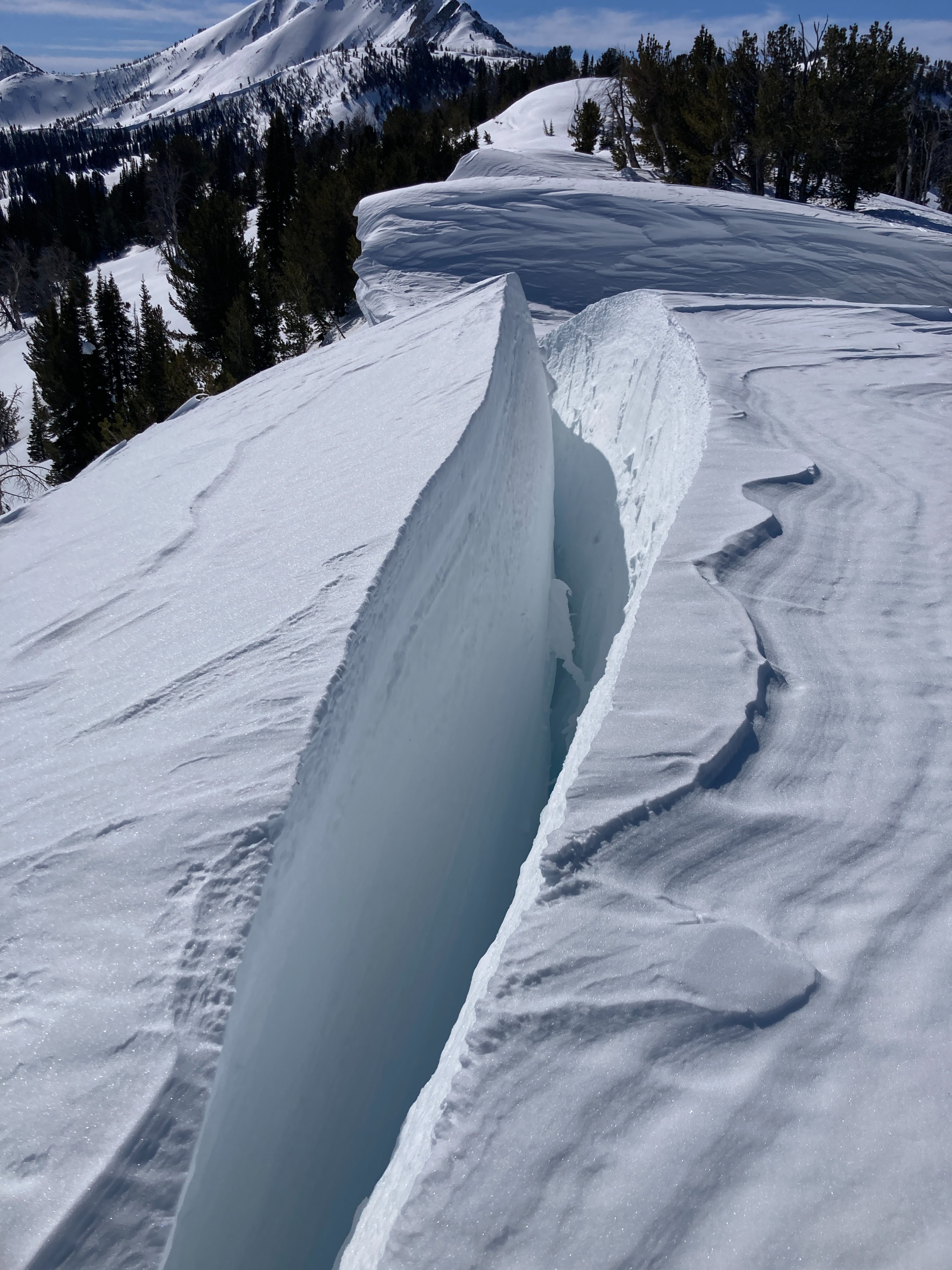
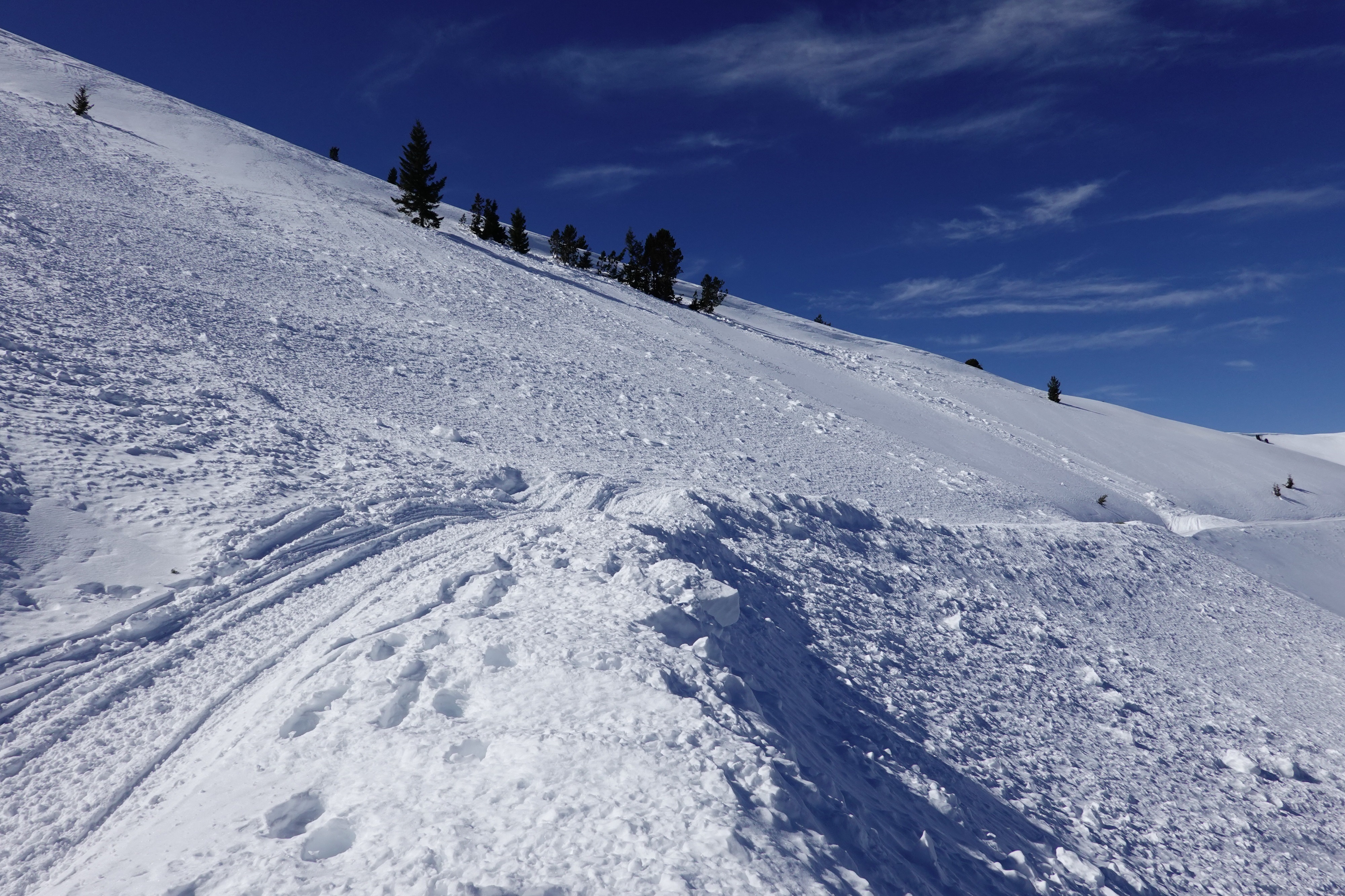
There is evidence of recent natural wet loose avalanches and cornice fall throughout the region, which points to calm conditions with limited wind input during the last few days. We also found evidence of old wind slabs that probably occurred shortly after last weekend's storm but no evidence of reactive slabs since then.
No obvious signs of instability observed todayWeather
- Air Temp
- 35
- Cloud Cover
- few
- Wind Loading
- previous
- Snow Avail For Transport
- none
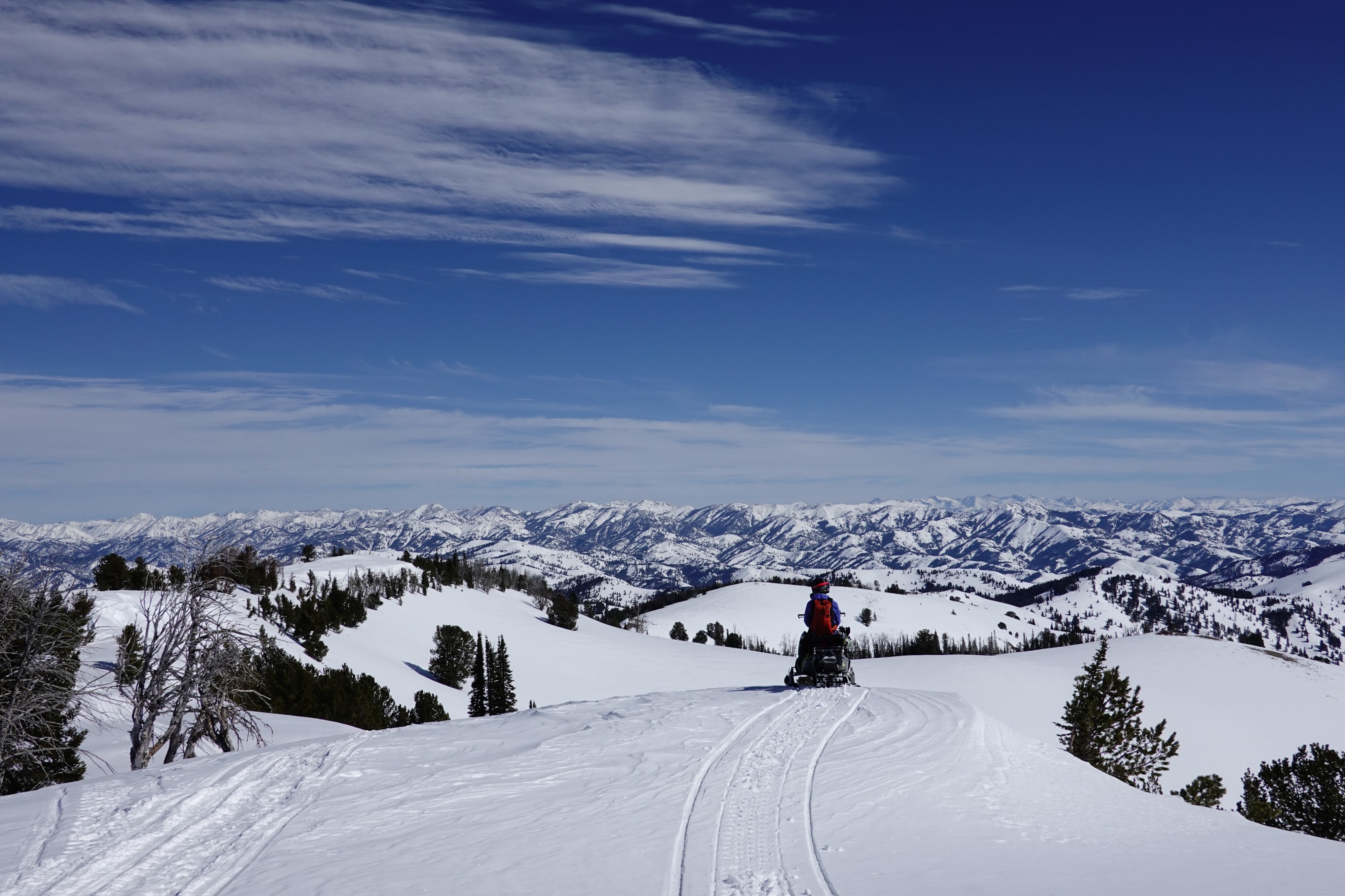
Calm to light winds at ridgetop kept the snow surfaces cool despite the above freezing temperatures and mostly clear to partly cloudy skies.
Snowpack
Surfaces: We found soft snow on in protected shady pockets below ridgelines, wind-compacted surfaces in alpine bowls, sastrugi and full wind-scoured surfaces along ridgelines and wet unconsolidated snow on solar slopes that receive very little wind. The snowpack was completely wetted out in shallow (<2 feet) steep solar slopes below 8,000 feet, but we typically only found water percolating 10-20cm down throughout our ride. Glistening sun-crusts exist below 7000 feet on SE, S, and SW aspects.
Snowpack: Variable snow depths were largely due to wind-redistribution. Deep pockets on the leeward side of ridgelines and cross-loaded gullies held ~5 feet (1.5m) of snow, while many ridgelines were scoured down to bare dirt and rocks. We dug a quick pit at 9300' on a NE aspect in the Smoky Dome North bowl and found a 2.5-foot thick F to P slab (February snow) resting on a 4-inch layer of 4F rounding facets and another 10 inches of strong refrozen decomposing facet-crust combos to the ground. The weak layer was inconsistent and sintering, making instability testing unreliable in this location. Probing revealed similar firm consolidated slabs throughout the area overlying some basal weak snow (that feels like it's gaining strength).
Avalanche
Only observed old avalanches: a handful of wet loose from the previous few days of warming (although none larger than D1) and a handful of old wind slabs as well.