
Quick report
It's easy for us to see north and east aspects, so I wanted to get a closer look at westerlies. Particularly, I wanted to see what the difference in the snowpack is between northeast aspects above treeline (where we've had a lot of recent wet loose avalanches), and northwest at the same elevations. I also wanted to see if there were any surfaces out there on snow-covered slopes that were not just melt-freeze.
- Every snow surface I travelled on had spring, melt-freeze snow on the surface.
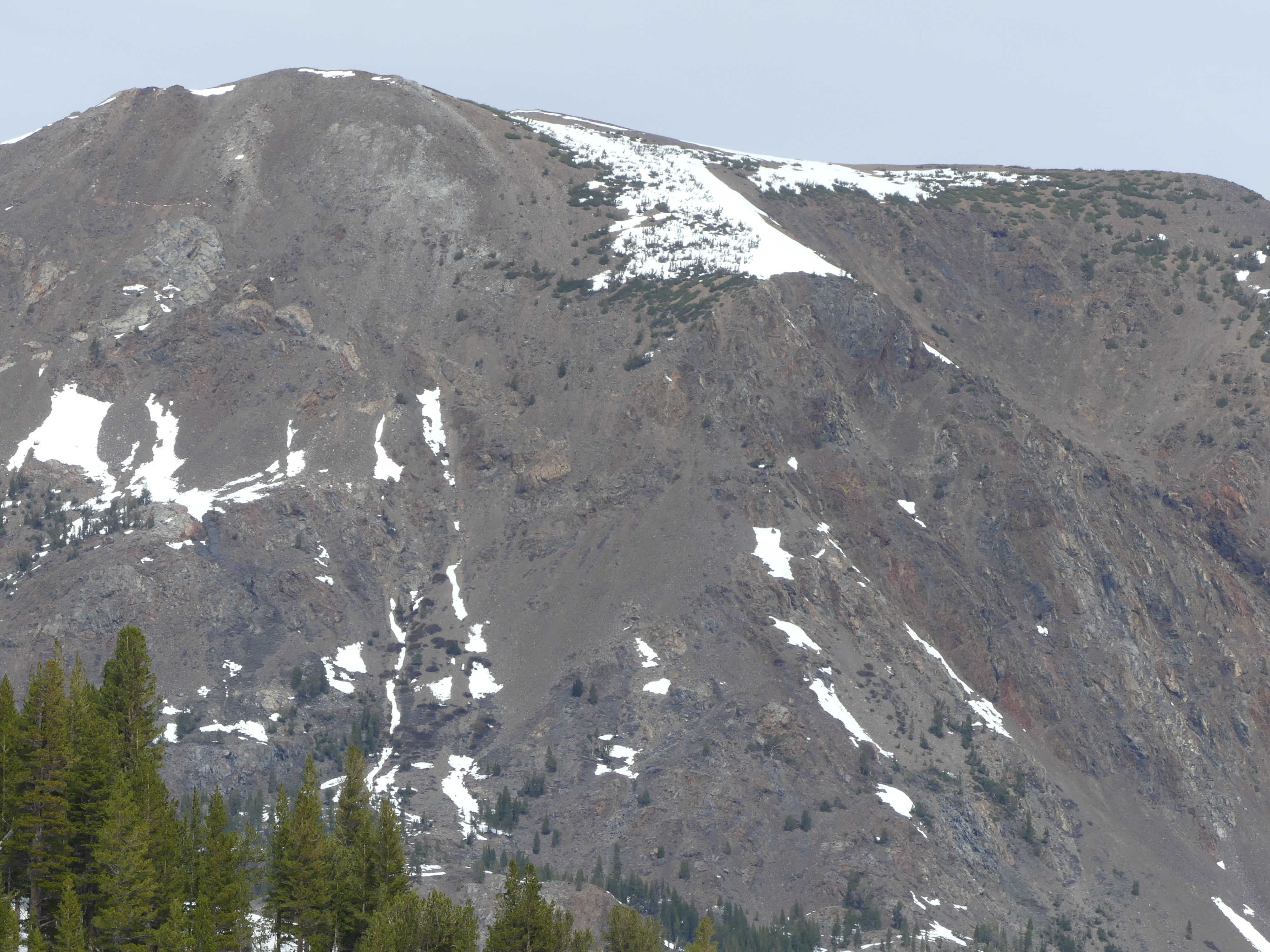
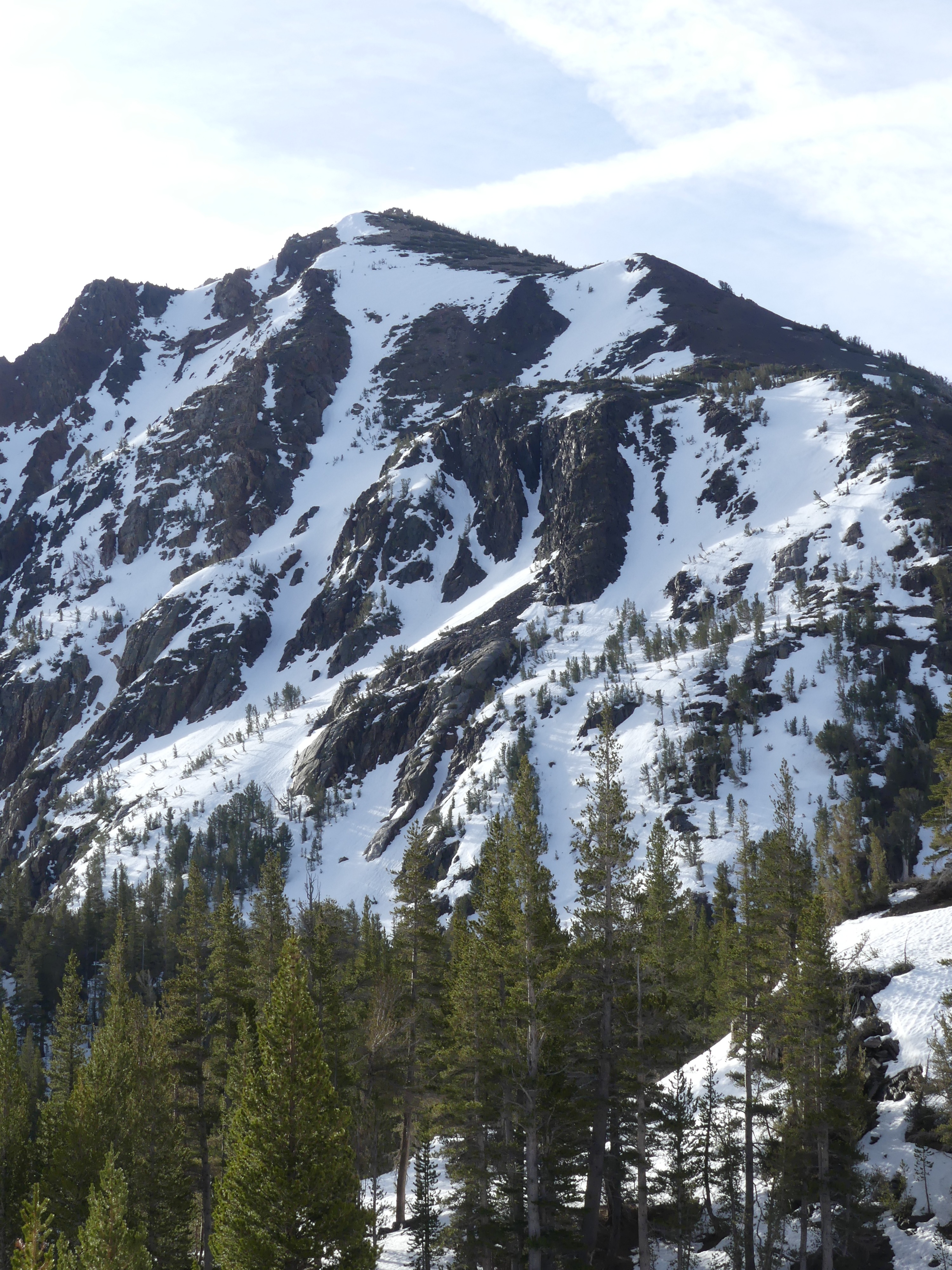
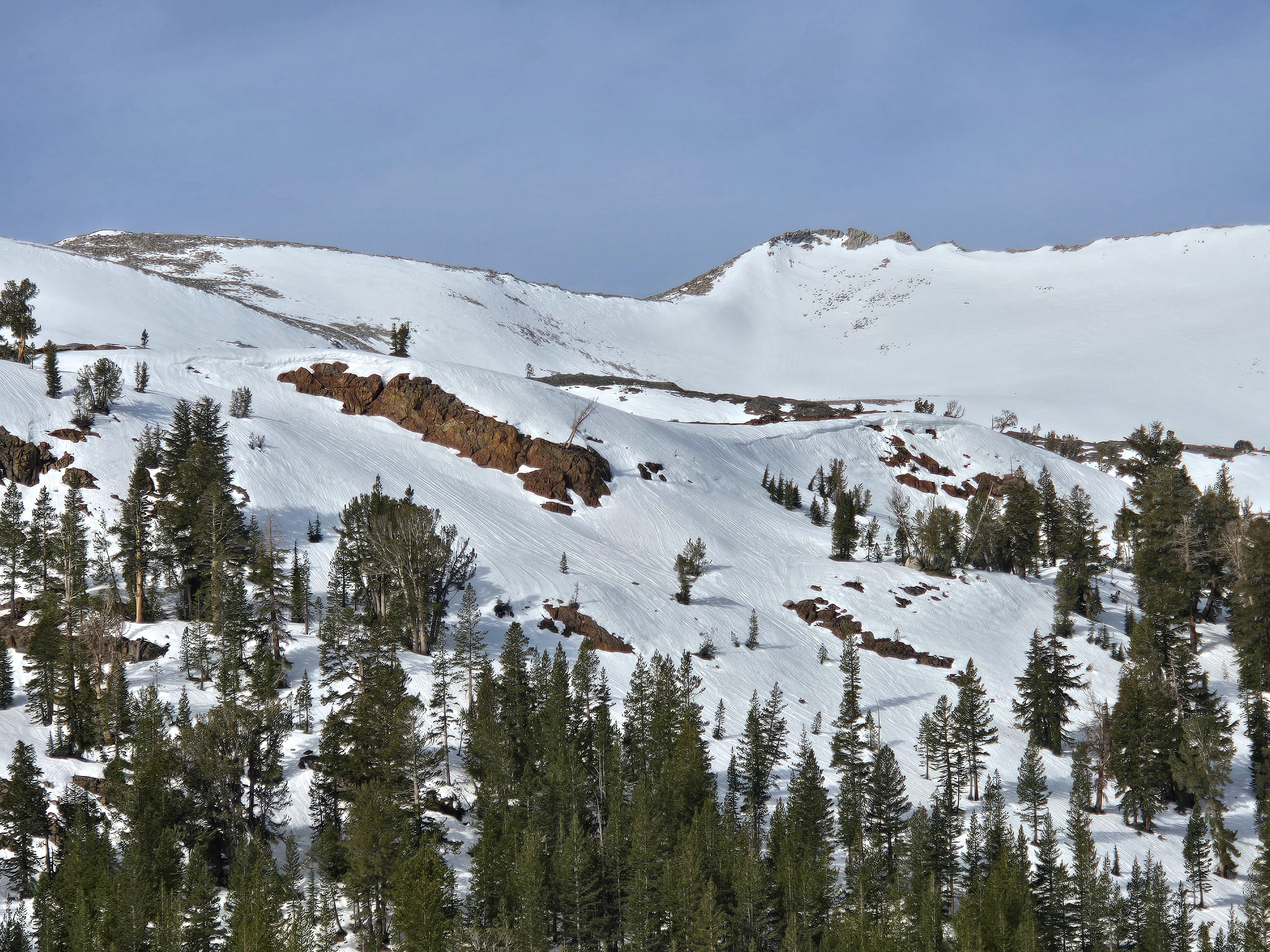
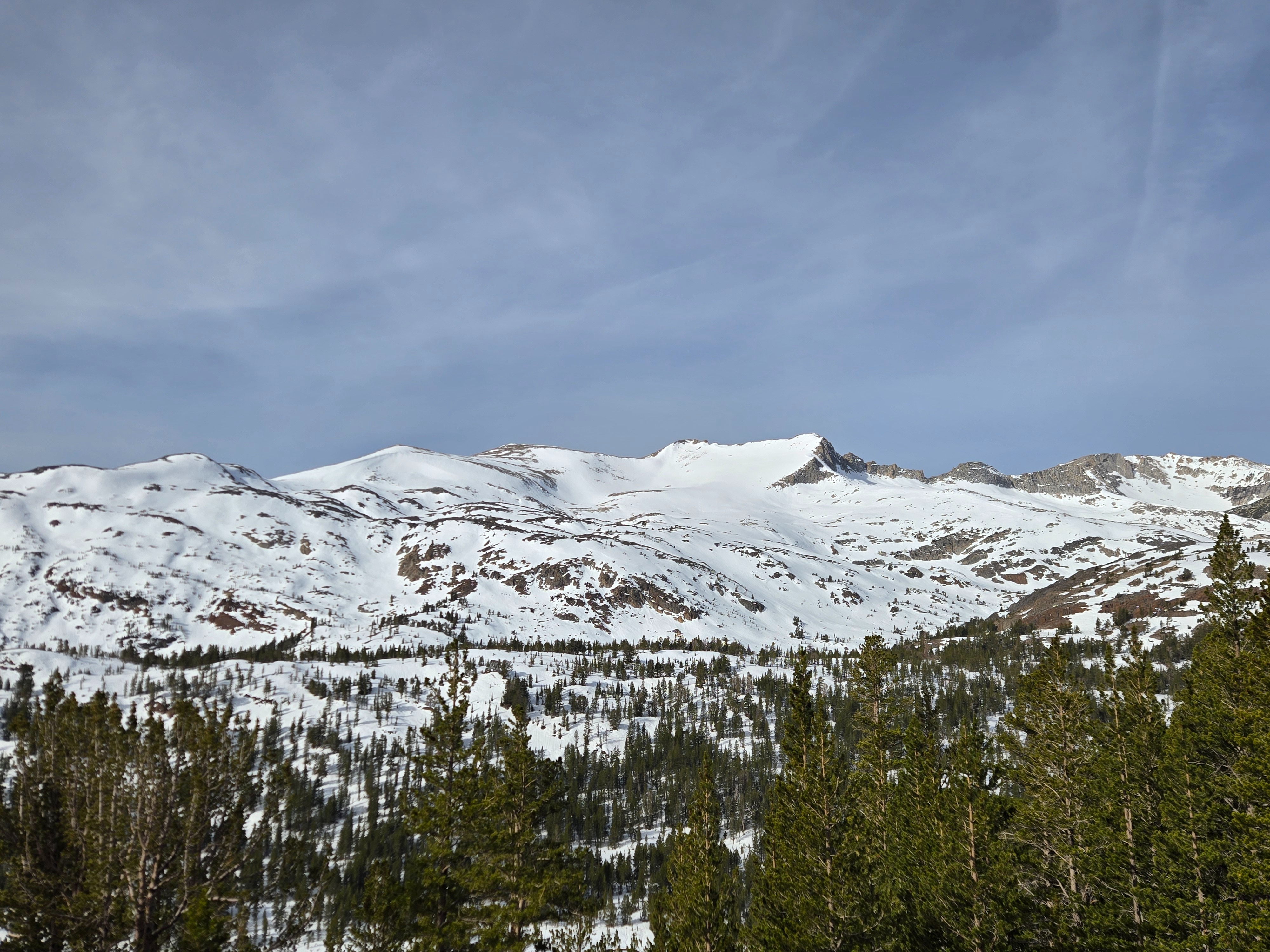
- I found a shallower, harder, drier snowpack on high northwest aspects than on high northeast aspects. I also found patchier coverage on westerly aspects than on northerly and easterly slopes.
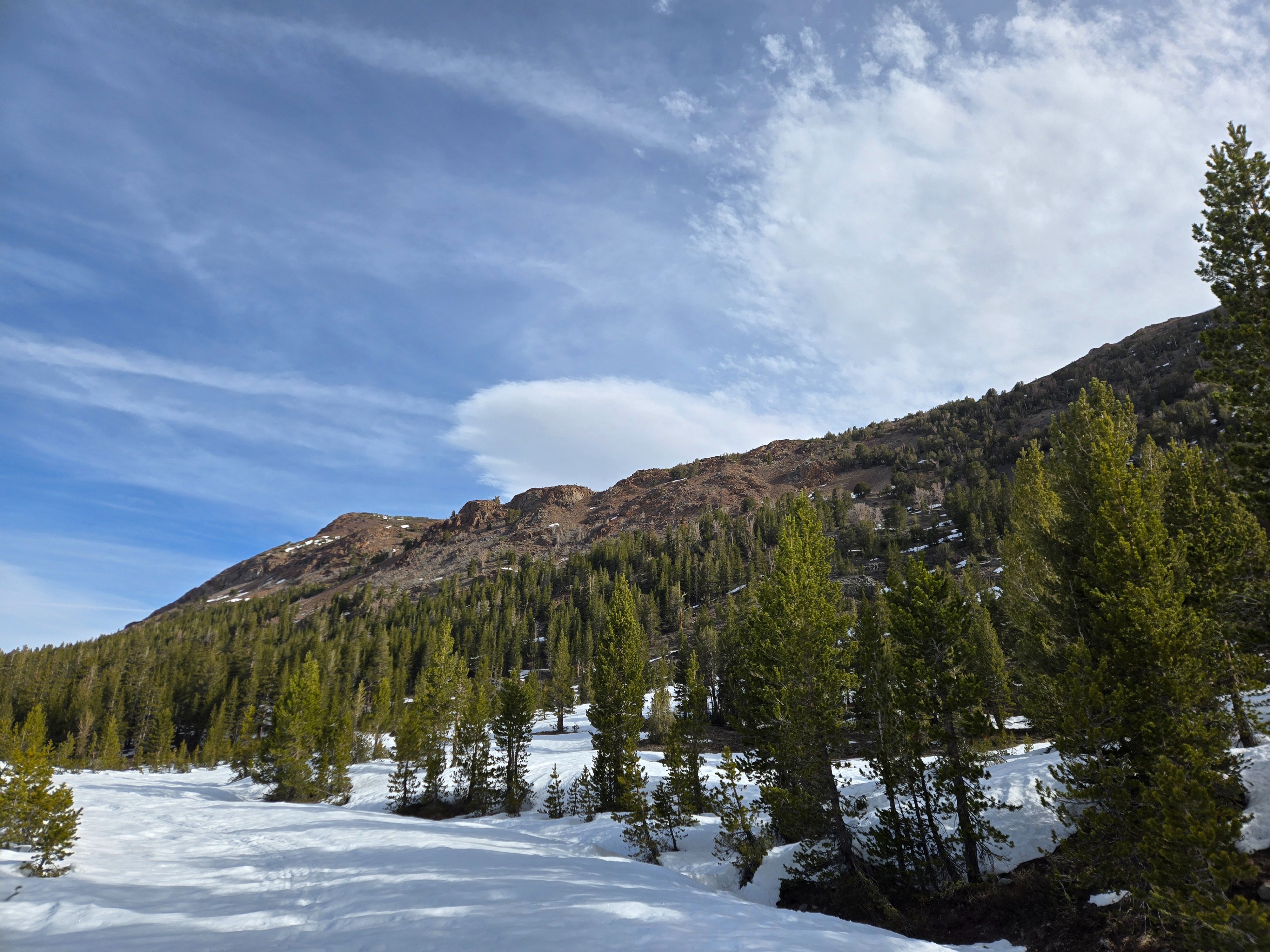
- Clouds and southwest winds kept major thawing at bay. Most aspects below 11,000 ft. softened into corn today, but the only deep wet snow I found was in patches below 10,600 ft. on west- to southwest-facing slopes.
Weather
- Air Temp
- 30s to 50s
- Cloud Cover
- broken
- Wind Loading
- none
- Rain Elevation
- NA
- Recent Snowfall
- 0
- Snow Avail For Transport
- none
Warm temperatures, mostly cloudy skies, and light to moderate southwest wind.
Snowpack
I dug two hasty pits above 11,000 ft in apline terrain. One on northwest and one on northeast. The northeast hole represented the better coverage on that aspect, with deeper snow. It was also largely moist, transitional snow. My northwest hole reflected the reletively worse coverage on that aspect, which much shallower snow cover. In that pit, I found that the upper snowpack had transitioned to melt-freeze earlier in this heat wave. A stout melt-freeze crust sat atop dry depth hoar. Overall this northwest pit had drier, and firmer snow than my pit on northeast..
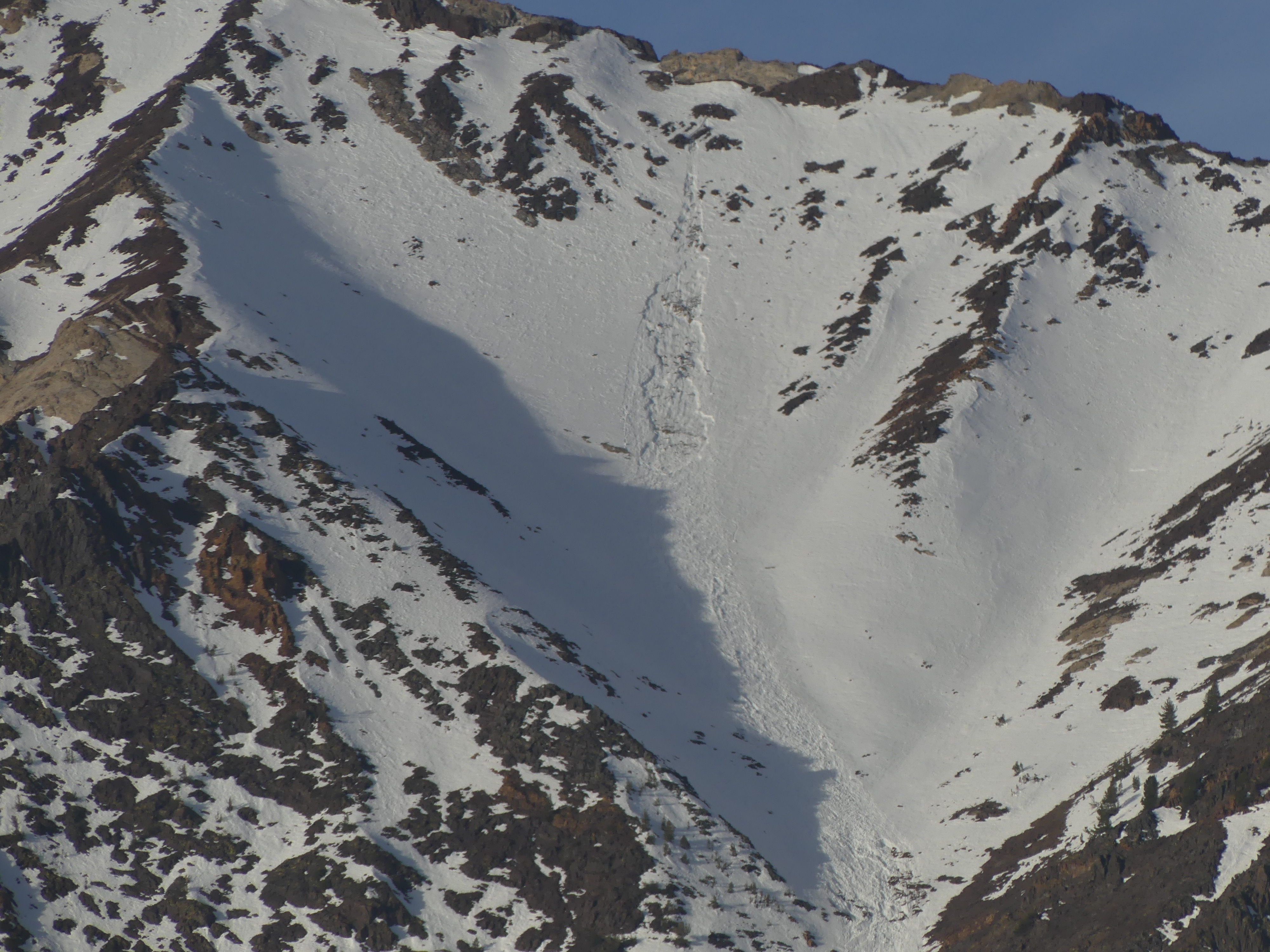
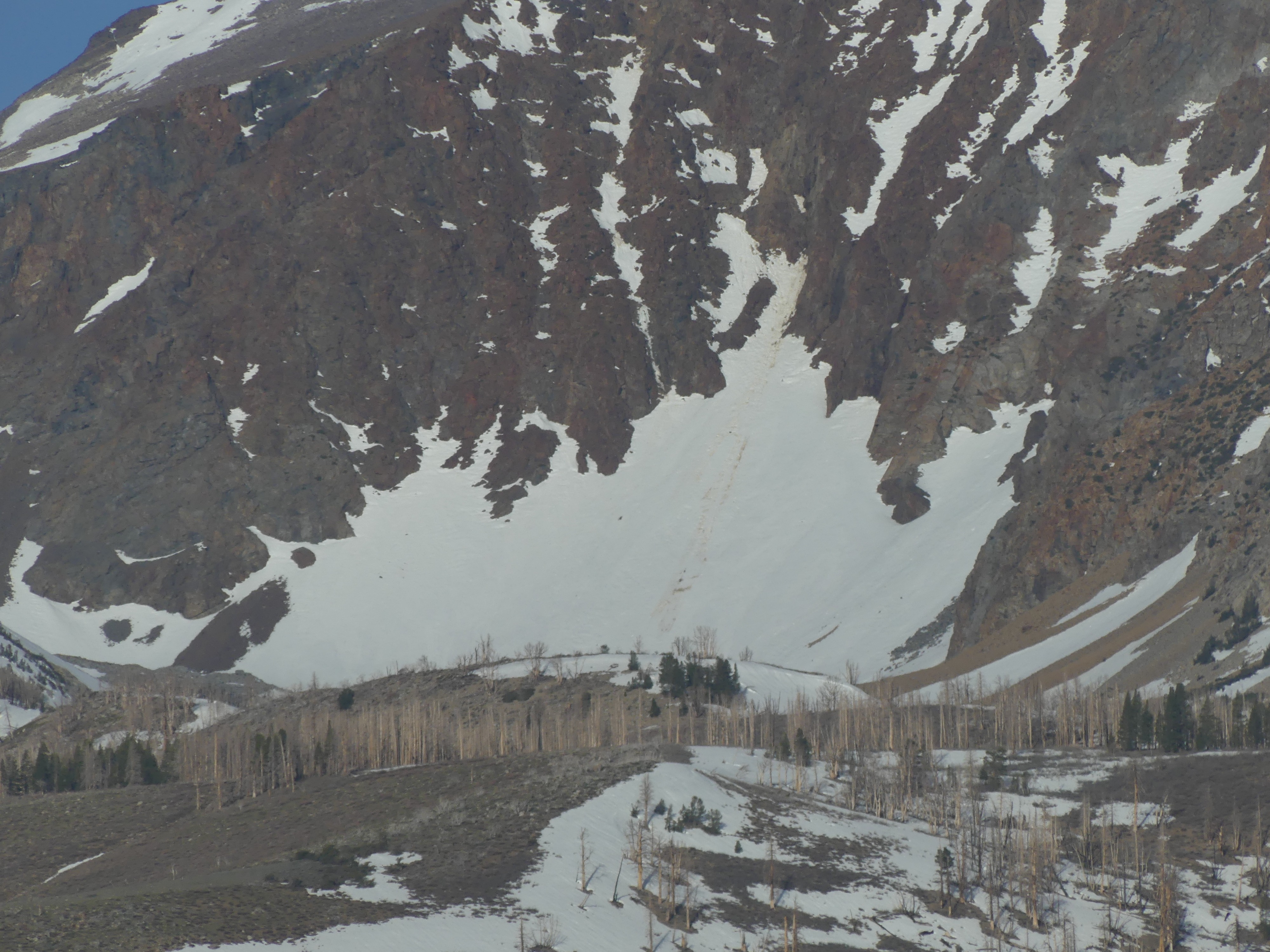
Avalanche
- Size
- D1.5
- Type
- WL
- Aspect
- NE
- Trigger
- N
- Elevation
- 11700 ft
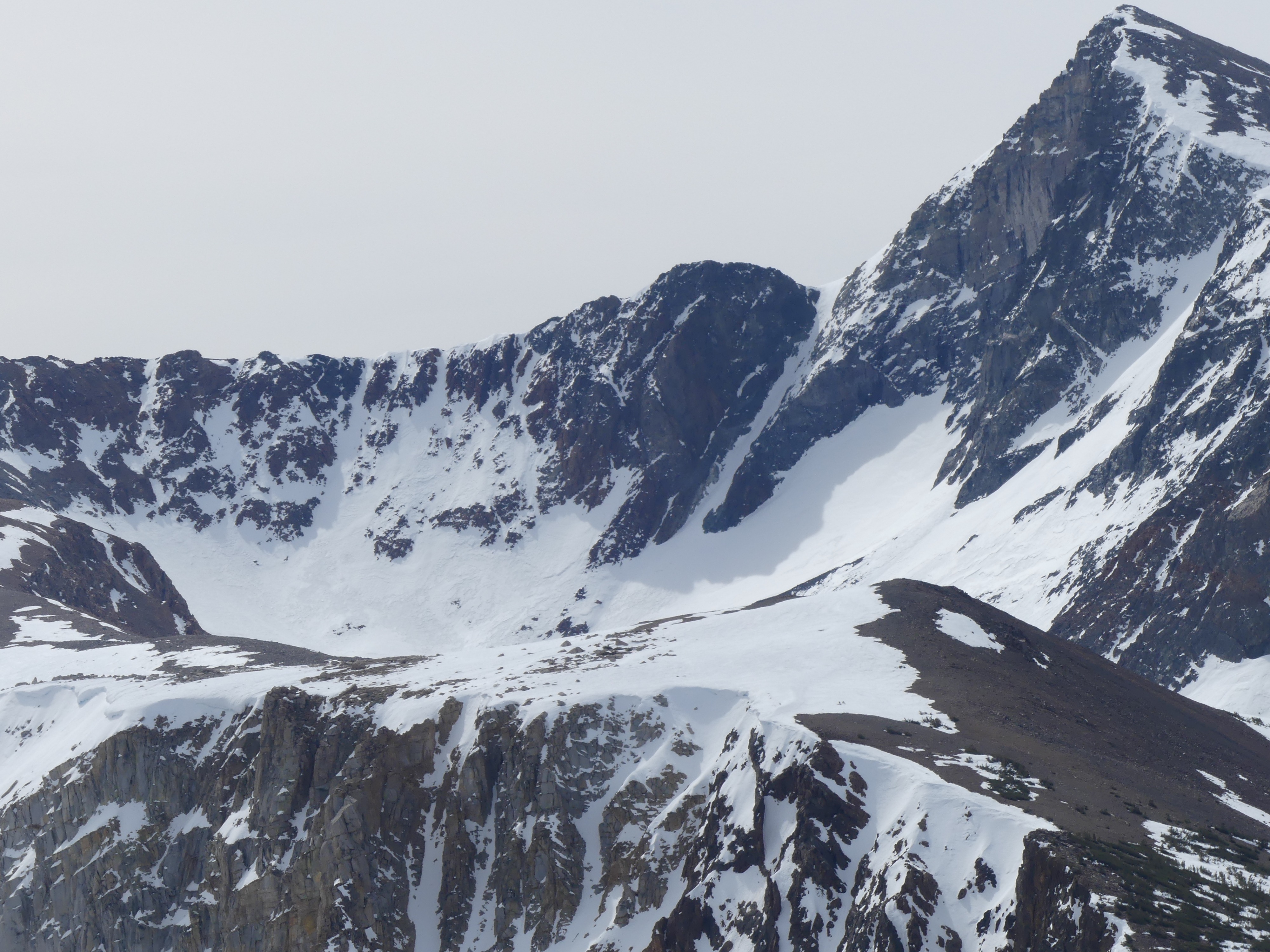
In addition to the avalanche here, I saw one that likely ran this past week above Kidney Lake, and some small recent cornice fall below False White Mtn.. See photos.