
Quick report
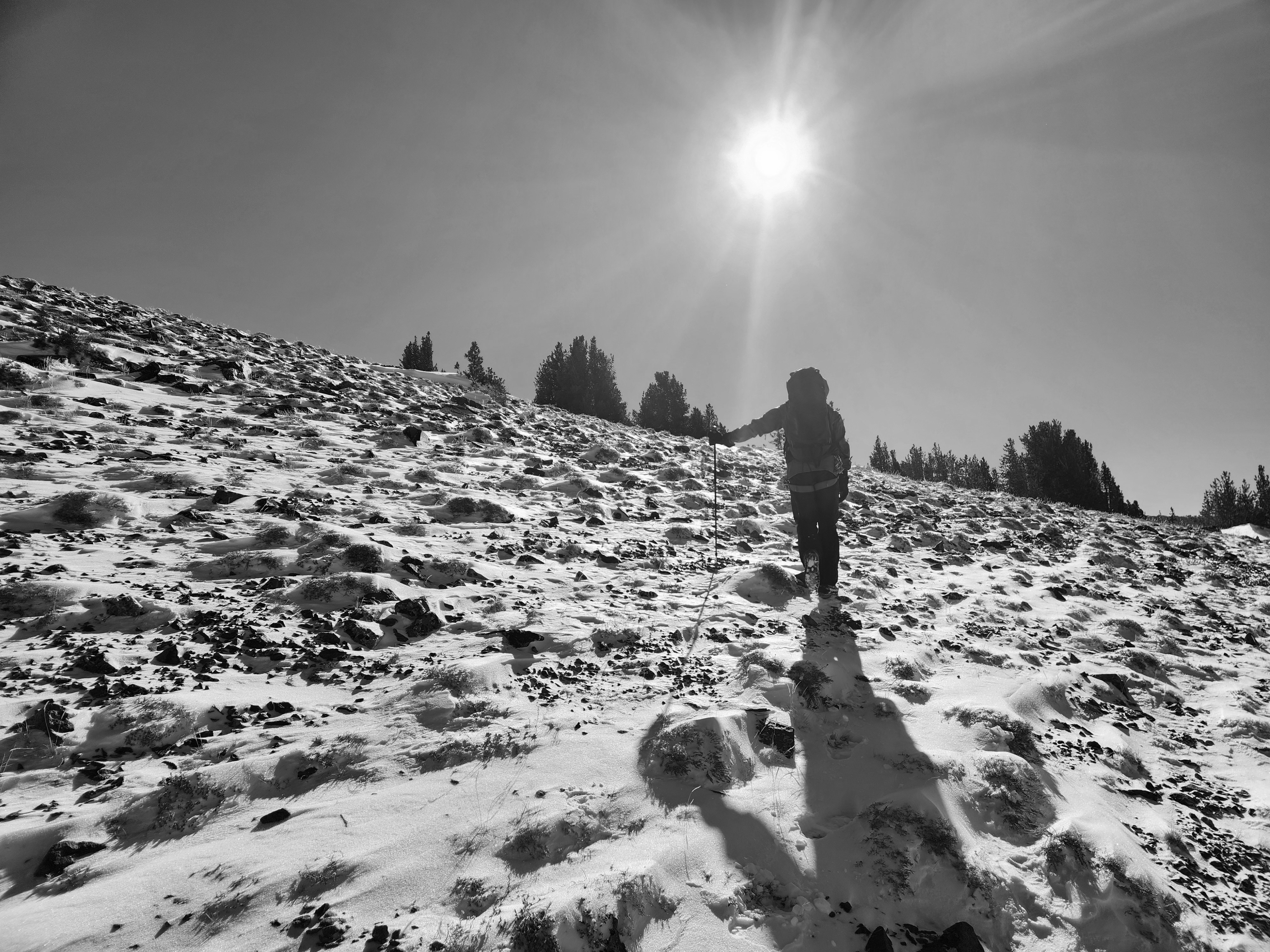
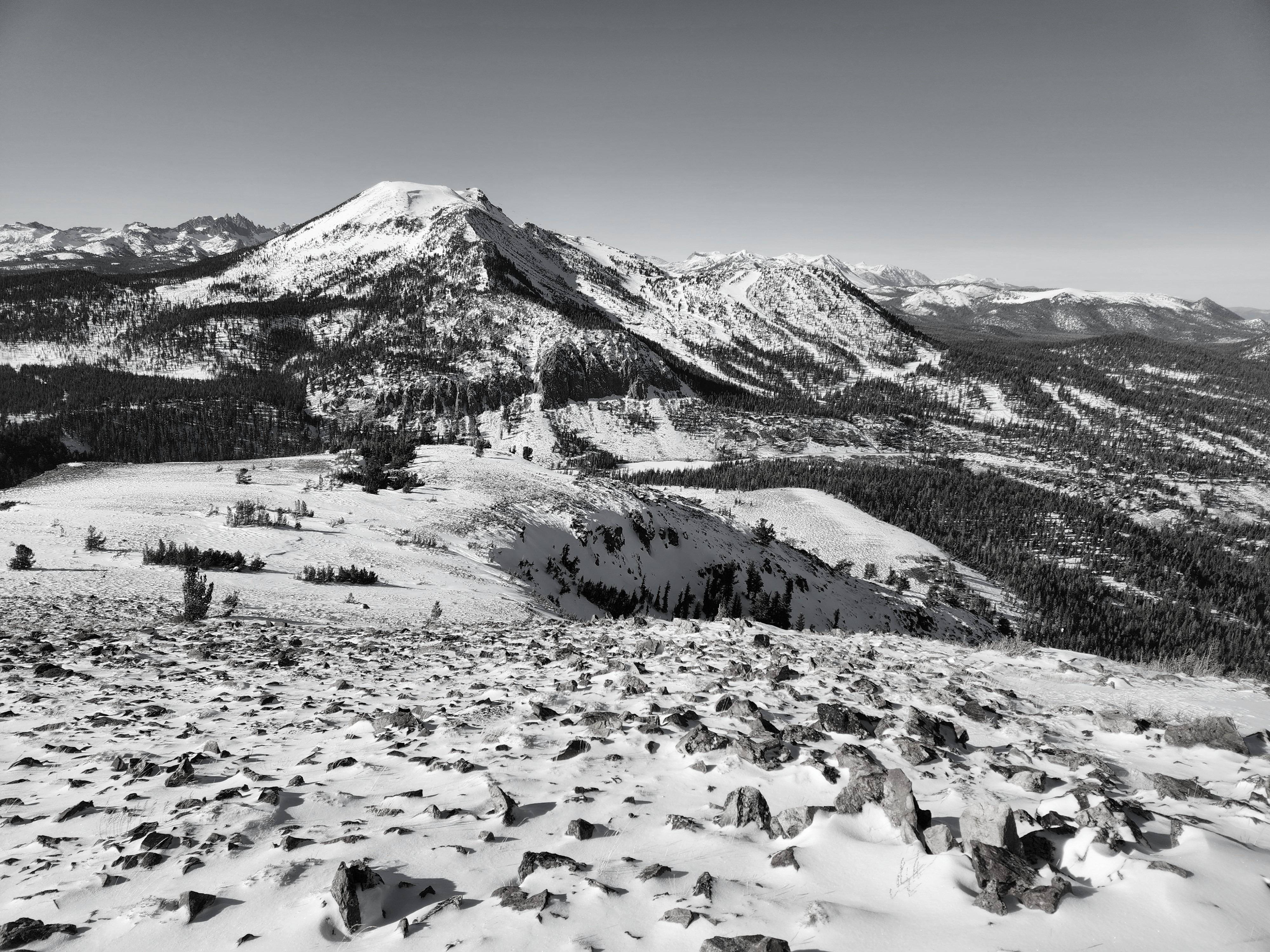
We hiked the Sherwin Ridge to dig and check on the poor snowpack structure we've been associating with the current persistent slab problem.
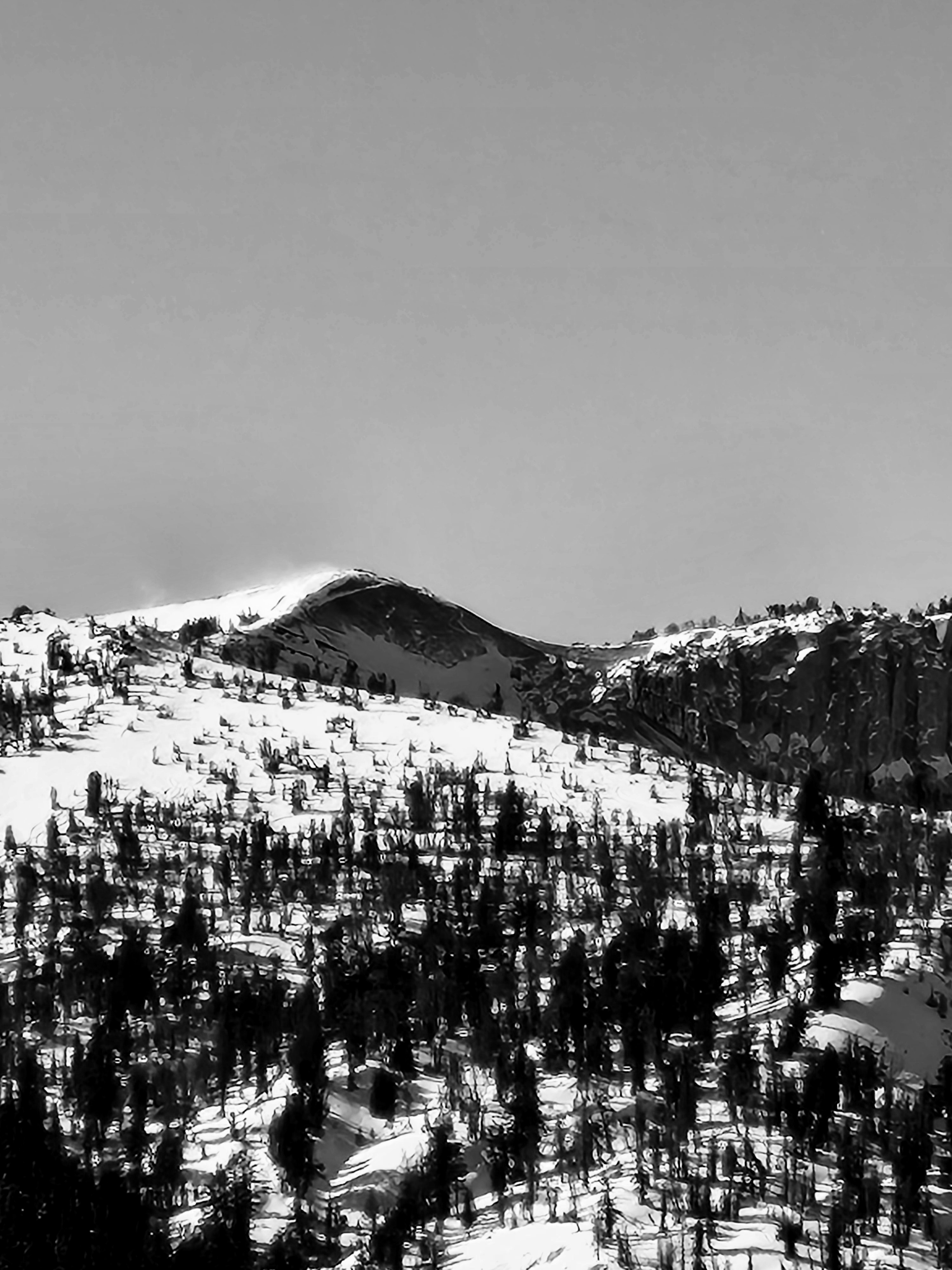
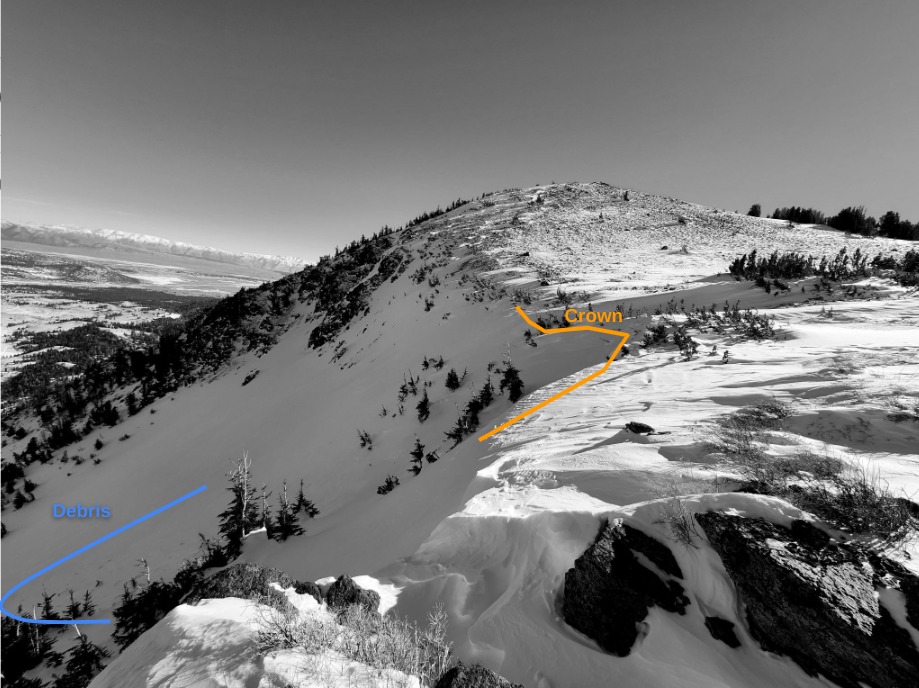
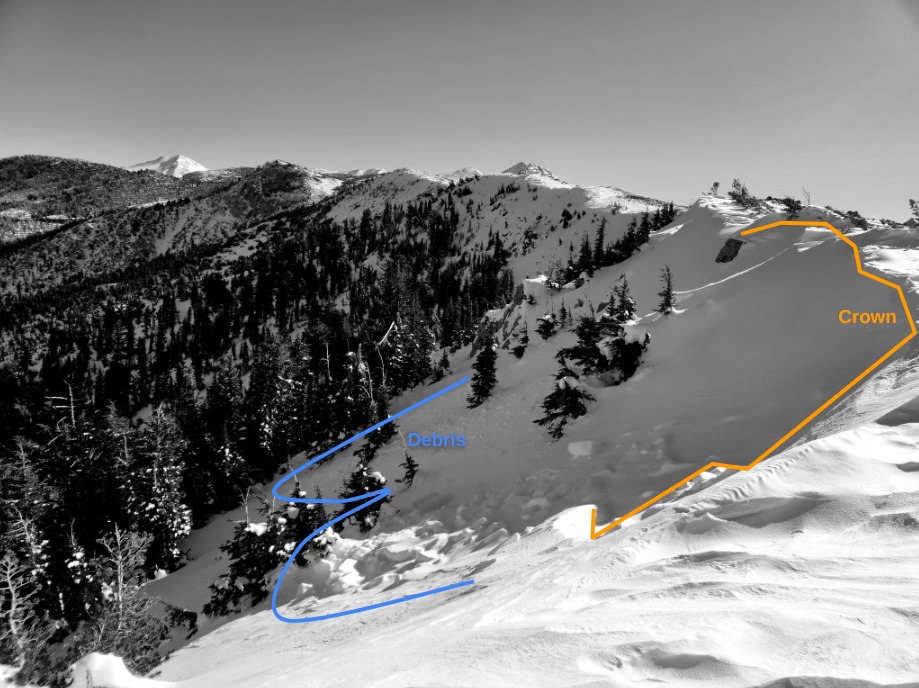
- We found some older avalanches.
- We found a soft, weak snowpack with no slab over the weak layers.
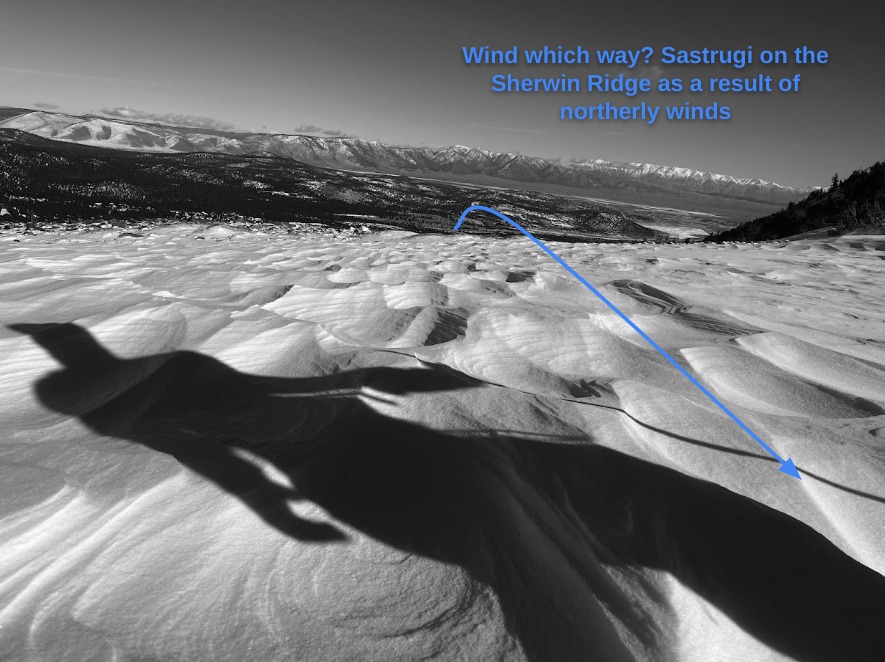
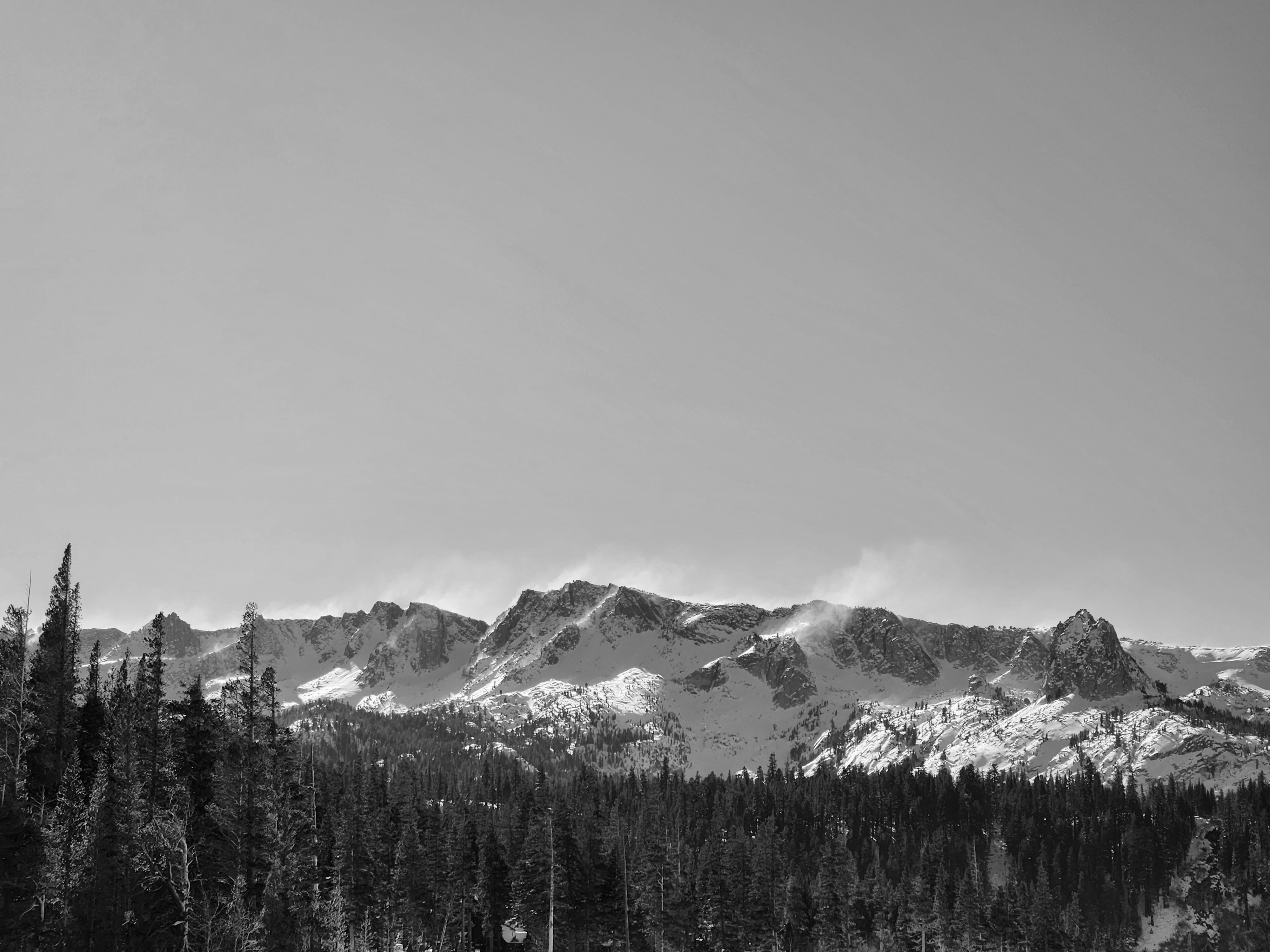
- North winds were cranking and stripping typically loaded slopes. The top of Red Cone Bowl is back to dirt.
- We checked on some stiffer drifts on the ridge that had been deposited by northerly winds. These were small and showed no signs of instability. I tried a hand shear test and it took hard force to pull the stiff slab away from the softer snow underneath.
- The sun was affecting the snow on solar aspects - making it crusty.
Weather
- Air Temp
- 21
- Cloud Cover
- clear
- Wind Loading
- light
Gale-force northerly winds were scouring typically leeward slopes above treeline across the entire range (from Bishop, north). Winds died and we saw much less blowing snow in the afternoon. Temperatures were cold at the ridge and on north-facing slopes, but the sun felt warm on solar aspects sheltered from the cold, strong wind.
Snowpack
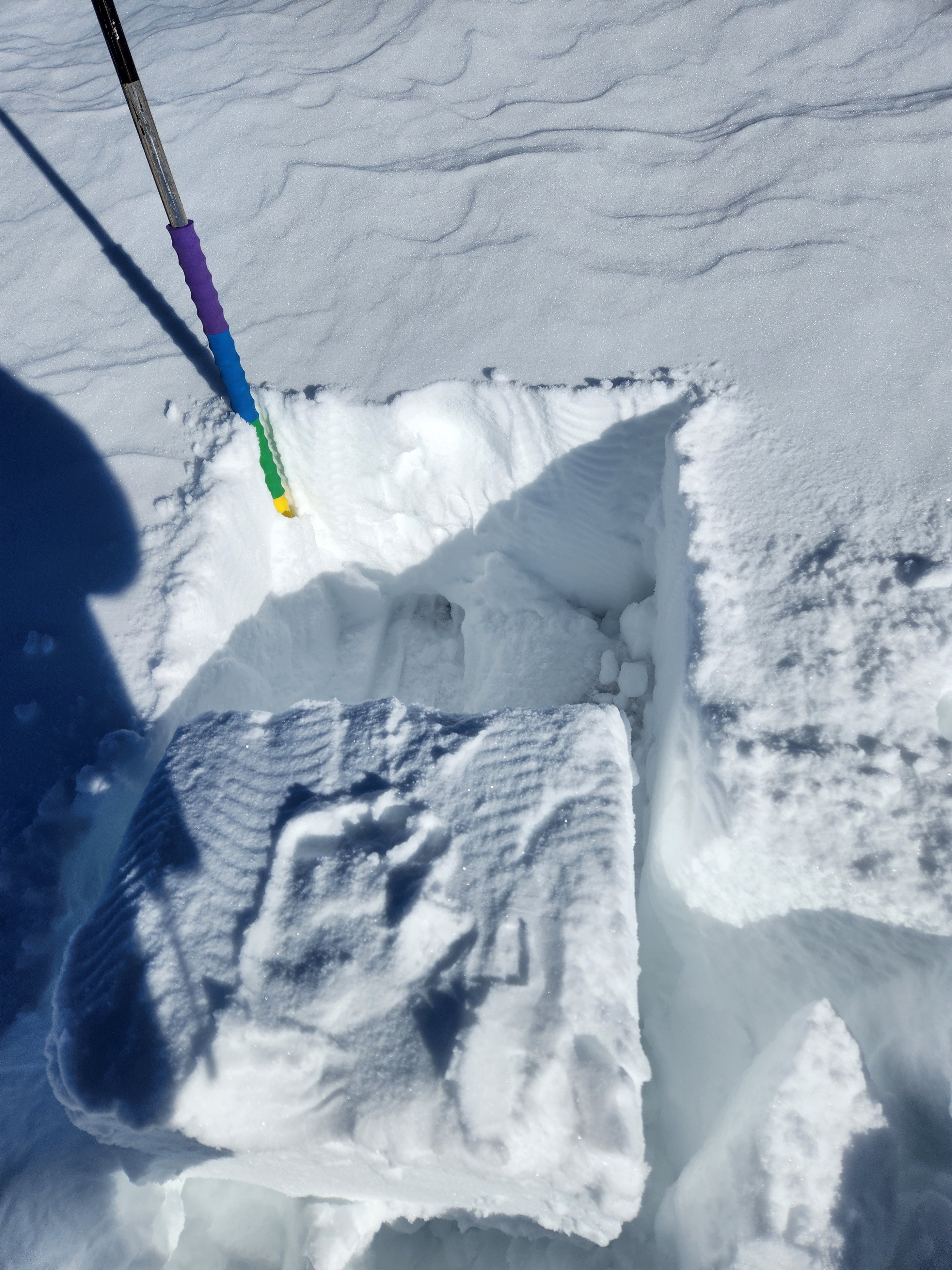
We dug on a slope adjacent to the flank of one of the avalanches. The snowpack was soft - much softer than when forecasters last visited the area on 12/28.
Most of the layers under the most recent storm snow (which fell 1/2-1/3) have faceted to some degree.
We got no propagation in our snow pit tests. We did get non-propagating results with easy force between layers of wind-broken grains near the surface. This interface is likely where the adjacent avalanche failed.
We got sudden results in a small column compression test in depth hoar near the base of the snowpack.
These results indicate the weakness of some of the layers in our snowpack - and the potential for initiating a fracture in those layers. However, they also indicate that a stiff, cohesive slab over the weak layers is missing from this area.
Avalanche
- Size
- D1 R1
- Type
- SS
- Aspect
- NE
- Elevation
- 10000 ft
We found 2 previously unreported avalanches near the top of The Hose. These likely ran during the last storm on 1/3.