
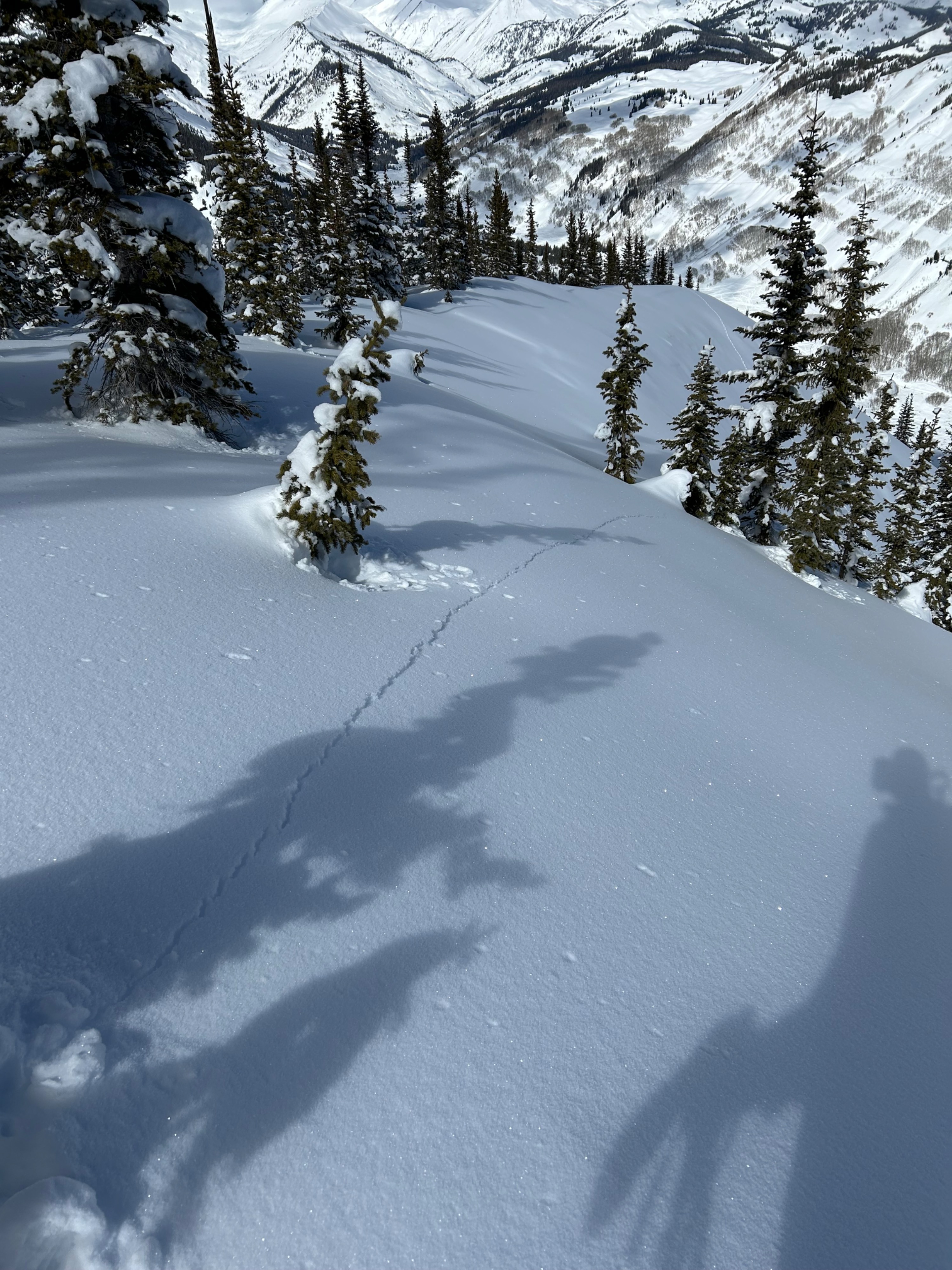
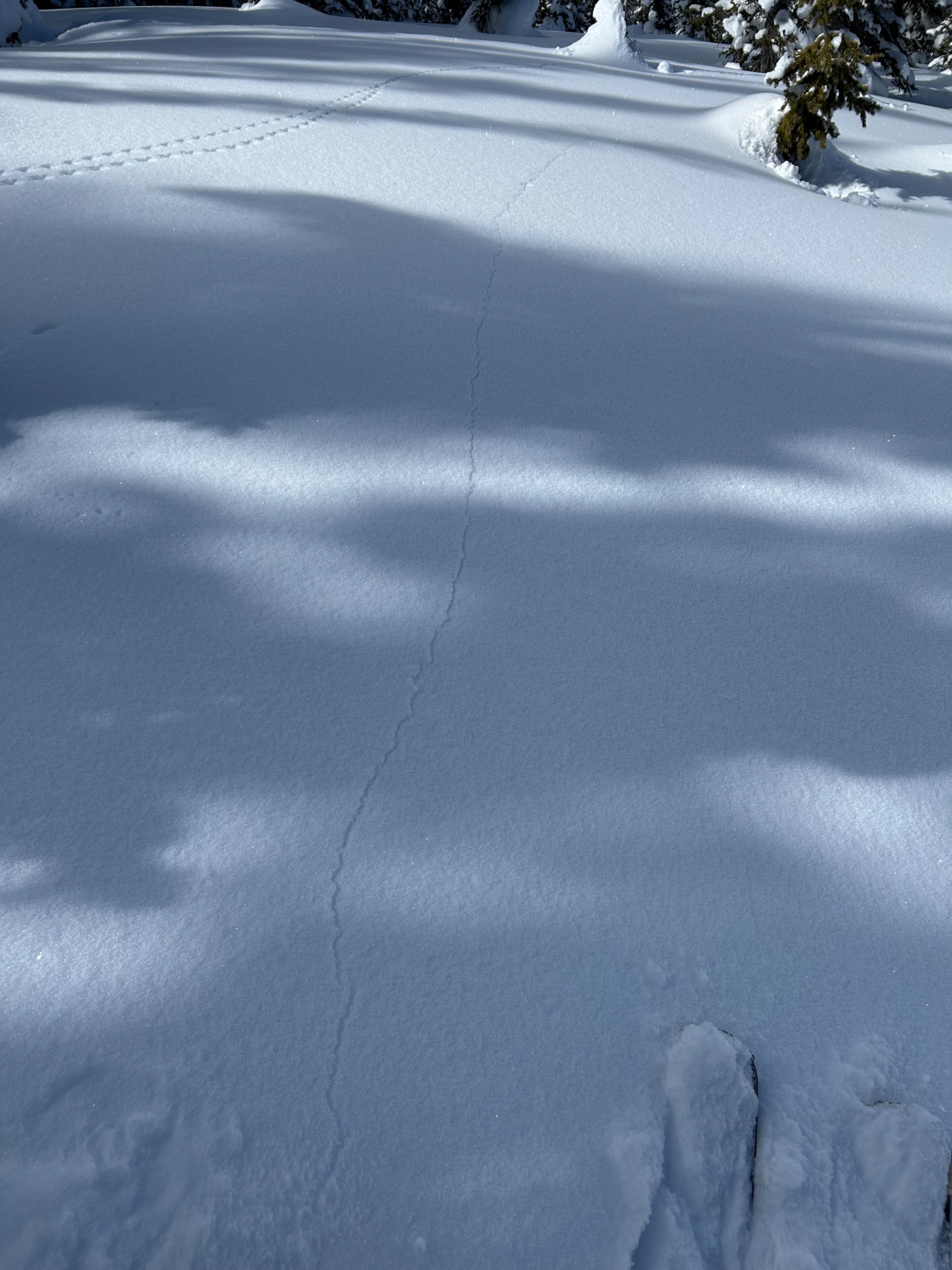
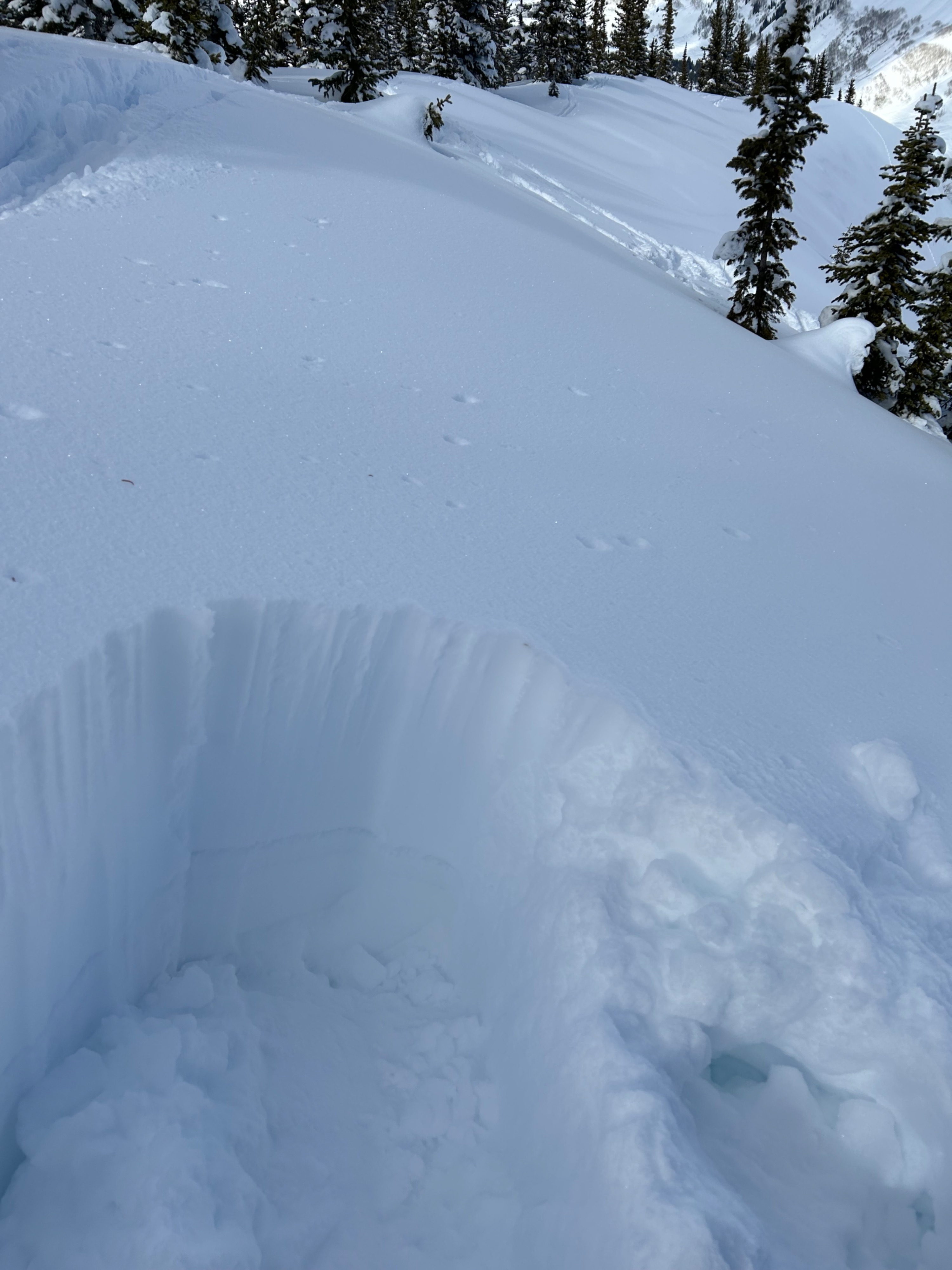
Quick report
- Cracking
- specific
- Collapsing
- specific
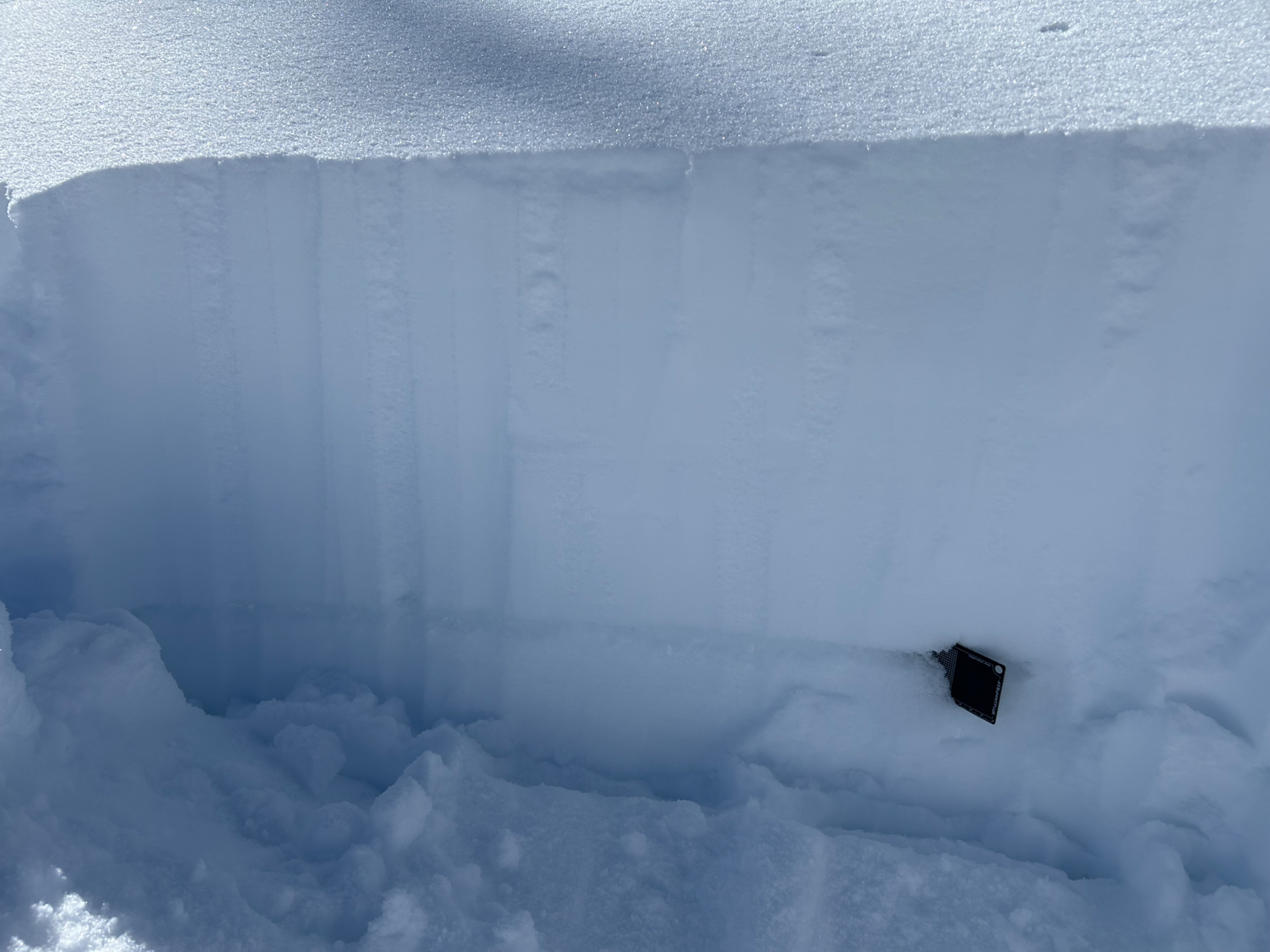
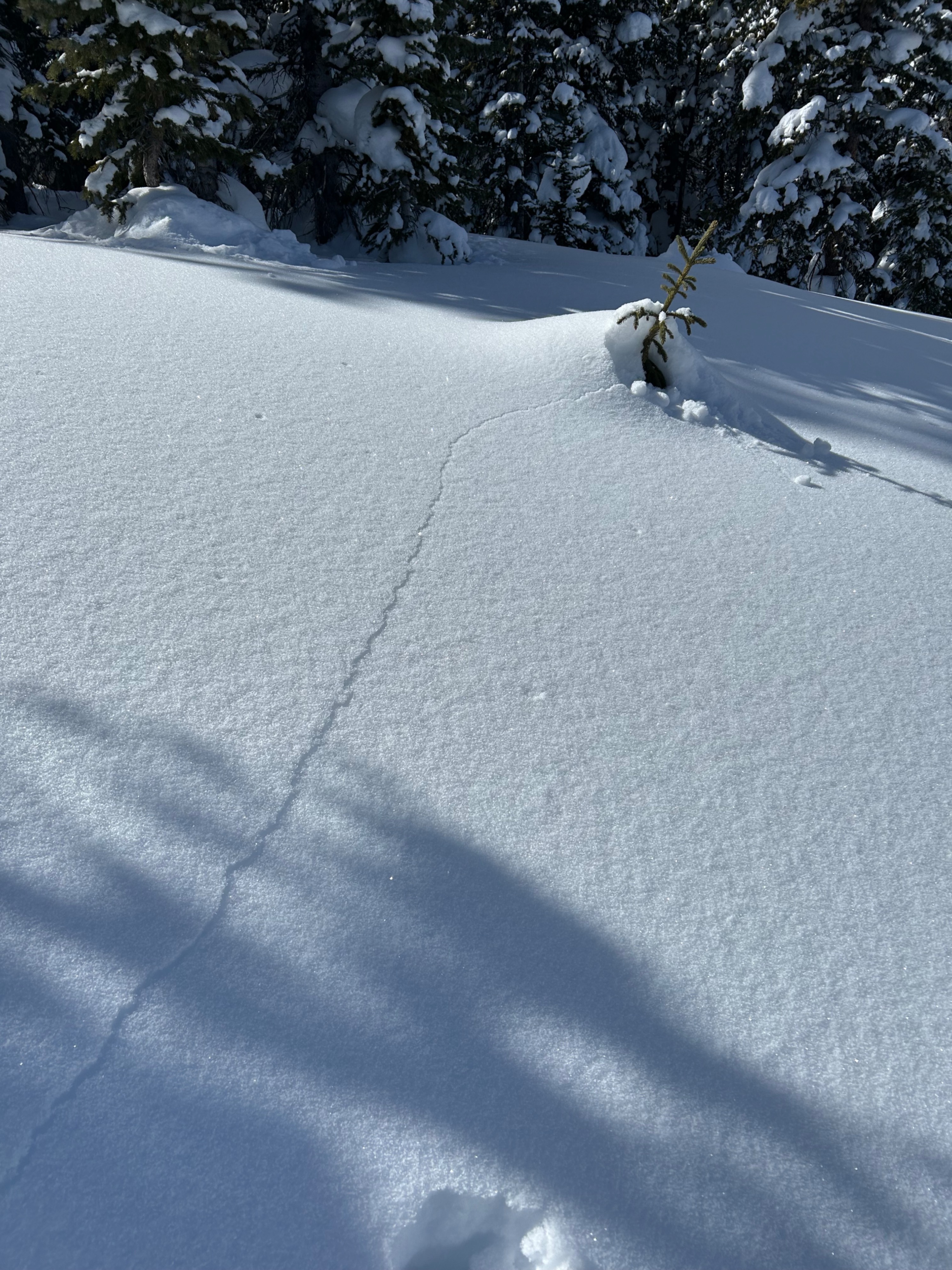
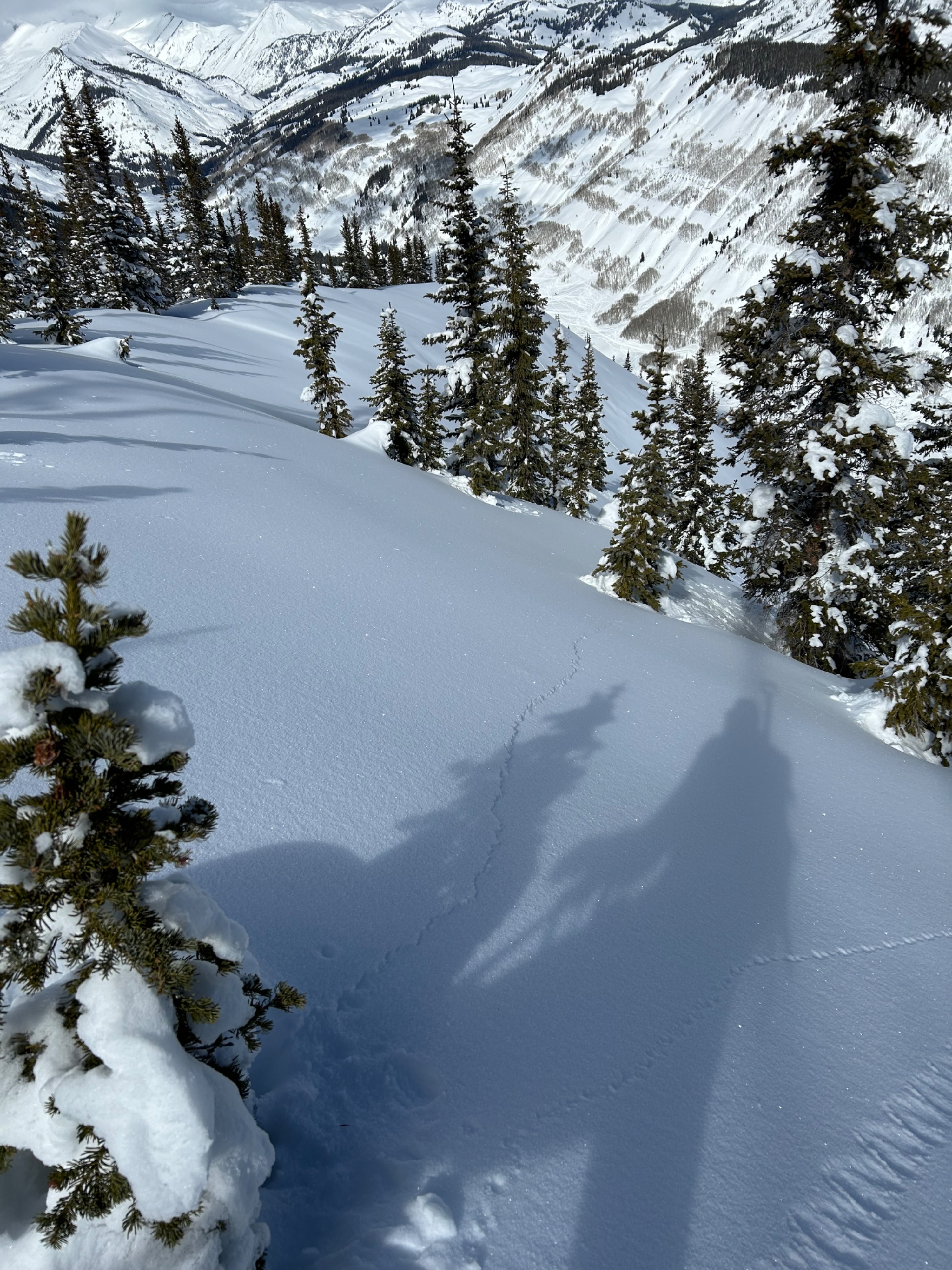
Wind-drifted terrain is still dangerous with clear and frequent signs of instability, most commonly on the 2/2 surface hoar layer. The surface hoar in this area is as frightening as I've ever seen: 20mm feathers standing upright below slabs 18" -24" thick above 11k. It's like the slab is hovering on air. Compared to wind-drifted terrain, wind-protected terrain was notably quieter underfoot and produced non-propagating results despite the scary looking structure. The February slab is thinner and deteriorates into a more trustworthy structure below about 10,000', where facet sluffs are starting to replace upper snowpack slab concerns now that we're getting the inversions and slab faceting. Below 10k was the only terrain that I felt comfortable riding on steeper slopes.
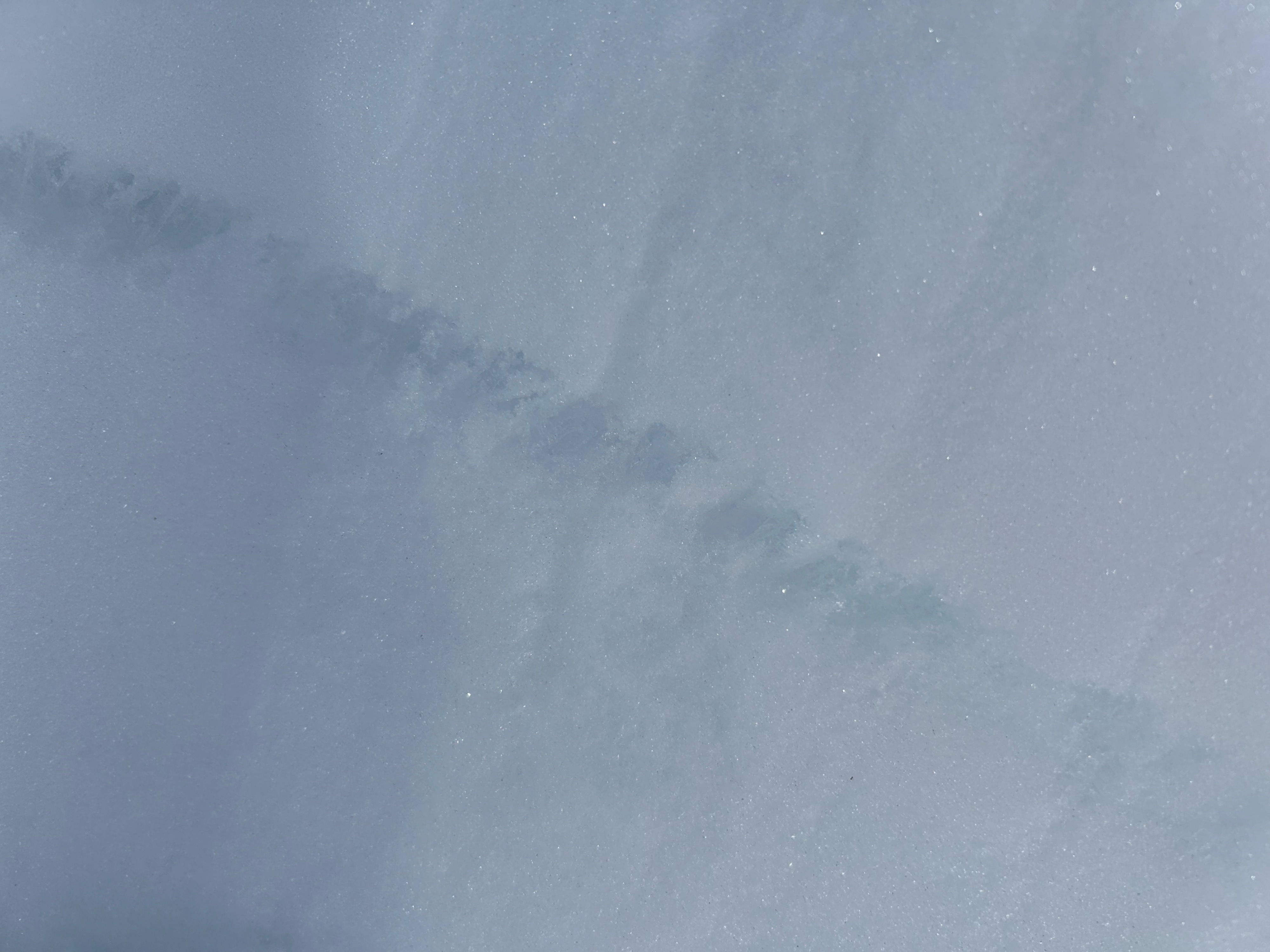
One collapse on a flat slope at 10,000'. Then frequent collapses and shooting cracks after climbing into wind-drifted terrain above 11,000'. Some localized collapses (~10-20') on low-angle, SE facing drifts, where the 2/2 layer is a thin crust over facets. Numerous rumbling collapses with shooting cracks up to 50' away on low angle NE facing wind drifted terrain, where slabs are just under two feet thick on very large surface hoar grains.Weather
- Cloud Cover
- scattered
- Wind Loading
- none
- Recent Snowfall
- 0
- Snow Avail For Transport
- moderate amounts
Avalanche
- Size
- D2
- Aspect
- NE
- Trigger
- N
- Elevation
- 12000 ft
Looks like it ran during the 2/7-2/8 storm.