


Quick report
- Collapsing
- isolated
We toured up Gordon Lyon today with a few objectives in mind: to see how the sustained temperature warm-up has affected the rounding of faceted layers, confirm the existence and prevalence of a new melt-freeze crust in the upper snowpack, and check for any new near-surface faceted layers.
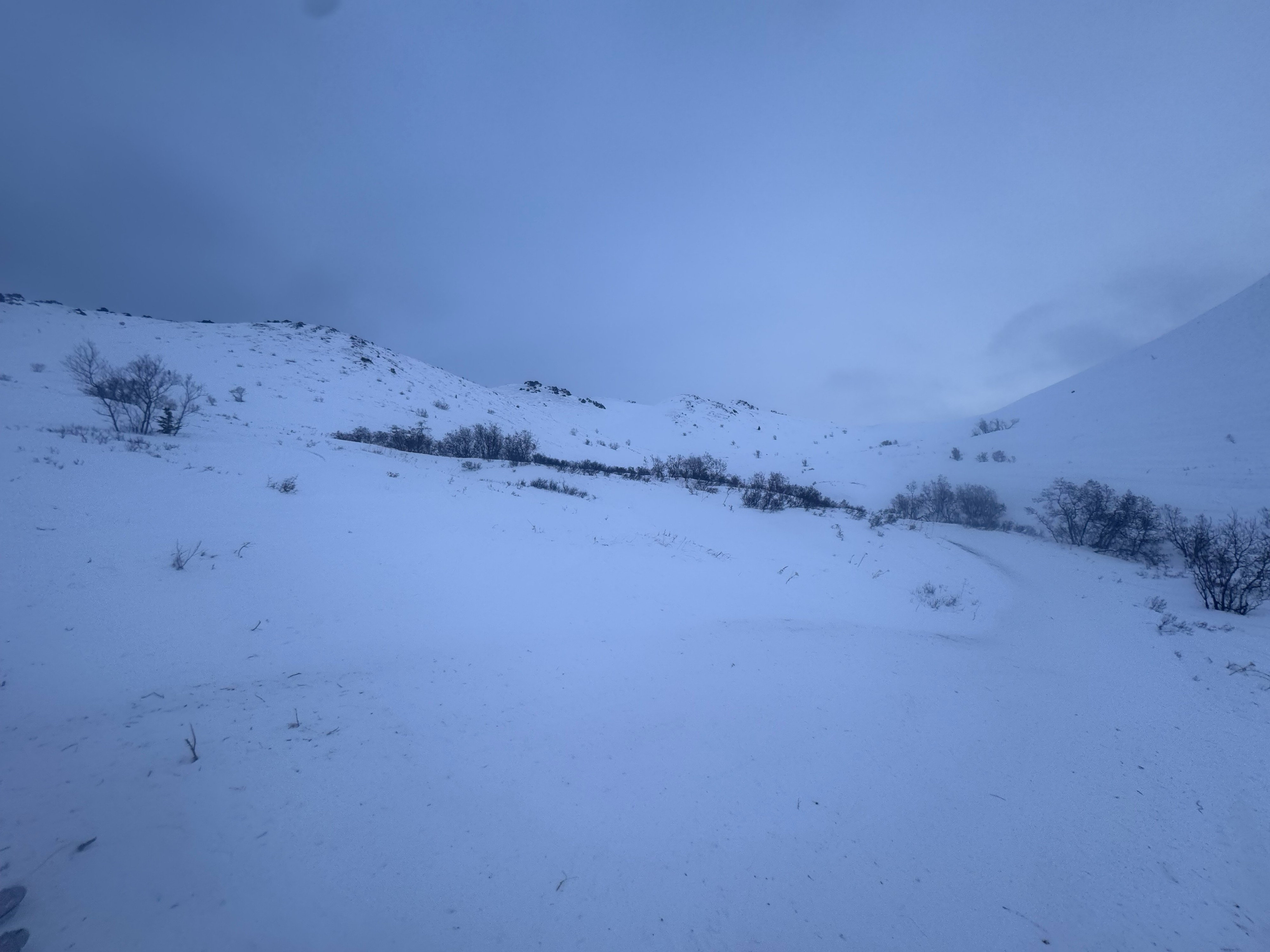
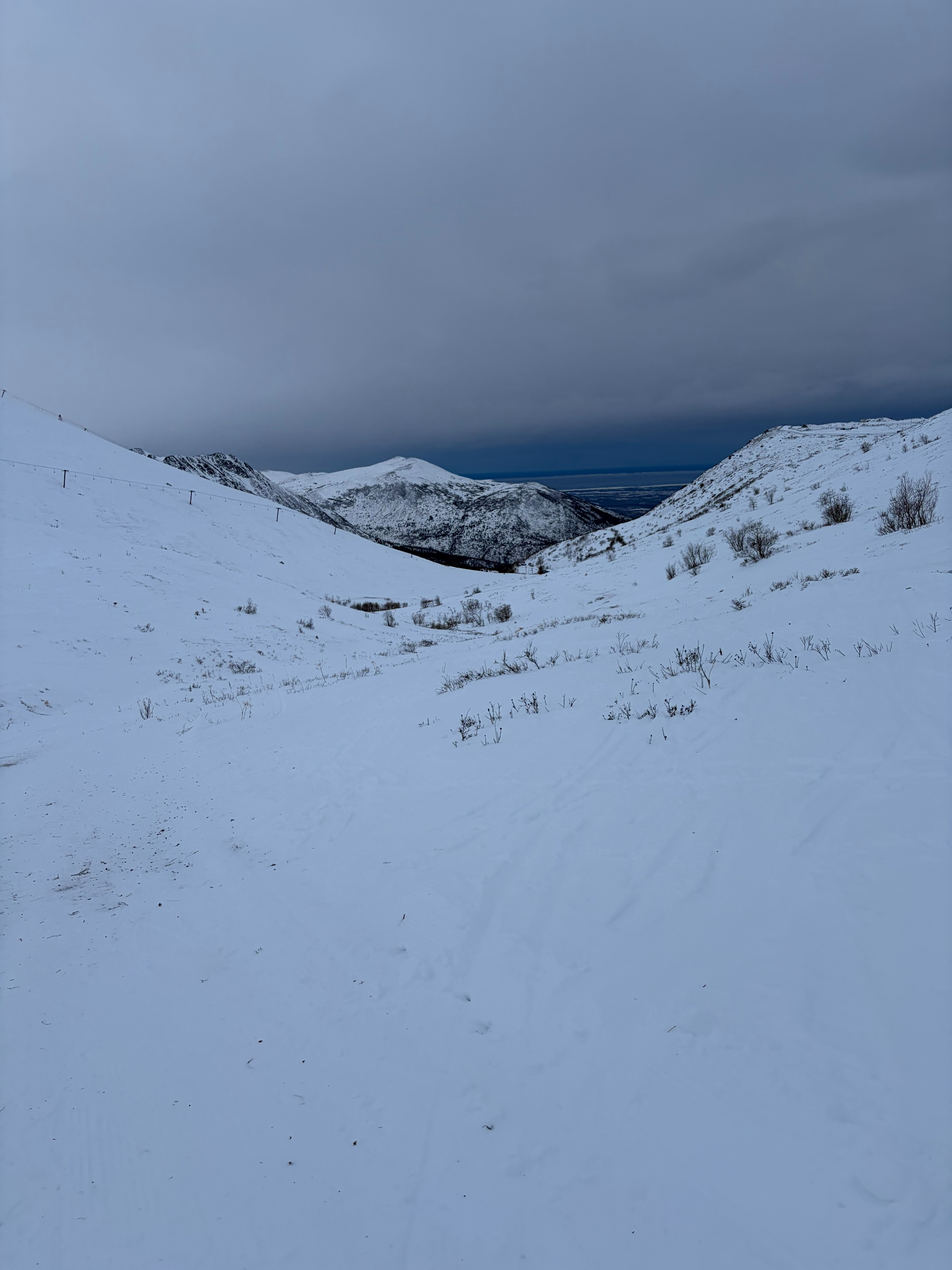
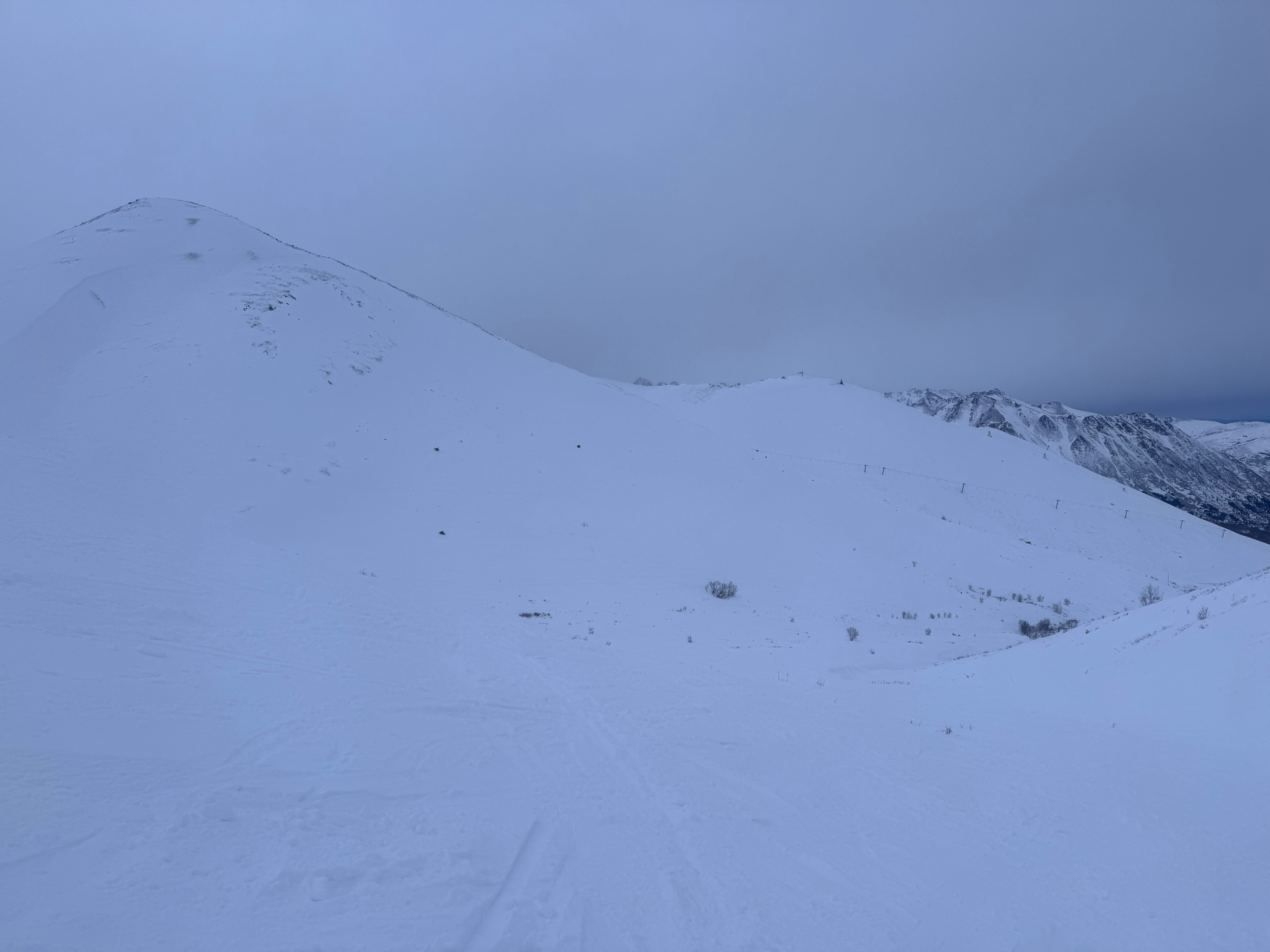
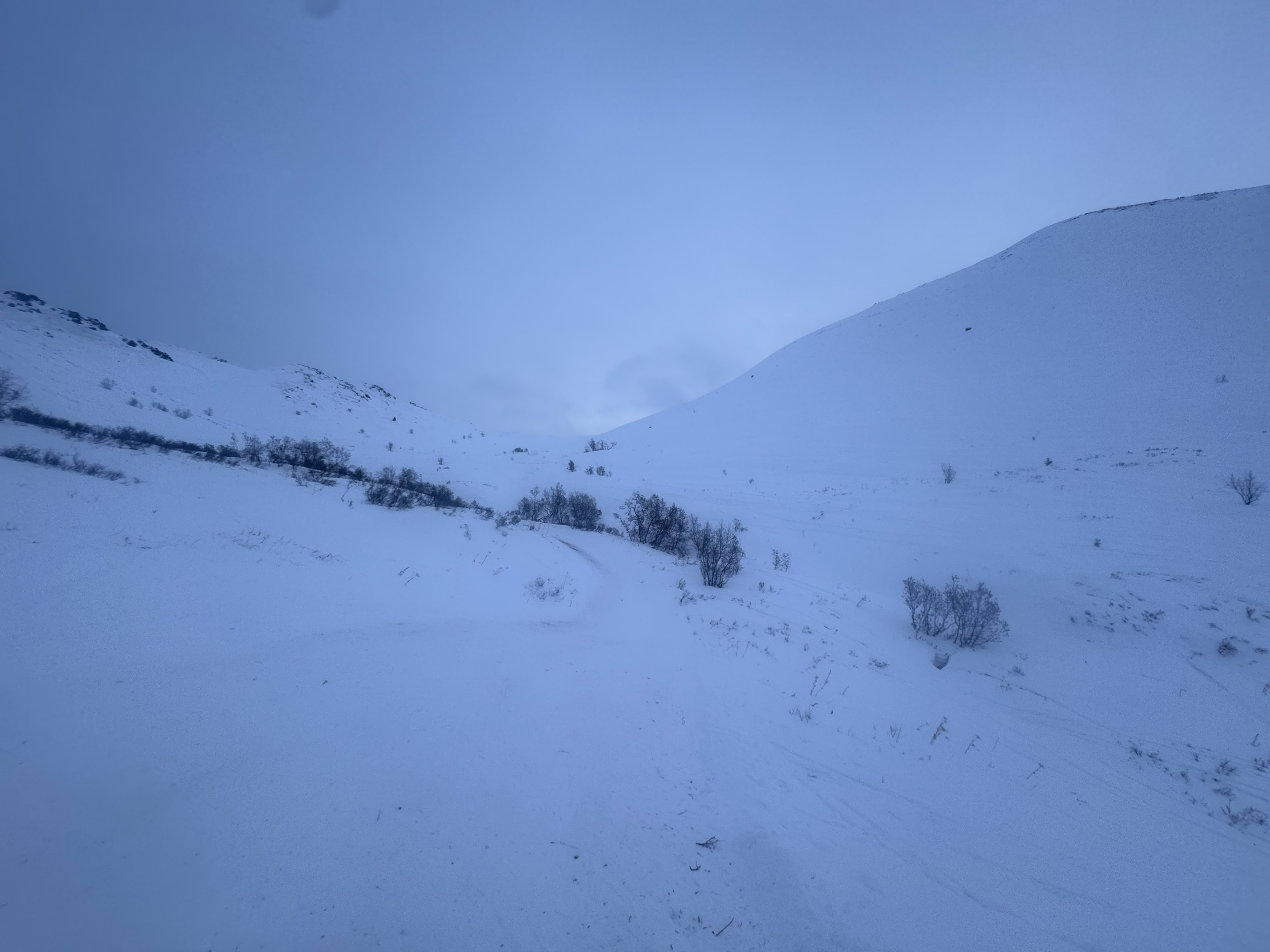
While touring through mid-elevations, we noted generally dry surface snow conditions with only small pockets of isolated wind skins and wet snow. We toured to an elevation of 3,800 feet on a southwest aspect, where we dug our first set of snow pits. While digging, we experienced a noteworthy “whumpf” from nearby.
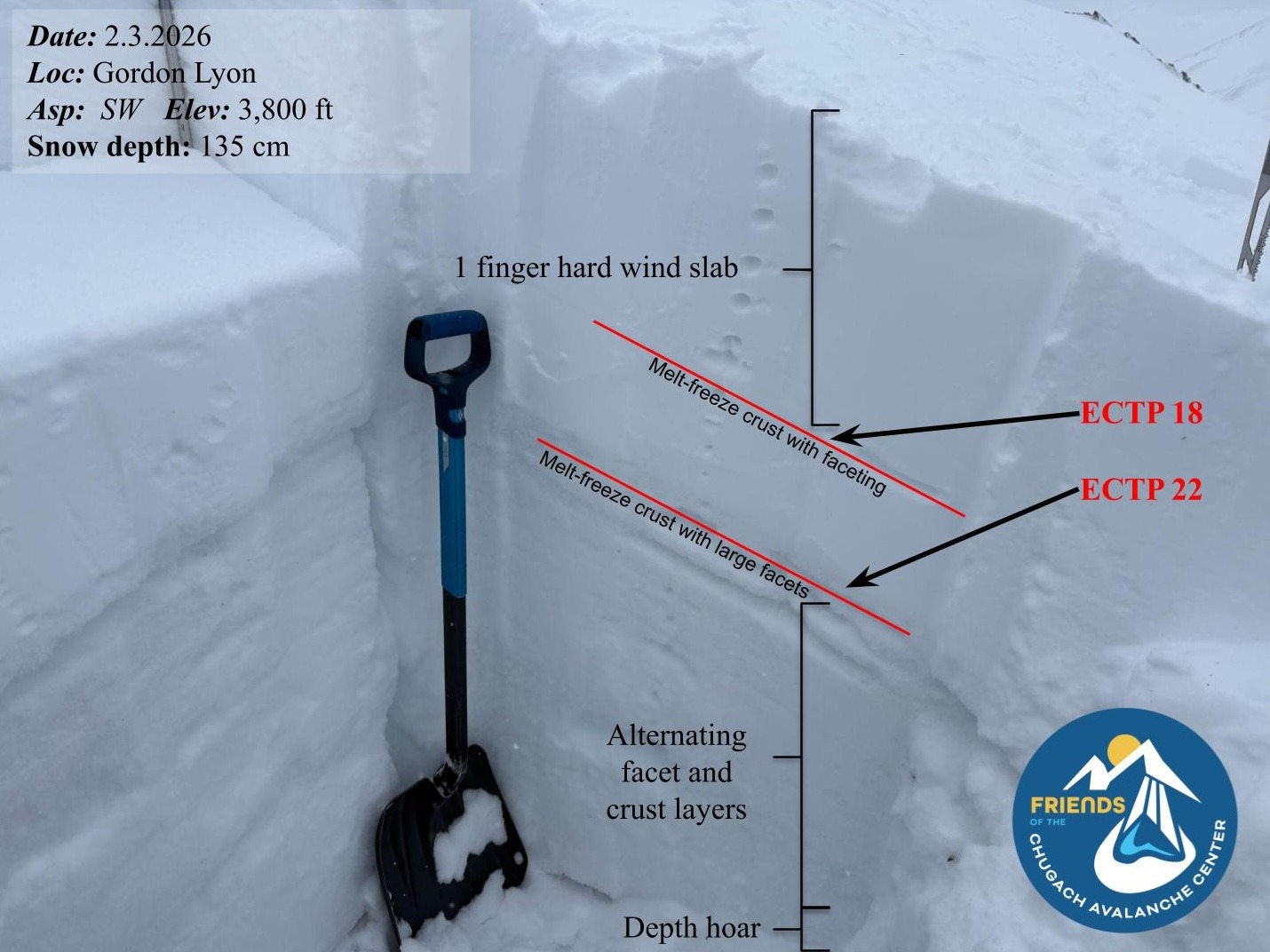
Recent above-freezing temperatures seem to be helping the snowpack “heal,” but it is far from healed. Evidence of rounding in the faceted layers is visible and the hand hardness on the layers of concern are becoming more firm and showing signs of better bonding. Despite this positive trend, the stability tests we performed failed on multiple weak layers and produced unstable results. Notably, there is a new layer of concern in the upper snowpack: a melt-freeze crust with facets below. On this aspect, this layer produced an unstable ECTP18 ↓ 35 cm result. Additionally, there was another unstable result below an older melt-freeze layer (ECTP22 ↓ 50 cm). Our other pit on the same aspect and elevation produced non-propagating results on both of these layers. In this location, the 120 cm snow depth was likely too deep to significantly affect the basal facets near the ground.
We dug a second set of pits on the opposite aspect of the 3,800-foot knob. Here, we observed a generally thinner snowpack but a similar structure. One pit on this northeast aspect produced an unstable result (ECTP29), failing on depth hoar. Similar to the southwest aspect pits, we observed evidence of rounding in the facets and fragmentation in the depth hoar. While this positive trend points toward optimism for the future snowpack, unstable pit results and “red flag” warnings from the snowpack were clear signs to stay out of avalanche terrain. We traveled back to the car via low-angle terrain free from overhead hazards. Light rain turned the dry surface snow into wet, sticky snow below 3,500 feet.
We had a noteworthy "whumpf" while digging our first set of snowpits on a SW aspect at 3800'.
Weather
- Air Temp
- 38
- Cloud Cover
- broken
- Wind Loading
- light
- Rain Elevation
- not observed
- Recent Snowfall
- 0
- Snow Avail For Transport
- small smounts
We observed a steady temperature inversion while driving up the road to Arctic Valley. Skies were broken, and winds were calm at the parking area. While touring up Gordon Lyon, cloud cover trended toward overcast, and ridgetop winds picked up to moderate. Light rain began during the ski down.
Snowpack
We dug snowpits at 3800' on a SW aspect and at 3850' on a E aspect.
At 3,800' SW, the first layer of concern (facets below a melt-freeze crust) was 35 cm ↓ with a total snow depth (HS) of 135cm. Stability tests produced unstable results: ECTP18 @ 36 cm↓, failing on facets. Another layer of concern(facets below a melt-freeze crust) was 50 cm ↓ which produced an ECTP22 failed on larger facets under the crust.
At 3850' E , the first and second layers of concern were present but the snowpack was much more shallow. Stability tests here produced an unstable result: ECTP29 @60cm ↓, failed on depth hoar.