
Snowpack
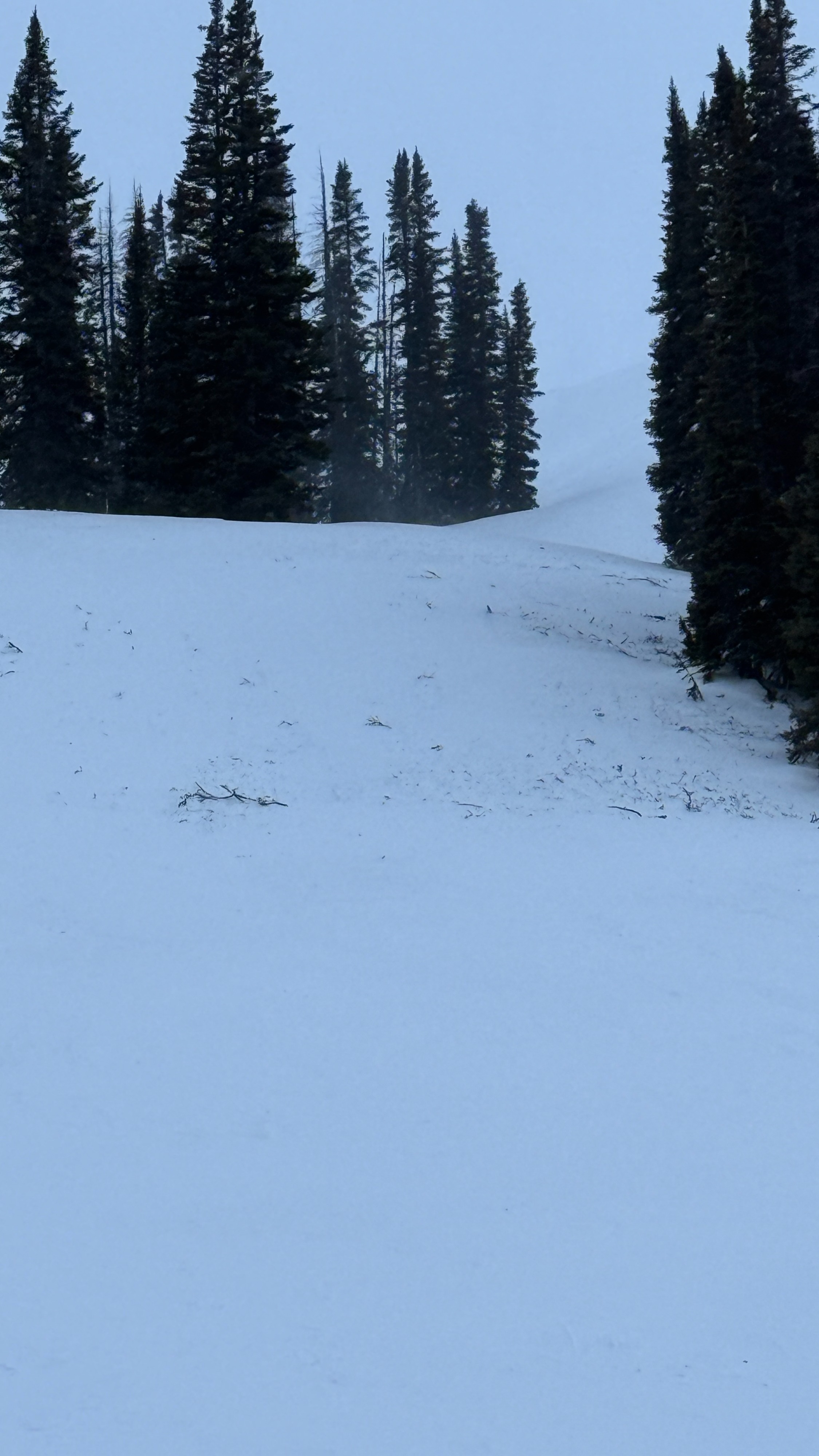
The effect of the last couple days of strong winds were dramatic - there were occasional drifts, but most terrain we witnessed had been scoured. Some of the valley bottoms and treed areas had avoided most of the wind affect. We saw no signs of instability in the new snow.
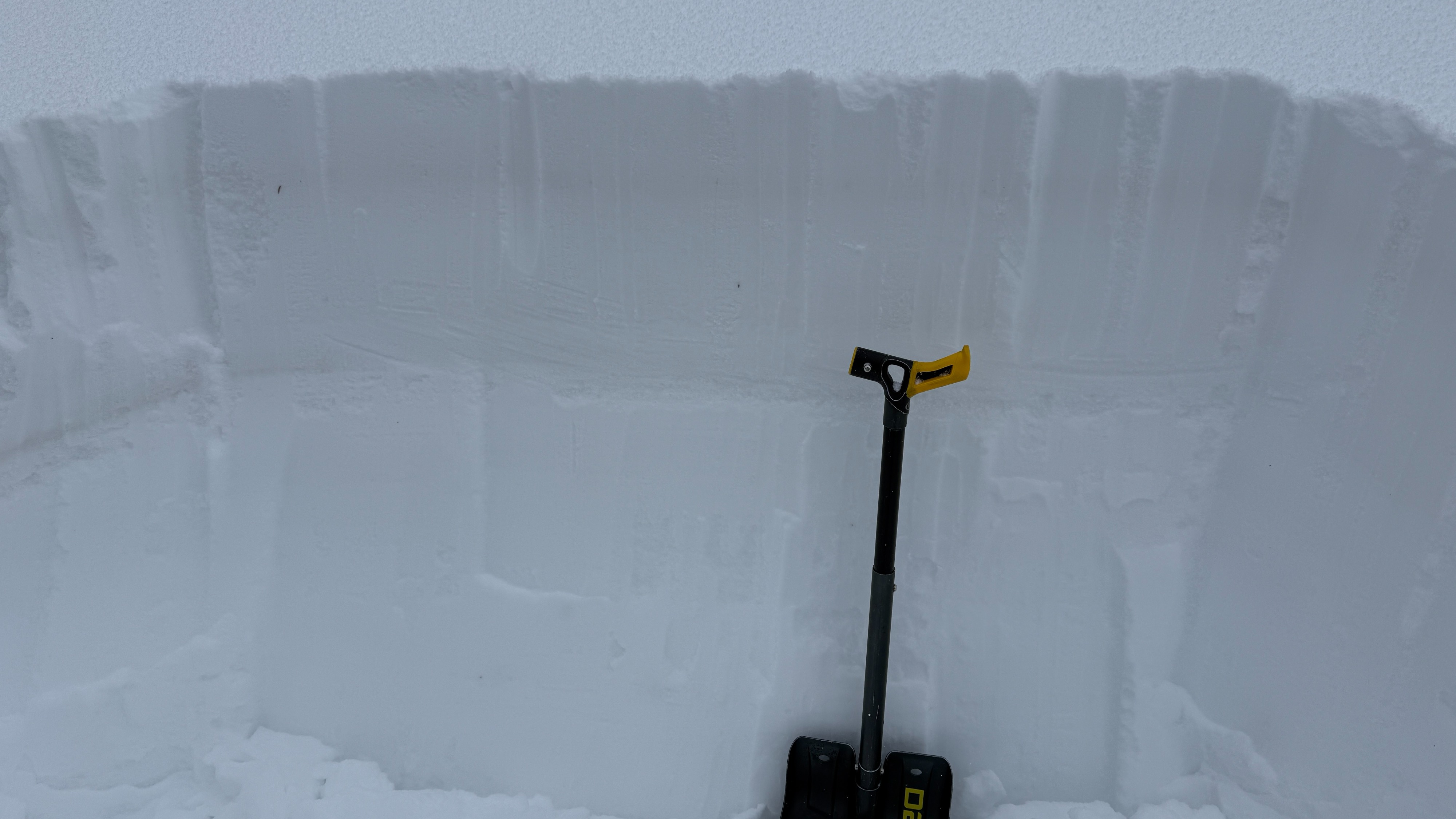
We dug snowpits on N, S, and NE aspects at 9400-9700 ft with various levels of wind loading. We did not get propagation in any of our ECTs. In the south facing pit there were many stout crusts below the new snow making it hard to affect the weak layers. The north facing slope was not wind loaded enough, so while we had soft weak layers, there was not enough load to make them reactive. And the NE aspect pit was quite windloaded, but because it had previously been windloaded, the snowpack was 10 ft deep and the weak layers weren't well developed.
At the moment, windloaded slopes with well developed January or mid-February weak layers seem likely to be the most problematic (more slopes will be an issue if it snows as much as forecast this weekend).
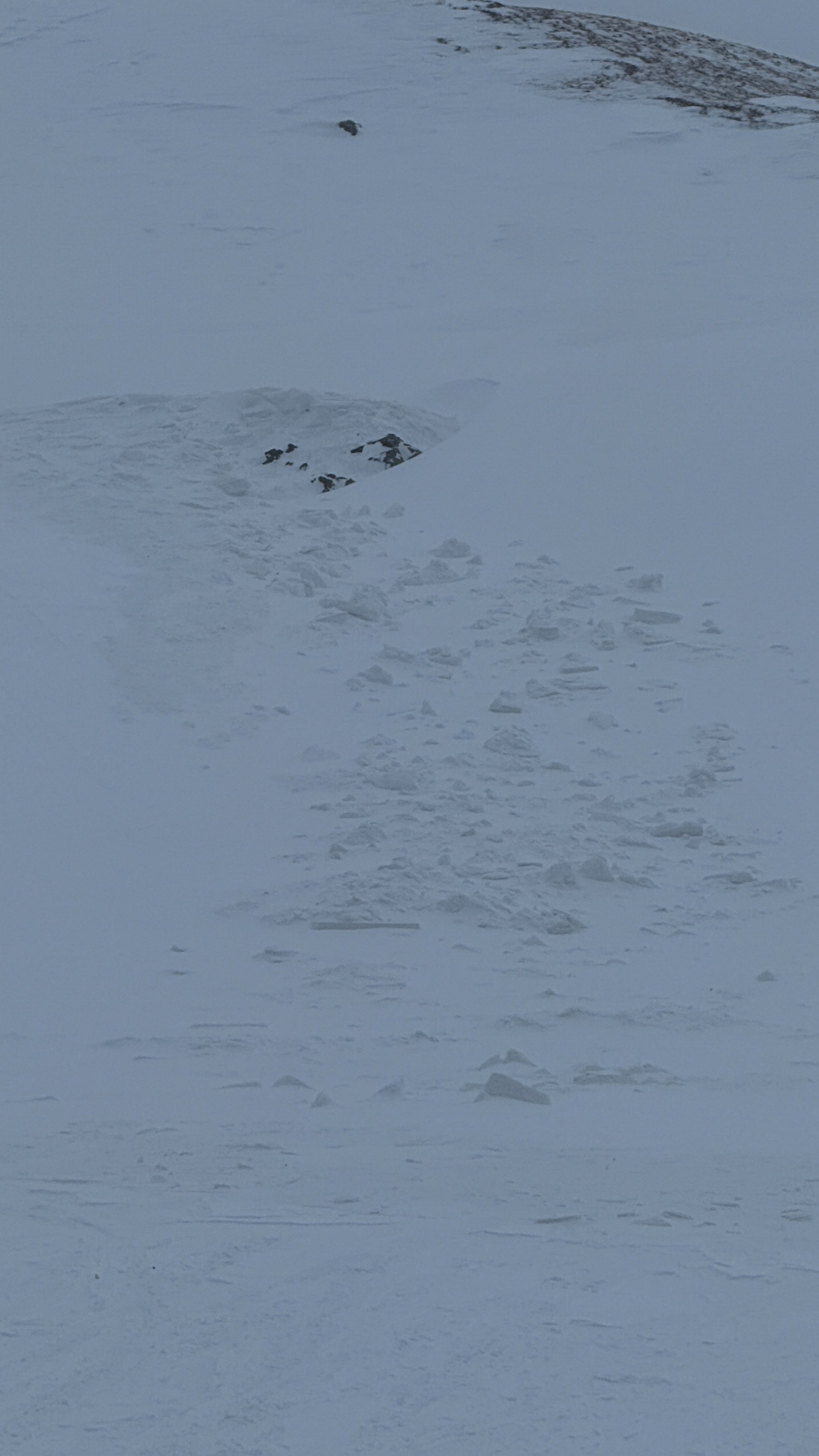
We saw one small recent avalanche on the N side of Sheep Mtn. It was ~15 ft wide and ran 50 vertical ft. The slide had already drifted in, so it was hard to tell many specifics, but you could see rocks in the bed surface, suggesting that it may have broken in weak, faceted, snow in a shallow area.
Avalanche
- Size
- D1 R1
- Type
- HS
- Aspect
- N
- Elevation
- 9800 ft
We saw one small recent avalanche on the N side of Sheep Mtn. It was ~15 ft wide and ran 50 vertical ft. The slide had already drifted in, so it was hard to tell many specifics, but you could see rocks in the bed surface, suggesting that it may have broken in weak, faceted, snow in a shallow area.