
Quick report
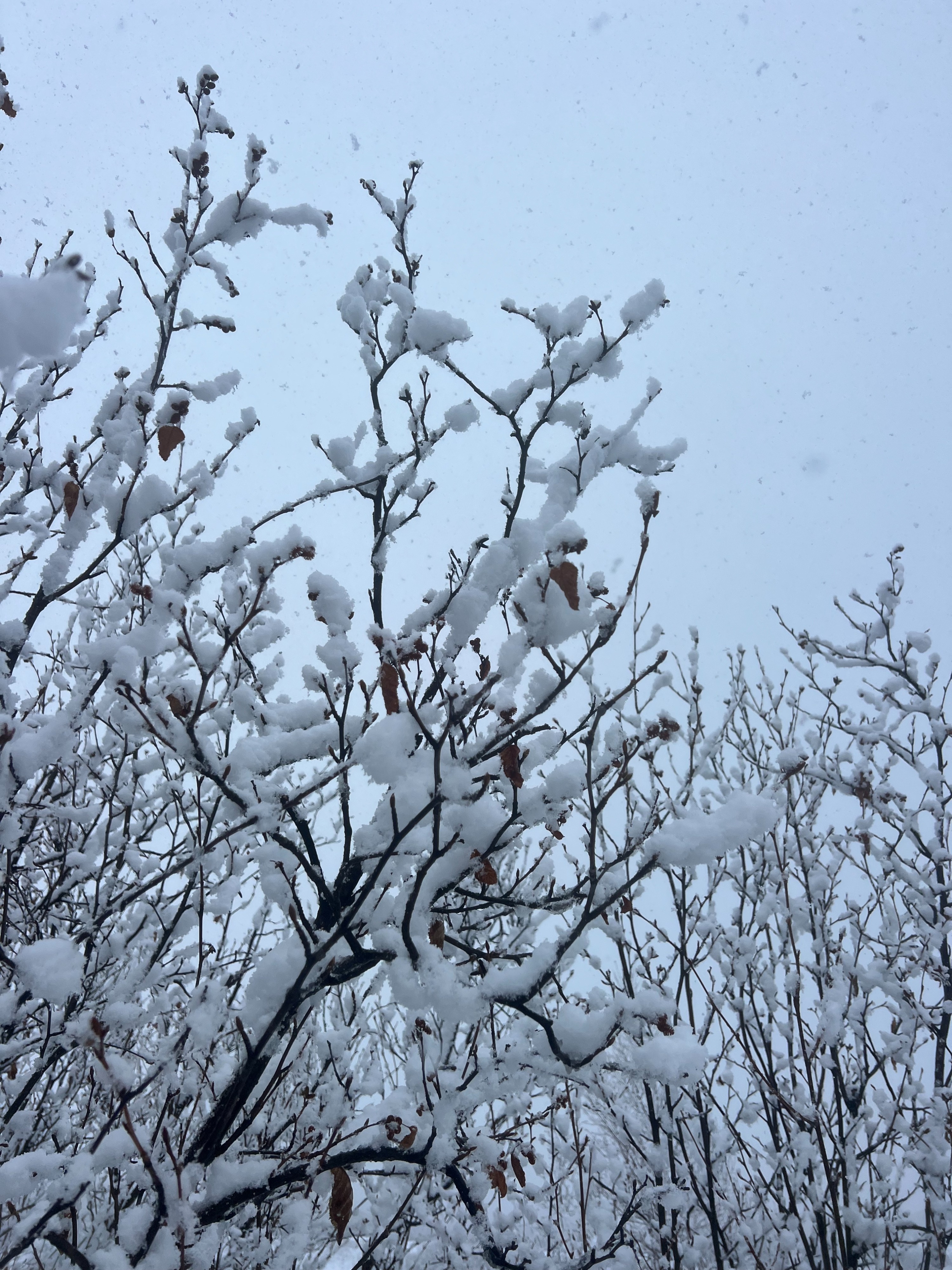
Heavy snowfall continued all day long in Hatcher Pass. While lower reaches of low elevations did not have immediate signs of instability, it was clear that the upper reaches of our low elevation band were beginning to have widespread storm slabs and wind slabs on specific terrain. It remains uncertain how much SWE and snow will be required to trigger weaker snow below, but from what we saw and the rate of accumulation above 2,500', it was clear that the hazard increased as you gained elevation and got into areas with drier snow and more wind effect.
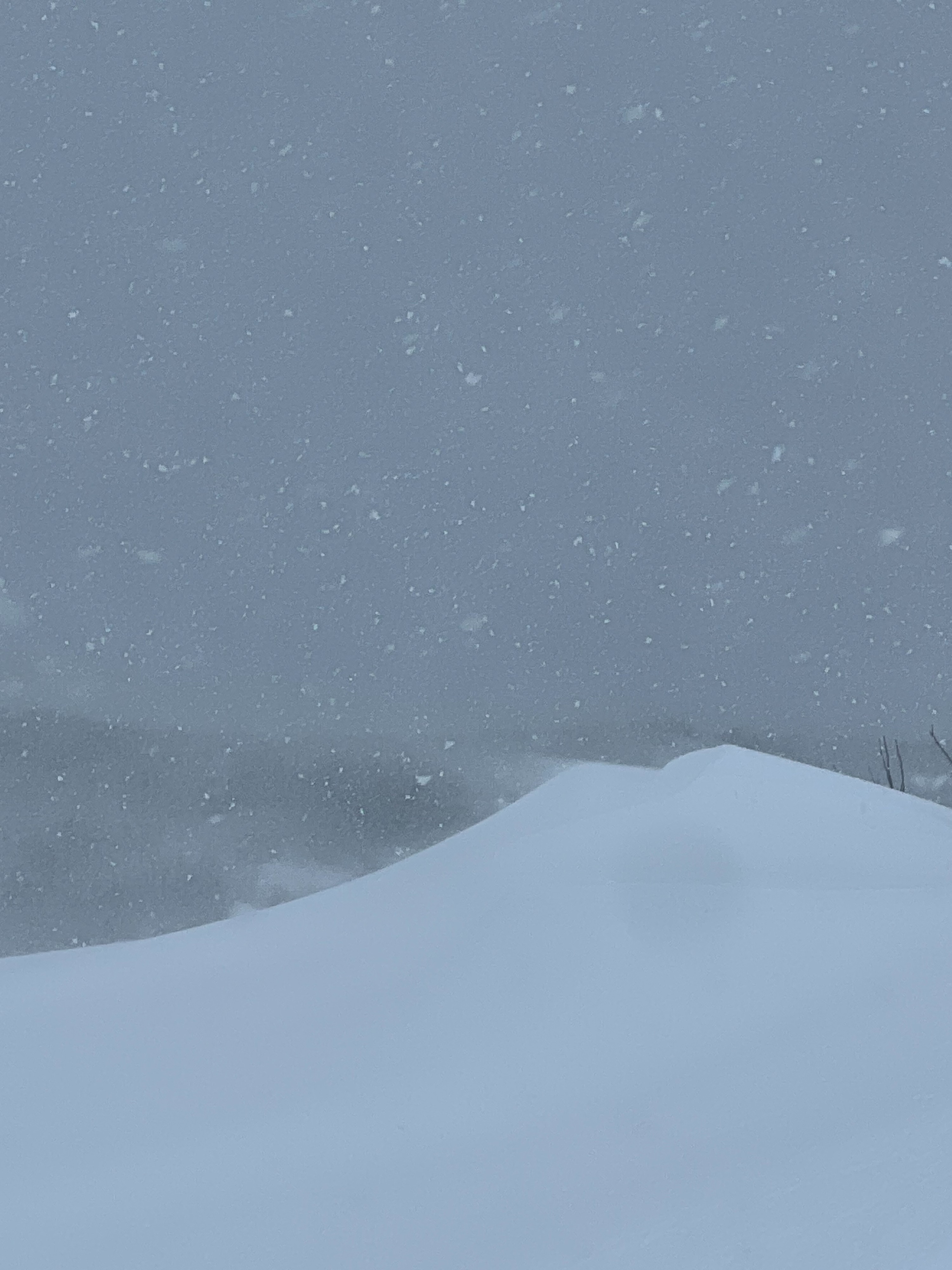
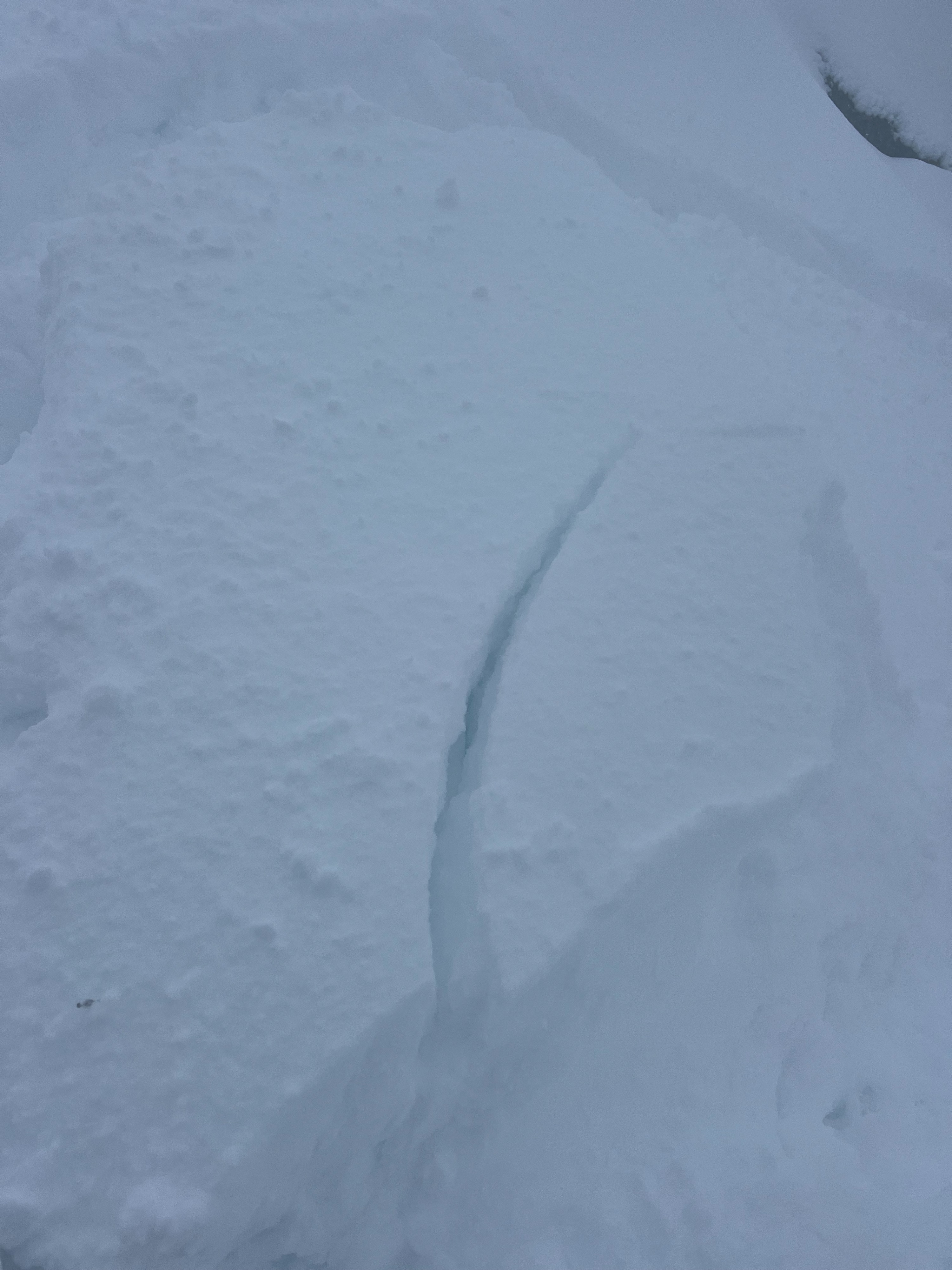
As we got to higher elevations, wet and stubborn storm slabs gave way to more reactive and dry wind slabs. On N facing leeward gullies, it was easy to kick off small, soft, fresh windslabs. No collapsing, cracking or whumphing observed.Weather
- Air Temp
- 28
- Cloud Cover
- obscured
- Wind Loading
- moderate
- Rain Elevation
- 650'
- Recent Snowfall
- 20
- Snow Avail For Transport
- large amounts
The day began with rain in Fishhook at 515'. Skeetawk cams indicated the precip was holding on as snow at their base near 1,500'. On the drive up, snow level was somewhere between 800 and 1000' at noon. The precipitation form remained snow at Skeetawk all day, with a short period of graupel and then a shift back to heavy snowfall. At around 1715, we experienced steady moderate to strong southerly winds were actively transporting snow into leeward midslope lower elevation terrain at and above 2,400'. Skies were largely obscured all day.
Snowpack
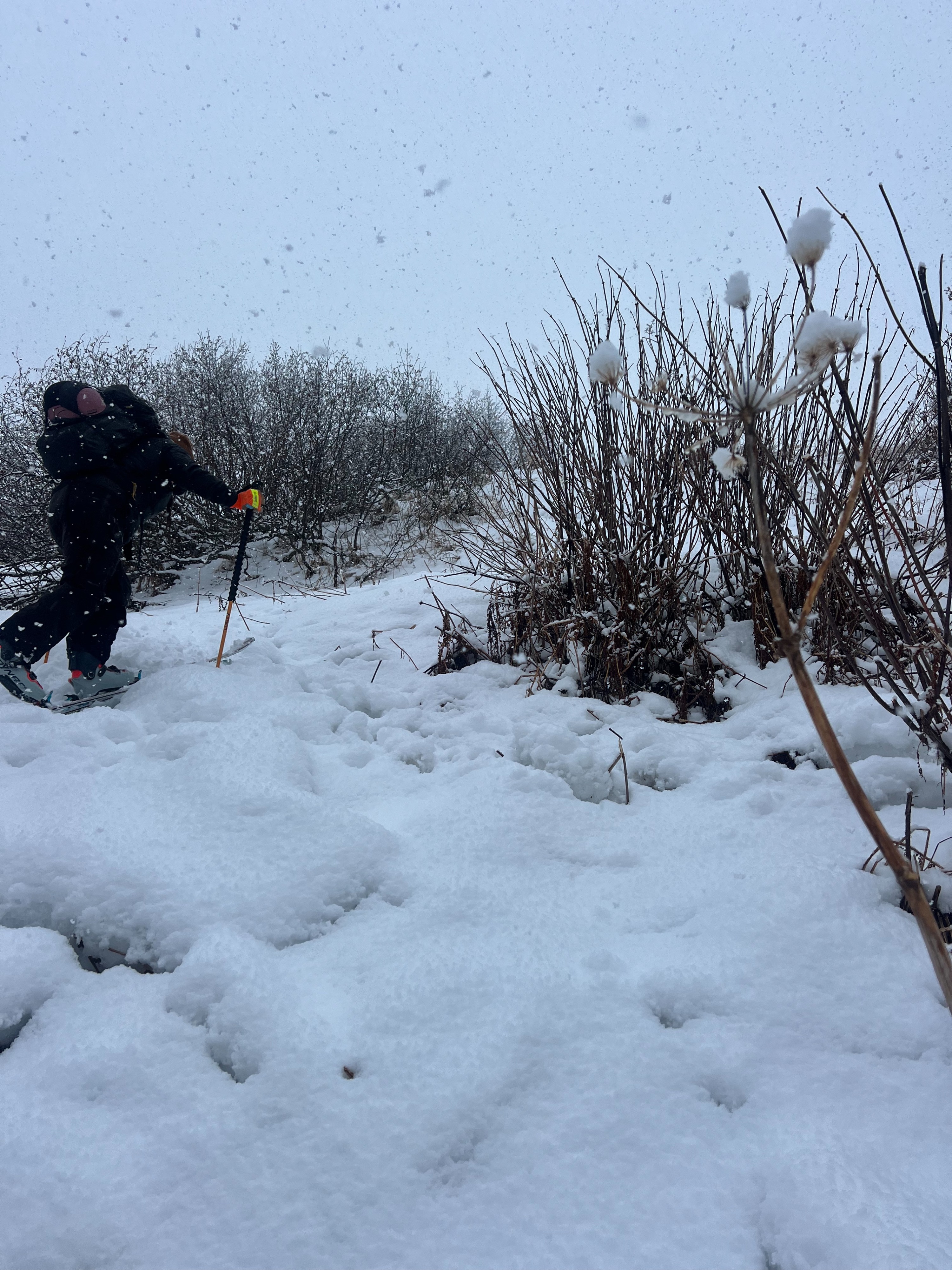
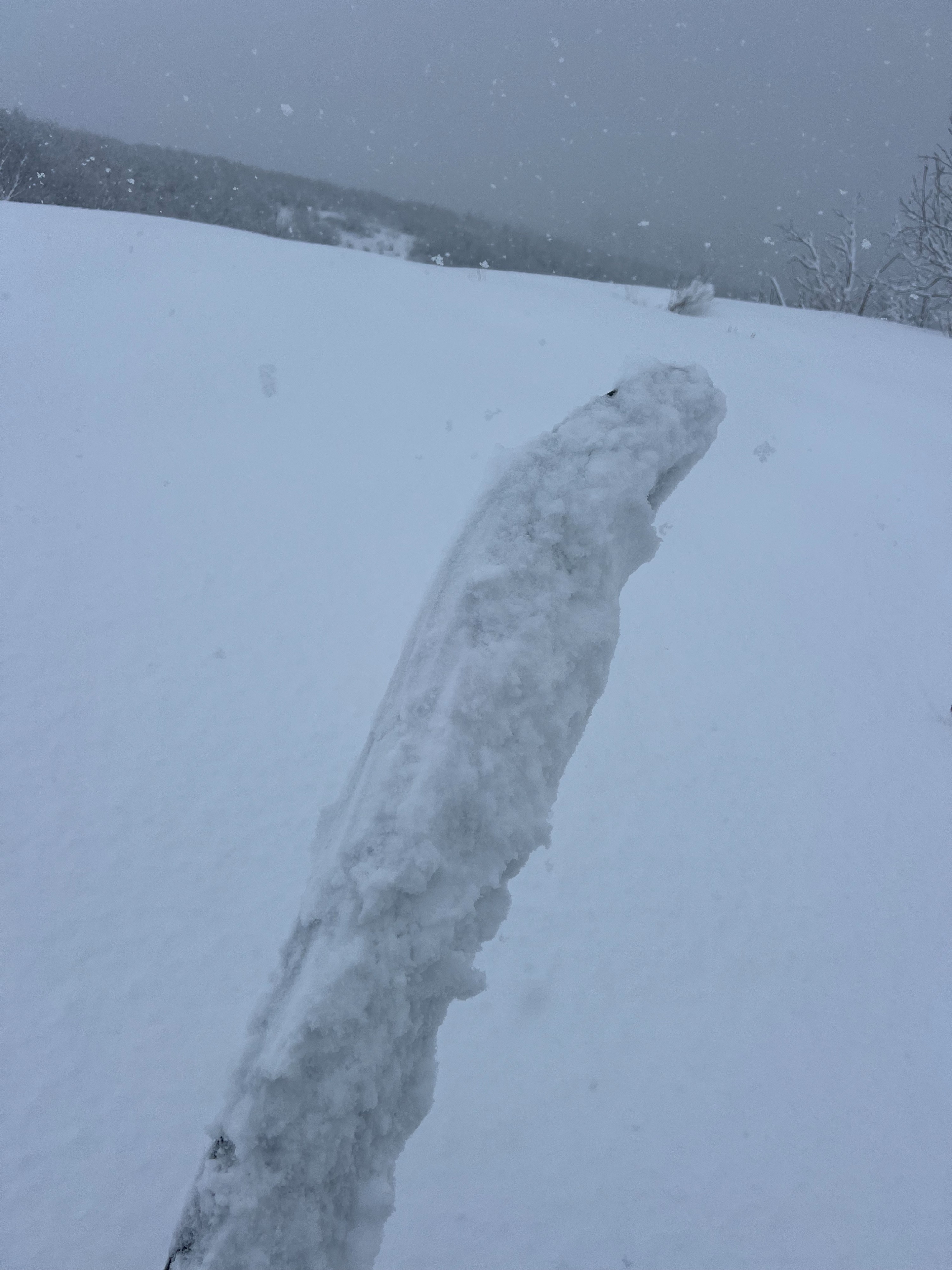
Snow was wet but not grabby at lower elevations at and around the Skeetawk ski area. For most of the day, settlement outpaced accumulation in these zones below 2,000'. By the late afternoon, totals started to stack up with Frostbite Snotel station registering 8" at .8" of SWE by 5pm. On the tour up to Frostbite Ridge, we experienced moist, slabby but unreactive storm snow. It was gloppy on skins and heavy on skis on splitboards. It was easy to kick off wet rollerballs on steeper test slopes. Structure was pretty similar in most areas with 6-10" of cumulative, settled new snow over moist and gummy to frozen and stiff melt freeze crusts as we gained elevation. Below these crusts, the snowpack felt and behaved isothermic and moist in most places with easy boot penetration to the ground. Snowfall totals were higher as you gained elevation, and snow surfaces were cooler, less wet, and more susceptible to wind transport. Handpits made it apparent that slabby moist snow or cohesive wind slabs were easy to pull off on crusts.
Avalanche
With minimal visibility, it was challenging to see any natural avalanches. A midslope gap around 1445 revealed no natural activity on west facing Arkose paths across from Skeetawk.