
Quick report
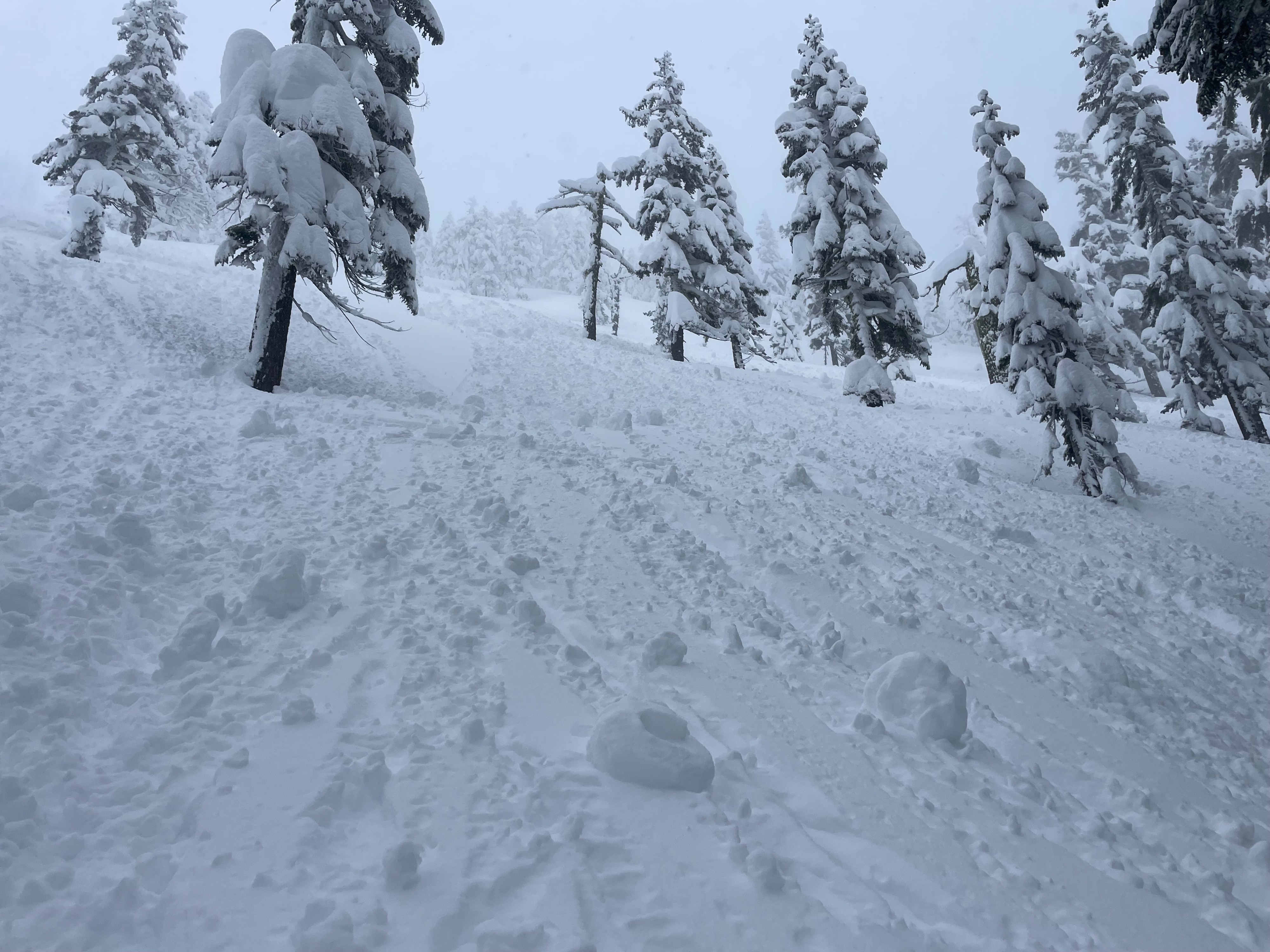
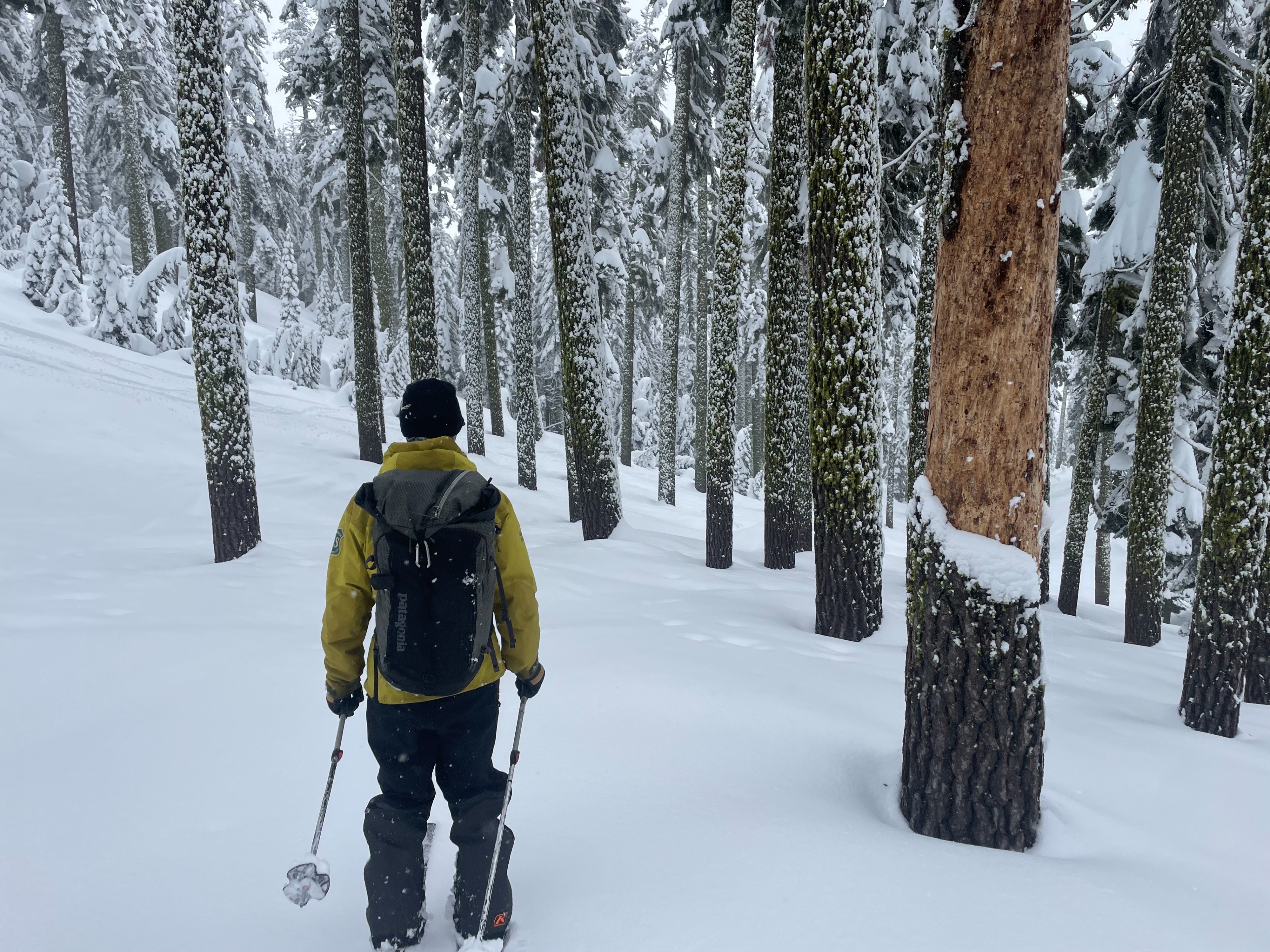
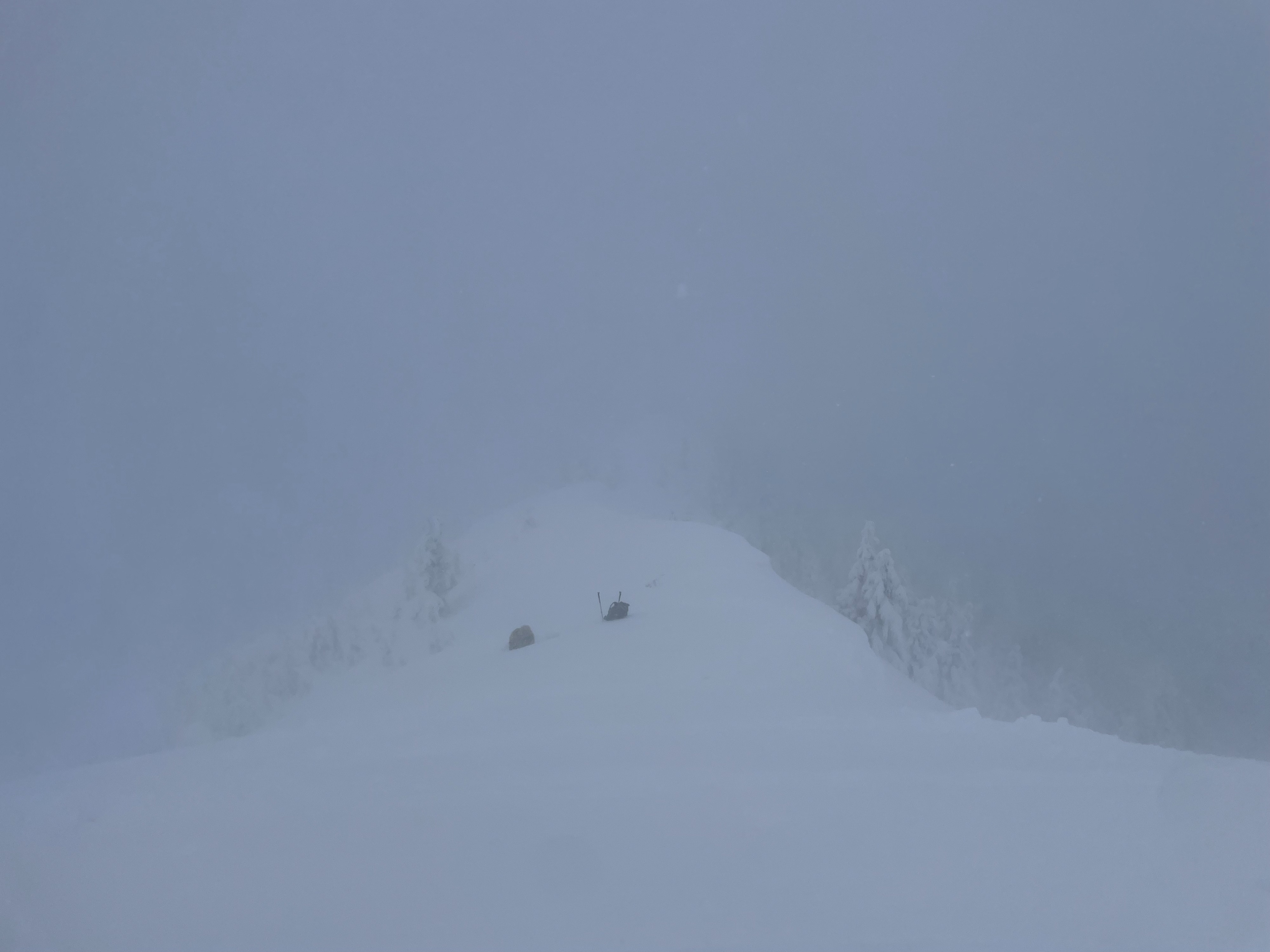
Today, we launched from Bunny Flat to assess new snow instabilities around Gray Butte. For the most part, there was not much to speak of. The south side of Mount Shasta has picked up 9 to 12 inches of new snow, reaching down to 5,000 feet. Some light cracking was observed on a density change within the storm snow, and some wind slabs could be developed on the northwest face of Gray Butte. Neither showed significant reactivity in the observed terrain. Upon exiting the field, snowfall increased with the incoming storm.
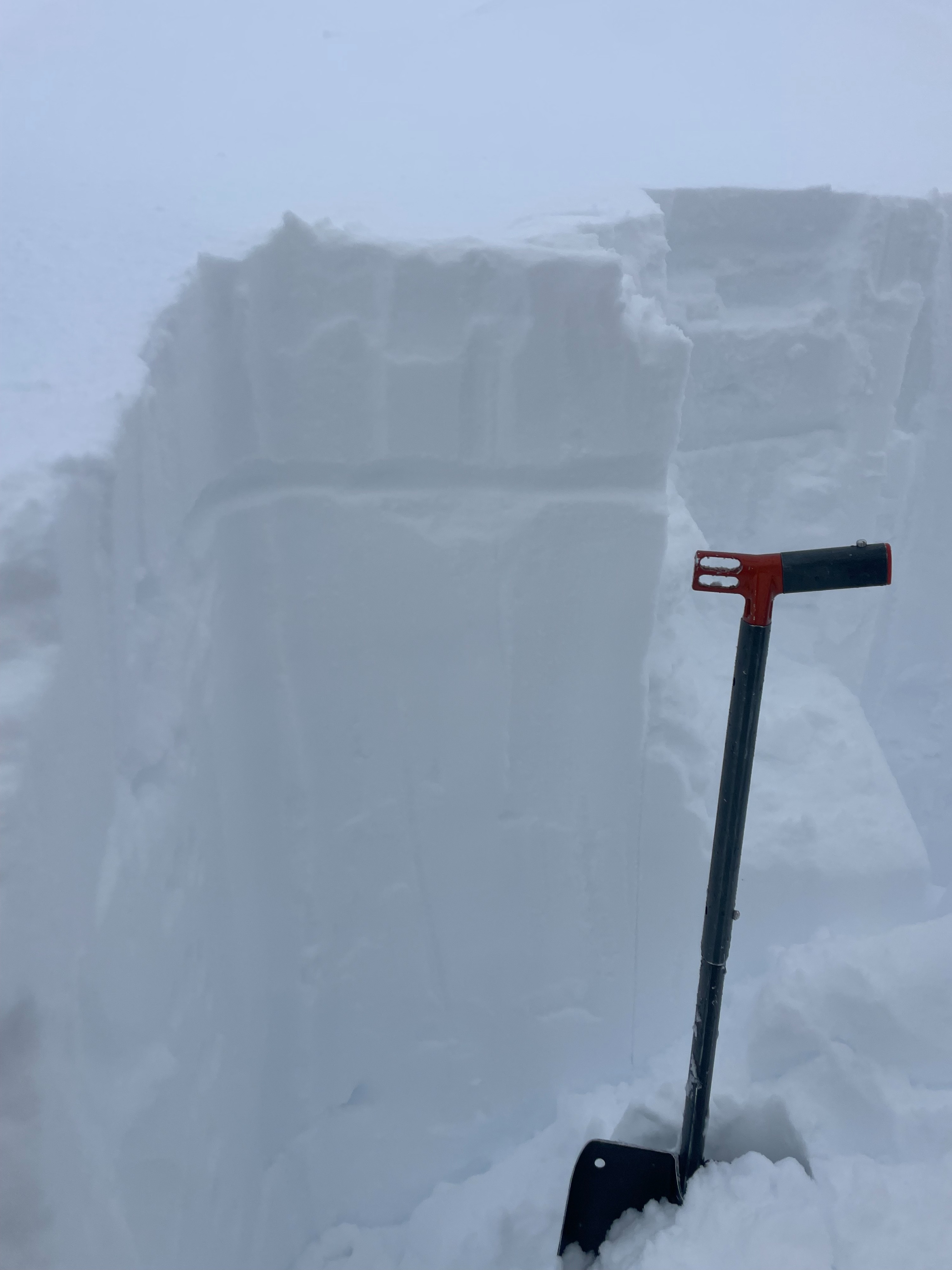
No serious cracking or collapsing was observed. Upon pit tests, there was some light cracking on a density change 20 cm down within the new snow. The cracking didn't propagate nor initiate on test slopes. With the short gap in precipitation, I suspect a decent amount of settlement occurred, providing some stability to the snowpack. Besides that, no significant instabilities were found.Weather
- Air Temp
- 28
- Cloud Cover
- obscured
- Wind Loading
- light
- Rain Elevation
- 5000
- Recent Snowfall
- 25
- Snow Avail For Transport
- moderate amounts
For the first few hours of the day, precipitation dwindled off and on, with partly clearing skies. Temperatures rose slightly as the sun made an appearance. After 12 pm, clouds built back up, and precipitation began to fall and intensify. Winds were light to moderate out of the southeast.
Snowpack
Overall, 9 to 12 inches of new snow can be found on the south side of Mount Shasta. For the most part, this snow is cold and dry, with lower elevation areas (closer to 5,000 feet) a little damp. This snow fell onto a thin but punchable crust, that exists on solar aspects. For most of the observed terrain, surprisingly, the surface showed very little wind effect. A few wind slabs could be seen built near the ridge of the northwest face of Gray Butte. These slabs proved unreactive to skis. Later in the day, at around 7,000 feet, a surface crust began to develop, likely due to some greenhousing. Though, this crust will be buried quickly by the incoming precipitation.