
Quick report
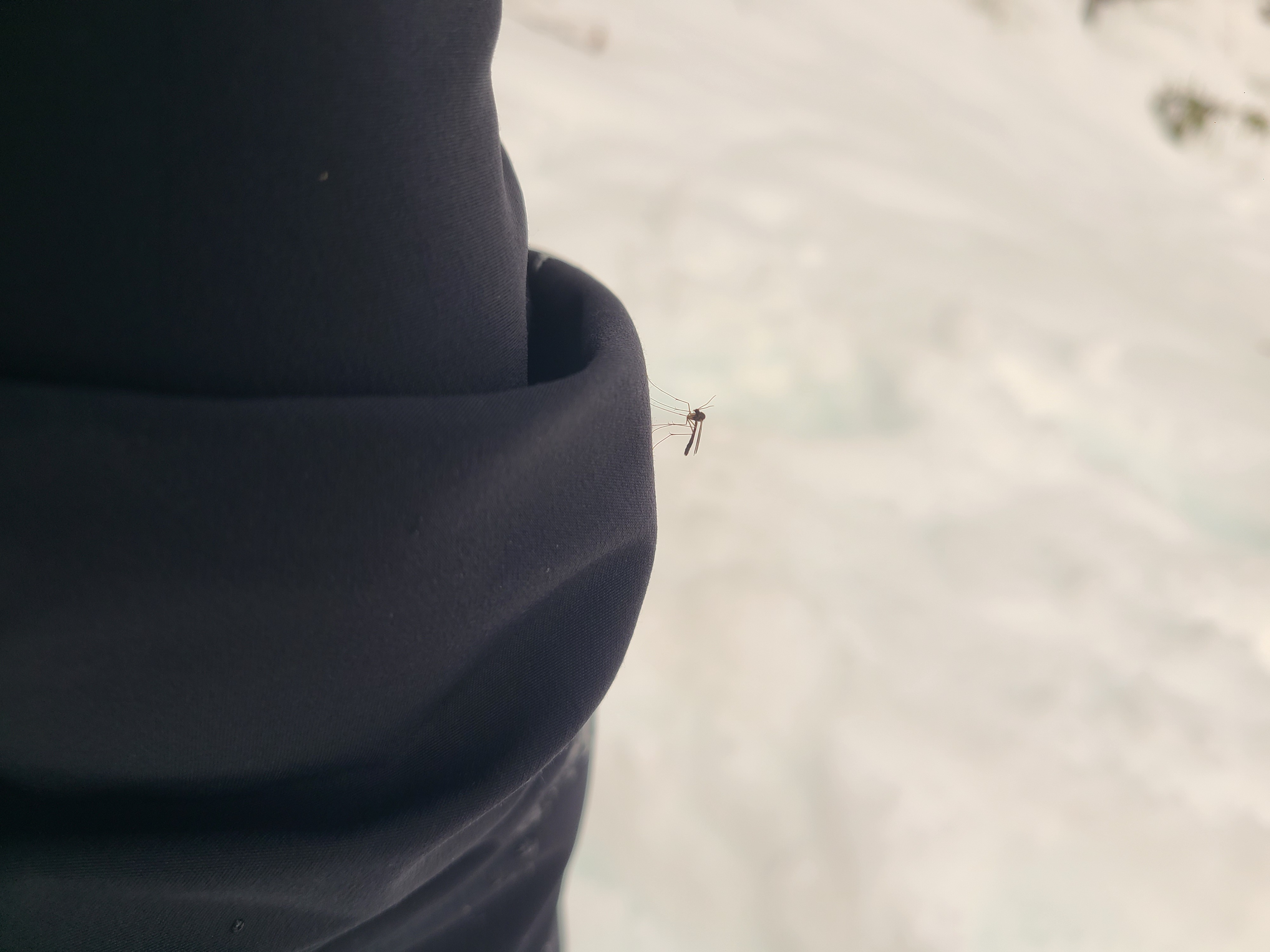
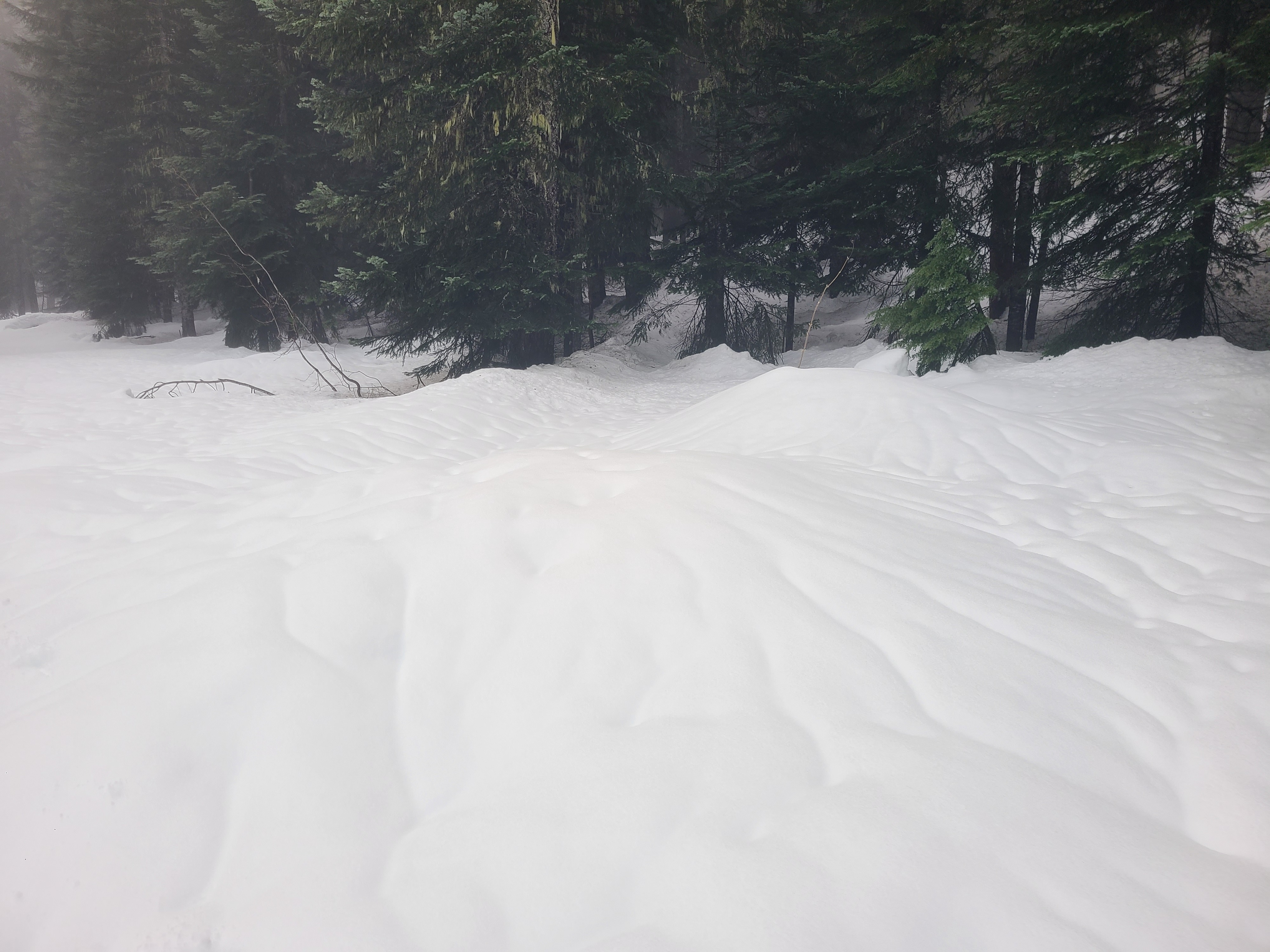
I'm not sure if I was more surprised by how much the recent snow has already melted back, the amount of bare ground visible at all elevations on northern aspects, or the fact that a mosquito was buzzing around as we dug a snow profile. All in all, it felt much more like spring than an early-February day. At least the travel conditions were soft due to a lack of overnight refreeze, but they were still punchy and challenging on the descent.
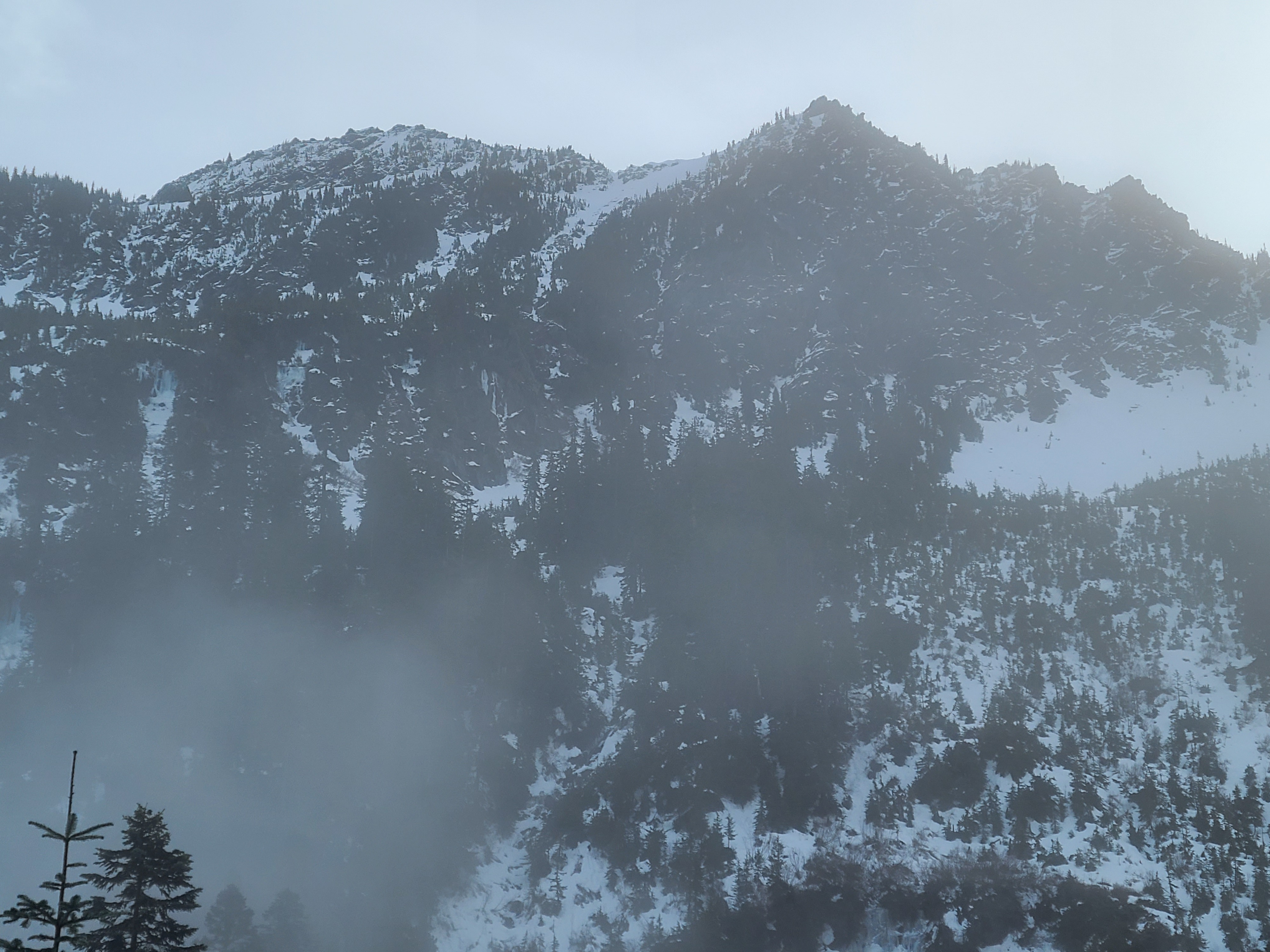
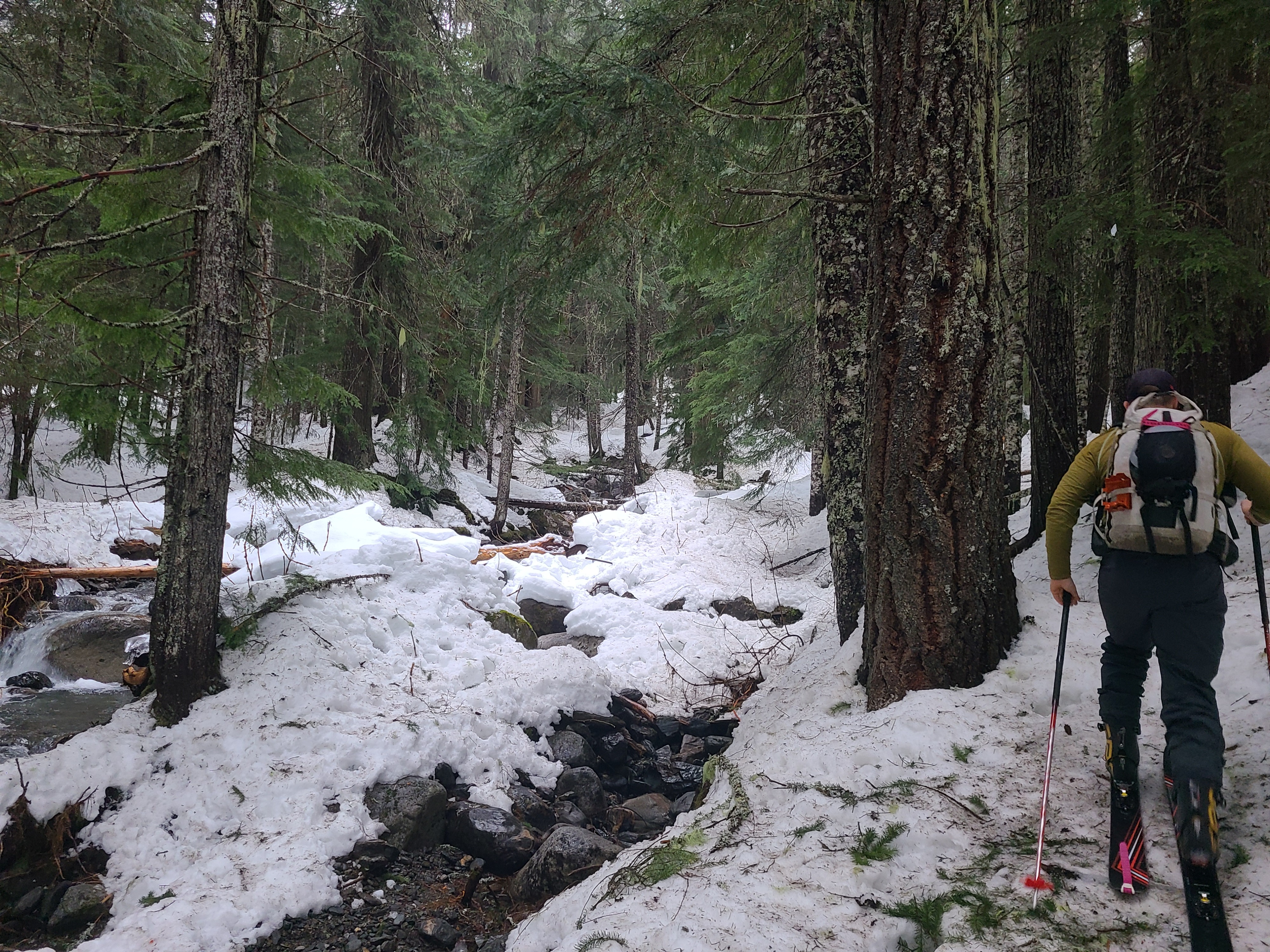
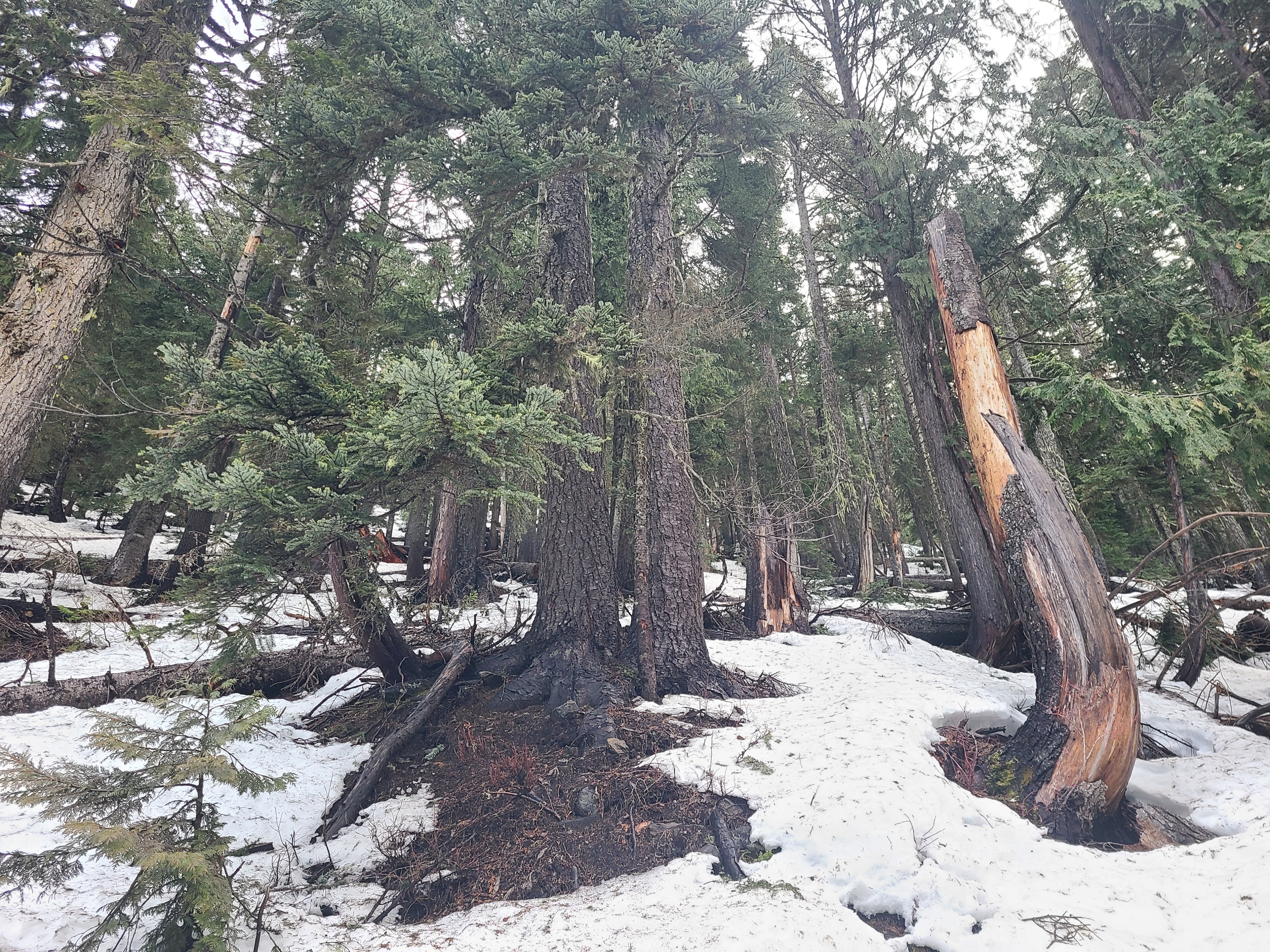
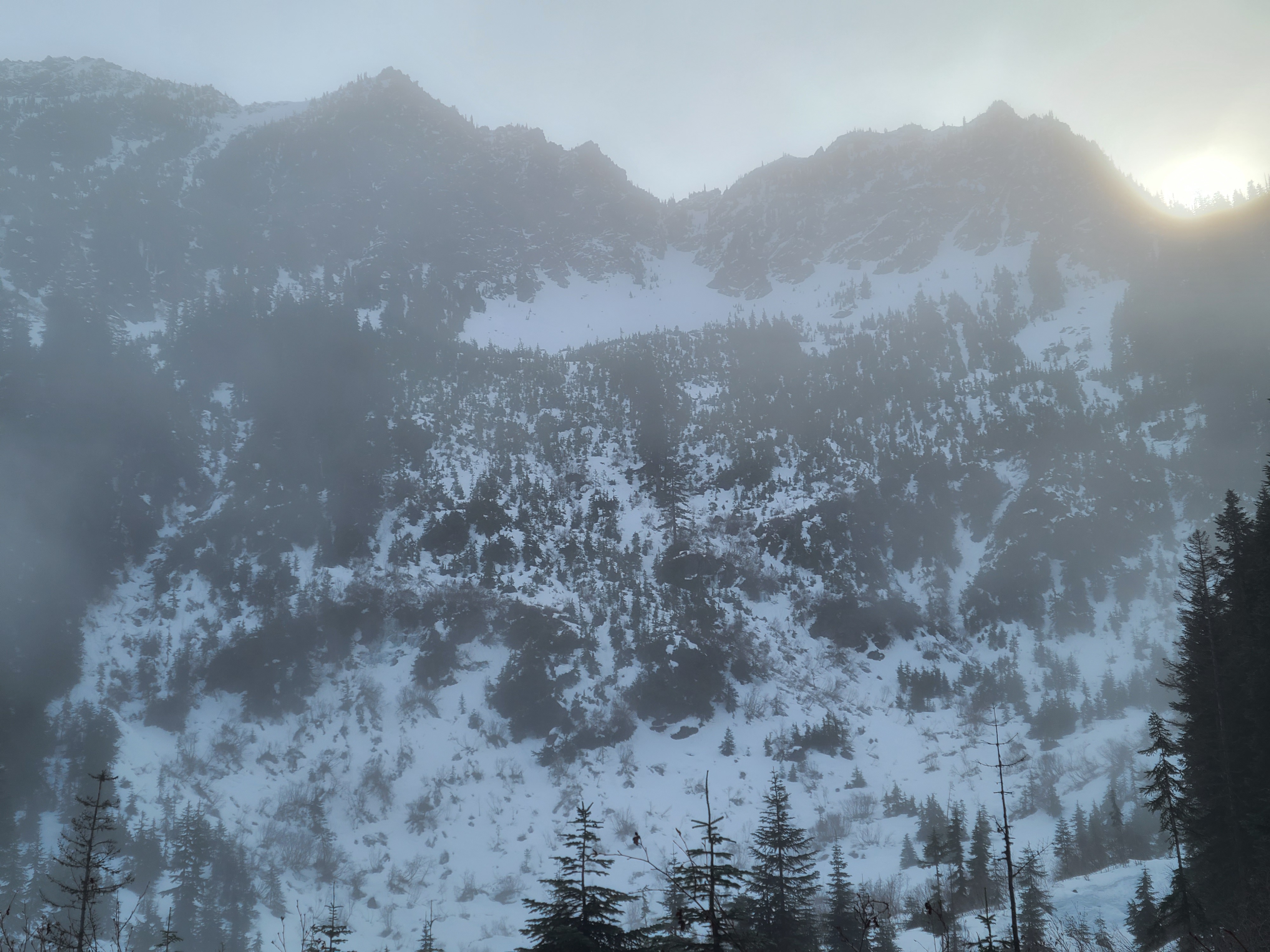
Our goal was to get into the upper elevations on the north aspects of Jim Hill to see if we could find lingering dry snow, but we didn't even get close. Significant bare ground, downed trees, and exposed obstacles prevented us from climbing the western aspects to gain the ridge between Henry Creek and Lanham Creek. While more intrepid travelers might have braved the steep, punchy, icy slopes, we felt it was too risky, especially on the way back down. In a second attempt to gain some elevation, we descended back to Lanham Lake and began climbing towards the northern aspects just south of the lake. The snow was punchy and inconsistent with significant creek holes and exposed alder in this section. We also got glimpses of Jim Hill's and Sam Hill's Summits, which were shockingly bare of any recent snow, and any signs of wet loose avalanche activity from the warm-up had melted. There wasn't a rollerball in sight. Armed with that information, knowing we weren't likely find dry snow, and a desire to be kind to our knee tendons, we opted to turn around at this point.
Surface snow was moist and punchy, but we couldn't push any wet avalanches on steep slopes.Weather
- Cloud Cover
- obscured
- Rain Elevation
- 6700ft
- Snow Avail For Transport
- none
Valley fog from inversion conditions rose and fell in elevation throughout the day. Hovering primarily between 4000 and 4500ft. Above the inversion, skies were clear. Temperatures were mild, above freezing, throughout the day. We didn't experience any notable winds, but didn't make it up to the ridgeline.
Snowpack
Snow Surfaces:
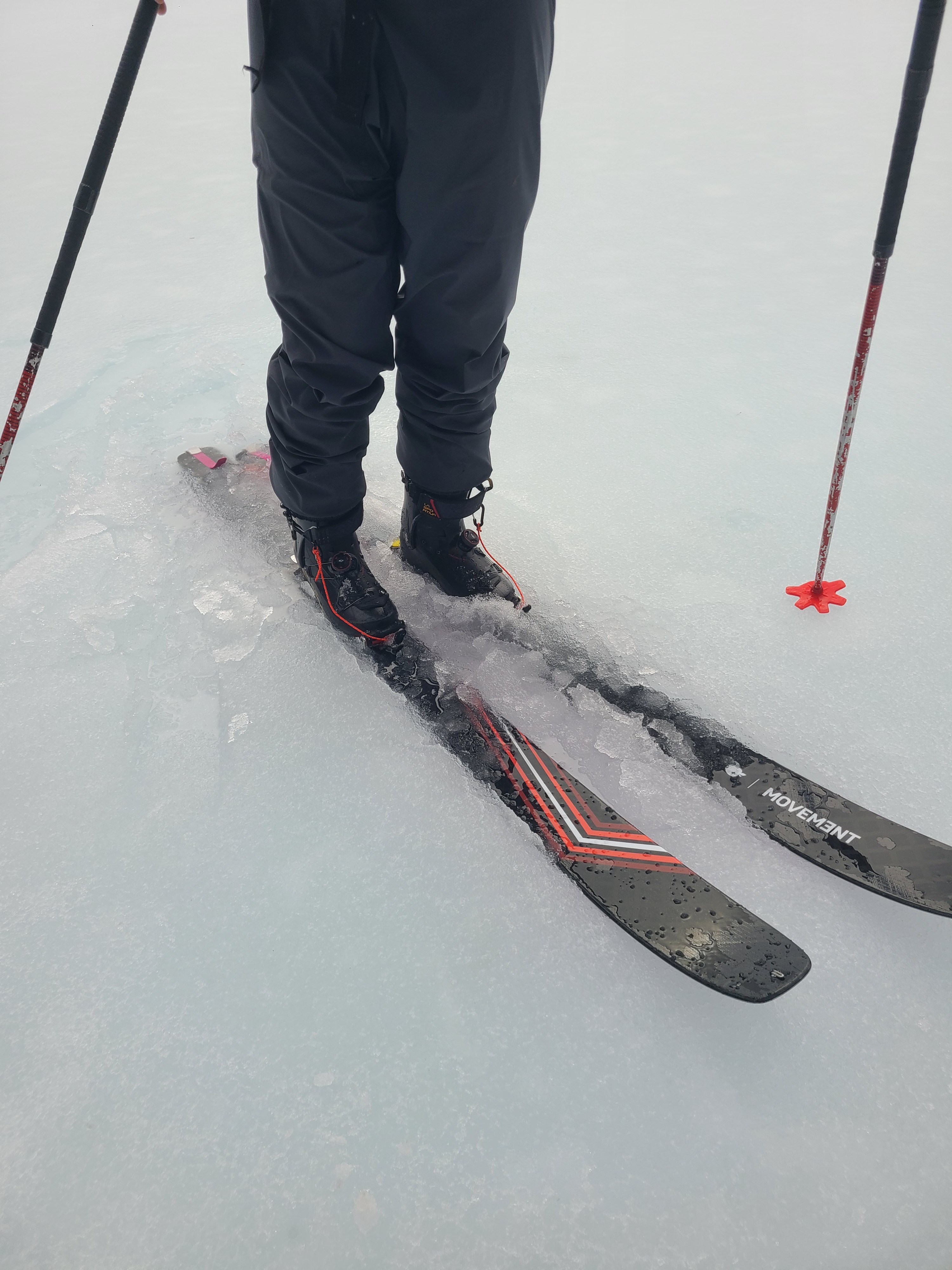
Snow surfaces were soft, and most areas didn't experience much of an overnight refreeze. The exception was in open terrain above 4400ft, where a soft, but discernible surface crust had formed over wet snow below. Forested areas lacked many smooth snow surfaces, were punchy, and inconsistent with many open creeks and holes at lower elevations. Steeper forested terrain had significant areas of bare ground above 4300ft. Boot penetration was 20-40cm, depending on where you stepped, while ski penetration was just 3-5cm.
Snowpack Observations:
HS: 90cm
We didn't get into the middle elevations due to travel conditions, but dug at 4400ft in an open meadow to look at how the upper snowpack is handling the latest warmup. The surface was 4cm of moist melt forms over a thin knife hard melt freeze crust. Below that, the snowpack is moist throughout, with multiple melt-freeze crusts in the upper pack and moist melt forms in between down to the December AR crust buried 56cm deep.