
Quick report
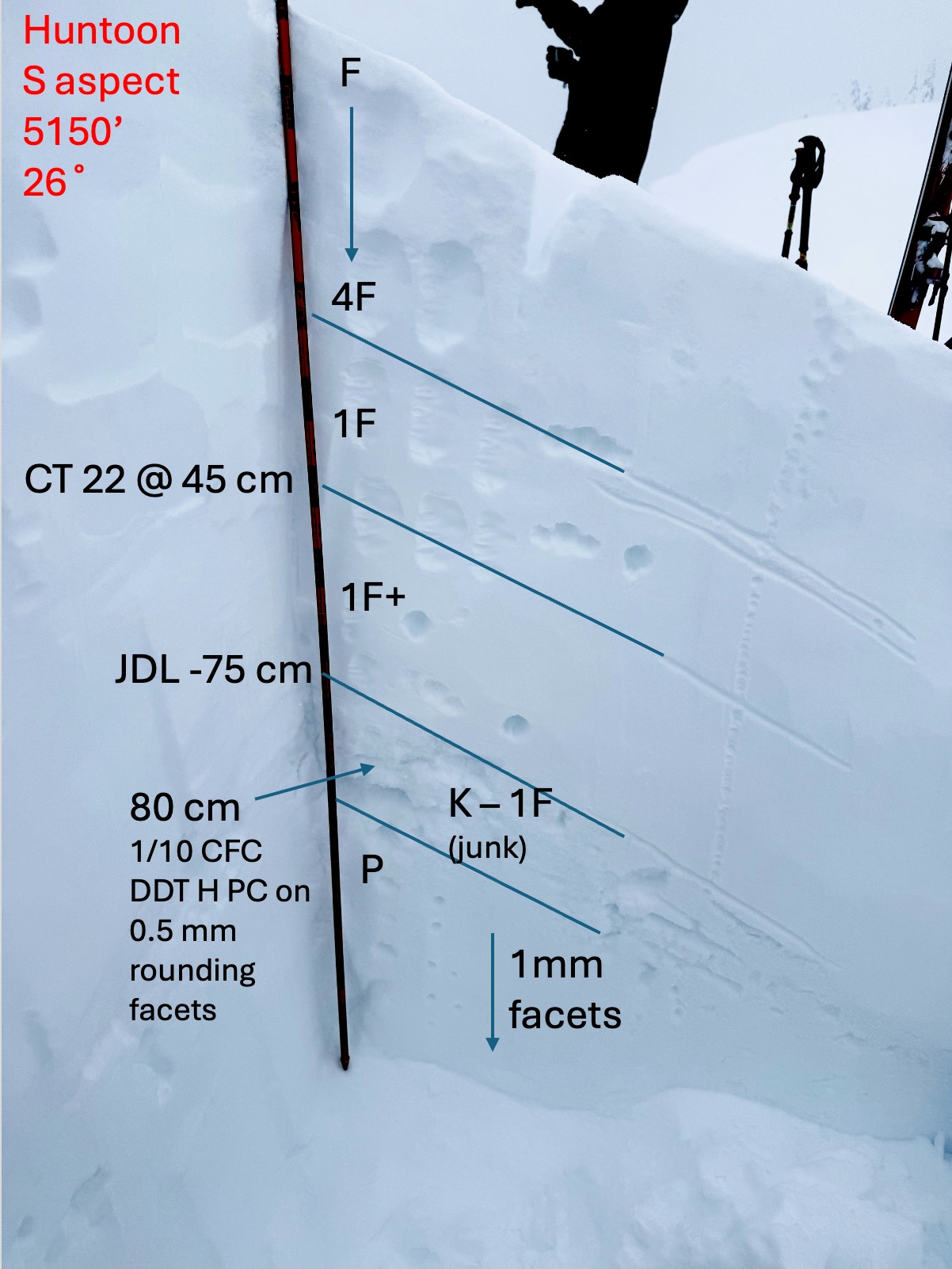
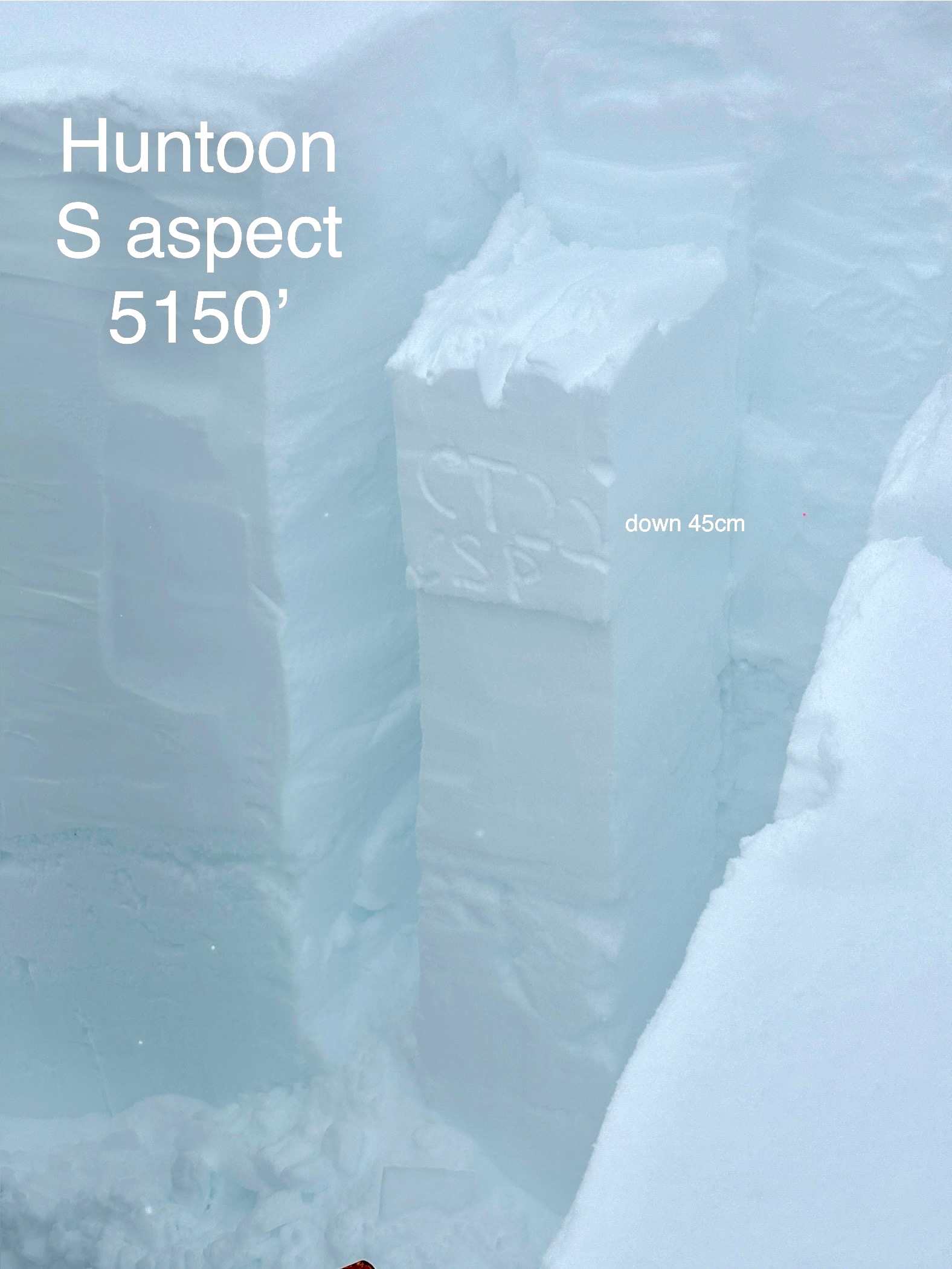
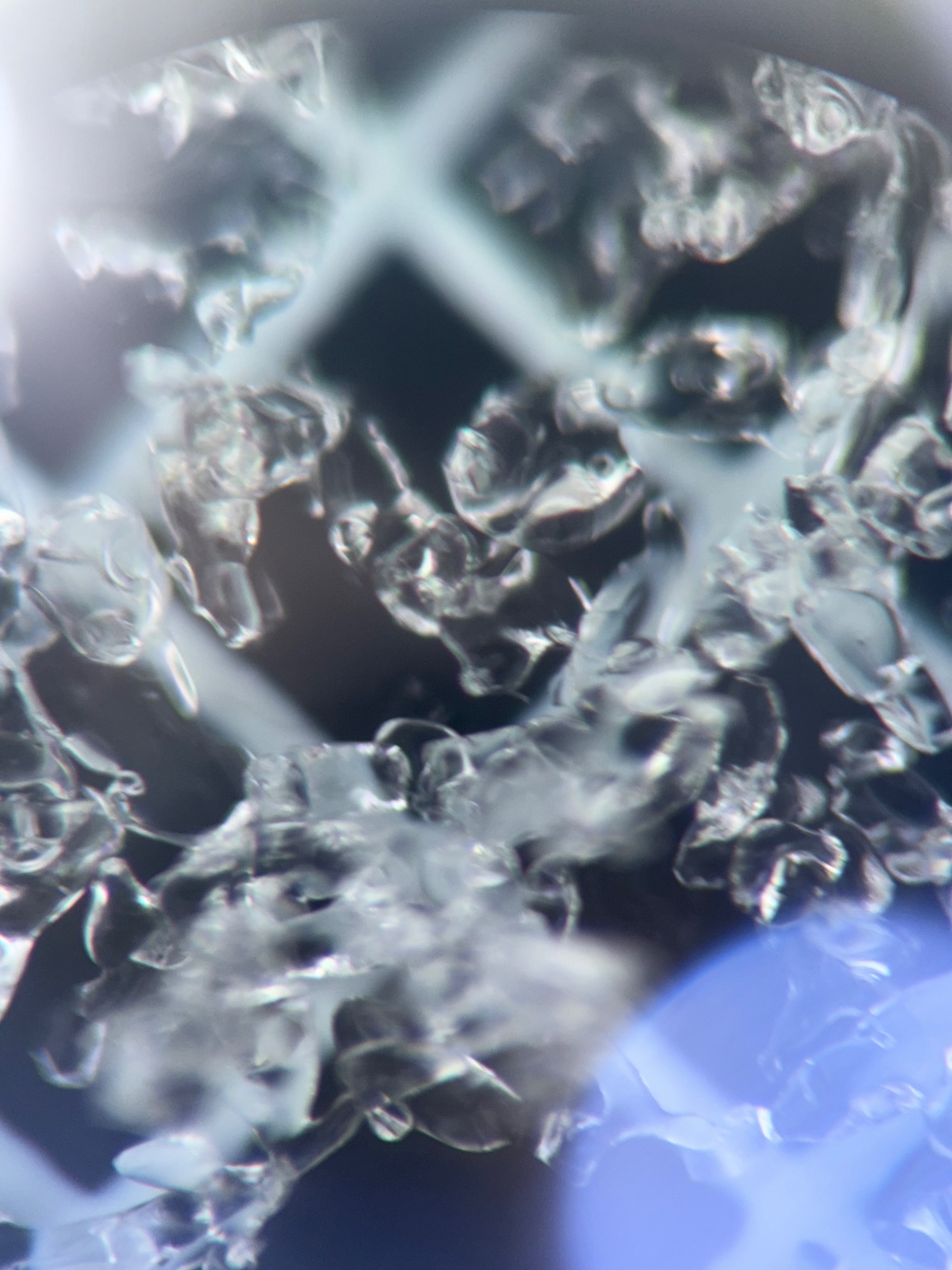
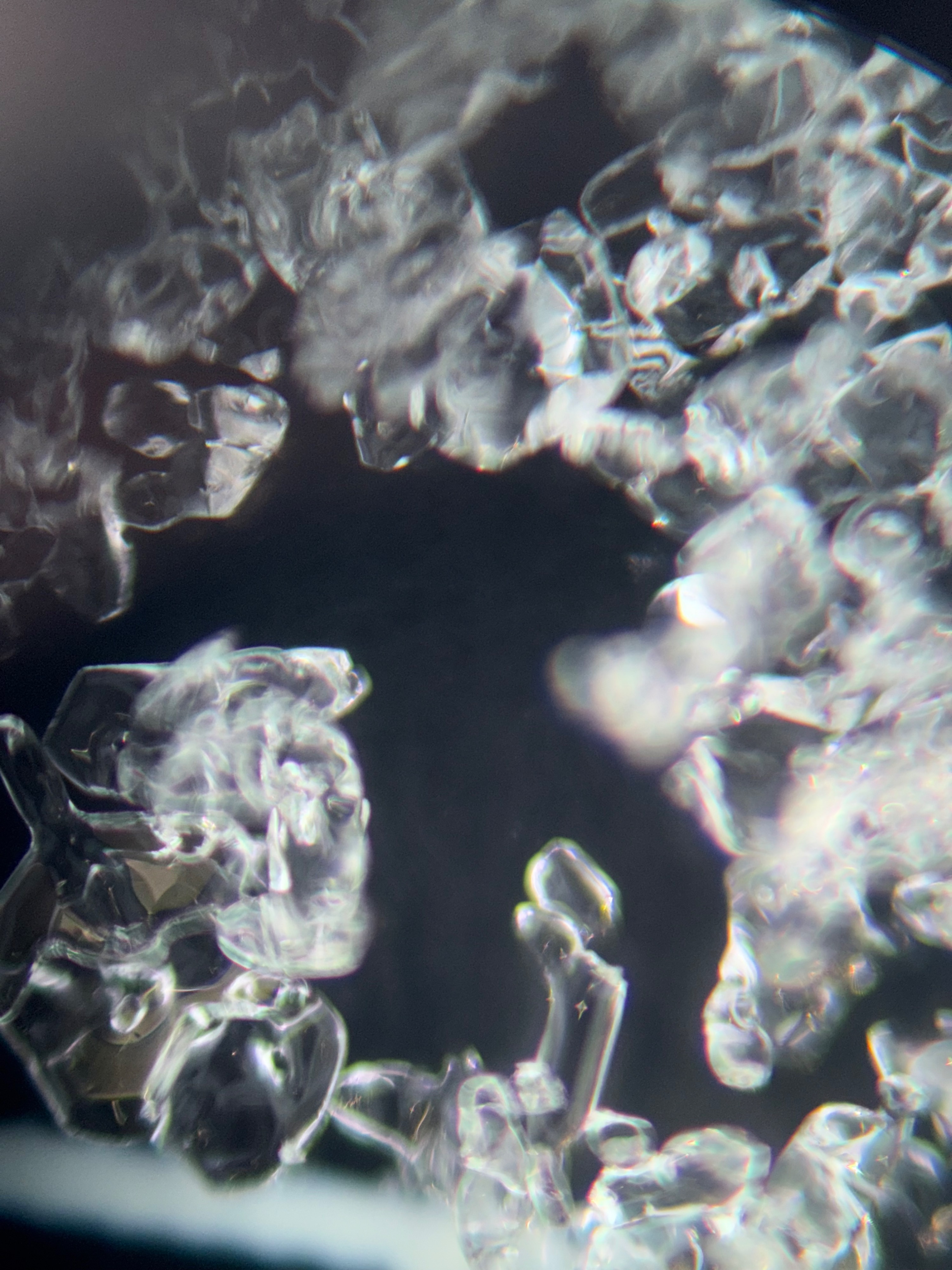
It was primarily an overcast day, with only a brief break of partly cloudy conditions in the morning. However, by 9:00 AM, visibility began to deteriorate as snowfall started and cloud cover deepened. Snowfall remained consistent throughout the day (S1-2), and temperatures stayed cold (15°F). Light winds moved falling snow but did not cause any significant drifting of the surface snow. We observed no active or recent signs of avalanching throughout the day. While crown lines from older or recent slab avalanches were abundant, it was difficult to determine exactly when and on what interface they failed. Our observations focused on assessing the reactivity and structure of the JDL on solar aspects (SW-SE), particularly the presence and strength of buried facets. We dug and analyzed 3 separate snow pits focusing on SW, S and SE facing slopes. The pits were within close proximity to and shared elevations and slope angles of 5,150' and 26˚, respectively. This observation covers the snow pit on a directly south-facing slope: Given the warming event preceding the storm, I expected to find a crust on solar aspects. As anticipated, a 3 cm knife-hard crust capped rounding facets preserved among frozen preferential flow paths which presented as about 10 cm of crust facet junk. The rounding of these facets suggest that the snow is gaining strength, which was further indicated in stability tests. The 1/10 facet-crust combo remains a weak layer of concern but it was stubborn to collapse and did not fracture on a uniform plane (DDT H PC @ 85 cm). The interface between storm and wind-loaded layers did sudden collapse on a planar surface but was similarly stubborn (CT H SP x2 @ 45 cm). Further snow pit analysis (see Julz Holder and Bella Walz's separate observations) confirmed that this weak layer is stubborn to react below the 3 cm crust on S-SSE aspects, but SW aspects showed greater reactivity. The exact point where this transition occurs between S and SW aspects remains unknown. No signs of instability observed on tour but we did not travel far or get much visibility to observe our surrounding terrain.
Weather
- Air Temp
- 15
- Cloud Cover
- overcast
- Wind Loading
- none
- Rain Elevation
- 0
- Recent Snowfall
- S1
- Snow Avail For Transport
- large amounts
Avalanche
- Size
- D1.5 R2
- Type
- SS
- Aspect
- NE
- Elevation
- 5000 ft
This was one of two avalanches on the NE face of Kulshan Ridge looking to have failed either yesterday or the day before. The bed surface, flakes and crown were filled in with new snow. For photos view Julz Holder's ob.