
Quick report
- Collapsing
- specific
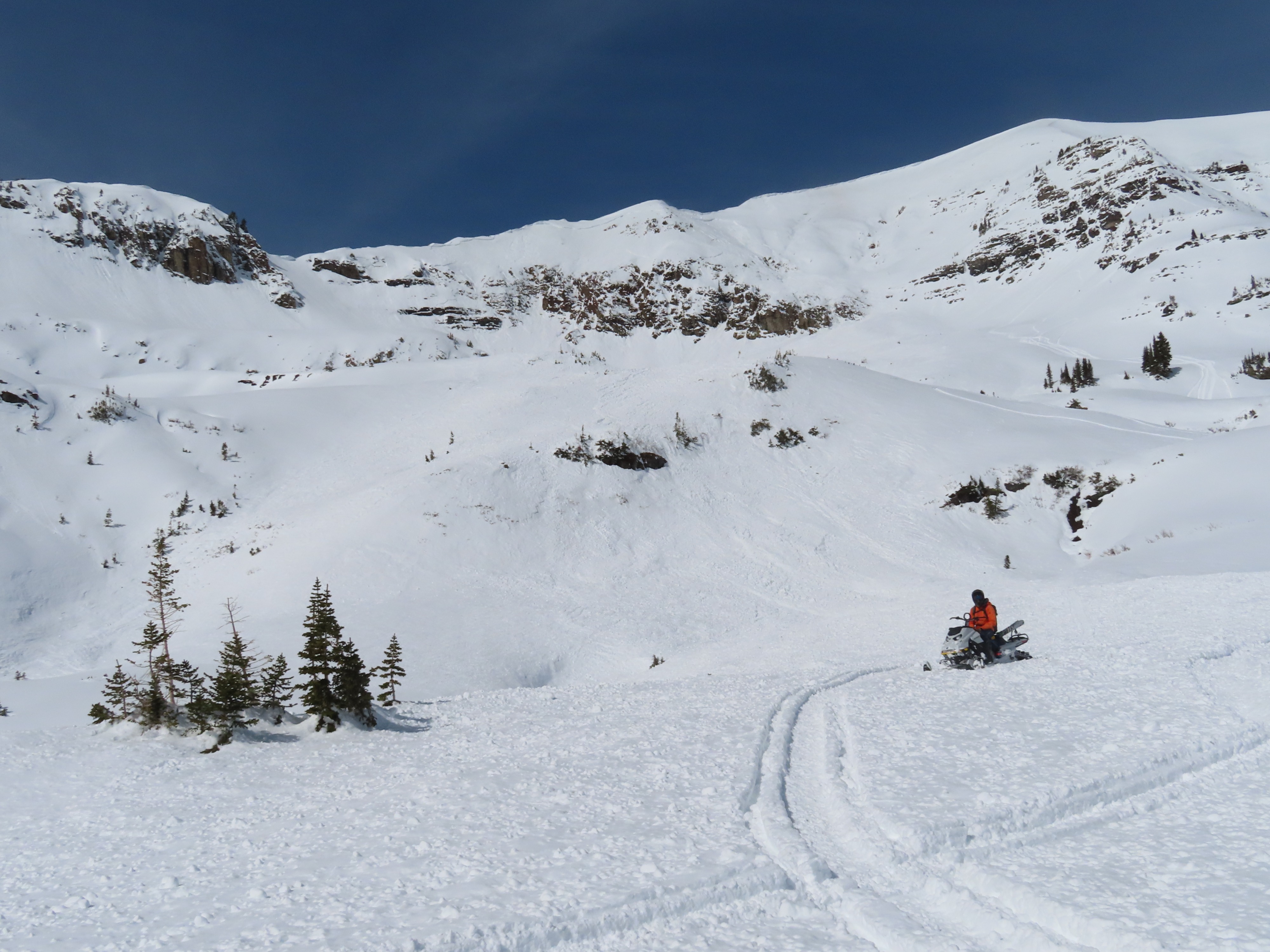
Sensitivity in the Northwest Mountains appears to be decreasing, more so at higher elevations in the Ruby Range (where feedback was rare), and less so as you get closer to town and to lower elevations (where feedback was more common). In both areas, the snowpack structure is still poor and is producing unstable pit results, but it is now deep enough for weak layers to slowly begin rounding. There was extensive natural activity in this part of the Ruby Range, which has certainly altered the snowpack structure for the better. However, a large number of slopes remain intact, and I would not want to go on or below them.
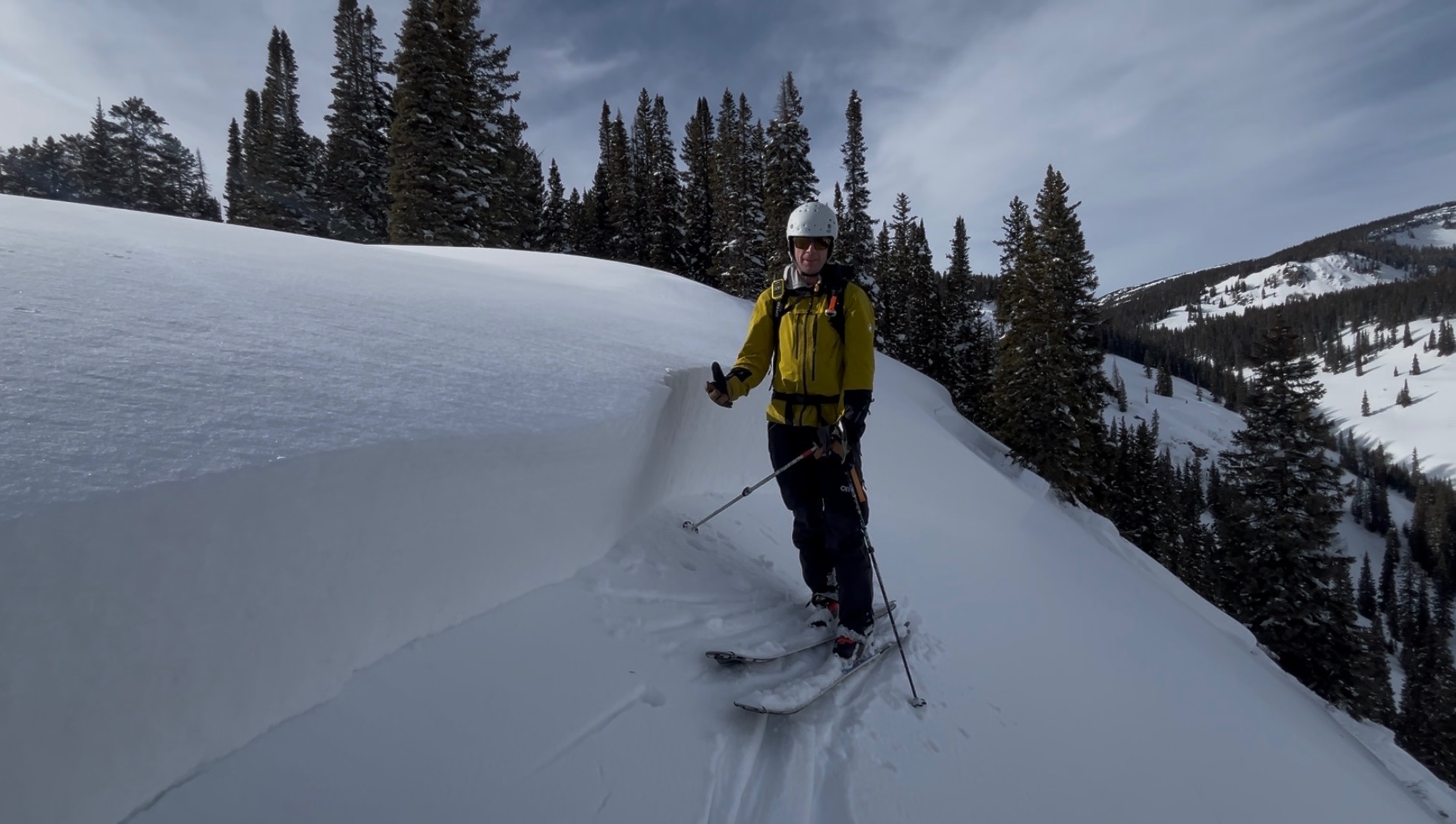
I didn't notice any signs of instability riding N/ATL in the Ruby Range, though collapses are often difficult to hear on snowmobile. I tried targeting a couple shallow areas looking to get remote triggers with no feedback. In Elk Creek, I got a handful of large collapses and a few smaller ones: some required some effort, others went while simply skinning along the ridge or stepping out of my skis. One remotely triggered an avalanche.Weather
- Cloud Cover
- few
- Wind Loading
- light
Snowpack
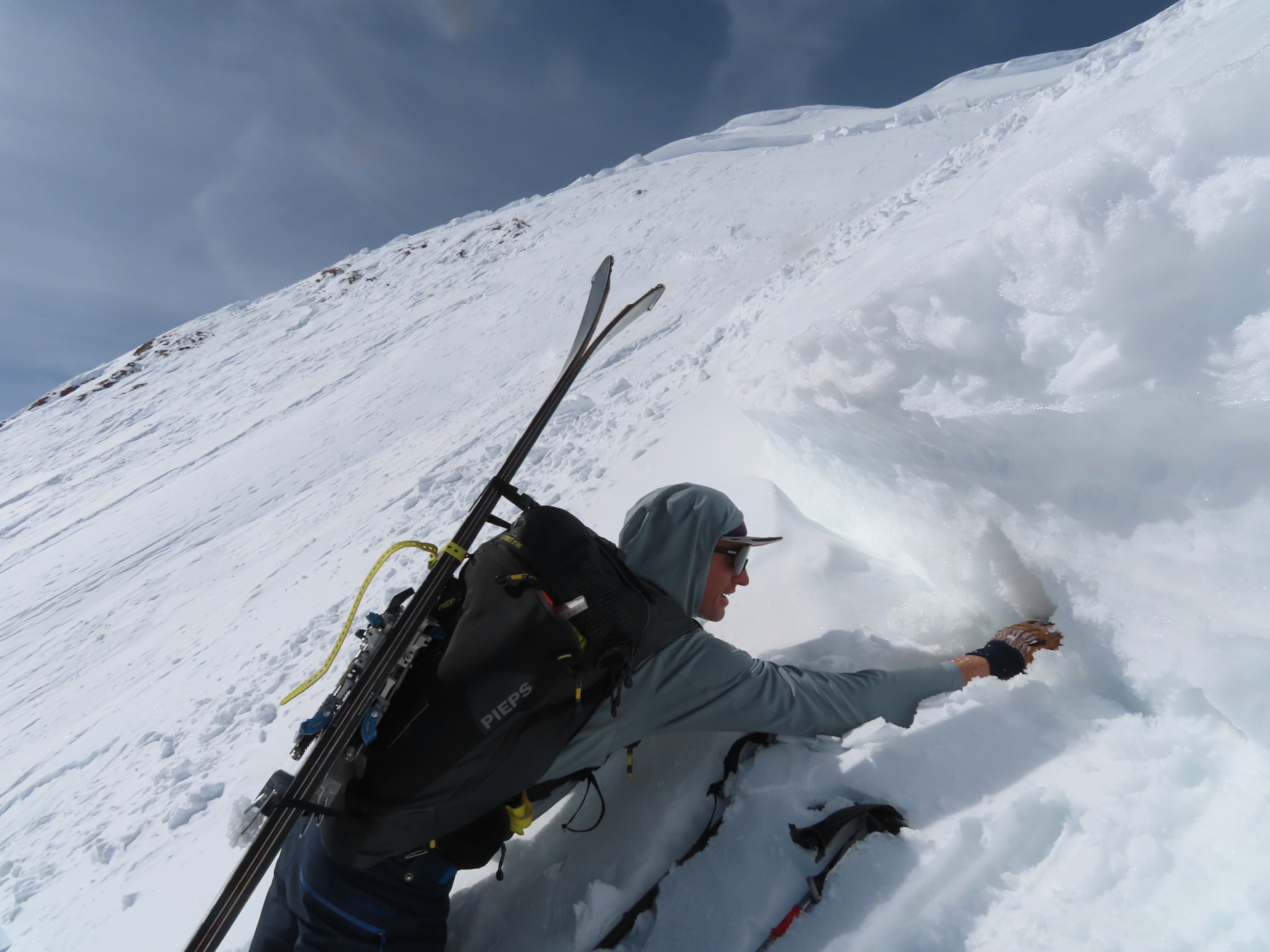
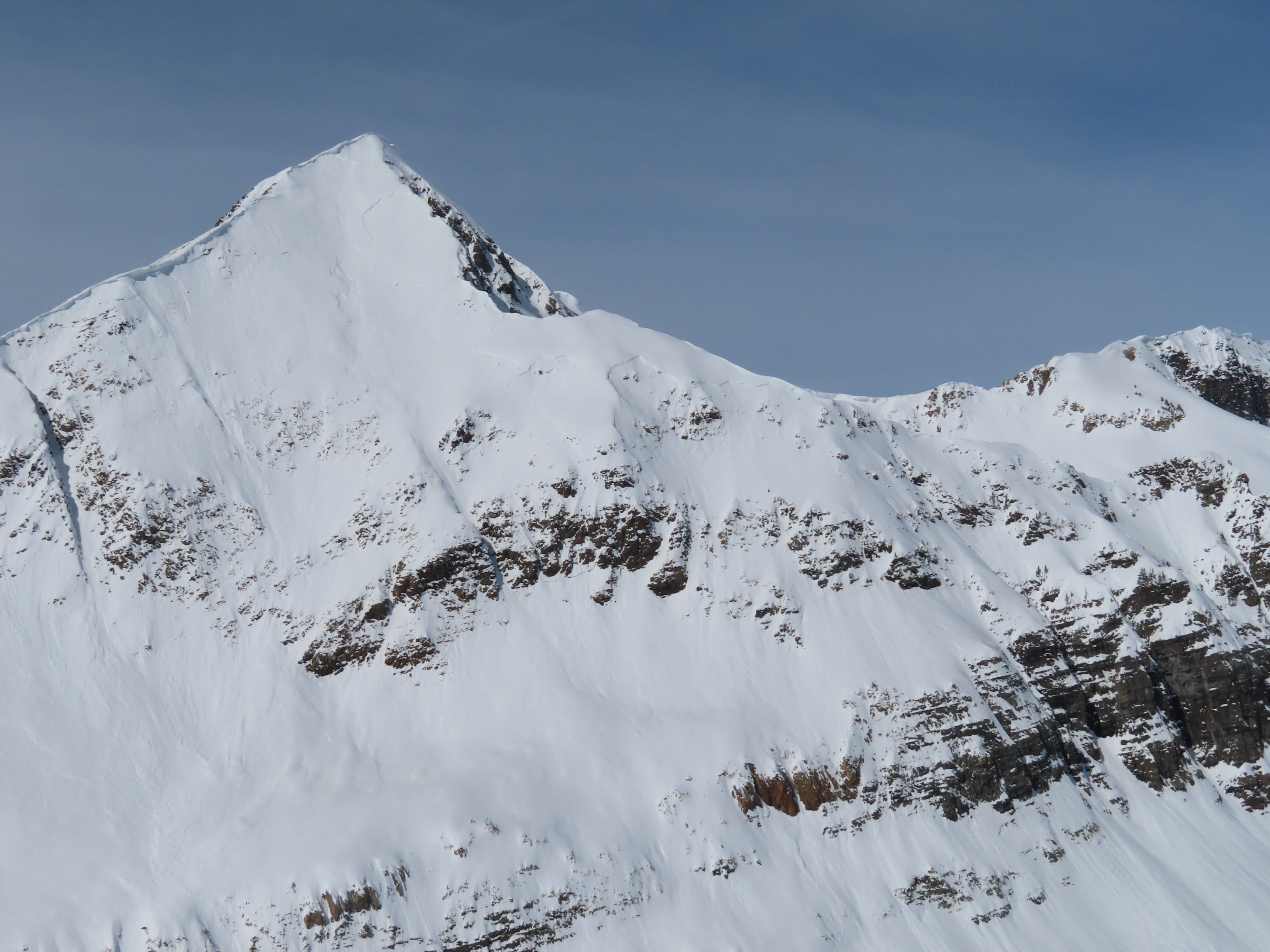
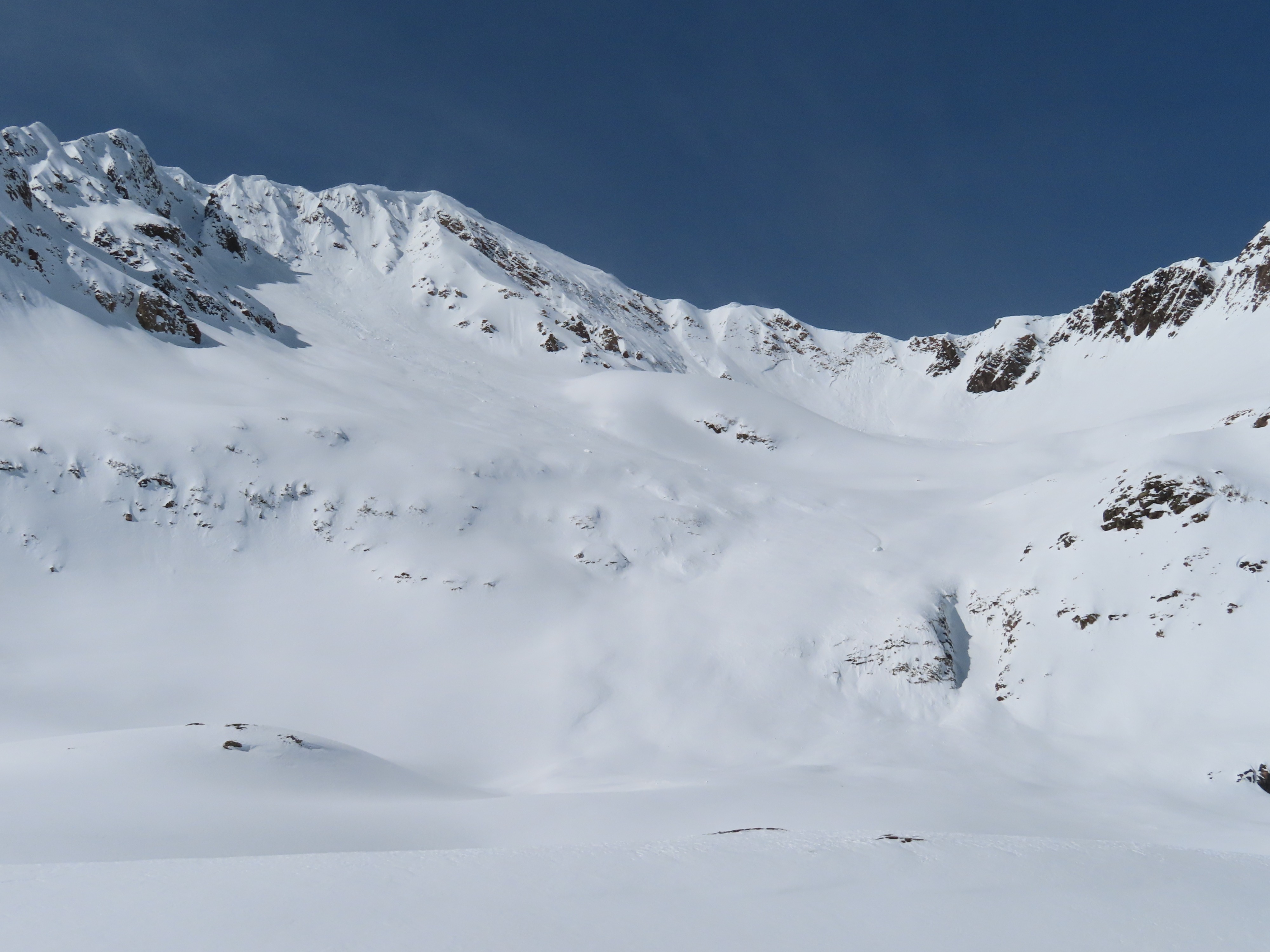
Crown investigation of the Ruby slides: There were two separate avalanche events, one early in the storm with a very large amount of debris but no obvious crown anymore, and one late in the storm (less than an inch of snow on the debris). The debris overlapped so its a little difficult to assess the destructive size, but they both appeared to be D3s with acres of deep debris piles that ran far. We did a crown profile from the fresher avalanche, which spanned east to southeast aspects. In the two locations we looked at well below the ridgeline, the crown was a 60 cm hard slab. Higher, just below the wind-loaded ridgeline, I estimate the crown was 120 to 150 cm. On east aspects, the avalanche appeared to fail just below the Feb 11 collapsible crust, and on southeast aspects, it failed above the crust. The facets below the crust are still large-grained and well preserved, whereas the weak layer above the crust (presumably small-grained radiation recrystallization) is difficult to discern.
I probed around in a number of areas throughout the day, and snow depths N/ATL in the Ruby Range often range from 160 to 200cm on uniform-looking slopes, whereas there are still plenty of shallower areas in very steep, rocky, or wind-affected terrain. One stability test on a low-angle north-facing slope at 11,500 produced propagating results with moderate force on the Feb 11 facet layer, below a 70 cm hard slab.
Avalanche
- Size
- D3
- Type
- HS
- Count
- 6
- Aspect
- E
- Trigger
- N
- Elevation
- 12600 ft
Remotely triggered a large persistent slab in Elk Creek (NE aspect BTL) while skinning along the ridge. A number of small wet loose avalanches ran naturally. Documenting a few older slides from last week's storm.