
Quick report
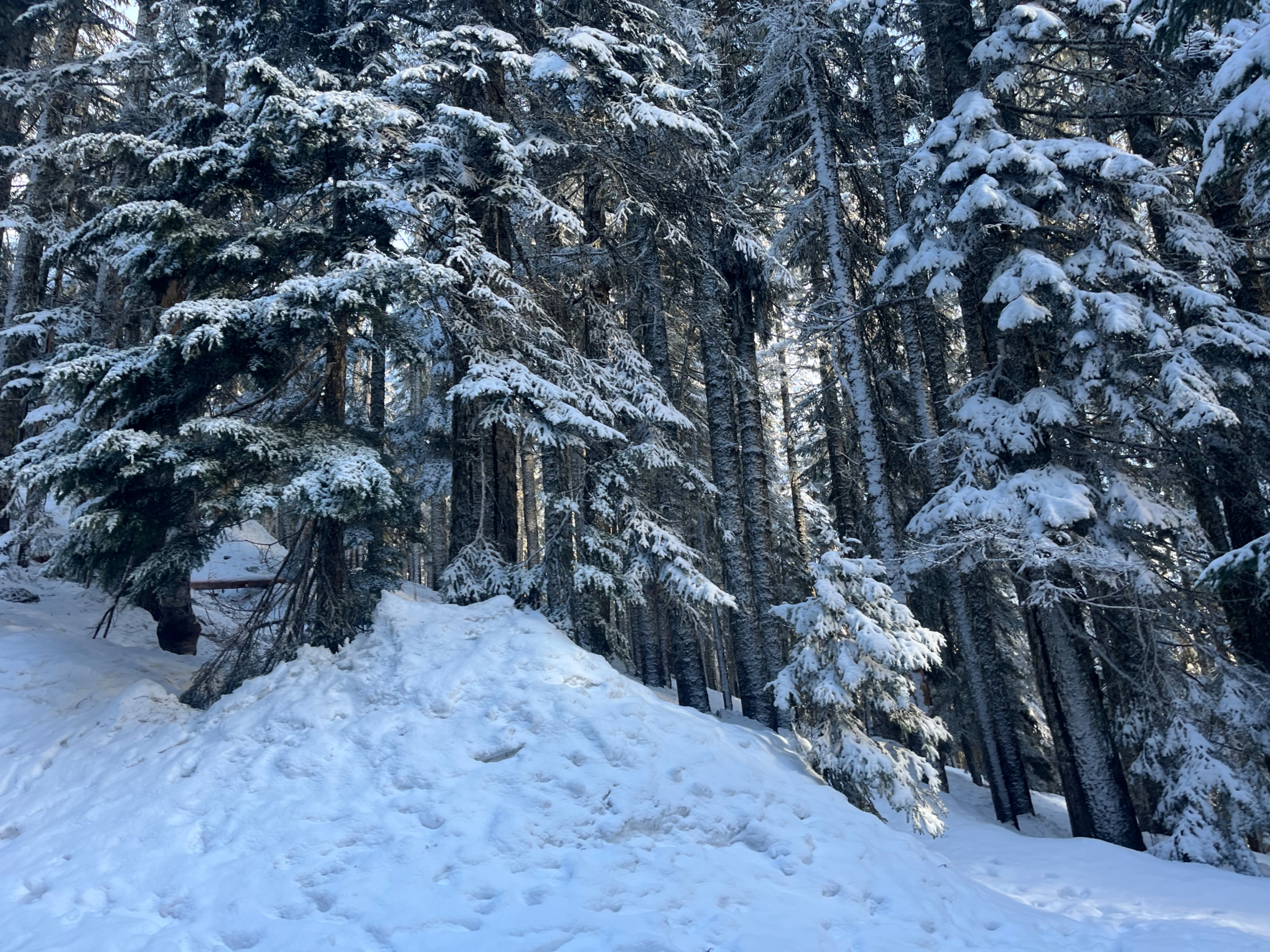
Two to four inches of snow from Tuesday night was a pleasant change after the previously soggy, then refrozen snow surfaces. It felt like spring, quickly getting hot in the sun but staying cold in the shade.
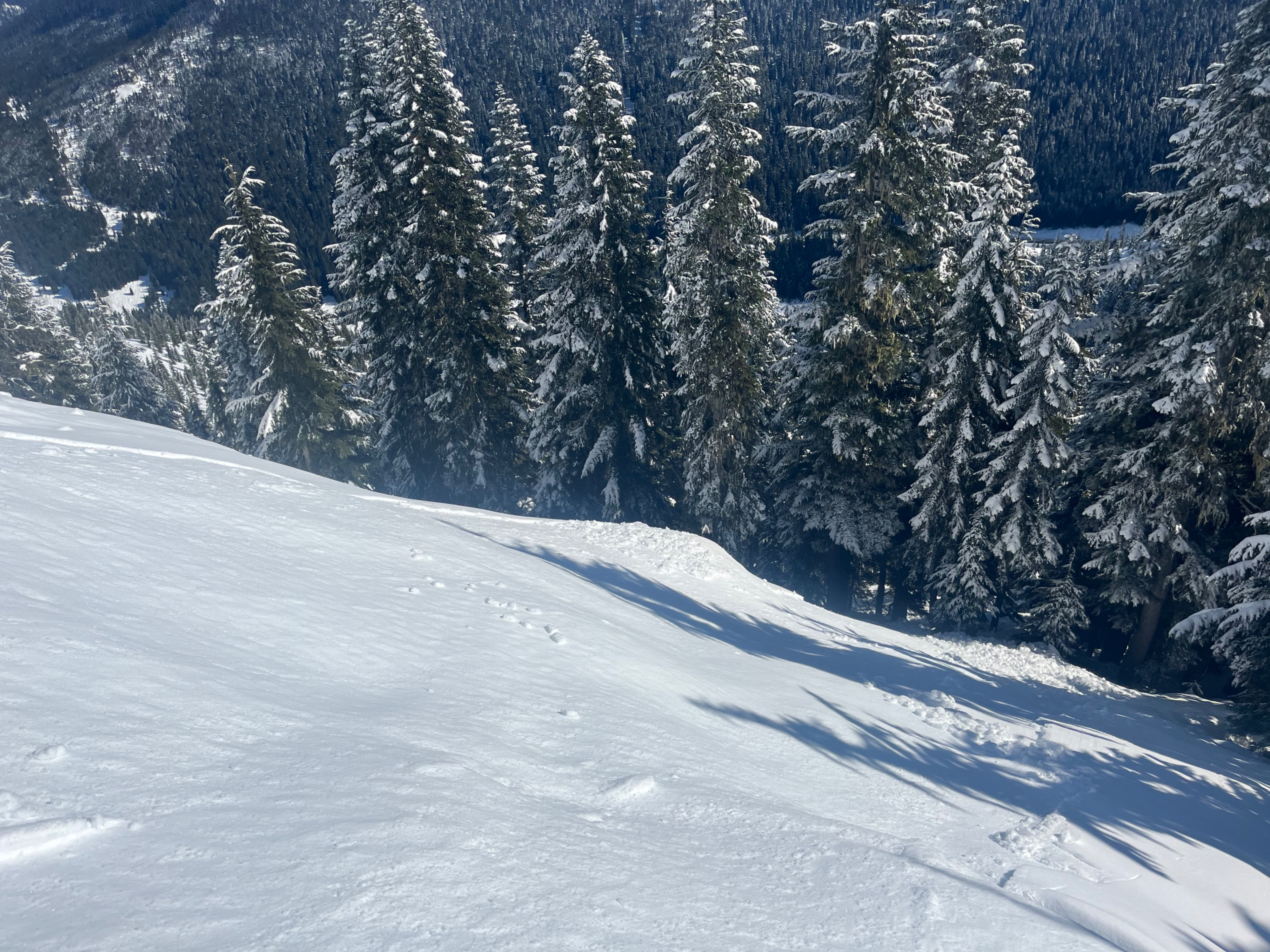
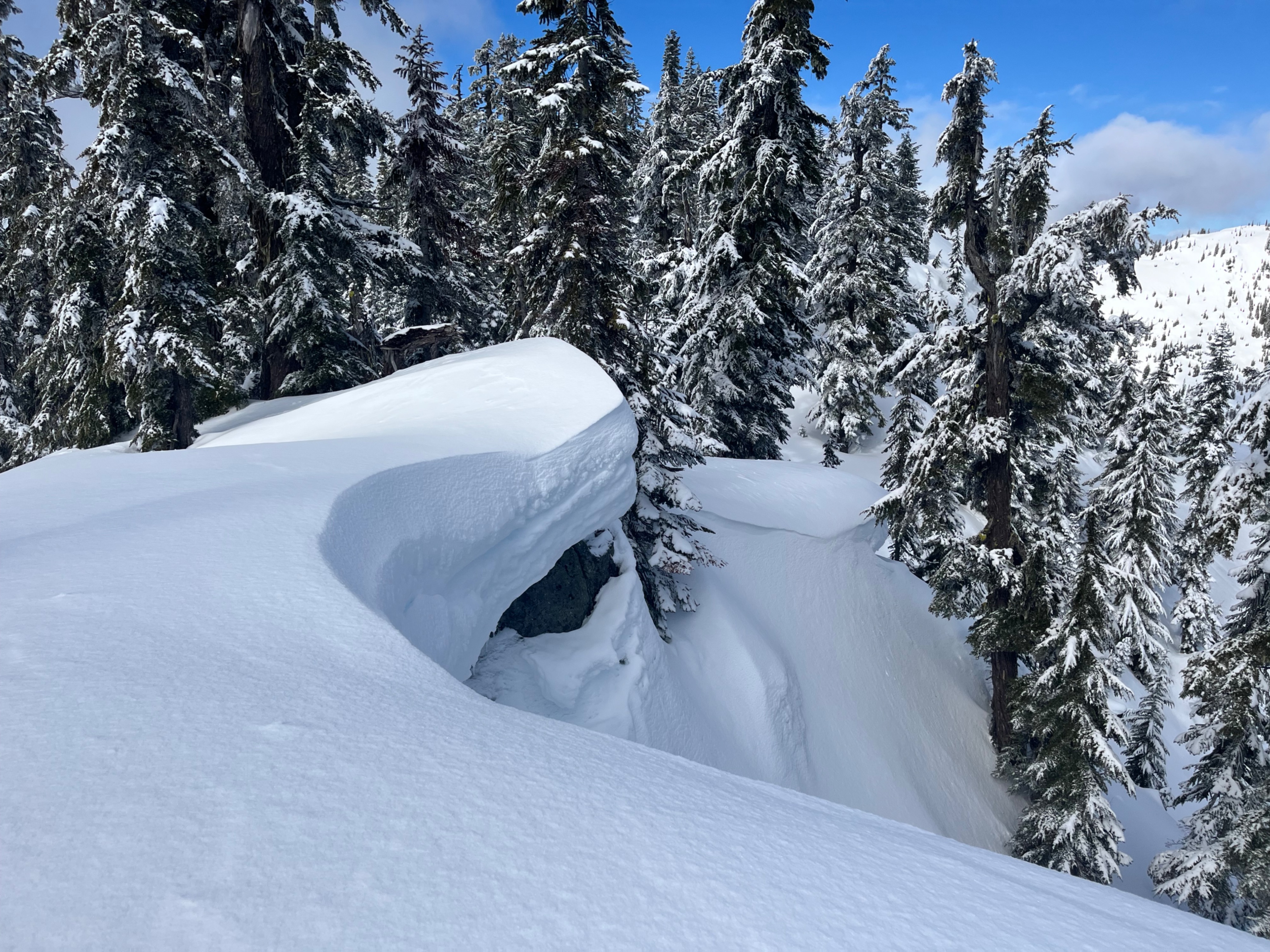
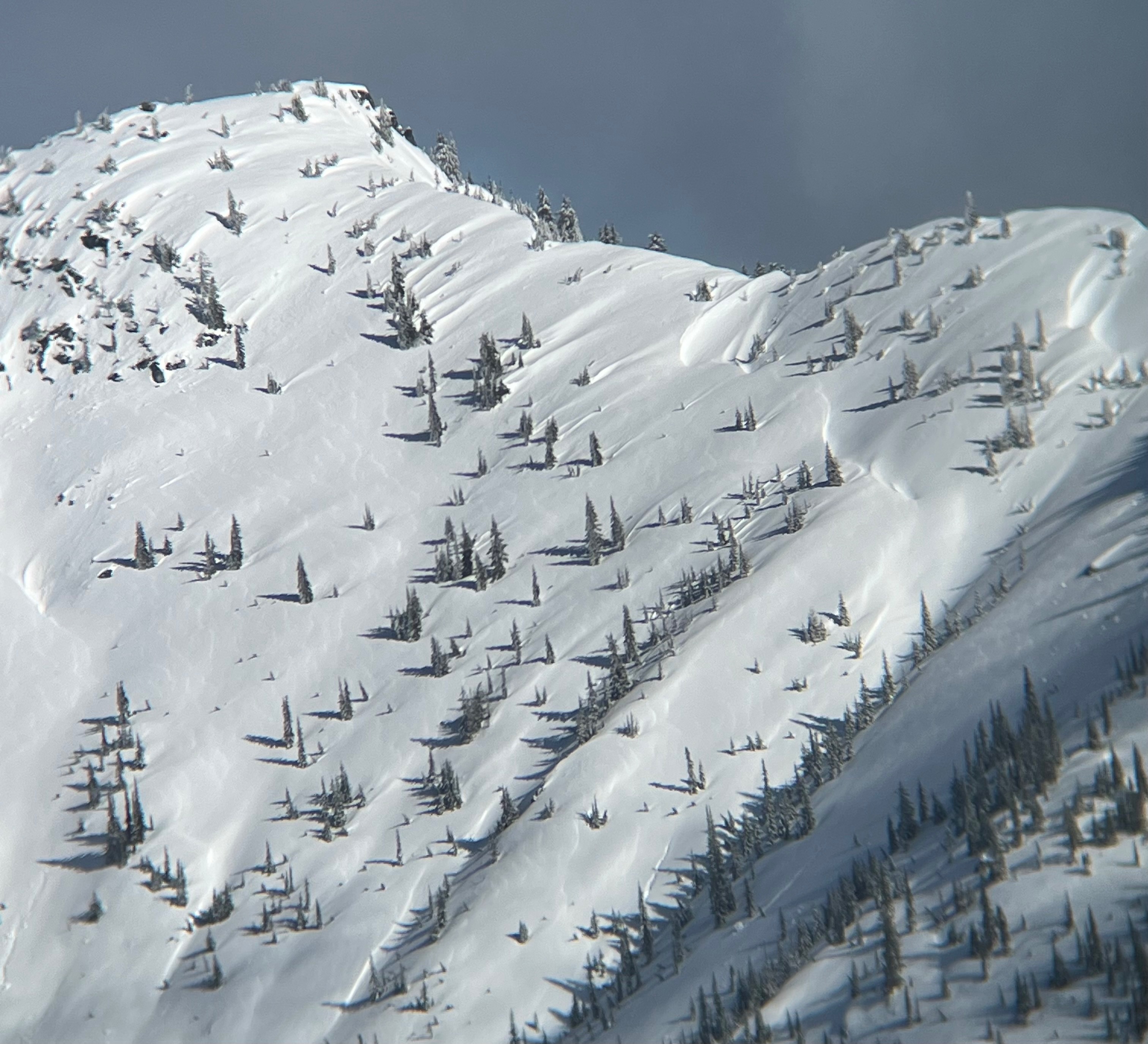
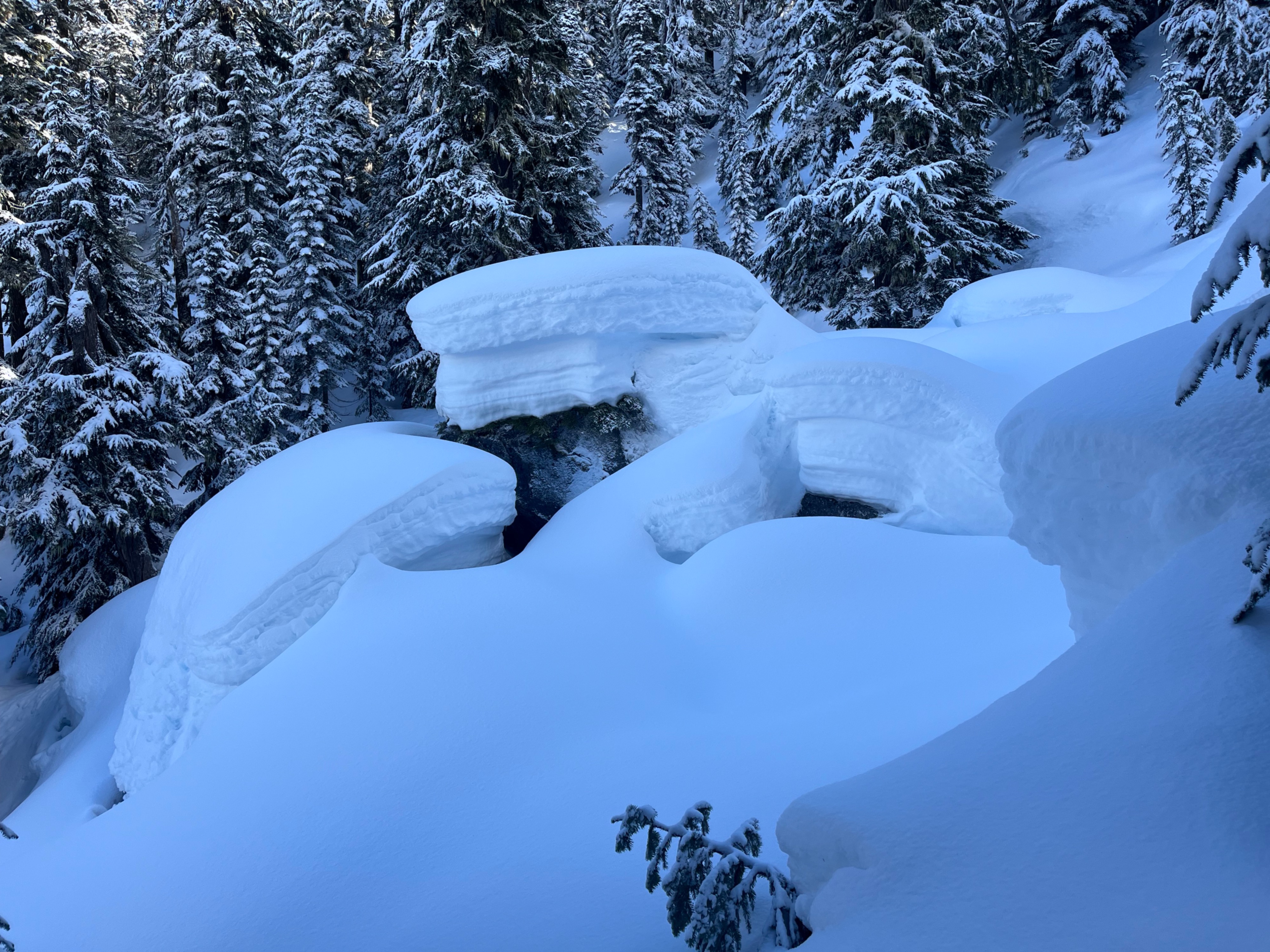
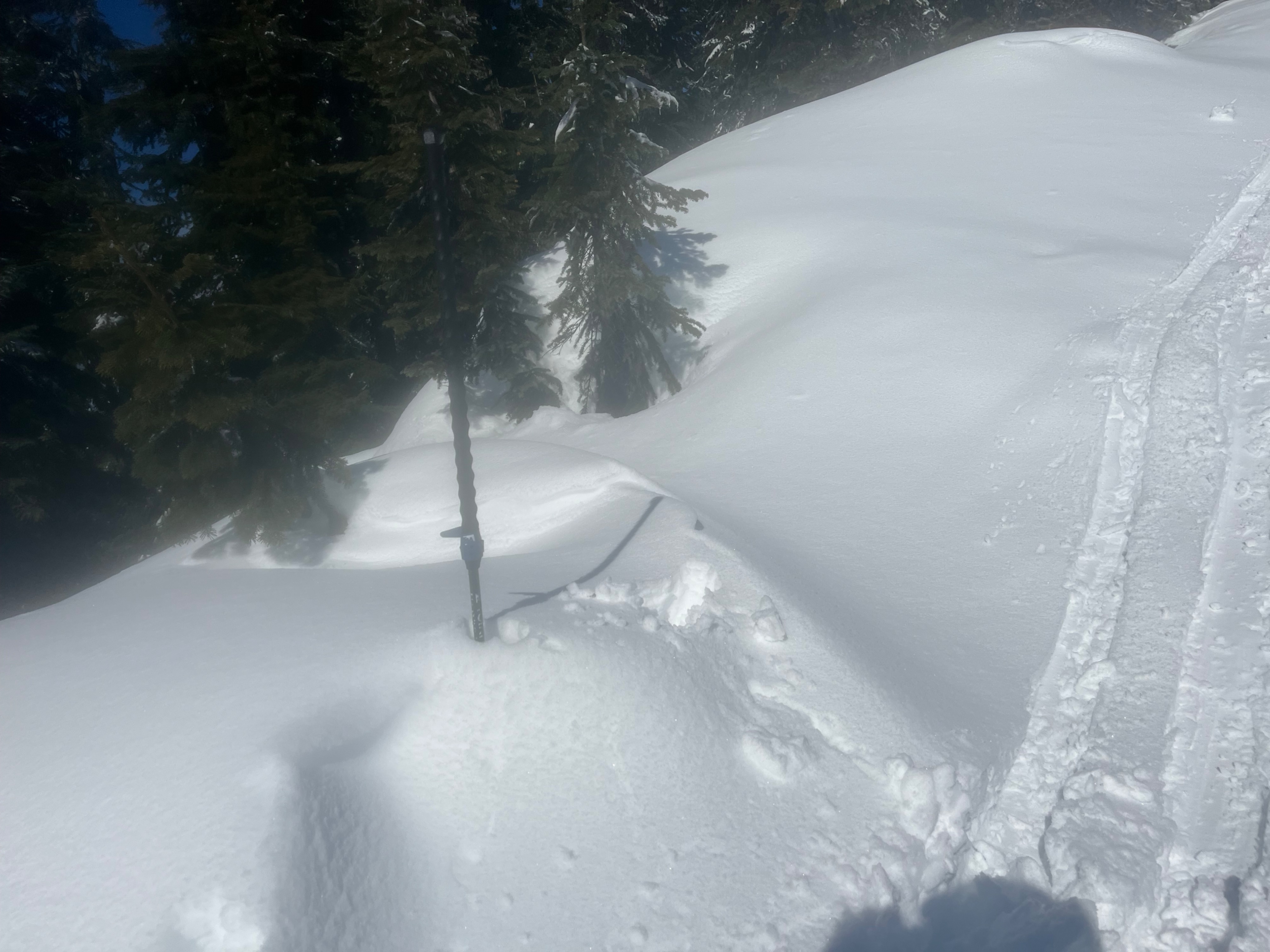
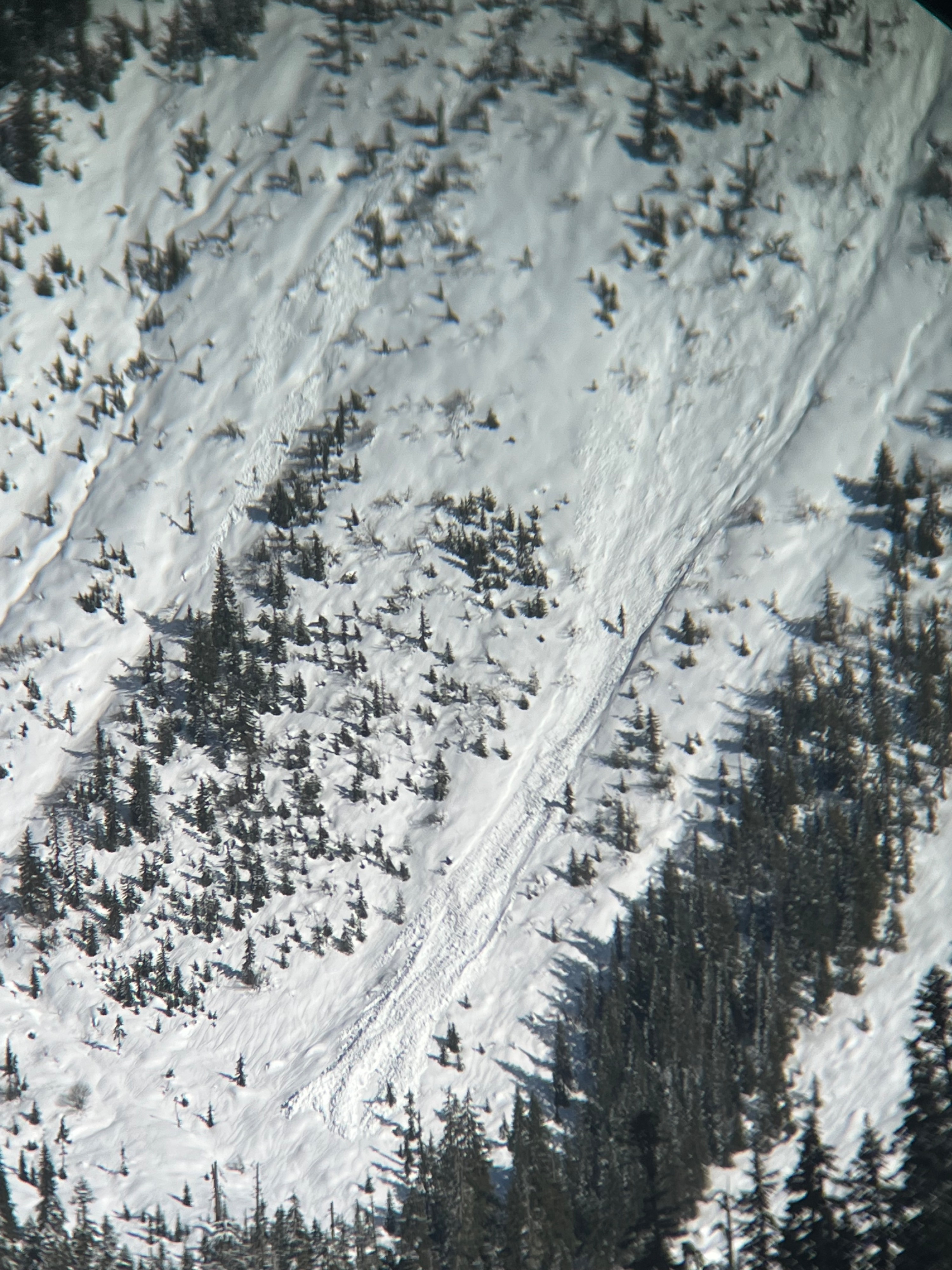
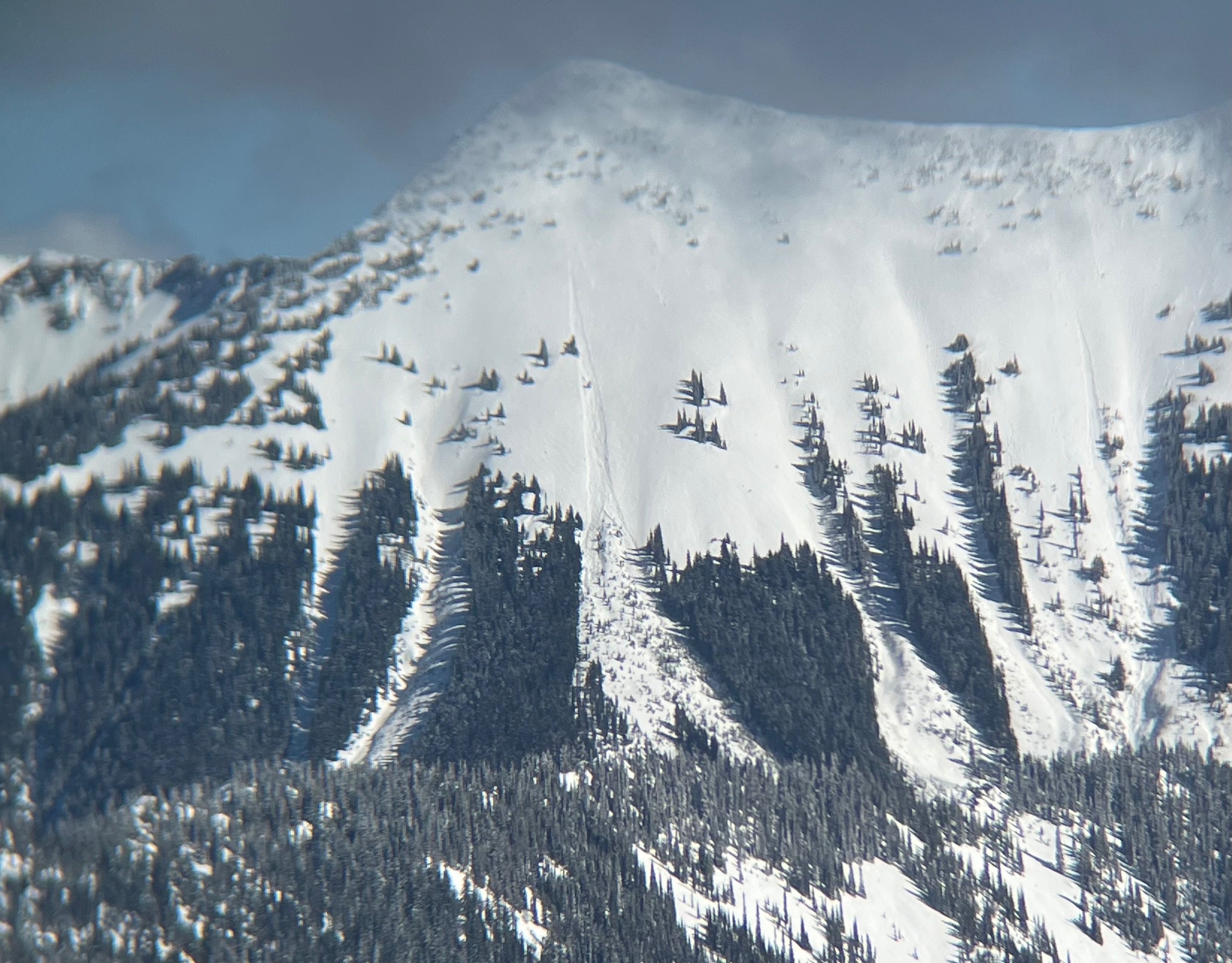
Plenty of evidence of old wet avalanches and fallen cornice blocks were visible where I traveled and in the distance. As there was a crust beneath the new snow, I was only concerned about very shallow avalanches in the new snow layer. Despite strong overnight winds and seeing very small ridgeline drifts, I didn't find any slablike qualities in any of the small wind slabs and couldn't get any small drifted features to run.
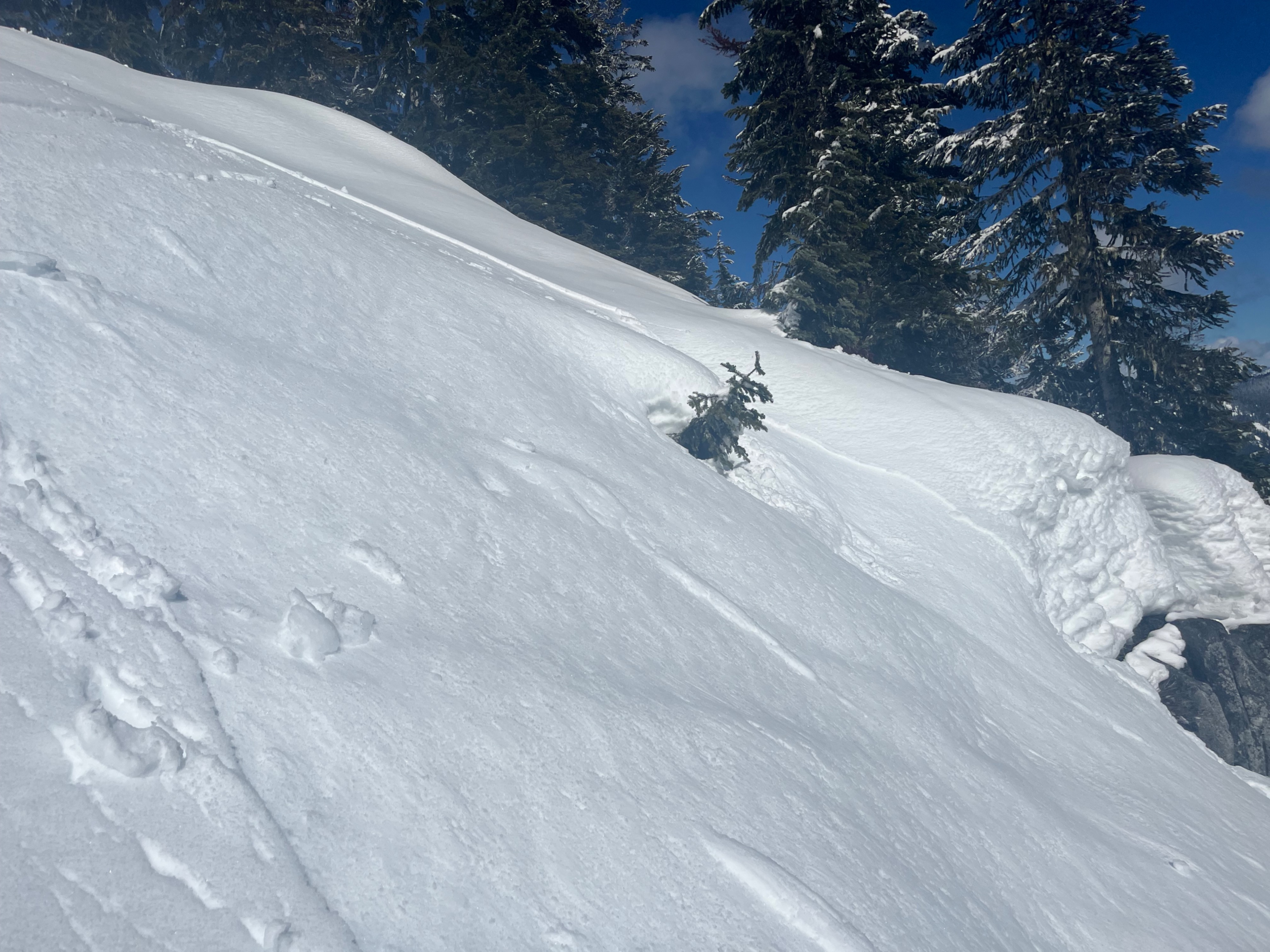
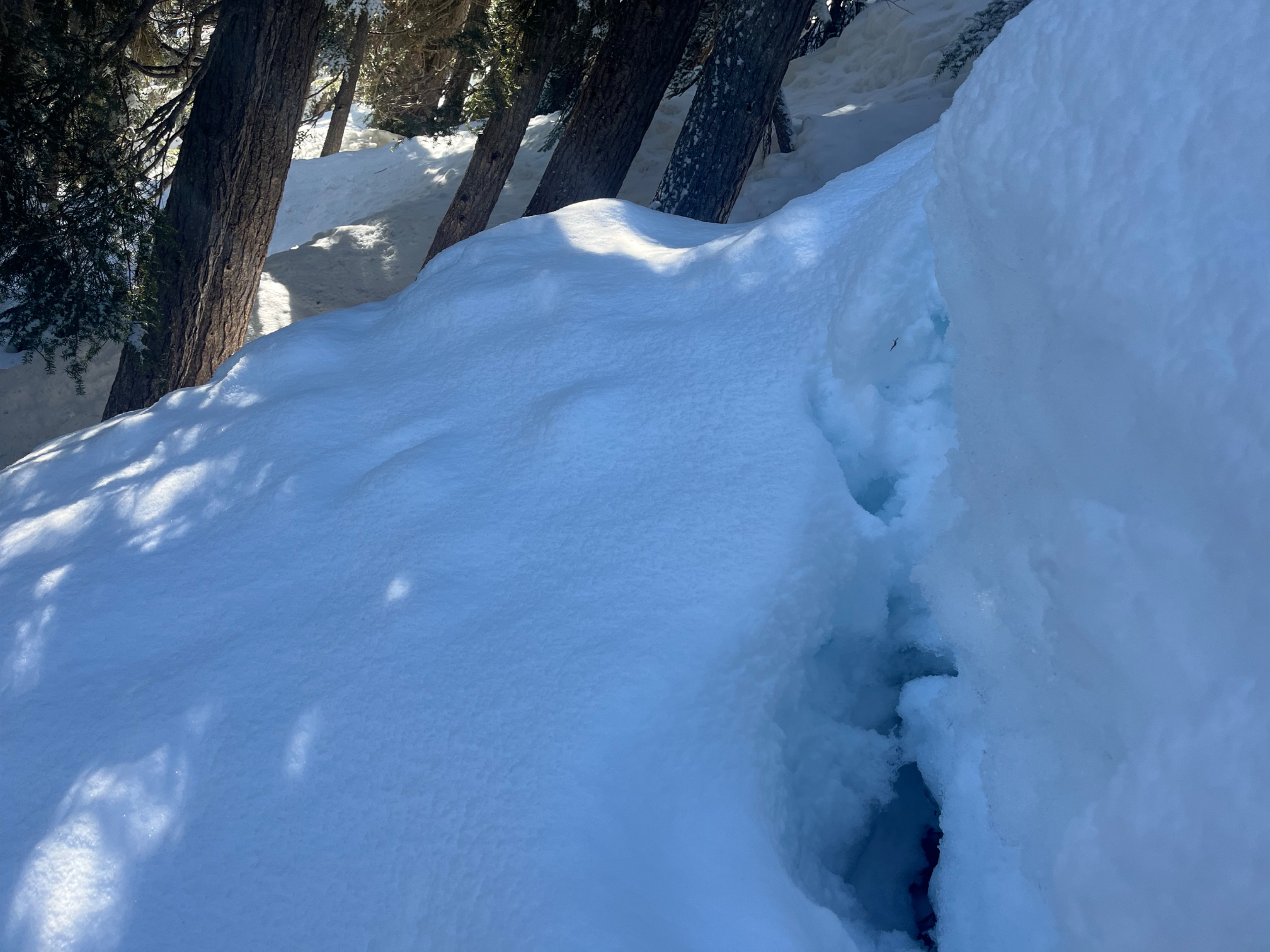
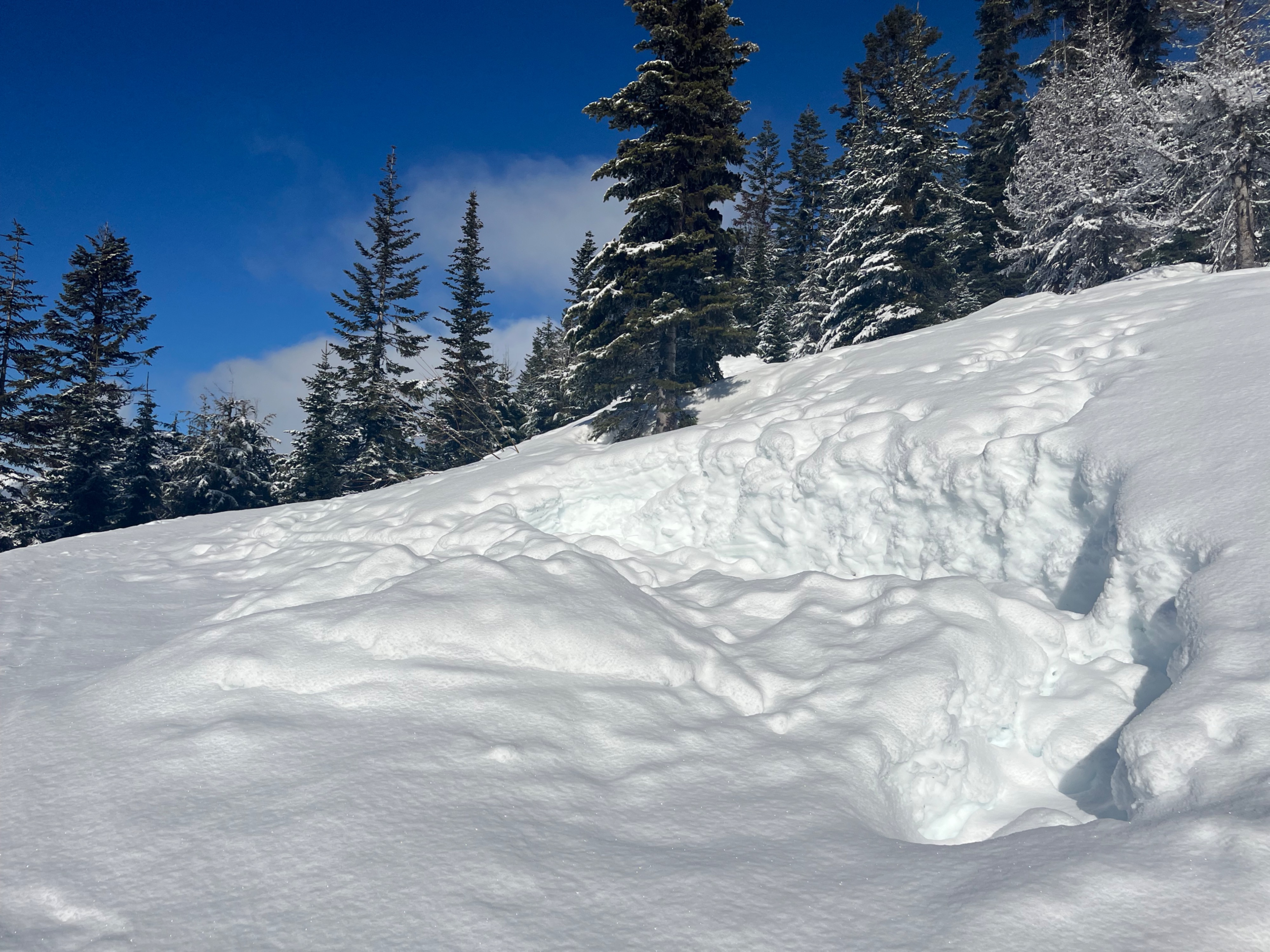
Snow was moistening on steep slopes facing the sun, but I wasn't seeing any avalanche activity. The one steep sunny slope I skied across the top of released a wet avalanche. It was very shallow and spanned the width of the scalloped feature - you could even say it had a crown. It required a completely smooth surface to span across as far as it did, and to travel downhill, easily running on the crust. I left the field at 1pm, so may have missed more activity later in the day.
No natural avalanches were seen during my morning, but I intentionally triggered one D1 (small) avalanche. See avalanche summary for more info.Weather
- Cloud Cover
- few
- Wind Loading
- previous
- Rain Elevation
- 2500ft
- Recent Snowfall
- 7
- Snow Avail For Transport
- small smounts
An abundance of blue skies with occasional clouds, more commonly in the distance. Calm. HOT in the sun, cool in the shade.
Snowpack
2-4 inches of cold dry new snow sat over a firm melt freeze crust (3/4 layer), that ranged from 1.5-4 inches depending on aspect and elevation where I was. Beneath that layer, all but the highest northerly elevation that I reached had moist snow beneath the newly frozen melt freeze crust.
Given the firm layer beneath the new snow I focused my snow investigations on the new layer. Hand shears in wind drifted pockets of the new layer slid on the underlying crust in an isolated block. However any drifts just weren't large or cohesive enough to slide on an actual slope where I traveled. In most locations, the snow was just low density and non wind-affected.
Snow on north-facing aspects stayed cold, dry, and soft. Slopes on the southern half of the compass were all impacted by today's intense sun, having consolidated more, and also gotten moist.
Radiation recrystallizaton (a type of near surface faceting) was happening on slopes facing the sun. I identified several very small (<1mm) champagne-glass style growths in a layer only a couple millimeters thick overlying moist snow.
Avalanche
Intentional trigger from the top of a steep, smooth, sunny slope. The wet layer that ran was 2 inches deep - the entire storm snow depth, easily running on the underlying crust. Very shallow yet still an avalanche. The avalanche ran to the bottom of the opening, about 60 vertical feet and 100 feet in length. WS-ASc-D1-I. No other natural or human-triggered avalanches were observed.