
Quick report
- Cracking
- isolated
I walked up to Deadman Pass with three goals: to reduce uncertainty about recent snow totals, to see if the new snow was getting wet, and to verify that wind slabs were stubborn.
- Recent snow totals averaged around 6 inches (15 cm).
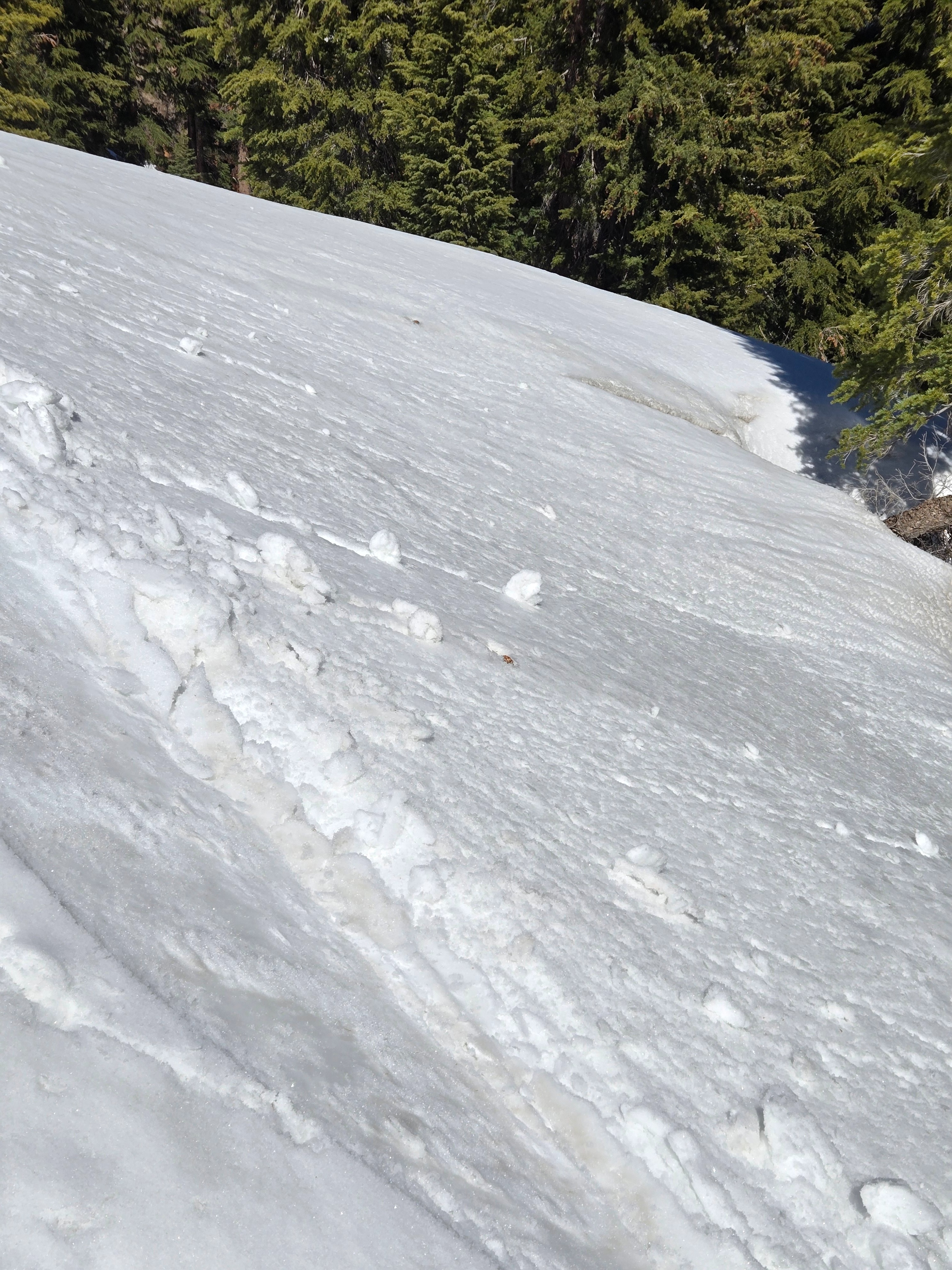
- I saw some small natural rollerballs up to 10,500 ft in the afternoon and triggered a few myself on east-facing test slopes.
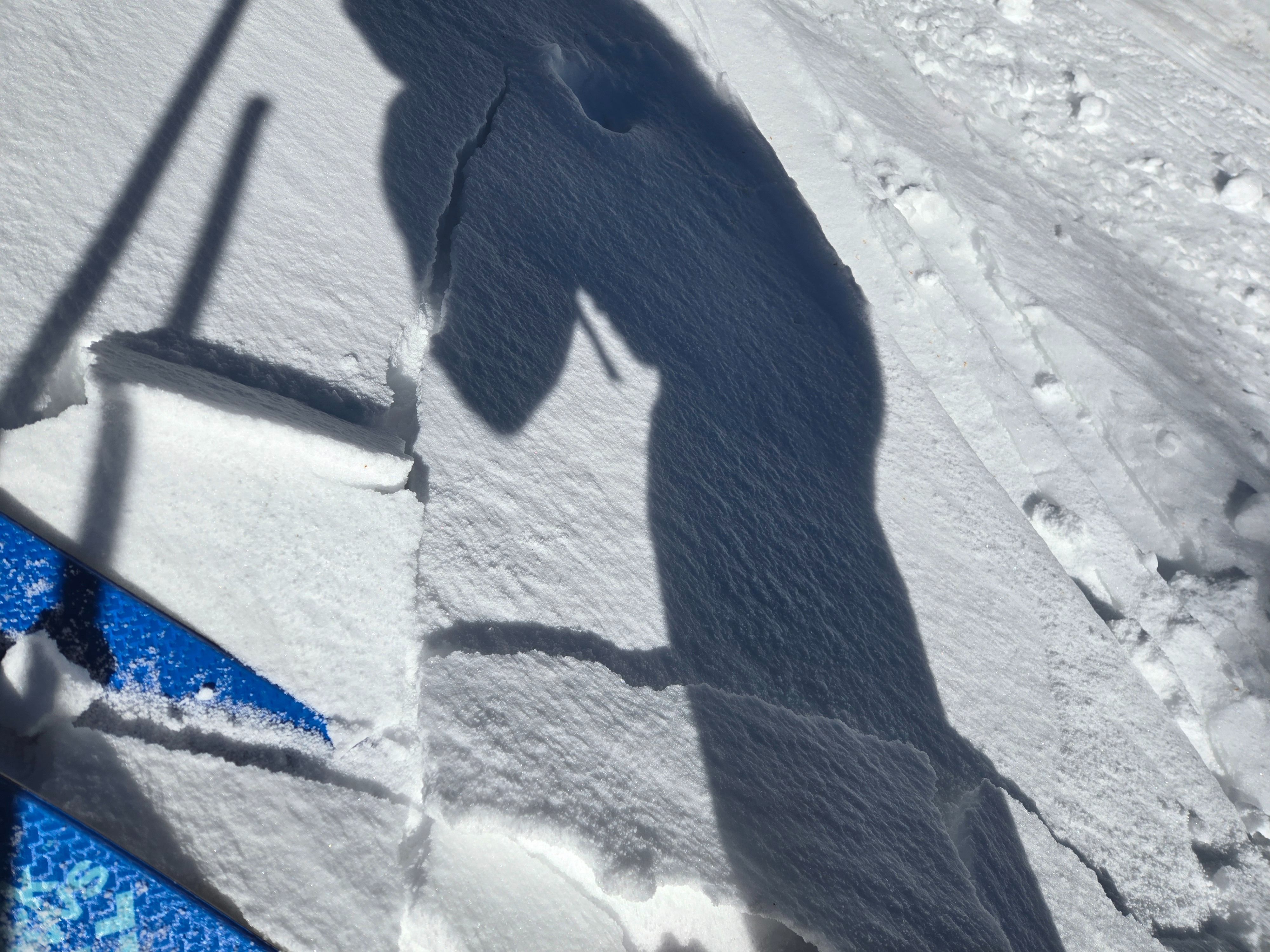
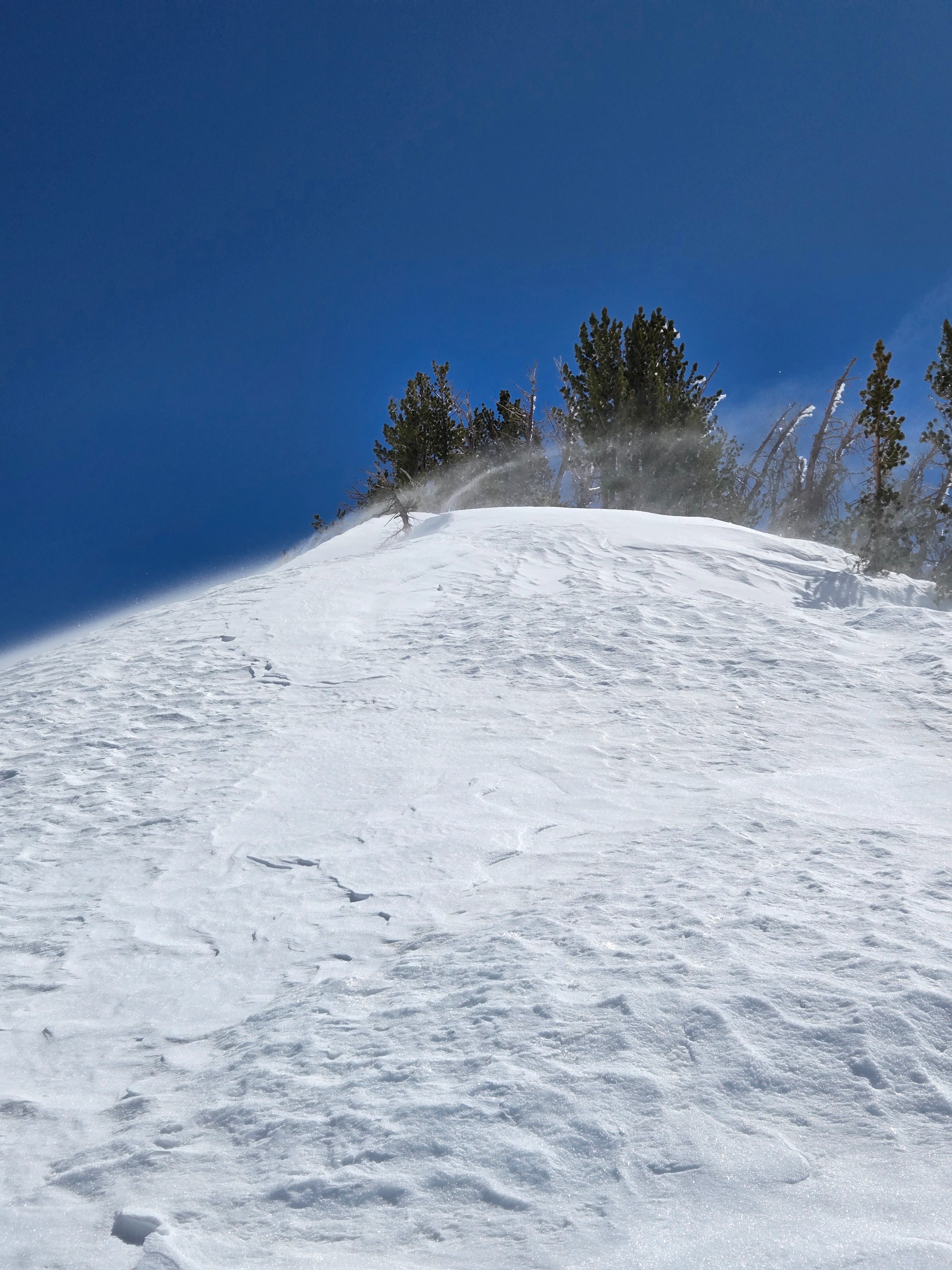
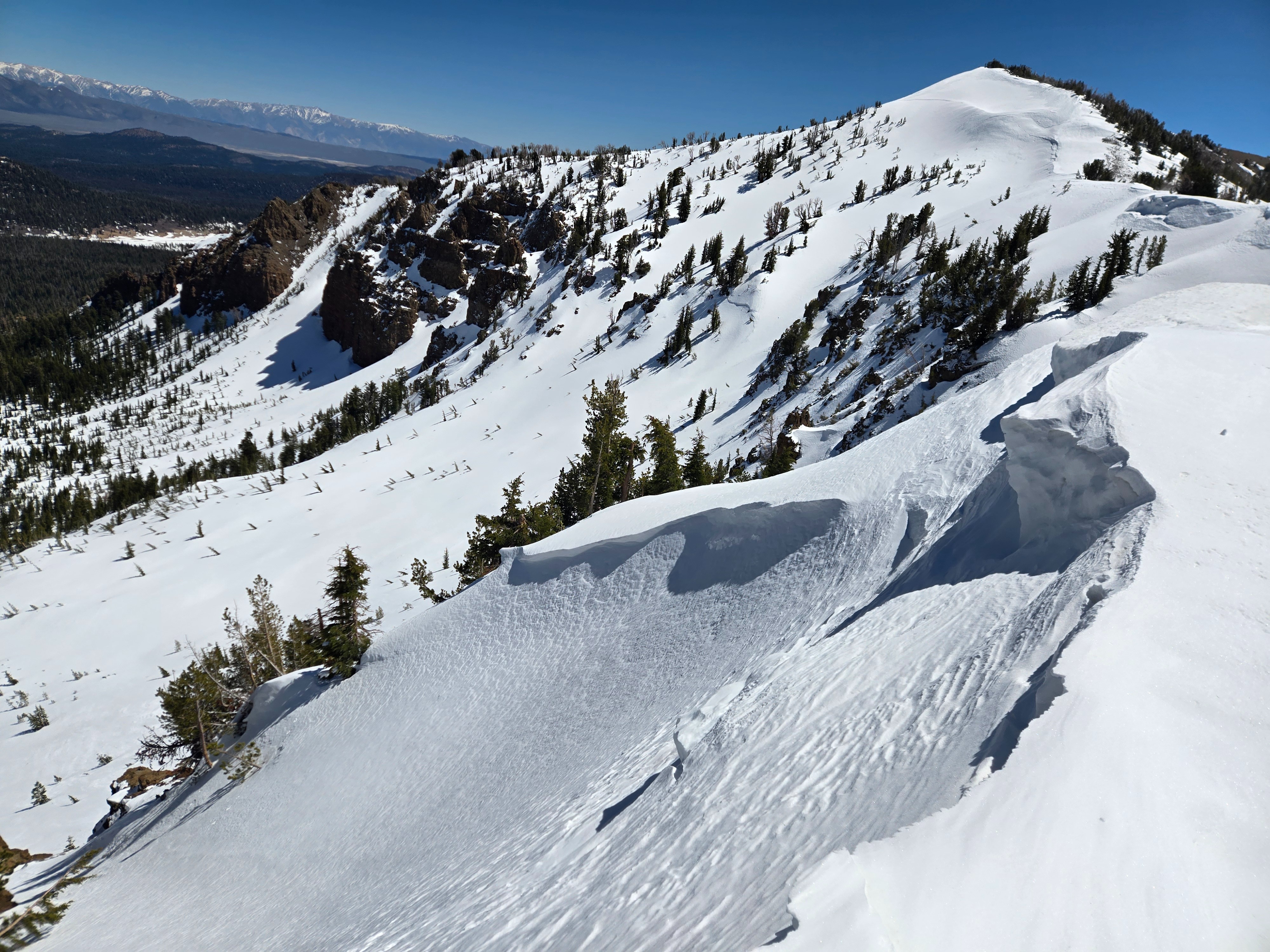
- I got localized cracking in a few small wind slabs and no propagation in a snow pit where I tested them. Northeast winds were stripping previously loaded slopes at ridgelines.
Weather
- Air Temp
- 40s
- Cloud Cover
- clear
- Wind Loading
- light
- Rain Elevation
- NA
- Recent Snowfall
- 15 cm
- Snow Avail For Transport
- small smounts
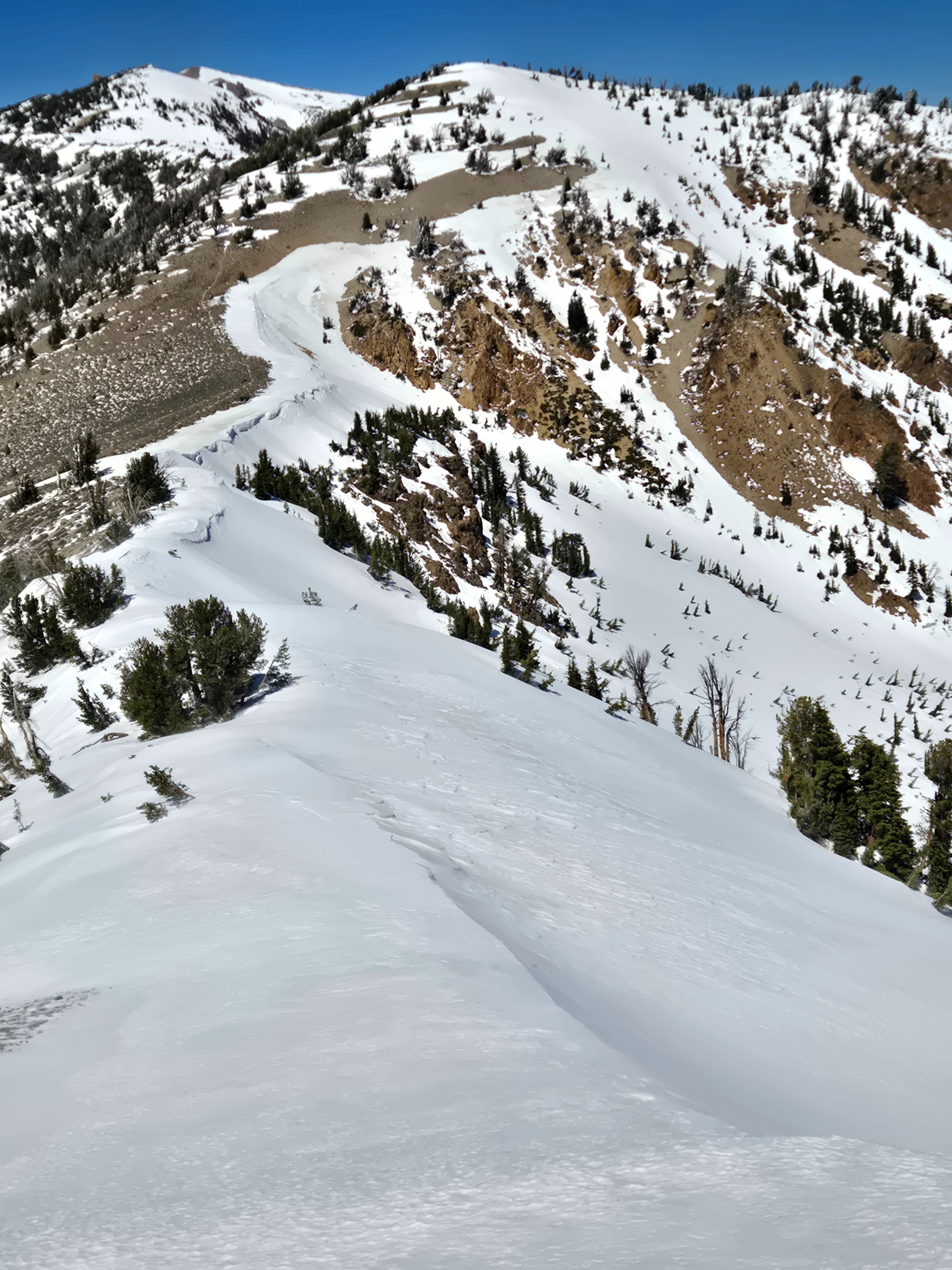
Beautiful and clear. Cool northeast winds near and above treeline were stripping snow from northerly slopes and blowing it onto southwest aspects.
Snowpack
- Minimal recent snow below 9000 ft. The average was 15 cm. Some drifts were locally up to 40 or 50 cm of dry snow.
- Between 9000 and 9500 on wind-sheltered northeast, east, and southeast aspects in the afternoon, all 3 in. of the recent snow was transitioning to moist or wet.
- I dug into a previously wind-loaded slope around 10,000 ft. See photo. I only found wind slabs on the most favored terrain on Deadman Pass. Otherwise, the recent snow had been scattered across old rough melt-freeze crusts that did not soften much.
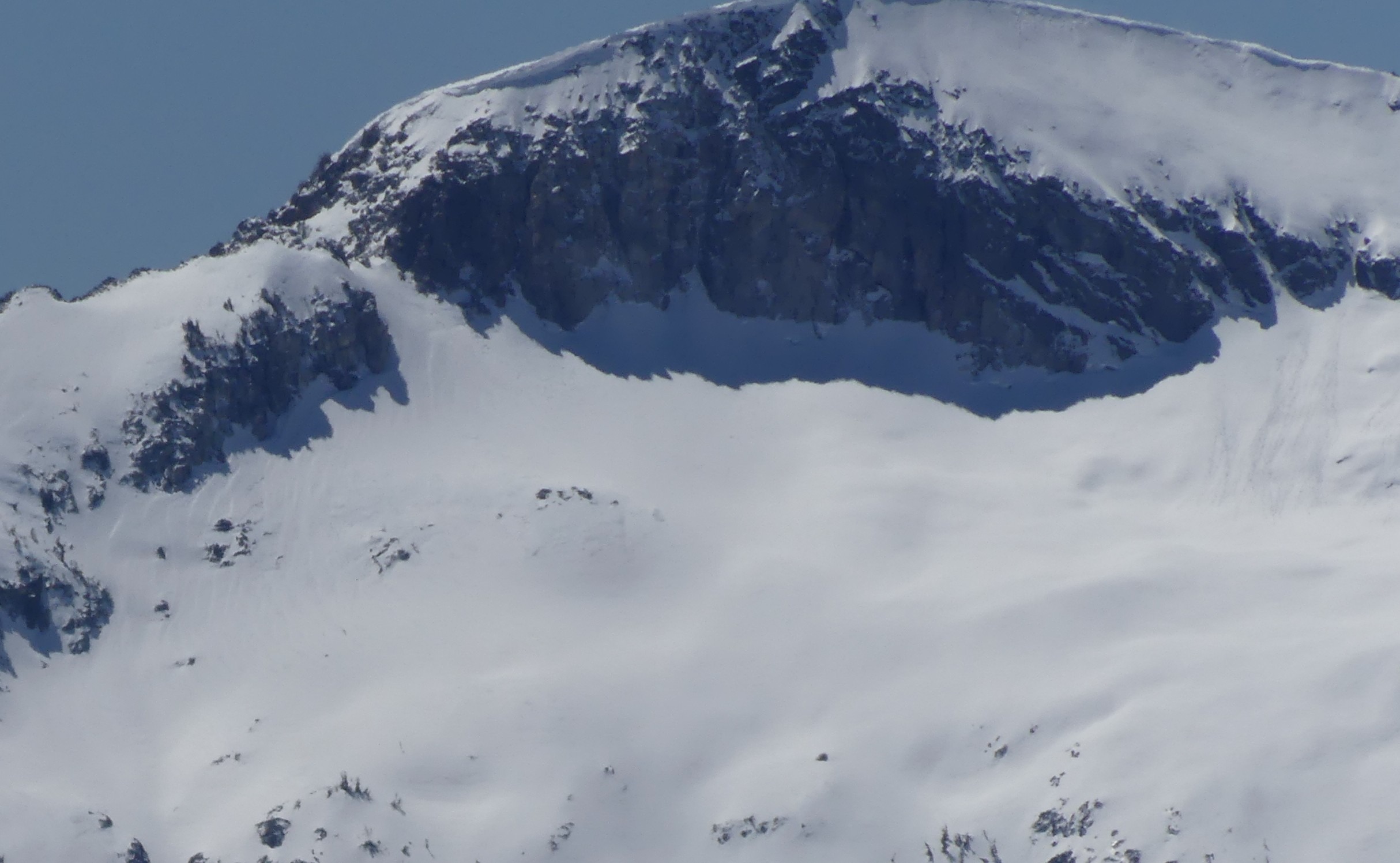
- Above about 9800 ft., the northeast wind was moderate to strong and cool. It kept the surface from thawing deeply. Most recent snow was still dry. This dry snow is what could become wet when the wind stops cooling it and temperatures get warmer at upper elevations.
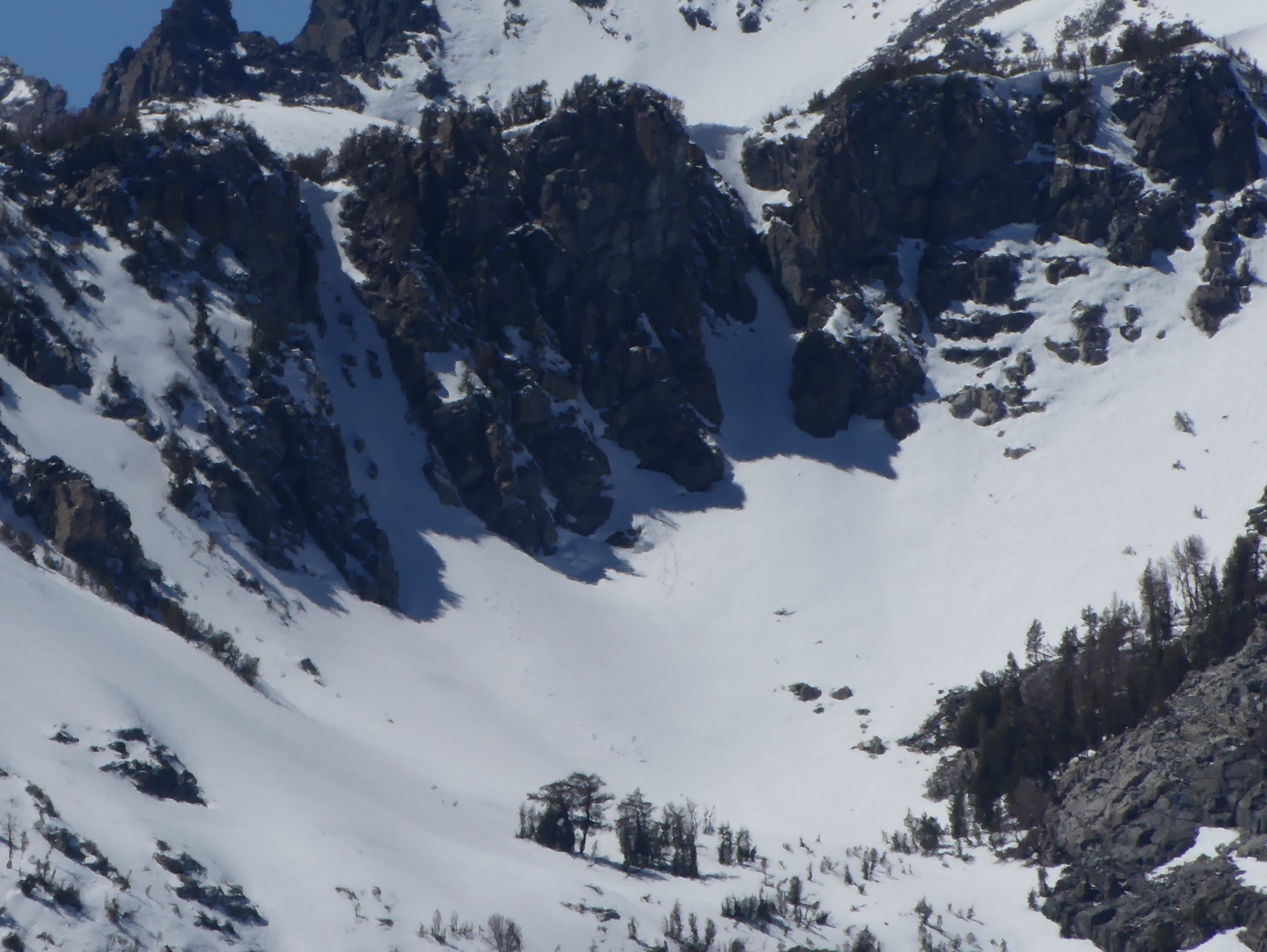
- There's not much coverage on west, southwest, south, or southeast aspects that have a slope angle steeper than 20 degrees.