
Quick report
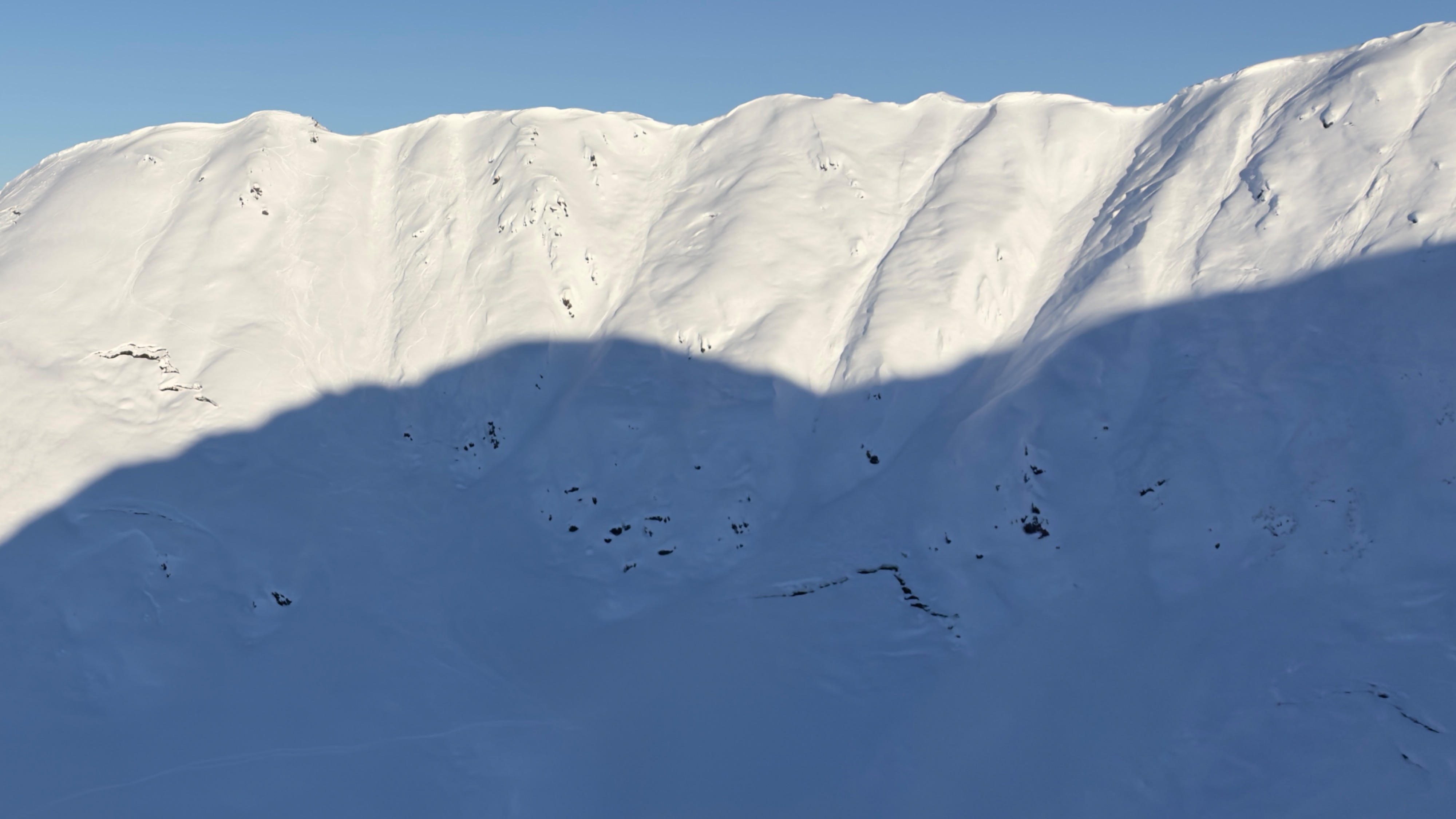
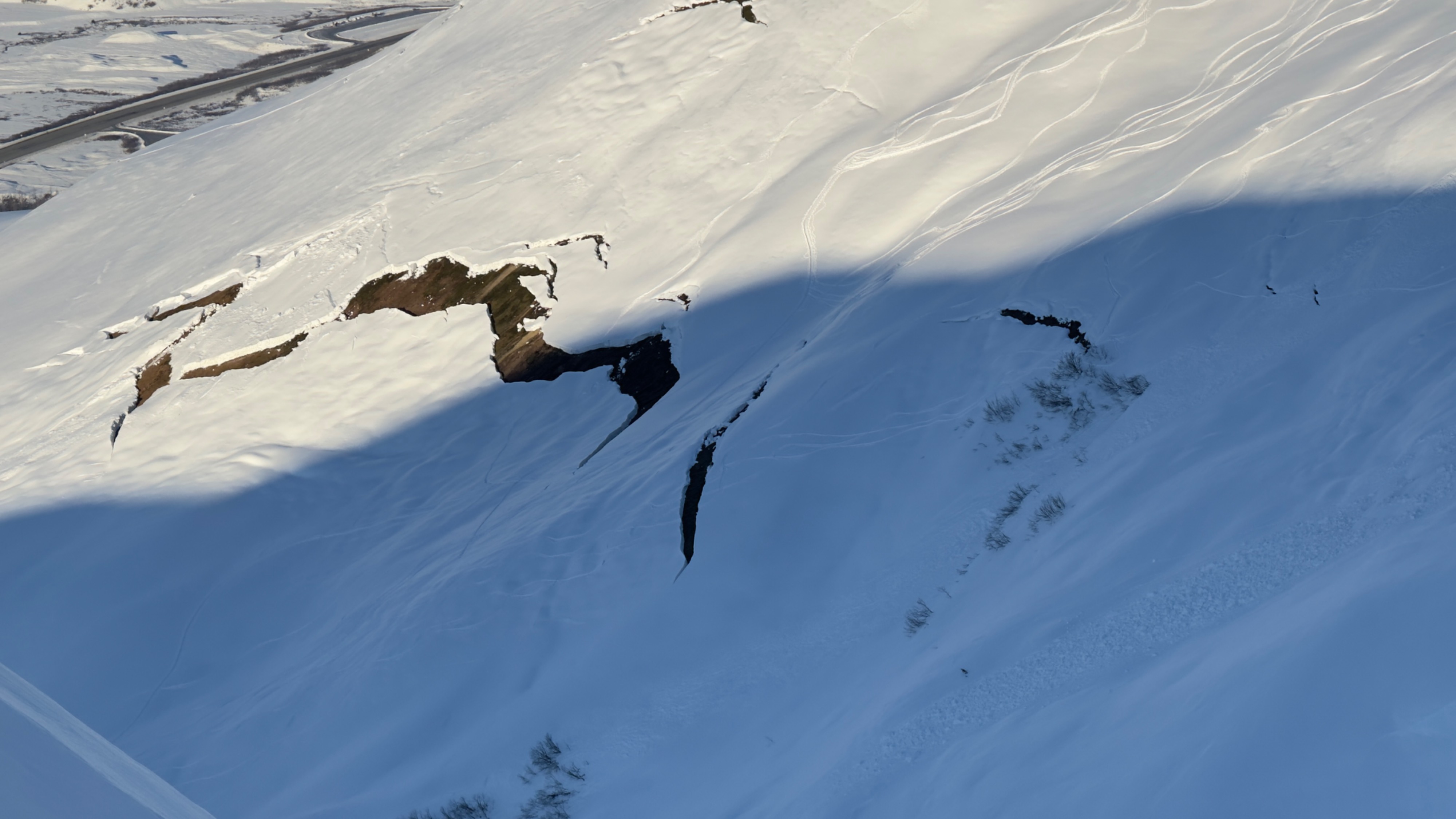
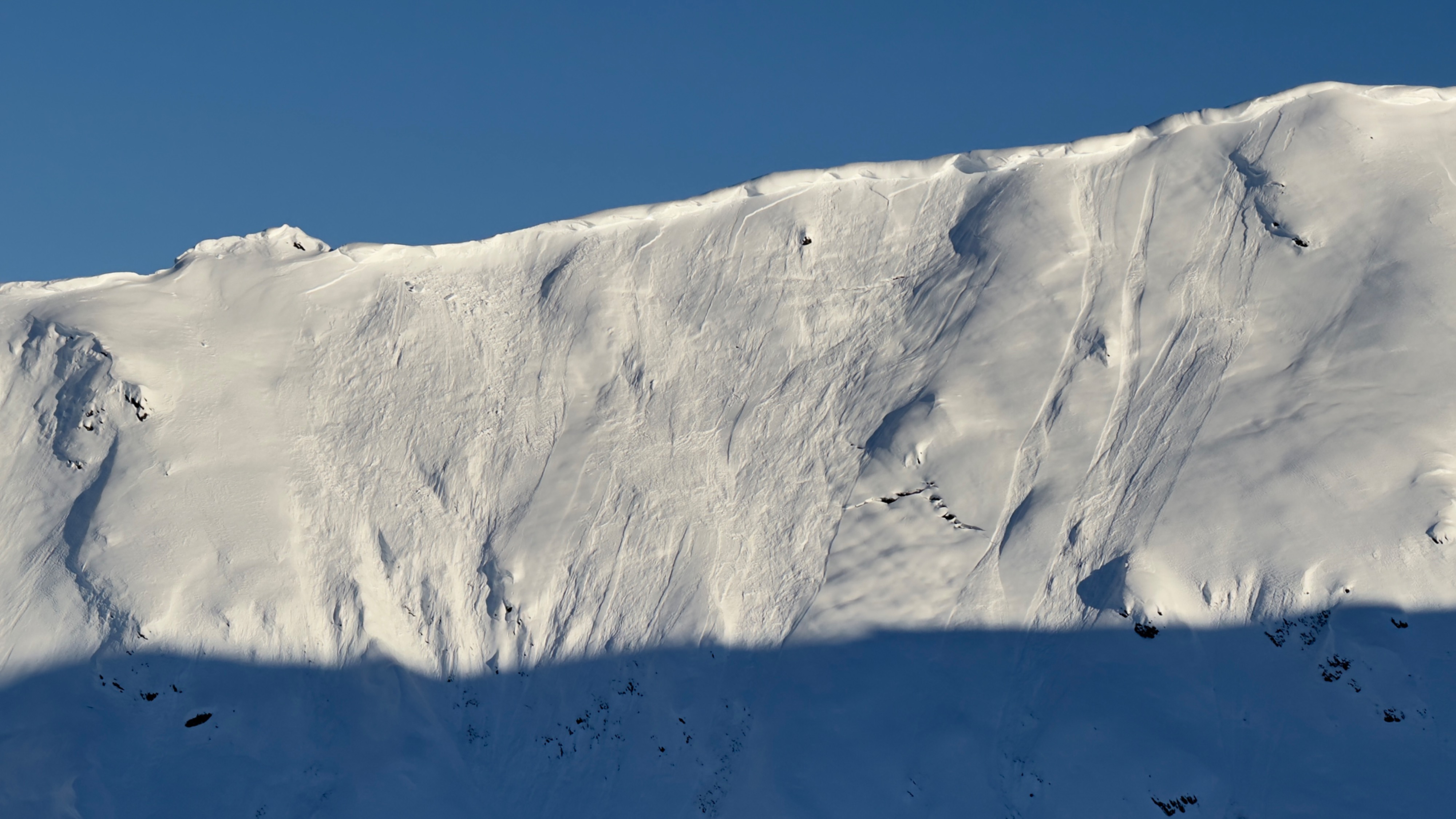
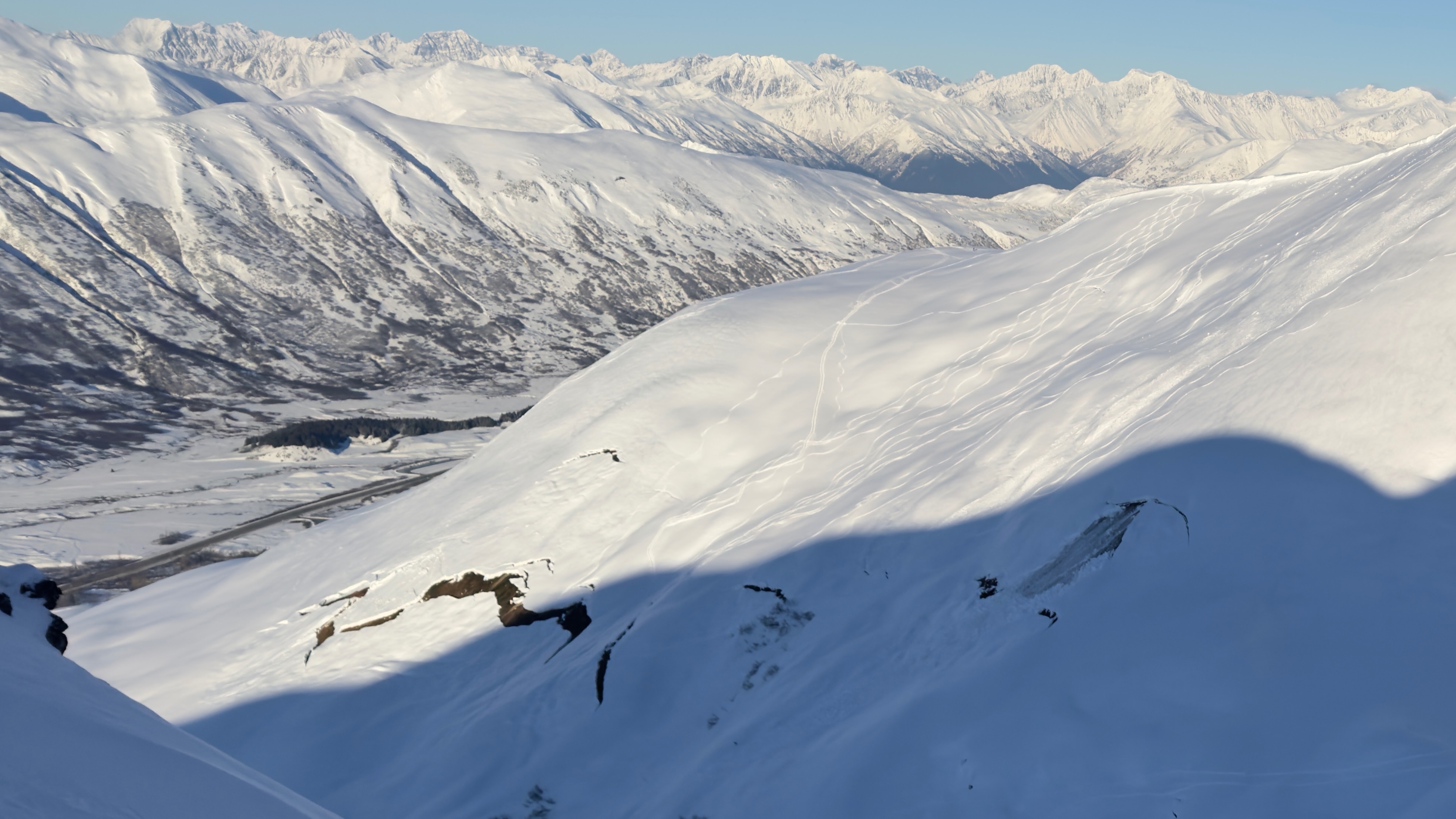
Avalanche concerns for the day were active wind loading and glide cracks based on observations from touring in the area on 11/11 and watching the weather stations. We read the observations from Bertha Creek on 11/11 and believed the crowns to have been storm and wind slabs related to the last storm ending on 11/10. Noted recent glide crack avalanches on Sunburst that occurred between the afternoon of 11/11 and the morning of 11/13. Flagging on the top of Magnum above Super Bowl and on Pastoral. Winds were highly variable throughout the day and tour. Encountered fast moving sluff in steep terrain and small pockets of wind slabs in complex terrain. There were LOTS of glide cracks predominantly on East, South and West faces. Most common south face runs are riddled with glide cracks. Some glide cracks on Magnum appeared to have opened since people had skied the slope (ski tracks were cut by open glide cracks). After the human triggered avalanche on Mistress and gaining the Corn Biscuit ridge we saw natural soft slab crowns below the Magnum ridge cornice.
Weather
- Air Temp
- 10
- Cloud Cover
- clear
- Wind Loading
- moderate
- Recent Snowfall
- 0
- Snow Avail For Transport
- large amounts
Clear and cold. Flagging was observed on Magnum and Pastoral. Winds were predominantly out of the west. Winds were inconsistent and gusty.
Snowpack
Hard pack icy snow below 1700 feet. Surface hoar was noted at all elevations throughout the tour, including ridge tops. Surface hoar is estimated to be between 3-5 mm below 1700 ft and ~2 mm above 1700 ft. Surface snow was faceted as observed by the hissing sound when skiing and poor grip when breaking trail or second on the fresh skin track. Otherwise the snow pack appeared to be right side up observed by pole probing. No formal pits were made.
Avalanche
- Size
- D1 R1
- Type
- L
- Aspect
- NW
- Trigger
- AS
- Elevation
- 3900 ft
Skier 1 ski cut the top of the line to a safe spot where the group hoped for a better vantage of the run. Neither skier 1, nor the rest of the group of (3 more skiers) could see the entire run. Skier 1’s ski cut triggered a large amount of sluff and a small wind pocket where skier 1 stoped. Skier 2 dropped into the line and did a couple turns and stopped to see how fast the stuff was moving. After watching the sluff, skier 2 decided to ski the edge of where the sluff ran and try to stay ahead of any new sluff. Unknowingly, a quarter of the way down the run skier 2 triggered a ~6-8 foot wide 6 inch deep pocket of soft slab near a convexity. Half way down the line skier 2 realized that the early season conditions made a constriction near the bottom of the line and was caught by the combined sluff and soft slab slide at the constriction. Skier 2 deployed their airbag and was carried ~300 feet through the rocks at the constriction and came to rest on the surface. Skiers 1, 3 and 4 were not aware of the avalanche since the entire incident happened out of sight and the debris did not run out to their view. Skier 2 was able to notify the group they were ok by radio, but could not hear a response until they checked the mic connection to the radio. Skier 2 was able to move to a safe zone and skiers 1, 3, and 4 descended on skier 2's tracks.