
Quick report
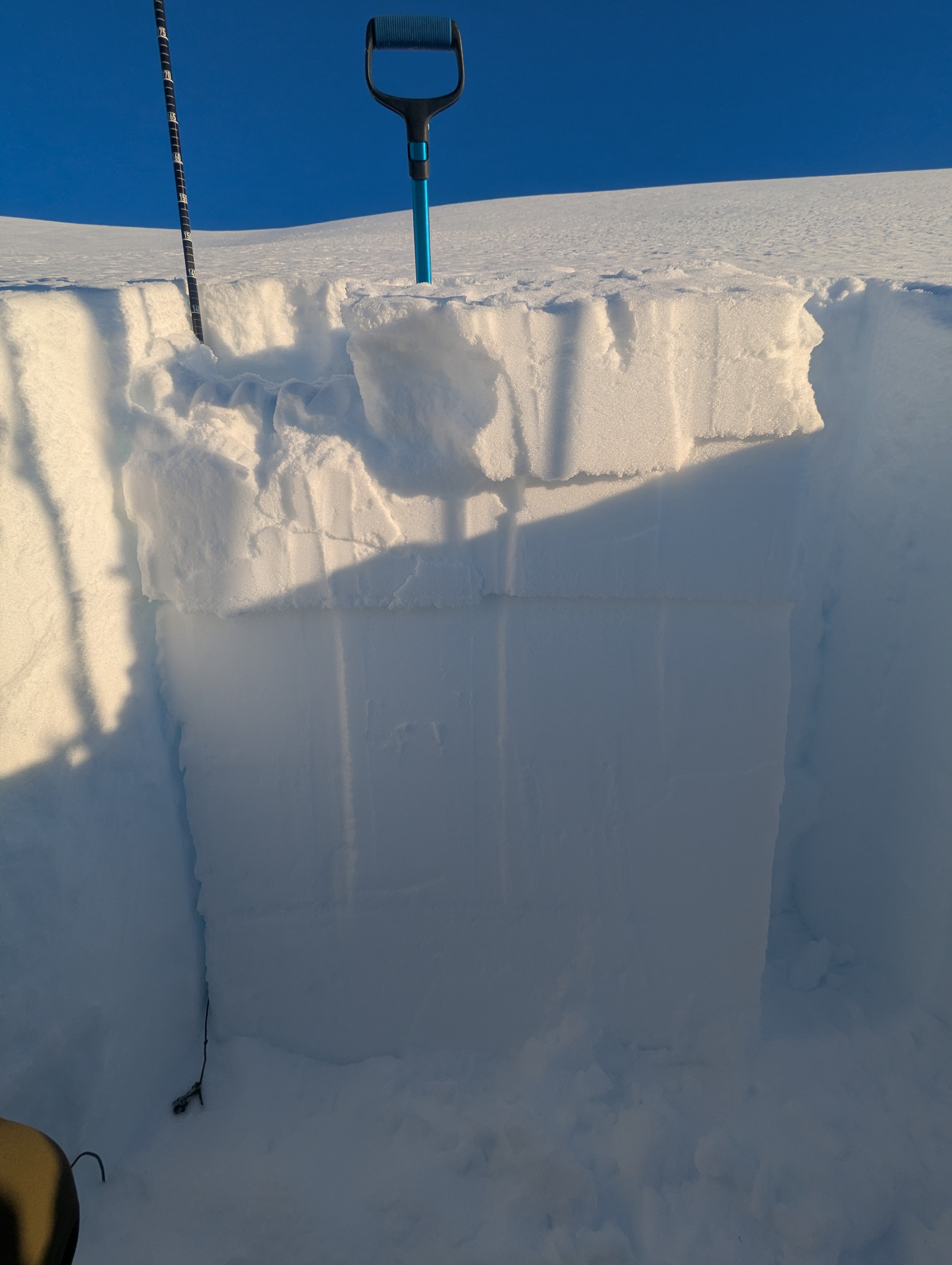
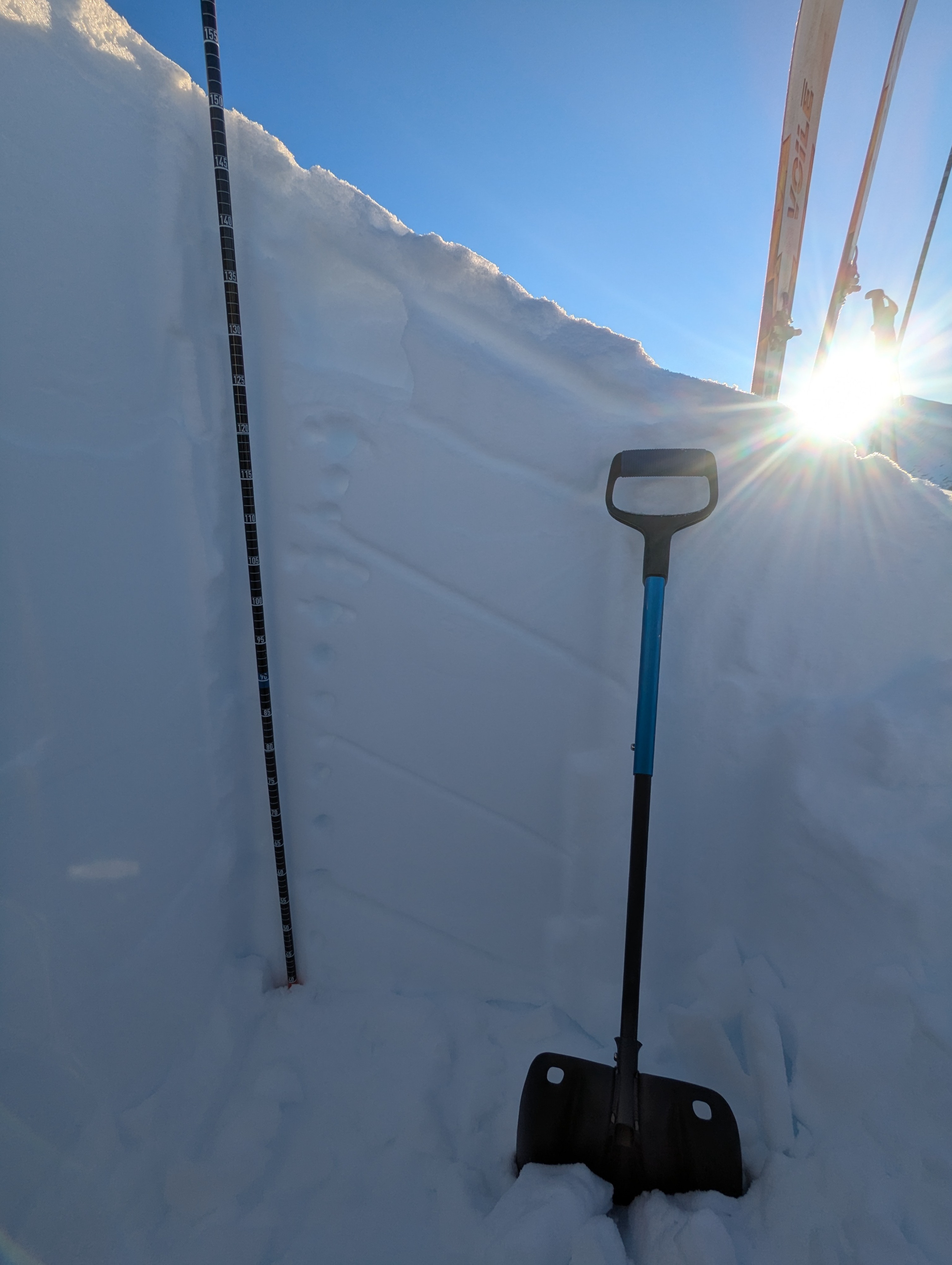
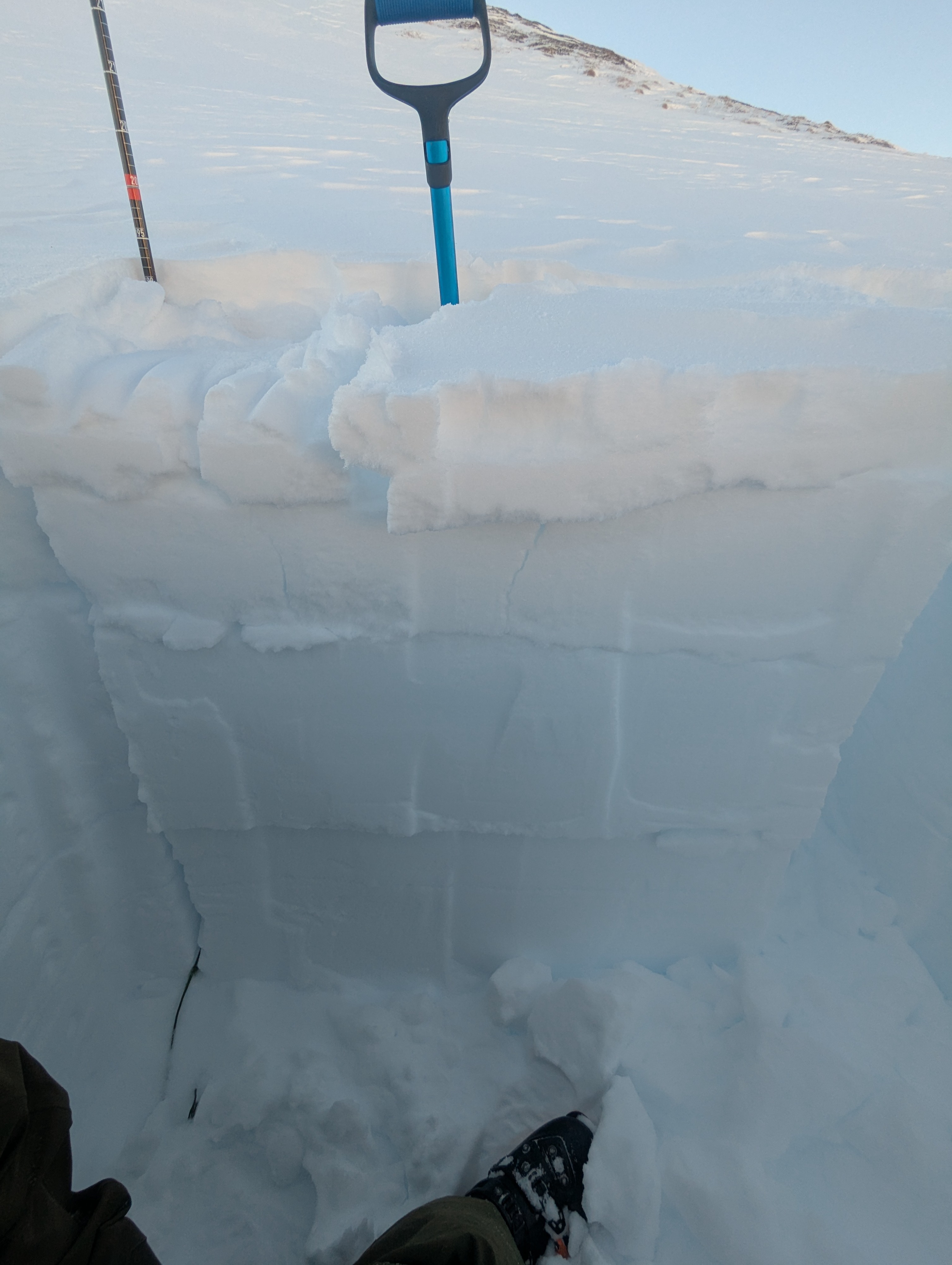
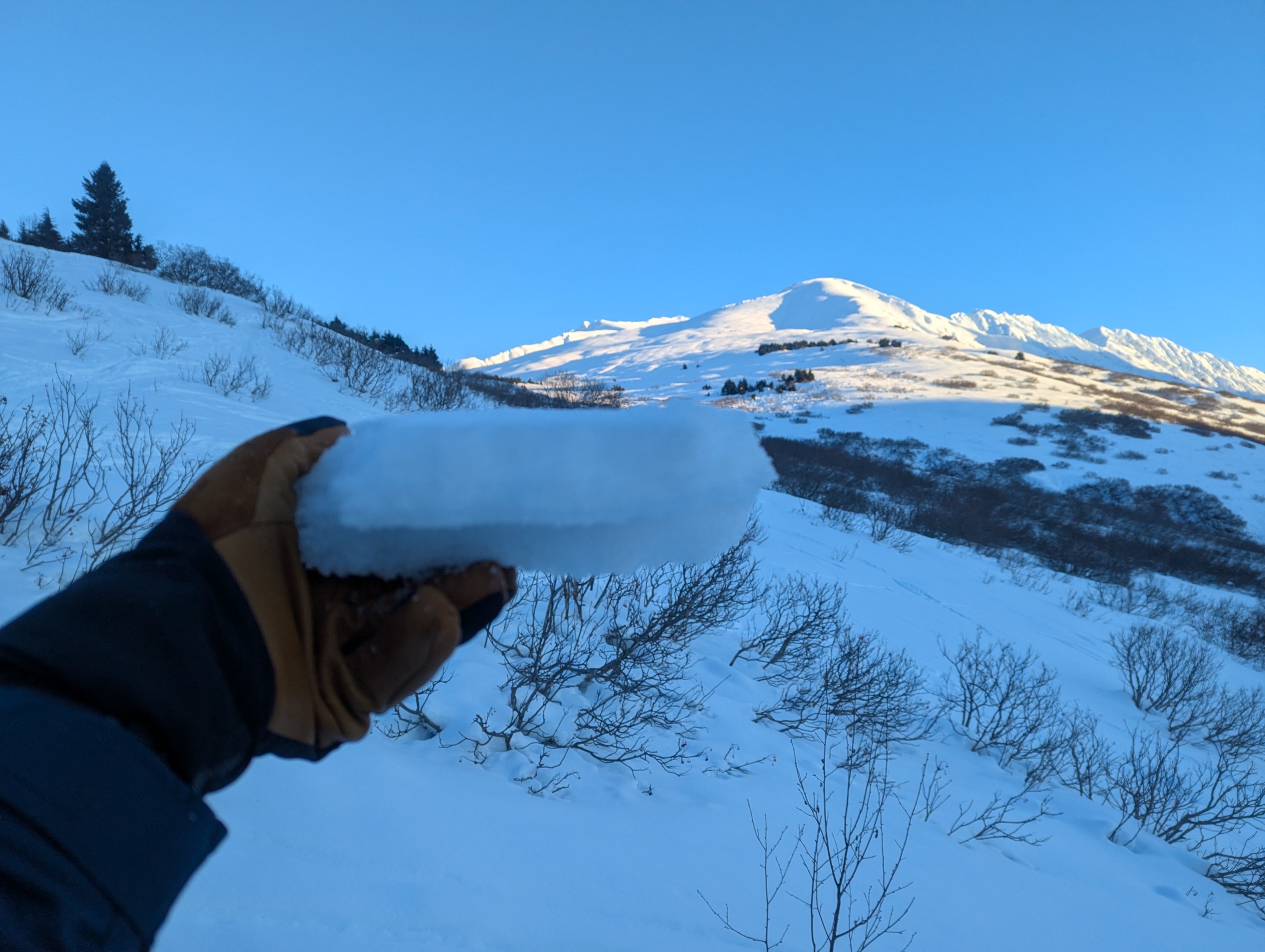
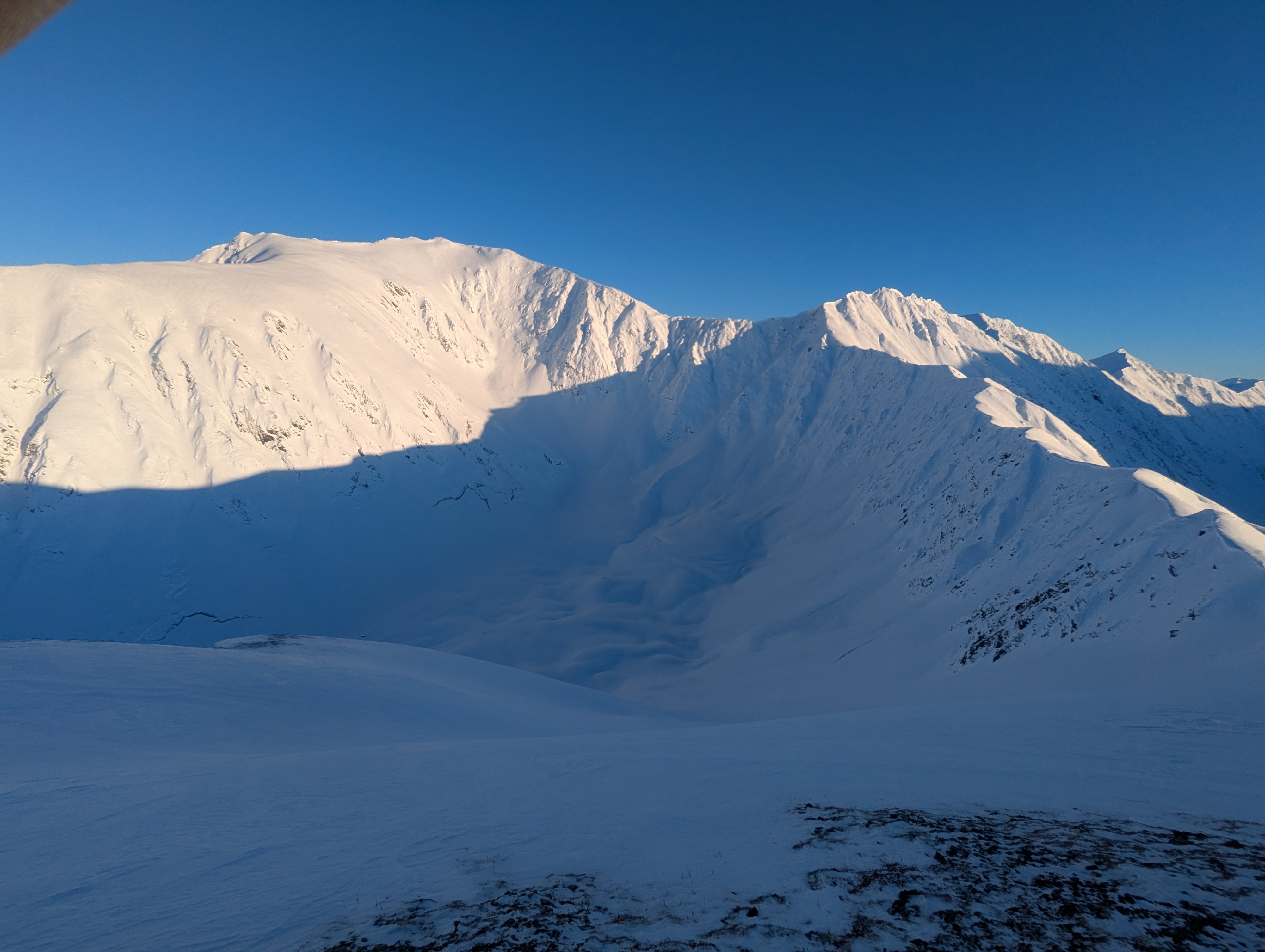
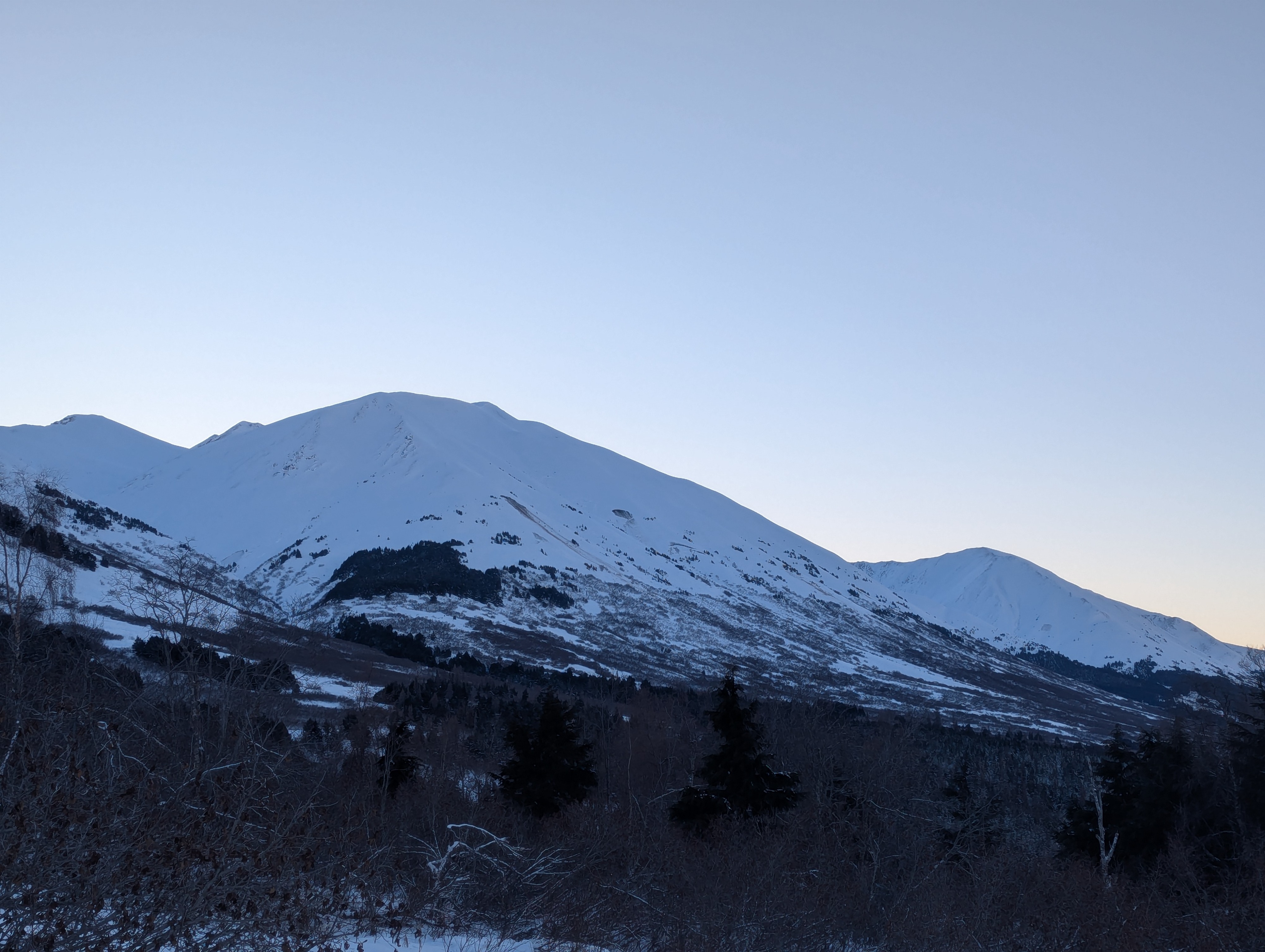
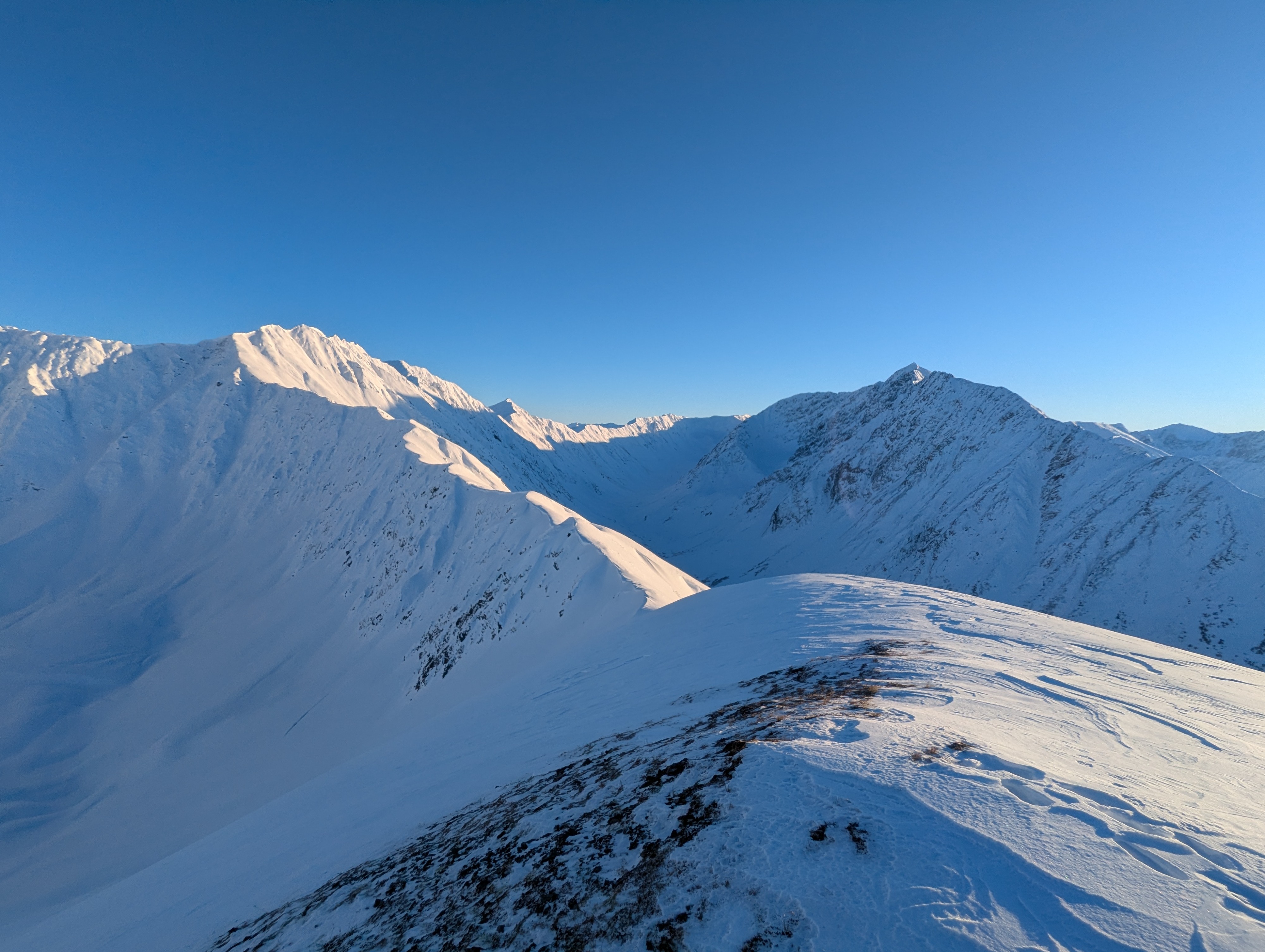
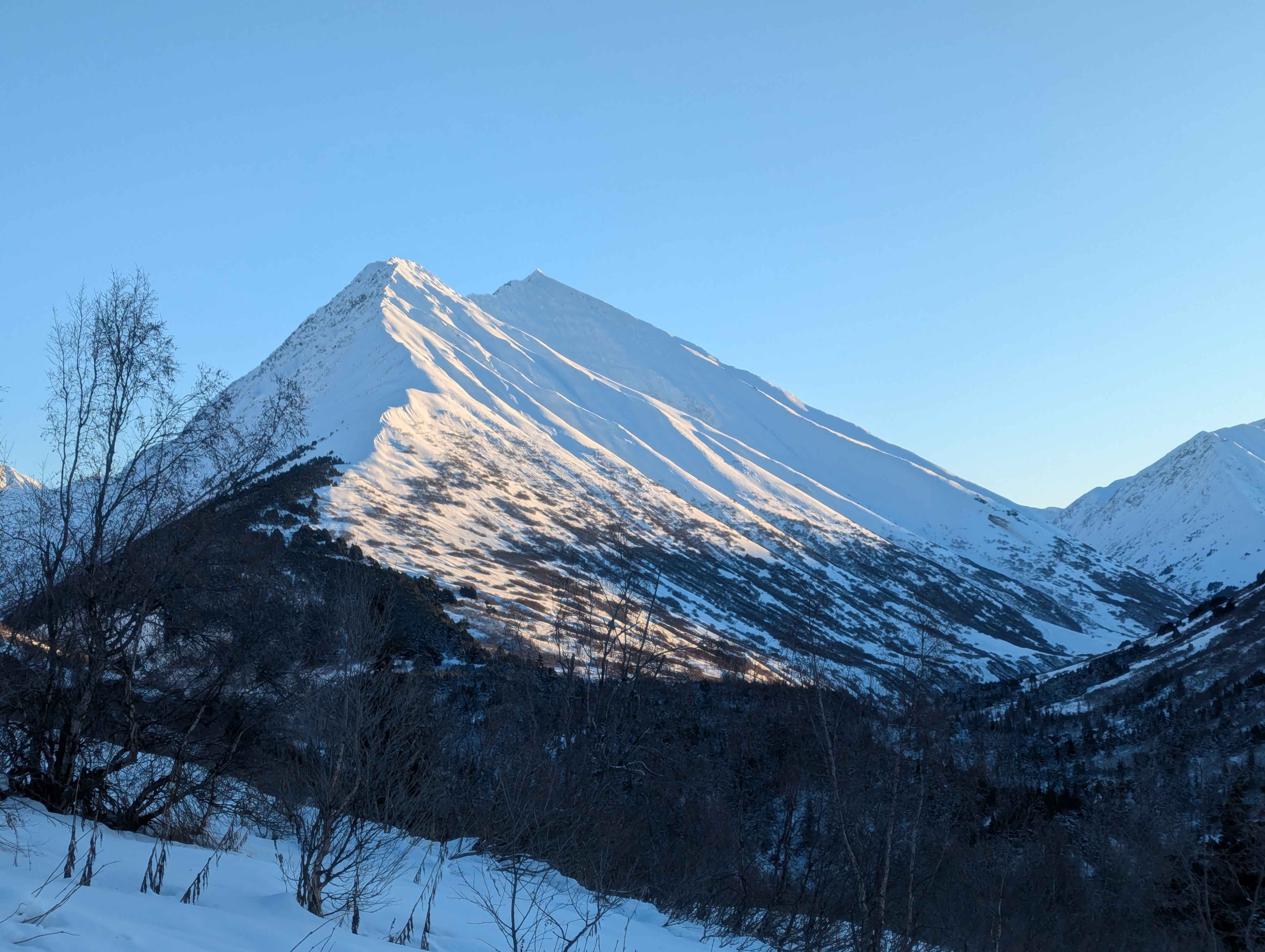
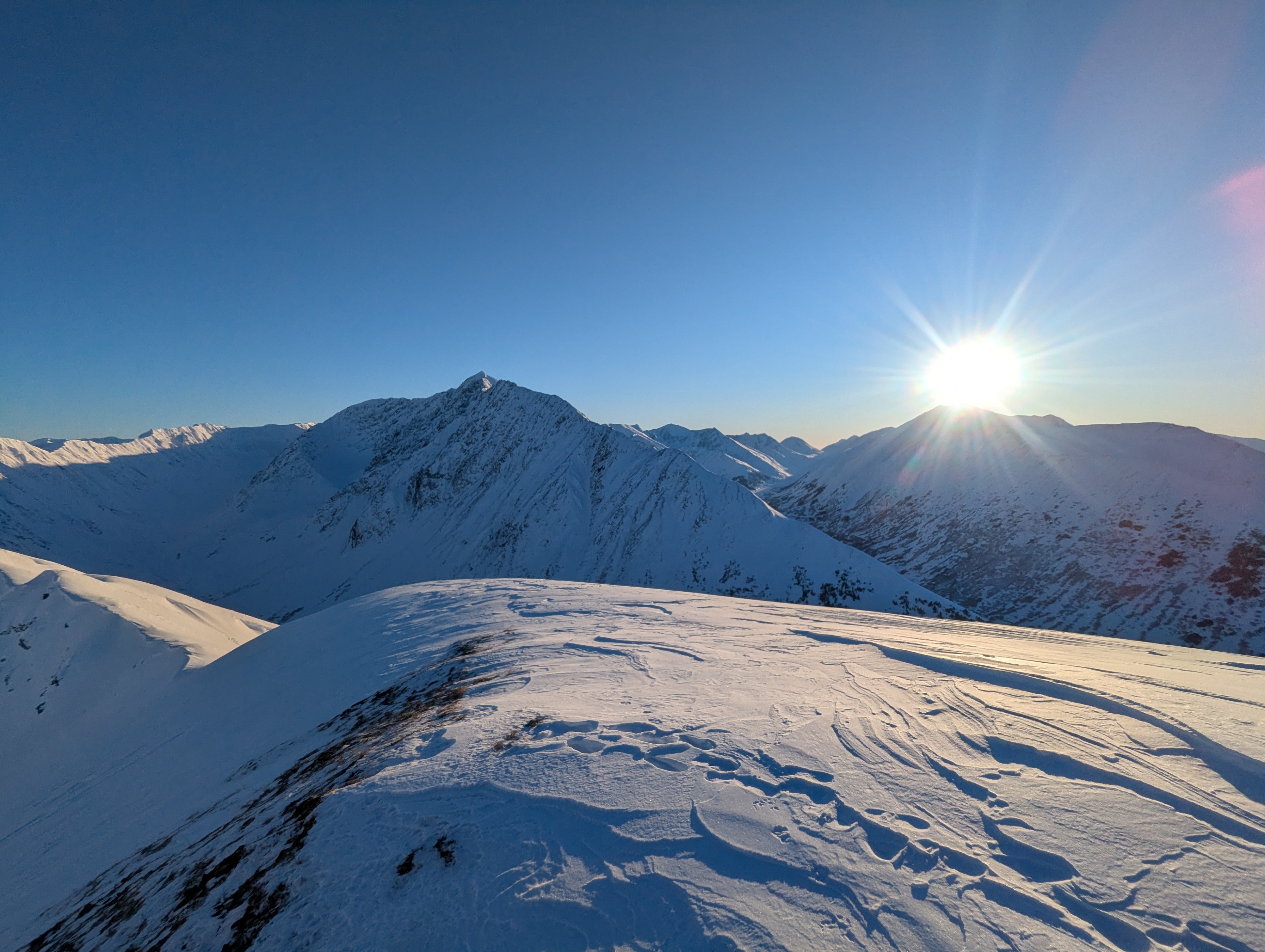
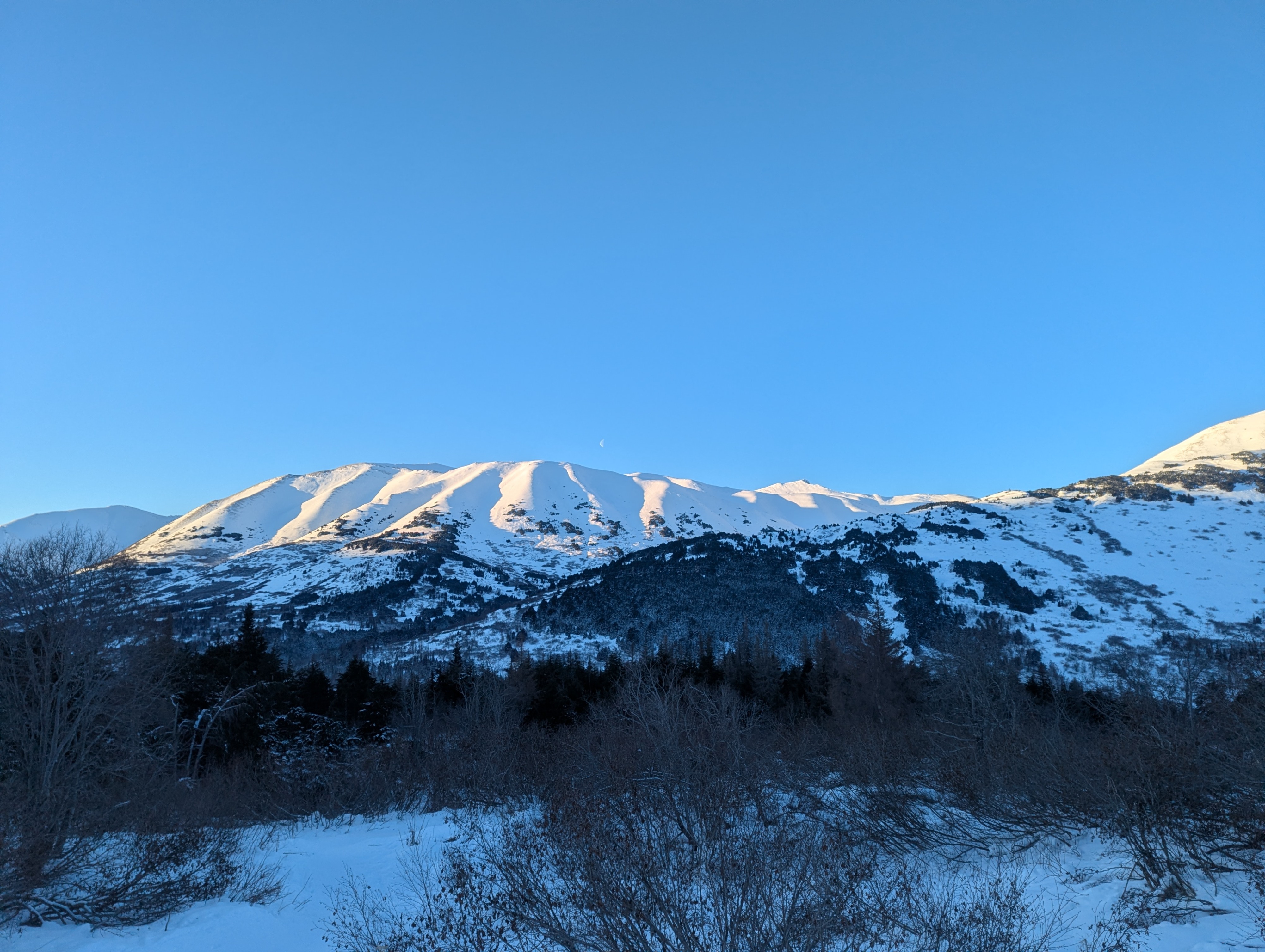
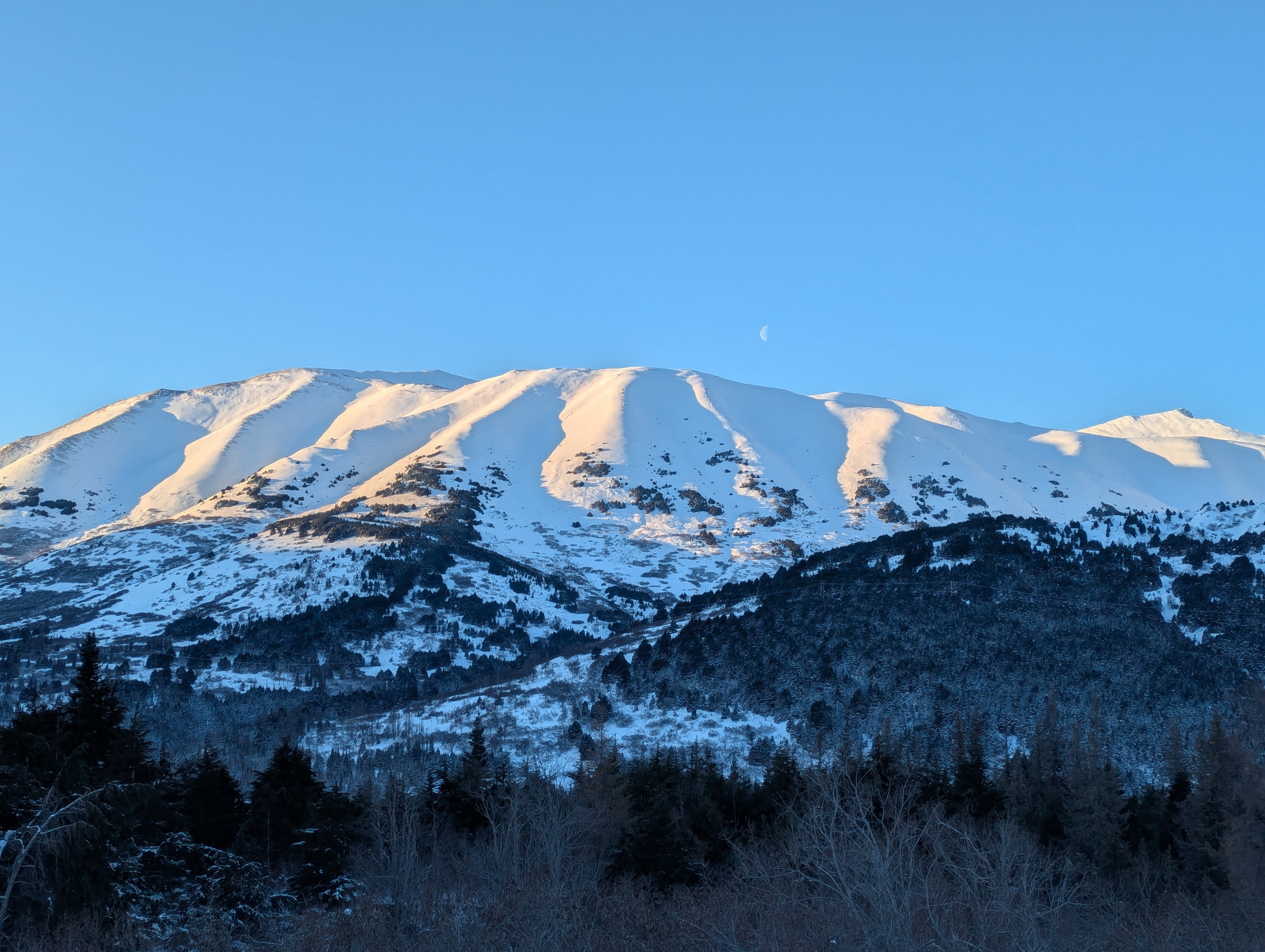
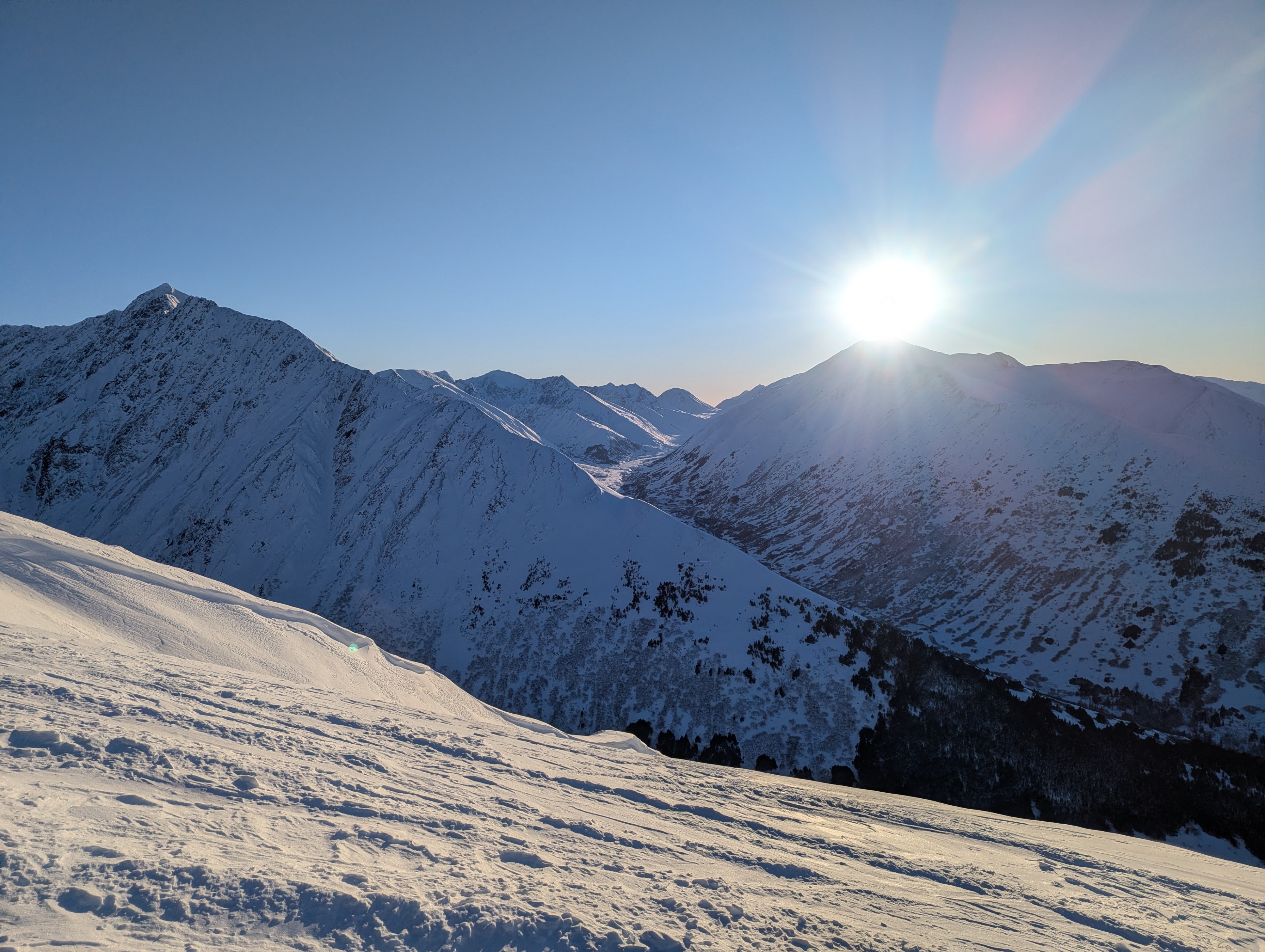
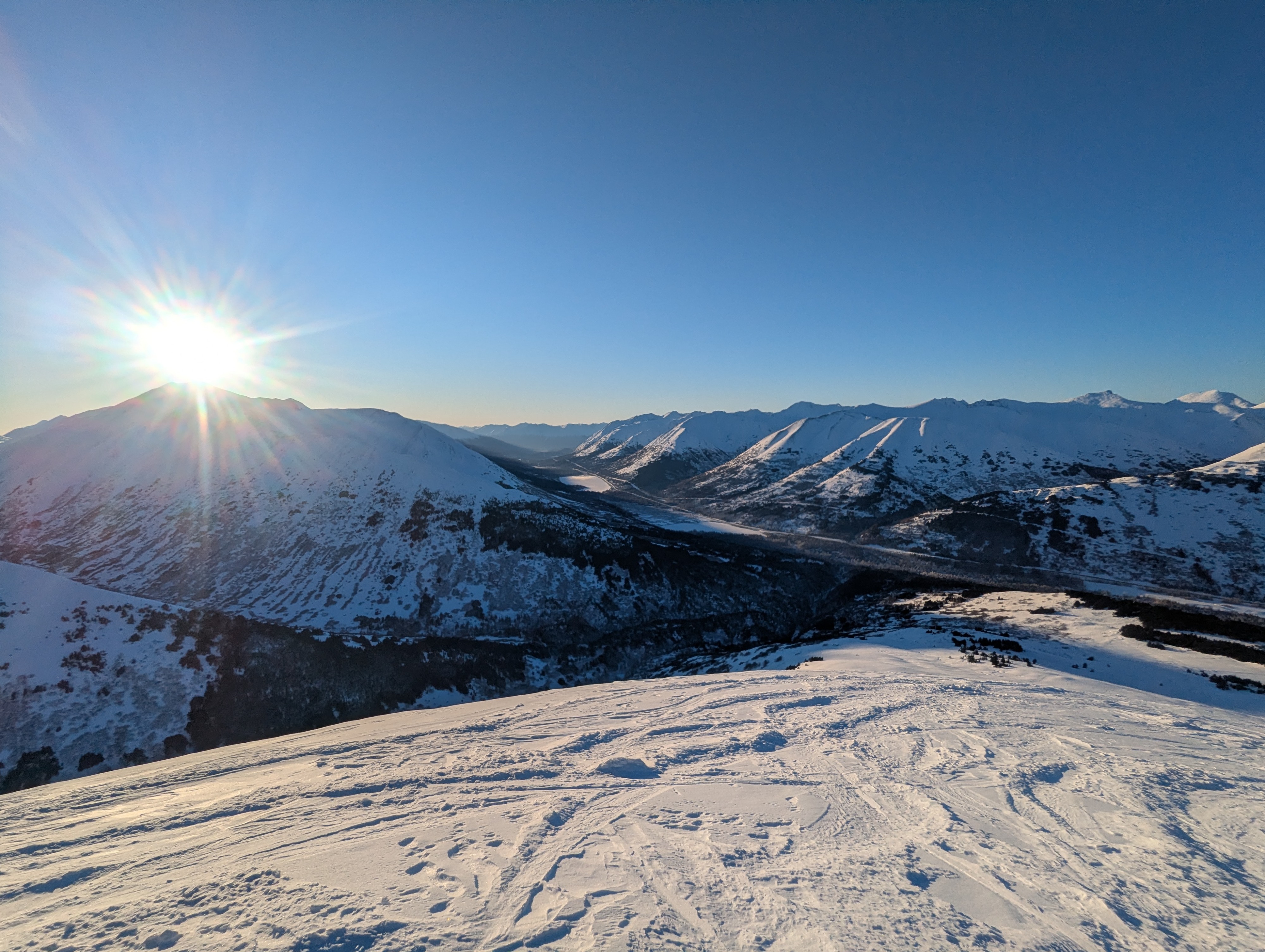
We toured up to the summit of Manitoba trying to keep our fingers and toes warm through the frigid valley bottom temperatures. Once we got to treeline the temperatures were reasonable and the breakable crust on the surface started to break down around 2200'. Above there, the surface snow was mostly soft and there were still good turns. At the summit the snow was wind-affected and the surface was much firmer. We dug some pits along our route and found two concerning weak layers of buried surface hoar 1-2' deep. These were stubborn in our pit tests but when they failed, they propagated across the column and collapsed. This type of weak layer setup can lead to avalanches that are triggered from a thin spot in the snowpack and then propagate out onto adjacent slopes. We decided to stick to a low-angle run to avoid the chance of triggering a large avalanche on these buried weak layers.
Weather
- Air Temp
- -7 to 10 F
- Cloud Cover
- clear
- Snow Avail For Transport
- moderate amounts
Clear and very cold day. The temperature at the car was -7. It felt warmer once we got above the valley bottom but a light wind picked up which made it feel cold.
Snowpack
We did not observe any red flags or obvious signs of unstable snow. We dug two pits, one at about 2500' on the main face of Manitoba off to the looker's left and one at 3500' on a NE aspect just off the summit. In both locations, we found two layers of buried surface hoar, one about a foot deep and another about two feet deep. In our stability tests it took a lot of force to get the layers to fail (ECT P 22, ECT X), but once the layers failed, they collapsed with notable energy. This seems like the kind of setup where it will be hard to find a place to trigger the weak layers, but if they fail it could cause a large avalanche.