

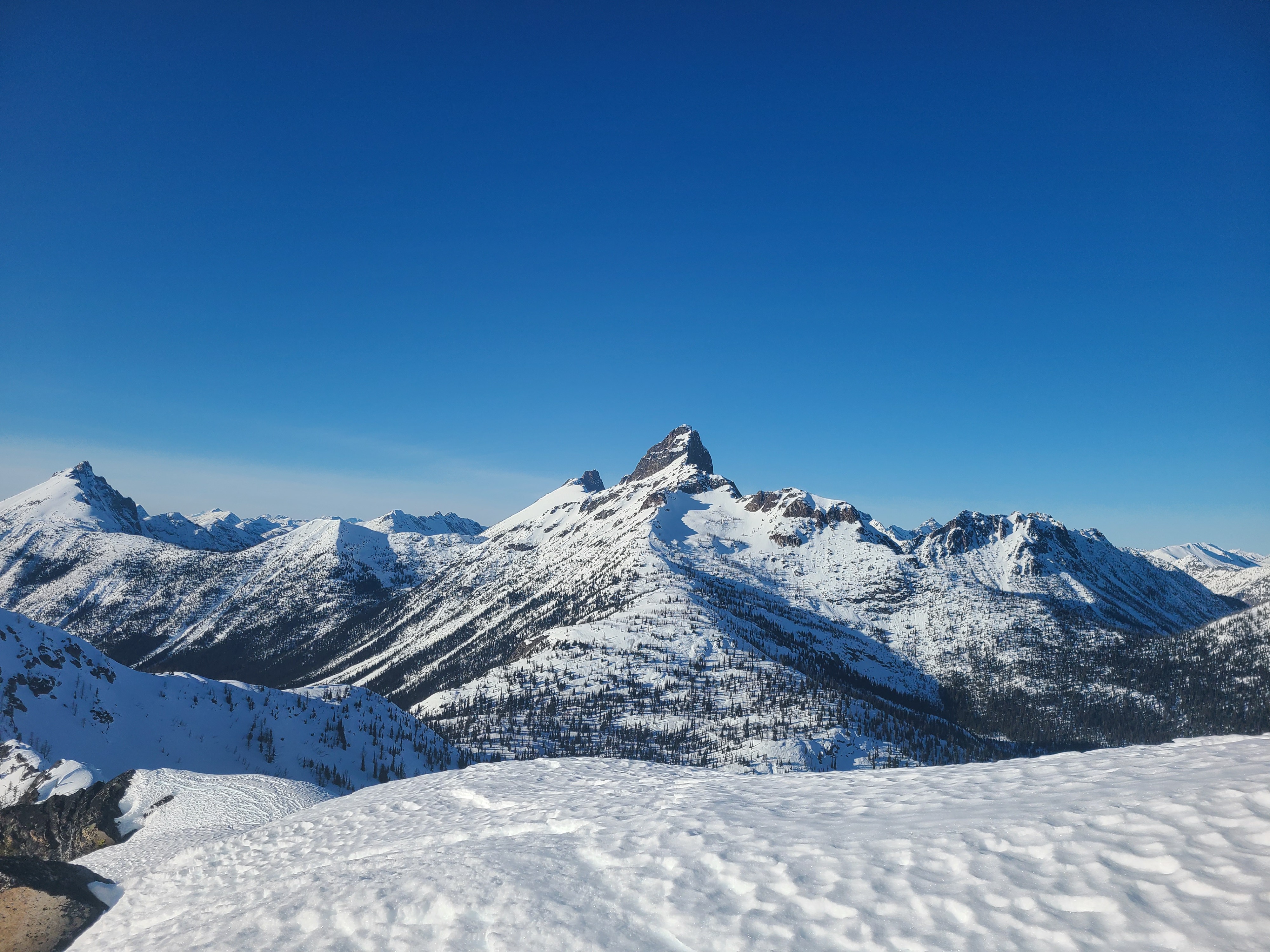
Quick report
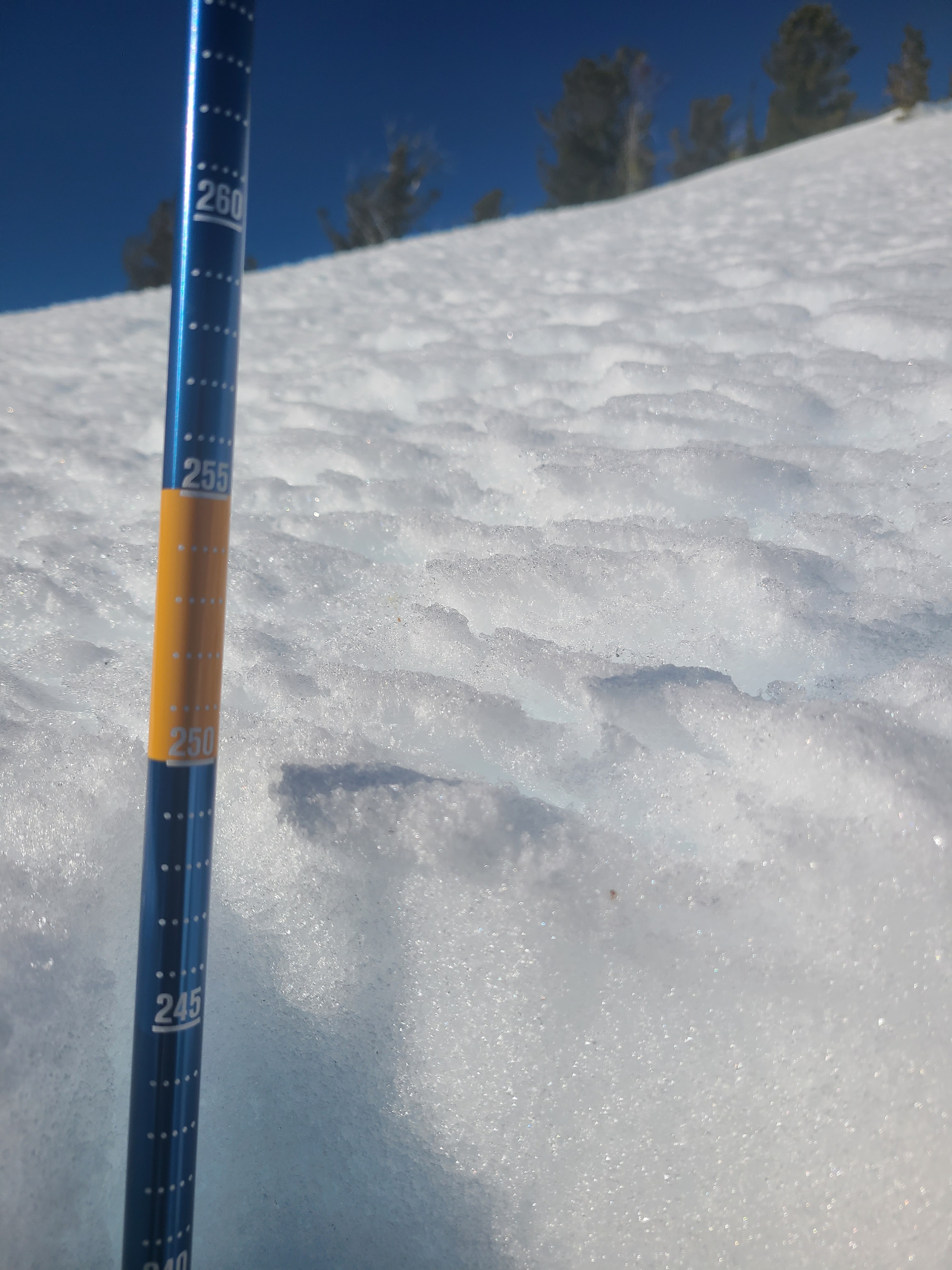
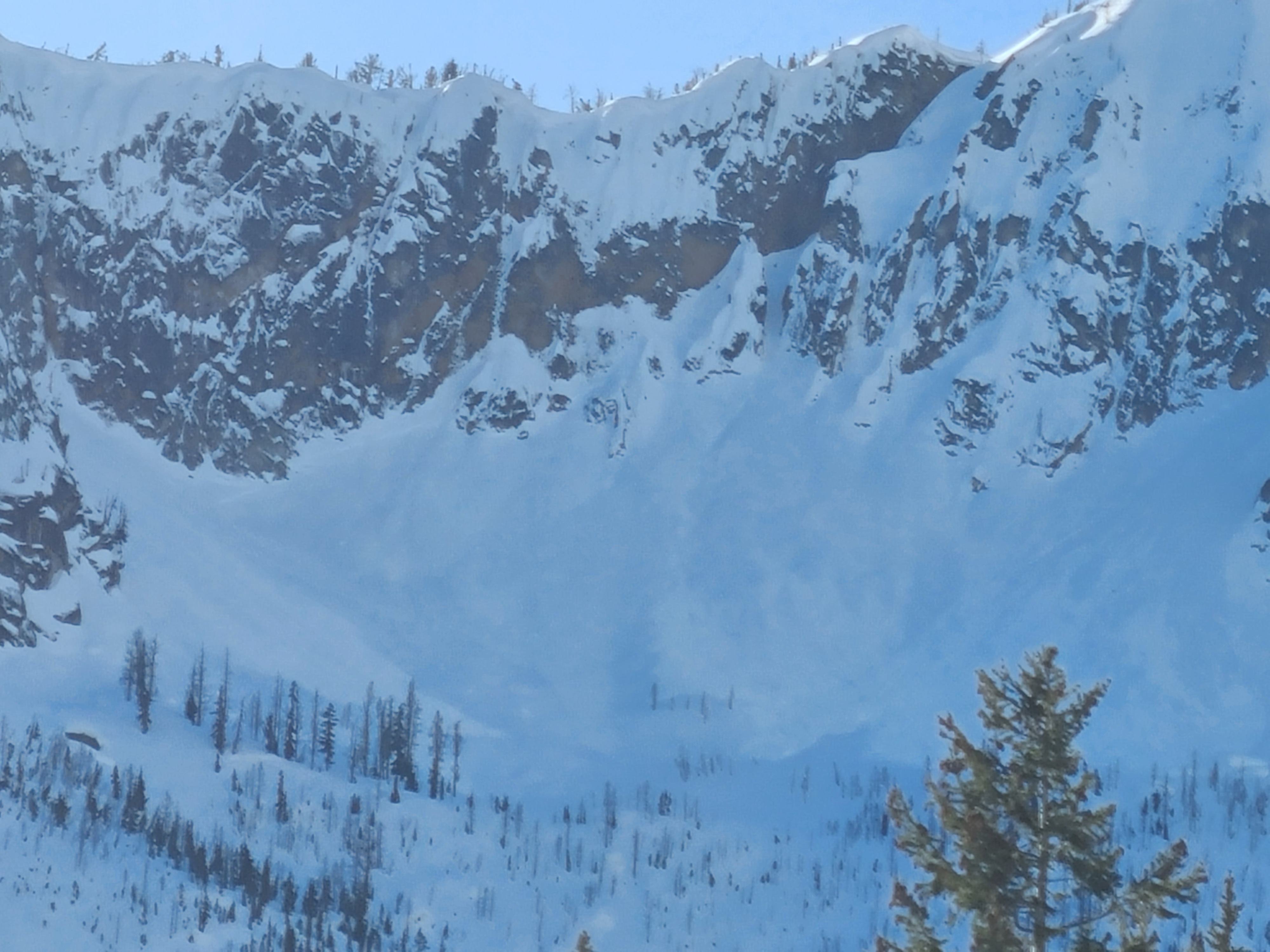
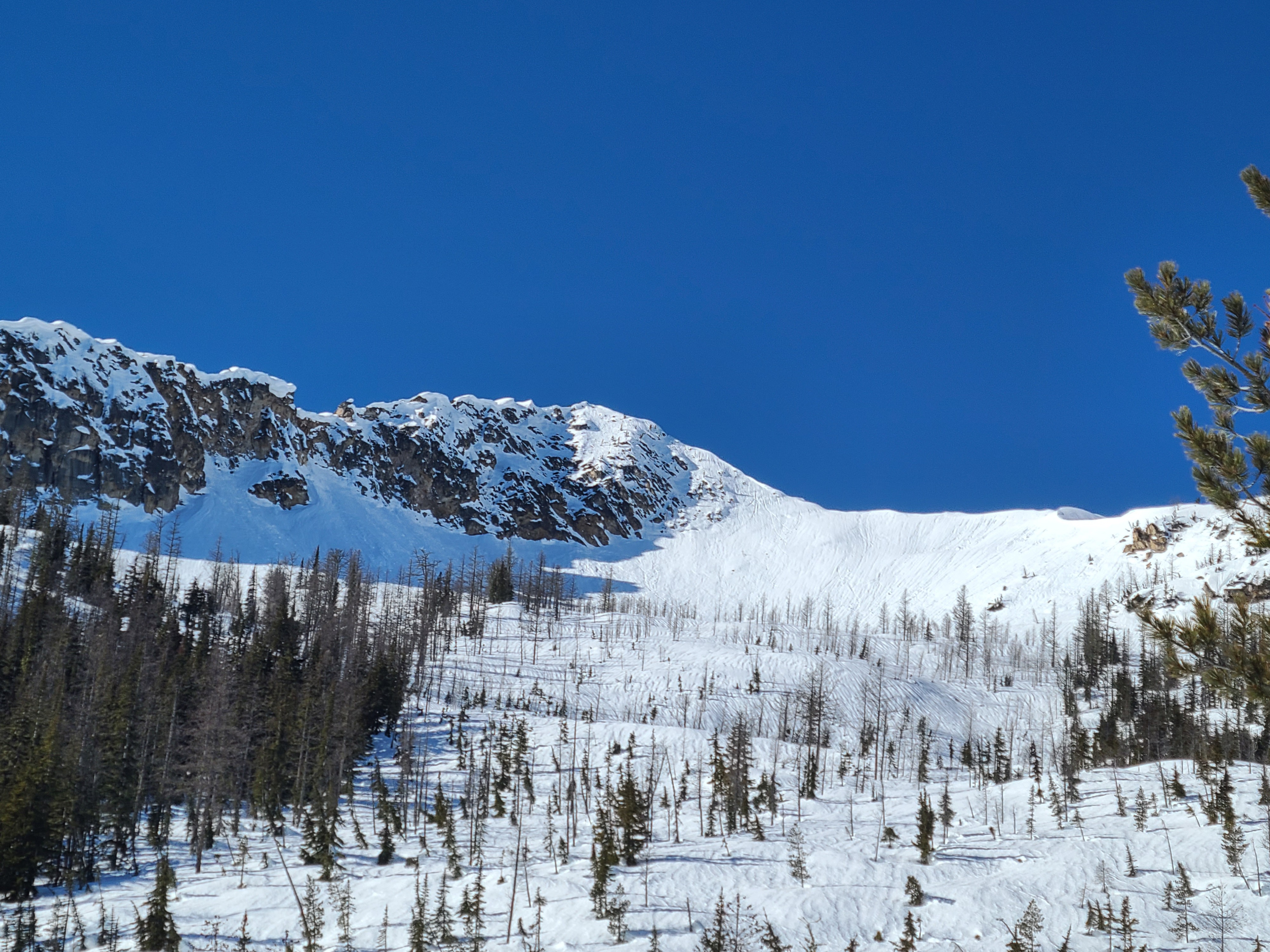
We started the day in frigid temperatures and bundled up for the snowmobile ride to the Cutthroat area. After leaving the snowmobiles, we quickly climbed out of the inversion by about 5000ft. For the rest of the sunny climb to 7000ft, it felt hot in the direct sun with minimal wind. Surfaces were soft enough to avoid using our ski crampons for the most part, but the top 200ft was very firm and didn't soften much during the day. Any soft turns were far and few between, requiring very steep due south slopes. Most turns were loud and crunchy with the icy, textured surfaces. To top off the grab bag of less-than-travel conditions, below the inversion, we got to punch through a breakable crust into soft, faceted snow below.
It was a beautiful day to be out, despite the unfortunate ski conditions.
Weather
- Cloud Cover
- clear
- Snow Avail For Transport
- none
Very cold temperatures in the valley quickly gave way to spring-like weather above about 5000ft. Above that, temperatures were mild, and winds were mostly light, with occasional moderate gusts at the ridgeline.
Snowpack
Snow Surface Conditions
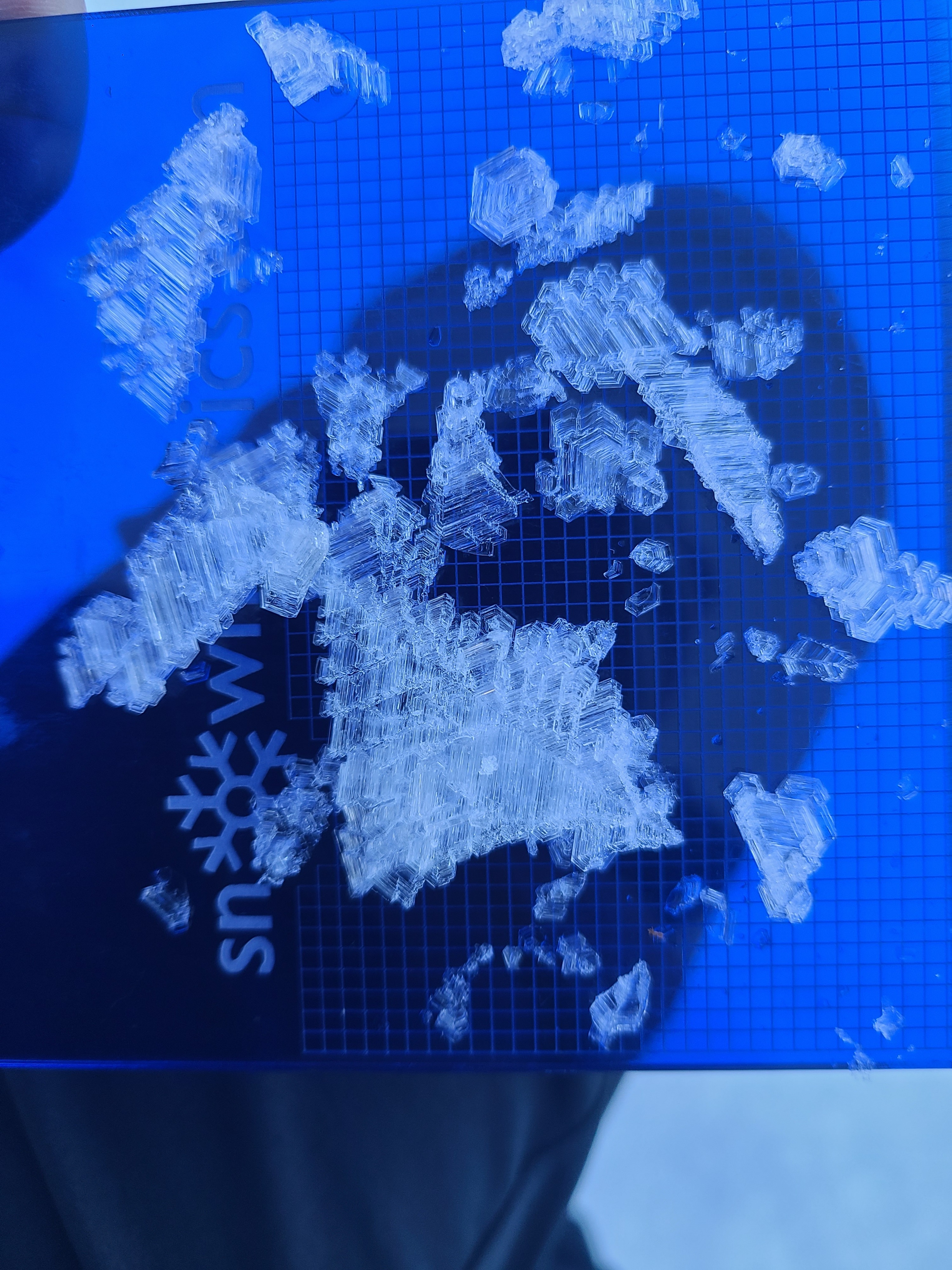
Below the inversion, there is widespread surface hoar over a thin breakable crust. Below the crust is 10-20cm of weak, sugary, faceted grains. Above the inversion on southern aspects, surfaces are heavily textured or runneled. They have been through many diurnal melt-freeze cycles, and the surface crust is supportable to boots and skis. The surface softened slightly during the day, but only on steep due south aspects and quickly refroze after the sun dipped behind the ridge.
Snowpack Summary
On southern aspects at upper elevations, we found a strong snowpack without any layers of concern. The upper pack consists of a thick surface crust with refrozen melt forms below. Below this is a layer of consolidated, moist, rounded grains over the early-January melt-freeze crust.