
Quick report
- Cracking
- isolated
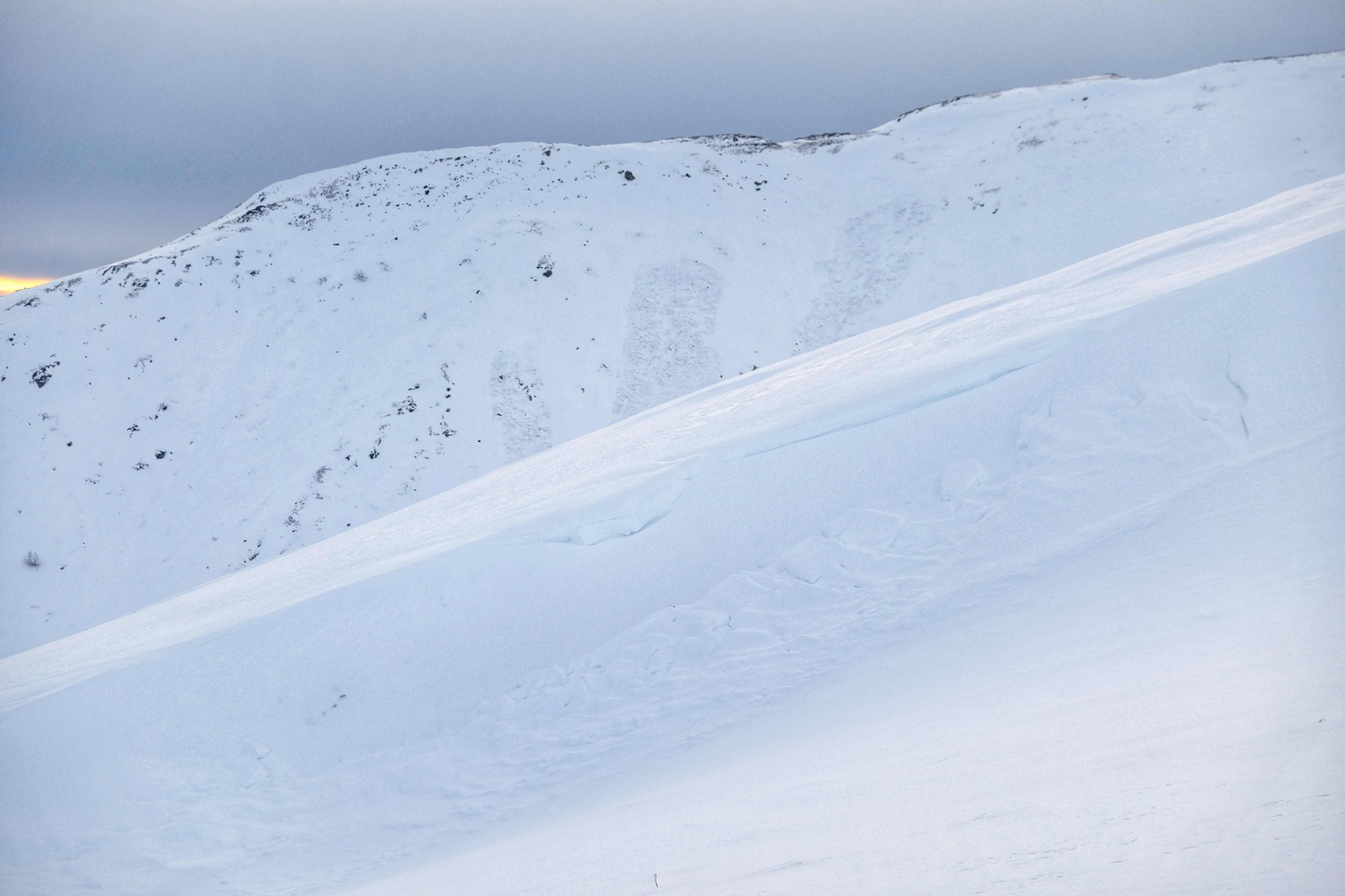
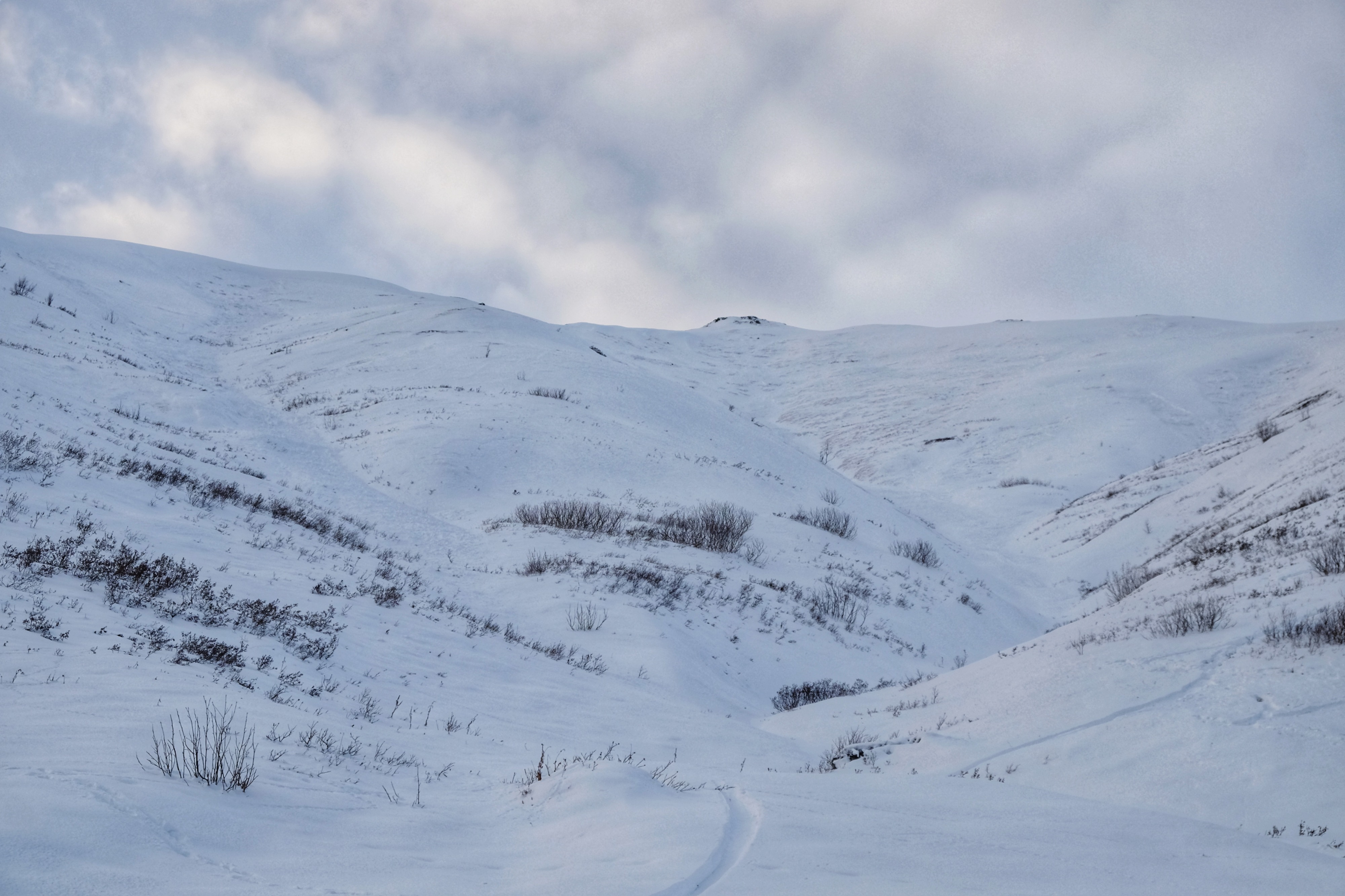
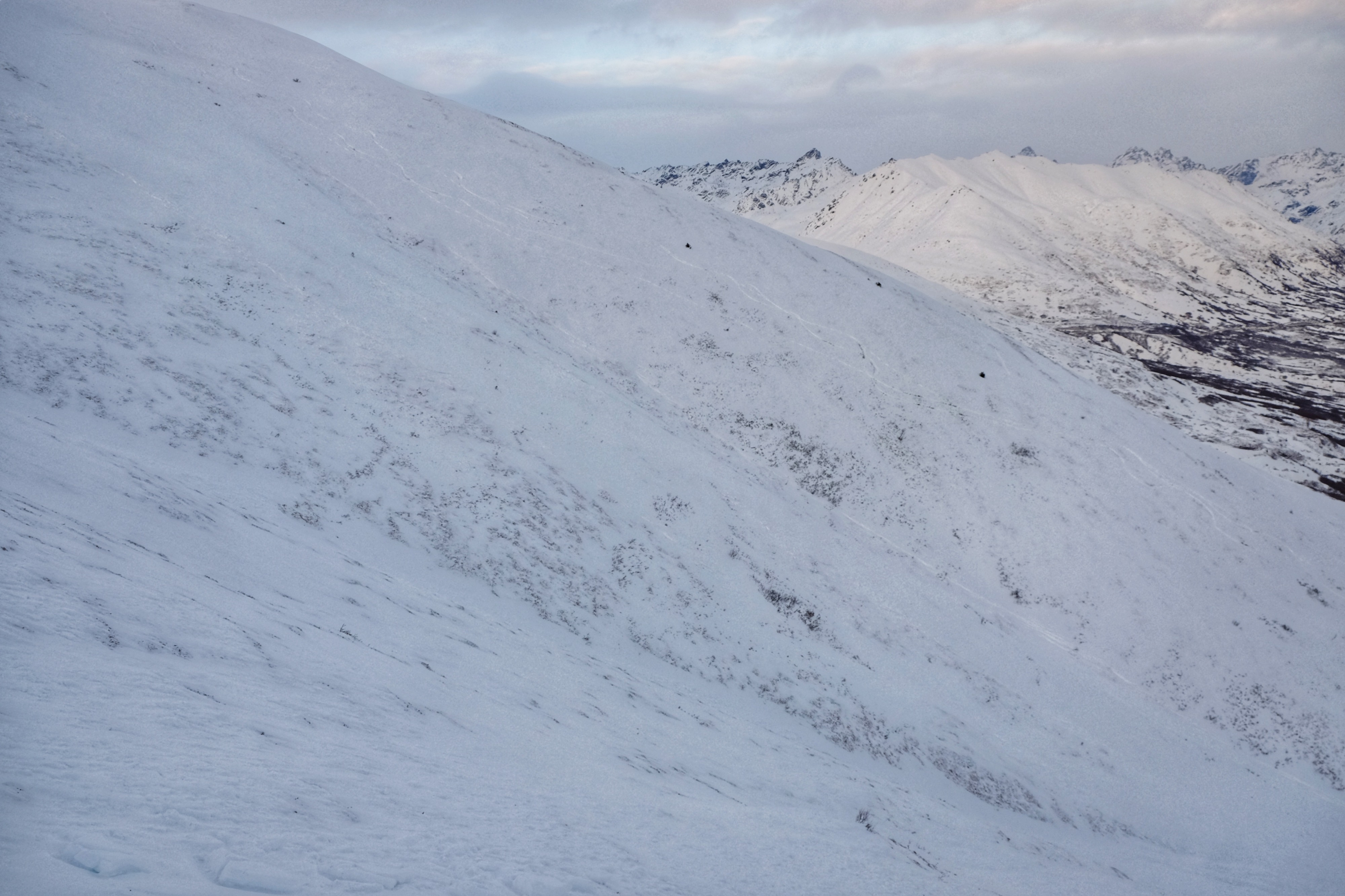
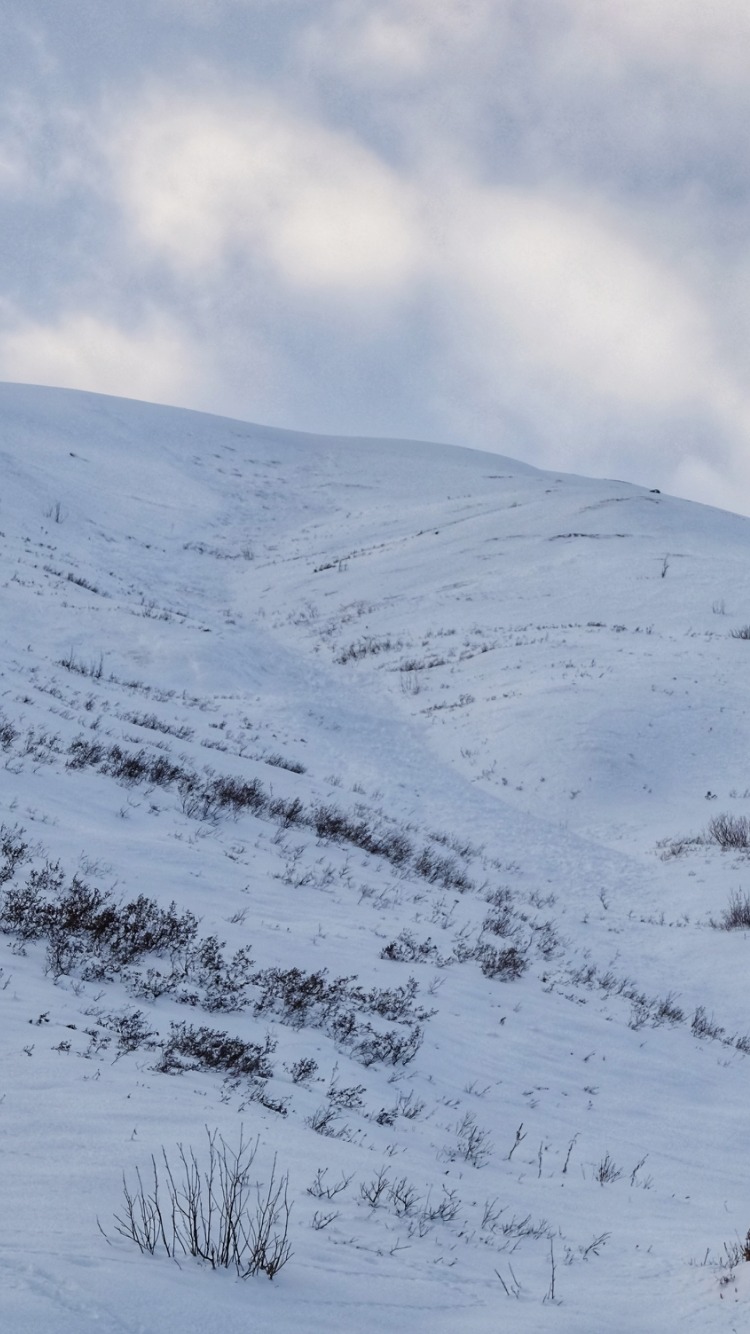
After a few days of overeating I was a little slow to get out the door this morning. I decided to take the afternoon to investigate a few natural avalanches that had been observed during the day on 11/28 (Thanks AD!). The strong winds that had been forecasted for the pass on 11/28 never really seemed to materialize save for some limited effect on upper elevation ridgelines. Not surprisingly however, blowing snow and flagging had been observed closer to the valley and the edge of the range on Frostbite, Government, and Delia. On my ascent up Frostbite I observed several other recent natural slides on an adjacent flank of Government Peak (see pictures) . All of the avalanches I observed were small, D1/R2 sized slides that entrained all of the snowpack as they ran down the slope. What was notable was that there were several of them adjacent to one another, indicating that they likely ran simultaneously or sympathetic to one another. Bullseye data like this is helpful to the forecast team and users in general because it indicates the potential for similar structure and activity if and when strong winds impact the area.
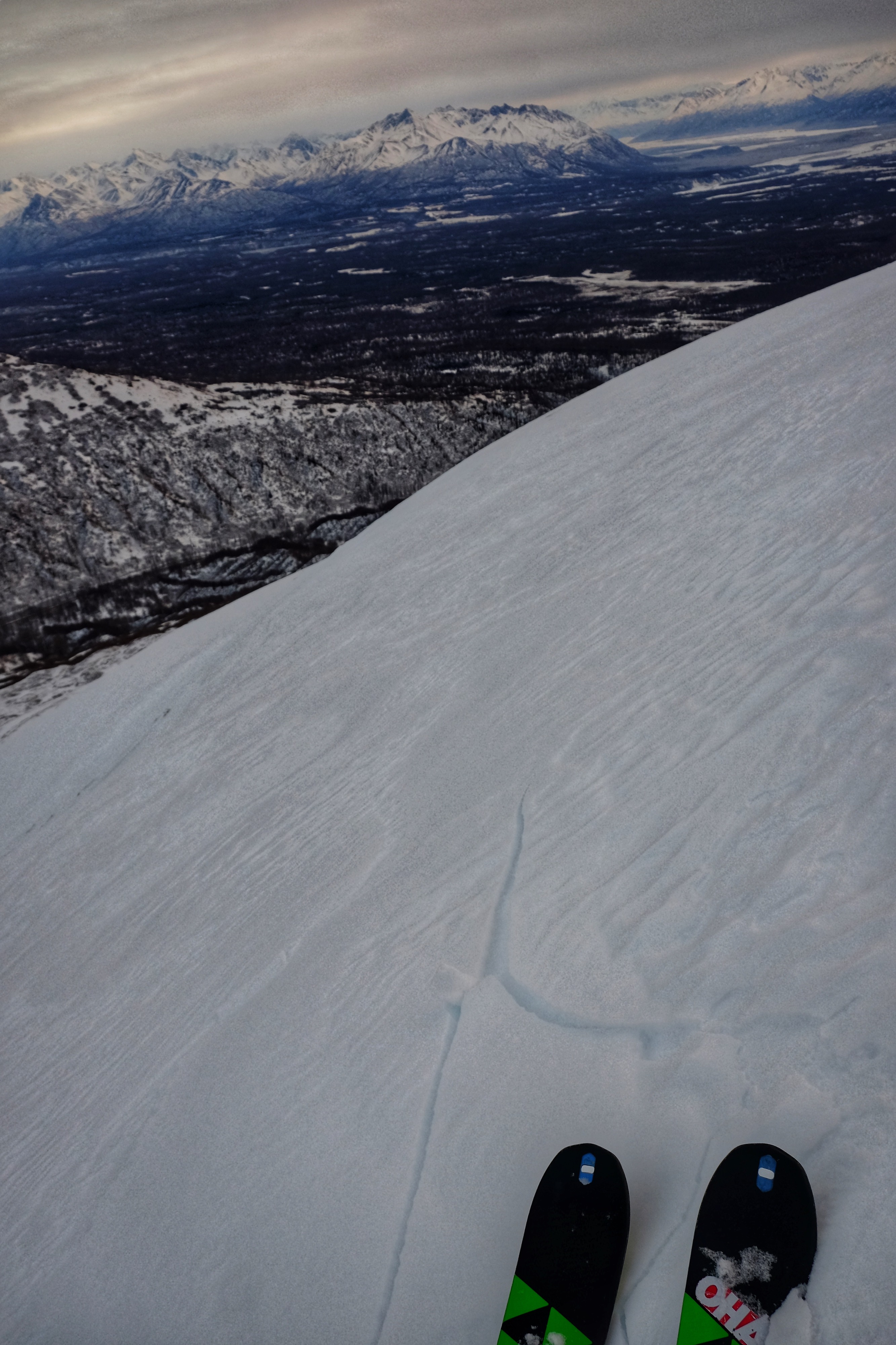
Encountered some isolated, shallow cracking 2-3'' deep just below the ridgeline while descending to the crown of a recent avalanche.Weather
- Air Temp
- 16
- Cloud Cover
- broken
- Wind Loading
- previous
- Snow Avail For Transport
- small smounts
Mostly benign day with light winds and cold temps. High clouds made for at times flat light but a few breaks improved definition. The higher peaks of the range looked to be more obscured with the forecasted snow showers.
Snowpack
A crown profile on a NE aspect at 3400 ft revealed a similar structure to what we've been finding throughout the forecast area. The only difference is that in this location our thin, mostly faceted snowpack is been capped with a stiffer 30-40cm wind slab from the 11/28 wind event that never really materialized in the heart of Hatcher Pass. Snowpack tests yielded no results save for a moderate shovel shear about 25cm above the ground. We found a layer of preserved facets between two crusts about 35cm down from the surface that could have been the weak layer to initiate these avalanches, but the bed surface for them all was our stout early-season snow/rain crust.
Avalanche
- Size
- D1 R2
- Type
- SS
- Aspect
- E
- Trigger
- N
- Elevation
- 3450 ft
Observed several recent avalanches from 11/28 that were naturally triggered wind-slabs from a period of stronger winds on that day. All recent activity was around 3-4000 ft and SE-NE facing. These slides were all small, D1-R2 (relatively harmless - size relative to path / small), but there were several of them that had likely run around the same time and entrained all of the snow below them as they ran down the slope.