
Quick report
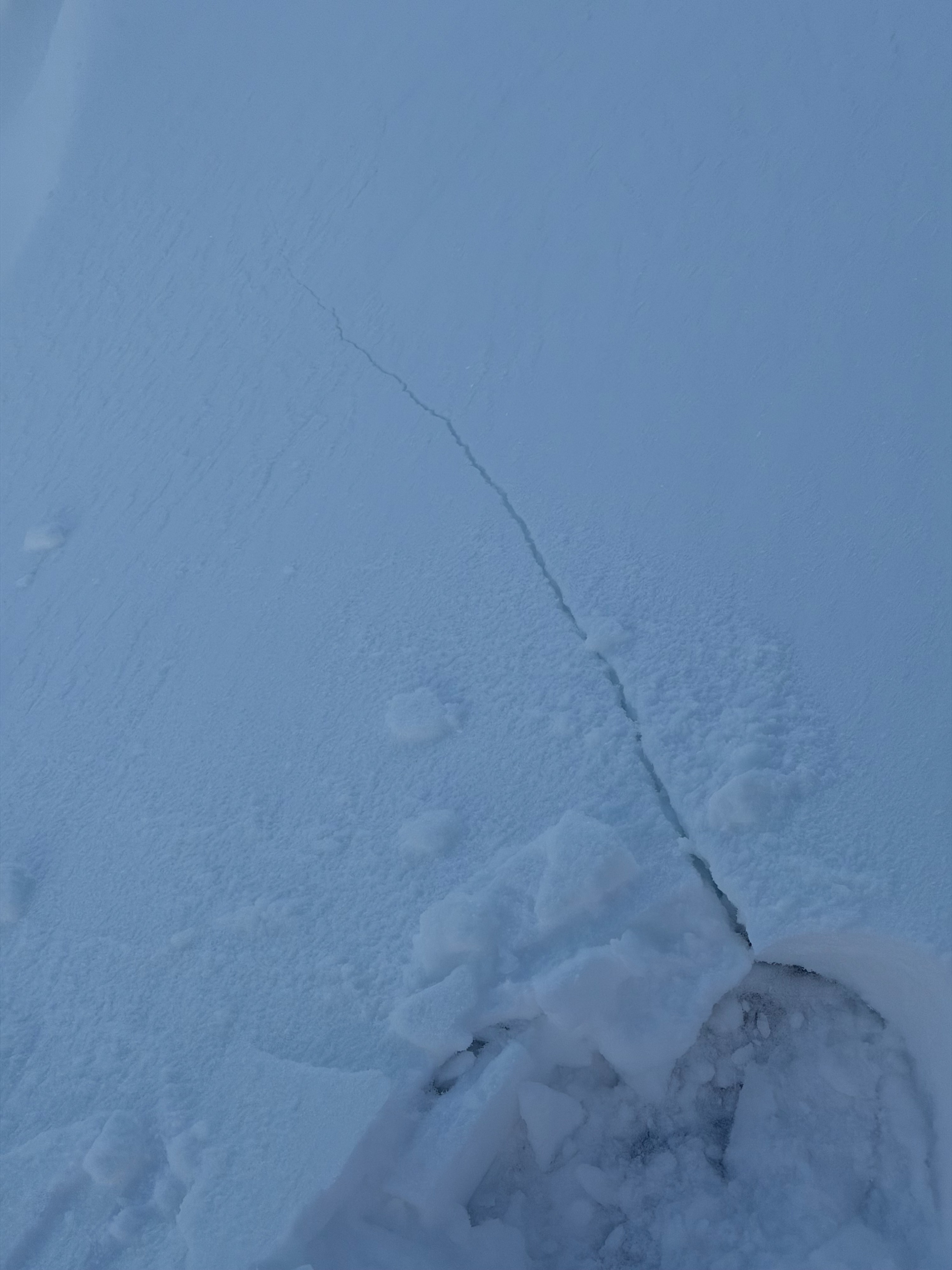
- Cracking
- isolated
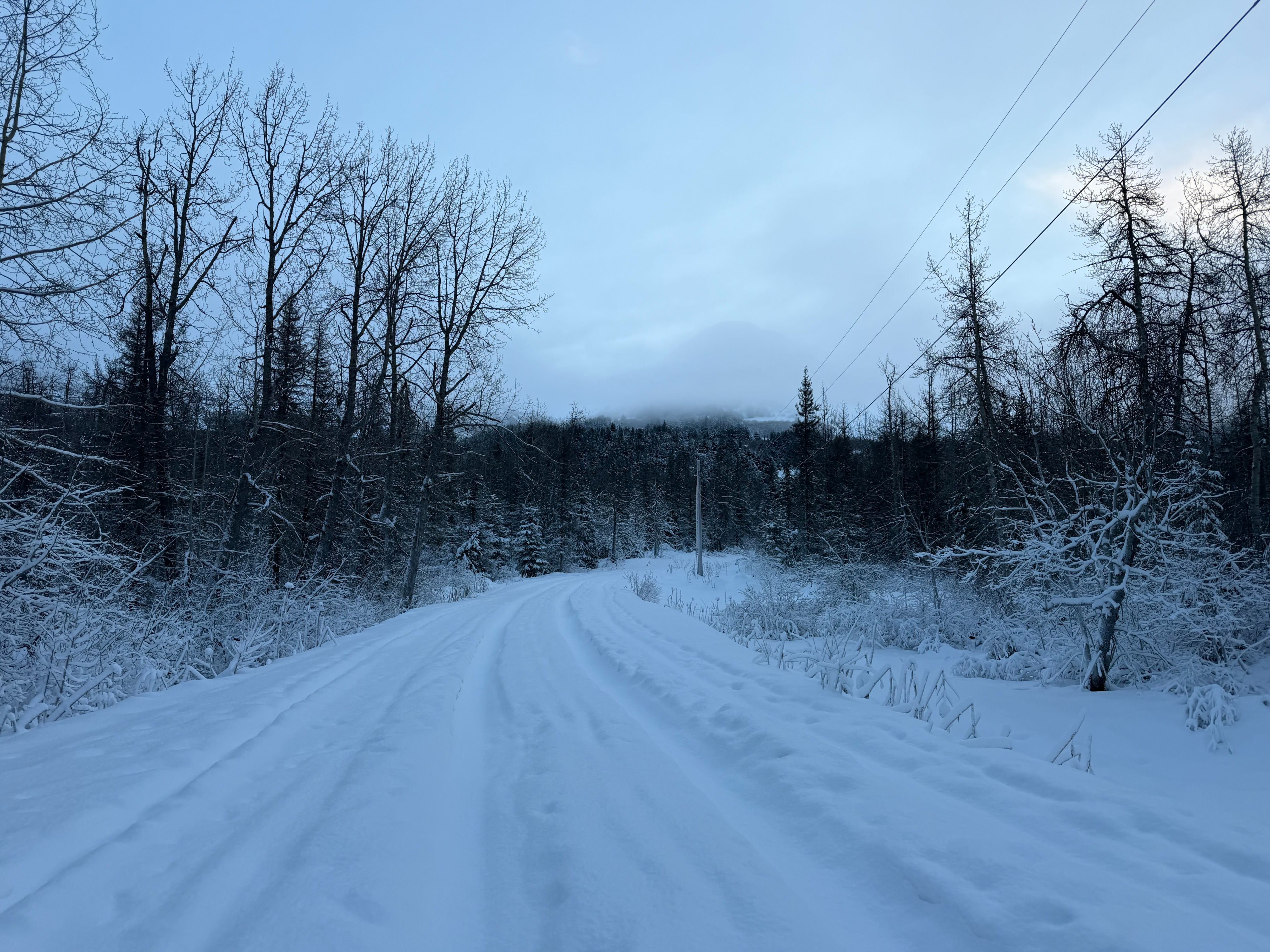
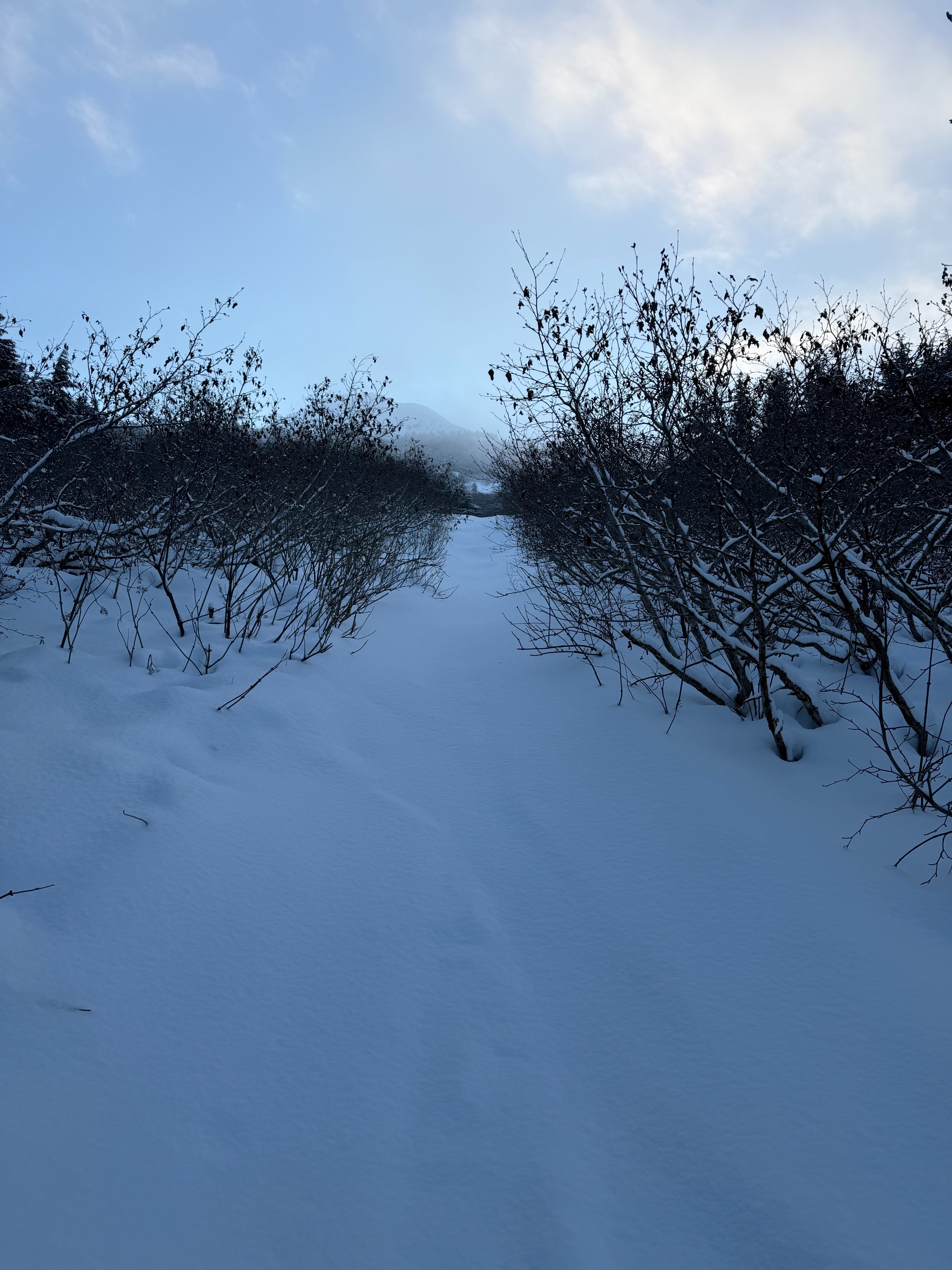
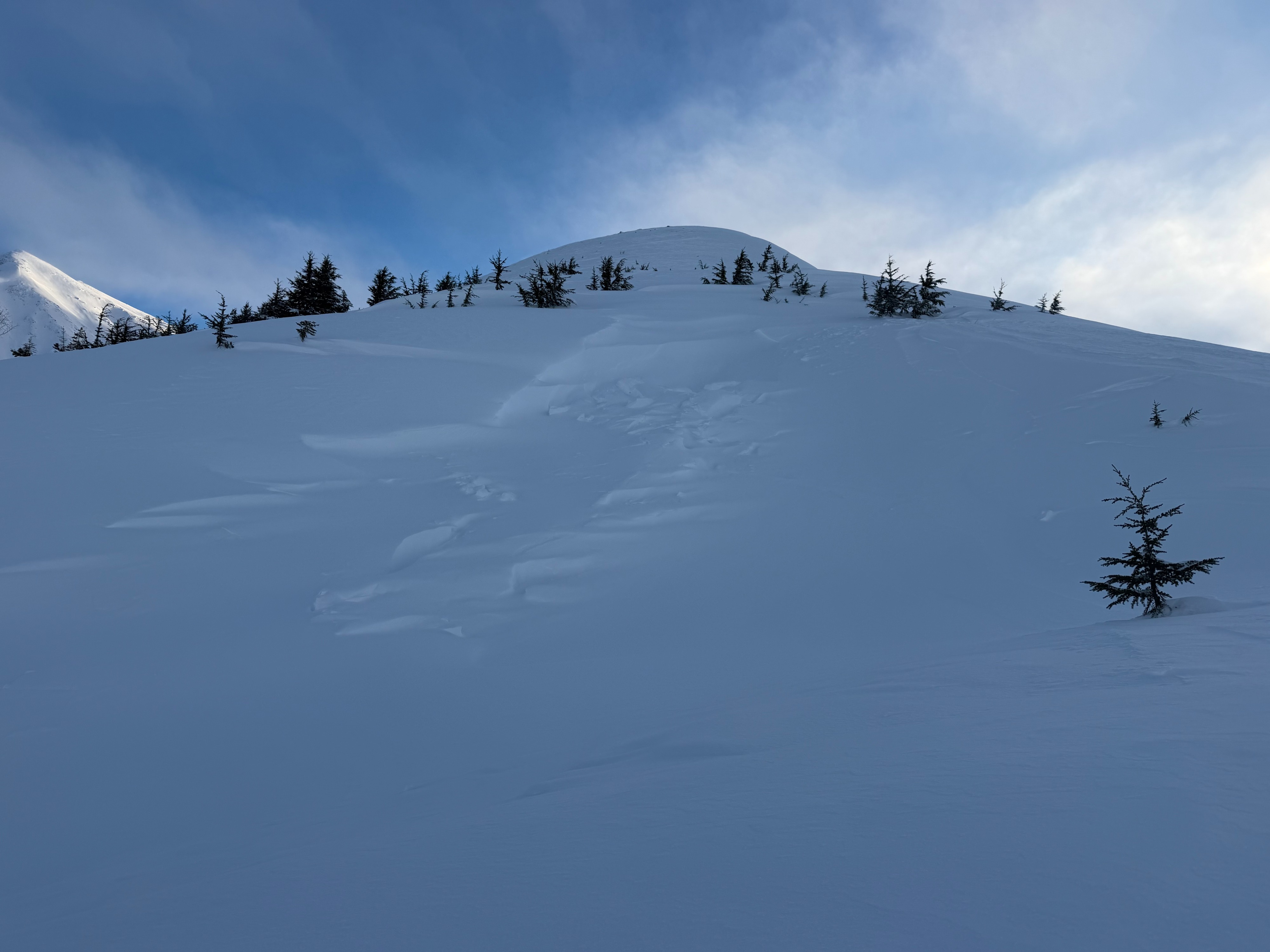
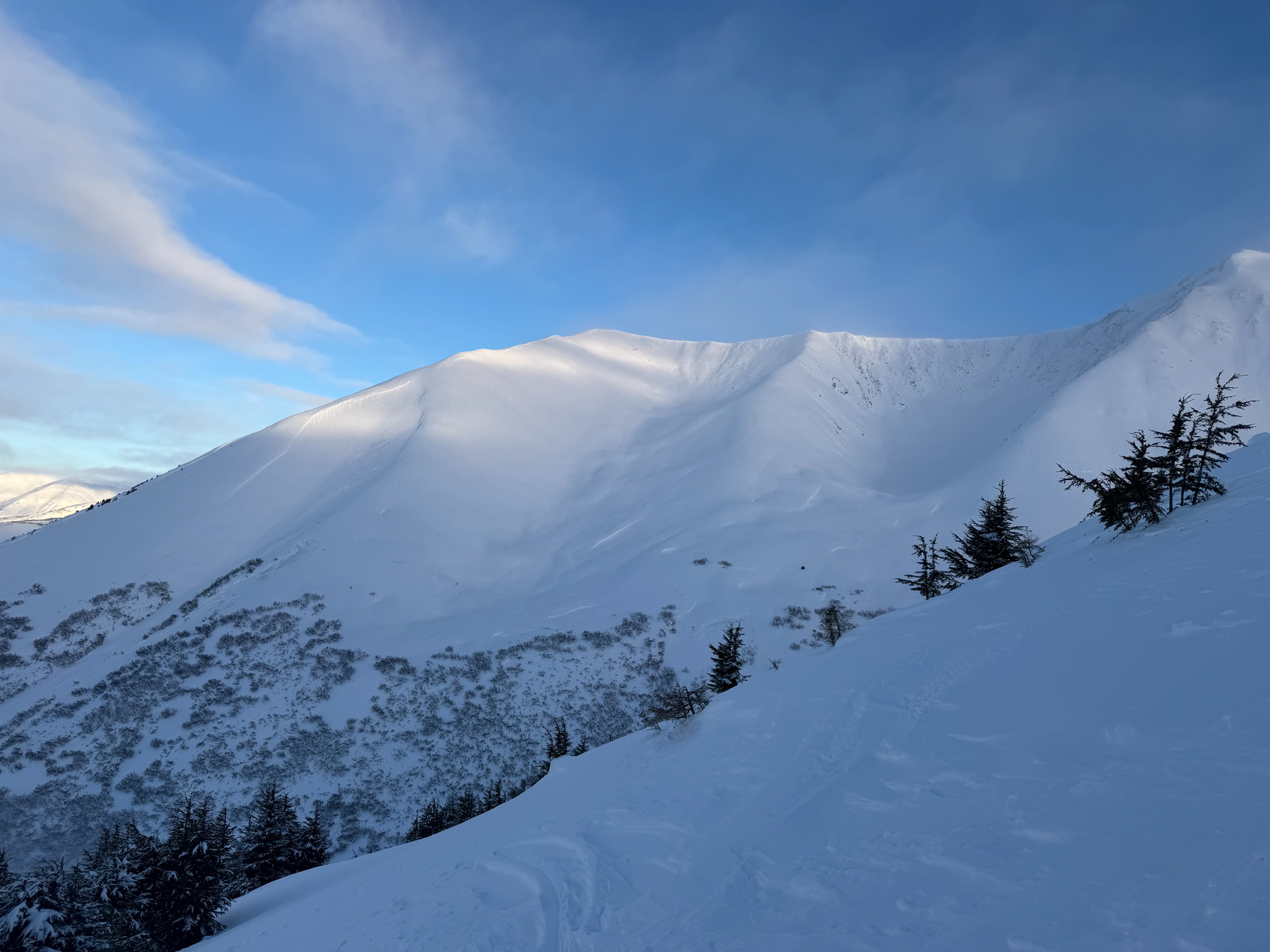
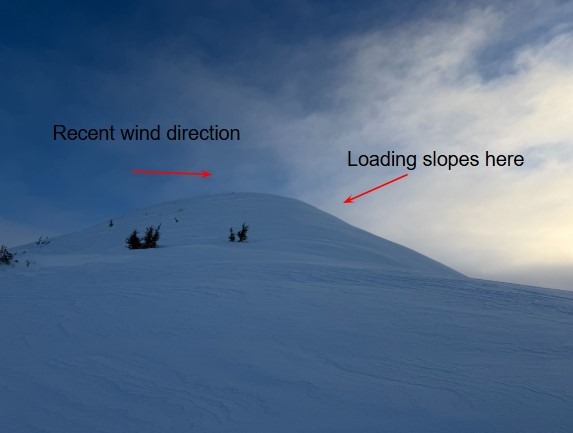
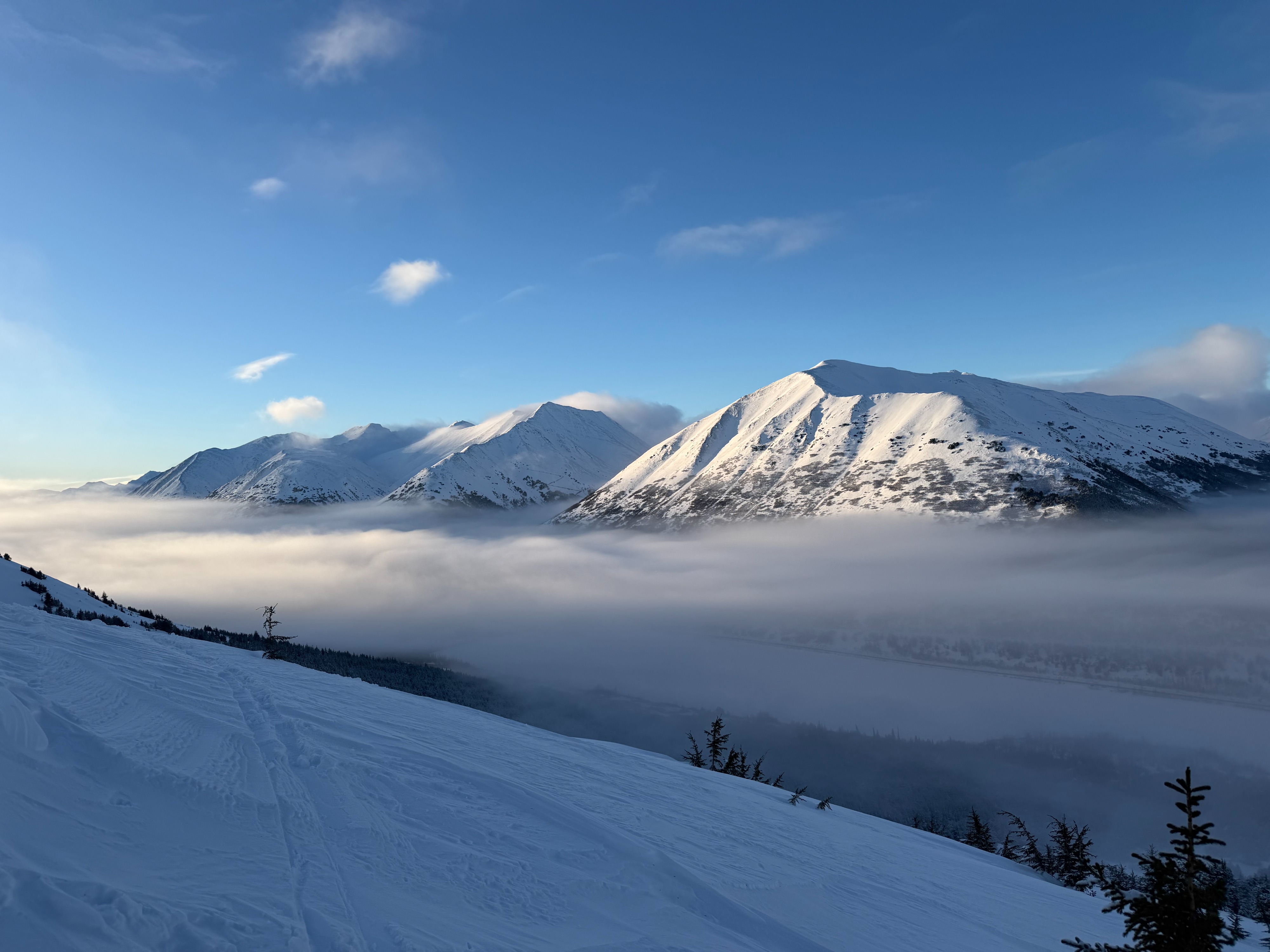
We toured up Tenderfoot to see how the snowpack in Summit Lake is changing over time and how reactive wind slabs are in this area. We found new snow on top of a melt freeze crust up to our high point of 2,700'. The new snow really improved the riding conditions. Soft snow is on the surface up to treeline where it has clearly been blown by the wind even since the last 3" fell yesterday. There were pillows of windblown snow all over the ridge at treeline, which produced shooting cracks when we stepped on them. Some places were blown down to grass. The surface had lots of different textures, most of which were firm. We found the human-triggered avalanche right at treeline on a steep roll with a small gully feature at the bottom. The crown was blown in, but it was impressively deep for being such a small feature. The problem we are dealing with right now can be avoided by looking for softer snow in the trees and other wind sheltered areas.
Weather
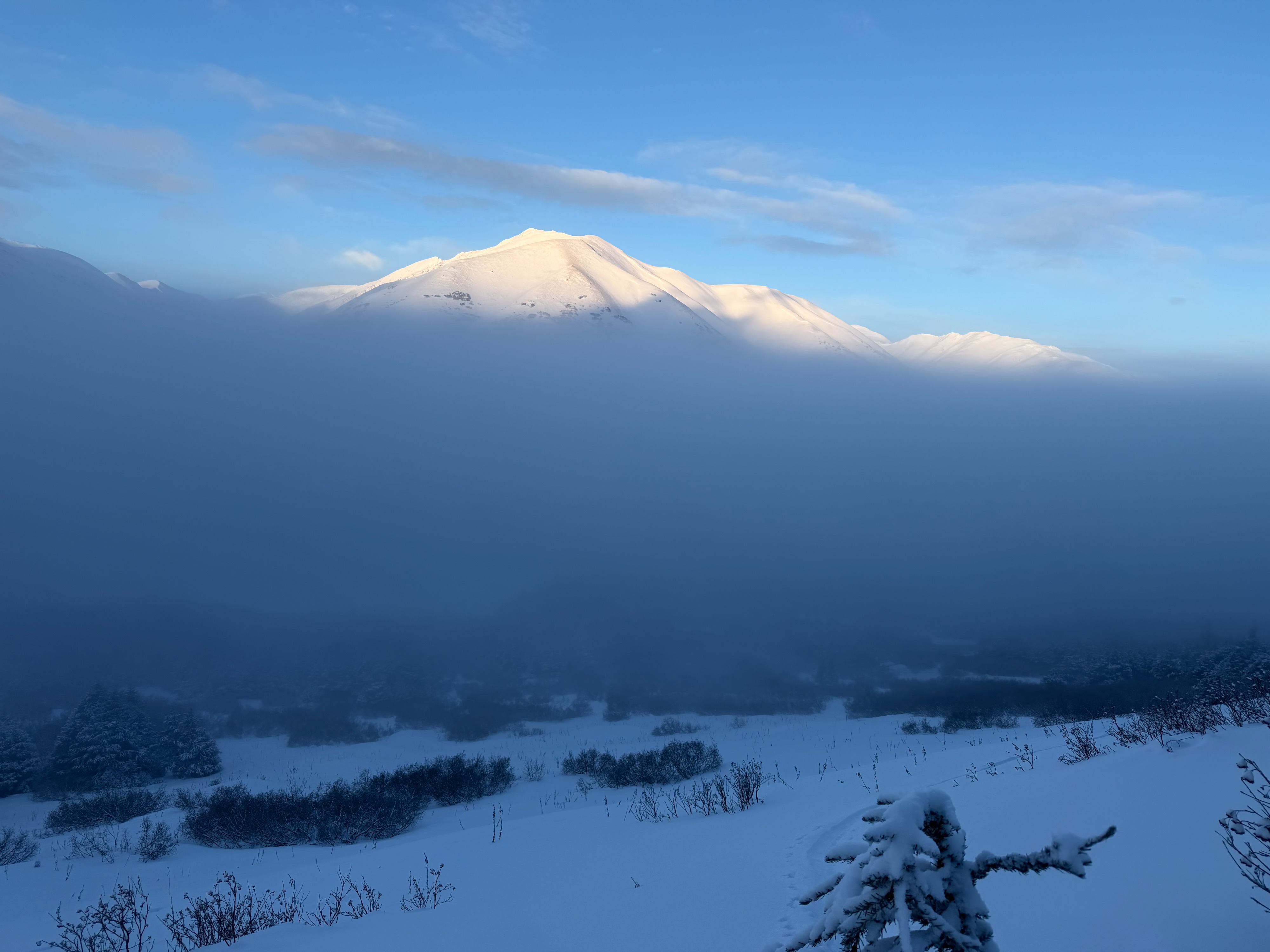
It was a really nice day in the backcountry. Skies were mostly clear with fog in the valley. Temperatures were around 10 degrees at the car, warmer up higher. Winds were mostly calm.
Snowpack
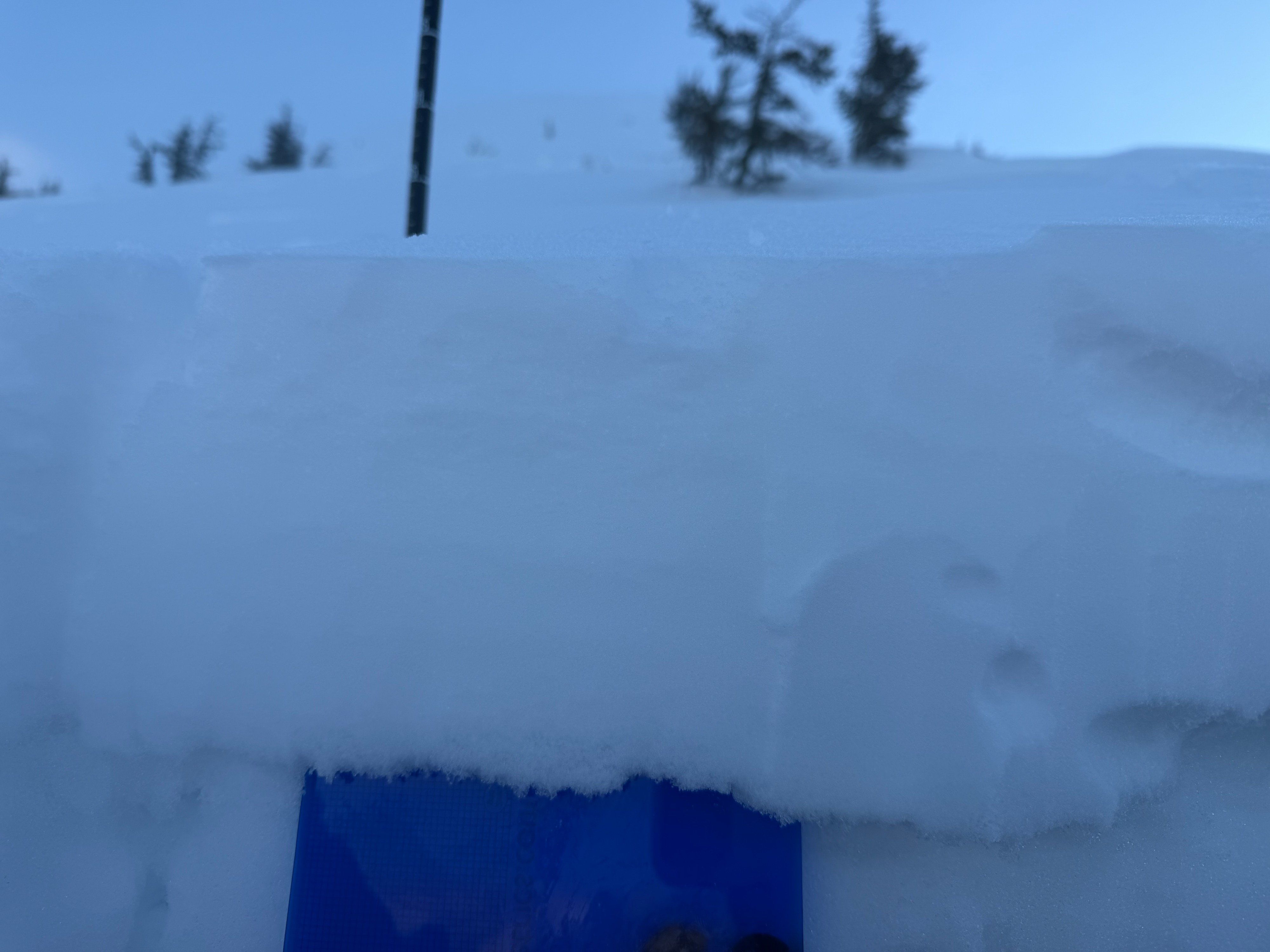
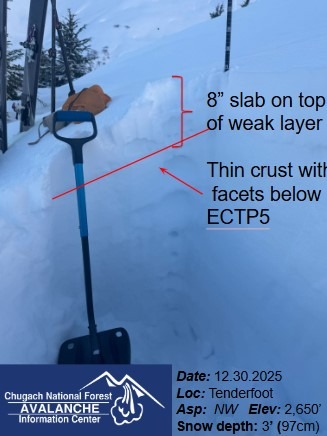
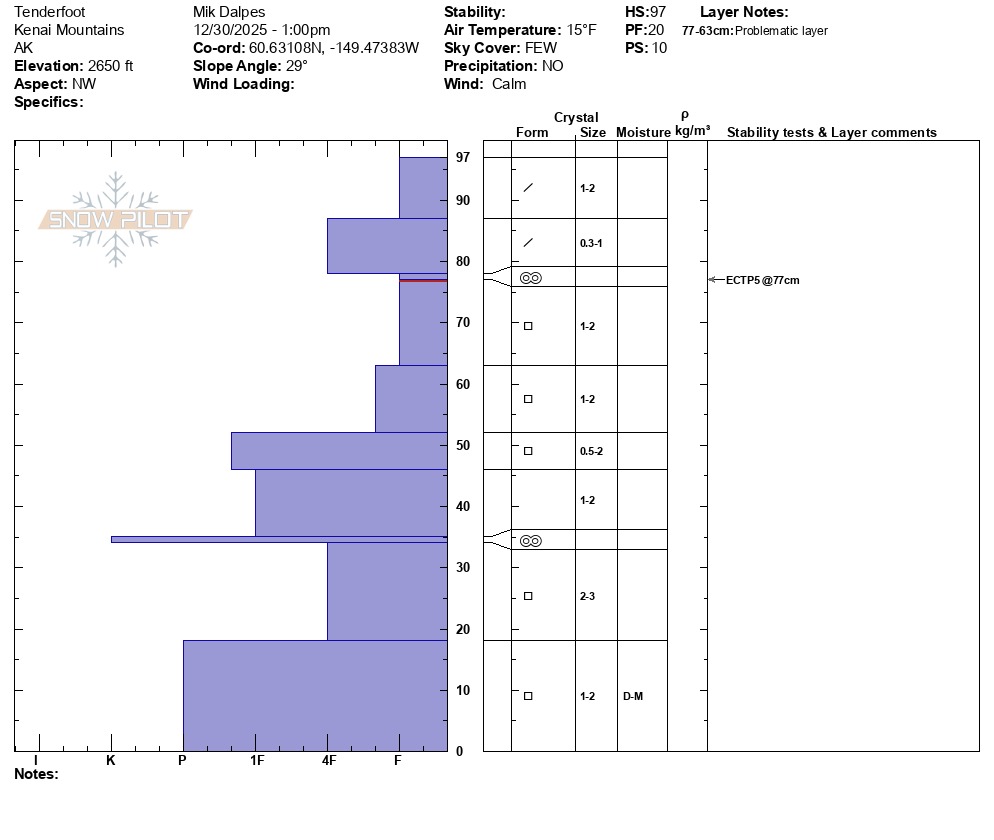
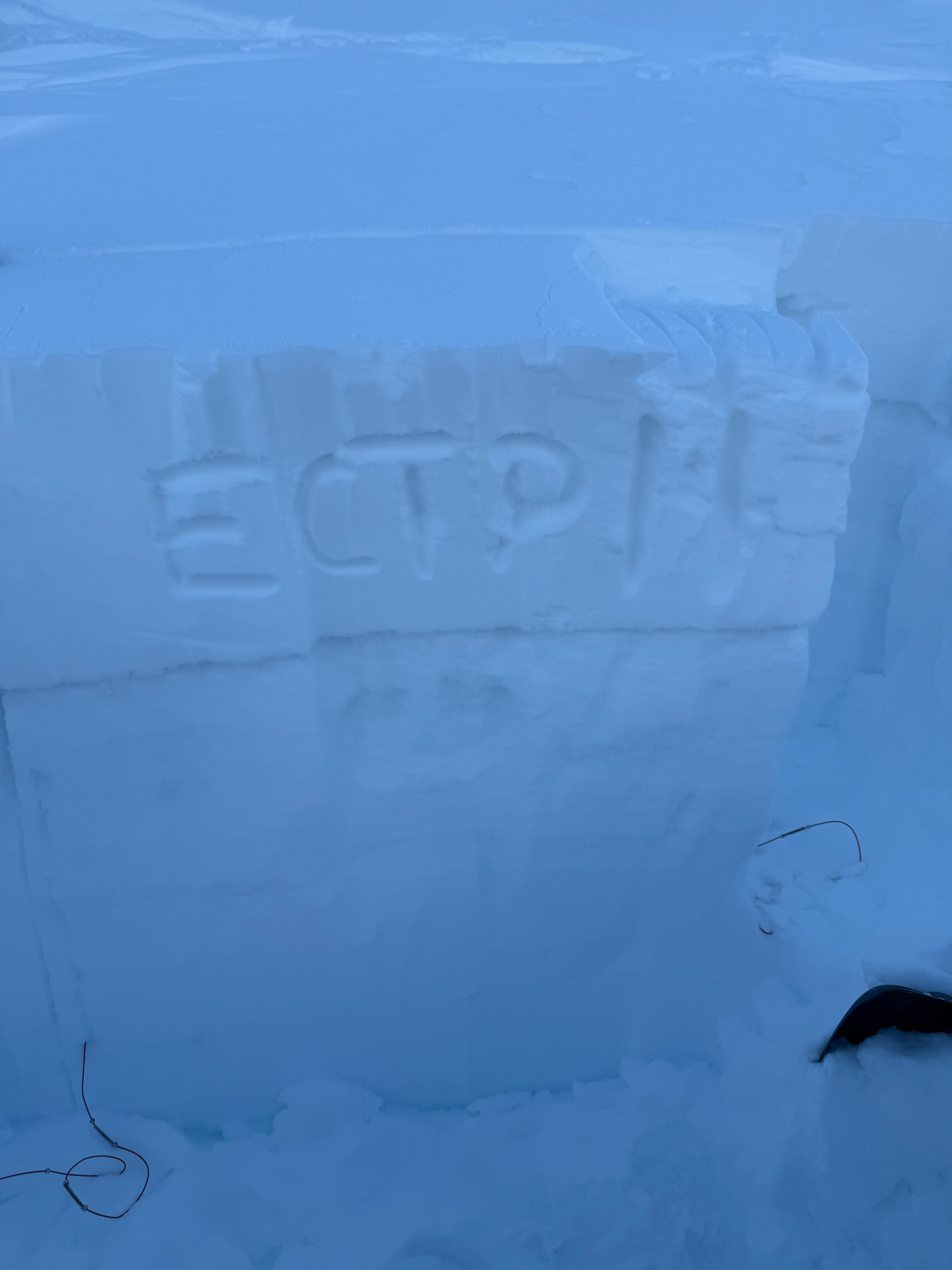
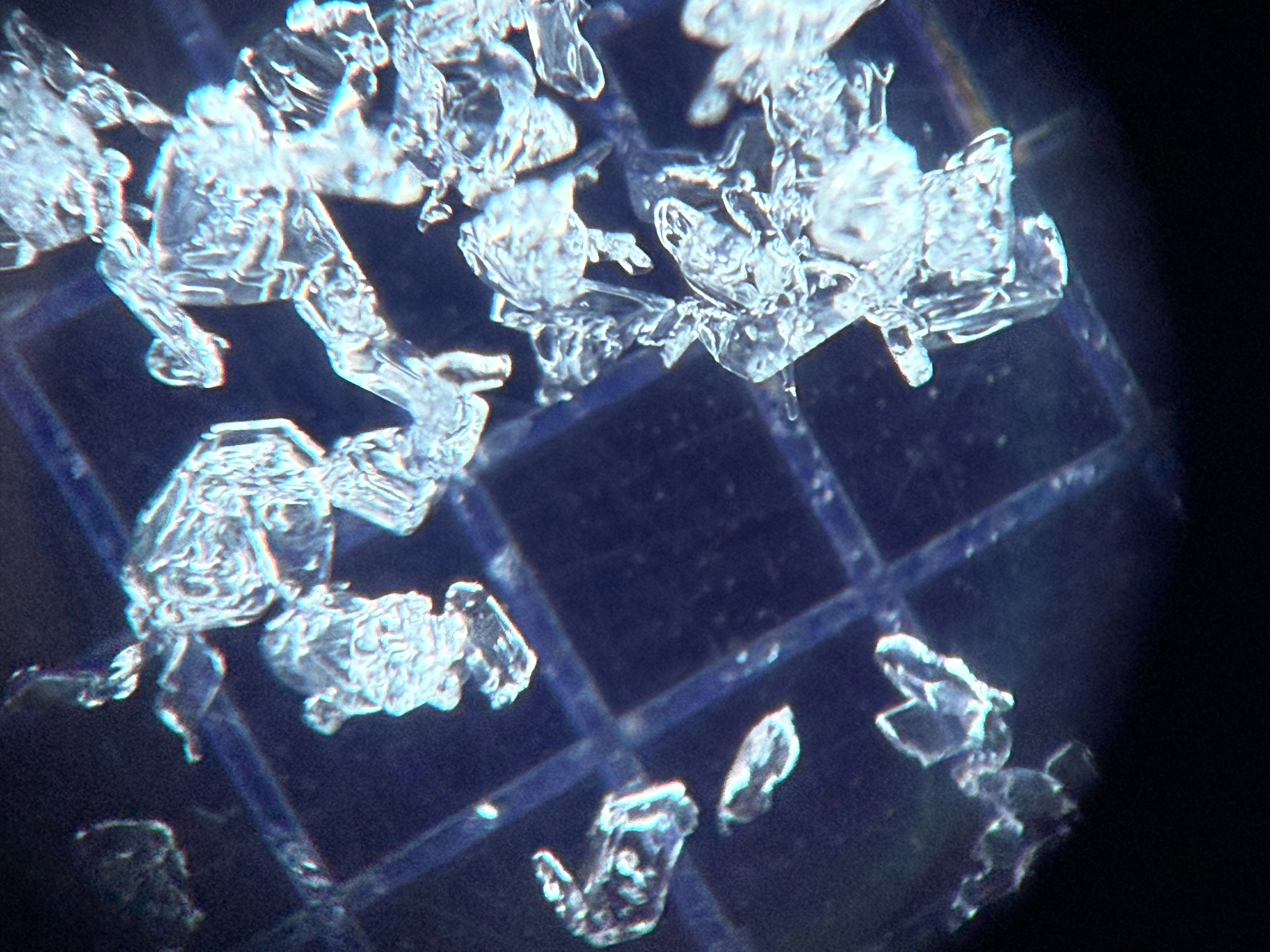
There was about 3" of new snow at the road above a melt freeze crust. This is snow from last Friday and yesterday's storm. The amount of new snow increased with elevation. There was 4" new at 1,900' over a breakable 1" crust. At 2,150' there was 6" of new snow over a thin crust. Once we got to treeline the new snow was variable and wind affected in some places above a thin crust. Below the crust at all elevations were facets to the ground. We dug two snowpits at around 2,600' and got unstable results about 1' down on facets below a thin melt freeze crust (ECTP11 and ECTP5). We dug in a spot where there was a wind slab above the crust with facets below because that is where this problem exists right now. These facets aren't going away so once we get a bigger load this will probably become a more widespread problem rather than just a problem where wind slabs exist.