
Quick report
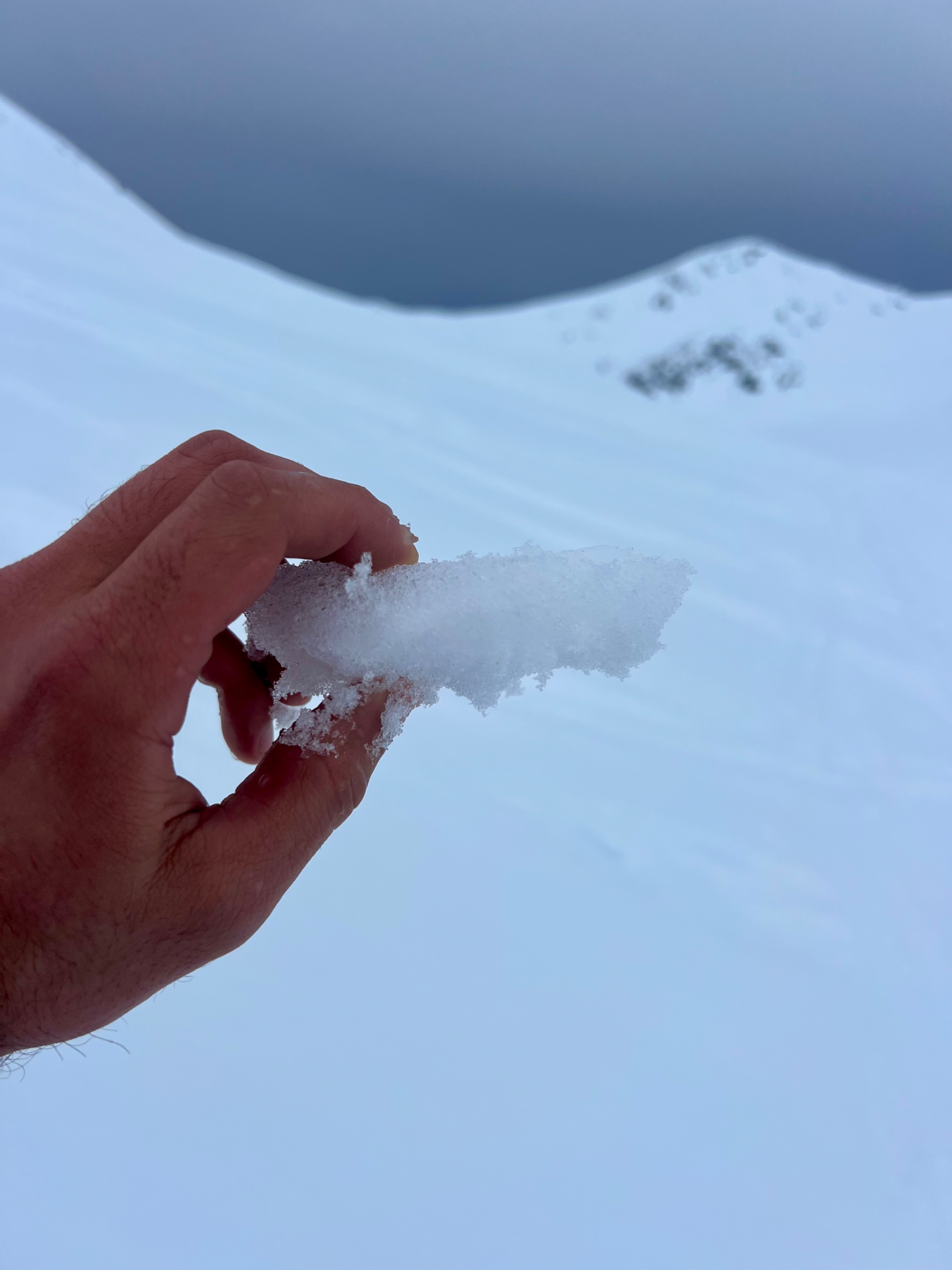
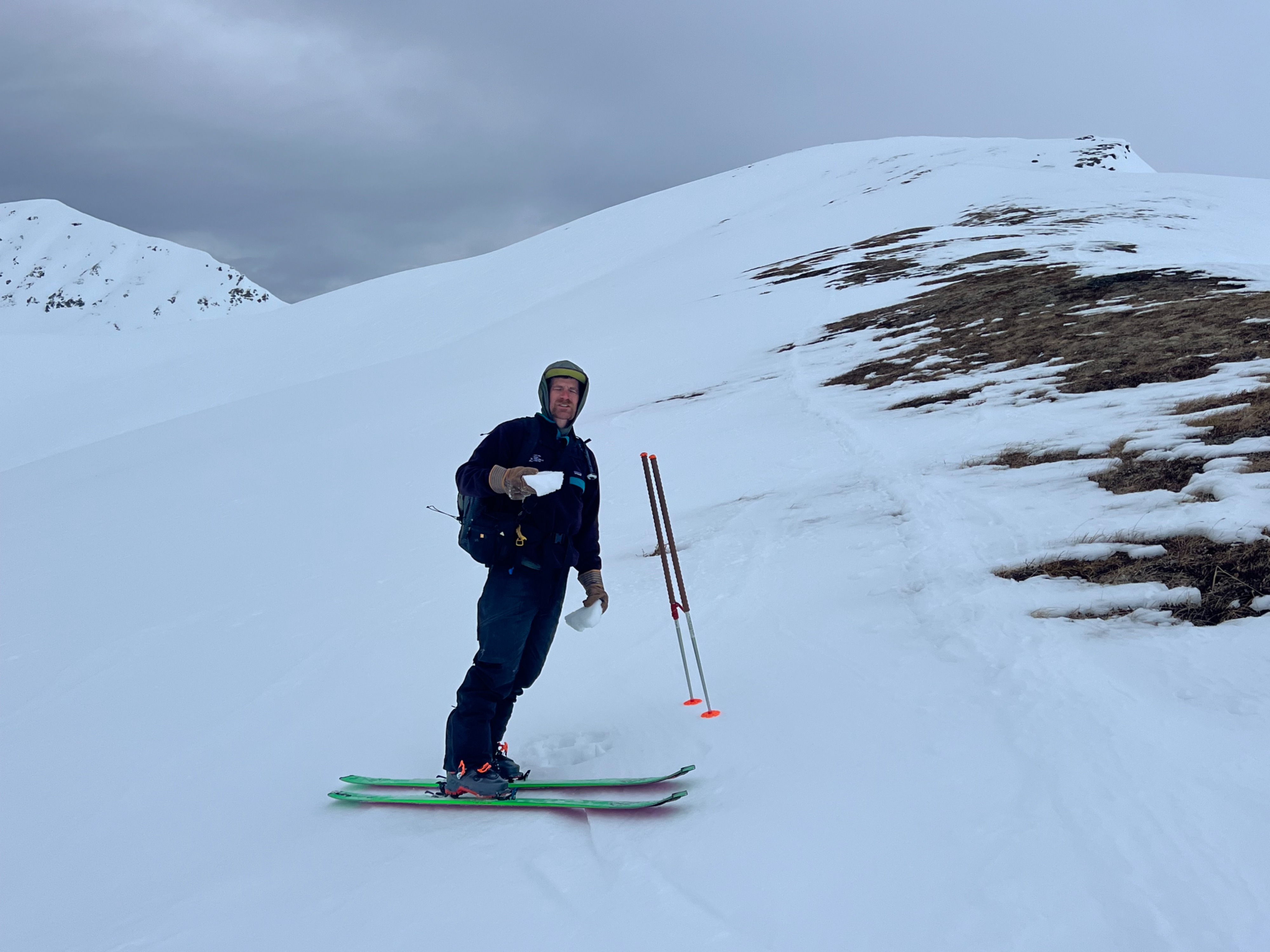
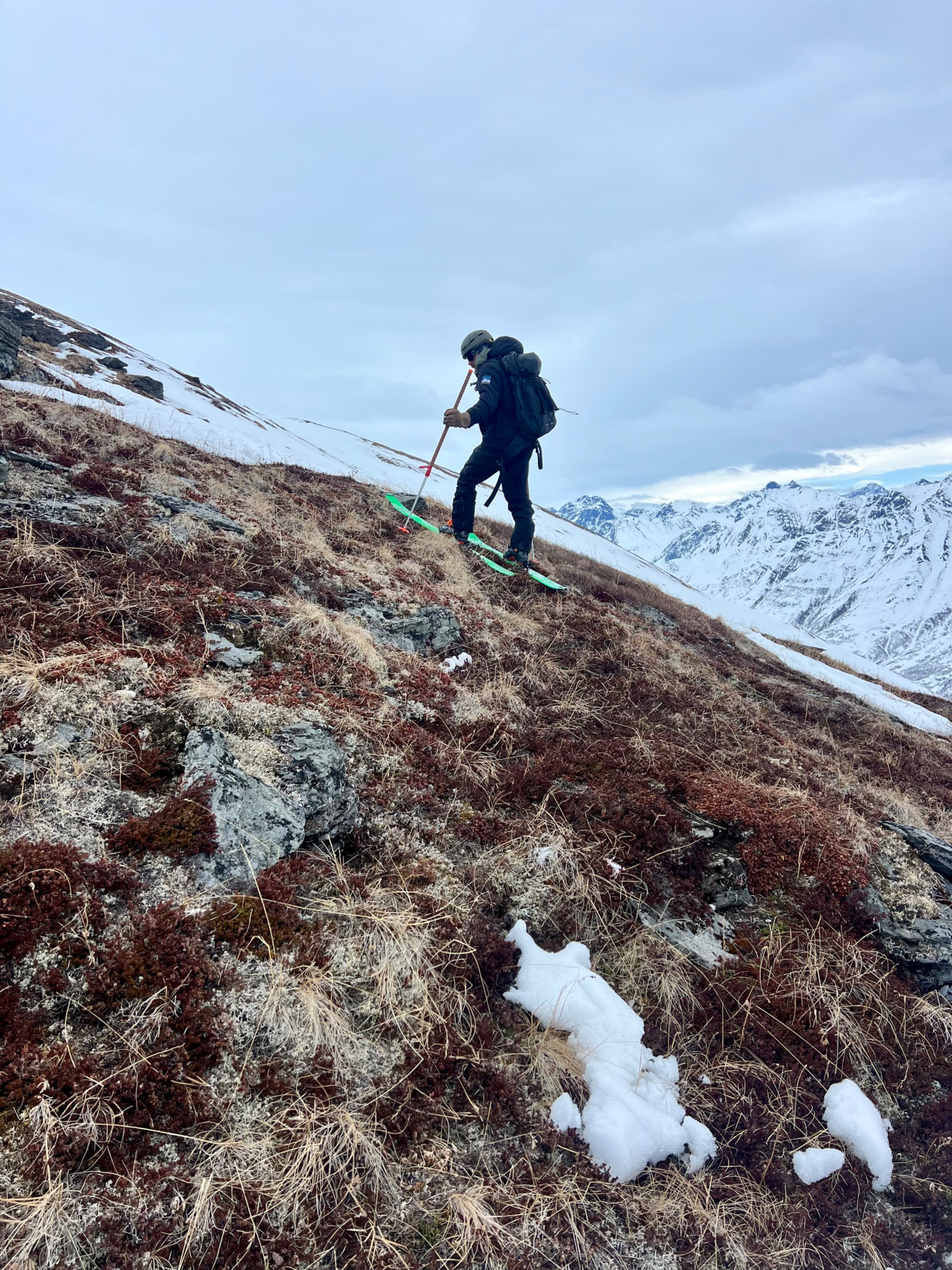
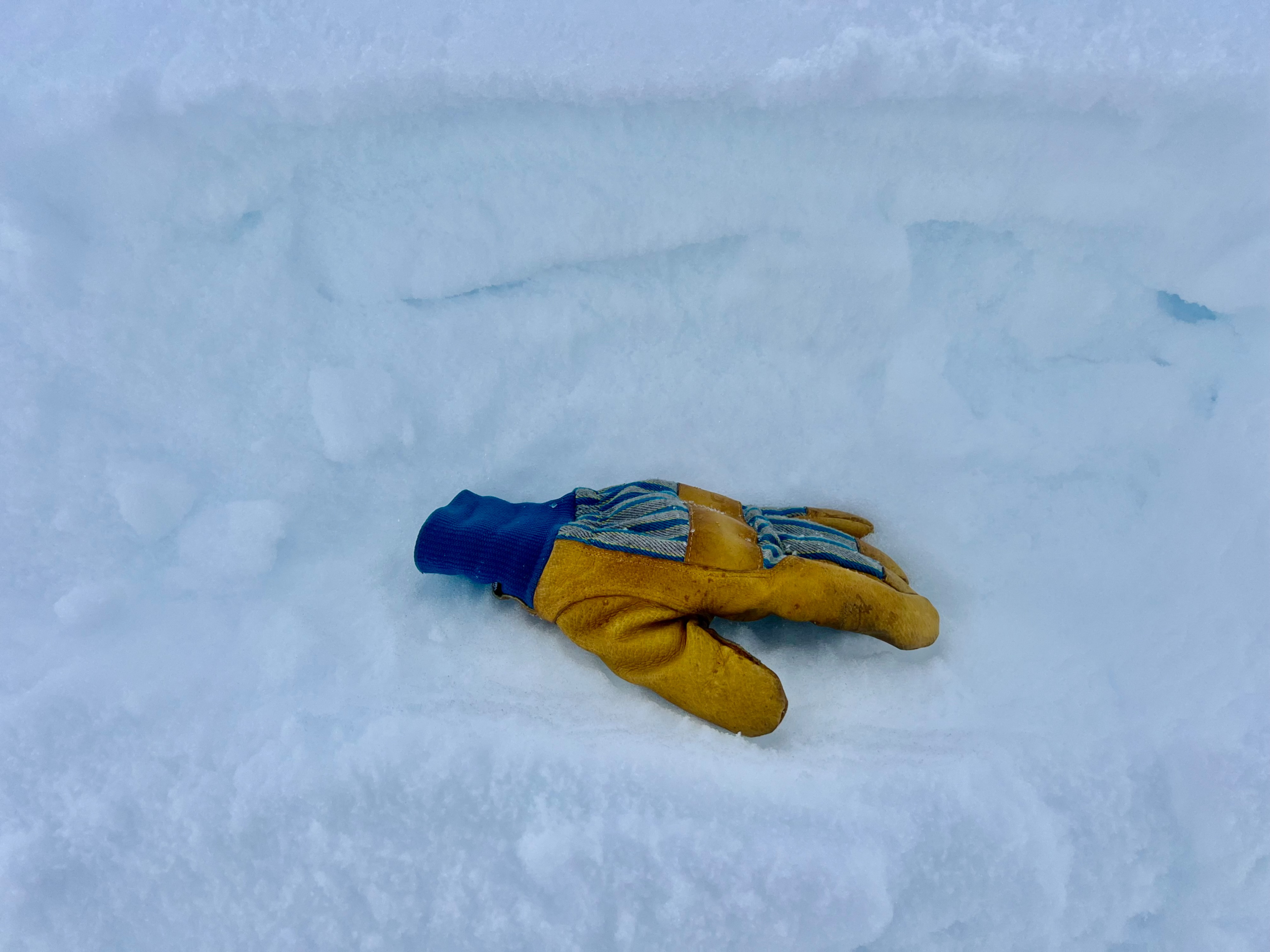
We set out from the Fishhook Lot with the goal of assessing how northerly slopes are holding up with warming and checking on southerly stability. We were hoping for some warming to make a soft exit. Mid-level clouds and light to moderate southeast winds were instead conspiring to keep all aspects cool and crispy. We encountered crusts of variable thickness and supportability on all aspects, ranging from a stiff 3+'' on southerly slopes to 1-3'' and breakable on northerly aspects. Despite the direction, these crusts were insulating moist, rounding facets wherever we looked, indicating the potential for warming and solar activity to quickly reactivate our wet loose, persistent slab, and burgeoning wet slab problems. Today that was not the case however, and although the sun was making an attempt to poke through the clouds during our exit, warming was minimal and snow surfaces remained locked up. With more unsettled weather, clouds, and wind on tap tomorrow it seems likely the hazard will remain low, but with the overall warm ambient temperatures, weak refreeze, and strong spring sun, it won't take much solar activity to loosen surfaces and bring a return to moderate hazard.
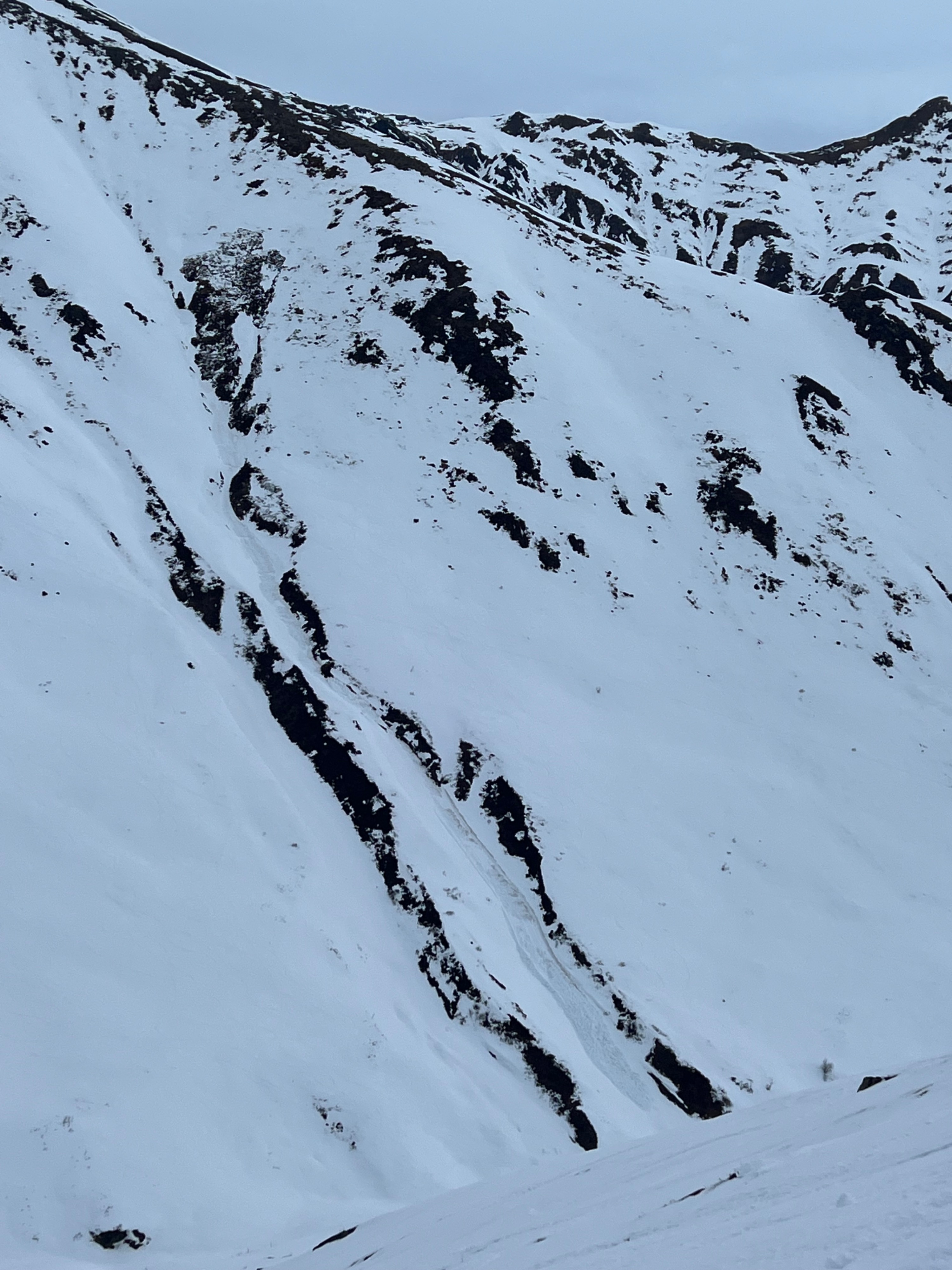
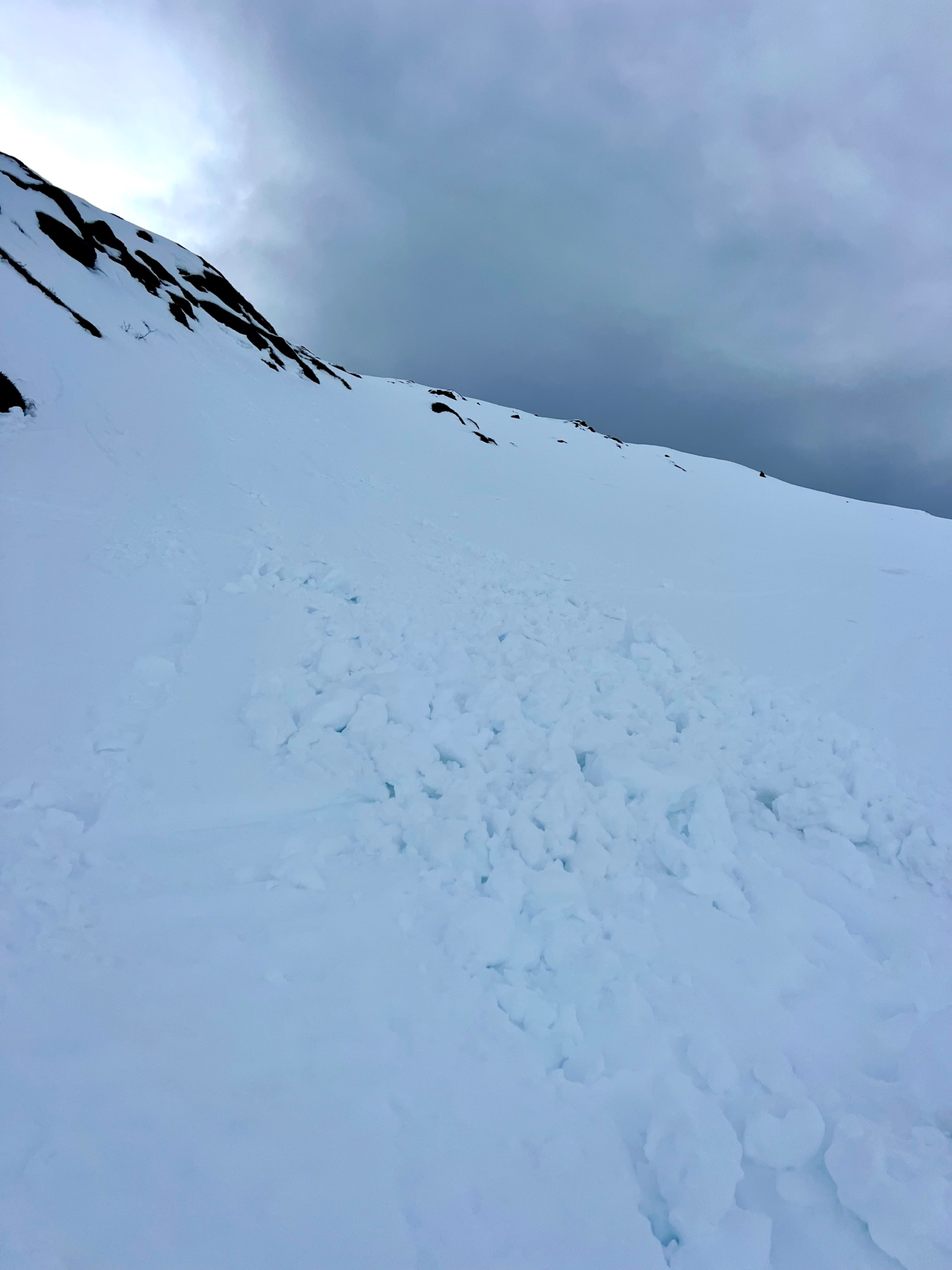
Observed some recent natural wet loose activity on solar aspects of Skyscraper and above Archangel Trail. We were also able to get eyes on yesterday's skier-triggered avalanche on Marmot that appeared to be D1.Weather
- Air Temp
- 28-30
- Cloud Cover
- overcast
- Wind Loading
- none
- Snow Avail For Transport
- none
Overcast skies and light-gusting moderate SE winds kept temperatures and snow surfaces cool throughout our stay. Out of the wind and at mid to low elevations ambient temps felt much warmer than at ridgeline.
Snowpack
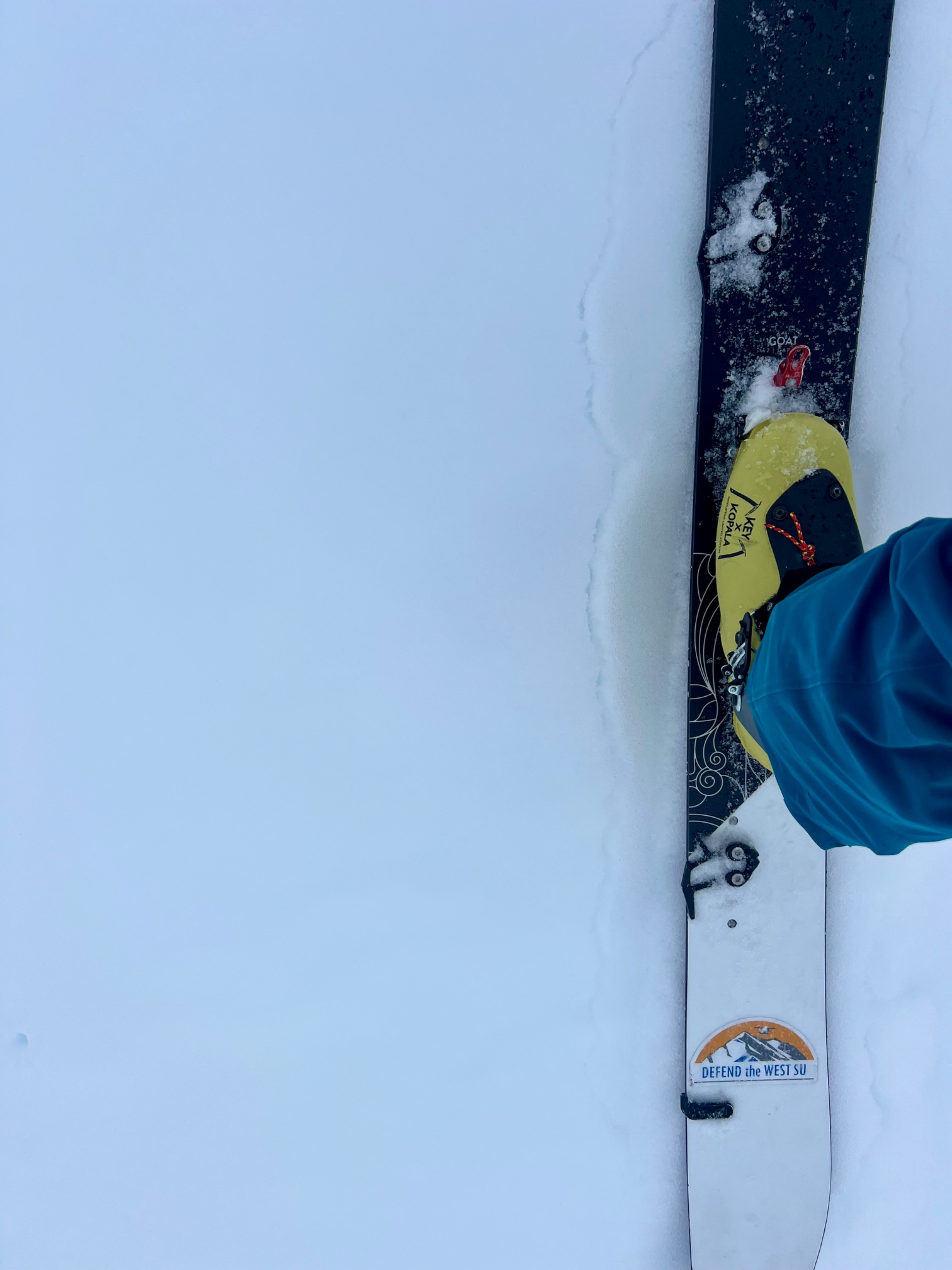
Mid-level clouds and light to moderate winds at ridgelines kept snow surfaces cool and crusts in place on all aspects. We observed no wet snow on our tour but crusts on both solar and polar aspects were insulating some moist snow. For the most part, these crusts were supportable to skis but on northerly aspects they were thin and breakable enough to produce a pleasant travel experience. Once out of the wind and at the lower end of the mid-elevation band, the snow became less supportable and foot penetration was at times up to the waist.