
Quick report
- Cracking
- isolated
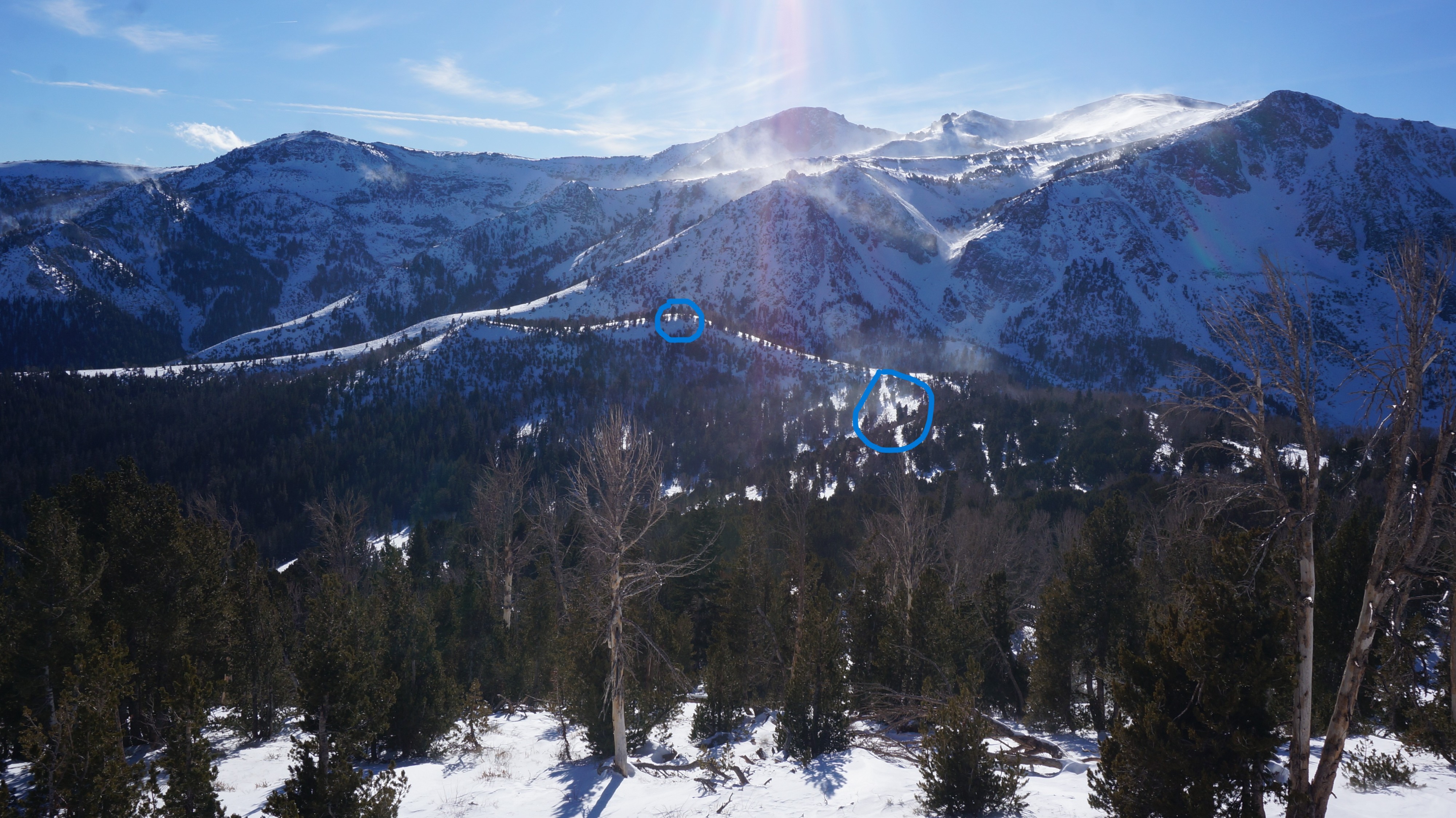
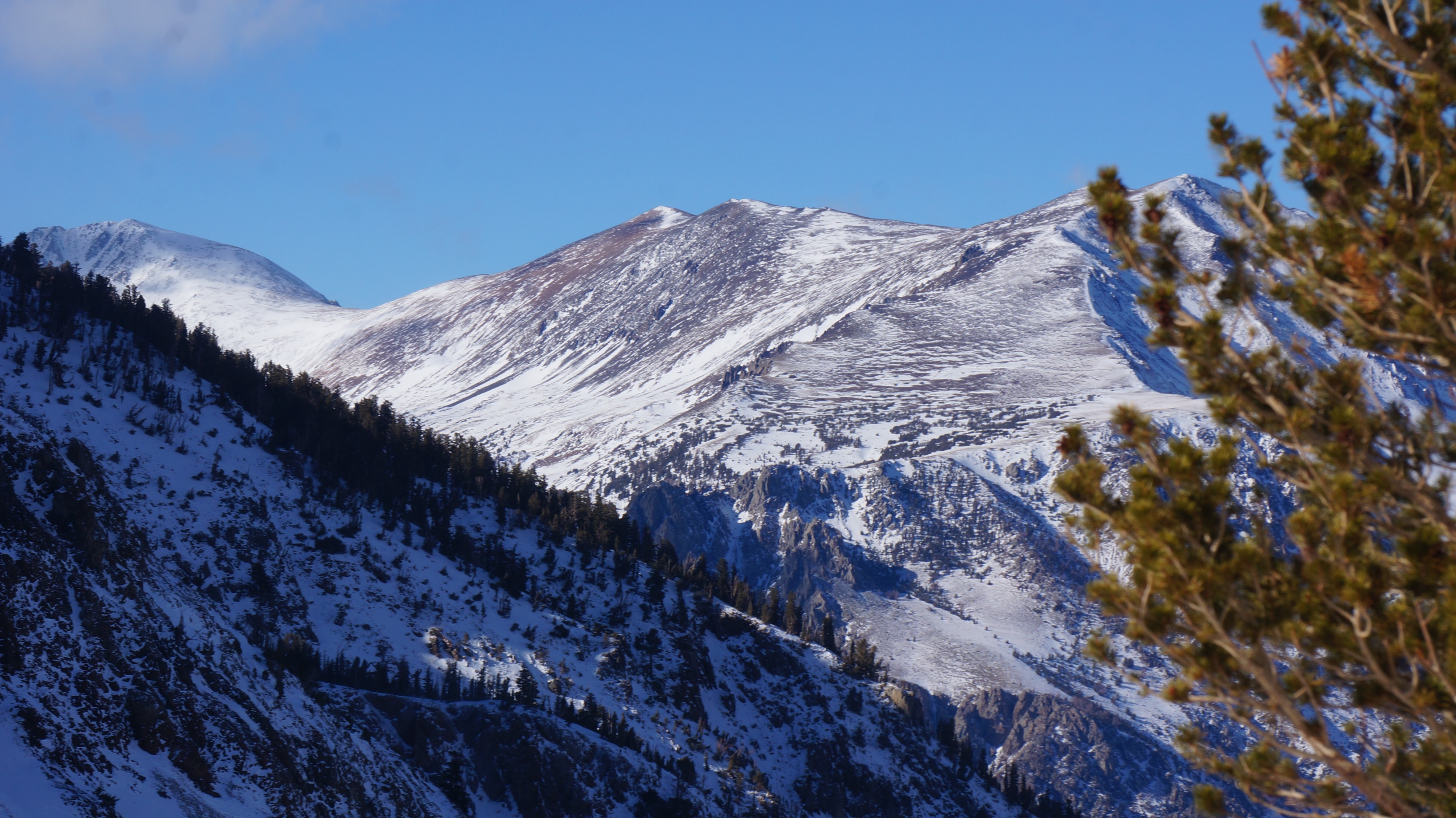
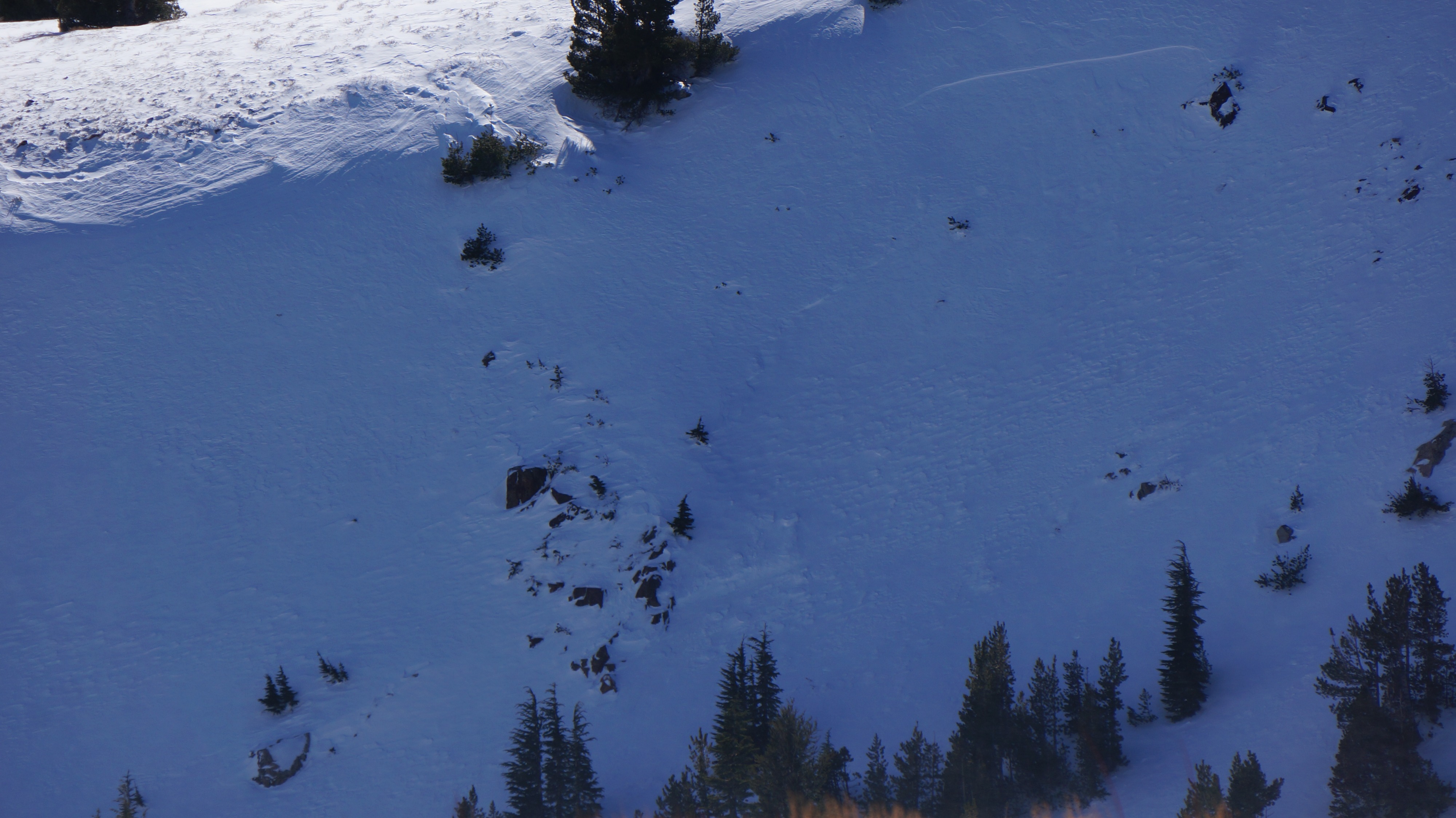
It was windy in the June Mountain backcountry today:
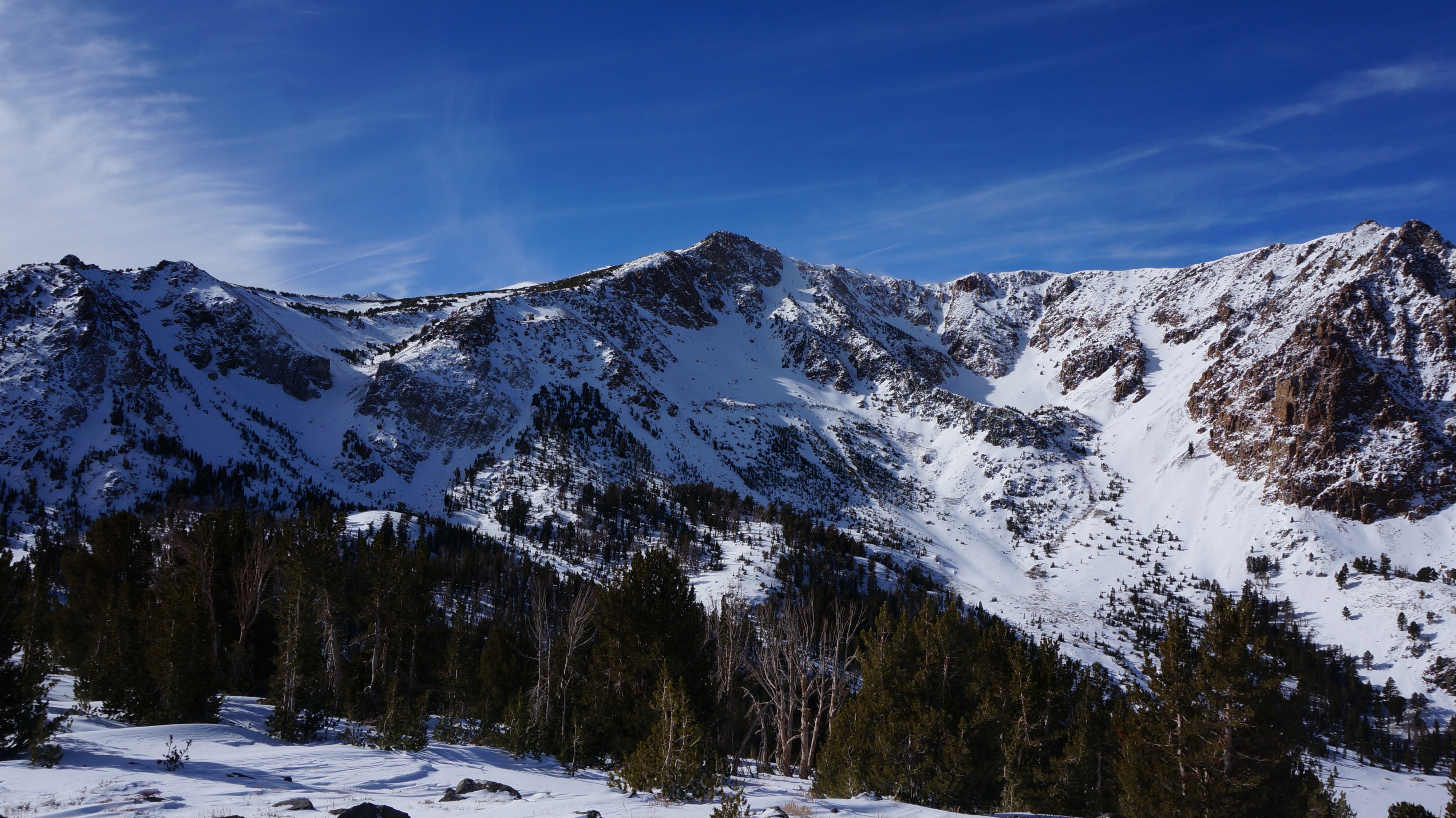
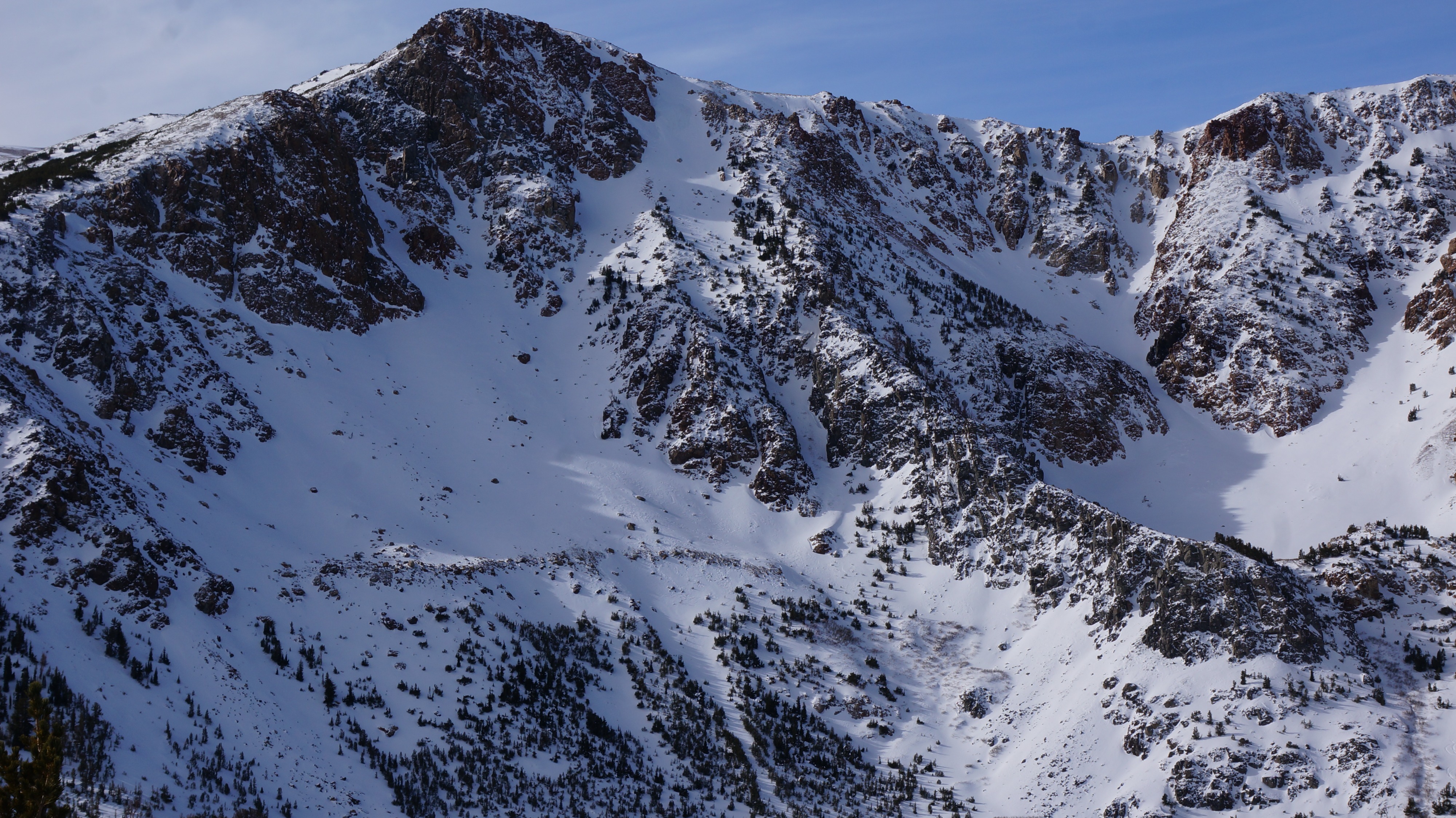
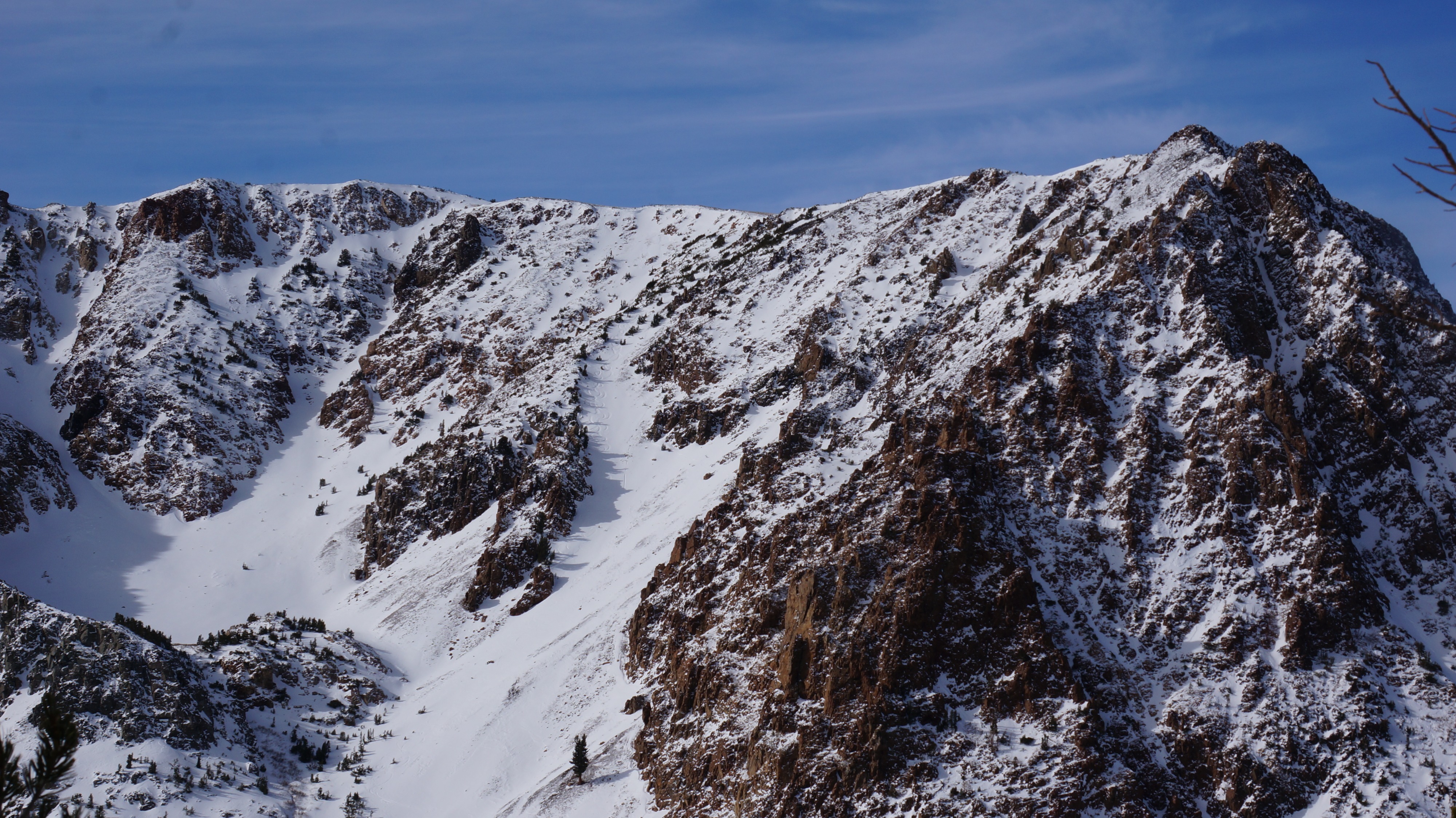
- Consistent ridable snow cover exists above 9500'. Below that elevation and on S, SW and W aspects coverage is less consistent.
- The snowpack is thin and weak with persistent weak layers in the middle and base of the snowpack. These are most concerning on N, NE and E aspects.
- No evidence of recent large avalanche activity within the old snow was observed.
- There was a noticeable deterioration in surface conditions throughout the day as extreme NW winds removed snow from exposed slopes.
Weather
- Cloud Cover
- few
- Wind Loading
- moderate
- Recent Snowfall
- 0
- Snow Avail For Transport
- moderate amounts
Extreme Northwest winds with moderate blowing snow throughout the day.
Snowpack
I targeted the knoll at the end of June Mountain's forested West ridge to compare the snowpack on different aspects near treeline. The knoll is at 9800'.
On the North and East aspects snow depth was ~ 80cm. On the South and West aspects, it was between 20cm and 50cm.
Ski penetration ranged between 0cm and 25cm depending on wind effect at the snow surface. On windward slopes and other exposed areas supportable wind-board 5-10cm thick and bare ground were the dominant surface conditions. In sheltered areas soft snow provided comfortable travel on skins and while riding downhill.
Three layers of note exist on N, E and W aspects: (1) interfaces within recent wind-deposited snow; (2) a mid-snowpack layer of facets buried in late December; and (3) advanced facets and depth hoar buried near the ground.
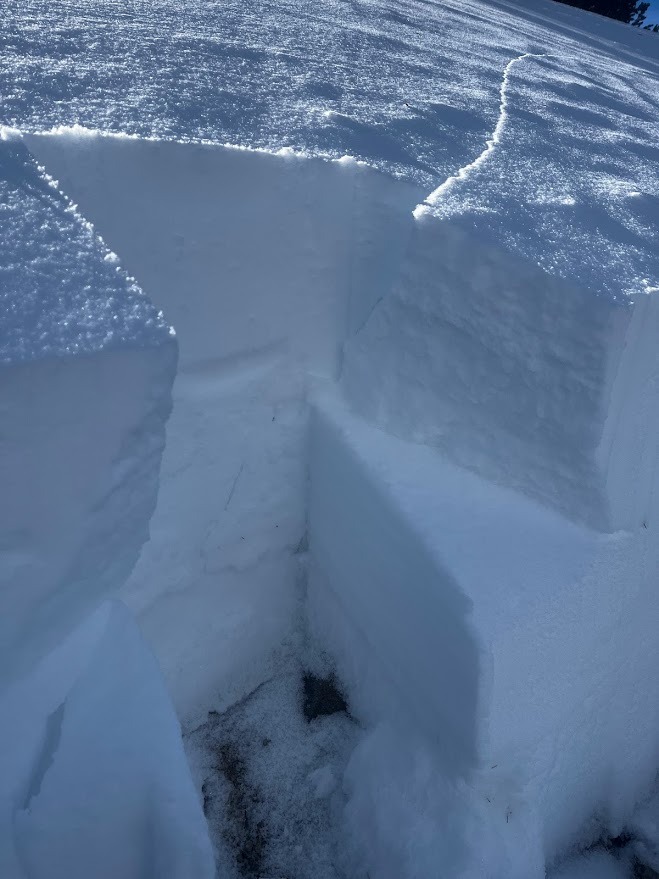
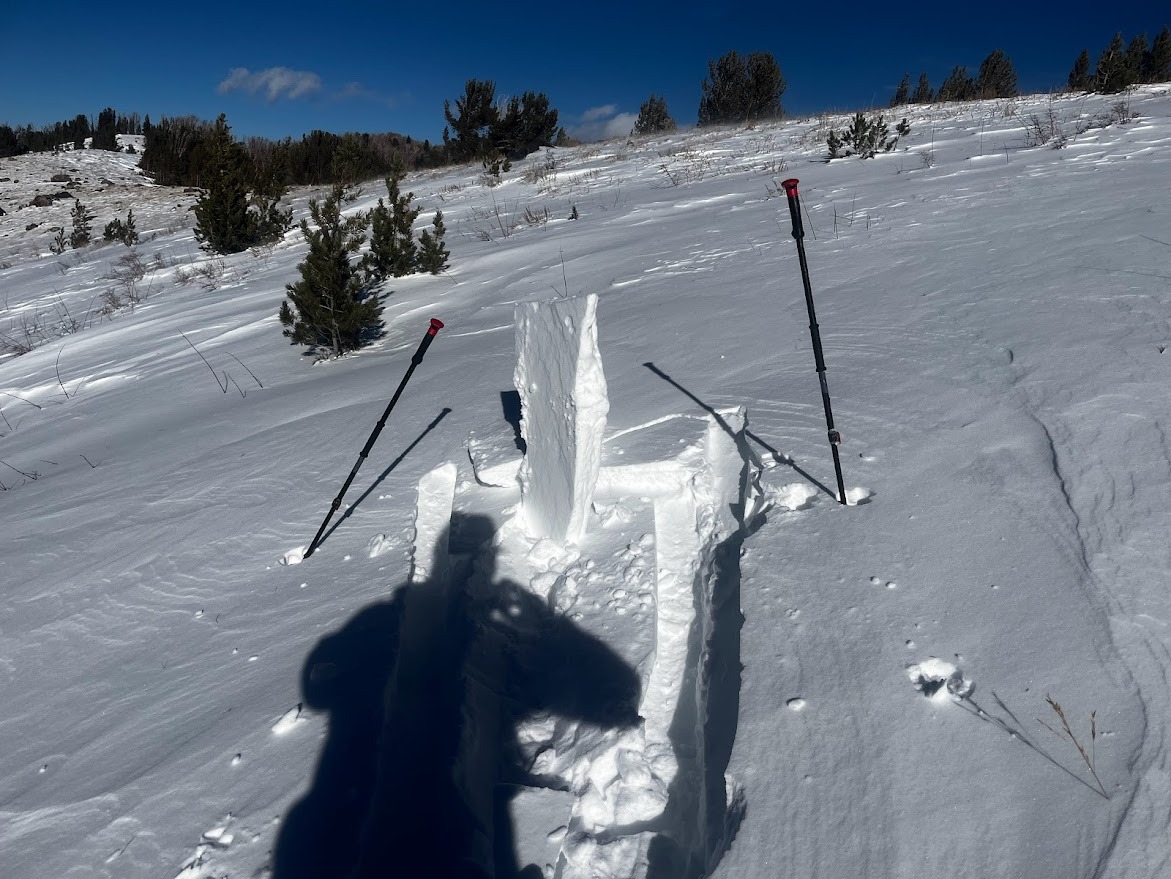
North: the primary layer of concern was the depth hoar buried 55cm below the surface. Multiple 5m shooting cracks appeared around me as I was preparing a test wall with the fracture reaching into the depth hoar layer. The layer failed and propagated in the extended column test (ECTP19 down 55cm).
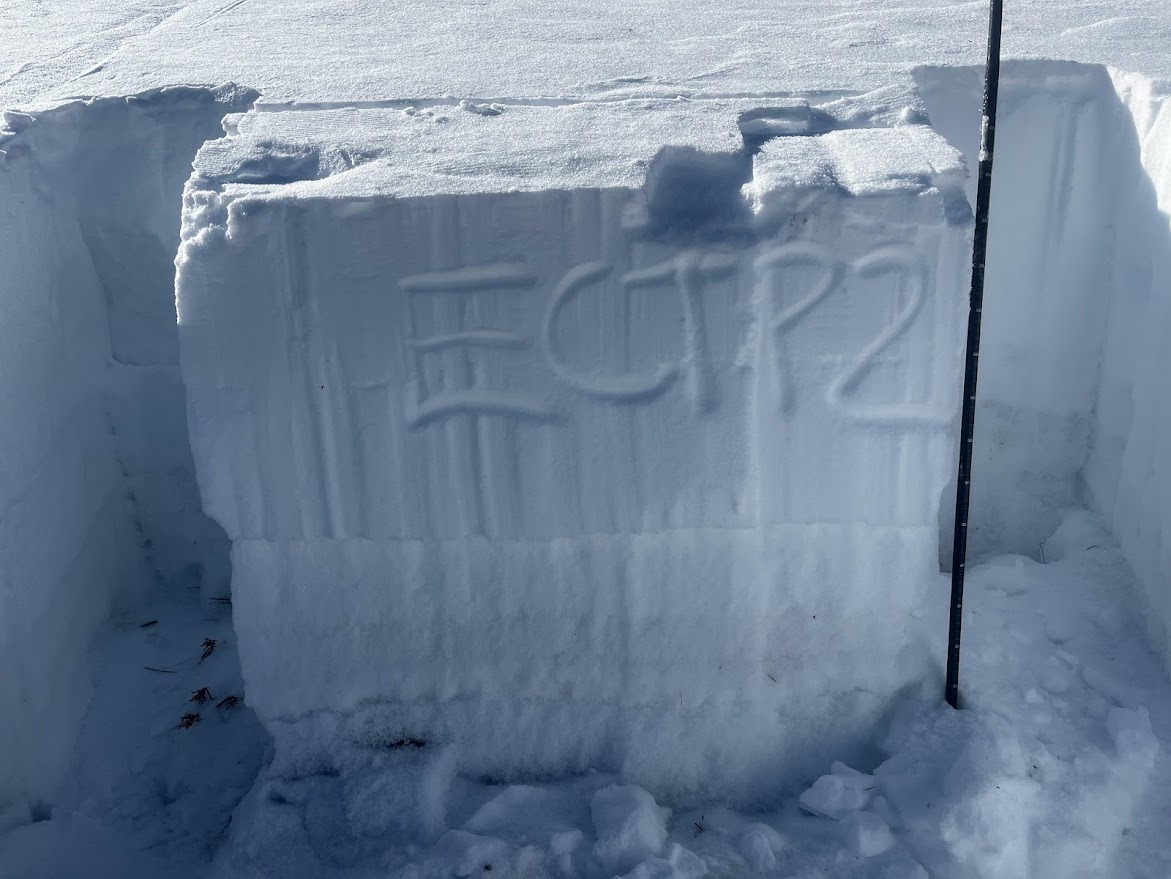
East: the primary layer of concern was the mid-pack facets under a thin faceted wind crust 40cm below the surface. The layer failed and propagated in the extended column test (ECTP2 and ECTPV down 42cm).
West: All three layers were present in between layers of faceting wind crusts. None of the layers identified themselves as primary layers of concern. The surface wind slab was harder and thicker in open areas on west aspects.
South: Thin snowpack (20cm) with some recent snow over a faceted melt-freeze crust. Solar warming at the surface was noted in a slight tendency for the snow to stick to skins.
Avalanche
- Size
- D1 R1
- Type
- SS
- Aspect
- N
- Elevation
- 9500 ft