
Quick report
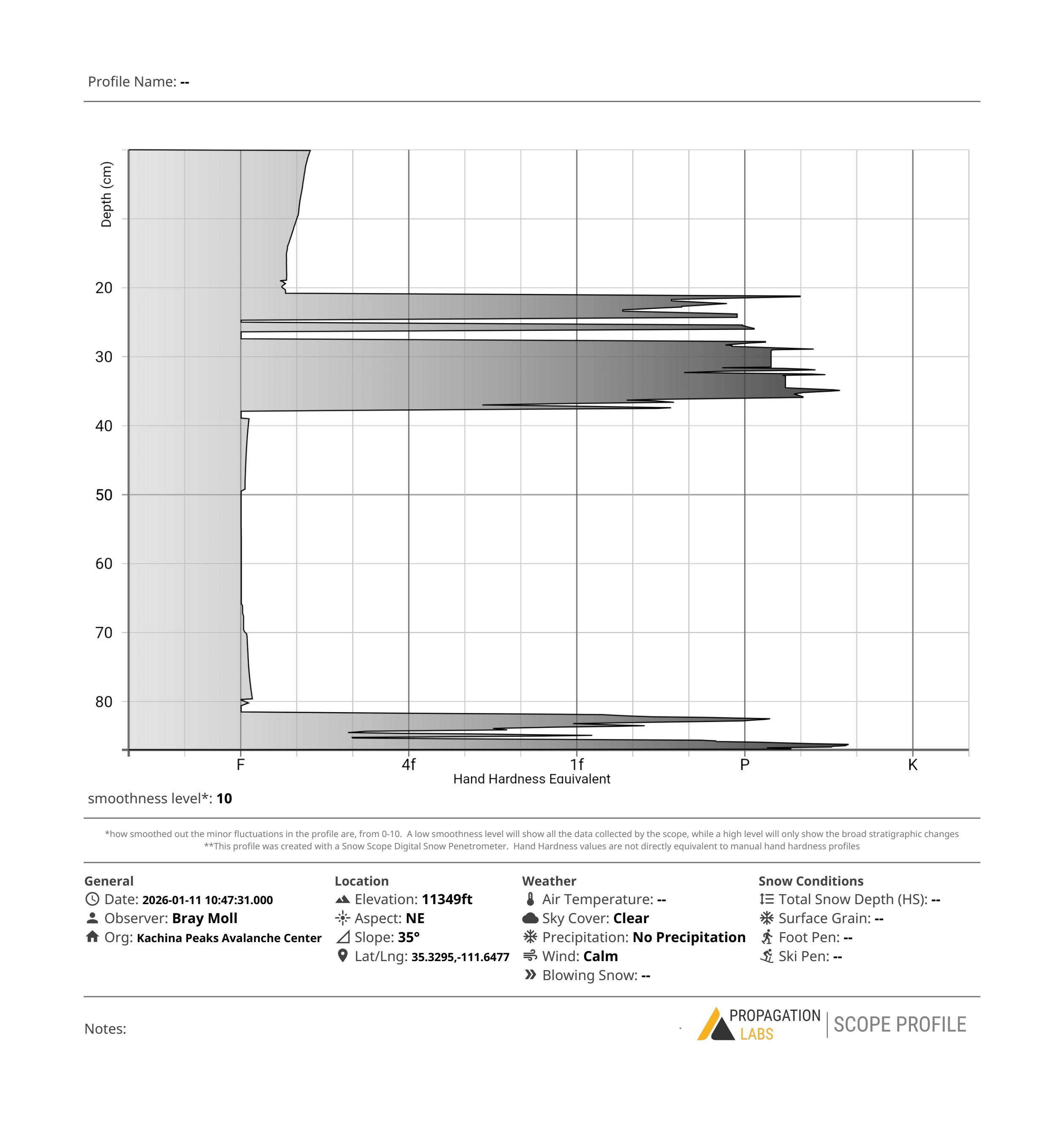
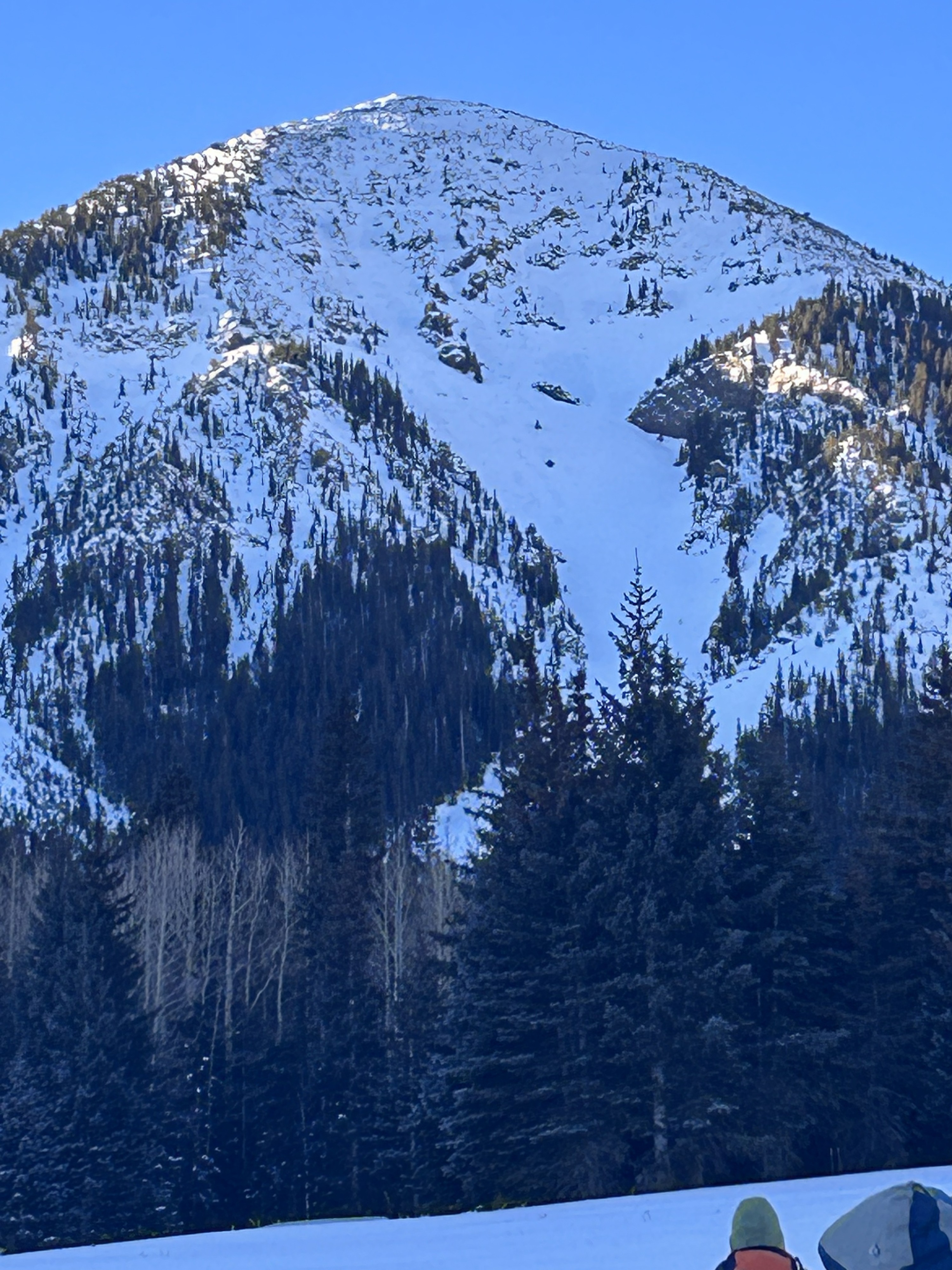
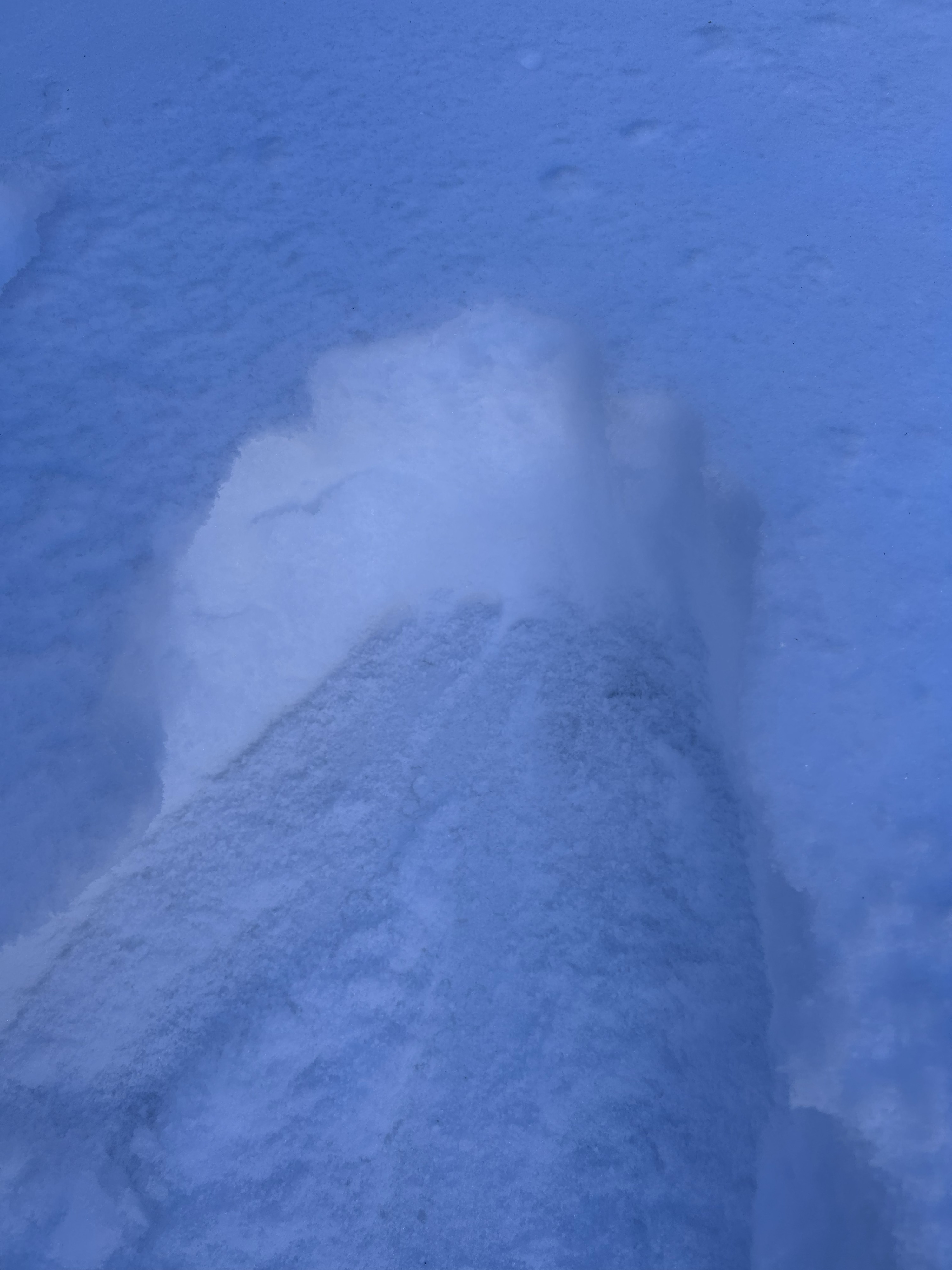
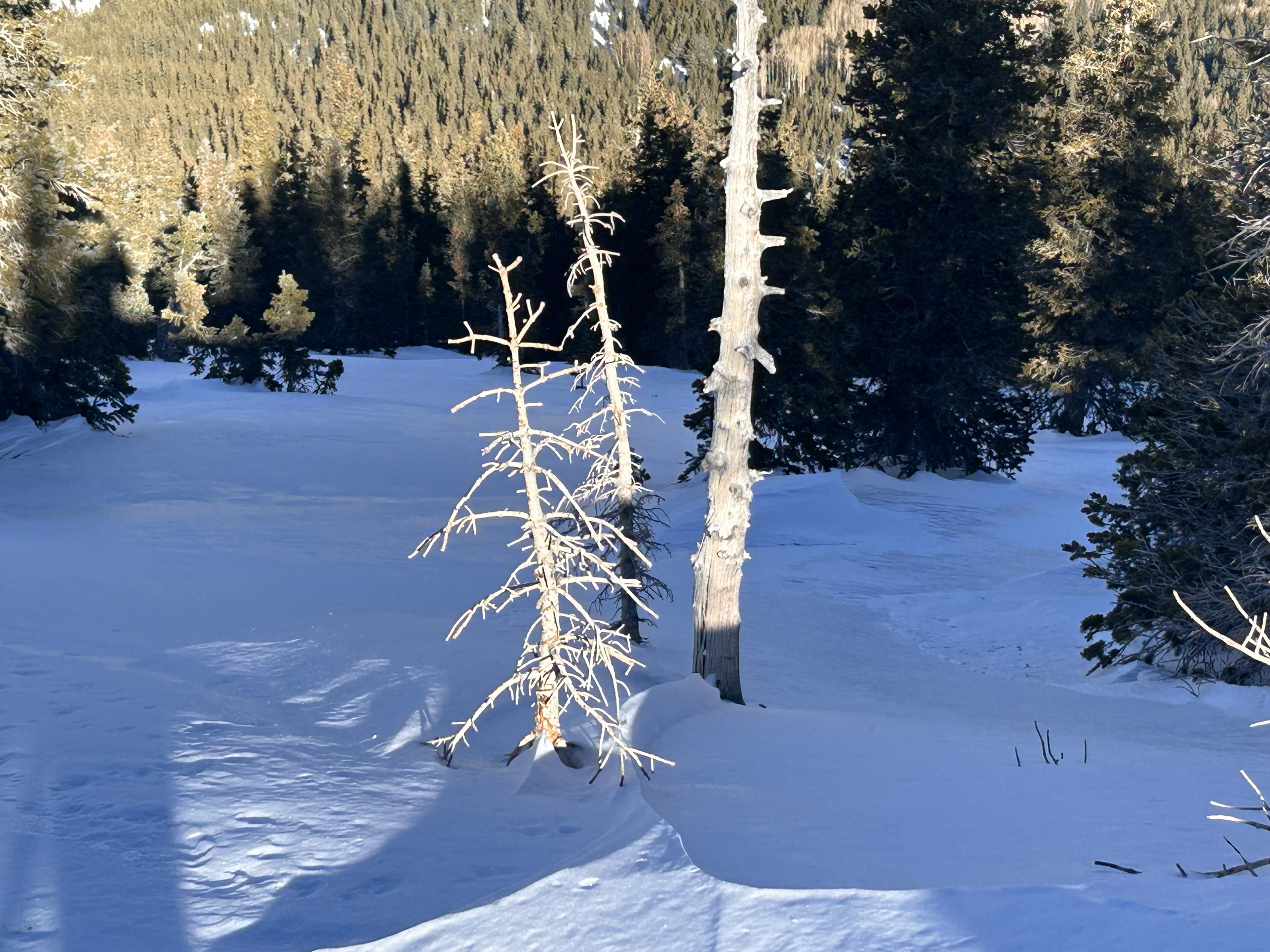
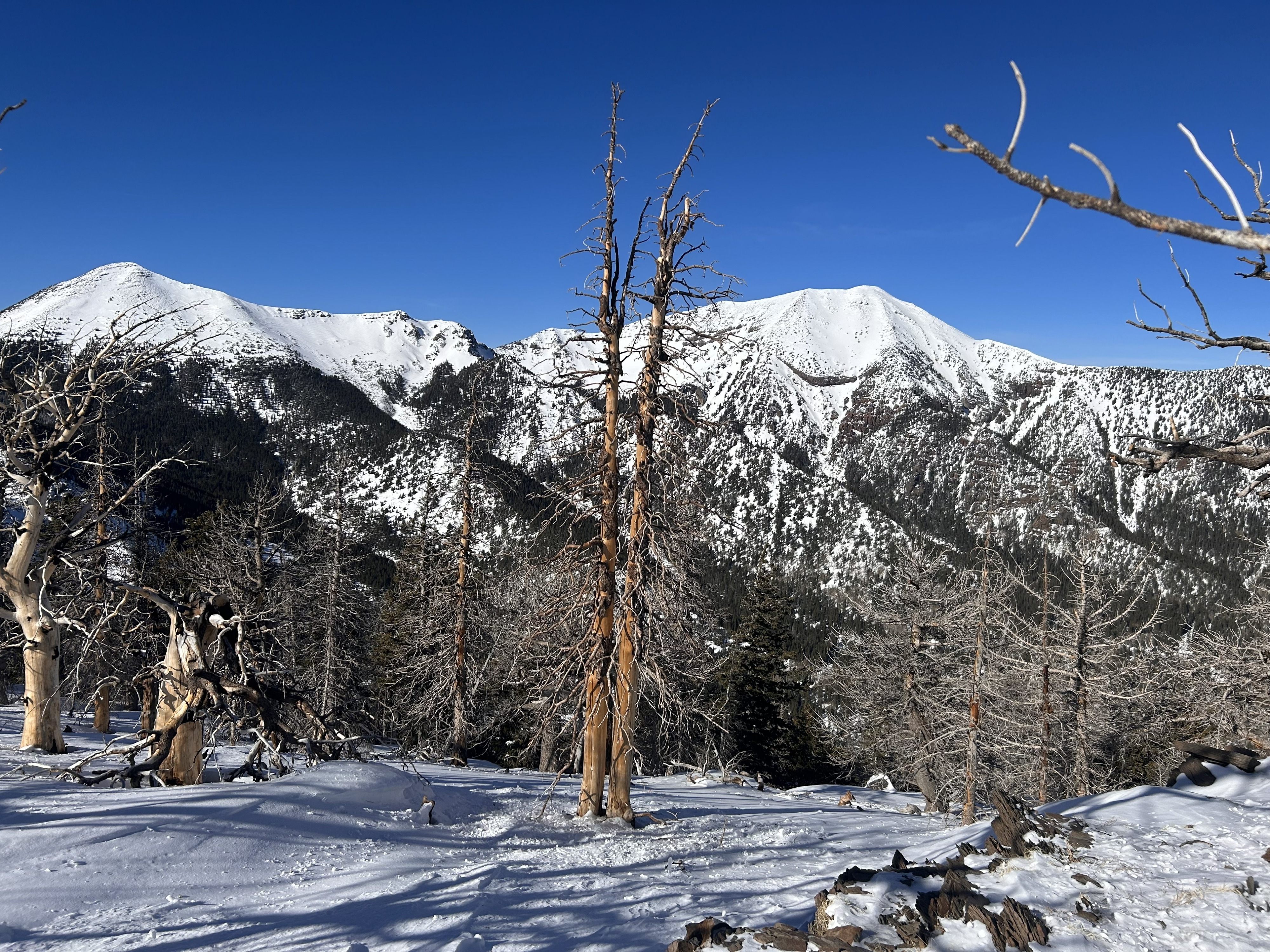
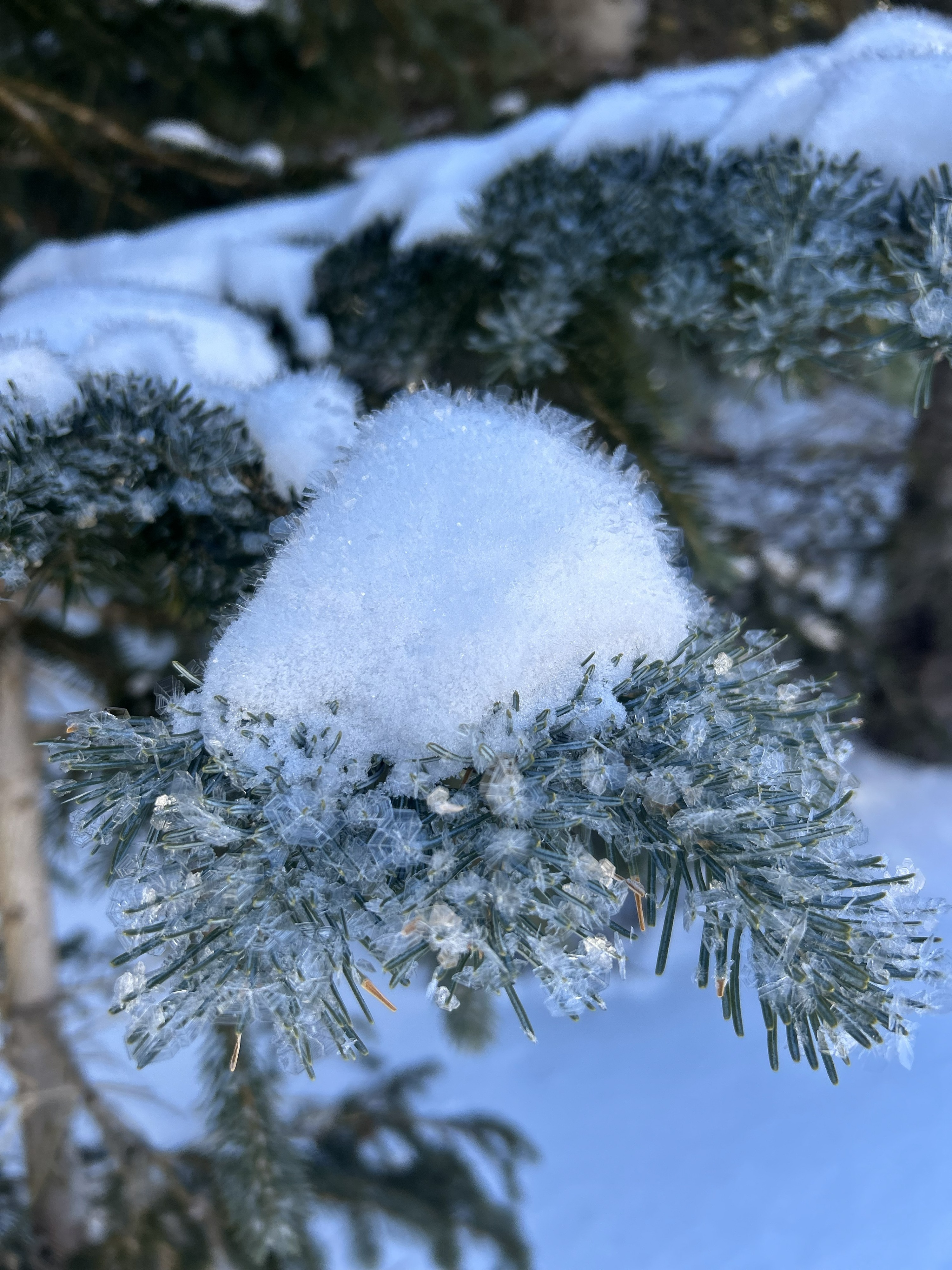
The objective of today’s tour was to assess snow distribution following recent wind events, with a focus on evaluating remaining wind effects, snowpack continuity, and surface conditions across Inner Basin. We approached from Lockett Meadow and toured into the Inner Basin, traveling primarily below and near treeline before ascending the East Face of Doyle Peak. The approach from Lockett Meadow was thin and not conducive to skiing for much of the ascent. Patchy snow cover, exposed ground, and shallow coverage limited efficient travel until approximately 9,000 feet, above which the trail became sufficiently continuous to allow for ski travel on the return. Below this elevation, egress would be difficult and potentially hazardous, particularly with further melt or traffic. In wind-protected terrain, snow coverage remains variable but locally favorable. Approximately 15–20 cm (6–8 inches) of low-density powder persists on top of the New Year’s ice layer in sheltered areas. This snow remains unconsolidated and provided soft, predictable skiing where it was preserved. No cracking, collapsing, or slab character was observed in these protected zones, and the snowpack here appears stable and well bonded to the underlying ice crust. Wind-exposed terrain tells a markedly different story. Open slide paths and ridgelines have been aggressively scoured, with nearly all recent snowfall removed. On the East Face of Doyle, the upper approximately 100 feet near the summit was entirely stripped of new snow, exposing the hard, smooth ice layer from the New Year’s rain event. This surface was firm, slick, and offered minimal edge purchase, making travel in these areas potentially hazardous. Wind effects remain the dominant driver of snow distribution. No reactive wind slabs were observed during the tour, and no cracking, shearing, or fracture propagation was produced on test features. While the presence of the underlying ice layer remains a notable bed surface, the lack of slab formation above it in most locations suggests that wind transport has largely removed the available snow rather than built cohesive slabs. Overall, snowpack stability appears good in both wind-protected and wind-affected areas, though surface conditions vary dramatically over short distances. Avalanche hazard remains low in the terrain traveled today, with primary concerns being travel hazards associated with exposed ice, thin coverage, and difficult egress, particularly below 9,000 feet and in wind-scoured alpine terrain.
Weather
- Cloud Cover
- clear
- Recent Snowfall
- 20
Clear and Calm
Snowpack
The snowpack is dominated by a hard ice crust from the New Year’s rain event, which is widespread across the terrain. In wind-protected areas, 15–20 cm (6–8 inches) of low-density snow rests on this crust and appears well bonded, with no slab character or signs of instability observed. Wind-exposed slopes have been heavily scoured, leaving the ice layer exposed at the surface. No reactive wind slabs were found during the tour. Overall snowpack stability is good, with low avalanche hazard; however, the ice crust remains a significant travel concern in exposed terrain.