
Quick report
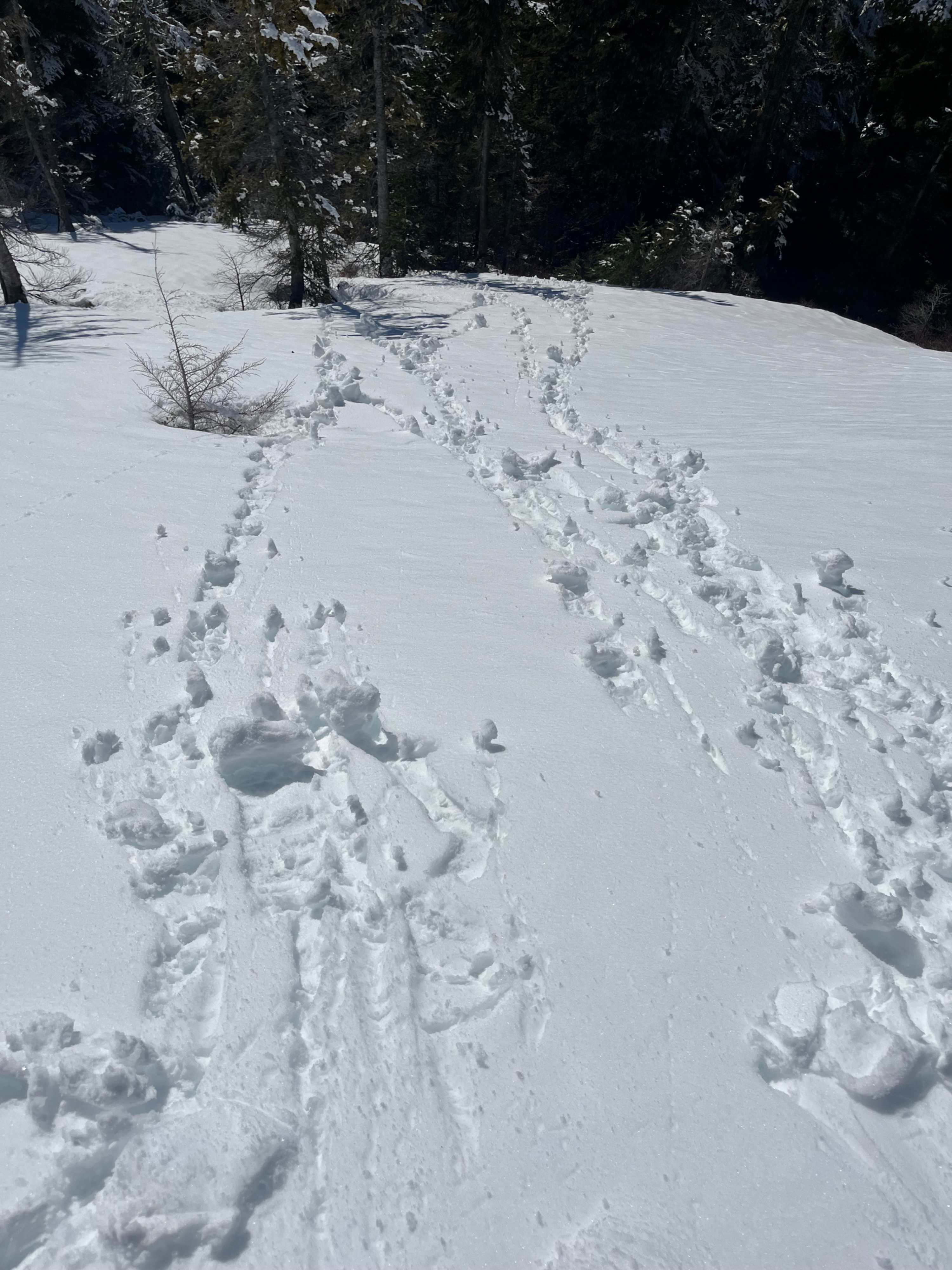
Snowlines are very high for early February and skis were not the right choice for the day. I walked almost 4000ft of vert, and skied about 500. Spending this day on foot would have been preferred.
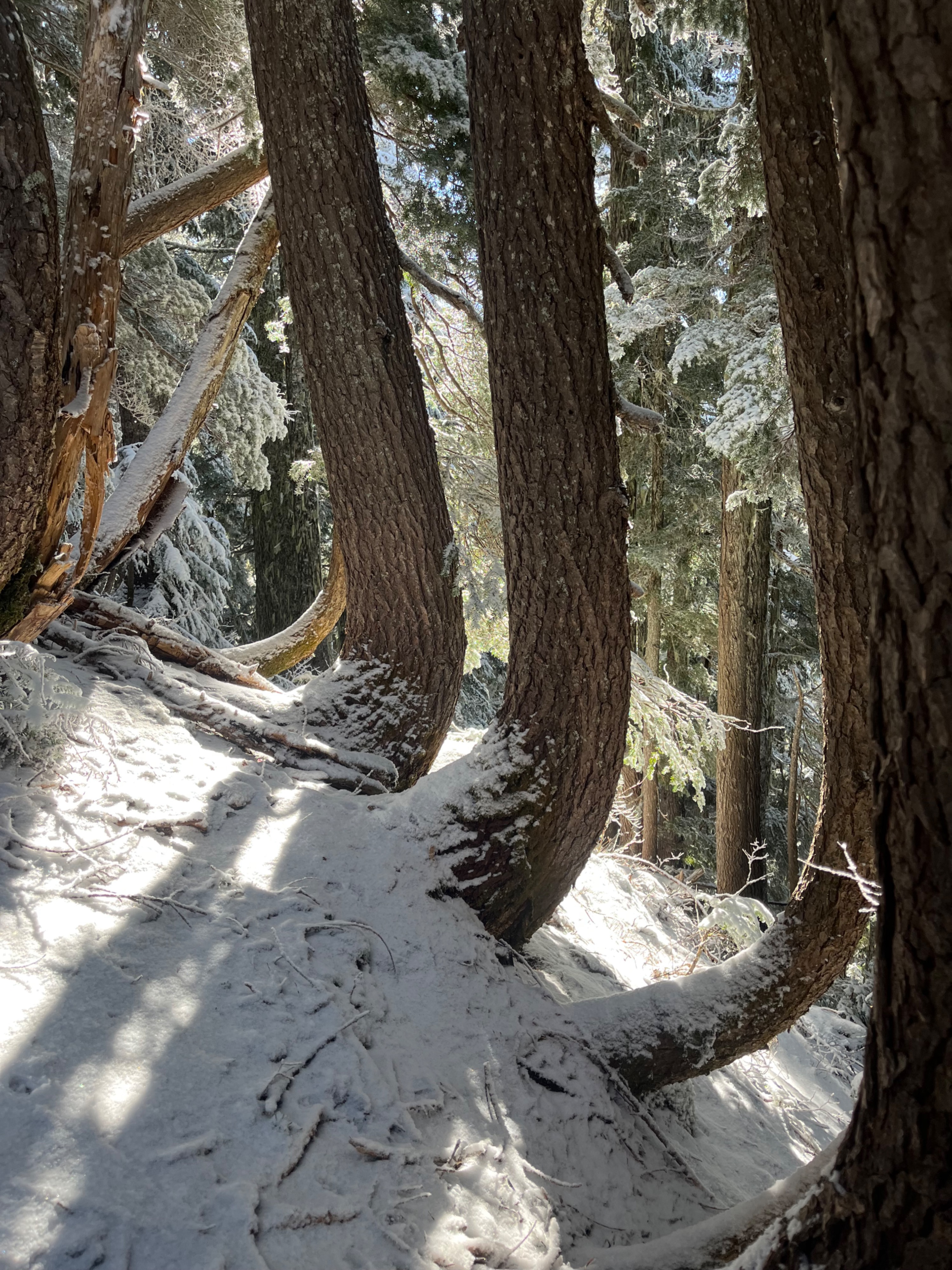
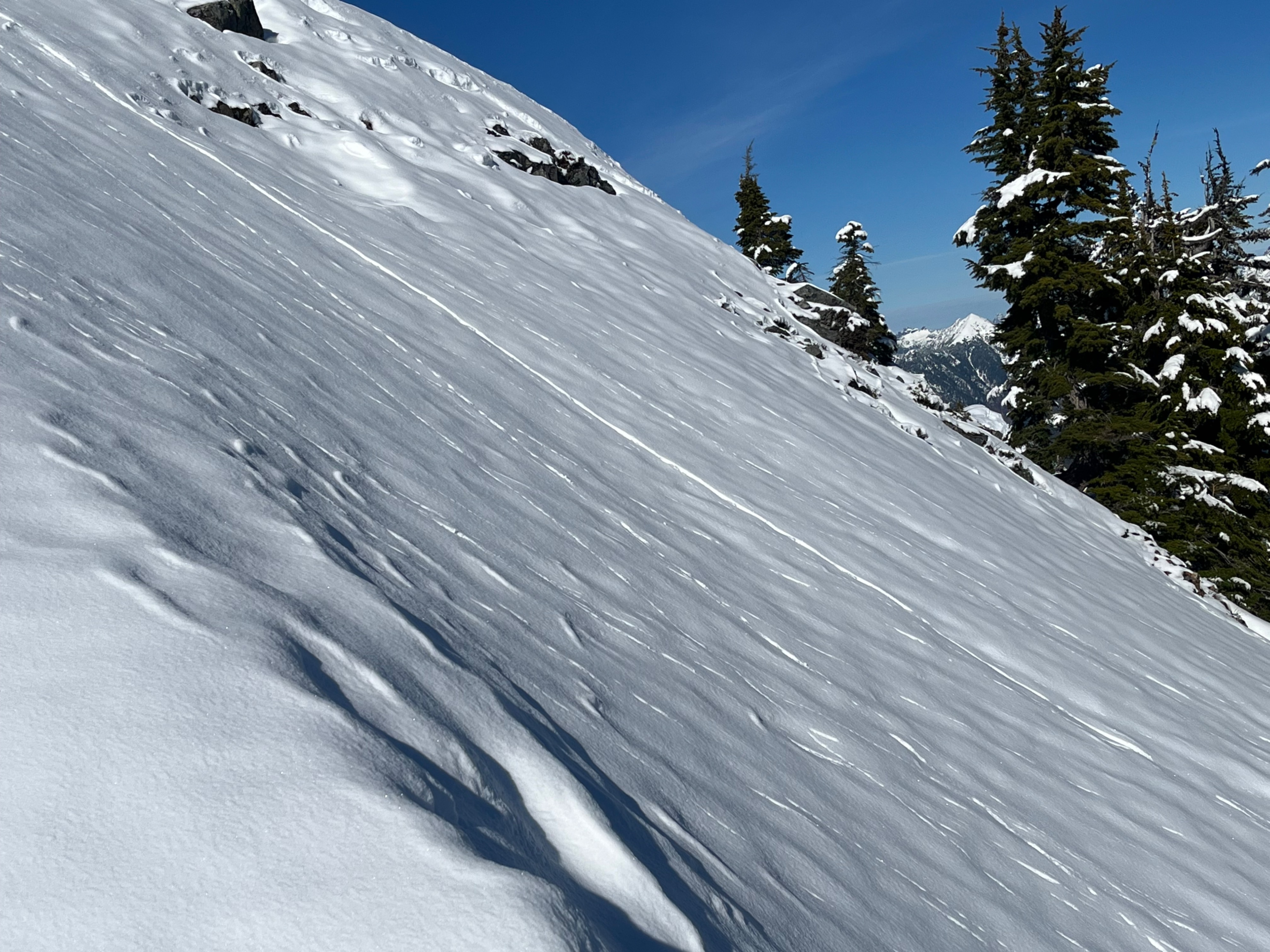
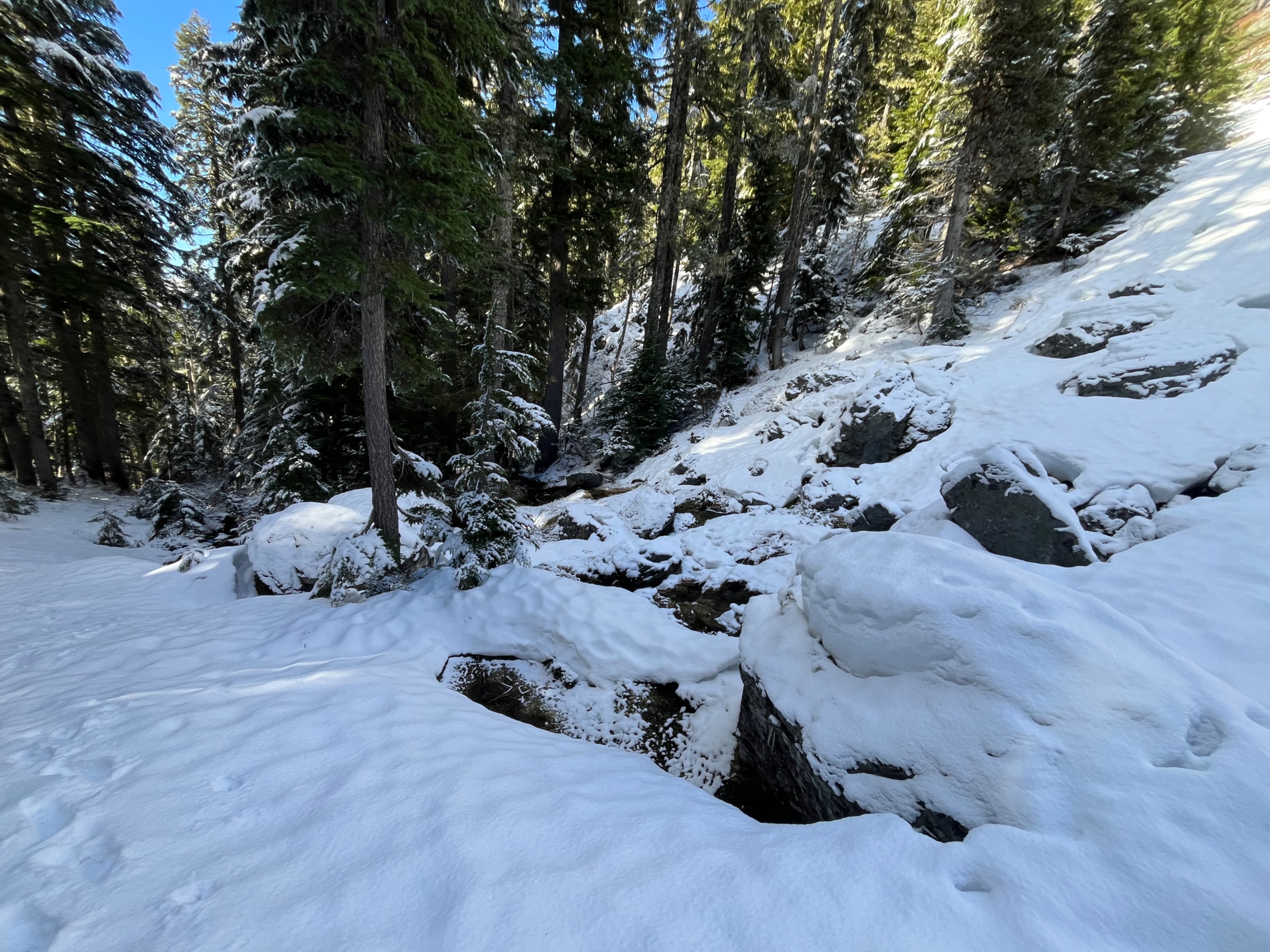
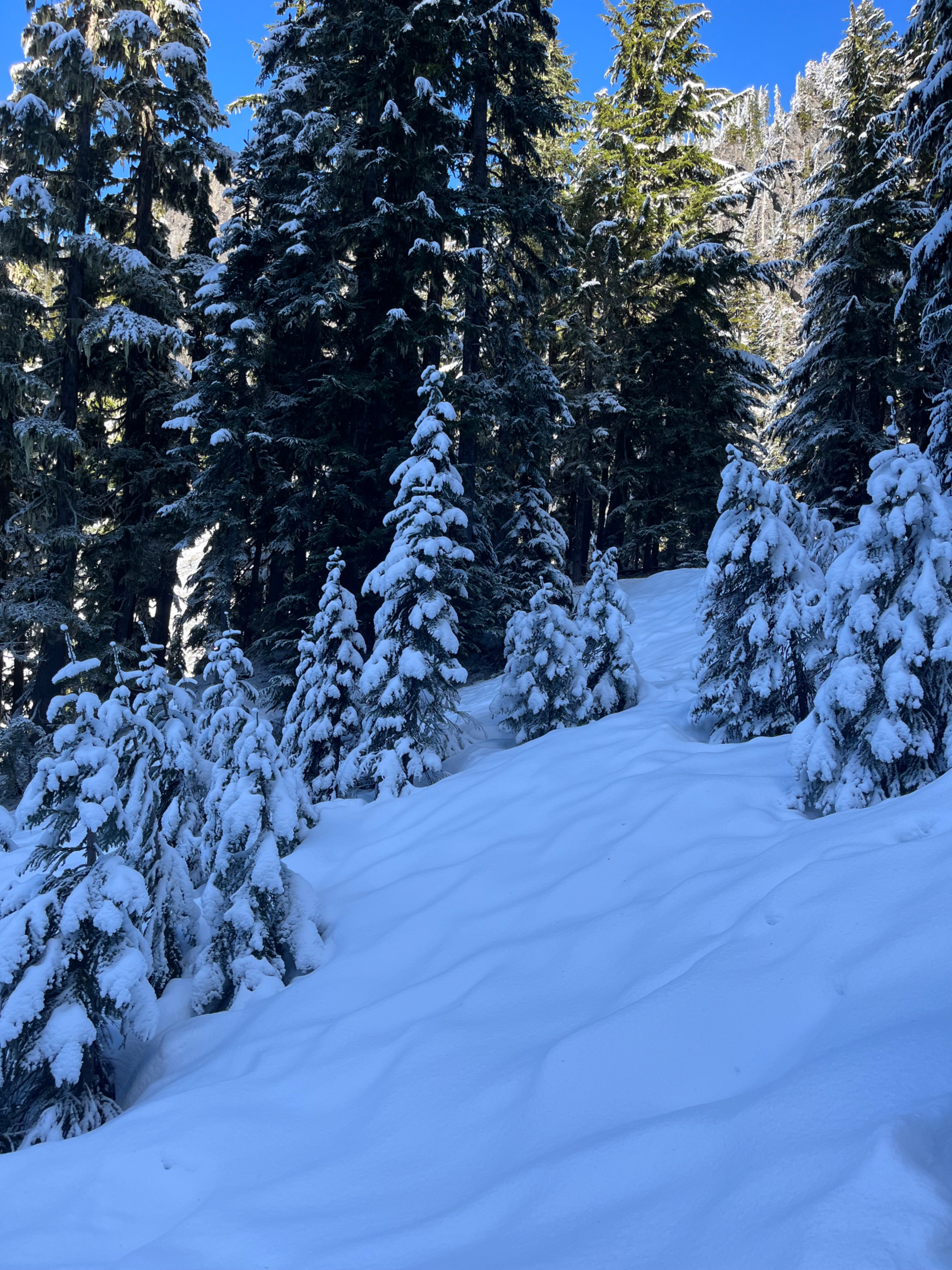
The 3" of new snow from the previous day was a welcome addition of dust on crust- better than just a crust. There was plenty of new snow coating trees, and a lot of dripping resulted as the sunlight hit them. The new snow stayed cold and dry on south-facing slopes, and quickly got wet and melted on southerly terrain.
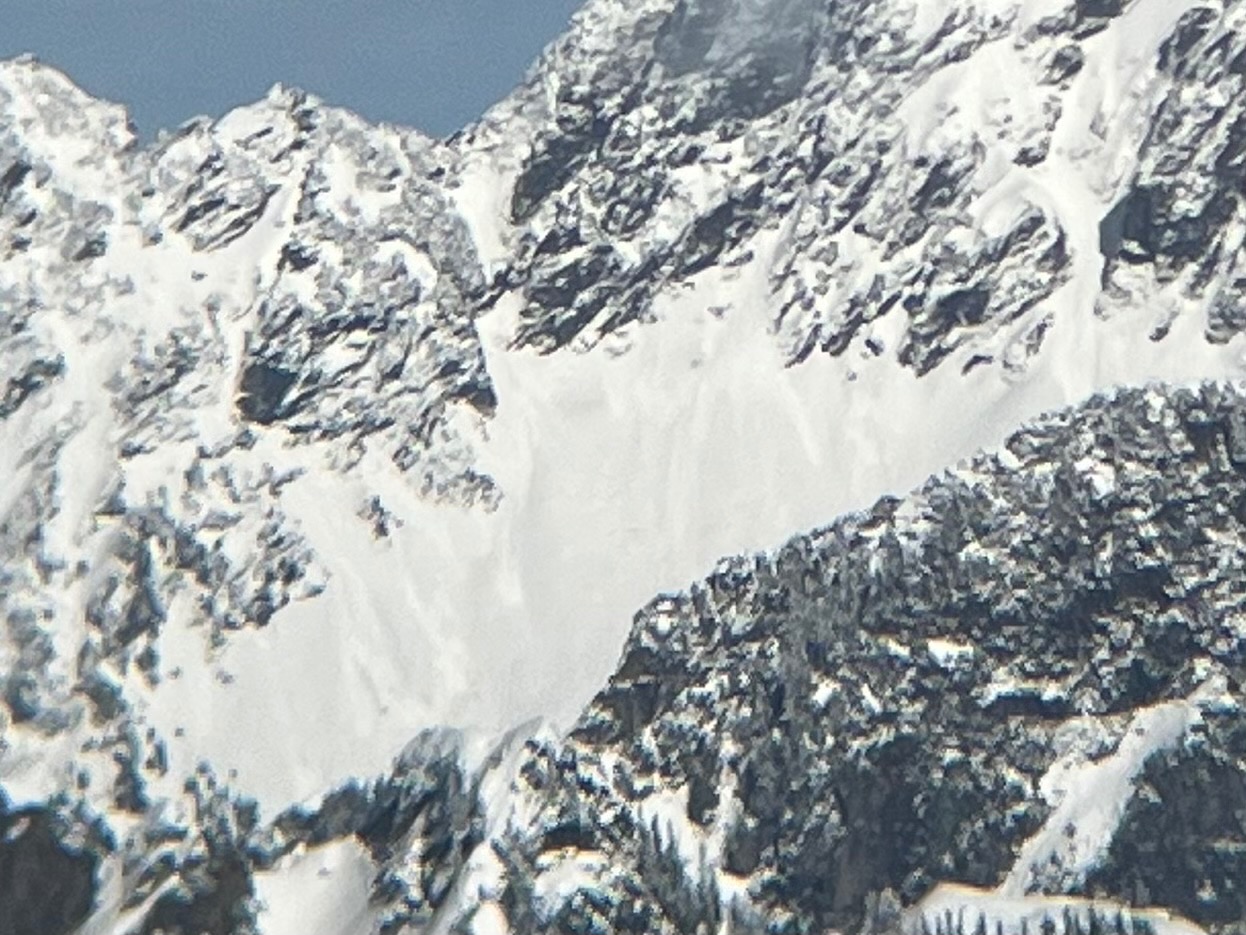
There was no drifting in the new snow anywhere I traveled, and aside from small rollerballs on steep, south facing slopes, there wasn't any avalanche activity. I wasn't concerned about avalanches anywhere I traveled- moreso losing an edge or footing in steep terrain, whether on firm snow or bare ground covered by a couple inches of fluff.
Weather
- Cloud Cover
- clear
- Wind Loading
- none
- Rain Elevation
- 3600
- Recent Snowfall
- 8
- Snow Avail For Transport
- small smounts
Clear, intense sun, and a light breeze. 8cm of consistently coated new light, dry snow from 2/9, although it melted out on south-facing aspects during my outing.
Snowpack
I saw my first patch of snow at 3500ft. By 4000ft, snow cover in open areas was sufficient- although there were bare patches. Even at 5000ft, the ground was bare beneath tree canopies on all aspects. Many south-facing expanses in the open were bare around 5000ft as well.
The thin layer of new snow, 8cm or 3", started abruptly at a little over 3500ft. This new snow cover depth was consistent to well over 5000ft. Beneath the new layer, the old snow was a stout, bumpy melt-freeze crust. On sunny slopes the old layer wasn't as hard as the day warmed. In shallow patches, it was even a little slushy.
By early afternoon, the new snow had gotten moist and consolidated in areas it sat over old snow on south-facing slopes. It had mostly melted out if it was on bare ground. Trees were dripping. On shady slopes, the new snow stayed cold and dry.
I found extensive surface hoar and facet development on and near the surface of the low density new snow layer. It was the most pronounced on north-facing slopes, and was detectable but melting out quickly in south-facing terrain.