
Quick report
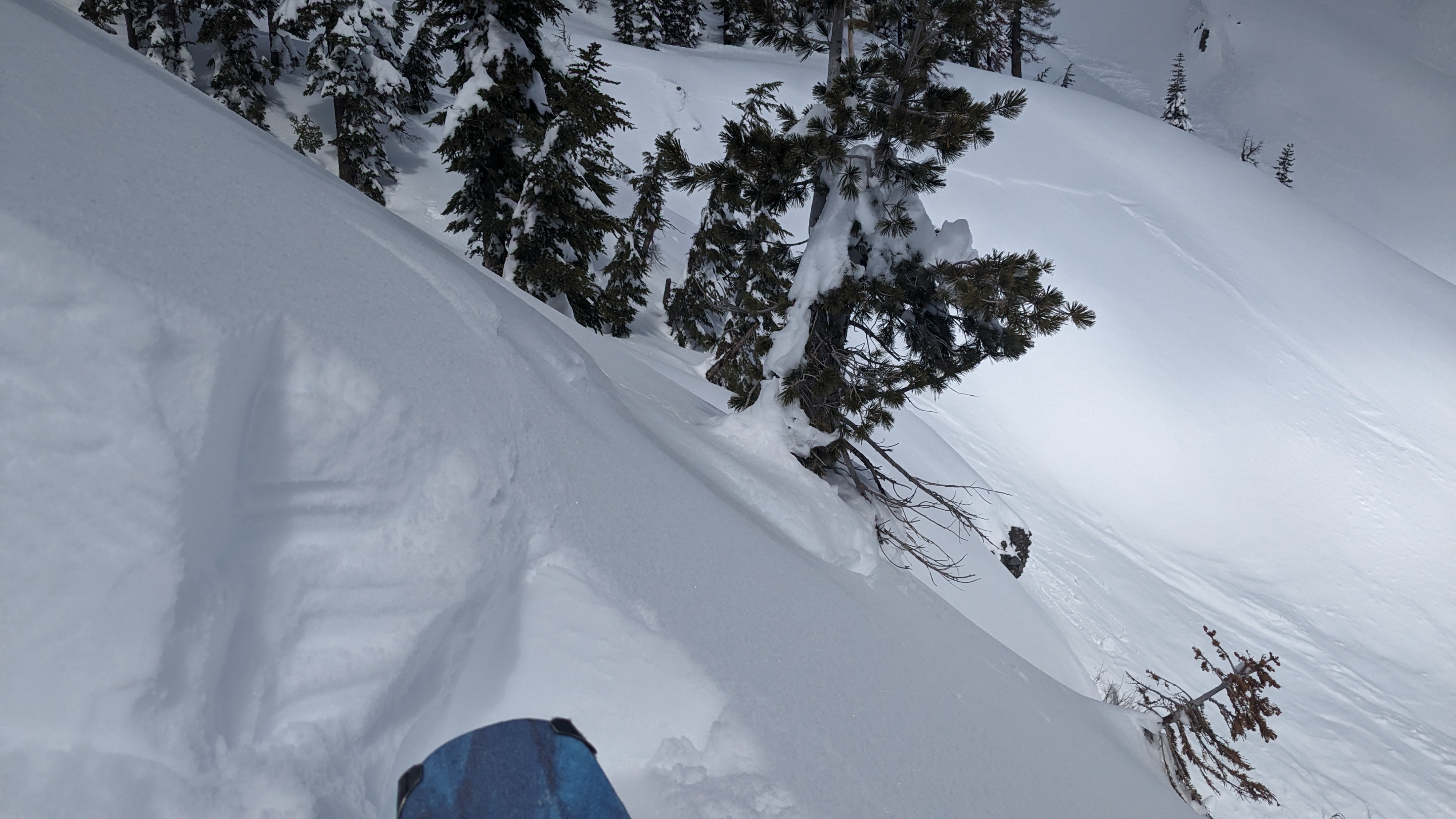
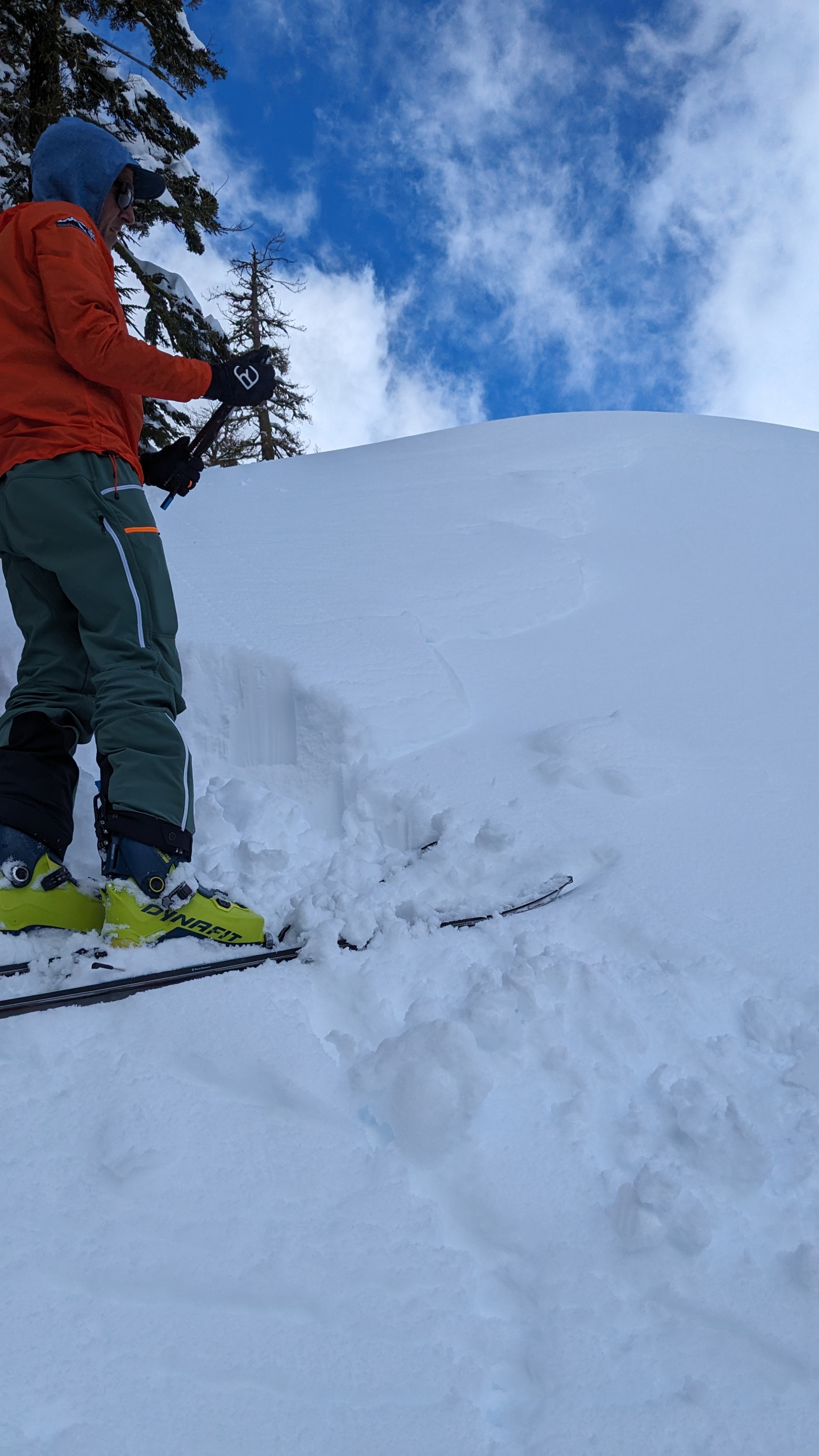
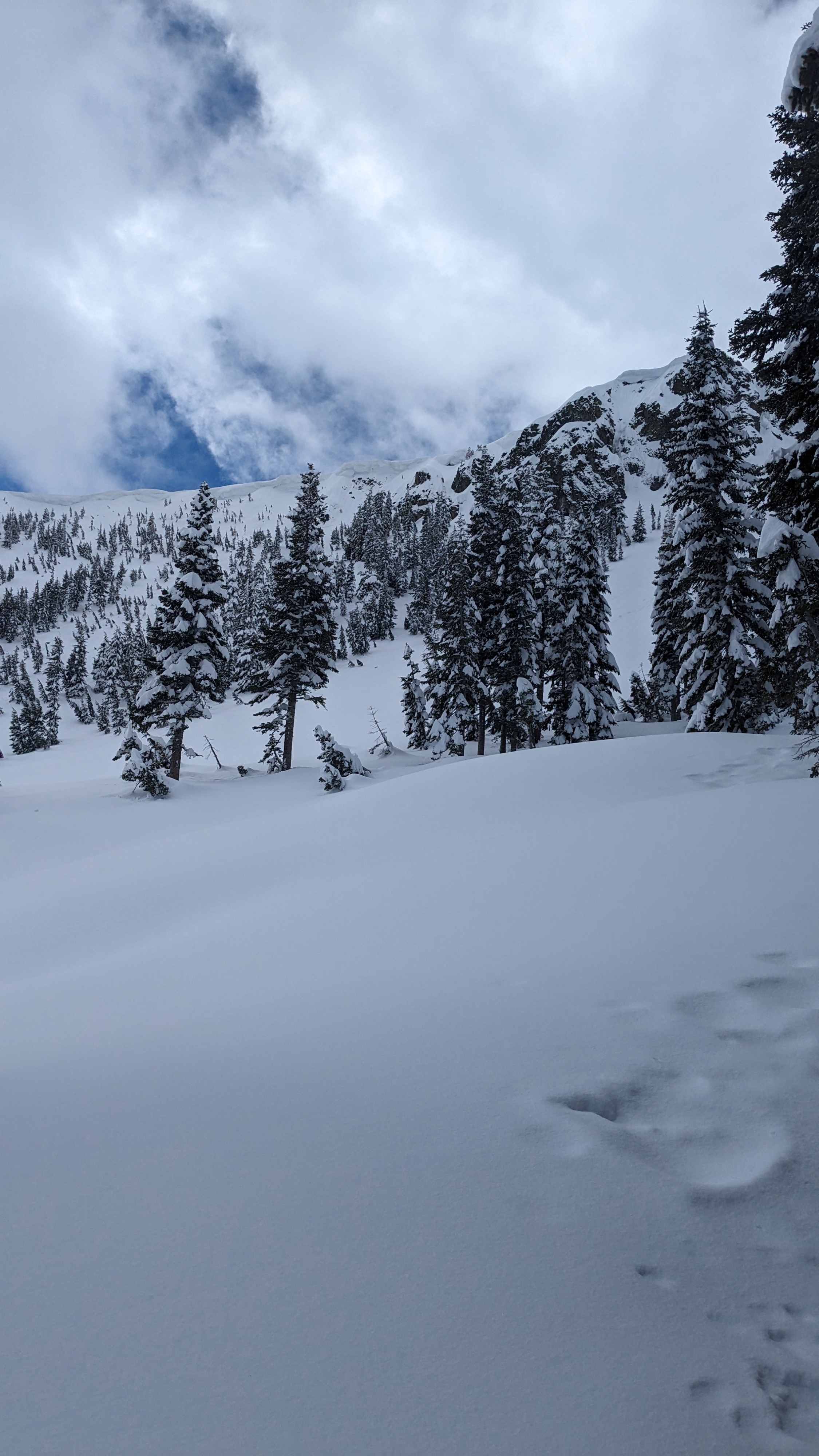
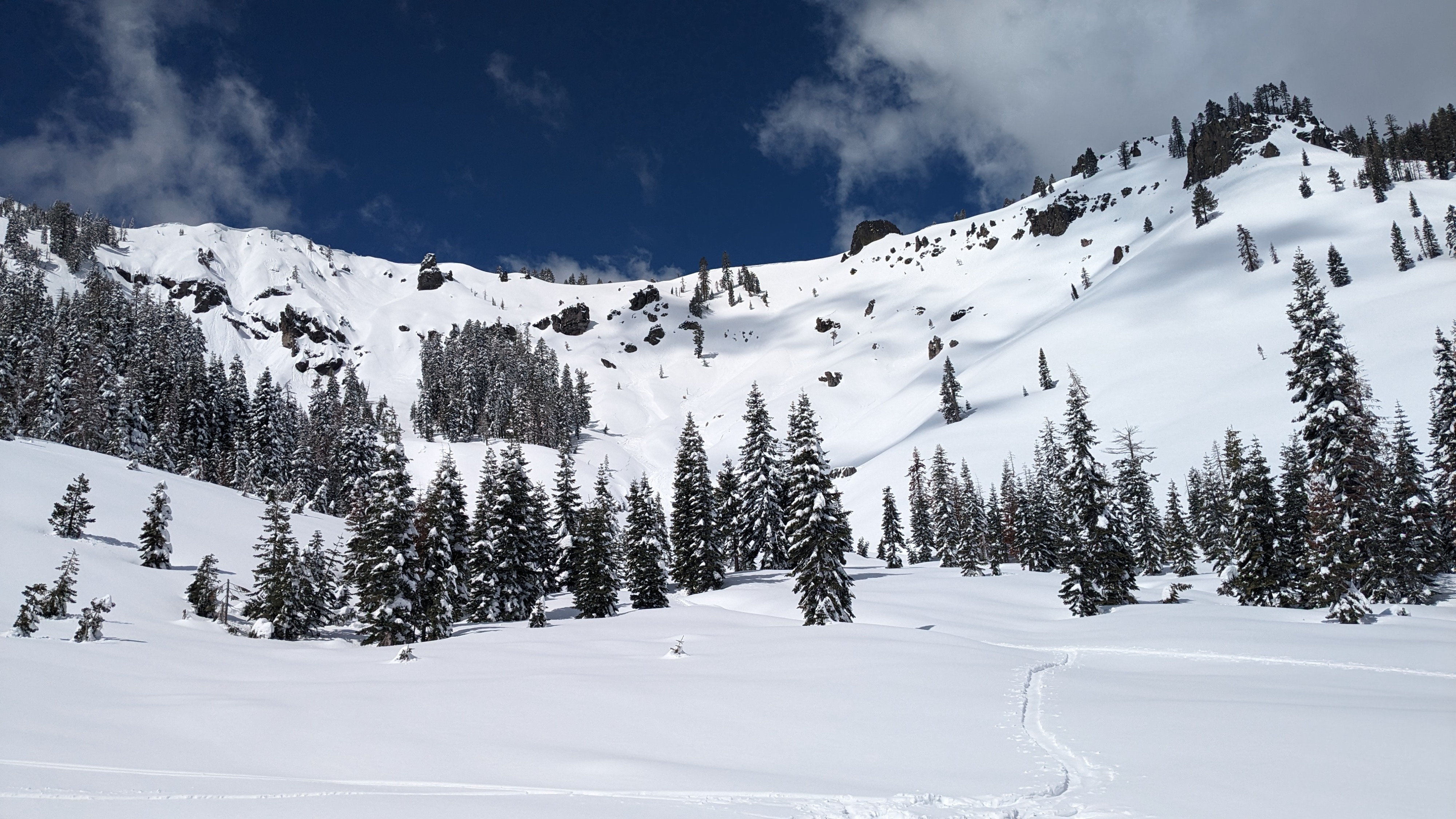
We toured up to the Cinder Cone in Ward Canyon this morning to have a look at the crowns from the recent wide propagating avalanches in the area and to monitor wet snow instability. We were able to dig into crowns in two locations where 20cm deep avalanches had occurred on Saturday and then been covered by additional snowfall on Saturday night. We examined crown on a NNE aspect at 7,500' and on an E aspect near 7,800'. We also dug a test pit on a N aspect at 8,000'. In all three locations, there was no signs of current slab instability.
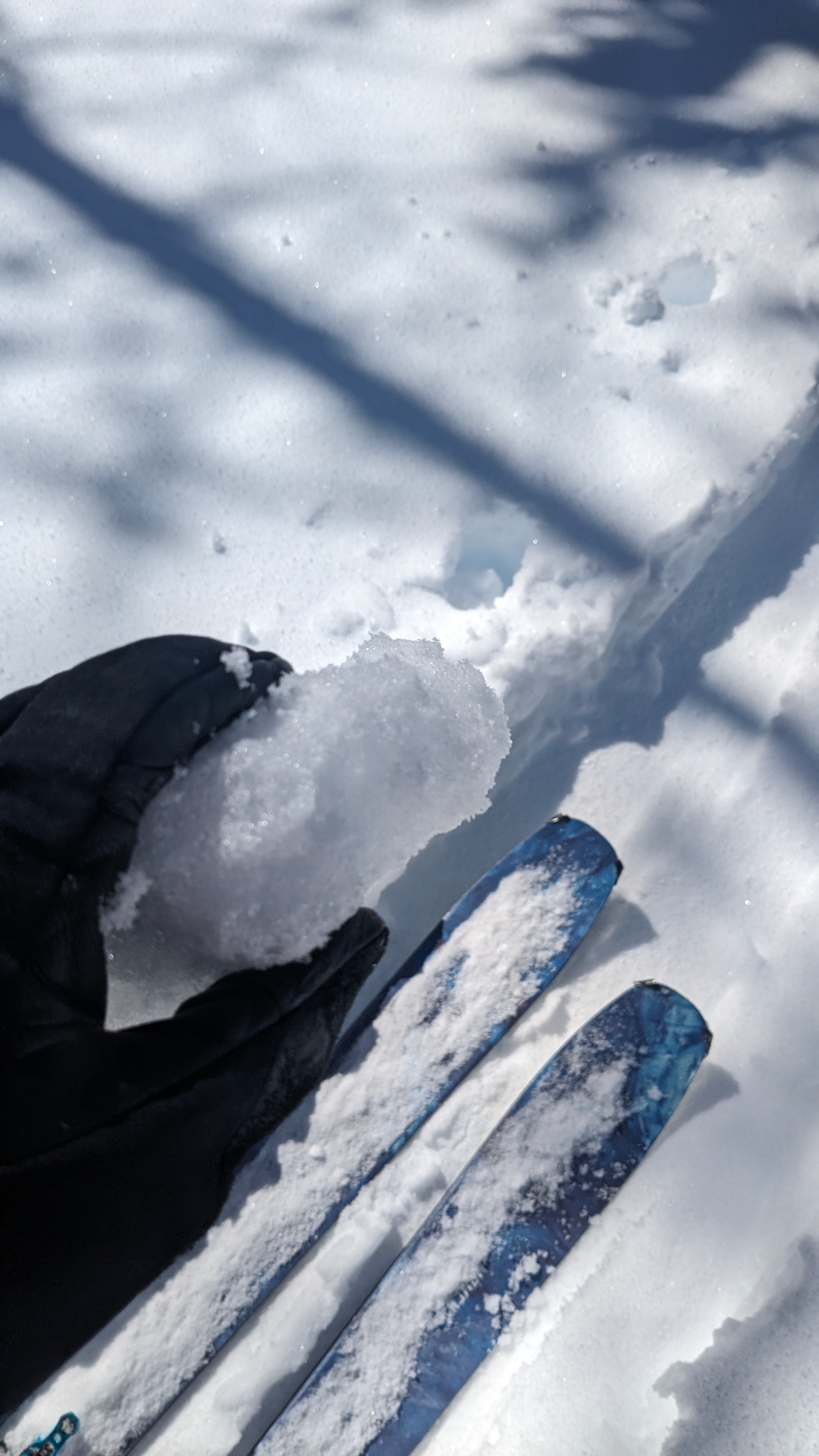
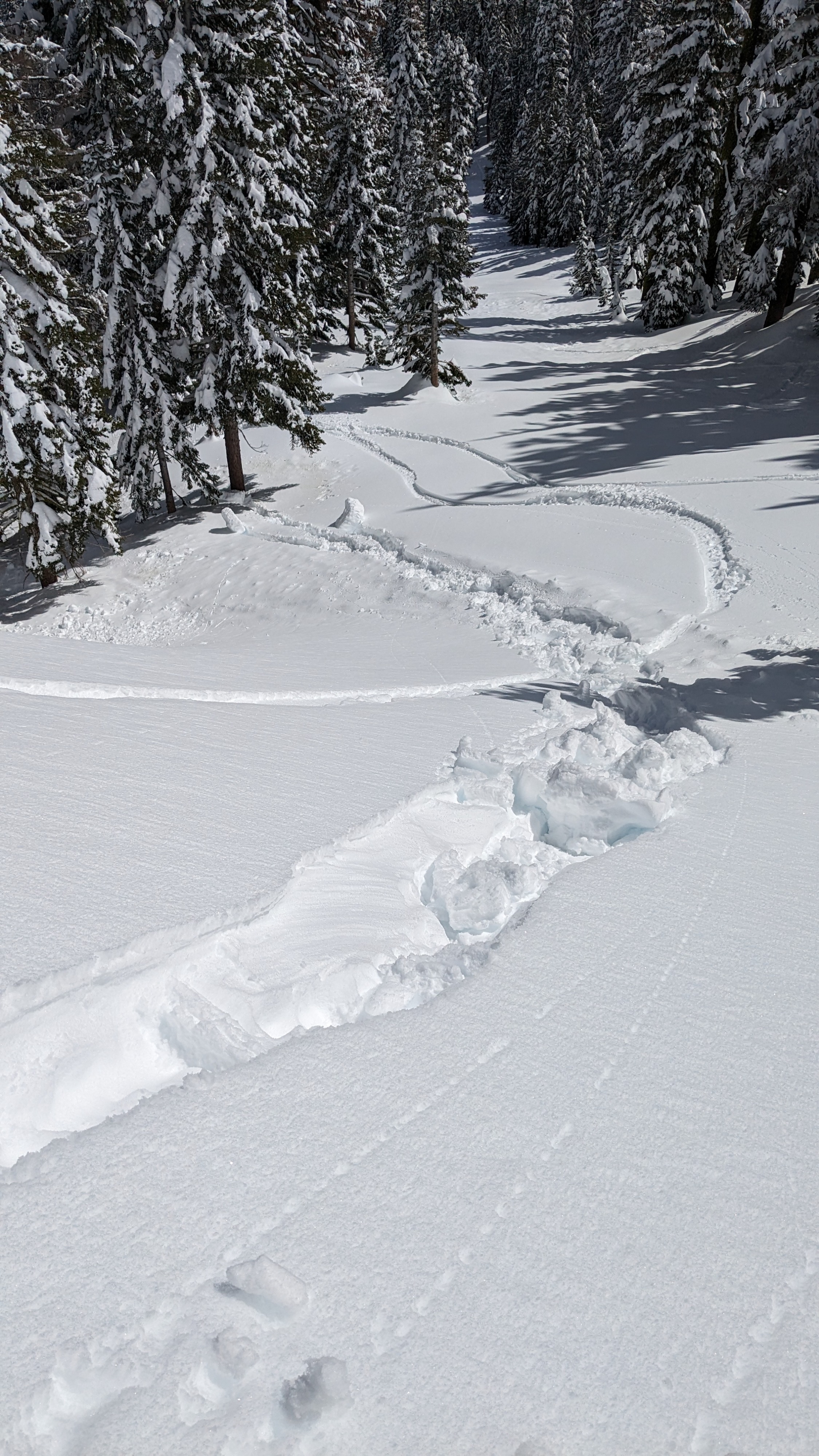
We observed a 1 to 4 inch thick melt-freeze and sun crust on the snow surface across solar aspects on our approach during the morning hours. By late morning, this crust had melted and there was a sloppy 4+ inches of snow on the surface in the most sun exposed areas. We observed limited roller ball activity across open E to SE aspect terrain between 10 am and noon. Some roller balls had initiated off of rocks/cliffs, but most and occurred yesterday with limited additional amounts this morning. We were able to intentionally trigger large pinwheels 2 to 3 feet in diameter on E aspect terrain near 7,800' at 11:45 am.
Dug into crowns from Saturday, 3/23 in two locations and found no indication of any continued slab instability.Weather
- Cloud Cover
- scattered
- Recent Snowfall
- Settled to 70 cm
Mid level cloud cover that slowed solar heating of the snow surface during the morning hours to some degree.
Snowpack
We dug into crowns from 20 cm deep, but very wide (R4-R5) propagating avalanches from Saturday 3/23 to look for any lingering instability that could be reactivated by additional snowfall. We found no indications of continued instability with ECTN results, very broken shear planes, and no signs of a persistent or semi-persistent snow crystal type. Recent storm snow in the area had settled to 70 cm, was right side up, and well bonded.