
Quick report
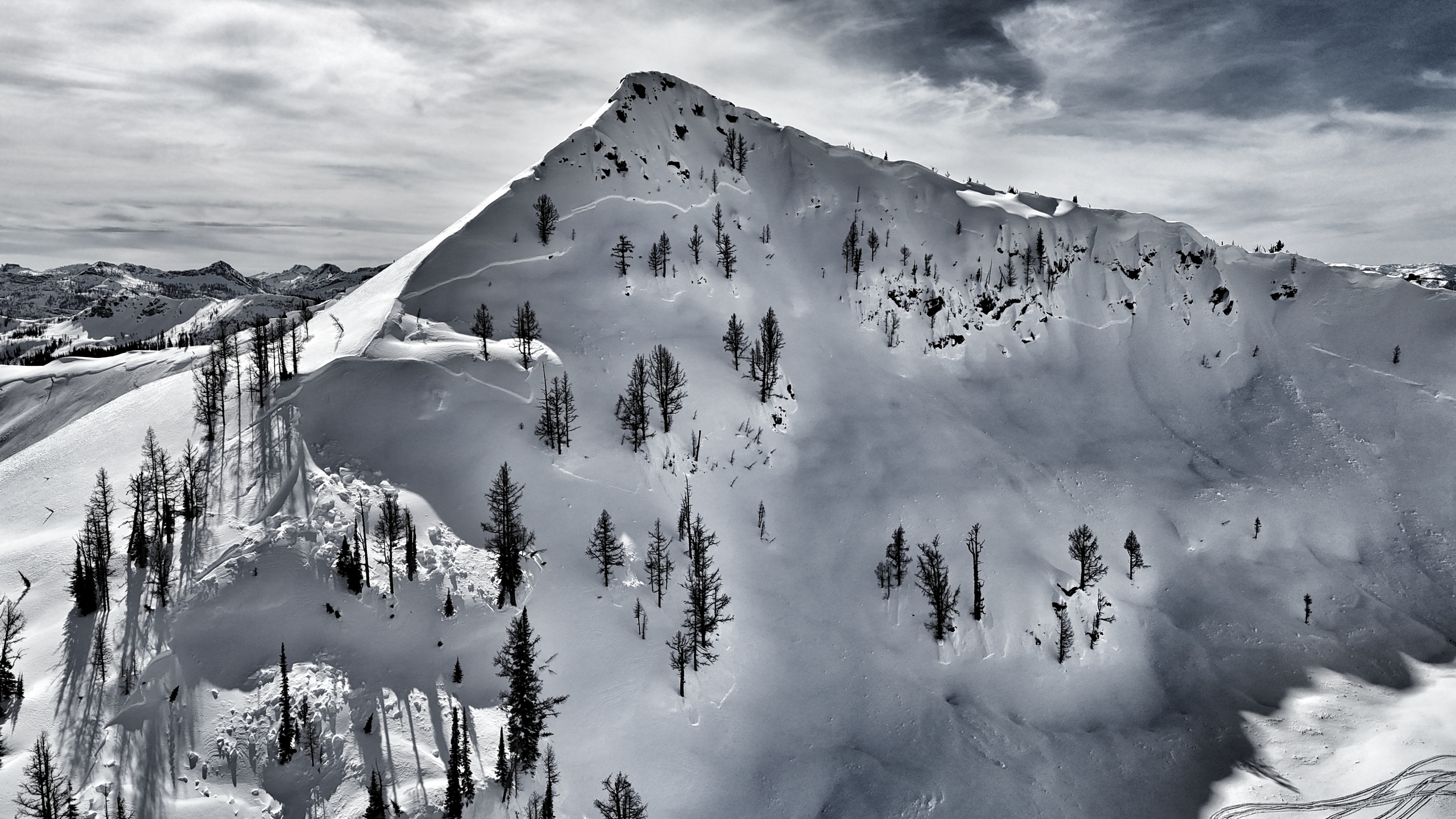
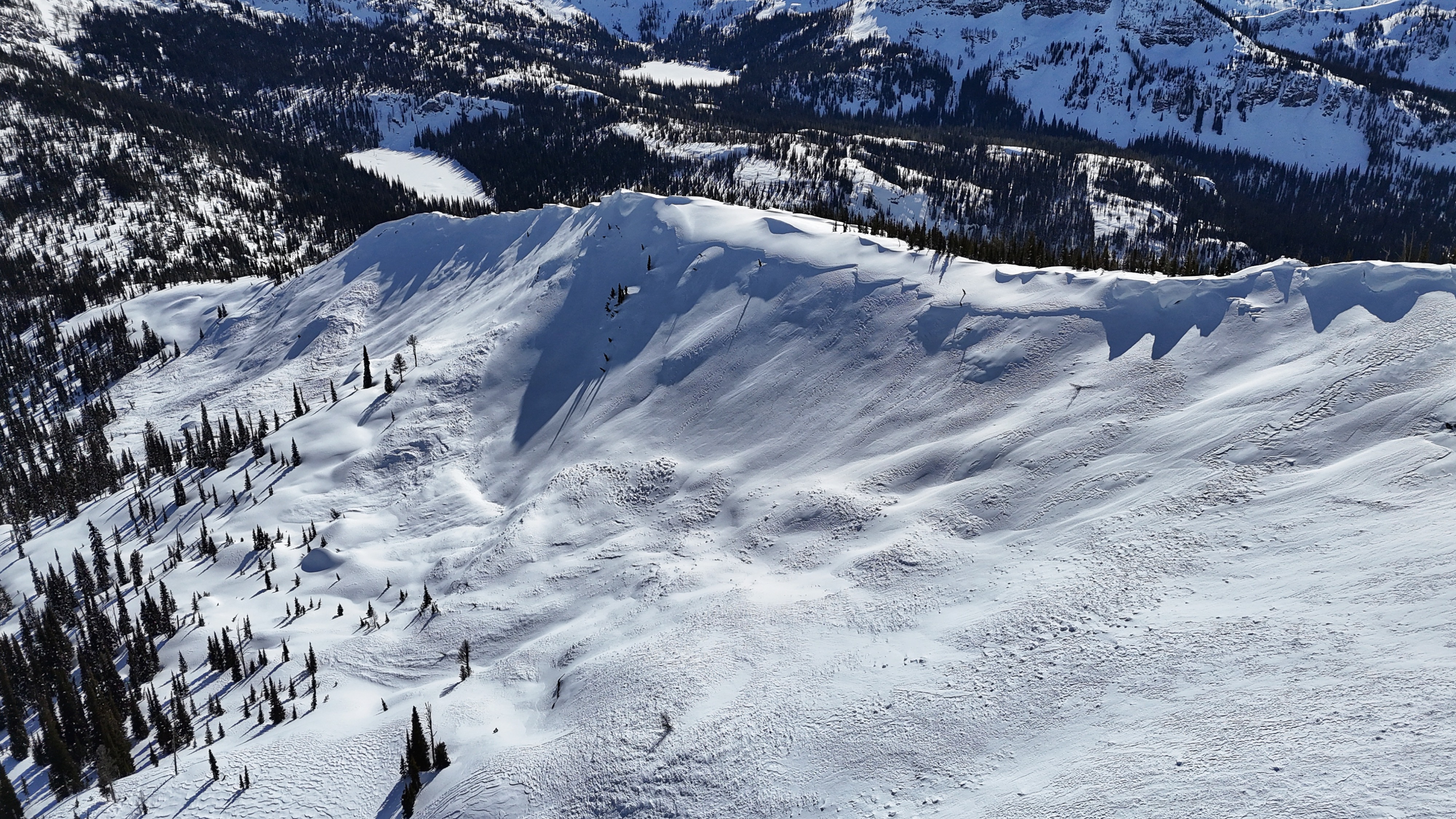
I rode out to the back of Lost Horse and toured up higher to look for recent avalanches and check in with our persistent slab problem. I found evidence of a widespread natural avalanche cycle that occurred on Tuesday and Wednesday, when the avalanche hazard was rated HIGH in this area. Avalanches broke widely on our buried persistent weak layers; many slides had crowns more than 500 feet wide.
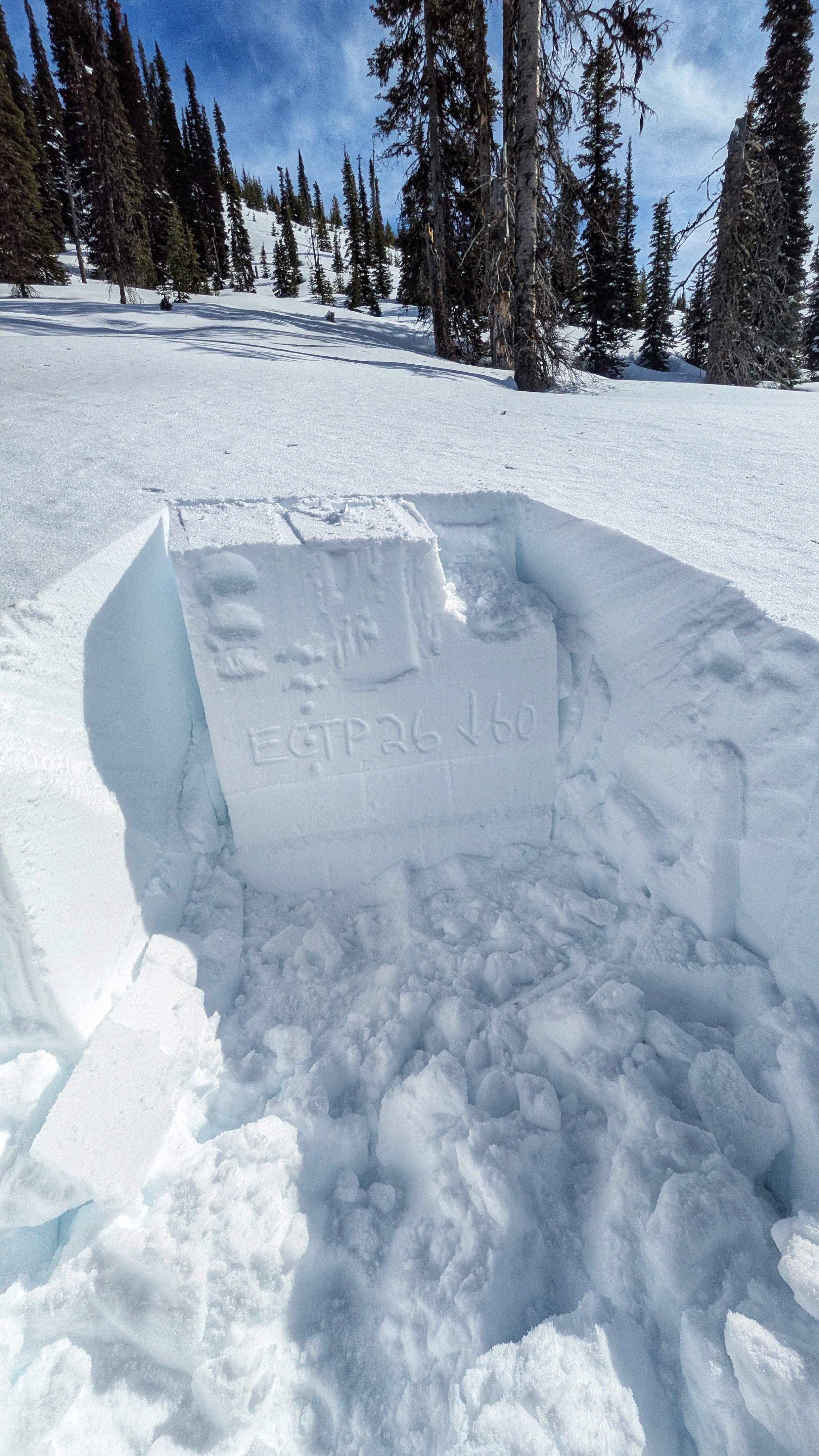
I did not experience any signs of instability while traveling, but it was hard not to notice the numerous large to very large avalanches in nearby terrain. Most avalanches appeared to have been triggered by large collapsing cornices. Snowpack test in two different avalanche crowns did not produce unstable test results. A pit dug in middle elevation terrain on a WNW aspect produced repeated unstable snowpack test scores on a layer of near-surface facets and laid-over surface hoar (the 2/14 weak layer), two feet down from the snow surface (photo in media gallery below).
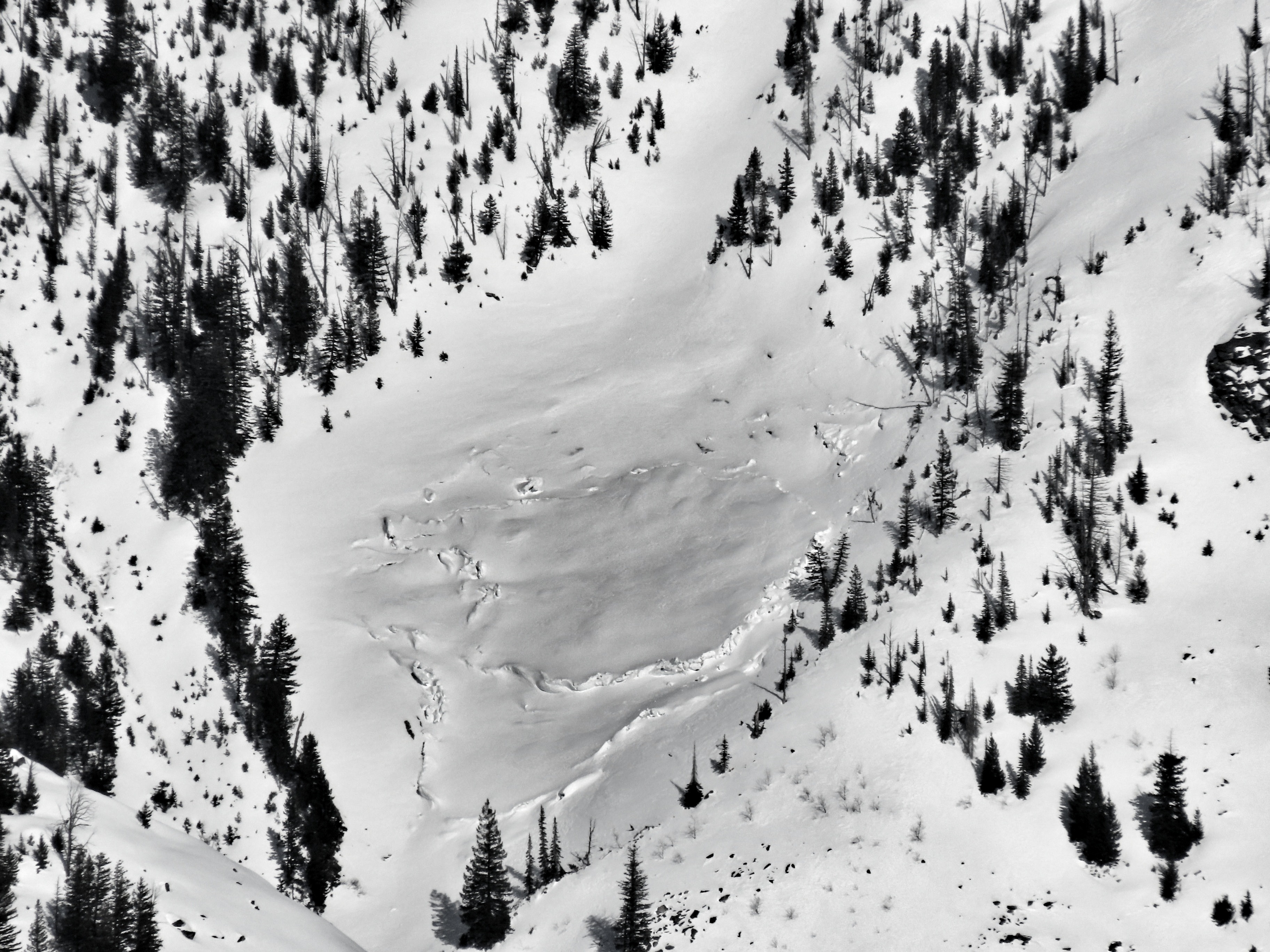
There was a small, ongoing cycle of wet snow activity in this area. I did not see any recent wet snow avalanches that were large enough to bury a person; most were small, started in steep, rocky terrain, and did not travel very far down the slope (photo in media gallery below). I observed one very large glide avalanche that appeared to have released during peak instability last week (2/24-25). Several large glide pockets had shifted downslope, buckled, and stalled out (photo in gallery).
Access note: the snow coverage is, of course, quite thin down low. It's possible to drive a truck one to several miles past the beacon checker and park and ride a sled on predominantly ice and snow.
Avalanche
- Size
- D3
- Count
- 9
- Aspect
- SE
- Trigger
- N
- Elevation
- 7500 ft
Very impressive width on this avalanche. I described this as a D3, based on its impressive width. The vertical fall on this avalanche path is relatively short. I dug a pit in this crown, the slide failed on the January drought surface.