
Quick report
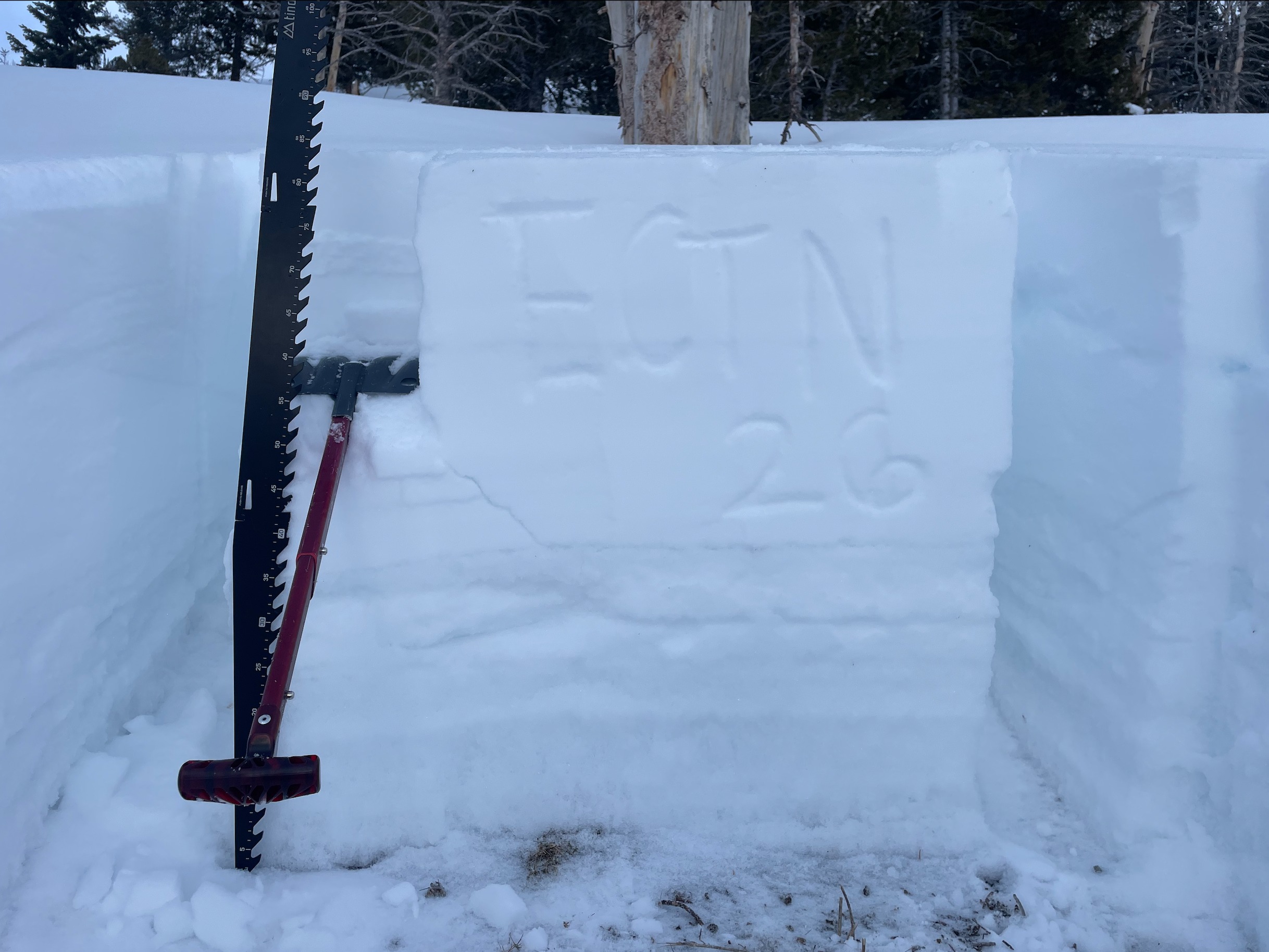
This was an off-duty ski tour trying to get a better picture of how the recent storm came in and the characteristics of the 2/1 layer after being out sick for a handful of days. Observations were focused on snowpack structure and variability on the slope scale, along with aspect and elevation. In a data set of close to 20 ECTs in various pits, 2/1 reactivity and character was largely inconsistent. This layer produced everything from propagation with moderate force to no fracture at all, and everything in between. This demonstrates the spatial variability of the 2/1 weak layer. 1/6 was widespread and consistently either produced propagating results on the upper end of hard force or did not propagate.
No obvious signs of instabilities observed.Weather
- Cloud Cover
- scattered
- Wind Loading
- light
- Snow Avail For Transport
- small smounts
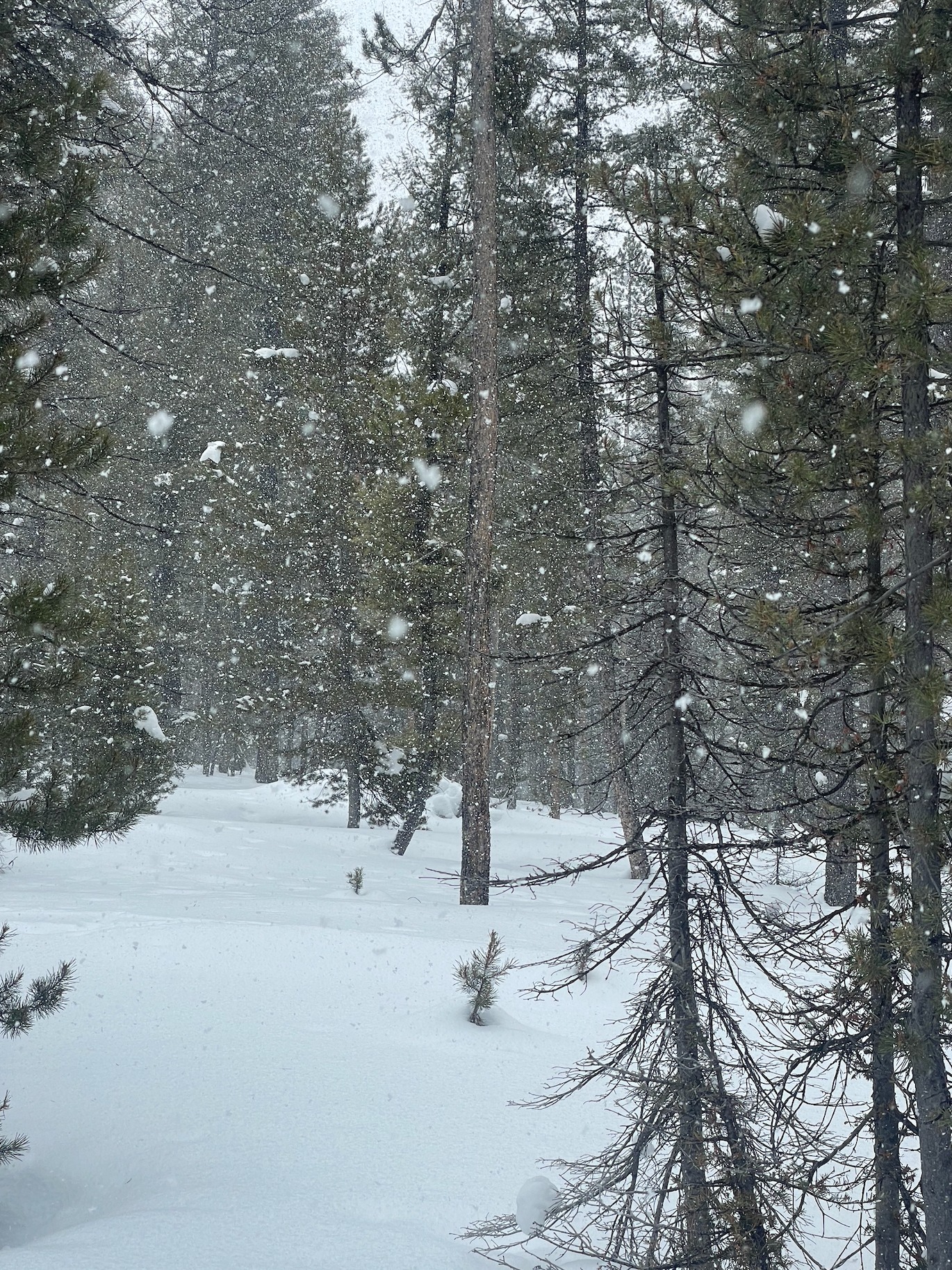
Skies were SCT when I left the truck around 13:00. I experienced. While not forecasted, I experienced a short intense burst of S5 snowfall in the early afternoon around 13:30.
Snowpack
While there was a warm up yesterday that created ambient temperature crusts in other similar elevation and aspect areas nearby, in areas I travelled other than completely sun exposed direct W aspects, I did not observe a crust. On W slopes with direct sun exposure and over 30 degrees, I observed a very thin sun crust that was thin enough to not impact ski quality significantly. Surfaces were a mix of DFs and PPs in other locations, with thin windboard observed at ridgeline above 9850'.
In a data set of close to 20 ECTs in various pits, 2/1 reactivity and character was largely inconsistent. This layer produced everything from propagation with moderate force to no fracture at all, and everything in between. This demonstrates the spatial variability of the 2/1 weak layer. 1/6 was widespread and consistently either produced propagating results on the upper end of hard force or did not propagate. Trying to move through terrain and trying to get my eyes on as much as possible after being out of the field for several days, I had limited other observations of aside from snowpit results, surfaces, and the lack of other natural avalanche activity / obvious signs of instability.
Avalanche
- Size
- D2
- Type
- U
- Aspect
- NW
- Elevation
- 9600 ft
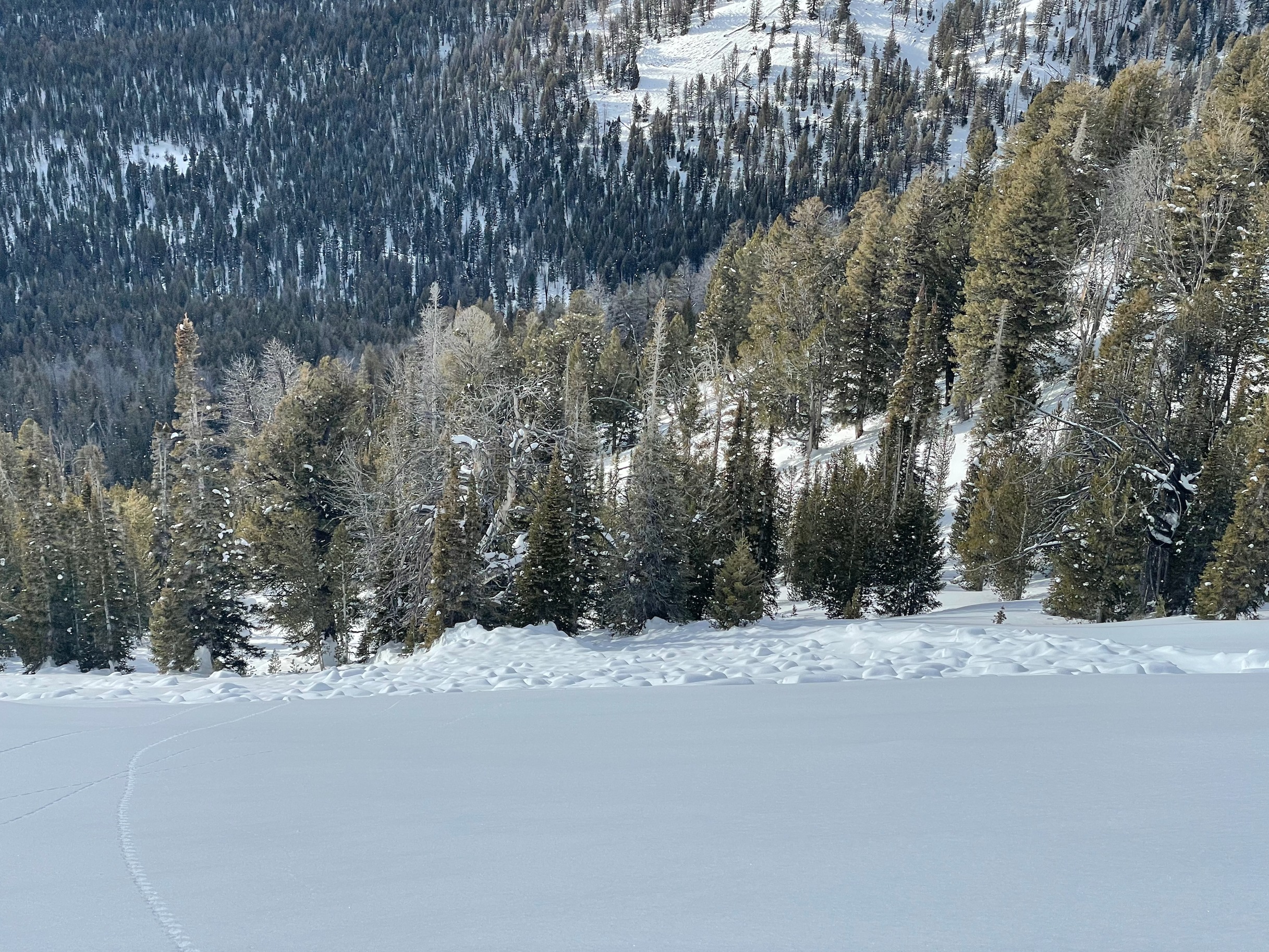
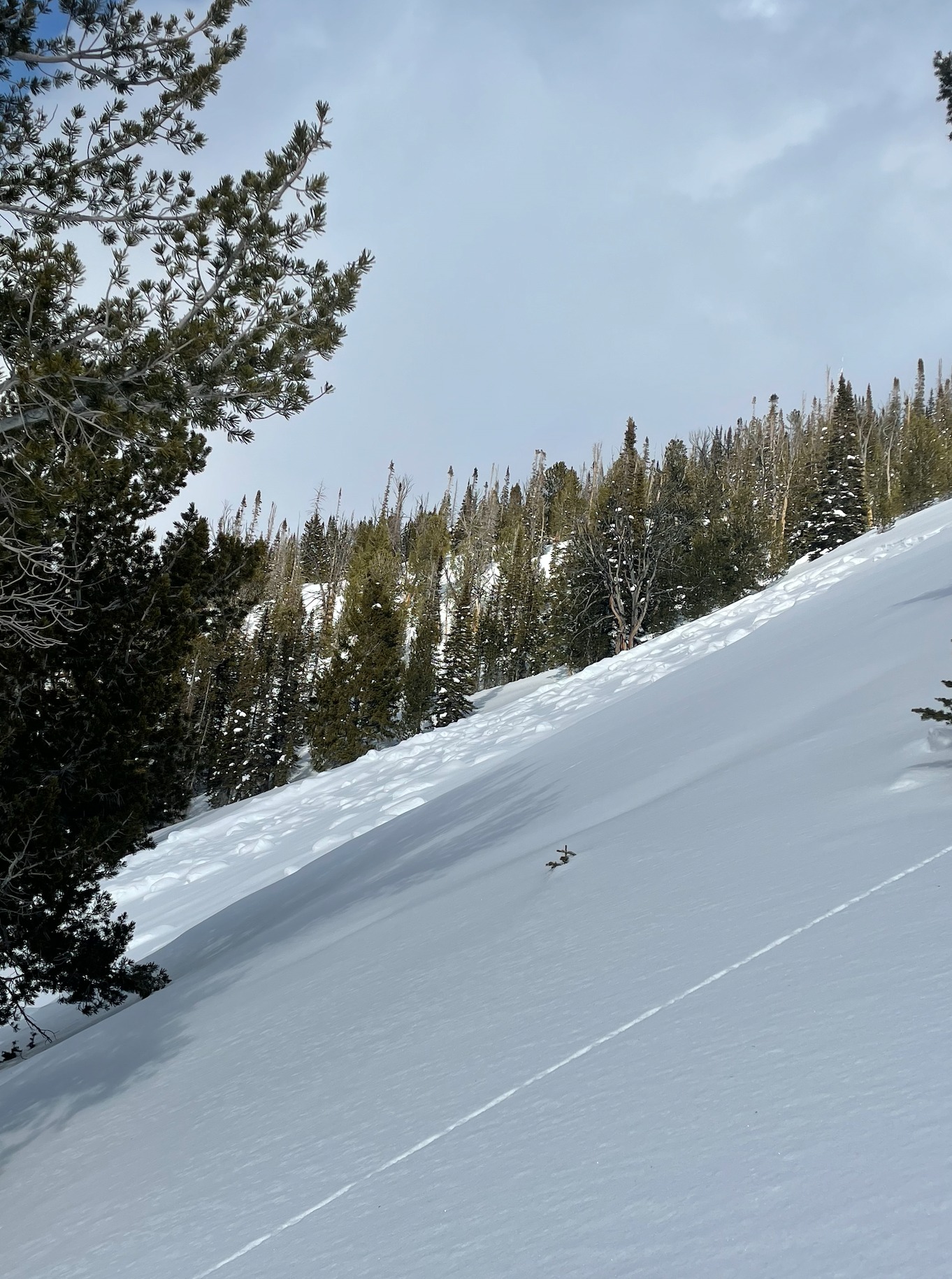
While I went to investigate the characteristics of an avalanche that ran sometime around 2/9, there were no more recent avalanches observed. While there were ski tracks adjacent to this slide, potentially indicating it was a ASr, it was originally observed in a photograph of the large slide in the NW bowl of Galena Peak before the ski tracks were on the slope. A likely conclusion is that slide this ran naturally. While this slide was slightly blown in with new snow by the time I was able to observe its characteristics up close, it initiated closer to the surface (likely on 2/1) before stepping down to the 1/6 weak layer.