
Quick report
The primary avalanche concerns in Upper Cement Creek look to be in 2 places. 1) Between 11,000ft and 12,000ft on W to N to E facing slopes that didn't avalanche during last week's avalanche cycle. 2) Near and above 12,000ft, where thick hard slabs may be resting above weak snow, primarily on easterly facing terrain or cross-loaded on some westerly and northerly facing slopes. The shallower snow depths, compared to the northwest forecast area, are not allowing old weak layers to gain strength, while the cold valley inversions are faceting away the upper snowpack below 11,000ft.
No shooting cracks and no observed collapses.Weather
- Cloud Cover
- clear
- Wind Loading
- none
- Recent Snowfall
- 0
Calm wind, pleasantly warm temps above the inversion, and a clear sky.
Snowpack
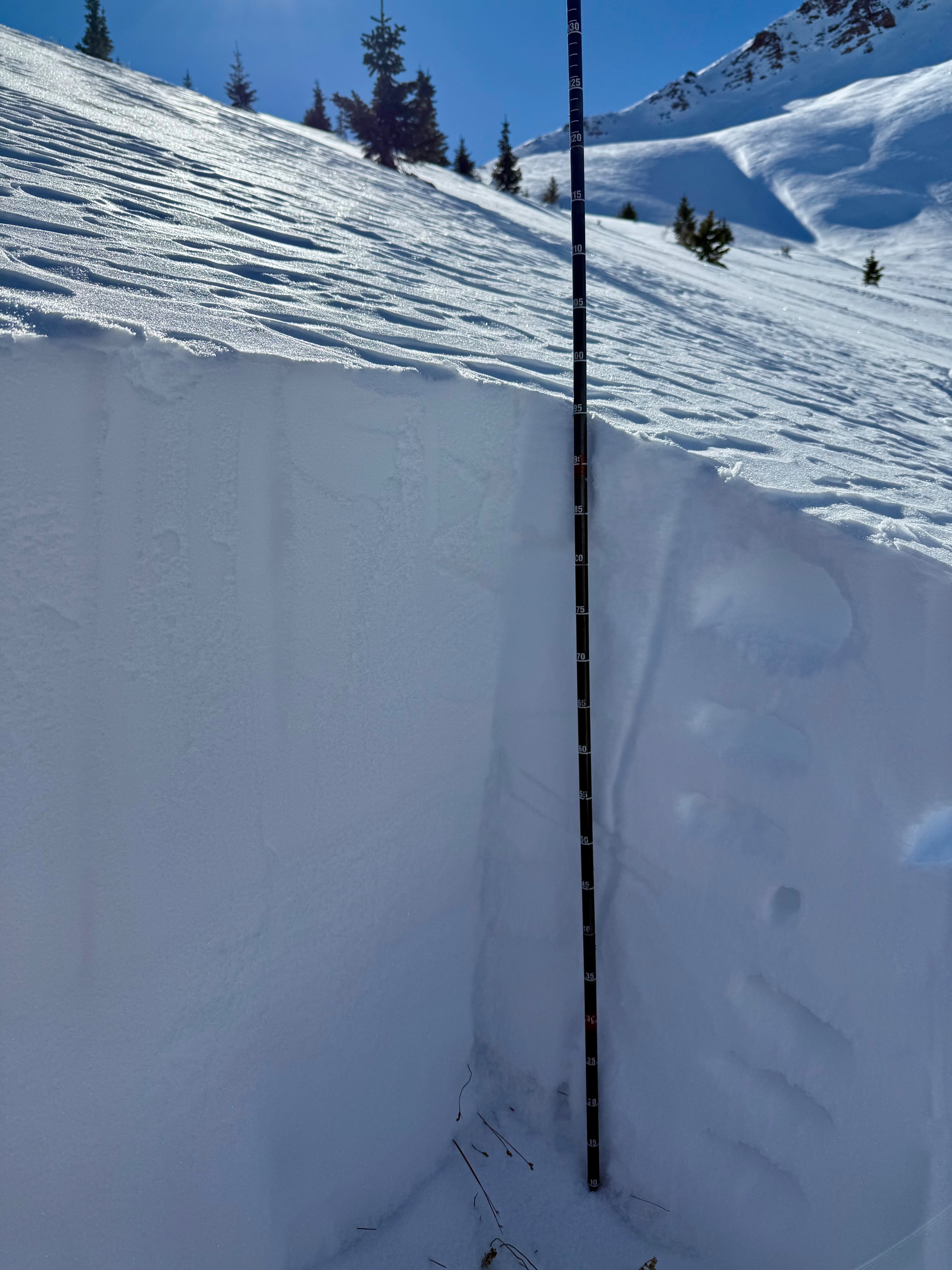
On west to north to east facing slopes below 11,000ft, the slab is faceting away and appeared to be unable to communicate a collapse or produce shooting cracks. HS was 65cm or less in these areas. The bottom of the slab still had about 5cm of 1f hard snow over f hard large-grained facets.
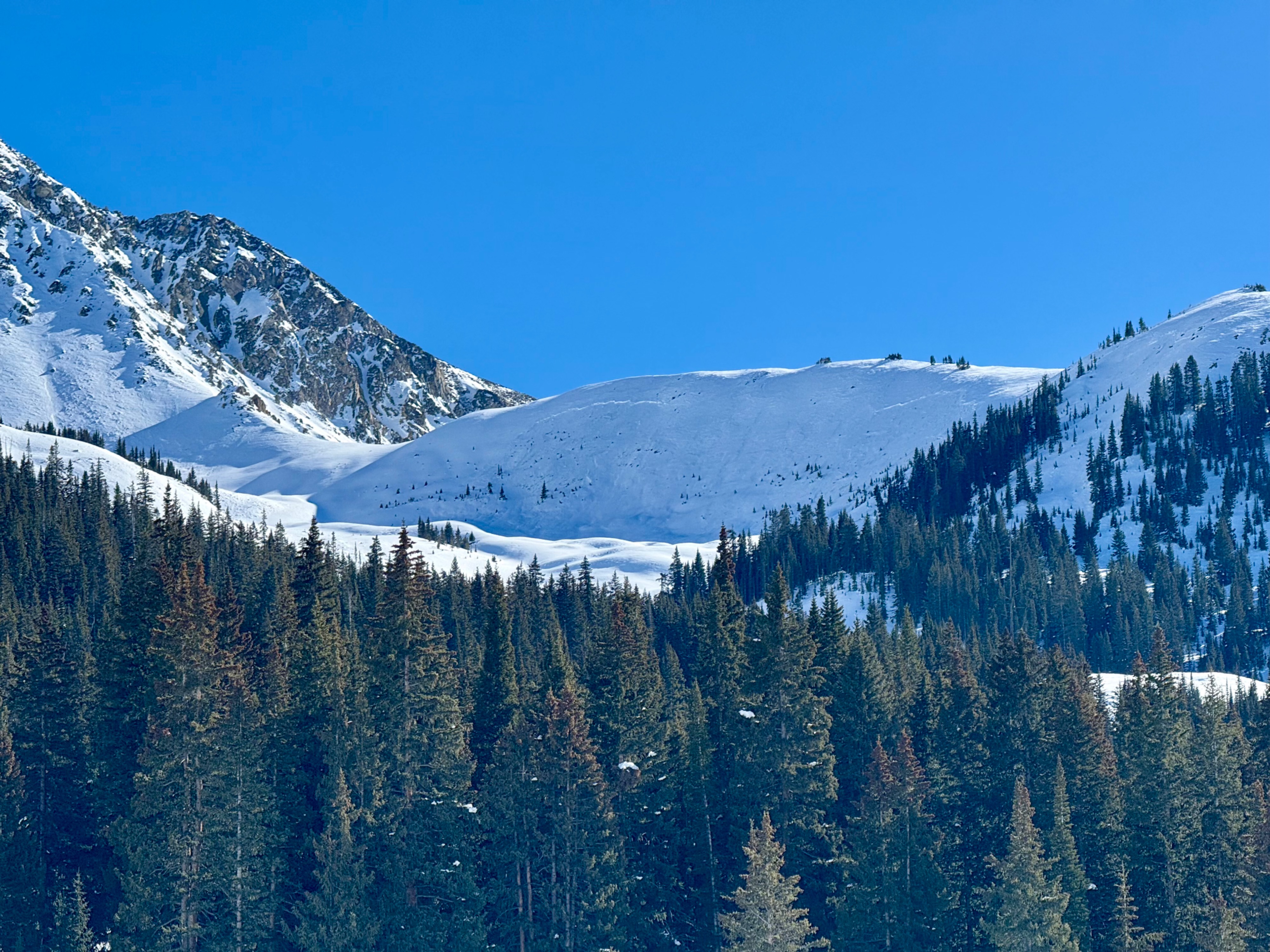
Between 11,000ft and 11,800ft, snow depths increased, and on west, to north to east aspects, the slab had enough strength to look untrustworthy over the large facets at the bottom of the snowpack. I didn't travel in prime avalanche terrain, but a few test slopes didn't produce any collapse or shooting cracks, and a couple of test profiles produced ECTN results. Since the past natural avalanche activity wasn't as widespread in this area, there were more slopes that may need investigation before traveling on them.
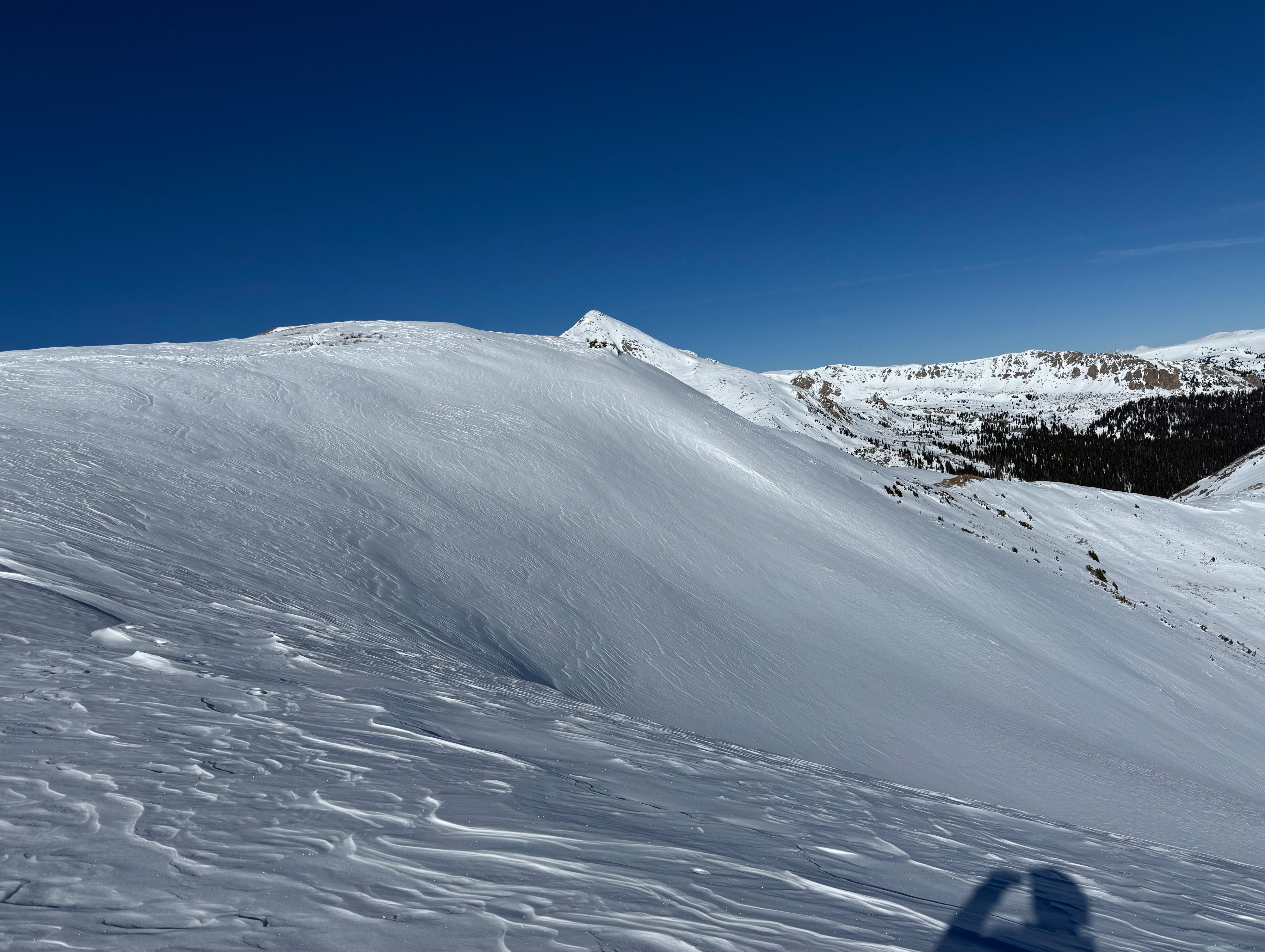
Near and above 12,000ft, the snowpack was more commonly affected by previous winds. In some cases, there was still 20cm of soft faceted snow over old hard snow surfaces, while in others, there were hard slabs on the snow surface. The old crowns from last week were often covered back over, and those new hard slabs looked suspect if they were sitting on weak snow.
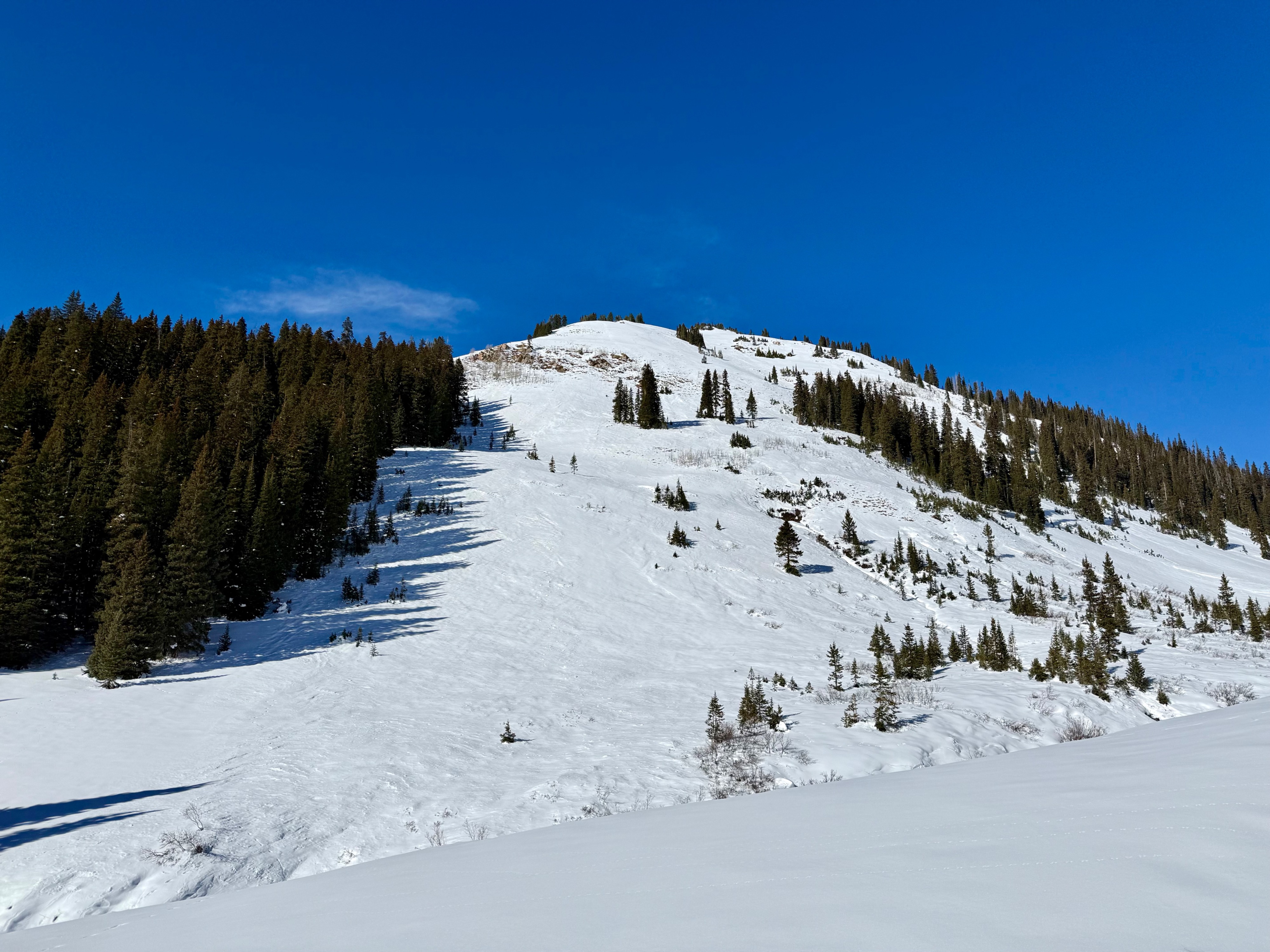
I mostly avoided southerly facing slopes as they had thin snow coverage in this area. I even saw the bed surface of an avalanche that had melted back to bare ground at 11,600ft, with the avalanche debris still visible in the flats below.
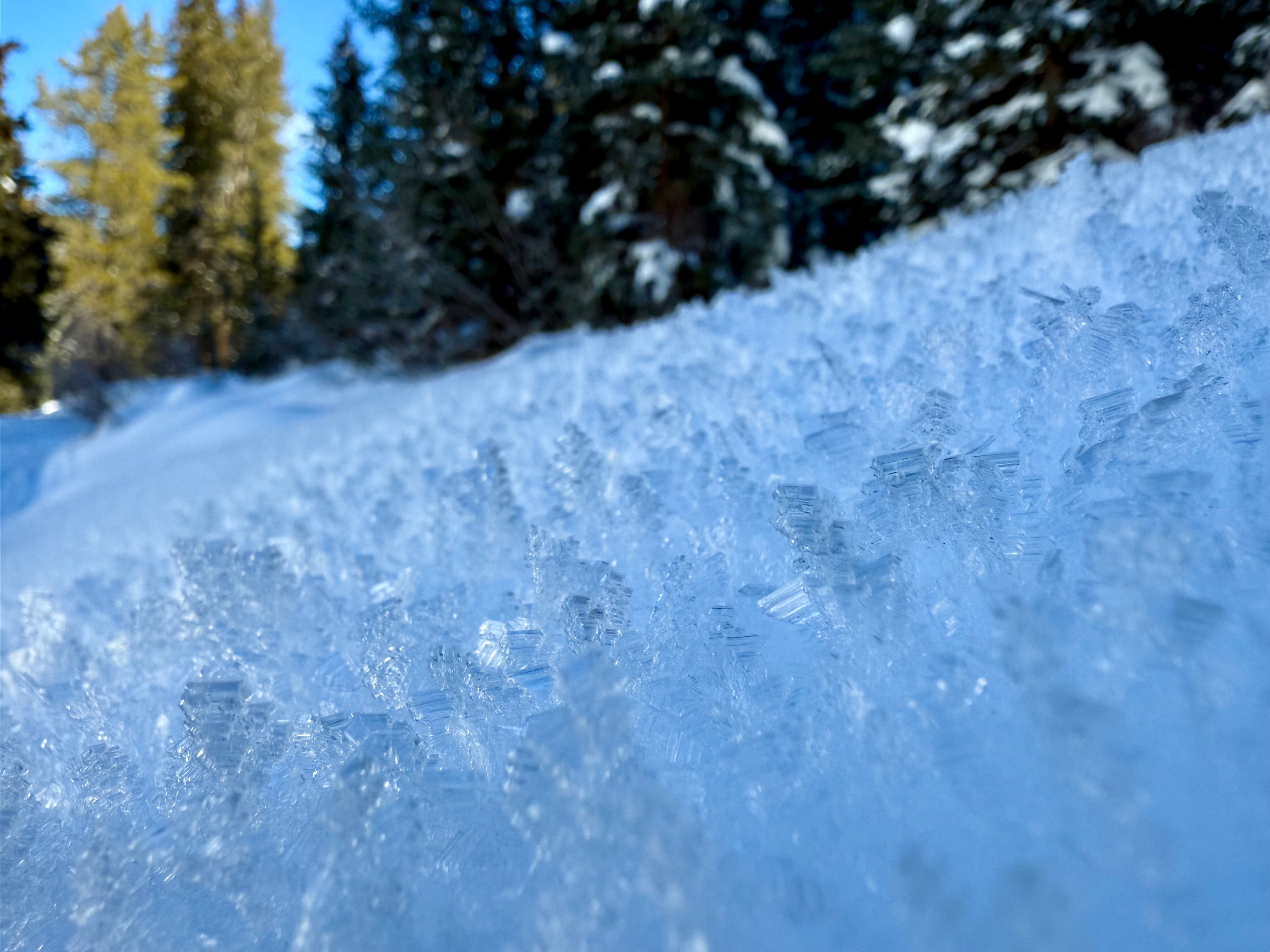
There is a forest of large surface hoar down in the valleys, while smaller surface hoar extends to higher elevations until those snow surfaces either become wind-affected or sun-affected.
Avalanche
- Size
- D2 R1
- Count
- 3
- Aspect
- NE
- Trigger
- N
- Elevation
- 12200 ft
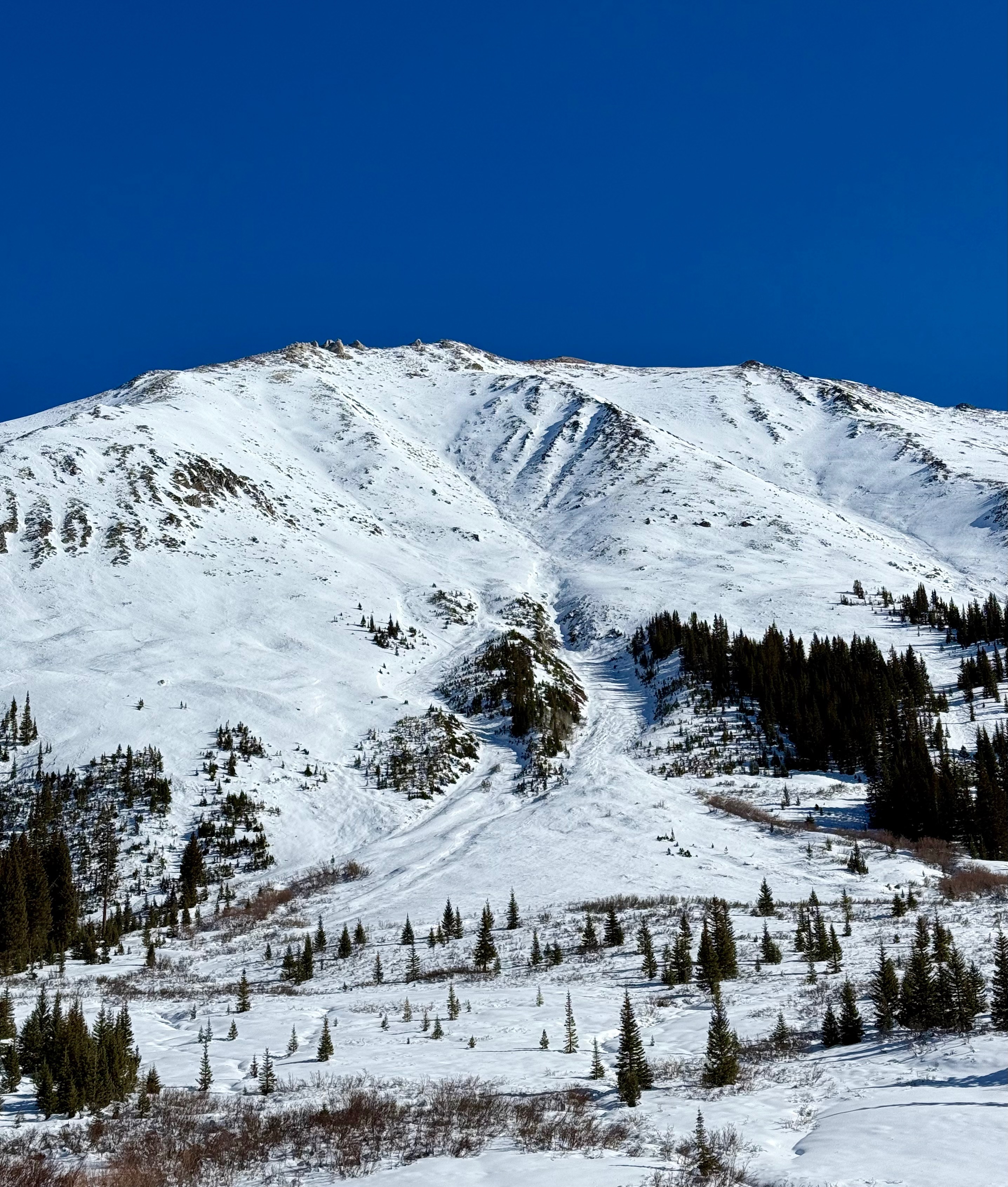
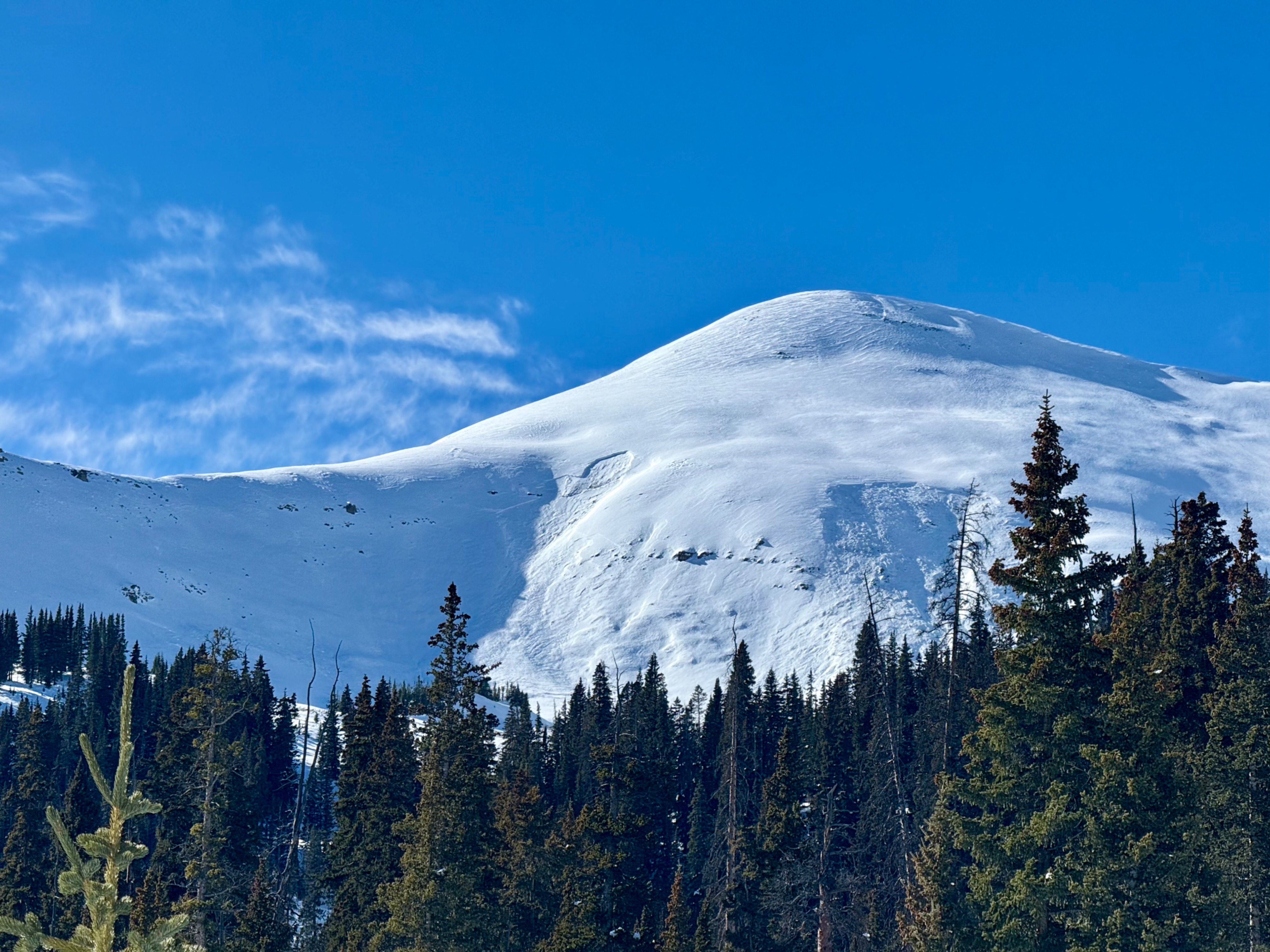
Avalanche activity from last week's natural avalanche cycle dosn't appear to be as big or as widespread as in the mountains near and west of Crested Butte. Avalanches had occurred on all aspects. Many of the crowns are gone at above treeline terrain, but you can still identify debris. There were a couple sharper looking crowns at 12,000ft, and given the amount of wind effect, I'd estimate those failed between last Friday and the start of this week.