
Quick report
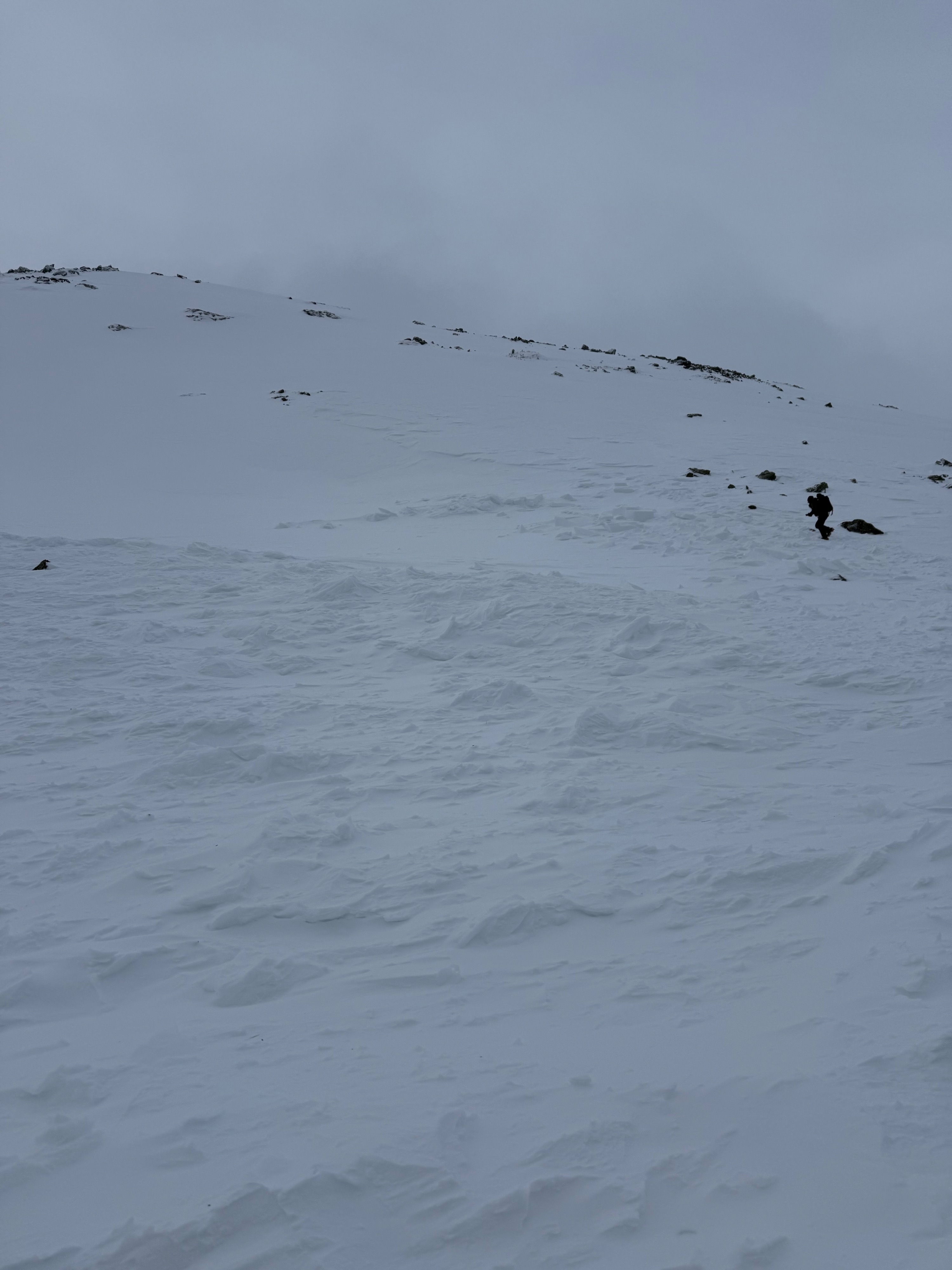
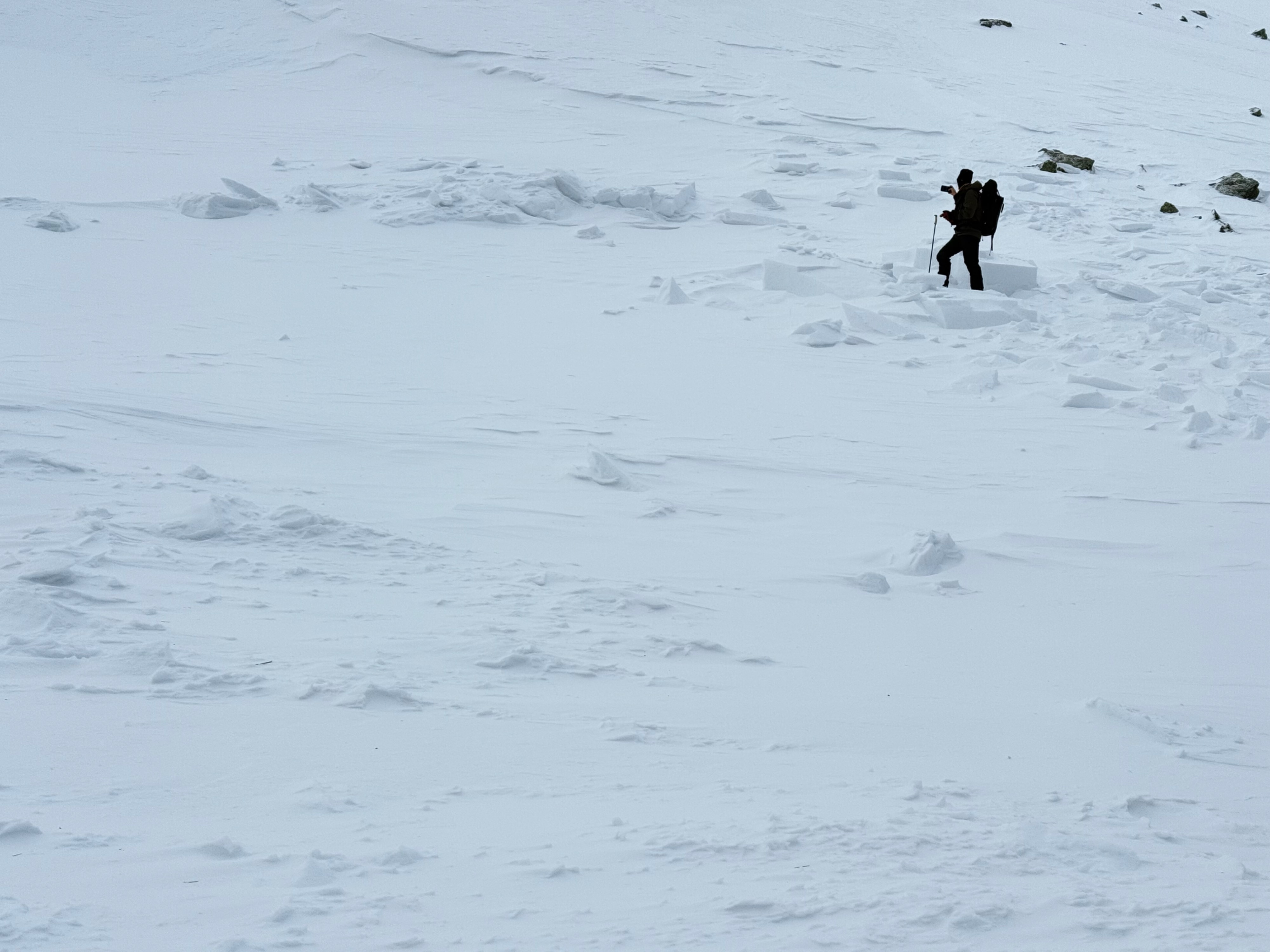
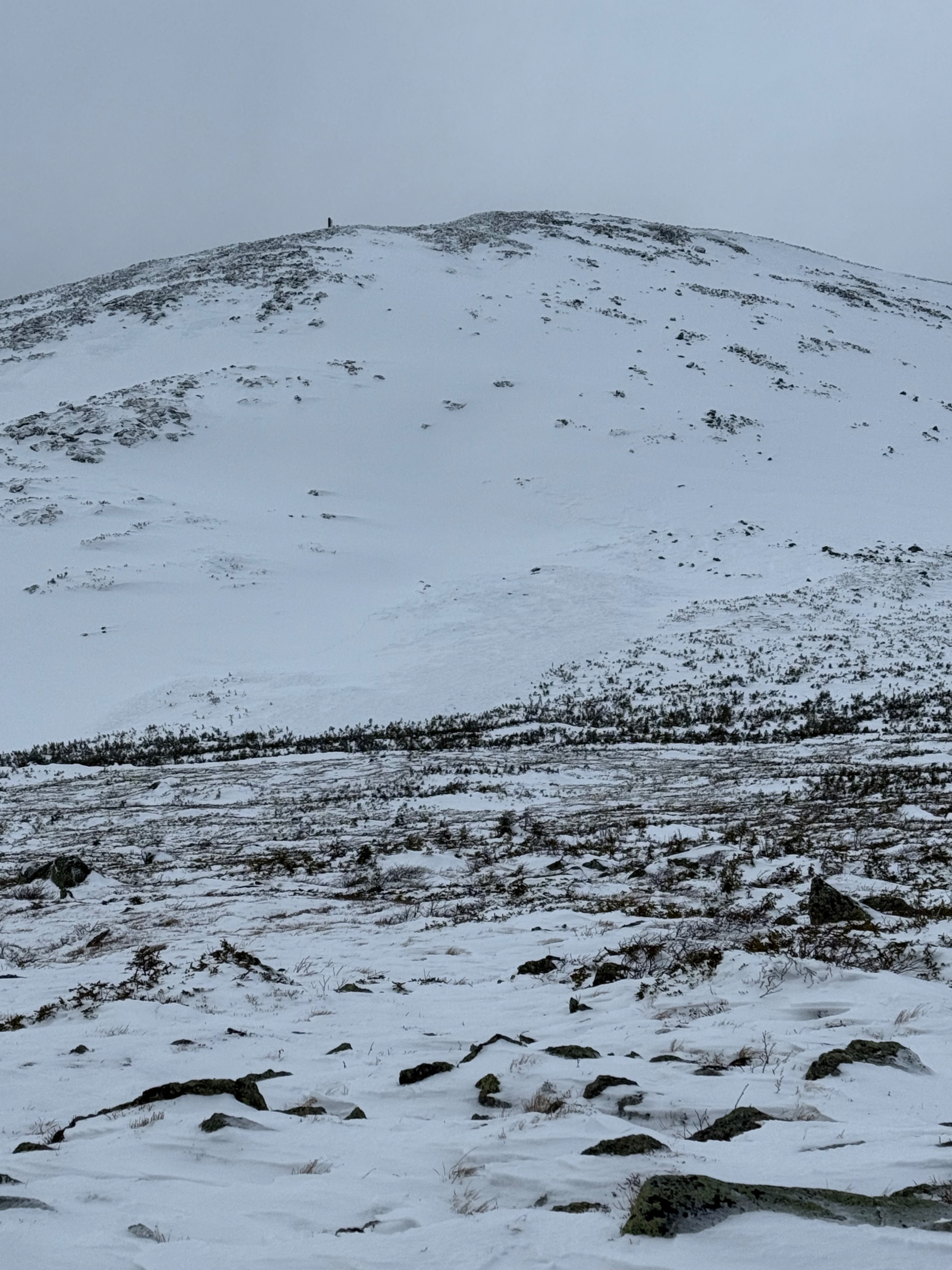
Took advantage of decreasing winds and warmer temperatures with the plans to look at snowpack structure on the Summit Cone in the snowfields. We have been looking for potential weak layers that have some reactivity after this stretch of consistently cold temperatures and wanted to look for this at upper elevations. We also wanted to look at the avalanche reported from the Snowfields but thought we may be limited due to the time that had passed. Surprisingly, a lot of the debris was still visible.
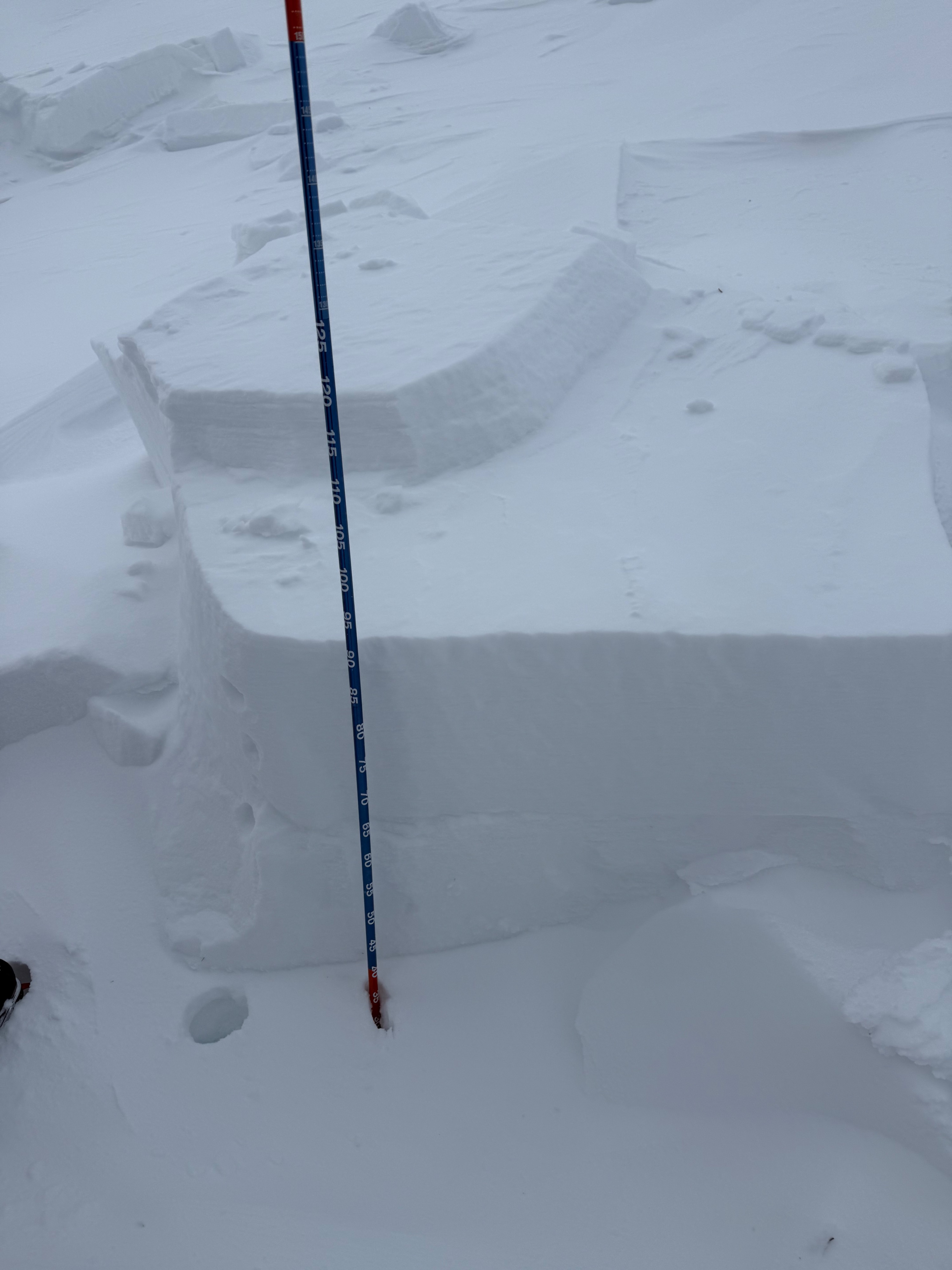
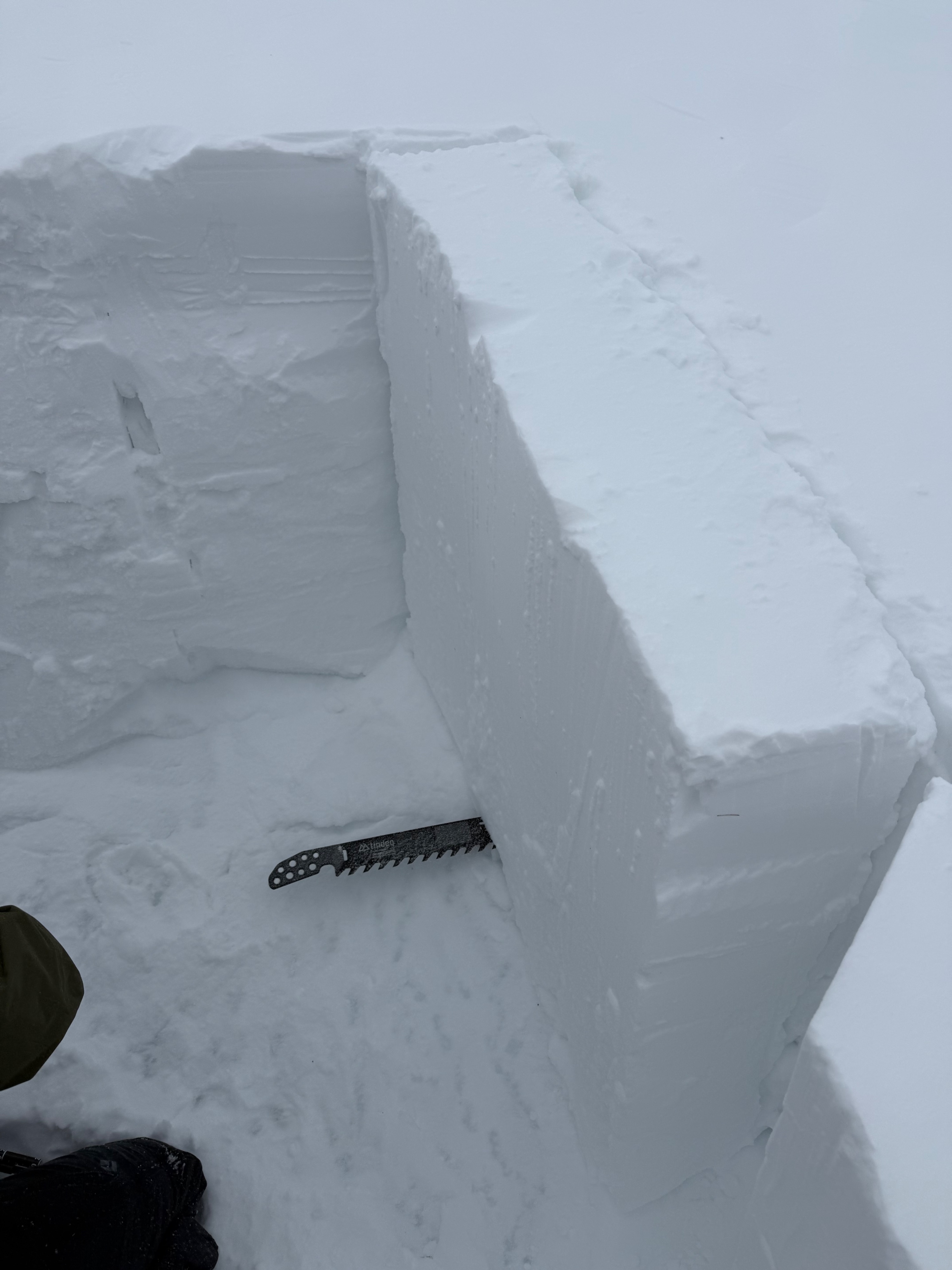
-we found evidence of multiple weak layers , but the layer of greatest concern was a facet layer on top of a stout ice crust (the functional ground) at the bottom of the snowpack. This layer was too deep for ECT to impact, but a PST 55/End showed stubborn sensitivity. This presents a low likelihood but high consequence event if triggered on a potential thin spot.
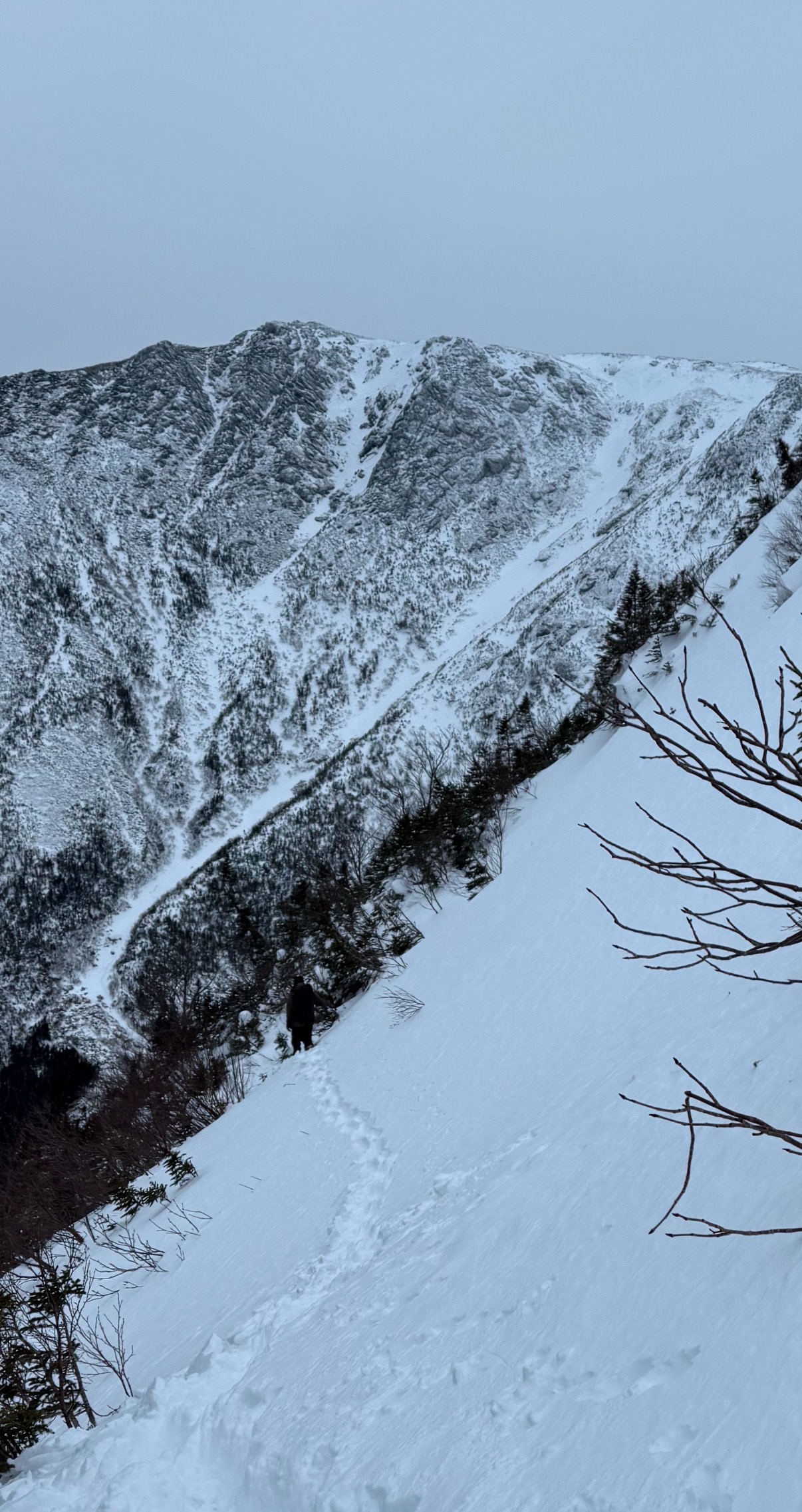
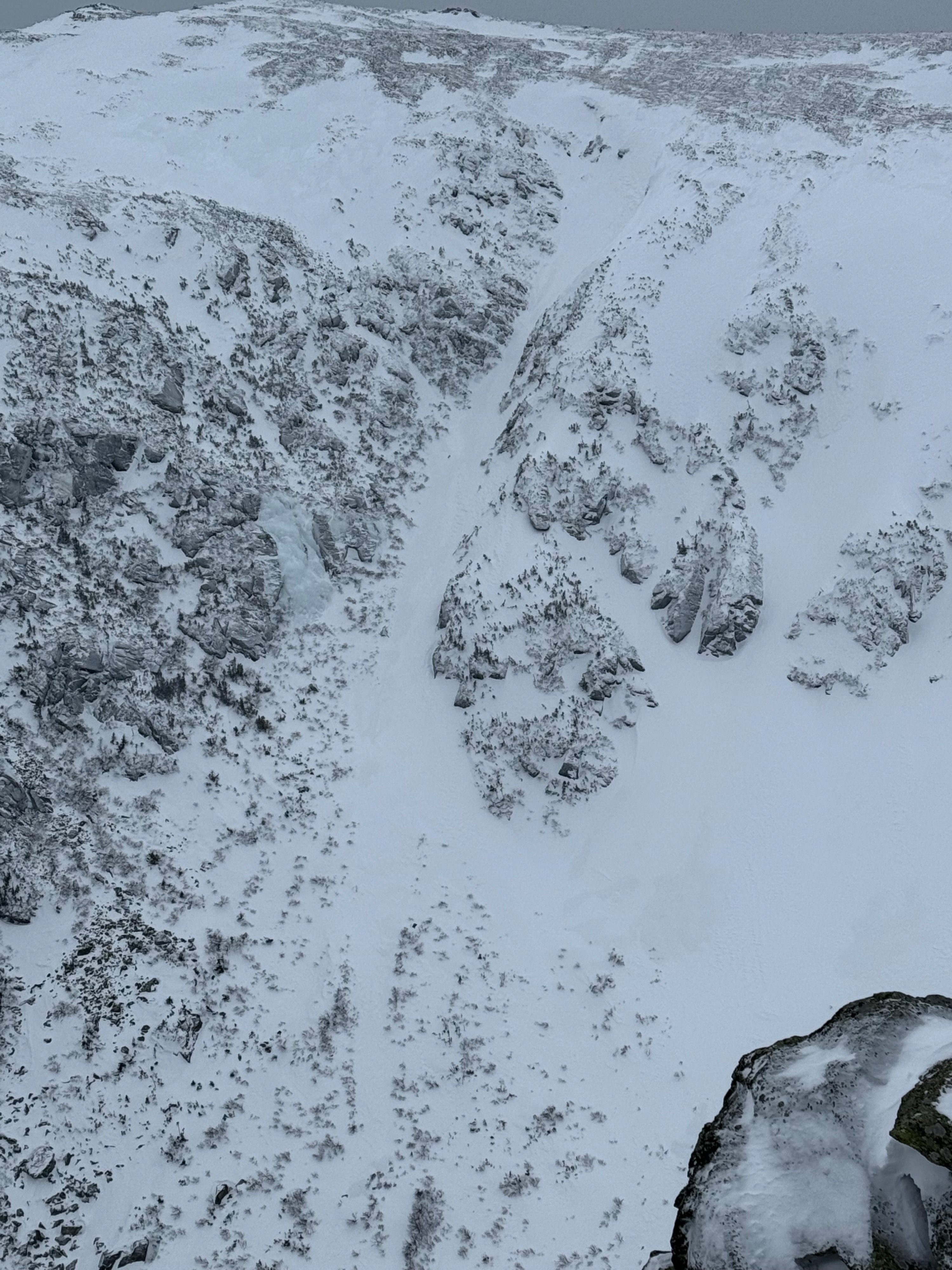
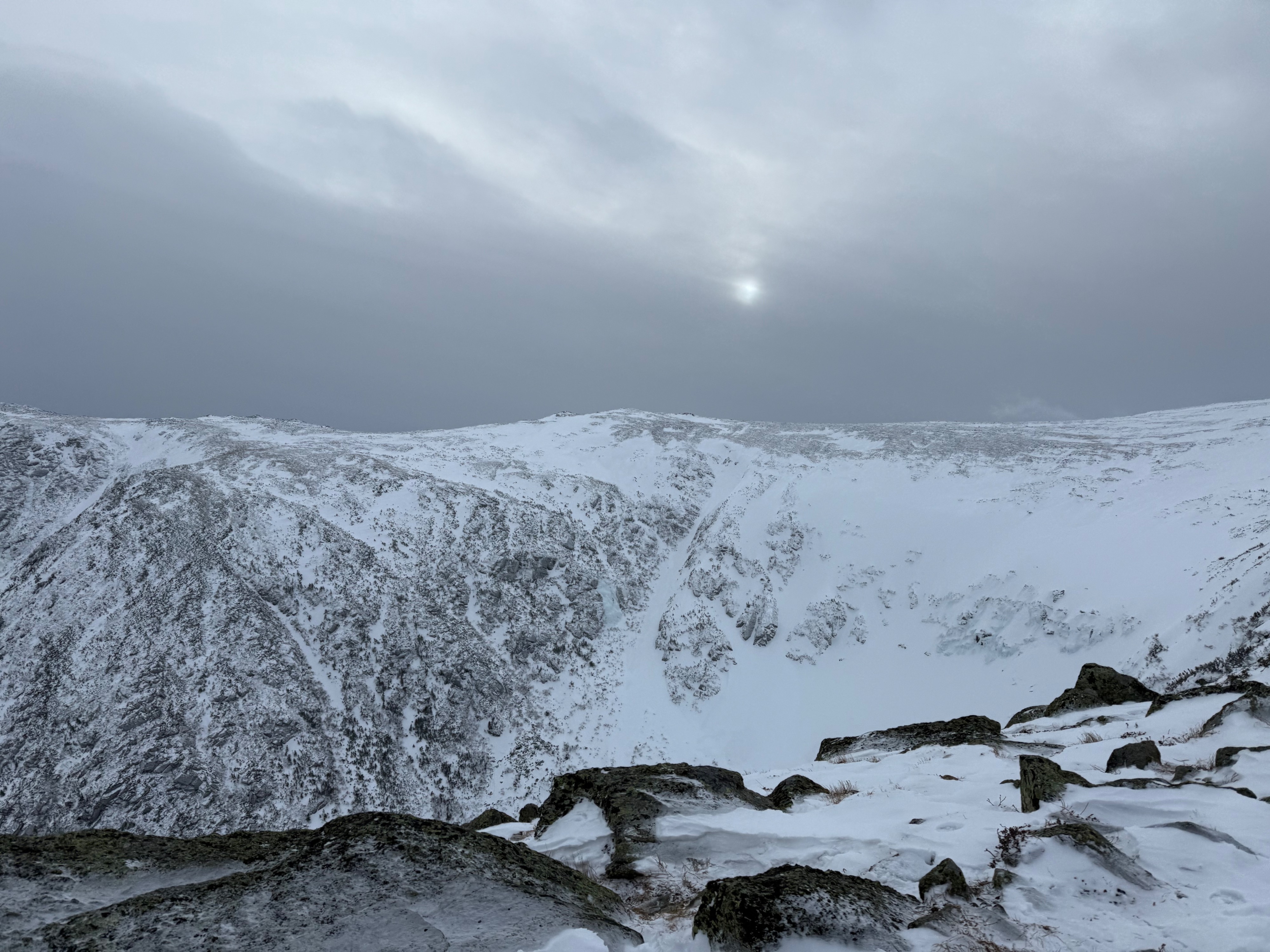
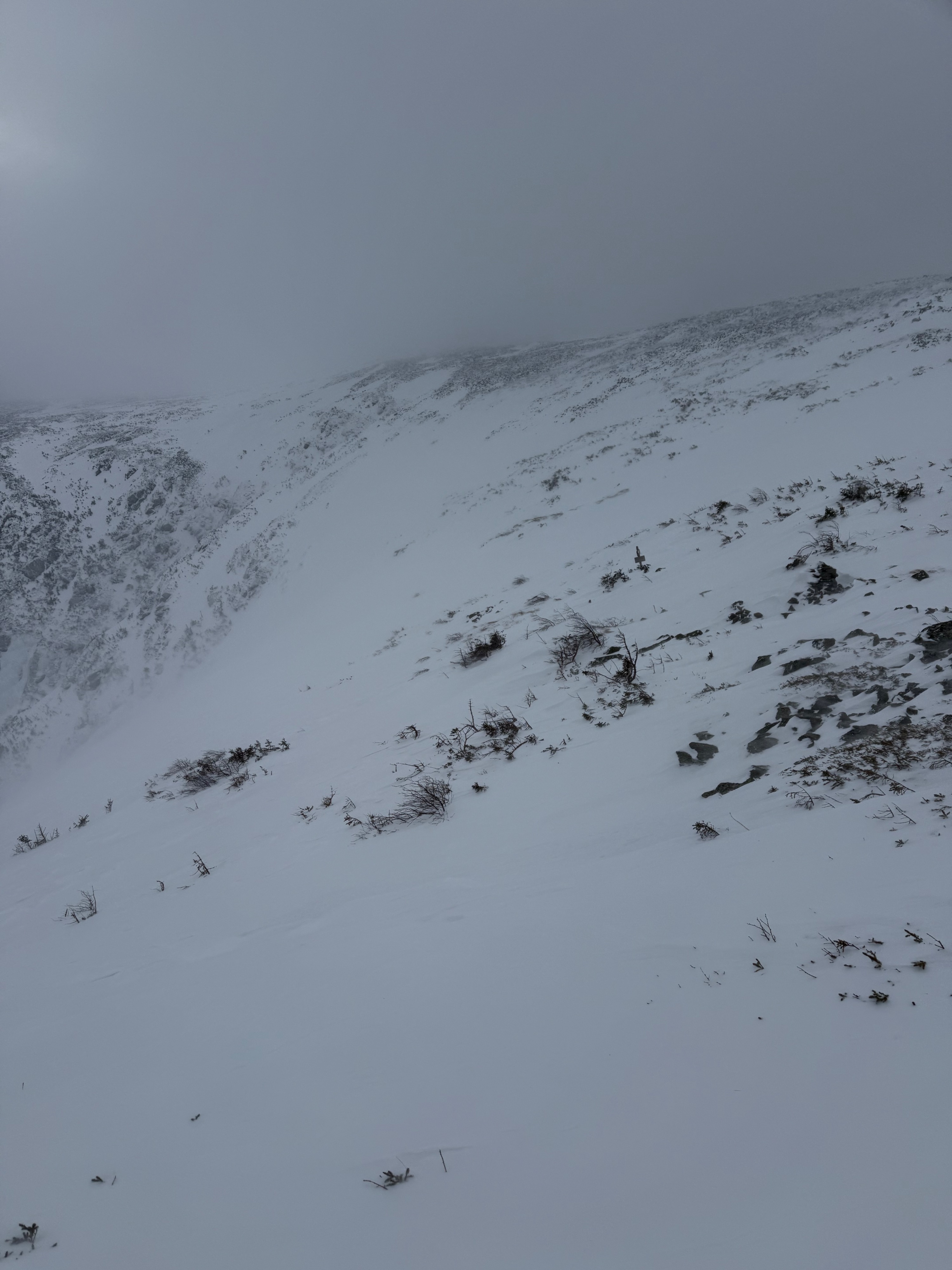
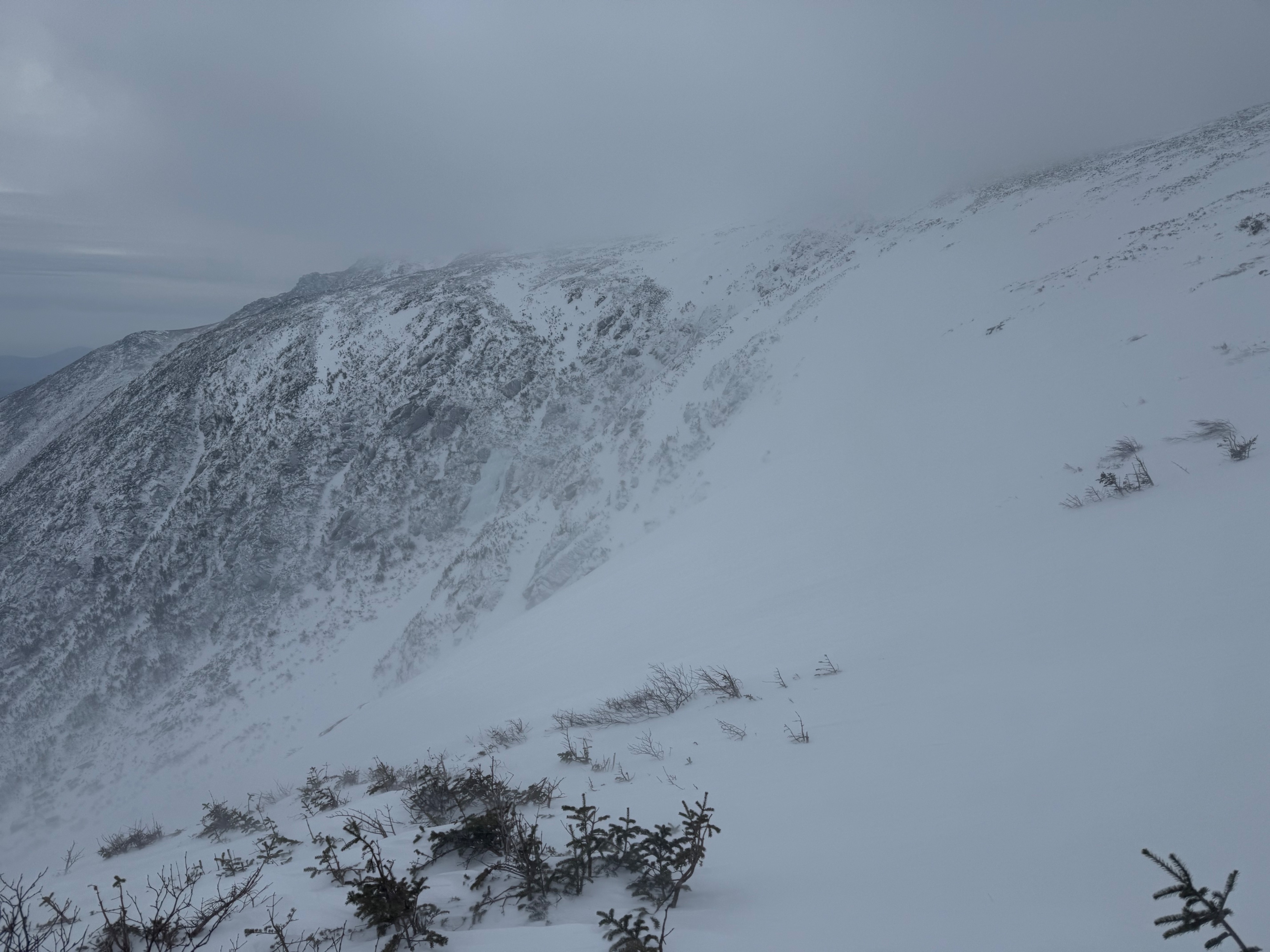
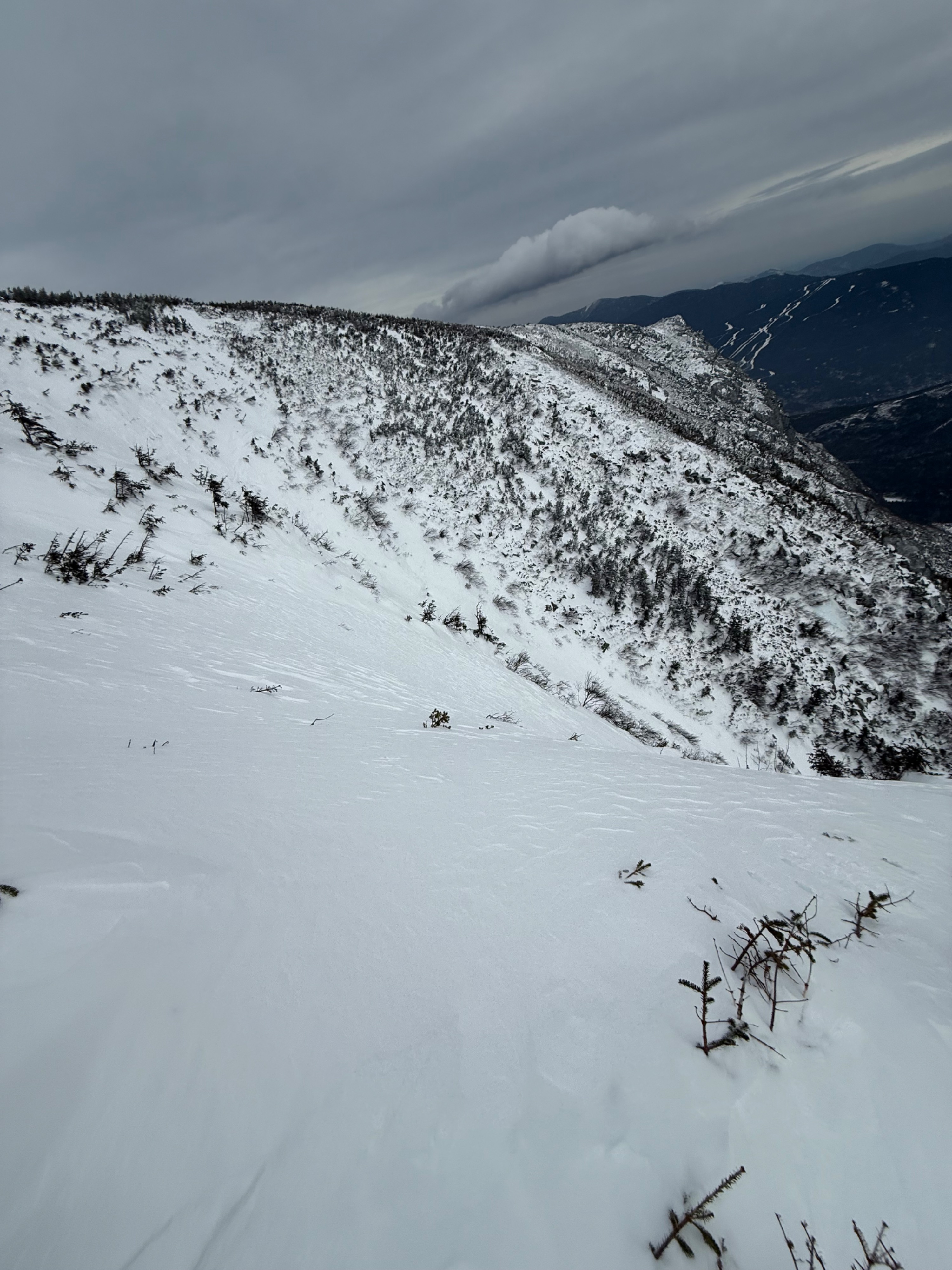
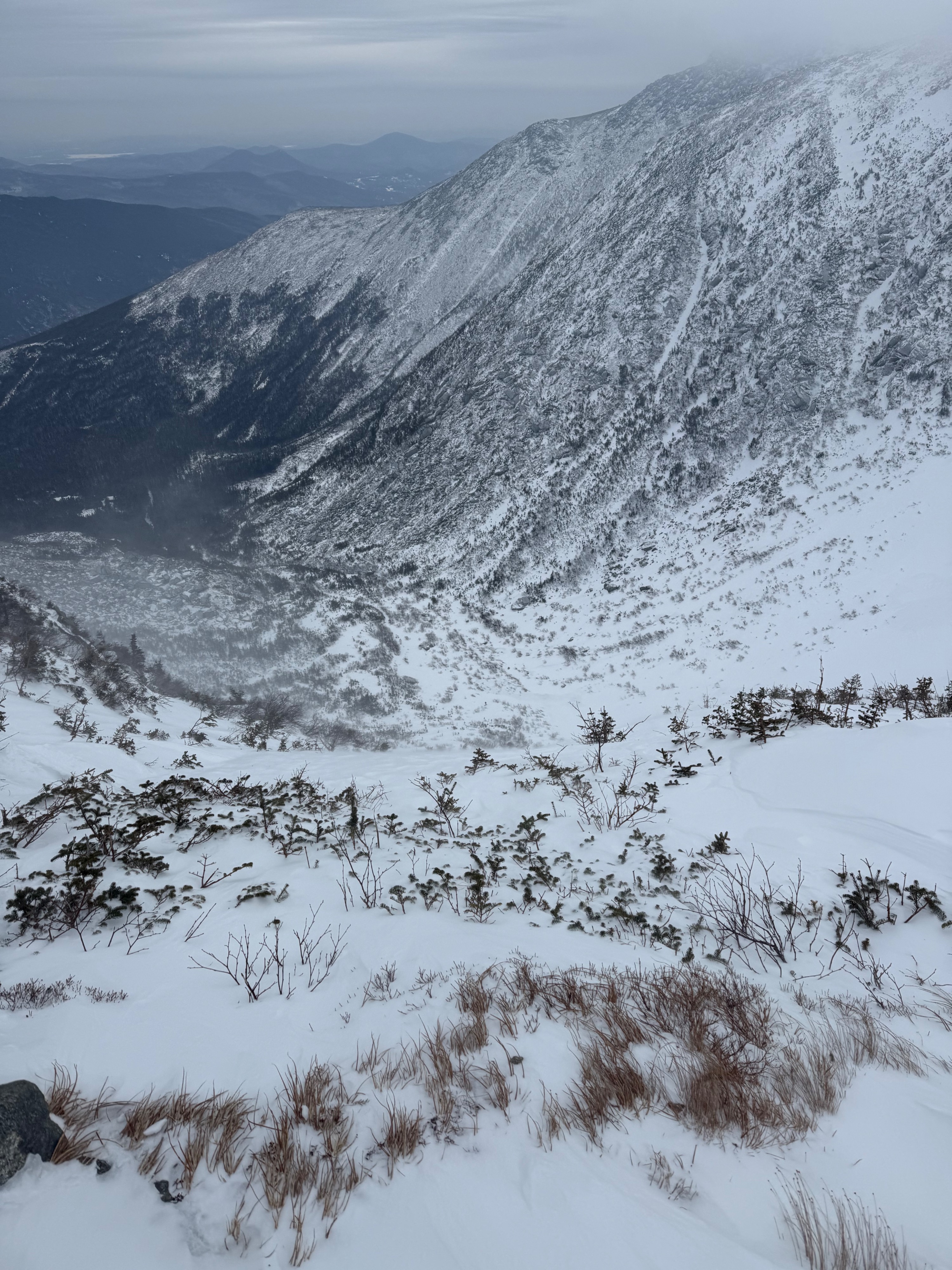
-we looked into some start zones of southeast and south aspects of Tuckerman Ravine (Lip, Sluice, Right). We noted sheltered areas of softer snow that could be more reactive, but stubborn from informal tests like hand shears. These areas were in steep rollovers or particularly sheltered and steep areas.
Weather
- Air Temp
- 20
- Cloud Cover
- broken
- Wind Loading
- light
- Recent Snowfall
- trace
- Snow Avail For Transport
- none
decreasing winds, warmer temperatures, and windows of increased visibility made for pleasant conditions moving around at upper elevations. Did notice snow moving and questioned if this was productively loading
Snowpack
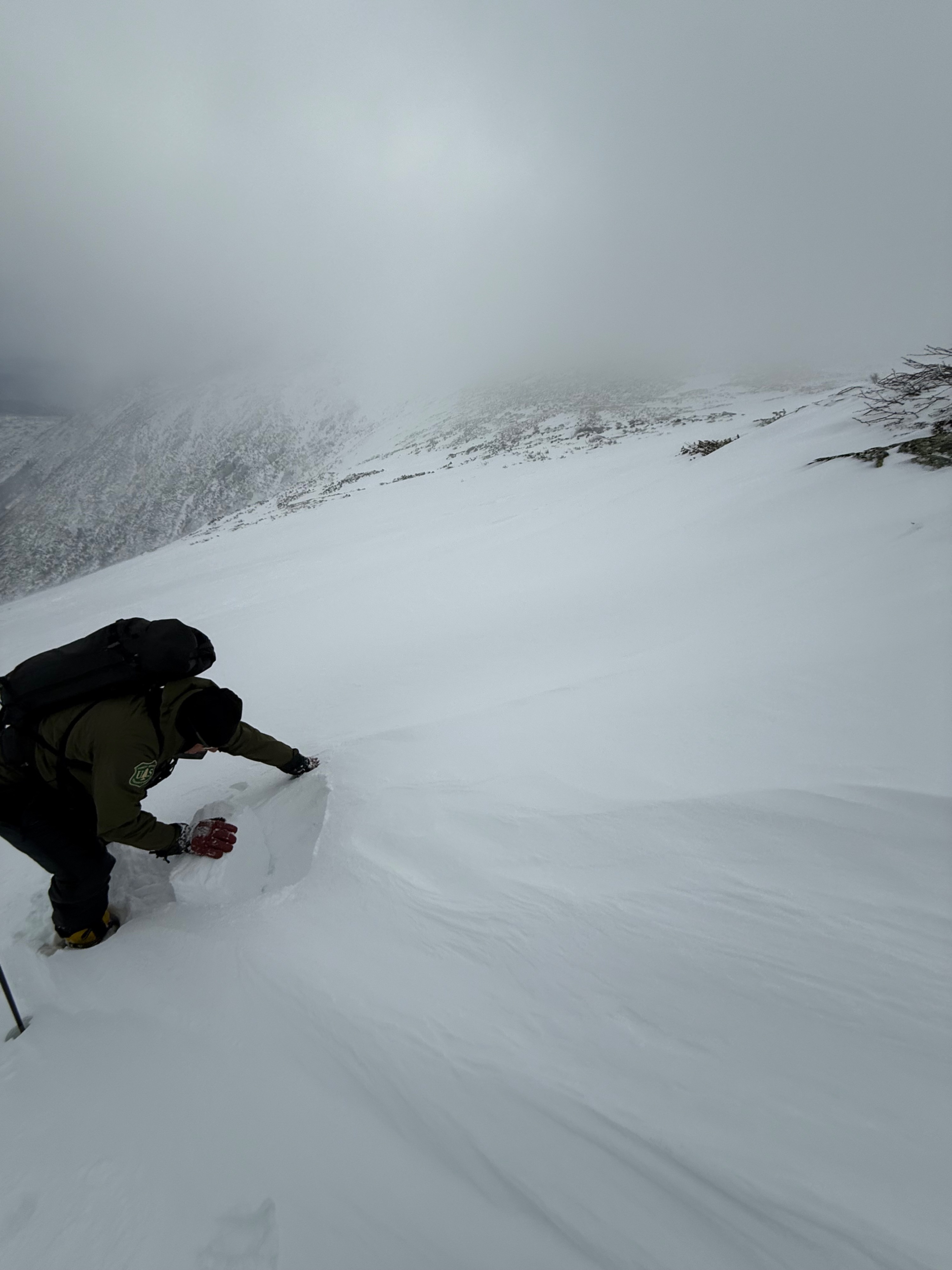
The Lip has a clear step rollover and in Right and Sluice we found softer snow in some of the wind-protected areas that were also steep. Some hand shears showed stubborn results, and we did not assess further because there was not a great way to access the terrain beyond where we were. Finding other wind-protected areas that were not above exposure found stubborn results, but overall results seemed to lack energy or much propensity for propagation. Steep unsupported terrain that is sheltered from the wind is the most likely place to find this problem. Areas more exposed to wind were far firmer and more supportable. Moving around in snow found cracking to be very isolated and just within a thin wind skin in a few areas.
What we were in terrain to assess was the snowfields to look for poor snowpack structure, faceting grains, and some reactivity on those layers. We selected a southeast aspect that was close to the area in the Southeast Snowfield that had previously avalanched to see if that structure was present. A quick hand hardness identified 3 potential weak layers. The first was about 30 cm down and was a thin weak layer between wind slabs. About 50 cm down we found a thicker faceted layer and a disintegrating melt-freeze crust. At the bottom we found more developed facets on a stout ice crust, this was just over a meter in depth where we did our pit.
An ECT yielded no propagating results, with ECTN 18 in the hardness change of the wind slabs. Pulling the ECT off it failed more easily than we expected and is not a formal test, but gave us reason to do a PST. We found stubborn results with this test, PST55 END. We also did a PST on the faceted mid-layer with no results.
Investing the neighboring avalanche, we discussed the low probability but high consequence event of an avalanche on this layer. The large heavy debris that is still visible after days of extreme winds was a clear sign of the destructive potential.
Avalanche
- Size
- D3 R4
- Type
- HS
- Aspect
- SE
- Elevation
- 6000 ft
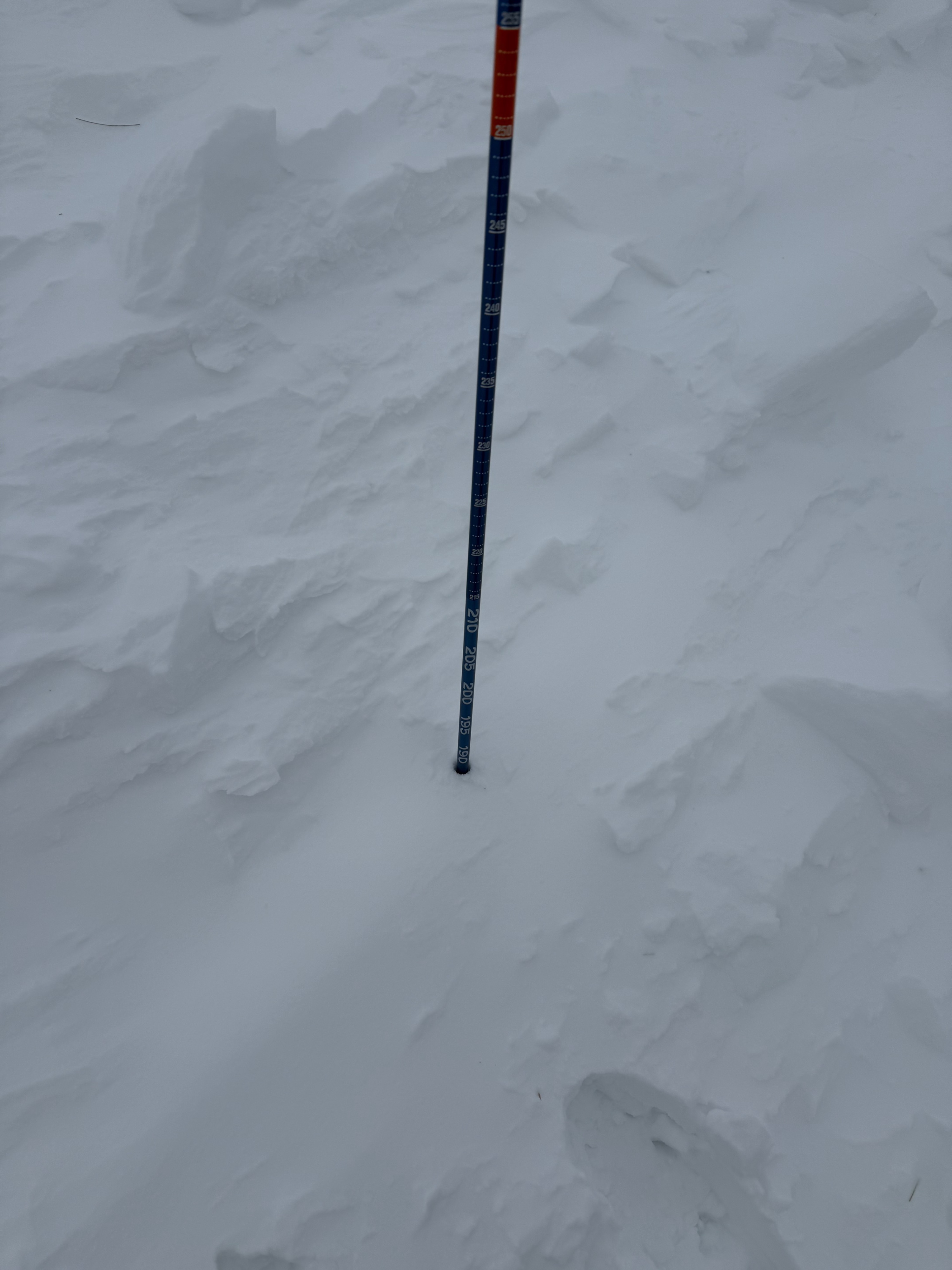
not sure when this avalanche occurred, it was reported on 1/25 but snow had filled in the crown at that point to some degree so was likely earlier. The debris field was 2.6 acres with an average depth of 80 cm (was variable with some areas at 40 cm to 250 cm) and large blocks were over a meter in size. By volume we got to D3 (2.6 acres at 80 cm depth fills one hockey rink 17.5 feet (more than the 2-3 meters listed in the definition). Assuming a density of 400 kg/m^3 the mass is approximately 3,367 tonnes, well over the 1,000 ton that is listed in SWAG parameters for D3.